The Role of Probiotics in Skincare and Nutrition

Last updated by Editorial team at beautytipa.com on Sunday 4 January 2026
Article Image for The Role of Probiotics in Skincare and Nutrition

The Role of Probiotics in Skincare and Nutrition

A Mature Era of Skin-Gut Intelligence

By 2026, probiotics have progressed from being perceived as niche wellness supplements to becoming core components of mainstream strategies for beauty, nutrition, and long-term health. Across North America, Europe, Asia-Pacific, Africa, and South America, consumers are increasingly aware that the condition of their skin is closely linked to internal balance, lifestyle, and diet, and they are looking for solutions that acknowledge this complexity rather than treating beauty as a purely cosmetic concern. For the global audience of BeautyTipa, which spans the United States, the United Kingdom, Germany, Canada, Australia, France, Italy, Spain, the Netherlands, Switzerland, China, Sweden, Norway, Singapore, Denmark, South Korea, Japan, Thailand, Finland, South Africa, Brazil, Malaysia, New Zealand and beyond, probiotics now sit at the crossroads of science-driven skincare, functional nutrition, and technology-enabled personalization.

As microbiome research has matured, the role of probiotics in skincare and nutrition has expanded from generic digestive aids to highly targeted tools that can be integrated into sophisticated routines. Researchers, dermatologists, and nutrition scientists now speak of "skin and gut intelligence" to describe how microbial ecosystems interact with immune function, barrier integrity, inflammation, and even emotional wellbeing. Readers who regularly consult BeautyTipa's dedicated sections on beauty, skincare, and food and nutrition encounter this shift in every category, from daily cleansers and serums to fermented foods and microbiome-focused supplements, as brands and professionals compete to demonstrate real expertise rather than relying on superficial trend language.

Microbiome Fundamentals: Skin and Gut as Living Ecosystems

The modern understanding of probiotics is inseparable from the broader concept of the human microbiome, the vast and dynamic communities of bacteria, fungi, and viruses that inhabit the skin, gut, and other body sites. Scientific institutions such as the National Institutes of Health provide accessible explanations of how these microbial communities influence digestion, immune responses, and susceptibility to disease, while the American Academy of Dermatology outlines how the skin microbiome contributes to barrier function, sensitivity, and inflammatory conditions. Together, these perspectives have transformed professional thinking in dermatology, nutrition, and wellness, encouraging a shift from aggressive, stripping approaches to more supportive, ecology-aware strategies.

On the skin, the microbiome is now framed as a living interface that constantly negotiates with environmental pollution, UV exposure, humidity, sebum levels, pH, and topical ingredients. In the gut, microbial diversity and balance are recognized as crucial for nutrient absorption, metabolic health, and immune modulation. Research indexed on platforms such as PubMed and published in journals hosted by Nature has linked microbiome imbalances to acne, eczema, rosacea, and premature aging, as well as to metabolic disturbances and mood changes. Against this scientific backdrop, probiotics-live microorganisms that confer a health benefit when consumed in adequate amounts-have become central to discussions of both internal and external strategies for maintaining resilient, healthy skin and overall wellbeing.

For BeautyTipa's readers, this scientific foundation is not abstract; it directly informs how they evaluate skincare products, nutritional choices, and lifestyle habits. Many now approach wellness as an integrated system rather than a collection of separate decisions, expecting brands and experts to reference robust microbiome science rather than vague promises.

Probiotics in Nutrition: Building Beauty from Within

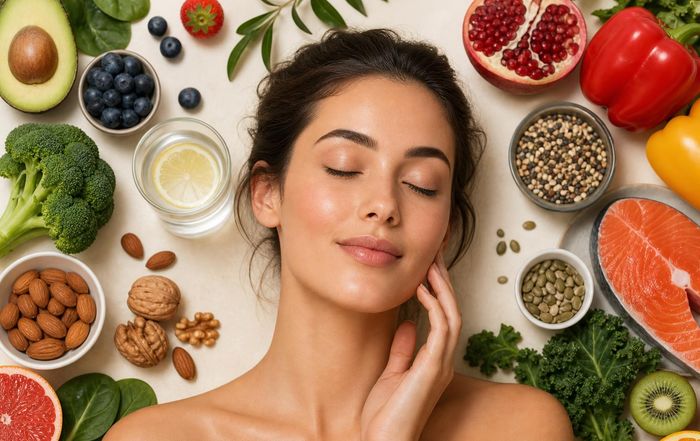
By 2026, the nutritional role of probiotics has moved beyond broad claims about "supporting digestion" to more nuanced, evidence-based guidance. Fermented foods such as yogurt, kefir, kimchi, sauerkraut, miso, tempeh, natto, and certain traditional cheeses are widely promoted for their potential to support gut microbial diversity, immune resilience, and systemic inflammation control, all of which can have visible effects on the skin. Global bodies including the World Health Organization and the Food and Agriculture Organization of the United Nations continue to refine definitions and safety frameworks for probiotics, while regulatory authorities such as the U.S. Food and Drug Administration and the European Food Safety Authority monitor health claims and quality standards for probiotic foods and supplements.

Nutrition experts increasingly emphasize the gut-skin axis, a bidirectional communication network through which gut-derived metabolites and inflammatory mediators can influence skin function. Educational resources from institutions such as the Harvard T.H. Chan School of Public Health and Mayo Clinic explain how diets rich in fiber, polyphenols, and fermented foods can encourage beneficial bacteria, reduce oxidative stress, and modulate low-grade inflammation. For the BeautyTipa community, this translates into practical frameworks in which a microbiome-supportive diet complements topical skincare, making it easier to achieve clearer, calmer, and more luminous skin at different ages and in different climates.

The global market for probiotic supplements has continued its rapid expansion, offering formulations tailored for digestion, immunity, women's health, mood, and skin. Science-focused organizations such as the International Scientific Association for Probiotics and Prebiotics provide guidance on strain specificity, dose ranges, and clinical endpoints, reinforcing that not all probiotics are interchangeable and that the benefits of one strain cannot automatically be attributed to another. For business leaders and product developers who follow BeautyTipa's business and finance coverage, this level of specificity has become a competitive differentiator, making credible strain selection and transparent labeling essential for market success.

Probiotic Profile Quiz

Discover Your Personalized Probiotic Approach
What's your primary skin concern?
How often do you consume fermented foods?
What best describes your skincare approach?
How would you rate your stress levels?
What's your main goal with probiotics?

Probiotics in Skincare: A Fully Established Technical Category

In topical skincare, probiotics and microbiome-friendly formulations have moved decisively from trend status to a fully established technical category. Dermatology-led brands, niche innovators, and large multinational corporations now invest in research on live probiotics, bacterial lysates, and postbiotic metabolites, exploring how these components can reinforce the skin barrier, reduce redness, and improve texture and radiance. Professional organizations such as the British Association of Dermatologists and the American Academy of Dermatology continue to review emerging evidence, while dermatology information portals like DermNet NZ provide balanced, accessible summaries of how microbiome-supportive ingredients are being used in clinical and consumer products.

For consumers in the United States, United Kingdom, Germany, France, Italy, Spain, South Korea, Japan, and other key markets, microbiome-conscious skincare now appears in cleansers, essences, serums, moisturizers, masks, and sunscreens. These products typically aim to respect the skin's natural flora rather than sterilizing it, often incorporating gentle surfactants, non-disruptive preservatives, ceramides, and lipids that support barrier integrity. Within BeautyTipa's coverage of brands and products and trends, readers increasingly look for clear explanations of whether a product contains live probiotics, inactivated bacterial fractions, or ferment filtrates, and what evidence supports the claimed benefits.

Formulating with live microorganisms remains technically challenging due to stability, viability, and compatibility constraints, so many companies focus on postbiotics and fermentation-derived ingredients that can deliver signaling molecules and bioactive compounds without the need to maintain live cultures in the final product. Collaboration between microbiologists, cosmetic chemists, and dermatologists has become standard practice in advanced R&D teams, and the most trusted brands are those that communicate openly about what their microbiome claims mean in practical, testable terms.

The Gut-Skin Axis: Mechanisms and Real-World Application

The concept of the gut-skin axis has moved from speculative idea to a recognized framework supported by growing clinical and mechanistic data. Institutions such as Cleveland Clinic and Johns Hopkins Medicine summarize research indicating that dysbiosis in the gut-often associated with ultra-processed diets, chronic stress, inadequate sleep, and antibiotic overuse-can promote systemic inflammation and immune dysregulation that may manifest as acne flares, rosacea, eczema, psoriasis, or accelerated visible aging. Conversely, diverse, fiber-rich, and fermented diets appear to support microbial communities that generate anti-inflammatory metabolites and short-chain fatty acids with potential benefits for skin barrier function and immune balance.

For professionals and informed consumers, this means that topical probiotic skincare is most effective when combined with supportive nutritional and lifestyle strategies. Readers who engage with BeautyTipa's sections on routines and guides and tips are encouraged to design integrated plans that consider daily skincare, meal composition, hydration, movement, sleep, and stress management as interconnected levers rather than isolated choices. This holistic perspective is particularly relevant in dense urban centers such as New York, London, Berlin, Toronto, Sydney, Paris, Milan, Madrid, Amsterdam, Zurich, Shanghai, Beijing, Seoul, Tokyo, Bangkok, Singapore, Johannesburg, São Paulo, Rio de Janeiro, Kuala Lumpur, Auckland, and Cape Town, where pollution, climate variation, and digital lifestyles all intersect with microbiome health.

In clinical practice, dermatologists and nutritionists are increasingly open to collaborative models, with referrals and co-managed care for patients whose skin concerns appear linked to digestive issues, food intolerances, or chronic stress. While the science is still evolving and individual responses vary widely, the gut-skin axis has become a useful framework for understanding why some patients see greater improvement when topical regimens are complemented by targeted dietary and lifestyle adjustments.

Regulatory and Scientific Landscape in 2026

The rapid growth of probiotics in both nutrition and skincare has prompted regulators and scientific bodies to refine frameworks for safety, efficacy, and marketing claims. Agencies such as the U.S. Food and Drug Administration, the European Food Safety Authority, and national regulators in Canada, Australia, Japan, South Korea, and Singapore have intensified scrutiny of product labeling, strain identification, and health claims, particularly where products edge into quasi-medical territory. This has led to clearer distinctions between foods, supplements, cosmetics, and drugs, and has compelled companies to substantiate claims with appropriate levels of evidence.

Databases such as ClinicalTrials.gov now list hundreds of completed and ongoing clinical studies investigating probiotics for skin conditions, metabolic health, immune modulation, and mental wellbeing. For brands and investors who follow BeautyTipa's business coverage, the ability to interpret study design, endpoints, and limitations has become a key element of strategic decision-making, influencing everything from R&D priorities to marketing narratives and geographic expansion plans.

At the same time, scientific organizations and consensus panels have continued to refine definitions of probiotics, prebiotics, synbiotics, and postbiotics, helping professionals and consumers differentiate among these categories. This evolving landscape rewards companies that are proactive in engaging with regulators, academic partners, and professional associations, and it penalizes those that rely on vague or exaggerated claims.

Market Dynamics and Strategic Opportunities

From a business perspective, probiotics now occupy a central position in the global beauty and wellness economy, intersecting with categories such as functional beverages, nutraceuticals, dermocosmetics, and personalized health services. Market analysts at organizations such as McKinsey & Company and Euromonitor International highlight sustained double-digit growth for microbiome-related products in key markets including the United States, United Kingdom, Germany, France, Italy, Spain, China, South Korea, and Japan, with growing traction in Brazil, South Africa, Malaysia, Thailand, and the broader Middle East and Africa region.

For entrepreneurs and established corporations, this environment offers opportunities to build integrated ecosystems that span ingestible and topical products, supported by educational content, digital tools, and community engagement. On BeautyTipa, coverage of brands and products and events frequently highlights partnerships between cosmetic houses, biotech startups, and food manufacturers, as well as collaborations with universities and clinical research centers. Differentiation now depends on more than attractive packaging; it requires demonstrable expertise in microbiology, dermatology, nutrition, and regulatory science, along with credible sustainability and ethics narratives.

Global e-commerce platforms and social media ecosystems, particularly in China, Southeast Asia, and North America, have accelerated the diffusion of microbiome-focused products, but they have also raised the stakes for reputation management. Brands that overpromise or underdeliver are quickly called out by knowledgeable consumers and professionals, while those that invest in transparent education and realistic expectations can build strong, long-term loyalty.

Technology, Data, and Personalized Probiotic Solutions

The convergence of microbiome science with digital technology has been one of the defining developments of the mid-2020s. Advances in sequencing technologies, bioinformatics, and artificial intelligence allow for increasingly detailed analysis of individual microbiomes and environmental exposures. Innovation hubs such as the MIT Media Lab and leading European and Asian research centers have demonstrated how machine learning can interpret complex microbiome datasets and translate them into practical recommendations for diet, supplements, and skincare.

In consumer markets, this has led to the proliferation of home microbiome testing kits, personalized probiotic subscription services, and AI-driven skincare analysis tools that suggest microbiome-friendly routines based on skin imaging, lifestyle questionnaires, and regional environmental data. BeautyTipa's technology and beauty coverage tracks how clinics and brands in the United States, United Kingdom, Germany, South Korea, Japan, and Singapore are integrating teledermatology, digital consultations, and data-informed product recommendations into their service offerings.

However, this data-rich landscape also raises important ethical and regulatory questions. Organizations such as the World Economic Forum and data protection authorities in the European Union and other regions stress the need for robust privacy protections, clear consent processes, and transparency about how health-related data is stored, analyzed, and shared. Companies operating at the intersection of probiotics, beauty, and digital health must therefore develop governance frameworks that balance innovation with consumer trust, recognizing that misuse of data can quickly erode the credibility they have worked to build.

Skills, Employment, and New Career Pathways

The rise of probiotics in skincare and nutrition has reshaped the employment landscape across beauty, wellness, healthcare, and technology. New roles now sit at the intersections of microbiology, cosmetic science, nutrition, regulatory affairs, data analytics, and digital marketing. Companies in hubs such as New York, London, Berlin, Paris, Amsterdam, Zurich, Toronto, Vancouver, Sydney, Melbourne, Seoul, Tokyo, Singapore, and Copenhagen increasingly seek professionals who can interpret scientific literature, collaborate with laboratories, and communicate complex findings in language that resonates with consumers and regulators alike.

Within BeautyTipa's jobs and employment coverage, readers see growing demand for formulation scientists with microbiome expertise, clinical research coordinators specializing in probiotic trials, regulatory strategists, science-informed brand managers, and content creators capable of translating microbiome science into compelling yet accurate narratives. For students and early-career professionals, traditional degrees in cosmetic science, nutrition, or pharmacy can be strengthened by additional training in microbiome research, data science, or sustainability. For established practitioners, continuing education through professional associations, online courses, and cross-disciplinary collaborations has become essential to remain competitive in this rapidly evolving field.

Freelance experts and independent practitioners-from dermatologists and dietitians to wellness coaches and beauty educators-are also integrating microbiome perspectives into their services. This trend is visible not only in North America and Europe but also in emerging markets across Asia, Africa, and South America, where traditional fermented foods and herbal practices intersect with modern probiotic science to create unique, culturally grounded offerings.

Global and Cultural Dimensions of Probiotic Beauty and Nutrition

Probiotic practices are inherently global yet deeply shaped by local culture and history. In East Asia, long-standing traditions of fermented foods such as kimchi, miso, natto, and fermented teas have provided a natural entry point for probiotic-rich diets, and contemporary K-beauty and J-beauty brands have been leaders in incorporating ferment-based ingredients into skincare. In Europe, artisanal yogurts, kefirs, and cheeses have been reframed as functional foods, while in North America and Australia, kombucha, sauerkraut, and probiotic beverages have become staples of wellness-oriented lifestyles.

For a platform like BeautyTipa, which dedicates an entire section to international perspectives, it is essential to highlight these regional variations while grounding them in shared scientific principles. Readers in South Africa, Brazil, Malaysia, Thailand, and other fast-growing markets bring their own culinary and skincare traditions, many of which already emphasize fermentation, botanicals, and holistic approaches to health. As microbiome science advances, these traditions can be reinterpreted and integrated into modern product development, enabling brands to create offerings that are both locally authentic and globally credible.

International collaboration among universities, research institutes, and companies helps accelerate discovery and harmonize standards. Organizations such as the World Health Organization and regional public health agencies facilitate knowledge exchange on antimicrobial resistance, nutrition policy, and chronic disease prevention, all of which indirectly shape how probiotics are researched, regulated, and positioned. For business leaders and practitioners who follow BeautyTipa's international and business and finance sections, understanding these global dynamics is crucial for designing resilient strategies that can adapt to shifting regulatory, cultural, and consumer landscapes.

Integrating Probiotics into Daily Beauty and Wellness Routines

Ultimately, the role of probiotics in skincare and nutrition becomes meaningful only when it is translated into consistent, sustainable daily habits. For many readers of BeautyTipa, this means designing routines that combine microbiome-supportive nutrition with gentle, barrier-focused skincare, appropriate movement, and stress management. The platform's coverage of routines, health and fitness, and beauty offers practical frameworks that can be adapted to different work schedules, family responsibilities, and regional food availability.

Professionals often suggest beginning with foundational steps: prioritizing whole foods rich in fiber and phytonutrients; incorporating fermented foods where culturally appropriate and personally tolerated; choosing skincare that avoids unnecessarily harsh surfactants, over-exfoliation, and sensitizing fragrances; and recognizing sleep, physical activity, and mental health as integral parts of a microbiome-friendly lifestyle. Over time, individuals may consider targeted probiotic or synbiotic supplements and more advanced microbiome-focused skincare, ideally in consultation with healthcare providers or qualified practitioners who can consider medical history, medications, and individual sensitivities.

It remains important to acknowledge that responses to probiotics are highly individual, influenced by genetics, existing microbiome composition, environment, and overall health status. Evidence continues to evolve, and while many people experience benefits, no single probiotic or product can be universally effective. A cautious, informed, and personalized approach-supported by trustworthy information sources and realistic expectations-offers the best chance of achieving sustainable improvements in both skin appearance and overall wellbeing.

Looking Ahead: Evidence, Trust, and Holistic Beauty

As 2026 unfolds, probiotics in skincare and nutrition occupy a pivotal position at the intersection of science, commerce, and culture. The potential benefits are substantial, ranging from improved skin resilience and reduced inflammation to better digestive comfort and more stable immune responses. Yet this potential can only be realized if industry leaders, regulators, professionals, and consumers collectively prioritize robust evidence, transparent communication, and long-term trust over short-lived marketing hype.

For BeautyTipa, the mission is to act as a reliable guide through this complex landscape, connecting readers with the most relevant and trustworthy insights across beauty, skincare, nutrition, technology, business, and global culture. By closely following developments from leading scientific institutions, monitoring clinical research, and engaging with innovators across continents, the platform aims to help individuals and organizations make informed decisions about how to integrate probiotics into their lives and strategies.

In the years ahead, the role of probiotics will likely continue to evolve, shaped by advances in microbiome science, data analytics, sustainability, and shifting consumer expectations. Those who invest in genuine expertise, responsible innovation, and thoughtful integration of probiotics into everyday routines-whether through food, supplements, or skincare-will be best positioned to thrive in this era of skin and gut intelligence. For the global community that turns to BeautyTipa for guidance, probiotics are no longer a passing trend but a key element of a broader, more holistic understanding of beauty as an expression of deep, interconnected health.

Wellness Driven Beauty Trends Gaining Momentum

Last updated by Editorial team at beautytipa.com on Sunday 4 January 2026
Article Image for Wellness Driven Beauty Trends Gaining Momentum

Wellness-Driven Beauty: How Holistic Wellbeing Became the New Luxury

Wellness as Beauty's Defining Standard in 2026

By 2026, wellness has moved from the periphery of the beauty conversation to its center, redefining what consumers across the world consider desirable, aspirational, and worth investing in. Beauty is no longer framed mainly around correction, camouflage, or fast trends; instead, it is increasingly understood as the visible outcome of deeper physical, emotional, and mental balance, supported by ethical choices and long-term lifestyle habits. In major markets including the United States, United Kingdom, Germany, Canada, Australia, France, Italy, Spain, the Netherlands, Switzerland, China, South Korea, Japan, Singapore, and across regions in Europe, Asia, Africa, and the Americas, this shift has become so pronounced that wellness-driven beauty now sets the baseline for how brands formulate products, design services, and communicate value.

For BeautyTipa, which approaches beauty as part of a broader lifestyle that encompasses wellness, health and fitness, food and nutrition, and even career and financial choices, this evolution is not simply a trend cycle; it is a structural transformation that informs editorial priorities and the way content is curated for a global, digitally savvy audience. Data from organizations such as the Global Wellness Institute, alongside health perspectives from the World Health Organization, shows that the wellness economy continues to outpace global GDP growth, reinforcing the idea that wellness is perceived less as a discretionary indulgence and more as a daily necessity and long-term investment. This macro shift underpins the rise of functional skincare, mindful routines, integrative nutrition, and sustainable business practices, all of which are now core themes for BeautyTipa readers who want beauty choices that are aligned with evidence, ethics, and real-life constraints.

Skin Health as the Foundation of Modern Beauty

In 2026, skin health has firmly replaced quick cosmetic enhancement as the central focus of the skincare category, especially in sophisticated markets such as the United States, South Korea, Japan, the Nordic countries, and Western Europe. Consumers are increasingly literate in concepts such as barrier repair, microbiome balance, inflammation control, and photoprotection, and they are far more likely to evaluate products through the lens of long-term resilience rather than instant but fleeting visual effects. Dermatology-led brands such as La Roche-Posay and CeraVe, along with academic and clinical resources from bodies like the American Academy of Dermatology, have normalized the language of ceramides, peptides, niacinamide, and retinoids, while also elevating public awareness of conditions including rosacea, eczema, melasma, and adult acne across diverse skin tones and age groups.

This emphasis on skin health is reflected in the way BeautyTipa develops its skincare coverage, prioritizing in-depth explanations of ingredient mechanisms, routine design, and realistic expectations over hype-driven product spotlights. Regulatory frameworks, particularly those outlined by the European Commission on cosmetic safety, have reinforced a more science-forward approach in markets such as the United Kingdom, Germany, France, Italy, Spain, and the Netherlands, encouraging brands to back claims with clinical data, invest in dermatological testing, and communicate more transparently about tolerability and side effects. At the same time, global demand for hybrid formulas that bridge skincare and makeup-tinted sunscreens, serum foundations, and treatment concealers-continues to grow, especially among professionals in North America, Europe, and Asia who want streamlined routines that support skin health while delivering polished, camera-ready results.

Rituals Over Products: The Wellness Routine as Daily Architecture

The wellness-driven paradigm has also changed how individuals structure their day, with beauty increasingly expressed not as a collection of isolated products but as a set of intentional rituals that integrate mind and body. In 2026, morning and evening routines in cities from New York and Toronto to London, Berlin, Seoul, and Tokyo often combine cleansing, hydrating, and targeted treatments with practices such as breathwork, brief meditation, journaling, or digital detox intervals. Research from institutions including Harvard Medical School and the Mayo Clinic has made it clear to consumers that chronic stress, poor sleep, and systemic inflammation can manifest visibly in the skin, hair, and eyes, which in turn has elevated the perceived value of routines that support relaxation, circadian alignment, and emotional regulation.

Within BeautyTipa's routines and guides and tips sections, this shift is reflected in content that frames skincare not simply as a sequence of steps, but as a daily anchor that can help readers in the United States, the United Kingdom, Canada, Australia, and beyond manage demanding work schedules, caregiving responsibilities, and digital overload. In East Asian markets such as South Korea and Japan, where multi-step skincare traditions have long been established, there is a notable move toward "skin minimalism," with consumers focusing on fewer, better-formulated products that respect barrier function and reduce the risk of irritation from over-exfoliation and ingredient stacking. In Scandinavian countries, Germany, and Canada, the emphasis on slow living and nature-connected habits translates into routines that incorporate outdoor exposure, light therapy, cold water immersion, and seasonally adjusted textures, illustrating how wellness rituals adapt to climate and lifestyle.

What's Your Wellness-Driven Beauty Profile?

Discover your personalized approach to holistic beauty in 2026

Clean, Conscious, and Clinically Grounded Ingredients

The "clean beauty" conversation that dominated the late 2010s has matured into a more sophisticated, evidence-based discourse in 2026, driven by a better public understanding of toxicology, formulation science, and environmental impact. Rather than relying on fear-based marketing or simplistic "free-from" lists, consumers in France, Italy, Spain, Brazil, and other key markets increasingly recognize that safety and sustainability cannot be reduced to natural versus synthetic binaries. Guidance from organizations such as the Environmental Working Group, along with evolving regulatory oversight in Europe, North America, and Asia, has led to greater scrutiny of preservatives, potential endocrine disruptors, allergens, and environmental persistence, but also to a more nuanced appreciation of the role that well-studied synthetic actives and stabilizers can play in ensuring efficacy and product integrity.

Major research-driven players such as Estée Lauder Companies, L'Oréal, and Shiseido are investing heavily in green chemistry, biotech-derived ingredients, and advanced delivery systems that aim to maximize benefits while minimizing irritation and ecological footprint, often working with universities and independent laboratories to generate data that can be shared with regulators and the public. For the BeautyTipa audience, which frequently explores brands and products and in-depth ingredient explanations, this environment has made ingredient literacy almost a prerequisite for confident purchasing. Readers now expect to understand concentration ranges, pH considerations, and compatibility between actives, and many consult resources such as the U.S. Food and Drug Administration's cosmetics portal or the European Chemicals Agency when evaluating unfamiliar components. This clinically informed mindset is reshaping the way brands communicate, encouraging them to move away from vague wellness language and toward measurable outcomes, transparent sourcing, and more rigorous safety testing across diverse populations.

Inside-Out Beauty: Nutrition, Gut Health, and Metabolic Wellness

The convergence of beauty, nutrition, and gut health has accelerated further in 2026, reflecting a growing consensus that visible radiance and resilience are closely tied to internal balance, metabolic flexibility, and dietary patterns. Research synthesized by bodies such as the National Institutes of Health and the British Nutrition Foundation has helped popularize the roles of antioxidants, omega-3 fatty acids, polyphenols, fiber, collagen peptides, and specific probiotic strains in supporting skin elasticity, barrier function, and inflammatory control, while also highlighting the detrimental effects of ultra-processed foods, high-glycemic diets, and chronic micronutrient deficiencies on acne, dullness, and premature aging.

Because BeautyTipa sits at the intersection of beauty, food and nutrition, and holistic wellness, the platform is well positioned to explore how regional dietary patterns-from Mediterranean-style eating in Italy and Spain, to plant-forward Nordic diets, to fermented-rich cuisines in South Korea, Japan, and Thailand-can complement topical routines and professional treatments. Supplement brands including Hum Nutrition, Ritual, and The Nue Co. have responded to increasing consumer scrutiny by prioritizing transparent labeling, third-party testing, and educational materials that reference peer-reviewed research, while regulators such as the European Food Safety Authority and Health Canada have tightened expectations around claims and safety monitoring. This integrative perspective has also influenced how consumers in the United States, the United Kingdom, Germany, Brazil, and South Africa think about weight management, hormonal balance, and mental health, reinforcing the idea that beauty is a byproduct of everyday choices around sleep, movement, stress management, and nutrition, rather than something that can be achieved solely at the vanity mirror.

Technology, AI, and the Personalization of Beauty

Technological innovation continues to reshape wellness-driven beauty in 2026, particularly in digitally advanced markets such as the United States, United Kingdom, Singapore, South Korea, Japan, and the Nordic countries. Artificial intelligence, computer vision, and connected devices are enabling unprecedented levels of personalization, allowing consumers to analyze their skin, hair, and lifestyle data in real time and receive tailored recommendations that adapt as conditions change. AI-powered analysis tools, many derived from platforms such as L'Oréal's Modiface, now appear in retailer apps, tele-dermatology services, and smart mirrors that can assess hydration, pigmentation, fine lines, and redness with growing accuracy.

Within BeautyTipa's technology beauty coverage, these developments are evaluated not only for their innovation but also for their implications around privacy, data governance, algorithmic bias, and accessibility. Collaborations between beauty brands and technology leaders such as Apple, Samsung, and Google have extended wellness tracking beyond steps and heart rate to include sleep stages, stress indicators, and even environmental exposures like UV and pollution, giving consumers more context for understanding flare-ups, sensitivity, or dullness. Research initiatives at institutions such as the MIT Media Lab continue to explore biosensing wearables and adaptive formulations, but consumers have become more discerning about distinguishing between meaningful technological advances and superficial gadgetry. As a result, brands are under pressure to demonstrate that their tech-enabled offerings are backed by credible science, validated across different skin tones and age groups, and genuinely helpful in simplifying decisions rather than overwhelming users with data.

Sustainability and Ethics as Core Wellness Dimensions

By 2026, sustainability and ethical responsibility are widely regarded as intrinsic components of personal wellness, rather than separate corporate social responsibility topics. Many consumers in Europe, North America, Asia, Africa, and South America increasingly feel that their own sense of wellbeing is compromised if their beauty choices contribute to environmental degradation, labor exploitation, or animal suffering. Reports and campaigns from organizations such as the United Nations Environment Programme and the Ellen MacArthur Foundation have heightened awareness of issues including plastic pollution, water scarcity, and the need for circular packaging systems, prompting both multinational corporations and independent labels to re-evaluate materials, logistics, and end-of-life strategies.

For the global audience of BeautyTipa, which spans markets from Germany, the Netherlands, and Switzerland to South Africa, Brazil, Malaysia, and New Zealand, sustainability has shifted from a niche differentiator to a baseline expectation. Interest in refillable packaging, concentrated and waterless formats, and upcycled ingredients sourced from food and agricultural by-products continues to grow, as consumers seek to align their routines with broader planetary health. Leading conglomerates such as Unilever, Procter & Gamble, and LVMH have made public commitments on carbon reduction, deforestation-free supply chains, and packaging circularity, while smaller brands often push further by adopting regenerative agriculture partnerships and radical transparency around sourcing and labor conditions, following frameworks from organizations like the Sustainability Accounting Standards Board. Ethical considerations have also expanded to include inclusivity in shade ranges, representation in marketing, and community investment in sourcing regions, reinforcing the idea that wellness-driven beauty must be equitable and socially responsible to be truly credible.

The Business of Wellness Beauty: Capital, Careers, and Global Reach

From a business perspective, wellness-driven beauty remains one of the most attractive and resilient segments of the consumer landscape in 2026, capturing investment from venture capital, private equity, and strategic corporate buyers across North America, Europe, and Asia. Analyses from consulting firms such as McKinsey & Company and Deloitte, available through their respective portals, indicate that brands positioned at the intersection of wellness, technology, and sustainability enjoy stronger customer loyalty, higher repeat purchase rates, and premium valuations, particularly among Gen Z and Millennial consumers in the United States, United Kingdom, Canada, and Australia.

For professionals and entrepreneurs following BeautyTipa's business and finance and jobs and employment sections, this growth translates into expanding career opportunities across multiple disciplines: product development focused on skin health and microbiome balance; regulatory affairs navigating evolving ingredient and claims standards; digital marketing and community management that speak authentically to wellness values; data science and AI development supporting personalization; and sustainability strategy roles that integrate environmental and social impact into business models. Job platforms such as LinkedIn reflect this demand, with a notable rise in roles centered on "wellness innovation," "ESG strategy," and "digital health partnerships." International expansion remains a key lever for growth, as South Korean and Japanese brands continue to influence Western markets with advanced textures and formats, while European and North American labels adapt to regulations and cultural preferences in China, Southeast Asia, the Middle East, and Latin America. This increasingly interconnected ecosystem underscores the importance of cross-cultural fluency, regulatory understanding, and ethical leadership for those building careers or companies in wellness-driven beauty.

Wellness-Infused Makeup, Fragrance, and Fashion

Although skincare often dominates the wellness conversation, by 2026 makeup, fragrance, and fashion have also been reshaped by wellbeing priorities, creating more cohesive lifestyle ecosystems for consumers in cities from New York and Los Angeles to London, Paris, Milan, Seoul, and Tokyo. Makeup brands such as Ilia Beauty, Kosas, and Westman Atelier emphasize skin-compatible ingredients, breathable textures, and flexible coverage that allows the skin's natural characteristics to remain visible, reflecting a broader cultural shift toward authenticity, comfort, and self-acceptance. These brands appeal strongly to BeautyTipa readers who explore makeup and fashion not as tools for transformation alone, but as means of expressing identity while honoring skin health and personal values.

Fragrance has also entered the wellness arena, with a growing category of functional scents designed to support relaxation, focus, or emotional grounding, drawing on research from bodies like the National Center for Complementary and Integrative Health into aromatherapy and olfactory pathways. In fashion, the rise of athleisure, adaptive clothing, and textiles engineered for breathability, thermoregulation, and skin compatibility reflects the same wellness-driven priorities seen in beauty, as consumers seek alignment between what they put on their skin, what they ingest, and what they wear throughout the day. These cross-category synergies are increasingly visible at industry gatherings and consumer-facing events covered in BeautyTipa's events and trends sections, where collaborations between beauty, fitness, nutrition, and apparel brands illustrate how wellness has become a unifying narrative across the lifestyle spectrum.

Global and Cultural Nuances in Wellness-Driven Beauty

Although wellness-driven beauty is a global phenomenon, its expression varies significantly across regions, shaped by cultural traditions, climate, socioeconomic factors, and regulatory environments. In South Korea and Japan, centuries-old practices such as onsen bathing, herbal medicine, and meticulous cleansing rituals coexist with cutting-edge dermatology, laser technology, and biotech formulations, offering a model for harmonizing heritage and innovation that increasingly influences Western product development and content within BeautyTipa's international coverage.

In Europe, particularly in Germany, Switzerland, Italy, France, and the Nordic countries, wellness-driven beauty is closely intertwined with spa culture, thermal therapies, and medical-grade treatments, underpinned by stringent safety and efficacy standards documented by organizations like the European Spa Association. North America, led by the United States and Canada, showcases a blend of entrepreneurial experimentation and scientific rigor, with rapid uptake of ingestible beauty, tele-dermatology, AI diagnostics, and at-home devices, alongside ongoing debates about access, affordability, and health equity. In regions across Africa, South America, and Southeast Asia, local botanicals, indigenous knowledge systems, and community-based self-care traditions are gaining renewed recognition, both within domestic markets and through export-oriented brands that highlight biodiversity, fair trade, and cultural storytelling as central elements of wellness. This diversity of perspectives reinforces the importance of context-sensitive guidance, something BeautyTipa prioritizes as it serves readers from South Africa to Brazil, Malaysia, Thailand, and beyond who want global insights that still respect local realities.

How BeautyTipa Curates Wellness-Driven Beauty for 2026 and Beyond

As wellness-driven beauty continues to evolve in 2026, BeautyTipa positions itself as a trusted, globally minded guide for readers who want to navigate this landscape with clarity, confidence, and a strong sense of personal alignment. Through interconnected sections on beauty, wellness, skincare, trends, and guides and tips, the platform helps audiences in the United States, United Kingdom, Germany, Canada, Australia, France, Italy, Spain, the Netherlands, Switzerland, China, South Korea, Japan, Singapore, and other regions interpret complex shifts in ingredients, technology, sustainability, and regulation.

By monitoring research from leading health and scientific institutions, tracking advances in technology beauty, and analyzing how consumer expectations change across generations and geographies, BeautyTipa offers a comprehensive yet accessible perspective on wellness-driven beauty that serves individuals, professionals, and brands alike. The platform's holistic approach ensures that readers can connect insights from health and fitness, food and nutrition, fashion, and career development with their daily beauty decisions, reflecting the reality that modern beauty is fundamentally intertwined with lifestyle, identity, and long-term wellbeing. As wellness-driven beauty continues to shape product innovation, brand strategy, and consumer expectations well beyond 2026, BeautyTipa remains committed to being a reliable, informed, and forward-looking partner for anyone seeking not just to look better, but to live better in a way that is sustainable, inclusive, and deeply aligned with their values.

Seasonal Skincare Tips for Different Climates

Last updated by Editorial team at beautytipa.com on Sunday 4 January 2026
Article Image for Seasonal Skincare Tips for Different Climates

Climate-Smart Skincare in 2026: How Global Weather Patterns Are Rewriting Beauty Routines

Climate, Skin, and the New Reality of Beauty

By 2026, climate-aware skincare has shifted from an emerging conversation to a defining framework for how individuals, brands, and professionals think about beauty and wellness, and this shift is especially visible within the global community that turns to BeautyTipa for guidance. Readers who once relied on a single "holy grail" routine now recognize that no single set of products can perform optimally across changing seasons, diverse cities, and increasingly unstable climate zones, and that effective care for healthy, resilient skin depends on understanding how temperature, humidity, UV radiation, and pollution interact with personal biology, lifestyle, and geography.

Heatwaves in North America and Europe, prolonged droughts in regions of Australia and South Africa, intensified monsoon seasons across parts of Asia, and deteriorating air quality in megacities from Los Angeles to Delhi, Shanghai, and São Paulo are reshaping expectations of what "good" skincare must do. Consumers no longer evaluate a moisturizer or serum purely on texture or marketing claims; instead, they ask how it performs in dry central heating in Germany in January, in humid subway commutes in New York in July, or in high-UV coastal environments in Spain, Italy, or Brazil throughout the year. For BeautyTipa, which is rooted in a global readership with strong interest in skincare, beauty, and wellness, this climate-driven evolution has become a central editorial lens, shaping how content is researched, structured, and delivered.

Industry observers, including analysts at McKinsey & Company, continue to highlight how personalization and environmental awareness are transforming the beauty sector, and those interested in the strategic dimension can explore resources that analyze the future of the beauty industry. At the same time, dermatology organizations such as the American Academy of Dermatology emphasize that UV exposure and pollution remain leading external drivers of premature aging, hyperpigmentation, and inflammatory skin conditions, reinforcing the importance of evidence-based routines that prioritize barrier health and sun protection. Readers who wish to understand the medical context can review guidance on sun protection and skin health. Within this landscape, BeautyTipa positions itself as a bridge between expert knowledge and everyday practice, translating complex environmental and dermatological insights into climate-smart routines that can be adapted by readers in the United States, United Kingdom, Germany, Canada, Australia, France, Italy, Spain, Netherlands, China, South Korea, Japan, and beyond.

How Skin Responds to Climate and Seasonal Shifts

To design routines that genuinely respond to climate rather than simply follow seasonal marketing cycles, it is essential to understand the skin as a living, adaptive organ that continuously negotiates with its environment. Dermatological research summarized by institutions such as Harvard Health Publishing underscores that the outermost layer of the skin, the stratum corneum, forms a barrier composed of corneocytes and lipids, and that this barrier is responsible for retaining water while keeping irritants, pathogens, and pollutants at bay. When external conditions such as low humidity, intense heat, strong wind, or high pollution levels disrupt this barrier, the result can be dryness, irritation, increased sensitivity, and in some cases exacerbation of chronic conditions like eczema, rosacea, or adult acne. Those interested in the medical underpinnings of barrier health can explore medical perspectives on skin health.

Seasonal transitions often place particular stress on this barrier system. In cold, dry winters typical of Canada, the northern United States, Scandinavia, and parts of Central Europe, low ambient humidity combined with indoor heating can accelerate transepidermal water loss, leading to tightness, flaking, and micro-fissures that allow irritants to penetrate more easily. Conversely, in hot and humid climates such as Singapore, Thailand, Malaysia, and large parts of Brazil and South Africa, excess sweat and sebum, combined with occlusive products and environmental pollution, can clog pores and trigger breakouts. The World Health Organization has also drawn attention to the impact of air pollution on skin, noting the role of fine particulate matter and ozone in driving oxidative stress and inflammation, and readers may wish to learn more about environmental health and air quality.

As climate instability intensifies, traditional assumptions about "winter" and "summer" become less reliable. Many regions in Europe, North America, and Asia are experiencing erratic temperature swings, extended heatwaves in what used to be mild shoulder seasons, and unusual humidity patterns that complicate static skincare plans. Recognizing this, BeautyTipa increasingly frames its advice around environmental conditions rather than calendar months, encouraging readers to interpret their routines through the lens of humidity levels, UV index, indoor climate control, and local pollution patterns. Through the platform's routines and guides and tips, readers are guided to observe how their skin behaves when they move between climates-such as from London to Singapore, Berlin to Dubai, or Toronto to Tokyo-and to build modular routines that can be adjusted quickly as conditions change.

Winter in Cold and Dry Regions: Defending the Barrier

For readers based in colder, drier climates such as Canada, the northern United States, United Kingdom, Germany, Sweden, Norway, Finland, and high-altitude regions of Switzerland and Austria, winter skincare in 2026 remains fundamentally about protecting and rebuilding the skin barrier. Professional bodies including the British Association of Dermatologists stress the importance of gentle cleansing, diligent moisturization, and year-round sun protection, and those seeking clinical perspectives can review professional dermatology advice. On BeautyTipa, winter-focused editorial content within skincare and health and fitness emphasizes that hydration must be approached comprehensively, combining topical humectants such as glycerin, hyaluronic acid, and polyglutamic acid with barrier-supportive lipids like ceramides, cholesterol, squalane, and plant oils that help seal in moisture and repair micro-damage.

In these conditions, many individuals benefit from replacing foaming or sulfate-heavy cleansers with cream, milk, or oil-based formulas that remove impurities without stripping the natural lipid barrier, particularly for mature or sensitive skin. Night-time routines often become richer and more deliberate, with the inclusion of occlusive balms, barrier-repair creams, and targeted treatments for flare-prone conditions. Organizations such as the National Eczema Association provide evidence-based resources on managing eczema and dry skin, and BeautyTipa frequently interprets these recommendations in its brands and products coverage, helping readers in Germany, Switzerland, Netherlands, and the Nordic countries distinguish between marketing terms like "hydrating" or "nourishing" and formulations that genuinely support barrier integrity in harsh winter environments.

Despite shorter days and lower perceived warmth, sun protection remains non-negotiable in winter, particularly in snowy regions where UV rays reflect off surfaces and intensify exposure. The Skin Cancer Foundation continues to highlight that UVA rays penetrate clouds and glass year-round, contributing to photoaging and certain skin cancers, and readers can explore educational resources on daily sun protection. For skiers in the Alps, commuters in New York or London, and outdoor workers in Canada or Northern Europe, BeautyTipa underscores the importance of broad-spectrum SPF, reapplication where feasible, and pairing sunscreen with antioxidant serums that help counteract oxidative stress from both UV exposure and urban pollution. This intersection of science, lifestyle, and innovation is a recurring theme in the platform's technology beauty and trends sections, where climate-resilient formulations and texture innovations are closely tracked.

Hot and Humid Climates: Managing Oil, Heat, and High UV

In hot and humid regions such as Southeast Asia, Southern China, large parts of India, coastal Brazil, equatorial Africa, and tropical zones of Australia, the primary skincare challenges revolve around managing excess sebum and sweat while maintaining barrier integrity and preventing breakouts. Dermatology centers including the Cleveland Clinic note that heavy, occlusive products can exacerbate acne, folliculitis, and heat rashes in these conditions, and they encourage lighter, non-comedogenic textures for individuals prone to congestion, as outlined in resources on acne and oily skin care. For BeautyTipa readers in cities such as Singapore, Bangkok, Kuala Lumpur, Rio de Janeiro, Johannesburg, and Lagos, this translates into a focus on gel-cream moisturizers, water-light sunscreens, and breathable makeup that allows the skin to perspire and regulate temperature without trapping bacteria and debris.

Cleansing in humid climates must strike a careful balance between removing sweat, sunscreen, and pollution particles and preserving the skin's natural defenses. Low-pH gel cleansers or gentle foaming cleansers used once or twice daily, depending on activity levels, are often sufficient, while over-cleansing or frequent use of harsh scrubs can trigger rebound oiliness and sensitivity. Chemical exfoliants such as salicylic acid, mandelic acid, and lactic acid can help keep pores clear and refine texture, but must be used judiciously in high-UV settings to avoid compromising the barrier. The American Academy of Dermatology provides practical guidance on safe exfoliation practices, which aligns with BeautyTipa's editorial stance that long-term skin health is more valuable than short-term "glass skin" effects achieved through aggressive routines.

Given that UV indexes in tropical and subtropical regions often remain high throughout the year, sun protection becomes a daily lifestyle habit rather than a seasonal step. Public health bodies such as Cancer Council Australia have long advocated for a multi-layered approach combining sunscreen, protective clothing, hats, and shade, and readers can learn more about sun-smart habits. On BeautyTipa, this advice is contextualized with real-world considerations such as sweat-resistant sunscreen formulations for outdoor workers in Australia and South Africa, or pigment-friendly UV filters that minimize white cast for diverse skin tones in Malaysia, Singapore, and Brazil. In parallel, the platform's food and nutrition and wellness sections explore how hydration, antioxidant-rich diets, and recovery practices such as after-sun care can support the skin's resilience in chronically hot and humid environments.

🌍 Climate-Smart Skincare Calculator

Discover your personalized routine based on your climate & skin type

Low ← → High
Low ← → High

Dry, Desert, and High-Altitude Environments: Hydration Under Stress

For readers living in or frequently traveling to arid and high-altitude regions-such as the southwestern United States, interior Spain, parts of North Africa and the Middle East, high plateaus in Chile and Peru, and mountain regions in Switzerland, Italy, France, Japan, and New Zealand-skincare must address the combined stresses of low humidity, strong solar radiation, and often significant temperature swings between day and night. Research accessible through the National Institutes of Health indicates that low ambient humidity accelerates transepidermal water loss and can weaken the stratum corneum, and those interested in technical detail can explore dermatological research summaries. Recognizing this, BeautyTipa advocates for layered hydration strategies that begin with humectant-rich essences or serums, followed by emollient creams and, where appropriate, occlusive balms that slow down water loss in extremely dry air.

High-altitude environments from the Alps to the Andes and Japanese Alps also present the challenge of thinner atmosphere and more intense UV radiation, making robust sun protection and lip care non-negotiable, even in cold or cloudy conditions. Organizations such as the International Commission on Non-Ionizing Radiation Protection (ICNIRP) provide broader context on UV exposure risks, and BeautyTipa draws on this knowledge to highlight the importance of high-SPF, broad-spectrum sunscreens with photostable filters, frequent reapplication, and complementary physical measures such as UV-protective eyewear and clothing for skiers, hikers, and outdoor professionals. For readers who divide their time between coastal cities and mountain hubs-such as those commuting between Milan and the Dolomites, or Santiago and the Andes-the platform's international and routines content offers practical frameworks for building travel-friendly kits that can be adapted quickly to altitude and humidity changes.

In desert and high-altitude conditions, night-time is often the most strategic window for intensive repair. Ingredients such as ceramides, fatty acids, cholesterol, peptides, and carefully dosed retinoids can support both barrier recovery and long-term collagen maintenance, but they must be introduced thoughtfully to avoid overloading already stressed skin. The Mayo Clinic provides balanced insights into retinoid use and skin sensitivity, and BeautyTipa incorporates this perspective when discussing how to phase in active ingredients for readers in climates like Dubai, Phoenix, Johannesburg, or Canberra, where dryness and UV exposure are persistent concerns. By emphasizing gradual introduction, supportive moisturization, and attentive self-observation, the platform helps its audience avoid the cycle of over-exfoliation and irritation that can be particularly damaging in low-humidity environments.

Transitional Seasons: Spring and Autumn as Reset Phases

In temperate regions across Europe, North America, East Asia, and parts of South America, spring and autumn function as critical reset periods during which the skin must adapt to rapidly changing temperatures, humidity levels, and allergen exposure. Allergy and immunology organizations such as the American College of Allergy, Asthma & Immunology highlight how seasonal pollen and environmental changes can influence inflammatory responses, and readers may find it helpful to understand the relationship between allergies and skin. For BeautyTipa's international audience, these transitional seasons are ideal moments to reassess routines, reduce unnecessary complexity, and gradually adjust the intensity of active ingredients.

In spring, as central heating is reduced and outdoor temperatures rise across regions such as the United Kingdom, France, Germany, Netherlands, Japan, and South Korea, many individuals shift from heavier winter creams to lighter emulsions or gel-cream textures while maintaining a strong focus on barrier support and consistent sun protection. This period often coincides with a renewed interest in vitamin C serums, exfoliating acids, and retinoids aimed at addressing winter dullness or uneven tone, yet BeautyTipa emphasizes that these actives should be reintroduced carefully, particularly for readers with reactive or sensitive skin types. Through the guides and tips section, the platform provides detailed, stepwise frameworks for patch testing, alternating actives, and monitoring for early signs of irritation, helping readers in cities like Paris, Madrid, Toronto, and Seoul transition smoothly into warmer months.

Autumn, by contrast, is often framed as a season of repair and consolidation. After months of higher UV exposure in North America, Europe, and Asia, many individuals notice the cumulative impact of sun on pigmentation, dehydration, and texture. Dermatology resources from institutions such as Johns Hopkins Medicine discuss the long-term consequences of photoaging and the importance of sustained prevention strategies, and readers can explore medical perspectives on photoaging. Reflecting this, BeautyTipa's autumn coverage frequently integrates skincare with broader lifestyle themes, encouraging readers to align their wellness and health and fitness routines with the changing season. This might involve prioritizing sleep, stress management, and nutrient-dense diets to support barrier repair, while simultaneously introducing more emollient moisturizers and targeted treatments for hyperpigmentation or fine lines in markets such as the United States, United Kingdom, Italy, Spain, and Japan.

Climate, Technology, and the Business of Beauty

The rise of climate-adaptive skincare has not only reshaped personal routines but also redefined strategic priorities across the global beauty industry, influencing product innovation, marketing narratives, supply chain decisions, and talent requirements. Market research providers such as Euromonitor International have documented the accelerating demand for personalized, environment-specific formulations and services, and readers interested in the commercial dimension can learn more about global beauty trends. For BeautyTipa, which serves an audience deeply engaged with both consumer experience and industry developments, these shifts are explored in depth within business and finance and technology beauty, where editors analyze how brands in the United States, South Korea, Japan, Germany, France, and China are investing in climate-smart product lines and data-driven personalization.

Technological innovation is central to this evolution. AI-powered diagnostic tools, smartphone-based skin analysis apps, and connected devices that integrate meteorological data, pollution indices, and UV forecasts are increasingly used by both consumers and professionals to tailor daily routines. The World Economic Forum has examined how digitalization and artificial intelligence are transforming consumer industries, including beauty, and interested readers can explore discussions on the future of beauty and technology. For professionals and job seekers, this convergence of dermatology, data science, and product development is creating new career paths, from climate data analysts in beauty companies to digital skincare consultants and sustainability strategists. BeautyTipa addresses these emerging opportunities in its jobs and employment coverage, with particular relevance for readers in innovation hubs such as New York, Los Angeles, London, Berlin, Seoul, Tokyo, Singapore, and Sydney.

Sustainability has become inseparable from climate-aware skincare, as consumers across Europe, North America, Asia, Africa, and South America increasingly expect brands to consider not only product performance but also environmental impact. Organizations such as the Ellen MacArthur Foundation promote circular economy principles that encourage reduced waste, refillable packaging, and more efficient resource use, and readers can learn more about sustainable business practices. Within BeautyTipa's brands and products and trends sections, sustainability is treated as a core evaluation criterion rather than a niche attribute, with editors examining how companies address water scarcity, microplastic pollution, and carbon footprints while still delivering textures and ingredient systems that function reliably in varied climates. This integrated perspective resonates strongly with readers from Germany, Netherlands, Sweden, Norway, Denmark, South Africa, Brazil, and New Zealand, who often seek alignment between personal health, environmental responsibility, and aesthetic outcomes.

Building a Climate-Smart Routine with BeautyTipa in 2026

By 2026, the readers who rely on BeautyTipa no longer see skincare as a fixed checklist of steps, but as a dynamic, climate-responsive practice that must be continually refined as they move between cities, life stages, and global conditions. Rather than asking for a single "best" cleanser or moisturizer, they look for frameworks that help them interpret their environment, understand their skin's signals, and make informed decisions with confidence. The platform's interconnected ecosystem-spanning skincare, routines, guides and tips, wellness, beauty, fashion, and related categories-has been deliberately structured to support this holistic, climate-smart approach.

For a reader navigating harsh winters in Canada, humid summers in Thailand, desert dryness in parts of Australia, or the complex microclimates of global megacities like London, Tokyo, New York, and Singapore, BeautyTipa offers more than isolated product recommendations. It provides context on how climate, indoor environments, travel patterns, diet, and stress interact with the skin; it highlights how emerging technologies and business models are reshaping what is possible in personalized care; and it foregrounds brands and practices that demonstrate integrity on issues such as sustainability and ingredient transparency. By grounding its editorial standards in experience, expertise, authoritativeness, and trustworthiness, the platform responds to a digital environment in which misinformation and overhyped trends are common, giving readers a reliable reference point whether they are beginners or industry professionals.

As climate patterns continue to evolve through 2026 and beyond, the need for adaptable, evidence-based, and environmentally conscious skincare will only intensify. BeautyTipa is committed to accompanying its worldwide community through this transition, helping each reader-from the United States, United Kingdom, Germany, France, Italy, Spain, Netherlands, Switzerland, China, South Korea, Japan, Singapore, Denmark, Norway, Sweden, South Africa, Brazil, Malaysia, New Zealand, and across Europe, Asia, Africa, North America, and South America-build routines that respect both their skin and the planet. For those seeking to deepen this journey, the broader ecosystem of BeautyTipa at beautytipa.com continues to expand with insights across beauty, skincare, wellness, makeup, health, nutrition, fashion, business, and technology, reflecting a core conviction: in a changing world, beauty is not a fixed ideal but a responsive practice shaped by climate, science, and informed personal choice.

How Technology Is Improving Skin Diagnostics

Last updated by Editorial team at beautytipa.com on Sunday 4 January 2026
Article Image for How Technology Is Improving Skin Diagnostics

How Technology Is Transforming Skin Diagnostics

A New Phase in Intelligent Skin Health

By 2026, skin diagnostics has moved decisively into a new phase, in which artificial intelligence, high-resolution imaging, biosensors and connected devices work together to create a more precise, preventive and holistic understanding of skin health. For BeautyTipa, whose readers span North America, Europe, Asia, Africa and South America, this transformation is not an abstract technological shift but a practical evolution that changes how people choose products, design routines, seek medical advice and define beauty itself. The platform's editorial focus on evidence-based beauty, wellness and lifestyle means that every new diagnostic capability is evaluated not only for its novelty but for its clinical relevance, ethical robustness and real-world usefulness to individuals managing their skin in diverse climates, cultures and economic contexts.

Global dermatology leaders, including the American Academy of Dermatology, continue to underline the immense burden of skin disease, from acne and eczema to melanoma and autoimmune conditions, and public health organizations such as the World Health Organization highlight the impact of these conditions on quality of life and productivity. Against this backdrop, the rapid progress in digital diagnostics offers a way to bridge gaps in access, reduce delays in diagnosis and empower individuals with actionable insights. Within this landscape, BeautyTipa positions itself as a trusted interpreter, translating complex technologies into practical guidance that readers can integrate into their skincare, wellness and beauty decisions with confidence and clarity.

From Subjective Observation to Quantified Skin Intelligence

Historically, skin assessment depended on visual inspection, manual dermatoscopy and the experiential judgment of dermatologists and aestheticians, methods that remain essential but are inherently limited by time, training and availability. Over the past decade, the convergence of digital dermoscopy, multispectral imaging and AI-based pattern recognition has made it possible to quantify pigmentation irregularities, vascular changes, texture, pore morphology and lesion evolution with a level of consistency that was previously unattainable in routine practice. Research programs referenced by institutions such as the National Institutes of Health show that deep learning models trained on large, carefully annotated image datasets can support early detection of melanoma and other malignancies, while also assisting in differentiating between inflammatory conditions that may look similar to the untrained eye.

These capabilities increasingly extend beyond hospitals and specialist clinics into consumer environments. High-resolution imaging, combined with cloud-based analytics, allows individuals to document their skin over time, track responses to new products and adjust regimens based on objective data rather than intuition. Regulatory agencies such as the U.S. Food and Drug Administration have developed frameworks for software as a medical device, clarifying when AI-based tools can be marketed for diagnostic use and when they must remain in the wellness category. For BeautyTipa, this distinction is critical, as the platform aims to help its audience understand which tools can inform everyday beauty routines and which must be interpreted in collaboration with qualified healthcare professionals.

Smartphones as the Front Door to Dermatological Insight

In 2026, the smartphone remains the most ubiquitous diagnostic gateway, particularly in markets such as the United States, United Kingdom, Germany, Canada, Australia, South Korea and Japan, where device penetration and mobile broadband are nearly universal. Flagship phones now offer macro photography, depth mapping and advanced image stabilization, enabling detailed capture of moles, rashes and subtle textural changes. When paired with AI models-either on-device or in the cloud-these images can be triaged for signs of malignancy, acne severity, hyperpigmentation, photoaging or inflammatory flare-ups, often within seconds.

Teledermatology services in regions such as North America and Europe, including platforms integrated with national systems like the NHS in the United Kingdom, allow users to upload images that are reviewed by dermatologists, sometimes supported by AI-assisted triage. Educational resources from organizations such as DermNet NZ help consumers understand what teledermatology can and cannot do, emphasizing the importance of professional oversight. For readers of BeautyTipa, smartphone-based tools have become part of routine self-monitoring: documenting the impact of a new retinoid, assessing whether a recurring lesion is changing, or determining when a concern warrants an in-person consultation. This shift aligns with the platform's commitment to responsible self-care, in which technology augments, rather than replaces, clinical expertise and informed judgment.

In-Store and At-Home Scanners: Personalization at the Point of Decision

Alongside smartphones, in-store and at-home diagnostic devices have become central to the way consumers in cities from New York and Los Angeles to London, Paris, Milan, Berlin, Singapore, Seoul and Tokyo interact with beauty brands. Major conglomerates such as L'Oréal, Shiseido and Estée Lauder have expanded their investment in multispectral cameras, 3D facial scanners and sensor-based probes that measure hydration, sebum level, barrier integrity, redness and fine lines, generating detailed profiles that feed directly into personalized product recommendations and regimen builders.

These systems, deployed in department stores, pharmacies and brand boutiques, as well as in compact at-home devices, promise to reduce guesswork and align purchases with actual skin needs. For a platform like BeautyTipa, which carefully evaluates brands and products for a discerning global audience, the proliferation of such tools raises both opportunities and responsibilities. On the positive side, more accurate matching between skin status and formulation can improve outcomes and reduce wasteful trial-and-error buying; however, the collection and processing of sensitive skin images and biometric data introduce concerns around consent, storage, sharing and algorithmic transparency. Organizations such as the Electronic Frontier Foundation and the European Data Protection Board provide guidance on the ethical use of biometric and health-adjacent data, and BeautyTipa integrates these perspectives when assessing whether personalization technologies truly serve the interests of consumers.

Evolution of Skin Diagnostics Technology

From subjective observation to AI-powered precision in 2026

👁️
Historical Era
Visual Inspection & Manual Methods
Traditional dermatology relied on visual inspection and manual dermatoscopy, limited by practitioner availability, training, and subjective assessment.
🤖
Early Digital
AI & Pattern Recognition
Deep learning models trained on large image datasets enabled consistent quantification of pigmentation, texture, and lesion evolution for early melanoma detection.
📱
2020s
Smartphone Gateway
Flagship phones with macro photography and AI integration became ubiquitous diagnostic tools, enabling detailed capture and instant triage of skin concerns globally.
🔬
Mid-2020s
Multispectral & 3D Scanning
Major beauty brands deployed in-store and at-home devices measuring hydration, sebum, barrier integrity, and pigmentation for personalized product recommendations.
2025-2026
Biosensors & Continuous Monitoring
Wearables and flexible patches now track temperature, pH, UV exposure, and inflammation biomarkers, connecting skin health to sleep, stress, and lifestyle factors.
🌐
2026 & Beyond
Integrated Diagnostic Ecosystem
AI, imaging, biosensors, and teledermatology converge into holistic platforms connecting internal physiology with external environment for precise, preventive skin care.

Biosensors, Wearables and Continuous Skin-State Monitoring

Beyond imaging, a quiet revolution is underway in biosensors and wearables that monitor physiological signals at the skin surface and within the body. Flexible patches, smartwatches, smart rings and even sensor-integrated garments can now track temperature, sweat rate, pH, transepidermal water loss, UV exposure and, in some research prototypes, biomarkers of inflammation and stress in sweat or interstitial fluid. Academic centers such as the MIT Media Lab and Stanford University School of Medicine have been at the forefront of developing non-invasive sensors that can provide early warning of flare-ups in conditions like atopic dermatitis or psoriasis, or detect patterns linking stress responses to acne outbreaks.

For BeautyTipa, whose editorial scope spans health and fitness, wellness and beauty, the rise of continuous monitoring supports a more integrated view of skin as a living interface between internal physiology and external environment. Readers increasingly see their complexion not as an isolated aesthetic concern but as a reflection of sleep quality, exercise habits, hormonal cycles, nutrition and mental health. By covering these technologies within a holistic framework, BeautyTipa encourages its audience to interpret biosensor data in context, combining it with professional advice, lifestyle reflection and realistic expectations rather than chasing perfectionistic metrics.

Teledermatology and the Globalization of Expertise

Teledermatology has matured significantly by 2026, with secure platforms now serving patients across North America, Europe, Asia, Africa and South America, including remote communities where specialist access was historically limited. High-quality image capture, video consultations and AI-supported triage enable dermatologists to review cases efficiently, prioritize urgent concerns and provide guidance to local clinicians. Organizations such as Doctors Without Borders (Médecins Sans Frontières) have experimented with remote dermatology support in low-resource environments, while networks coordinated through the International League of Dermatological Societies facilitate cross-border collaboration on rare or complex conditions.

As BeautyTipa deepens its international coverage, these developments are particularly relevant to readers in South Africa, Brazil, Malaysia, Thailand and other emerging markets, where urban centers may boast world-class care but rural or peri-urban populations remain underserved. Teledermatology not only expands access but also generates large, anonymized datasets that, when managed ethically, can improve AI performance across a broader range of skin tones and phenotypes, addressing long-standing biases in dermatology research. At the same time, BeautyTipa emphasizes that telemedicine is most effective when integrated into coherent care pathways, with clear guidance on when in-person examination, biopsy or imaging is required to ensure safety and accuracy.

AI, Data Diversity and the Ongoing Challenge of Bias

Artificial intelligence sits at the core of many new diagnostic tools, yet its reliability and fairness depend heavily on the diversity, quality and governance of the data used to train and validate models. Historically, dermatology datasets have been skewed toward lighter skin tones and populations in North America and Europe, leading to legitimate concerns that AI systems could underperform for individuals with darker skin or for conditions more prevalent in certain regions. Academic publications in outlets such as the Journal of the American Academy of Dermatology and advocacy from organizations including the Skin of Color Society have brought these issues to the forefront, prompting research funders, regulators and companies to prioritize inclusive data collection and transparent performance reporting.

For the global community that turns to BeautyTipa for trustworthy guidance, understanding the current state of algorithmic fairness is essential to making informed decisions about which tools to adopt. Policy think tanks such as the Brookings Institution and multistakeholder forums like the World Economic Forum continue to analyze how AI in healthcare can either reduce or exacerbate disparities, depending on how systems are designed and governed. BeautyTipa's editorial stance is to highlight both promise and limitation: celebrating tools that demonstrate robust performance across skin tones and age groups, while clearly explaining when evidence remains incomplete or when clinical oversight is indispensable.

Regulation, Standards and the Line Between Wellness and Medicine

As digital skin tools proliferate, regulators in the United States, European Union, United Kingdom and other jurisdictions have been refining the rules that distinguish lifestyle-oriented applications from medical devices that must meet stringent safety and efficacy requirements. Agencies such as the European Medicines Agency and the U.S. Food and Drug Administration have expanded their guidance on software as a medical device, adaptive algorithms and post-market surveillance, recognizing that AI models can evolve over time as they encounter new data. Standardization bodies like ISO are working on technical norms related to image quality, cybersecurity, interoperability and risk management, ensuring that devices and platforms can integrate safely into broader healthcare infrastructures.

For entrepreneurs, investors and corporate leaders who follow BeautyTipa for business and finance insights, these regulatory developments carry significant strategic implications. Product roadmaps must now account for clinical validation studies, data protection obligations and cross-border regulatory alignment, particularly for companies operating across North America, Europe and Asia-Pacific. International organizations such as the OECD provide high-level guidance on trustworthy AI and digital health governance, and BeautyTipa incorporates these perspectives when analyzing the competitive landscape, highlighting which companies are building sustainable, compliant innovation pipelines rather than chasing short-term hype.

From Diagnostics to Data-Backed, Personalized Routines

One of the most tangible outcomes of improved skin diagnostics for everyday consumers is the ability to design routines that are grounded in measured needs rather than generic categories. Instead of relying solely on labels such as "dry," "oily" or "sensitive," individuals can now receive assessments of barrier function, hydration levels, pigmentation distribution, redness intensity and even microbiome balance, which in turn inform product selection and application strategies. Beauty and business publications like Allure and Vogue Business have documented the rise of brands that blend diagnostic tools with flexible formulation systems, offering customized serums, boosters and treatment plans that adapt over time as skin conditions change.

For BeautyTipa, this evolution aligns directly with its editorial mission to help readers build intelligent, sustainable and realistic routines. The platform's coverage integrates diagnostic concepts into practical guidance, explaining how to interpret common metrics, which ingredients are most relevant to specific findings and how to sequence products for maximum benefit while minimizing irritation and overuse. Through in-depth guides and tips, the site helps users translate data into action: adjusting exfoliation frequency based on barrier measurements, choosing antioxidant strategies according to UV and pollution exposure, or tailoring retinoid strength to sensitivity profiles identified by digital tools.

Connecting Skin Diagnostics with Wellness, Nutrition and Lifestyle

Modern skin science increasingly recognizes that visible concerns are tightly linked to systemic health, nutrition, sleep, stress and environmental exposure. Institutions such as the Harvard T.H. Chan School of Public Health and Mayo Clinic describe associations between dietary patterns, glycemic load, systemic inflammation and conditions like acne, rosacea and psoriasis, while psychodermatology research explores how stress and mood influence barrier function and immune responses in the skin. In parallel, environmental data, including local pollution and UV indices, have become more accessible through platforms like the World Air Quality Index Project, enabling individuals to understand how their surroundings affect their complexion.

Technology brings these threads together in ways that were not possible even a few years ago. Wearables track sleep quality and heart rate variability, apps log nutrition and stress levels, and diagnostic tools correlate these inputs with flare-ups and improvements in skin appearance. For BeautyTipa, which covers wellness and food and nutrition alongside beauty, this integrated perspective is central to editorial strategy. Articles increasingly frame diagnostics as one layer in a broader personal health ecosystem, encouraging readers to look beyond single products and consider how lifestyle adjustments, mental health support and medical care intersect with topical regimens to produce lasting change.

Technology, Sustainability and Responsible Innovation in Beauty

As diagnostic devices, sensors and connected products proliferate, sustainability has become an unavoidable dimension of innovation. Hardware requires materials, manufacturing energy and eventual disposal, while data-driven personalization can either reduce waste by guiding precise purchasing or increase consumption by constantly promoting new products. Organizations such as the Ellen MacArthur Foundation and the United Nations Environment Programme emphasize circular design, extended product lifecycles and responsible material choices as essential principles for consumer industries, including beauty, wellness and fashion.

For BeautyTipa, which also tracks fashion and lifestyle trends, the key question is whether emerging diagnostic ecosystems encourage smarter, more mindful consumption. When used thoughtfully, technology can help individuals identify which products genuinely benefit their skin, reduce redundant purchases and extend the use of effective formulations, thereby lowering environmental impact and financial strain. Business-focused initiatives like the World Business Council for Sustainable Development provide frameworks for companies seeking to align digital innovation with climate and resource goals, and BeautyTipa draws on these perspectives when assessing whether beauty-tech brands are embedding sustainability into their diagnostic strategies or merely using personalization as a marketing tool.

Skills, Careers and the New Beauty-Tech Workforce

The rise of sophisticated diagnostics is reshaping the skills required across the beauty, wellness and healthcare value chain. Dermatologists, general practitioners and aestheticians must now interpret digital reports, understand AI-generated risk scores and communicate probabilistic findings to patients and clients in clear, empathetic language. At the same time, beauty brands and startups are hiring data scientists, machine learning engineers, UX designers, regulatory specialists and digital product managers to build and maintain diagnostic platforms that are both technically robust and user-friendly.

Professional organizations such as the American Academy of Dermatology and leading European dermatology societies are incorporating digital literacy into training programs, while universities and business schools explore the intersection of health, technology and consumer behavior. For readers who turn to BeautyTipa for jobs and employment insights, this shift opens new career trajectories in areas such as teledermatology coordination, AI ethics in beauty, product management for diagnostic devices and cross-border regulatory strategy. Innovation hubs in New York, San Francisco, London, Berlin, Toronto, Sydney, Paris, Milan, Amsterdam, Singapore, Seoul and Tokyo are emerging as focal points for this evolving talent market, with opportunities that span clinical practice, research, entrepreneurship and corporate leadership.

BeautyTipa's Role in a Data-Rich, Human-Centered Skin Future

In a world where skin diagnostics are becoming increasingly precise, pervasive and data-intensive, the need for trusted, independent interpretation is greater than ever. BeautyTipa occupies a distinctive role at this intersection of technology, beauty, wellness and business, serving a global audience that includes enthusiasts, professionals and decision-makers from the United States, United Kingdom, Germany, Canada, Australia, France, Italy, Spain, the Netherlands, Switzerland, China, Sweden, Norway, Singapore, Denmark, South Korea, Japan, Thailand, Finland, South Africa, Brazil, Malaysia, New Zealand and beyond. The platform's commitment to Experience, Expertise, Authoritativeness and Trustworthiness guides its coverage of emerging tools, ensuring that every feature on technology and beauty, skincare innovation or business strategy is grounded in robust evidence and clear ethical consideration.

By connecting advances in AI, imaging, biosensors and teledermatology with practical advice on skincare, makeup, wellness and lifestyle, BeautyTipa helps readers transform raw data into meaningful decisions that respect both personal values and scientific realities. The site's editorial approach emphasizes nuance: acknowledging the emotional impact of visible skin conditions, the cultural variation in beauty standards, the financial realities of accessing advanced care and the importance of inclusivity in research and product development. As diagnostics continue to evolve through 2026 and beyond, BeautyTipa will remain focused on ensuring that innovation serves people first, supporting healthier skin, more informed choices and a more equitable, sustainable beauty landscape.

Ultimately, the promise of technology in skin diagnostics is not just faster analysis or more detailed images; it is the possibility that individuals everywhere-regardless of geography, skin tone or income-can understand and care for their skin with confidence, supported by trustworthy information and ethical innovation. By curating, questioning and contextualizing this rapidly changing field, BeautyTipa aims to be a long-term partner to its readers, helping them navigate a future in which beauty, health and technology are ever more deeply intertwined.

Beauty Industry Job Opportunities Across Regions

Last updated by Editorial team at beautytipa.com on Sunday 4 January 2026
Article Image for Beauty Industry Job Opportunities Across Regions

Beauty Industry Careers Across Regions: A Strategic Guide for BeautyTipa Readers

The Global Beauty Economy in 2026 and Its Expanding Talent Landscape

In 2026, the global beauty and personal care economy has solidified its position as one of the most resilient and adaptive consumer sectors, with market valuations continuing to climb despite inflationary pressures, supply chain volatility and shifting geopolitical conditions, as highlighted in analyses from organizations such as McKinsey & Company and Statista. Beauty has fully evolved from a category centered on color cosmetics and fragrance into a broad, interconnected ecosystem that encompasses dermatology-inspired skincare, wellness, fitness, nutrition, aesthetic medicine, biotechnology and digital personalization, and for the audience of BeautyTipa, this evolution is visible not only in the products they use but also in the career paths they can realistically pursue across regions and disciplines. Readers who explore the dedicated beauty, skincare and technology beauty sections on BeautyTipa quickly see how the boundaries between health, fashion, technology and self-care have blurred, and how this convergence has broadened the professional landscape far beyond traditional roles.

The industry's expansion is driven by several structural trends that are now firmly established rather than experimental, including the integration of teledermatology and online consultations, the mainstreaming of skin health and barrier repair, the rise of ingestible beauty and functional nutrition, and the embedding of AI and machine learning into everything from product development to customer service. Reports from institutions such as the World Economic Forum on future consumer trends show that beauty sits at the intersection of identity, well-being and technology, which means that organizations require talent capable of understanding human behavior as deeply as they understand algorithms and financial models. For professionals in the United States, United Kingdom, Germany, Canada, Australia, France, Italy, Spain, the Netherlands, Switzerland, China, South Korea, Japan, Singapore and beyond, this has created a global marketplace of roles where cross-border collaboration and remote work are increasingly normal, and where expertise, authoritativeness and trustworthiness are core differentiators for both brands and individuals.

Core Career Pathways in the Modern Beauty Ecosystem

By 2026, the beauty sector offers a layered set of career pathways that range from highly scientific and technical disciplines to creative, operational and entrepreneurial tracks, and understanding this structure is essential for readers of BeautyTipa who wish to position themselves strategically. Corporate organizations such as L'Oréal, Estée Lauder Companies, Shiseido, Unilever, Procter & Gamble and Coty, along with a vibrant universe of indie brands and regional champions, rely on integrated teams that span product innovation, brand strategy, digital commerce, supply chain, regulatory affairs, finance and sustainability, and each of these domains now demands specialized skills supported by continuous learning. Those who are mapping their options can deepen their understanding of how business models and consumer expectations intersect by visiting BeautyTipa's business and finance coverage, which interprets industry movements through a commercial lens.

Creative and brand-centric careers remain highly visible, encompassing product concepting, packaging design, visual identity, campaign development and storytelling, yet even these roles now require fluency in data analytics, performance metrics and platform-specific content strategies. On the other side of the spectrum, scientific and regulatory roles have expanded in both number and influence, as stricter standards in markets such as the European Union, the United States, Canada, Australia and Asia require robust safety assessments, claim substantiation and compliance with frameworks such as the EU Cosmetics Regulation and evolving national acts. Regulatory guidance from the U.S. Food and Drug Administration on cosmetics and personal care products underscores how deeply science and law now shape product lifecycles, and professionals who can translate complex requirements into practical business decisions are increasingly valued in leadership roles.

Science, R&D and Health-Driven Innovation

Scientific and research-based careers have become central to the credibility and competitiveness of beauty organizations, as consumers in regions including North America, Europe, Asia-Pacific, Africa and South America expect evidence-backed efficacy, transparent ingredient lists and alignment with broader health goals. Multinational groups and specialized biotechnology companies are investing heavily in skin microbiome research, peptide technology, encapsulation systems, biomimetic ingredients and regenerative approaches, often in collaboration with academic centers and hospitals. The European Commission provides detailed information on cosmetics legislation and safety, illustrating the level of rigor expected in markets such as the European Union, and R&D teams must design studies that meet both regulatory expectations and consumer understanding.

In practice, research roles in 2026 typically involve multidisciplinary collaboration among chemists, biologists, toxicologists, dermatologists, data scientists and marketing strategists, since claims such as "clinically proven," "microbiome-friendly" or "dermatologist-tested" must be supported by well-designed trials, robust statistics and clear communication. There is growing demand for professionals who can bridge laboratory expertise with digital tools, using AI-driven formulation platforms and predictive modeling to accelerate innovation while reducing resource waste, an approach aligned with broader sustainability goals championed by organizations such as the United Nations Environment Programme, which shares insights on sustainable consumption and production. Readers of BeautyTipa who follow the health and fitness and skincare sections will recognize how this scientific sophistication translates into consumer-facing narratives about skin health, prevention and long-term wellness.

In high-growth regions across Africa, South America, Southeast Asia and emerging parts of Europe and Asia, there is also a strong focus on integrating traditional knowledge and local botanicals into globally competitive products, which requires ethnobotanical research, standardization of active compounds and careful safety assessment. The World Health Organization offers context on traditional, complementary and integrative medicine, and professionals who can honor cultural heritage while meeting international standards are increasingly central to the positioning of regional brands in global markets.

Digital, E-Commerce and Data: The Infrastructure of Beauty in 2026

The digitalization of beauty, accelerated in earlier years by the pandemic and now embedded as standard consumer behavior, has created a sophisticated infrastructure of roles around e-commerce, omnichannel retail, data science and marketing technology. Consumers across the United States, United Kingdom, Germany, France, Italy, Spain, Canada, Australia, China, Japan, South Korea, Singapore, Brazil, South Africa, Malaysia, Thailand, the Nordic countries and beyond now expect seamless movement between physical stores, brand websites, marketplaces and social platforms, and this expectation drives demand for professionals who understand customer journeys, personalization engines and digital merchandising. Consulting firms such as Deloitte analyze how digital transformation reshapes retail and consumer goods, and their insights on omnichannel and retail innovation illustrate the strategic importance of these roles.

Careers in this area range from performance marketing, SEO and CRM management to product management for apps and virtual tools, data engineering, analytics and AI model governance. Companies and platforms such as Google and Meta publish extensive resources on digital marketing and consumer insights, and beauty professionals who can interpret data while maintaining a strong sense of brand identity are particularly competitive. At the same time, data privacy and ethical use of consumer information have become non-negotiable, with frameworks such as the EU's GDPR, the California Consumer Privacy Act and similar regulations in Asia-Pacific and Latin America requiring rigorous governance. Organizations like the OECD provide guidance on digital policy and data governance, and professionals who can align personalization with privacy, transparency and consent are increasingly seen as guardians of brand trust and long-term loyalty.

For readers of BeautyTipa, the technology beauty section offers ongoing coverage of AI-powered diagnostics, virtual try-on, skin analysis, tele-beauty consultations and smart devices, all of which are creating specialized roles in UX design, algorithm training, human-AI interaction and digital product strategy. These roles are particularly dynamic in markets such as South Korea, Japan, China, Singapore, the United States and United Kingdom, where technology adoption and consumer experimentation are high.

🌟 Beauty Industry Career Navigator 2026

Explore career pathways across the global beauty ecosystem

🔬 Science & R&D

Lead innovation in microbiome research, peptide technology, and biomimetic ingredients. Collaborate across chemistry, biology, dermatology, and data science to create evidence-backed products.

💻 Digital & E-Commerce

Shape omnichannel experiences through AI personalization, data analytics, performance marketing, and UX design. Master the intersection of technology and consumer behavior.

🎨 Brand & Marketing

Craft compelling narratives in a creator-driven era. Combine storytelling with data analytics, social commerce, and cultural intelligence across global markets.

✨ Retail & Services

Deliver personalized experiences as beauty advisors, estheticians, spa therapists. Integrate digital tools with hands-on expertise in wellness and aesthetics.

🌱 Sustainability & Ethics

Drive circular economy initiatives, regulatory compliance, and DEI strategies. Balance environmental goals with commercial realities across global supply chains.

Brand, Marketing and Content in a Social-First, Creator-Driven Era

The dominance of social platforms and the maturation of the creator economy have transformed brand and marketing careers into highly strategic, performance-driven and culturally sensitive disciplines. Beauty brands from France, Italy, Spain, the United States, United Kingdom, Germany, Brazil, South Africa, Japan, South Korea and Thailand now compete for attention in a global, multilingual environment where authenticity, inclusivity, education and entertainment must coexist within short-form videos, live streams and interactive content. Professionals in brand management, integrated marketing, community building, influencer partnerships and content production must understand local nuances, regulatory advertising guidelines and platform algorithms, while also being able to interpret performance data in real time.

Industry bodies such as the Interactive Advertising Bureau (IAB) publish standards and best practices on digital and social advertising, and marketers who align creative ideas with measurable outcomes are well positioned to lead campaigns that drive both brand equity and conversion. The rise of social commerce, particularly in China, South Korea, Japan and increasingly in Europe and North America, has also created hybrid roles that merge storytelling, salesmanship, analytics and live production. Research from Insider Intelligence on social commerce and influencer marketing underscores the scale of these opportunities and the need for professionals who can manage complex creator ecosystems with transparency and fairness.

Within BeautyTipa, the trends and guides and tips sections frequently explore how consumer expectations around diversity, sustainability, ingredient transparency and wellness are reshaping brand narratives, and this editorial perspective can help readers understand which marketing skill sets will remain relevant as platforms and formats evolve. Content specialists who can translate dermatological research into accessible education, or who can communicate the nuances of inclusive shade ranges, textured hair care or cultural rituals, are particularly valuable in 2026's globalized yet locally sensitive environment.

Retail, Spa and Service Careers: Human Expertise as a Differentiator

Even as digital channels capture a growing share of transactions, physical experiences in retail, spa, clinic and salon environments continue to be critical differentiators, especially in premium and professional categories. Beauty advisors, estheticians, makeup artists, hairstylists, nail technicians, spa therapists and wellness practitioners in markets such as the United States, United Kingdom, Germany, France, Switzerland, Italy, Spain, South Africa, Brazil, Thailand, Malaysia, Japan, South Korea, Singapore, Canada, Australia, the Nordics and the Netherlands are expected not only to demonstrate technical proficiency but also to embody brand values, provide tailored recommendations and integrate digital tools such as skin scanners or virtual consultation platforms into their service delivery.

Organizations such as CIDESCO International maintain global standards for training and qualifications, and their resources on beauty and spa therapy education illustrate how structured certification supports cross-border mobility and career progression. The integration of wellness and medical aesthetics has also led to new hybrid roles in medi-spas, dermatology clinics and integrated wellness centers, where professionals work alongside dermatologists, plastic surgeons, nutritionists and mental health specialists to deliver comprehensive programs that address skin, body and mind. The Global Wellness Institute provides research on wellness economy developments, offering a macro perspective on how these service-based careers align with broader shifts in consumer priorities.

For BeautyTipa readers who are passionate about human connection and hands-on expertise, the wellness, routines and food and nutrition sections offer insight into how daily habits, treatments and lifestyle choices interact, and this holistic understanding can be a powerful asset when advising clients in spas, clinics, salons or retail environments across regions.

Sustainability, Ethics and Regulatory Leadership

In 2026, sustainability and ethics are no longer treated as side projects but as central pillars of corporate strategy, brand positioning and risk management, and this shift has created a robust set of career opportunities for professionals who can combine technical knowledge with strategic thinking. Companies across North America, Europe, Asia, Africa and South America are investing in roles focused on sustainable sourcing, life cycle assessment, packaging innovation, circular business models, climate risk, human rights and community engagement, and the frameworks developed by organizations such as the Ellen MacArthur Foundation on circular economy principles are widely referenced in packaging and supply chain roadmaps. Professionals in these roles must collaborate with R&D, procurement, logistics, marketing and finance to balance environmental goals with commercial realities, and to communicate progress transparently to consumers and investors.

Regulatory and compliance careers have likewise grown more complex and influential, as companies navigate diverse and evolving rules on ingredients, claims, animal testing, environmental disclosures, digital advertising, data protection and cross-border trade. The European Chemicals Agency (ECHA) provides extensive information on chemical safety and regulatory frameworks, and similar bodies in the United States, United Kingdom, Canada, Australia, China, Japan and other jurisdictions set expectations that global brands must meet. Professionals who can interpret these regulations, anticipate changes, manage risk and advise on product and market strategies are often central to decision-making at senior levels.

Ethics in beauty also extends to inclusivity, representation and labor practices, as consumers in the United States, United Kingdom, Germany, France, South Africa, Brazil, Japan, South Korea and other markets increasingly evaluate brands based on shade ranges, hair type coverage, gender diversity, disability inclusion and the treatment of workers throughout the supply chain. Diversity, equity and inclusion (DEI) specialists in beauty collaborate with HR, product development and marketing to ensure that both internal cultures and external offerings reflect the societies they serve. Within BeautyTipa, the brands and products coverage frequently highlights how companies embed ethics and inclusion into their strategies, helping readers identify employers that align with their values.

Regional Perspectives: Opportunities Across Continents

Although beauty is a global industry, regional dynamics significantly shape the types of roles available and the skills most in demand, and readers of BeautyTipa who are considering international moves or remote opportunities benefit from understanding these nuances. In North America, particularly the United States and Canada, the market is characterized by a strong presence of multinational corporations, a thriving indie and niche brand ecosystem, advanced e-commerce infrastructure and a high level of investment activity, which together create opportunities in corporate strategy, venture-backed startups, digital innovation, clinical skincare, wellness and professional services. Economic and sector analyses from the U.S. Bureau of Labor Statistics on employment trends in personal care and service occupations provide additional context on job growth and skill requirements.

In Europe, with key hubs in the United Kingdom, France, Germany, Italy, Spain, the Netherlands, Sweden, Norway, Denmark, Finland and Switzerland, the industry is shaped by strong regulatory frameworks, a heritage of luxury and perfumery, advanced sustainability commitments and cross-border supply chains. Professionals in this region often work in environments that emphasize compliance, craftsmanship, brand heritage and multilingual communication, and they may collaborate closely with regional institutions and trade bodies. The European Commission and related agencies offer extensive resources on single market rules and consumer protection, which are essential reading for those in regulatory, legal or strategic roles.

In Asia, markets such as South Korea, Japan, China, Singapore and Thailand are renowned for rapid innovation cycles, technology integration, skin-first philosophies and highly engaged digital consumers, and these characteristics create strong demand for R&D scientists, product managers, trend forecasters, e-commerce specialists and social commerce strategists. The influence of K-beauty and J-beauty on global routines and product formats is well documented in industry reports from organizations such as Euromonitor International, which provides insights on global beauty and personal care trends. For readers following these developments, BeautyTipa's international coverage helps contextualize how innovations originating in Asia quickly travel to North America, Europe, Africa and South America.

Across Africa, South America and parts of Southeast Asia, the beauty sector is expanding alongside rising middle classes, urbanization and increasing digital connectivity, with countries such as South Africa, Brazil, Malaysia and New Zealand showing growing demand for products and services tailored to local climates, skin tones, hair textures and cultural rituals. International institutions like the World Bank provide data on emerging market development and consumer growth, which can help professionals assess long-term prospects in these regions, particularly in roles related to market entry, localization, supply chain development and entrepreneurship.

Skills, Education and Career Development in 2026

Given the diversity of roles available, there is no single educational path into the beauty industry, but certain competencies are consistently valued across regions and functions, and BeautyTipa readers benefit from approaching their career plans with a structured, skills-based mindset. Technical and scientific roles typically require degrees in chemistry, biology, pharmacy, toxicology, biomedical engineering or related fields, often supplemented by postgraduate training in cosmetic science or regulatory affairs, while business and marketing roles tend to favor backgrounds in business administration, marketing, communications, economics or data analytics. Creative and service roles may emphasize vocational training, apprenticeships, portfolios and practical experience, yet even these paths increasingly benefit from complementary knowledge in digital tools, basic business management and consumer psychology.

Professional associations such as the Society of Cosmetic Chemists provide information on education, training and professional development, and many universities in the United States, United Kingdom, Germany, France, Italy, Spain, Canada, Australia and Asia now offer specialized programs in cosmetic science, fragrance, packaging, sustainability and digital marketing. Continuous learning has become essential, as AI, regulatory frameworks, platform algorithms and consumer expectations evolve rapidly, and micro-credentials or certificates in areas such as data analytics, UX design, sustainability reporting, project management or DEI can significantly enhance employability.

For those at the beginning of their journey or considering transitions from adjacent sectors such as fashion, healthcare, pharmaceuticals, hospitality or technology, BeautyTipa's jobs and employment and fashion sections offer guidance on transferable skills and realistic entry points. Networking remains a critical component of career development, and readers can use BeautyTipa's events coverage to identify trade shows, conferences and summits where they can meet potential employers, collaborators and mentors in markets across North America, Europe, Asia, Africa and South America.

Entrepreneurial and Independent Career Paths

The entrepreneurial landscape in beauty has continued to flourish in 2026, supported by contract manufacturing, white-label solutions, crowdfunding, social media marketing and global e-commerce platforms, and this environment offers compelling opportunities for founders, freelancers and independent experts. Entrepreneurs in regions including the United States, United Kingdom, Germany, France, Italy, Spain, Canada, Australia, Brazil, South Africa, Malaysia, Thailand, Singapore, Japan, South Korea and New Zealand are launching brands that focus on underserved communities, localized ingredients, minimalist routines, professional-grade actives, gender-neutral positioning or sustainability-first models, and many rely on lean, digitally enabled operations in their early stages. Organizations such as the U.S. Small Business Administration (SBA) provide resources on starting, financing and managing small businesses, and similar agencies in Europe, Asia, Africa and South America offer guidance and funding programs that aspiring founders can leverage.

Independent professionals, including makeup artists, hairstylists, estheticians, nail artists, beauty photographers, videographers, copywriters, consultants and educators, also form a vital part of the industry's talent ecosystem, working with brands, retailers, media outlets, clinics and private clients across borders. Digital platforms have made it easier to showcase portfolios, sell educational content, host paid workshops and manage international client relationships, while also demanding a high level of professionalism, brand alignment and legal awareness. The main BeautyTipa site at beautytipa.com functions as a contextual hub where readers can follow how entrepreneurial stories intersect with macro trends in technology, wellness, fashion and consumer behavior, and this broader view helps independent professionals position their services strategically.

Outlook for 2026 and Beyond: Building Resilient, Trustworthy Beauty Careers

Looking ahead from 2026, the beauty industry is expected to remain structurally resilient, yet it will continue to be shaped by macroeconomic conditions, demographic shifts, climate-related challenges, regulatory evolution and rapid technological change, which means that professionals must build careers grounded in both deep expertise and adaptability. Aging populations in regions such as Europe, Japan and parts of North America, youthful demographics in many countries across Africa, South Asia and Latin America, and increasing urbanization and digital literacy in emerging markets will influence product portfolios, service offerings and hiring priorities, particularly in areas such as anti-aging, sun protection, scalp and hair health, men's grooming, wellness, mental well-being and preventive care. Technological advances in AI, biotechnology, materials science and circular design will further expand the need for multidisciplinary talent capable of integrating scientific rigor, ethical decision-making and consumer insight into cohesive strategies.

For readers of BeautyTipa in the United States, United Kingdom, Germany, Canada, Australia, France, Italy, Spain, the Netherlands, Switzerland, China, Sweden, Norway, Singapore, Denmark, South Korea, Japan, Thailand, Finland, South Africa, Brazil, Malaysia, New Zealand and other markets worldwide, the most robust and fulfilling careers will likely be those that combine technical or creative mastery with cross-functional understanding, cultural intelligence and a commitment to continuous learning. Whether an individual is working in a laboratory in Germany, leading digital marketing in the United States, shaping product innovation in South Korea, managing a spa in Thailand, building a sustainable brand in Brazil or advising clients in South Africa, the ability to demonstrate experience, expertise, authoritativeness and trustworthiness will differentiate them in a competitive landscape.

By engaging consistently with resources that map the intersection of beauty, wellness, technology, business and culture, such as the curated sections on beauty, wellness, business and finance, technology beauty and trends at BeautyTipa, readers can chart personalized, future-ready pathways through this evolving industry. In doing so, they not only access a wide spectrum of job opportunities across regions and disciplines, but also contribute to shaping a global beauty ecosystem that is more innovative, inclusive, sustainable and aligned with the well-being of people and the planet.

The Future of Anti Aging Skincare Solutions

Last updated by Editorial team at beautytipa.com on Sunday 4 January 2026
Article Image for The Future of Anti Aging Skincare Solutions

The Future of Anti-Aging Skincare Solutions in 2026: From Fear of Aging to Skin Longevity

A Mature, Age-Positive Vision for Beauty

In 2026, the global conversation around aging has matured into a more nuanced and empowering dialogue, and nowhere is this evolution more apparent than in the world of anti-aging skincare. Rather than positioning aging as a flaw to be corrected, leading experts, brands, and platforms increasingly frame the category as skin longevity and age-well care, emphasizing the preservation of skin function, resilience, and radiance over the course of a lifetime. Within this transformed landscape, BeautyTipa has steadily developed its role as a trusted guide and curator, offering readers a bridge between advanced dermatological science, practical routines, and carefully vetted products that align with contemporary expectations of transparency, inclusivity, and evidence-based performance.

This shift is particularly visible in markets such as the United States, United Kingdom, Germany, Canada, Australia, France, Italy, Spain, and the Netherlands, where consumers have become markedly more informed and discerning. They routinely cross-check claims against resources like PubMed or the American Academy of Dermatology, consult dermatologists through telehealth, and scrutinize ingredient lists with a level of sophistication that would have been rare a decade ago. Trust in this environment is built less on aspirational slogans and more on demonstrable results, clear communication of limitations, and alignment with broader well-being goals. For the audience of BeautyTipa, who already engage with in-depth perspectives on beauty, skincare, and wellness, understanding the future of anti-aging skincare means recognizing how biology, technology, lifestyle, and ethics now intersect in a single, integrated narrative.

From "Anti-Aging" to Skin Longevity: Language, Mindset, and Science

The gradual retirement of the term "anti-aging" in favor of "skin longevity," "age-well," and "pro-aging" reflects not only a cultural shift but also a deeper scientific and ethical reorientation. Organizations such as the World Health Organization have placed healthy aging at the center of public health priorities, and those who wish to understand this broader context can explore the WHO framework on aging and health, which emphasizes function, independence, and quality of life rather than youthfulness alone. This global reframing has permeated the beauty and wellness sectors, encouraging brands to move away from unrealistic promises and toward support for skin that functions optimally at every stage of life.

From a scientific perspective, skin is now widely understood as a complex, immunologically active organ whose visible condition is shaped by genetics, environmental exposure, hormonal changes, microbiome balance, and lifestyle factors. Institutions such as the Mayo Clinic have helped popularize a more medicalized understanding of skin health, and readers who wish to deepen their knowledge can review clinical guidance on skin care fundamentals, which explains how collagen degradation, elastin damage, chronic inflammation, and oxidative stress converge to produce the signs traditionally associated with aging. This scientific clarity has pushed the sector away from purely cosmetic camouflage and toward interventions that target structural and functional mechanisms.

For BeautyTipa, this shift in language and mindset shapes how content is curated and presented across its ecosystem, from practical guides and tips to deep dives into brands and products. Instead of promising to erase decades overnight, the platform emphasizes realistic timelines, cumulative improvements, and the importance of consistency, helping readers from North America, Europe, and Asia build routines that are sustainable, respectful of their individuality, and firmly anchored in dermatological evidence.

Scientific Breakthroughs and the New Ingredient Landscape

The scientific underpinnings of anti-aging skincare have expanded rapidly over the past several years, driven by advances in molecular biology, bioengineering, and materials science. Research programs in the United States, Europe, China, South Korea, and Japan are exploring how pathways related to cellular senescence, mitochondrial function, proteostasis, and DNA repair can be modulated to slow or mitigate visible aging. The National Institute on Aging, part of the National Institutes of Health, offers an accessible overview of these mechanisms, and readers can learn more about the biology of aging to better understand why certain topical strategies are prioritized over others.

Retinoids continue to occupy a central position in this landscape, supported by decades of clinical data demonstrating their capacity to improve fine lines, uneven texture, and photodamage by stimulating collagen production and normalizing keratinocyte turnover. Detailed explanations from organizations like the American Academy of Dermatology on how retinoids work in skin care have helped demystify their benefits and side effects, encouraging more informed use across age groups and skin types. Alongside retinoids, biomimetic peptides have emerged as a sophisticated tool for signaling specific cellular responses, such as enhanced matrix synthesis or barrier repair, with encapsulation and delivery technologies improving their stability and bioavailability.

Antioxidants remain another pillar of modern anti-aging formulations, with stabilized vitamin C, vitamin E, ferulic acid, and newer polyphenolic compounds designed to counteract oxidative stress and support collagen integrity. Educational resources from the Harvard T.H. Chan School of Public Health on antioxidants and oxidative stress reinforce the idea that both topical and dietary antioxidants contribute to skin health, though in different and complementary ways. Exfoliating acids such as alpha hydroxy acids, beta hydroxy acids, and polyhydroxy acids have also undergone refinement, with buffering agents and soothing botanicals making them more tolerable for sensitive skin in climates as diverse as Scandinavia, Southeast Asia, and the Middle East.

Meanwhile, progress in biomaterials and nanotechnology has produced increasingly sophisticated delivery systems, from liposomes and solid lipid nanoparticles to dissolvable microneedle patches designed to enhance penetration of large or unstable molecules without compromising safety. Research hubs like the Massachusetts Institute of Technology regularly highlight innovations in materials science and engineering, many of which find downstream applications in advanced cosmeceuticals and dermatological treatments. For readers of BeautyTipa, this scientific rigor is not an abstract curiosity but a practical filter, allowing them to distinguish between products grounded in robust mechanisms and those driven primarily by marketing narratives.

Skin Longevity Knowledge Quiz

Test your understanding of modern anti-aging science

Personalization, Skin Tech, and Data-Driven Routines

By 2026, personalization is no longer a superficial marketing claim but an operational reality in many leading beauty markets. AI-powered skin analysis, powered by computer vision and machine learning, has become a routine part of the customer journey in the United States, United Kingdom, South Korea, Japan, Singapore, and beyond, with smartphone cameras and in-store imaging devices capable of assessing fine lines, pigmentation, redness, texture, and pore visibility in remarkable detail. Technology-focused publications such as MIT Technology Review frequently examine how AI is being applied in health and beauty contexts, illustrating the rapid convergence of consumer technology, dermatology, and data science.

For BeautyTipa, which maintains a dedicated focus on technology in beauty, this trend raises both opportunities and responsibilities. Readers want to understand not only which tech-enabled solutions are worth their investment but also how algorithms interpret their skin, what data is being stored, and how biases are addressed. At-home diagnostic devices that track hydration, transepidermal water loss, sebum levels, and UV exposure have brought quasi-clinical measurements into everyday bathrooms from New York and London to Berlin, Tokyo, and Sydney. Regulatory authorities such as the U.S. Food and Drug Administration provide important guidance on the distinction between regulated medical devices and cosmetics, helping consumers and professionals understand where the boundary lies between wellness gadgets and diagnostic instruments.

Personalization now extends beyond analysis to the formulation itself, with some companies offering custom-mixed serums or creams based on online assessments, teledermatology consultations, or in-store tests. While this promises more precise targeting of concerns such as hyperpigmentation, dehydration, or sensitivity, it also raises questions about data protection, algorithmic transparency, and the generalizability of recommendations across diverse skin tones, ethnicities, and climatic conditions. In multicultural societies from the United States and Canada to South Africa, Brazil, and Malaysia, ensuring that AI models are trained on inclusive datasets is essential to avoid reinforcing inequities in product performance. Within its coverage of personalized routines, BeautyTipa emphasizes the importance of combining tech insights with professional dermatological advice and self-observation, ensuring that data-driven recommendations remain grounded in real-world experience and safety.

Wellness, Nutrition, and the Inside-Outside Continuum

The future of anti-aging skincare cannot be separated from the broader wellness movement, which has continued to expand across North America, Europe, Asia, and Oceania. Research consistently supports the view that chronic inflammation, poor sleep, unmanaged psychological stress, and nutrient-poor diets accelerate visible aging and compromise skin barrier function. Medical institutions such as the Cleveland Clinic offer extensive discussions on how lifestyle choices influence skin health, highlighting the roles of sleep hygiene, stress reduction, and exercise in maintaining a more youthful, resilient complexion.

Readers who engage with BeautyTipa's content on health and fitness and food and nutrition are familiar with the importance of micronutrients, healthy fats, and phytonutrient-rich foods in systemic health. These same factors contribute to healthier skin by supporting collagen synthesis, modulating inflammatory pathways, and protecting against oxidative stress. Institutions like Harvard Medical School regularly explore the links between diet and skin conditions, explaining how patterns such as Mediterranean-style eating can influence glycation, microcirculation, and other processes related to aging. This knowledge has encouraged a more holistic approach, where topical regimes, sun protection, and clinical treatments are complemented by attention to nutrition, hydration, and stress management.

The growth of the ingestible beauty category has added another layer to this inside-outside continuum. Collagen peptides, hyaluronic acid capsules, ceramide supplements, and botanical blends are now widely marketed in the United States, Europe, and Asia, though the quality of evidence varies significantly. The National Center for Complementary and Integrative Health provides guidance on evaluating dietary supplements critically, reminding consumers to consider clinical data, safety, and regulatory oversight before integrating such products into daily routines. On BeautyTipa, coverage of these trends is framed within a cautious, evidence-first perspective, emphasizing that supplements should complement, not replace, foundational practices such as sun protection, gentle cleansing, and consistent use of proven topical actives.

Wellness-oriented experiences in spas and clinics have also evolved, with treatments that combine facial therapies with mindfulness, breathwork, lymphatic drainage, or infrared modalities becoming increasingly common in cities from Los Angeles and London to Seoul, Bangkok, and Copenhagen. These integrative approaches reflect growing recognition that emotional well-being and stress perception can influence inflammatory skin conditions such as acne, rosacea, and eczema, which in turn shape how aging is perceived. By exploring such developments in its wellness and events coverage, BeautyTipa helps readers understand aging as a multidimensional process that involves body, mind, and environment.

Sustainability, Ethics, and Regulatory Oversight

As the beauty industry has grown, so too has scrutiny of its environmental footprint and ethical practices. In 2026, sustainability is no longer a niche concern but a mainstream expectation, particularly in markets such as Germany, the Netherlands, Sweden, Norway, Denmark, and Switzerland, where consumers closely examine packaging, ingredient sourcing, and corporate commitments. The United Nations Environment Programme provides context on the need for more sustainable consumption and production models, a theme that has direct implications for how anti-aging products are formulated, manufactured, and distributed.

Many companies have responded by adopting recyclable or refillable packaging, reducing water usage, and experimenting with bio-based or upcycled ingredients derived from agricultural by-products or marine resources. At the same time, the proliferation of eco-friendly claims has raised concerns about greenwashing, prompting stricter regulatory guidance in the European Union, United Kingdom, and North America. The European Commission outlines evolving cosmetics regulations and safety standards, which influence everything from preservative choices to labeling requirements, and which are closely watched by brands operating in France, Italy, Spain, and across the wider European market.

Ethical considerations extend beyond the environment to encompass animal testing, labor practices, inclusivity in product development, and representation in marketing. Many regions, including the European Union, the United Kingdom, and parts of Asia and South America, have restricted or banned animal testing for cosmetics, accelerating the adoption of alternative methods such as in vitro assays and advanced computational modeling. Organizations such as Cruelty Free International advocate for these methods and explain non-animal testing approaches, giving consumers a clearer understanding of how safety can be evaluated without animal use. For a platform like BeautyTipa, which regularly reviews brands and products across global markets, evaluating these ethical dimensions is central to building and maintaining reader trust.

At the same time, regulators have intensified scrutiny of marketing claims, particularly those suggesting medical or quasi-medical benefits. Terms such as "clinically proven," "dermatologist tested," and "medical grade" now require more rigorous substantiation in markets like the United States and United Kingdom. Agencies such as the U.S. Federal Trade Commission monitor advertising and substantiation standards, ensuring that companies can back their promises with robust data rather than anecdotal testimonials. In this environment, BeautyTipa's role as an interpreter of scientific evidence and regulatory context becomes especially valuable for readers seeking clarity amid a crowded and sometimes confusing marketplace.

Global Markets, Cultural Nuance, and Local Innovation

Anti-aging skincare in 2026 is both global and deeply local, shaped by cultural attitudes toward aging, climate realities, and regulatory frameworks. East Asian markets, particularly South Korea and Japan, continue to influence global trends through K-beauty and J-beauty, with their emphasis on gentle, preventive care, multi-step layering, and cosmetically elegant textures. These approaches have inspired consumers from the United States and Canada to Italy, Spain, and Brazil to view anti-aging as a gradual, daily practice rather than an emergency intervention. Through its trends and fashion coverage, BeautyTipa highlights how these regional philosophies translate into specific textures, packaging formats, and ritualized routines.

In North America, the United Kingdom, Germany, and other Western European countries, dermatology-driven and clinic-aligned brands retain strong influence, with consumers often combining topical regimens with in-office procedures such as lasers, chemical peels, radiofrequency treatments, and injectables. Professional organizations like the American Society for Dermatologic Surgery track procedural trends and patient preferences, shaping expectations about what topical products can realistically achieve when paired with clinical interventions. These markets also show growing interest in formulations tailored to sensitive or reactive skin, reflecting the high prevalence of conditions like rosacea and eczema in regions with fluctuating climates and high pollution.

Emerging markets across Africa, South America, and Southeast Asia are likewise reshaping the global anti-aging conversation. In countries such as Brazil, South Africa, Thailand, and Malaysia, rising middle classes and increased urbanization have created strong demand for sun protection, pollution defense, and hyperpigmentation management, often in higher melanin skin types that were historically underserved by global brands. Local innovators are incorporating indigenous botanicals, traditional medicinal knowledge, and climate-specific insights into modern formulations, contributing to a more pluralistic and inclusive vision of aging well. Organizations like the International Chamber of Commerce offer context on global trade dynamics, which influence how quickly such innovations can scale beyond their home regions.

For BeautyTipa, which serves a worldwide audience and emphasizes an international perspective, capturing these nuances is essential. Coverage that contrasts the sun-first anti-aging culture of Australia with the humidity-adapted routines of Singapore, or the barrier-focused strategies favored in Nordic countries like Sweden, Norway, Denmark, and Finland, helps readers appreciate that there is no single universal template for effective anti-aging skincare. Instead, the future lies in integrating globally validated science with local climate realities, cultural values, and individual preferences.

Business Models, Careers, and Investment in Skin Longevity

The evolution of anti-aging skincare has also transformed the business and employment landscape of the beauty sector. New roles have emerged at the intersection of chemistry, biology, data science, and digital marketing, with demand for formulation chemists skilled in biomimetic design, regulatory experts versed in multi-region compliance, and AI specialists capable of building fair and inclusive recommendation engines. Consulting firms such as McKinsey & Company analyze the future of the global beauty market, highlighting how personalization, sustainability, and digital engagement are driving growth and reshaping competitive dynamics.

Venture capital investment in skin longevity has expanded, with startups focused on biotech-derived actives, microbiome modulation, teledermatology, and AI-based personalization attracting funding in hubs from San Francisco and New York to London, Berlin, Singapore, and Seoul. For professionals and aspiring entrants, BeautyTipa provides context through its business and finance and jobs and employment sections, which explore how mergers and acquisitions, regulatory changes, and consumer behavior trends are influencing career opportunities and skill requirements across the value chain.

Direct-to-consumer models, subscription services, and community-built brands have altered how anti-aging products are discovered, tested, and recommended. Social platforms remain influential in shaping perceptions, but experienced consumers in the United States, Canada, the United Kingdom, Germany, France, and the Netherlands increasingly triangulate influencer content with dermatology resources, independent reviews, and regulatory updates. In this dense information environment, BeautyTipa positions itself as a filter and interpreter, leveraging expertise, editorial standards, and a commitment to trustworthiness to help readers distinguish between scientifically grounded innovation and short-lived hype.

Practical Implications for Future-Focused Routines

Despite the proliferation of advanced technologies and novel ingredients, the core principles of effective anti-aging skincare in 2026 remain grounded in a few enduring fundamentals: consistent protection, thoughtful support of the skin barrier, and gradual introduction of targeted actives. Dermatological organizations worldwide agree that daily use of high-quality, broad-spectrum sun protection is the single most impactful intervention for preventing premature aging and reducing the risk of skin cancer. The Skin Cancer Foundation offers clear explanations of why UV protection is essential, underscoring that sunscreen, protective clothing, and behavior-based strategies continue to form the foundation of any age-well regimen.

Building on this base, modern routines typically integrate antioxidants, barrier-supporting moisturizers, and, where appropriate, retinoids, peptides, or gentle exfoliating acids, tailored to individual tolerance and lifestyle. For readers navigating the complexity of choices across drugstore, prestige, and clinical brands, BeautyTipa provides structured, region-aware guidance through its skincare, routines, and makeup content, helping individuals in climates as varied as Canada, Japan, South Korea, Thailand, South Africa, Brazil, and New Zealand adapt textures, layering strategies, and active concentrations to local humidity, temperature, and UV indices.

Looking ahead, the integration of digital coaching, remote dermatology consultations, and wearable or ambient sensors that track environmental exposures is likely to deepen, enabling more dynamic adjustment of routines based on real-time conditions. Yet even as these tools become more sophisticated, the underlying objective remains straightforward: to support skin that performs well physiologically, reflects each person's identity and heritage, and adapts gracefully to the passage of time. For BeautyTipa, the commitment to experience, expertise, authoritativeness, and trustworthiness is central to helping readers worldwide make confident, informed decisions about how they care for their skin today, while laying the groundwork for healthy, vibrant skin in the decades ahead.

Readers who wish to continue exploring this interconnected world of beauty, wellness, technology, and global trends can engage with the broader BeautyTipa platform at beautytipa.com, where anti-aging skincare is treated not as an isolated concern but as part of a holistic, evolving practice of living and aging well.

How to Balance Skincare With an Active Lifestyle

Last updated by Editorial team at beautytipa.com on Sunday 4 January 2026
Article Image for How to Balance Skincare With an Active Lifestyle

How to Balance Skincare With an Active Lifestyle

Balancing high-performance skincare with an increasingly active, mobile lifestyle has become one of the defining wellness and business challenges of 2026, especially for professionals who transition in a single day from early-morning training sessions to hybrid offices, airport lounges, client dinners, and social events across global hubs from New York and London to Seoul, Singapore, Sydney, Berlin, and São Paulo. For the worldwide community that turns to BeautyTipa for guidance, many of whom are simultaneously advancing demanding careers, managing families, maintaining fitness routines, and navigating complex beauty standards, the central question is no longer whether skincare deserves attention, but how to integrate intelligent, evidence-based routines into fast-paced schedules without compromising results, productivity, or sustainability.

As dermatological science, environmental research, and cosmetic technology continue to evolve, and as the beauty and wellness industries become more data-driven and personalized, the intersection of skincare and active living has moved far beyond a simple "cleanse and moisturize" mindset. It is now a strategic system that must adapt to high-intensity interval training in Los Angeles, outdoor cycling in Amsterdam, hot yoga in Bangkok, winter sports in Switzerland, and urban commuting in cities with high pollution levels such as London, Paris, Beijing, and Mexico City. Within this context, BeautyTipa positions itself as a practical, trusted partner, connecting insights from its dedicated sections on beauty, wellness, skincare, and health and fitness to help readers design routines that respect both their skin biology and their lifestyles.

The Modern Active Lifestyle and Its Impact on Skin in 2026

By 2026, the active lifestyle has expanded beyond traditional notions of gym time or weekend sports into a continuous pattern of movement, digital exposure, environmental stress, and social visibility. Professionals in cities such as New York, Toronto, Frankfurt, Singapore, Tokyo, and Johannesburg often begin the day with a run or strength session, commute through traffic and pollution, spend hours under artificial lighting and air conditioning, engage in back-to-back video calls, and close the evening at networking events where appearance still contributes to perceived credibility and influence. Each of these phases exposes the skin to sweat, friction from clothing and equipment, ultraviolet radiation, particulate matter, blue light, fluctuating humidity, and frequent cleansing, all of which can erode barrier function and accelerate visible aging if not addressed with intention.

Dermatology societies such as the American Academy of Dermatology and the British Association of Dermatologists continue to highlight the cumulative effect of environmental aggressors and lifestyle-related oxidative stress on conditions like hyperpigmentation, sensitivity, and premature lines. Readers who want to understand how ambient pollution and UV exposure shape overall health can explore broader environmental and health perspectives from organizations like the World Health Organization or the National Institutes of Health, which increasingly connect climate, air quality, and UV index data to long-term wellness outcomes. For active individuals across North America, Europe, Asia, Africa, and South America, this means any serious skincare strategy must go beyond managing sweat and oil to address the invisible but powerful daily burden of modern living.

Skin Biology Under Movement, Heat, and Stress

To reconcile skincare with an active schedule, it is essential to understand how skin behaves under physical exertion, temperature shifts, and mechanical friction, and how sweat, sebum, and the cutaneous microbiome interact before, during, and after exercise. During training, increased blood flow delivers oxygen and nutrients to skin cells, which can support a healthy glow and more efficient cellular turnover, but when sweat mixes with surface oils, environmental pollutants, and occlusive makeup or heavy sunscreen, pores can become blocked and micro-inflammation can develop, especially on the forehead, jawline, back, chest, and along sports bra or helmet lines.

Research from institutions such as Harvard Medical School and Mayo Clinic has helped clarify the role of the skin barrier and microbiome in maintaining resilience under repeated stress. Readers can deepen their understanding of barrier function, inflammation, and over-cleansing by reviewing accessible resources from Harvard Health Publishing or the Mayo Clinic, which explain how hot showers, aggressive surfactants, and excessive exfoliation strip essential lipids and disrupt microbial balance, leading to dryness, redness, and sensitivity. For the BeautyTipa audience, many of whom incorporate potent actives such as retinoids, exfoliating acids, peptides, and vitamin C, this biological context is crucial, because combining intensive training schedules with aggressive topical regimens can easily tip the skin into chronic irritation or barrier damage if routines are not calibrated carefully.

Skincare as a Performance and Reputation Asset

Across global business centers from New York and San Francisco to London, Zurich, Singapore, and Dubai, skincare in 2026 is increasingly framed as part of a broader performance toolkit rather than a purely cosmetic indulgence. Executives, founders, consultants, and creative professionals who appear frequently on video calls, at conferences, and in media understand that healthy, well-maintained skin communicates discipline, attention to detail, and self-respect, while also reinforcing personal confidence in high-stakes environments. At the same time, elite athletes, personal trainers, and wellness entrepreneurs increasingly treat skincare as an element of recovery and long-term resilience, aligning it with sleep optimization, nutrition, and stress management.

This shift aligns closely with the editorial focus of BeautyTipa, particularly within its coverage of business and finance and jobs and employment, where professional image, personal branding, and well-being intersect. Analyses from consulting firms such as McKinsey & Company and Deloitte, available through resources like McKinsey's insights and Deloitte's research pages, show that employee wellness, including mental and physical health, remains a strategic priority for organizations worldwide, particularly in hybrid and remote work models. As expectations around digital presence and leadership visibility grow, clear, well-managed skin becomes an asset that supports both personal credibility and organizational culture.

Find Your Perfect Active Skincare Routine

Answer 5 questions to discover a personalized routine that fits your lifestyle

Preparing the Skin Before Training or Competition

Effective pre-workout skincare in 2026 is built on simplicity, comfort, and protection, rather than elaborate layering. The goal is to prepare the skin for heat, sweat, and friction without introducing unnecessary occlusion or irritants. For early-morning workouts, this typically means a quick, gentle cleanse to remove overnight oil and product residue, followed by light hydration and, if training outdoors, a broad-spectrum sunscreen that is sweat-resistant yet non-comedogenic. In regions with strong sun exposure such as Australia, South Africa, Spain, California, and parts of Brazil, consistent sunscreen use remains one of the most powerful tools for long-term skin health, a point reinforced by organizations like the Skin Cancer Foundation, whose educational materials at skincancer.org emphasize the importance of daily, broad-spectrum SPF.

For individuals who exercise indoors before heading into daylight later, it can be more strategic to keep pre-workout skincare minimal and focus on thorough cleansing and sun protection after training, reducing the likelihood of product-sweat interactions that cause stinging or clogged pores. Professionals who exercise between meetings or during lunch breaks face an additional challenge when makeup is part of their work presentation; removing foundation and heavy coverage before intense activity remains best practice to avoid occlusion and breakouts. Dermatology-focused resources from the American Academy of Dermatology and Cleveland Clinic, accessible via aad.org and Cleveland Clinic's health library, consistently recommend breathable, lightweight layers before workouts, especially for those prone to acne, rosacea, or sensitivity.

The Post-Workout Window: Repair, Reset, and Protection

The period immediately following exercise is a critical window for maintaining clear, resilient skin, because sweat, increased temperature, and friction have temporarily altered the skin's microenvironment and left it more vulnerable to irritation and congestion. Ideally, cleansing should take place within 30 to 60 minutes after finishing activity, using gentle, pH-appropriate formulas that remove sweat, salt, oil, and sunscreen without stripping the barrier. For individuals who train multiple times per day, swim regularly in chlorinated pools, or combine gym sessions with outdoor sports, this can mean two or three cleanses daily, which underscores the importance of avoiding harsh surfactants or abrasive scrubs that compound dryness and microdamage over time.

Post-workout routines should prioritize hydration and barrier repair, particularly for readers in climates with strong air conditioning, cold winds, or low humidity, such as Canada, the Nordic countries, Switzerland, and parts of the United States and China. Lightweight serums containing humectants like glycerin and hyaluronic acid, followed by barrier-supportive moisturizers with ceramides, cholesterol, and fatty acids, can help calm redness, reduce tightness, and restore comfort. Targeted actives such as niacinamide for redness and oil regulation, azelaic acid for post-inflammatory marks, or mild exfoliating acids used judiciously can be integrated into evening routines when the skin is no longer heated from exercise. Readers who want structured frameworks for adapting morning and evening routines around training schedules can explore BeautyTipa's dedicated pages on routines and guides and tips, where principles from dermatology are translated into practical, time-efficient steps.

Climate, Geography, and Sport-Specific Demands

Global readers of BeautyTipa cannot treat skincare for an active lifestyle as a universal template, because climate, geography, and specific sports dramatically change what the skin experiences and therefore what it needs. Outdoor runners in Los Angeles, Madrid, or Perth contend with high UV exposure and often dry air, requiring robust sun protection, antioxidant support, and diligent hydration. Cyclists in Amsterdam, Copenhagen, or Berlin face wind, humidity, and pollution, calling for wind-resistant yet breathable protection and thorough but gentle cleansing. Skiers and snowboarders in Switzerland, Austria, Canada, Japan, and the United States must protect their skin from cold, low humidity, and reflective UV from snow, conditions that accelerate moisture loss and can trigger or worsen rosacea, eczema, and chapping.

Organizations like the World Meteorological Organization and national weather services increasingly provide accessible UV index and air quality data that individuals can incorporate into daily decisions about sunscreen, antioxidant use, and cleansing frequency. Readers can, for example, consult resources from the Met Office UK or the U.S. Environmental Protection Agency to understand local UV and pollution levels and adapt their protective strategies accordingly. For the globally mobile audience of BeautyTipa, who may move from humid cities such as Singapore, Bangkok, or Kuala Lumpur to drier regions in the United States, South Africa, or the Middle East, adapting product textures and layering approaches becomes essential, and the platform's international coverage offers region-specific context on how climate and culture shape skincare practice.

Minimalist Versus Maximalist Routines for Busy, Active Lives

One of the most persistent challenges for active professionals and frequent travelers is designing routines that deliver results without collapsing under the weight of complexity. Social media and influencer culture often promote elaborate, multi-step rituals, but behavioral research and clinical experience suggest that consistent adherence to a streamlined, well-designed regimen typically produces better outcomes than sporadic use of many products. In 2026, many dermatologists and evidence-focused educators advocate for "smart minimalism," in which each product has a clear function, and routines can be scaled up or down depending on time, skin condition, and activity level.

For the BeautyTipa readership, a realistic framework might involve a three-step core routine on high-activity or high-travel days-cleanse, moisturize, protect-paired with a more targeted evening routine on calmer days, where actives for hyperpigmentation, fine lines, acne, or texture can be used thoughtfully. Authoritative health platforms such as MedlinePlus and WebMD continue to reinforce that gentle cleansing, adequate moisturization, and consistent sun protection form the backbone of skin health across age groups and skin types. Within this foundation, the skincare and beauty sections of BeautyTipa help readers determine which advanced steps-such as chemical exfoliants, retinoids, or professional treatments-fit their goals, risk tolerance, and training schedules, minimizing the chance of over-exfoliation or sensitization.

Technology, Data, and the Evolving Active Skincare Ecosystem

The convergence of technology, wellness, and beauty has accelerated further in 2026, and active individuals are at the center of this transformation. Wearables and smart devices now track not only heart rate, steps, and sleep, but also elements like skin temperature, environmental exposure, and in some cases hydration proxies, enabling more integrated views of how training, travel, and stress shape skin behavior. At the same time, beauty-tech platforms and research-led brands are deploying artificial intelligence and machine learning to analyze user-uploaded photos, lifestyle questionnaires, and environmental data to generate personalized skincare recommendations that can adapt as routines and locations change.

Readers interested in how these tools are reshaping routines can explore the technology beauty section of BeautyTipa, which follows innovation in markets such as South Korea, Japan, the United States, the United Kingdom, and the European Union, and tracks how groups like L'Oréal, Shiseido, and Estée Lauder Companies are investing in virtual diagnostics, augmented reality try-on, and algorithm-driven product matching. Market intelligence providers such as Euromonitor International and Statista, accessible via euromonitor.com and statista.com, provide quantitative context on the growth of sports-adjacent skincare, dermocosmetics, and sun care categories. For the BeautyTipa community, which often already uses fitness apps, nutrition trackers, and sleep monitors, integrating skincare into the same digital ecosystem offers a practical way to align routines with real-world behavior rather than idealized schedules.

Choosing Products and Brands That Support Movement and Resilience

In a marketplace where new launches are constant and science-inspired language is widely used in marketing, selecting products that genuinely support an active lifestyle requires both ingredient literacy and an understanding of brand credibility. Active individuals benefit from formulations that are non-comedogenic, sweat-compatible, and designed to maintain barrier integrity under frequent cleansing and environmental stress. Lightweight gels and emulsions, fragrance-free or low-fragrance options, and products tested on sensitive or acne-prone skin often perform better for those who train regularly, especially in hot or humid climates common in parts of Asia, South America, and the southern United States.

The brands and products section of BeautyTipa is curated to help readers navigate this complexity, focusing on transparency, efficacy, and long-term skin health when evaluating offerings from established dermocosmetic leaders such as La Roche-Posay, CeraVe, and Vichy, as well as newer labels specializing in sports skincare and barrier repair. Regulatory and consumer protection resources such as the U.S. Food and Drug Administration and the European Commission's cosmetics portal at ec.europa.eu can help readers understand how ingredients and claims are regulated, while databases like the Environmental Working Group's Skin Deep offer additional perspectives on ingredient safety and environmental impact. For business-minded readers, these factors intersect with brand positioning, supply chain ethics, and sustainability commitments, all of which influence purchasing decisions in markets like Germany, France, the Netherlands, the Nordic countries, and increasingly in Asia-Pacific and Latin America.

Nutrition, Recovery, and Holistic Skin Resilience

No skincare routine can fully compensate for internal imbalances, and for active individuals in particular, the quality of nutrition, sleep, and recovery profoundly shapes how the skin looks and feels. Evidence from organizations such as the World Health Organization and institutions like the Harvard T.H. Chan School of Public Health continues to support the role of diets rich in vegetables, fruits, whole grains, healthy fats, and adequate protein in maintaining collagen synthesis, barrier function, and antioxidant capacity. For those engaged in regular endurance or high-intensity training, adequate hydration and electrolyte balance are essential, as dehydration not only affects performance but also contributes to dullness, fine lines, and increased sensitivity.

Within BeautyTipa, the food and nutrition and wellness sections provide practical frameworks for aligning dietary choices with skin and performance goals, exploring topics such as glycemic index and acne, the role of omega-3 fatty acids, and the impact of alcohol and ultra-processed foods on inflammation and skin clarity. In parallel, the health and fitness coverage emphasizes the importance of sleep hygiene, periodized training, and stress management, which are all closely linked to conditions such as eczema, psoriasis, and stress-triggered breakouts. Public health resources from the Centers for Disease Control and Prevention and NHS UK at nhs.uk reinforce the interconnectedness of physical activity, mental health, and chronic disease risk, underlining that skincare should be considered one component of a broader lifestyle architecture that supports long-term resilience.

Cultural Trends, Aesthetic Preferences, and Global Market Dynamics

How active individuals approach skincare is also deeply shaped by cultural norms, aesthetic ideals, and market structures that vary across regions such as North America, Europe, and Asia. In South Korea and Japan, where prevention-focused routines and multi-step regimens are culturally ingrained, there is strong emphasis on gentle cleansing, layering hydration, and rigorous sun protection-principles that align naturally with the needs of active lifestyles and have influenced global beauty standards through K-beauty and J-beauty. In markets like the United States, Canada, the United Kingdom, and Australia, routines have historically been more minimalistic and results-driven, though younger consumers increasingly embrace ingredient literacy and more sophisticated regimens inspired by global content.

The trends vertical at BeautyTipa tracks how these cultural patterns intersect with the rise of athleisure beauty, sweat-resistant makeup, and hybrid products that bridge skincare and performance. Industry analyses from Allied Market Research and Grand View Research, available at alliedmarketresearch.com and grandviewresearch.com, document the growth trajectories of active beauty, sun care, and dermocosmetic segments, while business-focused publications such as Vogue Business and Business of Fashion, accessible via voguebusiness.com and businessoffashion.com, explore how fashion, sports, and beauty collaborations are shaping consumer expectations. For BeautyTipa's international audience-from Germany, France, Italy, Spain, and the Netherlands to China, South Korea, Japan, Thailand, South Africa, Brazil, Malaysia, and New Zealand-understanding these dynamics helps in making informed choices that respect both personal values and local norms.

Integrating Skincare Seamlessly Into an Active Day

For the global community that relies on BeautyTipa, the most sustainable way to balance skincare with an active lifestyle in 2026 is to treat it as a non-negotiable but flexible component of daily self-care, similar to brushing teeth or hydrating, rather than as a rigid or aspirational ritual. This means establishing a robust core routine that can be compressed to a few essential steps on travel days, competition days, or long office days, and expanded when time allows for masks, treatments, or professional services. It also means aligning product choices and timing with real schedules: planning post-workout cleansing and hydration, keeping travel-sized essentials in gym and work bags, and adjusting textures and actives when moving between climates.

By approaching skincare through the lens of experience, expertise, and trustworthiness, and by drawing on high-quality information from medical, scientific, and industry sources, active individuals can protect their skin from cumulative damage while maintaining the polished, confident appearance that supports both personal and professional goals. As BeautyTipa continues to connect beauty, wellness, business, and technology across its integrated platform-from makeup and fashion to events and business and finance-the site remains committed to translating complex trends and scientific insights into practical guidance that fits real lives in the United States, the United Kingdom, Germany, Canada, Australia, France, Italy, Spain, the Netherlands, Switzerland, China, Sweden, Norway, Singapore, Denmark, South Korea, Japan, Thailand, Finland, South Africa, Brazil, Malaysia, New Zealand, and beyond.

In an era where performance, visibility, and pace are constantly intensifying, the ability to maintain healthy, resilient, and well-cared-for skin is no longer a superficial concern; it is a strategic advantage. When approached with knowledge, intention, and the right support, skincare can move in step with an active, ambitious life rather than competing with it, enabling individuals to show up consistently as their most confident, energized, and authentic selves-on the track, in the boardroom, and everywhere in between.

The Growth of Indie Beauty Brands Globally

Last updated by Editorial team at beautytipa.com on Sunday 4 January 2026
Article Image for The Growth of Indie Beauty Brands Globally

The Global Maturity of Indie Beauty Brands

A New Phase in Global Beauty

By 2026, the indie beauty movement has shifted from disruptive novelty to an established, strategically important pillar of the global beauty and wellness industry. What began as a niche of small, founder-led labels selling handmade products in local markets has matured into a sophisticated ecosystem that influences product innovation, retail strategy, digital culture and investment flows across North America, Europe, Asia-Pacific, the Middle East, Africa and Latin America. For Beautytipa, which positions itself at the intersection of beauty culture, business intelligence and consumer education, this evolution is not simply another trend cycle; it is a structural redefinition of how beauty is created, evaluated and experienced, and it informs how the platform curates its beauty, skincare and wellness coverage for a diverse, international readership.

The forces driving this transformation are interconnected and mutually reinforcing. Digital commerce infrastructure has become more accessible and globally integrated, social media and creator platforms have accelerated product discovery and peer-to-peer education, and advances in cosmetic science and biotechnology have lowered the barriers for high-performance formulation. At the same time, consumers in the United States, United Kingdom, Germany, France, Canada, Australia, South Korea, Japan, Singapore, the Nordic countries and major emerging markets are demanding transparency, ethical sourcing, sustainability and personalization as standard, rather than premium, attributes. These expectations have allowed independent brands to challenge the dominance of conglomerates such as L'Oréal, Estée Lauder Companies, Unilever, Shiseido and Coty, compelling these incumbents to adapt their portfolios, communication styles and innovation models in response to the agility and authenticity that indie labels have made non-negotiable.

Within this environment, Beautytipa has increasingly become a reference point for readers who want to move beyond surface-level marketing narratives and understand how indie brands connect to broader developments in trends, fashion, wellness, technology and finance. The platform's editorial lens is shaped by experience, expertise, authoritativeness and trustworthiness, reflecting the reality that beauty decisions now intersect with health, identity, professional aspirations and environmental responsibility.

Redefining Indie Beauty in 2026

The definition of "indie beauty" has continued to evolve. In 2026, the category still centers on independent ownership or control and a strong founder-led vision, but it now encompasses a wide spectrum of business scales, from micro-brands operating out of a single studio to venture-backed companies with multi-country distribution and advanced R&D partnerships. What unites these brands is not size but orientation: a commitment to distinctive positioning, clear values and a willingness to challenge established assumptions about ingredients, inclusivity, pricing, packaging and customer engagement.

Industry bodies such as CEW (Cosmetic Executive Women) and the Independent Beauty Association have contributed to formalizing the segment, while global trade fairs including Cosmoprof Worldwide Bologna and regional showcases in New York, London, Hong Kong and Dubai have created institutional pathways for indie founders to access retailers, distributors and investors. The trajectories of brands like Drunk Elephant, The Ordinary, Fenty Beauty and Charlotte Tilbury-many of which began as independent challengers before scaling or being acquired-have demonstrated that indie thinking can generate globally resonant concepts. Even when ownership structures change, the playbook that these brands helped to popularize-fast iteration, direct dialogue with consumers, evidence-based storytelling and tight community building-continues to shape expectations across the entire sector.

For the Beautytipa audience, particularly readers exploring new brands and products or refining their routines, indie beauty is now associated with innovation, niche expertise and cultural relevance rather than with experimental risk alone. The platform's coverage reflects this shift by highlighting how smaller labels often pioneer concepts that later diffuse into mainstream offerings, from microbiome-friendly skincare and refillable packaging to hyper-local botanicals and truly inclusive shade ranges.

Consumer Priorities: Transparency, Inclusion and Integrated Wellness

The sustained rise of indie beauty in 2026 is inseparable from deeper shifts in consumer priorities that span continents and demographic segments. Research from organizations such as NielsenIQ and strategic analyses from McKinsey & Company show that Gen Z and younger millennials, in particular, scrutinize ingredient lists, sourcing claims, clinical data and brand governance practices before committing to a purchase, and they increasingly expect this level of accountability across price points and categories. Learn more about how evolving consumer expectations are reshaping beauty and personal care business models through McKinsey's beauty industry perspectives.

Inclusion has moved beyond marketing imagery to become embedded in product development and corporate culture. Indie brands have often been first to address gaps in shade ranges, hair textures, skin concerns and cultural narratives, whether by designing foundations for undertones underrepresented in Western markets, creating haircare tailored to curls and coils, or formulating products for climates characterized by high humidity, pollution or extreme cold. The global success of Fenty Beauty helped cement inclusive shade ranges as a baseline expectation, while Korean, Japanese, African and Latin American indie labels have brought region-specific knowledge to the forefront, influencing global product formats and rituals.

At the same time, the convergence of beauty and wellness has accelerated. Consumers in North America, Europe and Asia increasingly view skincare, haircare and makeup as part of a broader lifestyle that encompasses sleep, stress management, nutrition and physical activity. This holistic mindset has supported the growth of supplements, ingestible beauty products and rituals that prioritize long-term skin health over short-term camouflage. Beautytipa responds to this integrated perspective by connecting coverage across health and fitness, food and nutrition and skincare, helping readers understand how topical products, diet, exercise and mental wellbeing interact in real-world routines.

Digital Commerce, Social Platforms and Data-Driven Discovery

The digital infrastructure that enabled the first wave of indie growth has matured significantly by 2026, creating both opportunities and new competitive pressures. E-commerce platforms such as Shopify and BigCommerce continue to lower the barrier to entry for new brands, while global marketplaces and regional platforms in the United States, Europe and Asia have refined their beauty-specific offerings, recommendation engines and logistics networks. Cross-border fulfillment is now more streamlined, enabling an indie serum launched in Seoul or Copenhagen to reach consumers in Los Angeles, London, Singapore or São Paulo within days, supported by localized payment options and increasingly transparent duties and tax handling.

Social platforms remain critical engines of discovery, but their influence has become more complex and data-driven. Instagram, TikTok and YouTube still shape visual culture and tutorial-driven learning, yet algorithm changes, rising advertising costs and increased regulatory scrutiny of influencer marketing have forced indie brands to build more resilient, multi-channel strategies. Creator partnerships now emphasize long-term alignment and co-creation rather than one-off posts, and performance is evaluated through sophisticated attribution models rather than vanity metrics alone. Analyses from publications such as Harvard Business Review provide useful frameworks for understanding how creator economies and digital communities influence consumer behavior, and readers can explore these dynamics further through Harvard Business Review's marketing and digital strategy articles.

Professional platforms like LinkedIn have become crucial for indie founders seeking to connect with investors, advisors and specialized talent, reflecting the professionalization of what was once perceived as a purely creative field. Beautytipa engages with this digital landscape by offering structured guidance on evaluating viral products, decoding ingredient claims and distinguishing hype from meaningful innovation within its coverage of technology and beauty and guides and tips, allowing readers to navigate social feeds with a more informed and critical lens.

Global Indie Beauty Landscape 2026

Interactive exploration of the indie beauty revolution

🇺🇸 North America
Mature ecosystem • Specialty retail strength • Venture capital hub • Sephora & Ulta curation
🇪🇺 Europe
Niche fragrance • Dermocosmetics • Strict EU regulations • Sustainability leaders
🇰🇷 Asia-Pacific
Innovation engine • K-beauty influence • Rapid prototyping • Traditional botanicals meet modern science
🌍 Middle East & Africa
Emerging markets • Climate-specific formulas • Cultural diversity • Growing trade infrastructure
Early Era
Niche, founder-led labels selling handmade products in local markets
Growth Phase
Digital commerce democratizes access, social platforms accelerate discovery, brands like Drunk Elephant and The Ordinary emerge
Mainstream Recognition
Fenty Beauty establishes inclusive standards, major retailers create dedicated spaces, venture capital flows increase
2026: Maturity
Established pillar of global beauty industry, sophisticated ecosystem, structural redefinition of beauty creation and evaluation
1
Transparency & Evidence
Scrutiny of ingredient lists, sourcing claims, clinical data, and governance practices across all price points
2
Inclusion in Development
Embedded in product creation, not just marketing—shade ranges, hair textures, skin concerns, cultural narratives
3
Integrated Wellness
Beauty as part of holistic lifestyle encompassing sleep, stress, nutrition, physical activity, and long-term health
4
Verifiable Sustainability
Rigorous evidence of environmental and social responsibility, circular design, ethical sourcing, certification frameworks
5
Scientific Credibility
Clinical testing, published methodologies, collaboration with healthcare professionals, reproducible results
Global
Market Reach
Multi-$B
Sector Value
Gen Z+
Key Demographics
25+
Active Markets
Key Industry Players
Retailers:Sephora, Ulta Beauty, specialty chains
Conglomerates:L'Oréal, Estée Lauder, Unilever, Shiseido, Coty
Trade Events:Cosmoprof Bologna, Cosmoprof Asia, In-Cosmetics
Organizations:CEW, Independent Beauty Association, Personal Care Products Council

Regional Dynamics and Regulatory Nuance

Indie beauty's global footprint in 2026 is shaped by regional regulatory frameworks, retail structures, consumer cultures and economic conditions, creating distinct but interconnected ecosystems. In North America, particularly the United States and Canada, a mature network of specialty retailers, accelerators and venture investors continues to support indie growth. Chains such as Sephora and Ulta Beauty maintain curated spaces for emerging brands, often using data from online engagement and sampling programs to identify promising concepts for national rollout. Market data platforms like Statista and Euromonitor International provide granular insights into category performance and consumer behavior, helping both indie founders and established companies calibrate their strategies.

Europe remains a powerhouse for niche fragrance, dermocosmetics and clean, minimalist skincare, with markets in the United Kingdom, France, Germany, Italy, Spain, the Netherlands and the Nordic countries emphasizing regulatory rigor, craftsmanship and sustainability. The European Union's cosmetics framework, overseen by the European Commission, sets stringent requirements for safety, labeling and claims, which indie brands must navigate carefully when entering or expanding within the region. Readers interested in the regulatory context can learn more via the official European Commission cosmetics portal.

Asia-Pacific continues to serve as both an innovation engine and a cultural trendsetter. South Korea's indie sector benefits from a sophisticated manufacturing base, rapid prototyping capabilities and a domestic consumer culture that embraces experimentation, while Japan's emphasis on precision, stability and sensorial refinement remains influential. China, Thailand, Singapore, Malaysia and Indonesia have developed vibrant indie scenes that blend traditional herbal knowledge, such as TCM and Ayurveda-inspired botanicals, with modern cosmetic science and digital-first marketing. Research providers like Mintel and institutions such as the Korea Cosmetic Industry Institute offer detailed analyses of these markets, which are increasingly important for global brands and investors.

For Beautytipa, which serves readers across North America, Europe, Asia, Africa and South America, understanding these regional dynamics is essential to providing relevant coverage in its international section. The platform's editorial approach emphasizes how climate, cultural norms, regulatory regimes and retail infrastructures shape product formats, ingredient choices and aesthetic standards, helping readers anticipate which regional innovations may become global mainstays.

Sustainability, Ethics and the Demand for Proof

By 2026, sustainability has moved from aspirational messaging to a core expectation, with consumers, regulators and investors all demanding more rigorous evidence of environmental and social responsibility. Indie brands have often led in this area, experimenting with refillable systems, solid formats, upcycled ingredients and low-impact packaging, but the bar for credibility has risen. Organizations such as the Ellen MacArthur Foundation and the UN Environment Programme continue to highlight the environmental costs of packaging waste, water use and microplastic pollution, encouraging companies to rethink materials and supply chains. Those who wish to deepen their understanding of circular design and waste reduction can explore resources provided by the Ellen MacArthur Foundation.

Ethical sourcing and human rights considerations are equally prominent. Consumers in the United States, United Kingdom, Germany, the Nordics, Australia and other markets increasingly expect transparency about raw material origins, labor conditions and animal testing policies. Certification frameworks from Leaping Bunny, Ecocert and Fairtrade International provide recognizable benchmarks, but many indie brands go further by publishing detailed supply chain maps, partnering directly with cooperatives in West Africa, Latin America and Southeast Asia, or integrating third-party audits into their governance structures. Environmental and social organizations such as World Wildlife Fund and Rainforest Alliance continue to draw attention to the impact of ingredients like palm oil, soy and certain mineral extractions on biodiversity and local communities.

Beautytipa supports readers in navigating this complex landscape through its guides and tips and business-focused coverage, breaking down what different certifications mean, how to interpret lifecycle claims and how to build beauty and wellness routines that align with personal values without compromising efficacy or pleasure. The platform's emphasis on trustworthiness is particularly relevant here, as greenwashing and unsubstantiated claims remain persistent risks in a crowded marketplace.

Science, Technology and Evidence-Based Innovation

The interplay of science and technology has become central to indie beauty's value proposition in 2026. Advances in biotechnology, green chemistry and delivery systems have enabled smaller brands to access high-performance actives, encapsulation technologies and microbiome-supportive ingredients that were once the preserve of large R&D budgets. Contract manufacturers and specialized labs now offer modular innovation platforms, allowing indie founders to build clinically oriented lines without owning extensive in-house facilities. Industry bodies such as the Personal Care Products Council and technical resources like Cosmetics & Toiletries have become important sources of regulatory and formulation guidance for these scientifically ambitious brands.

On the consumer side, technology has reshaped the experience of choosing and using beauty products. Artificial intelligence and machine learning underpin skin analysis tools, virtual try-on experiences and personalized recommendation engines across web and mobile interfaces. Companies such as Perfect Corp. and ModiFace have expanded their partnerships with both indie and established brands, enabling realistic shade matching and routine planning in markets from the United States and Canada to Japan, South Korea and Europe. Readers interested in the convergence of AI, diagnostics and at-home devices can explore Beautytipa's dedicated technology and beauty coverage, which follows developments in connected skincare, smart mirrors and data-driven personalization.

At the same time, consumer literacy around dermatology and cosmetic science has increased, influenced by physicians, cosmetic chemists and evidence-based creators who share insights on platforms like YouTube, TikTok and professional sites operated by organizations such as the American Academy of Dermatology. Those seeking dermatologist-backed information can learn more through the AAD's official resources. This rise in scientific awareness has pushed indie brands to invest in clinical testing, publish study methodologies and collaborate with healthcare professionals, reinforcing the importance of reproducible results and transparent communication over vague marketing language.

Business Models, Capital and Consolidation

Behind the creative storytelling and community building that often define indie brands' public personas lies a layer of increasingly sophisticated business strategy. Many founders still begin with bootstrapped operations, focusing on a narrow product range and direct-to-consumer channels to test product-market fit and build loyal communities. As they scale, however, they engage with angel investors, venture capital firms, strategic corporate funds and, increasingly, impact investors who evaluate not only financial metrics but also environmental, social and governance performance. Platforms such as PitchBook and CB Insights track the flow of capital into beauty and personal care, illustrating how investor interest has shifted toward brands with defensible intellectual property, strong unit economics and genuine differentiation.

Mergers and acquisitions remain a central feature of the indie landscape, especially in mature markets such as the United States, United Kingdom and Western Europe. Conglomerates including L'Oréal, Estée Lauder Companies, Shiseido and Coty continue to acquire indie labels that fill portfolio gaps in areas such as clean prestige skincare, niche fragrance, dermocosmetics and inclusive color cosmetics. Consulting firms like Deloitte, PwC and KPMG regularly analyze these transactions, highlighting how strategic buyers assess brand equity, international scalability and operational resilience. Learn more about how consumer goods M&A trends are evolving through thought leadership published by firms such as Deloitte.

For readers of Beautytipa, the business and finance dimension of indie beauty is increasingly relevant, whether they are entrepreneurs, investors, retail buyers or informed consumers. Understanding funding cycles, valuation dynamics and exit pathways helps explain why certain brands suddenly expand distribution, adjust pricing or refine messaging, and it clarifies how financial structures can influence product development and long-term brand behavior.

Physical Retail, Events and Community Building

Despite the dominance of digital channels, physical retail and in-person events retain a crucial role in the indie beauty ecosystem. Brick-and-mortar environments-from specialty chains and department stores to pharmacies and concept boutiques-provide sensory experiences that are difficult to replicate online, allowing consumers to test textures, fragrances and shades in real time and to receive tailored advice from trained staff. Retailers in the United States, United Kingdom, Germany, France, Italy, Spain, the Netherlands, Japan, South Korea and Singapore have refined their approaches to curating indie assortments, often using limited-time pop-ups, shop-in-shop concepts and localized edits to keep offerings dynamic and aligned with regional preferences.

Global trade shows and professional events function as accelerators of innovation and partnership. Cosmoprof Worldwide Bologna, Cosmoprof Asia, Beautyworld Middle East and ingredient-focused exhibitions like In-Cosmetics Global bring together founders, contract manufacturers, packaging specialists, regulatory consultants and investors, enabling rapid knowledge exchange and deal-making. Those interested in the scale and scope of such events can learn more via the official Cosmoprof Worldwide Bologna website. Smaller indie-focused fairs in cities such as Los Angeles, London, Berlin and Seoul complement these major gatherings by emphasizing emerging labels and niche categories.

Beautytipa follows these developments closely in its events coverage, highlighting how trade shows, consumer expos and regional festivals influence product launches, cross-border collaborations and media narratives. For professionals and aspiring founders in the beauty, wellness and fashion sectors, understanding the event calendar and its strategic importance has become as essential as monitoring digital trends.

Careers, Talent and Skills in the Indie Era

The expansion and professionalization of indie beauty have reshaped career trajectories within the industry. Talented professionals across product development, digital marketing, data analytics, supply chain, sustainability and regulatory affairs now see indie brands as compelling environments in which to build their expertise, often attracted by the possibility of broader responsibility, faster decision-making and closer collaboration with founders. Organizations such as CEW, the Society of Cosmetic Chemists and the Fragrance Foundation provide networking and education that support this increasingly fluid labor market.

The skills demanded in 2026 are notably hybrid. A marketer may need to combine content strategy, performance analytics, creator relationship management and cross-border compliance knowledge. A product developer might collaborate with biotechnologists, dermatologists and packaging engineers while also understanding the commercial implications of minimum order quantities and retailer margin structures. Business schools and specialized programs in the United States, United Kingdom, Europe and Asia have responded by introducing courses focused on beauty entrepreneurship, sustainability, digital commerce and brand storytelling.

Beautytipa addresses this evolving talent landscape in its jobs and employment section, providing insights into the competencies most in demand, regional hiring trends and the practical realities of working in indie versus corporate settings. For readers considering career transitions into beauty, wellness or fashion, this perspective can be as valuable as product reviews or trend forecasts.

Information, Regulation and the Role of Platforms like Beautytipa

In a marketplace characterized by rapid product launches, viral social trends and increasingly technical claims, trusted information has become a strategic asset for both consumers and professionals. Media outlets such as Allure, Vogue Business, Business of Fashion and Women's Wear Daily offer in-depth reporting on innovation, retail strategy and brand performance, while regulatory authorities and health agencies provide essential guidance on safety and compliance. In the United States, the U.S. Food and Drug Administration has expanded its communication around cosmetic regulation and enforcement, and readers can learn more through the FDA's cosmetics overview. In Europe, the European Medicines Agency and national regulators complement the European Commission's framework, particularly for borderline products that intersect with medical claims.

Within this information ecosystem, Beautytipa assumes a distinctly integrative role. The platform does not position beauty in isolation; rather, it connects beauty, skincare, trends, fashion, wellness and business analysis into a coherent narrative that reflects how readers actually make decisions in their daily lives. By drawing on expert perspectives, regulatory updates and real-world consumer experience, Beautytipa prioritizes clarity, depth and integrity, encouraging readers to ask informed questions about ingredient safety, sustainability, pricing structures, brand ownership and long-term performance.

For an audience that spans the United States, United Kingdom, Germany, Canada, Australia, France, Italy, Spain, the Netherlands, Switzerland, China, Sweden, Norway, Singapore, Denmark, South Korea, Japan, Thailand, Finland, South Africa, Brazil, Malaysia, New Zealand and beyond, this commitment to experience, expertise, authoritativeness and trustworthiness is central. It ensures that whether a reader is refining a skincare routine, exploring new makeup looks, assessing wellness rituals or analyzing investment opportunities in beauty, they can rely on Beautytipa as a grounded and globally aware guide.

Looking Ahead: Responsibility, Convergence and Opportunity

From the vantage point of 2026, indie beauty's trajectory points toward continued growth, deeper convergence with adjacent sectors and heightened responsibility. Differentiation will depend less on broad labels such as "clean" or "natural" and more on demonstrable performance, verifiable sustainability, transparent governance and authentic community engagement. Brands that integrate rigorous science, ethical sourcing, inclusive representation and honest communication will be best positioned to thrive across markets in North America, Europe, Asia, Africa and South America.

Technological advances are likely to intensify personalization, with AI-driven diagnostics, genomic insights and microbiome profiling informing tailored formulations, while biotechnology may reduce reliance on resource-intensive natural harvesting by enabling lab-grown alternatives. At the same time, regulators are expected to tighten oversight of marketing claims, environmental impact and data privacy, and investors are increasingly incorporating ESG criteria into their evaluation of beauty and wellness portfolios. For entrepreneurs and professionals, this creates both challenges and opportunities: success will require not only creativity and storytelling, but also operational excellence, scientific literacy and ethical clarity.

For Beautytipa and its community, the ongoing evolution of indie beauty is more than a commercial narrative; it is a reflection of changing ideals around self-expression, wellbeing, responsibility and global interconnection. As more founders from diverse backgrounds across the United States, Europe, Asia, Africa and Latin America bring their stories and expertise into the industry, the beauty landscape becomes richer, more inclusive and more responsive to the lived realities of consumers in different climates, cultures and life stages.

In this context, platforms that combine product exploration with business insight, regulatory awareness and cultural analysis will play a decisive role in shaping informed, confident choices. By continuing to connect its readers to rigorous information, nuanced perspectives and practical guidance across beauty, wellness, fashion and finance, Beautytipa aims to support individuals and businesses as they navigate the indie beauty era-building routines, careers and brands that are not only effective and aesthetically compelling, but also conscious, resilient and attuned to a truly global audience.