Fitness Habits That Support Healthy Skin

Last updated by Editorial team at beautytipa.com on Sunday 4 January 2026
Article Image for Fitness Habits That Support Healthy Skin

Fitness Habits That Support Healthy Skin

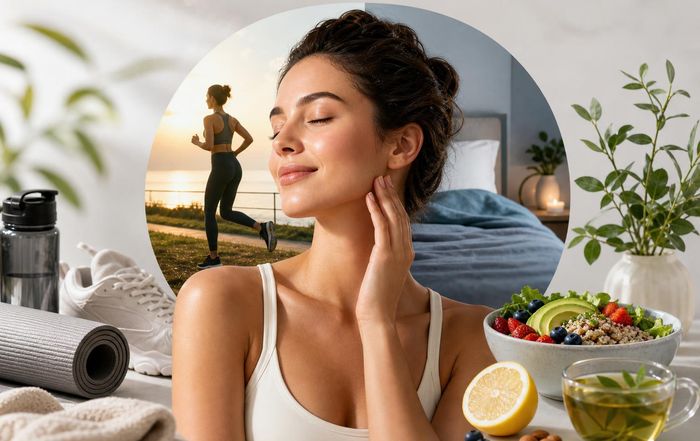
In 2026, as the boundaries between beauty, wellness, performance, and technology continue to dissolve, the relationship between daily fitness habits and healthy skin has become a defining theme for the global community of BeautyTipa. From the United States, United Kingdom, and Canada to Germany, France, Italy, Spain, South Korea, Japan, Singapore, Brazil, South Africa, and beyond, consumers are increasingly moving away from quick fixes and purely cosmetic interventions, instead seeking integrated lifestyles that combine intelligent training, targeted skincare, thoughtful nutrition, and mental wellbeing into a single, coherent strategy. Within this evolving landscape, understanding how movement patterns, training intensity, recovery practices, and environmental exposure shape the skin's appearance, resilience, and ageing trajectory is no longer a niche interest; it is a core component of modern beauty planning, and it is an area where BeautyTipa aims to provide practical, evidence-informed guidance that readers can embed into their routines with confidence.

The Evolving Science Linking Exercise and Skin Health

Scientific understanding of the interplay between exercise and skin biology has advanced significantly over the past decade, reinforcing the idea that movement is not only a tool for cardiovascular fitness or body composition, but also a powerful influence on skin quality and longevity. Dermatology experts and exercise physiologists increasingly converge on the view that regular, moderate physical activity improves microcirculation, supports collagen maintenance, and modulates inflammatory pathways that underpin many visible skin concerns. Organizations such as the American Academy of Dermatology and major medical institutions now explain how an elevated heart rate during sustained exercise enhances blood flow to the skin, delivering oxygen and nutrients while facilitating the removal of metabolic waste; readers who wish to deepen their understanding of circulation and systemic health can review clinical overviews from Mayo Clinic.

At a cellular level, physical activity influences mitochondrial function, oxidative stress, and cellular repair, all of which are central to how the skin ages over time. Research summarized by the National Institutes of Health and international health authorities suggests that consistent movement can help modulate oxidative damage and support endogenous antioxidant systems, thereby mitigating some of the cumulative impact of UV radiation, pollution, and lifestyle stressors; those interested in the broader context of exercise and chronic disease prevention can explore recommendations from the World Health Organization. For the readership of BeautyTipa, this means that a well-designed fitness plan is not merely about aesthetics below the neckline; it is an investment in the structural integrity, luminosity, and long-term resilience of the skin itself, complementing dedicated skincare routines and professional treatments.

Cardio, Strength, and Flexibility: Distinct Pathways to Radiant Skin

Different forms of exercise influence the skin through distinct physiological mechanisms, and by 2026, beauty-conscious audiences in North America, Europe, Asia, and the rest of the world have become increasingly sophisticated in tailoring their training to align with their complexion goals. Aerobic activities such as brisk walking, running, cycling, swimming, and dance-based workouts raise heart rate and enhance vascular function, often producing the immediate "post-workout glow" that many associate with healthy skin. Longitudinal studies referenced by the Harvard T.H. Chan School of Public Health indicate that regular cardiovascular training supports endothelial health and metabolic balance, which indirectly contributes to clearer, more even-toned skin; those who wish to explore the metabolic and cardiovascular benefits in more depth can consult resources from Harvard Health Publishing.

Strength and resistance training, whether performed with free weights, machines, resistance bands, or bodyweight, plays a crucial role in preserving lean muscle mass and structural support beneath the skin, particularly important for individuals in their 30s, 40s, 50s, and beyond. Improved muscle tone can contribute to a more lifted, firm appearance in areas such as the arms, legs, abdomen, and glutes, while also influencing insulin sensitivity, hormone balance, and inflammatory status. Organizations like The American Council on Exercise emphasize that well-structured resistance programs help regulate body composition and metabolic health, which can, in turn, affect conditions such as adult acne, rosacea, and premature ageing; readers can review educational materials from ACE to better understand how resistance training supports systemic wellbeing.

Mind-body practices such as yoga, Pilates, barre, and tai chi, widely practiced from Scandinavia and the Netherlands to South Korea, Japan, Thailand, Australia, and New Zealand, contribute to skin health primarily through stress modulation and improved lymphatic flow. Chronic psychological stress is known to elevate cortisol levels, disrupt the skin barrier, increase sebum production, and aggravate inflammatory disorders like eczema and psoriasis. Institutions such as Cleveland Clinic continue to highlight how regular yoga, breathing exercises, and mindfulness practices can reduce perceived stress, enhance sleep quality, and lower systemic inflammation, all of which are beneficial for individuals prone to flare-ups; those interested in the medical perspective on stress reduction can explore guidance from Cleveland Clinic. For BeautyTipa readers, combining cardiovascular, strength, and flexibility work within weekly health and fitness routines offers a multidimensional approach that nurtures both skin and overall vitality.

Sweat, Detox Myths, and Protection of the Skin Barrier

Despite the global rise in wellness literacy, misconceptions about sweating and "detox" remain widespread in beauty and fitness communities from the United States and United Kingdom to Singapore, Malaysia, and Brazil. Many still believe that intense sweating during workouts purges toxins directly through the skin in a significant way, yet medical consensus remains clear that the primary detoxification roles belong to the liver and kidneys, as explained by institutions such as Johns Hopkins Medicine; those interested in how the body processes toxins can learn more via Johns Hopkins. Sweat's real relevance for skin health lies not in detoxification, but in how it interacts with the microbiome, sebum, and environmental particles on the skin's surface.

Perspiration is mostly water and electrolytes, but when combined with natural oils, dead skin cells, fabric friction, and pollutants, it can create conditions that favor clogged pores, irritation, and microbial imbalance, particularly in hot, humid climates such as Southeast Asia, parts of South America, and summer in Southern Europe. Dermatology experts associated with the British Association of Dermatologists and public health services emphasize the importance of gentle cleansing after workouts to remove sweat and surface impurities without stripping the barrier; readers can review practical cleansing advice through resources from NHS UK. For the global BeautyTipa audience, the key message is that sweat itself is neither enemy nor miracle cure: it signals healthy thermoregulation and can accompany improved circulation, but if left on the skin for prolonged periods, especially under tight clothing or heavy makeup, it may contribute to breakouts and irritation, making thoughtful post-workout hygiene essential.

🏃‍♀️ Fitness Habits for Healthy Skin

Discover how movement supports radiant, resilient skin

Workout Types
Skin Benefits
Daily Routine

💓 Cardiovascular Exercise

Running, cycling, swimming, and dance enhance blood flow to skin, delivering oxygen and nutrients while creating that post-workout glow. Supports endothelial health and metabolic balance for clearer, even-toned skin.

💪 Strength Training

Free weights, resistance bands, and bodyweight exercises preserve lean muscle and structural support beneath skin. Helps regulate insulin sensitivity and hormone balance, affecting conditions like acne and premature aging.

🧘‍♀️ Mind-Body Practices

Yoga, Pilates, and tai chi reduce cortisol levels, improve lymphatic flow, and modulate stress. Helps manage inflammatory conditions like eczema and psoriasis while enhancing sleep quality and barrier function.

Designing Skin-Friendly Workout Routines

Creating fitness routines that actively support skin health requires a deliberate balance of intensity, frequency, and recovery, a topic that BeautyTipa continues to explore through its editorial focus on routines and beauty-integrated fitness planning. Overly aggressive training, particularly when centered around high-intensity interval sessions, endurance marathons, or back-to-back heavy lifting without sufficient rest, can elevate cortisol chronically, disrupt sleep, and heighten systemic inflammation, potentially accelerating the appearance of fine lines, dullness, and inflammatory skin conditions. Conversely, insufficient physical activity can reduce circulation, slow lymphatic drainage, and contribute to metabolic dysfunctions that also manifest on the skin.

Public health bodies such as the Centers for Disease Control and Prevention continue to recommend at least 150 minutes of moderate-intensity aerobic activity or 75 minutes of vigorous activity per week, combined with muscle-strengthening exercises on two or more days; readers can review these benchmarks through CDC Physical Activity Guidelines. For individuals who prioritize their complexion, these guidelines can be adapted to favor consistency, moderate intensity, and low-impact modalities such as walking, cycling, swimming, or elliptical training, particularly for those with rosacea, eczema, or highly reactive skin that may be aggravated by heat and friction. Within this framework, BeautyTipa encourages readers to consider how training volume, sleep, and stress management together influence both how they feel and how their skin responds over time.

Scheduling is another dimension where a skin-conscious approach can make a noticeable difference. Professionals in finance, technology, fashion, and beauty industries, especially in major hubs like New York, London, Paris, Berlin, Singapore, and Seoul, often need to align workouts with client meetings, events, and media appearances. High-intensity sessions that may cause temporary redness or flushing can be planned for evenings or non-facing days, while lower-intensity movement such as yoga or Pilates can be placed before important engagements. By pairing exercise blocks with tailored skincare steps and by drawing on structured advice from BeautyTipa's guides and tips, readers can design routines that allow them to enjoy the benefits of training without compromising professional presentation or comfort.

Strategic Pre- and Post-Workout Skincare

The periods immediately before and after physical activity represent critical windows for protecting, supporting, and optimizing the skin, particularly for individuals who train frequently or in challenging environments. Dermatology guidance from organizations such as the American Academy of Dermatology continues to advise that heavy, occlusive makeup or thick, pore-clogging formulas are best avoided during intense workouts, since they can mix with sweat and sebum, increasing the risk of congestion and irritation; readers can explore professional skincare recommendations through AAD. Instead, many experts suggest a minimalist pre-workout routine built around a gentle cleanser, a lightweight, non-comedogenic moisturizer, and, when exercising outdoors, a broad-spectrum sunscreen with at least SPF 30 that has proven sweat resistance.

After training, priorities shift toward cleansing, rehydration, and barrier repair. Many in the BeautyTipa community now treat post-workout care as a cornerstone of their daily skincare strategy, using mild, pH-balanced cleansers to remove sweat, oil, and environmental particles, followed by hydrating serums and barrier-supporting moisturizers. Dermatological resources such as DermNet New Zealand continue to underscore that the skin may be more sensitive immediately after exercise due to heat, increased blood flow, and, in some cases, mild friction, making harsh scrubs or aggressive exfoliants ill-suited to this window; those seeking detailed information on sensitive skin management can consult DermNet. Incorporating soothing ingredients such as niacinamide, panthenol, centella asiatica, or thermal waters can help calm redness and restore comfort, which is particularly valuable in colder climates like the Nordic countries, Canada, and parts of Central Europe, where environmental stressors already challenge the barrier.

Hydration, Nutrition, and the Skin-Fitness Connection

No discussion of fitness habits that support healthy skin is complete without addressing hydration and nutrition, themes that sit at the heart of BeautyTipa's coverage of wellness and food and nutrition. Exercise naturally increases fluid loss through sweat, and if this is not adequately compensated, the skin may appear dull, less plump, and more prone to fine lines or sensitivity, especially in air-conditioned gyms, high-altitude regions, or dry climates found in parts of North America, Europe, and Asia. Institutions such as the European Food Safety Authority provide guidance on daily fluid requirements that take into account sex, age, and activity level, and readers who want a regulatory perspective on hydration can explore materials from EFSA.

From a dietary standpoint, the synergy between training and skin health is most apparent in the roles of antioxidants, essential fatty acids, and high-quality protein. Diets centered on colorful fruits and vegetables, whole grains, legumes, nuts, seeds, and lean protein sources provide the vitamins, minerals, amino acids, and healthy fats needed for collagen synthesis, barrier lipid production, and cellular repair. Research and guidance from Harvard T.H. Chan School of Public Health highlight the influence of dietary patterns on inflammation and oxidative stress, which are directly relevant to skin ageing and clarity; readers can learn more about anti-inflammatory eating through Harvard's Nutrition Source. Beauty-forward markets such as South Korea, Japan, France, and Italy, where traditional cuisines already emphasize balance, seasonal produce, and healthy fats, demonstrate how cultural dietary habits can naturally complement sophisticated topical routines, a synergy that BeautyTipa frequently explores in its analysis of brands and products.

Environmental Factors: Indoor Gyms, Outdoor Training, and Global Urban Living

The environments in which people exercise, whether urban or rural, indoor or outdoor, exert a substantial influence on the skin's needs and vulnerabilities. Outdoor training in cities such as Los Angeles, London, Paris, Berlin, Amsterdam, Seoul, Tokyo, Shanghai, São Paulo, Cape Town, and Sydney exposes the skin to varying levels of UV radiation, wind, temperature fluctuations, and airborne pollutants. Without adequate protection, these factors can accelerate photoageing, hyperpigmentation, and oxidative damage. Agencies like the Environmental Protection Agency in the United States provide real-time data on air quality and UV indices, giving individuals a practical tool to plan safer outdoor workouts; those who wish to monitor environmental conditions can explore resources from the EPA.

Indoor gyms, while shielding users from direct sunlight, present their own set of challenges, including recycled air, low humidity, and potential microbial exposure from shared equipment and surfaces. Public health resources from organizations such as Health Canada emphasize the importance of hand hygiene, regular equipment cleaning, and personal towel use in shared facilities, practices that also help reduce the risk of acne mechanica and irritation; more general hygiene guidance is available from Health Canada. For frequent travelers and international professionals who may move between climates as diverse as Scandinavia, the Middle East, Southeast Asia, and South America, BeautyTipa regularly addresses how to adapt both fitness and skincare strategies to changing environmental conditions, underscoring the importance of flexible, location-aware routines for maintaining skin stability.

Technology, Wearables, and Data-Driven Skin-Focused Training

By 2026, the integration of digital technology into fitness and beauty has evolved from novelty to necessity, with wearables, apps, and AI-powered tools giving individuals unprecedented insight into how their habits affect both performance and appearance. Devices from companies such as Apple, Garmin, and Fitbit now track heart rate variability, recovery metrics, sleep stages, training load, and, in some cases, environmental factors like UV exposure, providing data that can be used to fine-tune exercise intensity and recovery to avoid overtraining. Analysts and health organizations note that these data-driven approaches can help users sustain consistent habits and reduce the risk of burnout or injury; those interested in the broader digital health landscape can review perspectives from the World Economic Forum.

For BeautyTipa, whose coverage of technology and beauty focuses on the convergence of devices, diagnostics, and skincare, the rapid adoption of AI-enabled skin analysis apps, connected mirrors, and at-home imaging tools represents a significant development. These platforms can correlate visible skin changes-such as shifts in texture, redness, or pigmentation-with variables like sleep quality, workout intensity, and stress levels, enabling users across Europe, Asia, Africa, and the Americas to experiment with more precise adjustments to their routines. While such tools do not replace professional consultation with dermatologists or medical aestheticians, they create a feedback loop that empowers individuals to align their fitness habits with their complexion goals in a more informed, responsive way, a trend that BeautyTipa closely follows and interprets for its audience.

Professional Perspectives, Career Opportunities, and the Business of Skin-Centric Fitness

As recognition grows that movement, skincare, and overall wellness are deeply interconnected, new professional pathways and business models are emerging in markets from the United States and Canada to Germany, Sweden, Singapore, Japan, South Africa, and Brazil. Dermatologists, estheticians, nutritionists, sports physicians, and personal trainers are increasingly collaborating to offer integrated programs that address exercise, skincare, and lifestyle habits in a coordinated fashion. Industry observers point out that organizations such as the International Spa Association have documented rising demand for wellness offerings that combine personalized workouts, advanced facials, massage therapies, and nutrition coaching under one holistic umbrella; those curious about spa and wellness business trends can explore insights from ISPA.

For professionals and entrepreneurs, this convergence opens opportunities that BeautyTipa explores through its coverage of business and finance and jobs and employment. Boutique studios in cities like London, Zurich, Stockholm, and Amsterdam are developing "skin-smart" training concepts that consider temperature control, air quality, and post-workout skincare stations, while destination wellness resorts in Thailand, Bali, Italy, and Spain are integrating dermatology consultations and customized skincare into their retreat packages. Brands that can demonstrate authentic expertise, transparent communication, and evidence-based claims, and that respect local cultural norms in markets across Europe, Asia, Africa, and the Americas, are better positioned to earn the trust of discerning consumers who expect both performance and visible aesthetic benefits from their investments in health and beauty.

Global and Cultural Perspectives on Movement and Beauty

Cultural perspectives on movement, body image, and beauty continue to shape how fitness habits are interpreted and applied across different regions, adding nuance to the universal principles of skin-focused training. In East Asian markets such as South Korea and Japan, where multi-step skincare rituals and advanced cosmetic technologies are widely adopted, there is a growing emphasis on low-impact, sustainable exercise patterns that promote circulation and tone without producing excessive inflammation or stress, aligning with broader cultural values around long-term maintenance and prevention. In Mediterranean countries like Italy, Spain, and Greece, everyday movement-such as walking, cycling, and social outdoor activities-combined with diets rich in fruits, vegetables, olive oil, and fish, supports a lifestyle that naturally favors skin health and graceful ageing.

Northern European and Nordic countries, including Sweden, Norway, Denmark, and Finland, often integrate outdoor activities such as hiking, cross-country skiing, and cold-water immersion with sauna traditions, which many residents associate with relaxation, circulation, and mental clarity. While organizations like the Finnish Institute for Health and Welfare have explored the systemic health benefits of sauna use, ongoing research continues to refine understanding of its specific implications for different skin types and conditions; those interested in sauna and health can review information from THL Finland. Across Africa, South America, and rapidly growing urban centers in Asia, hybrid fitness cultures that blend traditional movement practices with modern gym-based training are emerging, creating a demand for regionally tailored guidance that respects local climates, resources, and beauty ideals-an evolving dynamic that BeautyTipa follows closely through its international lens.

How BeautyTipa Helps Readers Turn Insight into Daily Practice

For the international readership of BeautyTipa, spanning North America, Europe, Asia, Africa, and South America, the central challenge is not merely accessing information, but transforming complex, often technical insight into routines that work in real lives with real constraints. Through dedicated sections on trends, wellness, and in-depth guides and tips, the platform curates frameworks that connect fitness habits with skincare, makeup, nutrition, mental health, and professional obligations in a way that is both aspirational and realistic. This includes exploring how busy executives can integrate short bursts of movement that do not disrupt makeup or hair, how frequent travelers can adapt training and skincare to new time zones and climates, and how individuals at different life stages-from early career to midlife transitions and beyond-can adjust intensity and recovery to protect their skin while preserving long-term functional health.

By maintaining a strong emphasis on experience, expertise, authoritativeness, and trustworthiness, BeautyTipa positions itself as a reliable partner for readers navigating the increasingly sophisticated intersection of beauty, fitness, and technology in 2026. The platform's commitment to clear, nuanced communication, its attention to global and regional diversity, and its focus on verifiable, science-informed recommendations allow it to guide readers through an environment where marketing claims are abundant and time is limited. As research evolves, wearable technologies advance, and new business models emerge, one principle remains constant at the heart of BeautyTipa's editorial philosophy: fitness habits that are sustainable, balanced, and thoughtfully synchronized with skincare, nutrition, and mental wellbeing offer one of the most accessible and powerful pathways to maintaining healthy, vibrant skin across ages, cultures, and lifestyles. In this dynamic era, the BeautyTipa community is uniquely positioned to redefine beauty as an expression of holistic health, resilience, and intentional living, turning everyday movement into a strategic asset for long-term skin vitality.

Beauty Brand Marketing Strategies That Drive Growth

Last updated by Editorial team at beautytipa.com on Sunday 4 January 2026
Article Image for Beauty Brand Marketing Strategies That Drive Growth

Beauty Brand Marketing Strategies That Drive Growth in 2026

The 2026 Beauty Marketplace: From Transactions to Long-Term Relationships

By 2026, the global beauty industry has matured into a sophisticated, data-rich, and highly scrutinized marketplace in which growth is no longer driven primarily by product launches or seasonal campaigns, but by the ability of brands to build durable, trust-based relationships with consumers across regions, cultures, and digital ecosystems. For the international audience of BeautyTipa, which spans North America, Europe, Asia, Africa, and South America, beauty is increasingly perceived as a living ecosystem that connects skincare, wellness, fashion, nutrition, technology, and finance rather than as a narrow category of cosmetics and personal care. As a result, the brands that are outperforming in the United States, United Kingdom, Germany, France, Italy, Spain, Canada, Australia, South Korea, Japan, Brazil, and beyond are those that approach marketing as a long-term, evidence-driven commitment to consumer well-being, education, and authenticity.

This people-first orientation is reinforced by the unprecedented level of information available to consumers, who can verify claims through regulatory bodies such as the U.S. Food and Drug Administration, explore ingredient breakdowns on platforms like INCI Decoder, and cross-check advice with dermatological authorities such as the American Academy of Dermatology. Consumers are not merely comparing textures and fragrances; they are evaluating the integrity, scientific grounding, and social responsibility of every brand they encounter. Within this environment, BeautyTipa has positioned itself as a trusted guide, curating and analyzing developments across beauty, skincare, wellness, and business, and providing readers with the context they need to understand which marketing strategies truly drive sustainable growth in 2026.

Trust as the Core Asset of Modern Beauty Brands

Trust has emerged as the primary determinant of long-term brand value in beauty, especially in markets with advanced regulation and vocal consumer communities such as the United States, United Kingdom, Germany, the Netherlands, Sweden, and South Korea. In these regions, consumers no longer accept vague promises or aspirational imagery without verifiable substance behind them. Instead, they look for transparent ingredient lists, realistic before-and-after documentation, clear safety information, and accessible explanations of how products work and what they can and cannot do. Regulatory frameworks, watchdog organizations, and social media discourse have converged to create a landscape where overclaiming or obfuscation can trigger immediate backlash and long-term reputational damage.

To navigate this environment, leading brands increasingly anchor their marketing in demonstrable expertise, often collaborating with board-certified dermatologists, cosmetic chemists, and clinical researchers, and aligning their public messaging with peer-reviewed evidence accessible through resources such as PubMed. This scientific underpinning does not replace emotional storytelling, but it fundamentally shapes how claims are framed, how education is delivered, and how risk is managed. For BeautyTipa, whose readers follow in-depth analyses in areas like guides and tips and wellness, this trust-centric standard is mirrored in editorial decisions that prioritize accuracy, clarity, and global relevance. In 2026, beauty marketing that fails to meet this bar is quickly exposed, while brands that consistently deliver honest, well-substantiated communication earn loyalty across borders and demographic segments.

Data-Driven Personalization with Respect for Privacy

As digital infrastructure and analytics capabilities have advanced, beauty brands have gained unprecedented insight into consumer behavior across regions, channels, and life stages. However, the most successful players in 2026 are those that combine sophisticated data analysis with a strong ethical framework and respect for privacy. Using platforms such as Google Analytics and Adobe Experience Cloud, brands can identify nuanced patterns, such as the rising interest in barrier-repair skincare in Japan and South Korea, the demand for inclusive shade ranges in the United States and Brazil, or the preference for fragrance-free formulations in markets like Germany and the Nordic countries.

These insights power a new generation of personalized experiences, from AI-powered quizzes that recommend routines for sensitive skin to dynamic content that adjusts to climate, season, and local regulatory constraints. Yet, the brands that thrive are those that clearly explain how data is collected, how it is used, and how it is protected, aligning with regulations such as GDPR in Europe and emerging privacy laws in regions like Asia-Pacific. Personalization in 2026 is therefore not about aggressive targeting or opaque tracking, but about co-creating value with consumers who understand and consent to the exchange. On BeautyTipa, this evolution is reflected in coverage that connects individualized routines with broader conversations about digital ethics, transparency, and the future of technology-enabled beauty.

Content Marketing as an Engine of Authority and Conversion

Content has moved from a supporting function to the strategic core of beauty marketing, particularly for brands that aspire to global reach and long-term differentiation. In 2026, consumers expect not only product descriptions and promotional imagery, but also in-depth educational resources that help them understand ingredients, skin biology, hair structure, and the interplay between lifestyle and appearance. Brands that invest in comprehensive content ecosystems-featuring long-form articles, expert Q&A sessions, tutorials, masterclasses, and science-backed explainers-are more likely to be perceived as authoritative partners rather than transactional vendors.

This approach is especially critical in categories like skincare, where confusion and misinformation remain common. By aligning their messaging with reputable medical and scientific sources such as The British Association of Dermatologists and Mayo Clinic, brands can demystify complex topics like retinoid tolerance, photoprotection, or rosacea management without overstepping regulatory boundaries. For the readers of BeautyTipa, who rely on sections like wellness and health and fitness to connect beauty with broader lifestyle decisions, this kind of content-driven authority is a key indicator of which brands deserve attention and trust. Well-executed content strategies also drive measurable business outcomes, reducing return rates, increasing average order values, and strengthening subscription or replenishment models.

Omnichannel Excellence and the Reinvention of Beauty Retail

The lines between digital and physical retail have effectively dissolved, giving rise to a truly omnichannel beauty environment in which consumers move fluidly between e-commerce, social commerce, marketplaces, and brick-and-mortar experiences. In 2026, consumers in the United States, Canada, the United Kingdom, France, Italy, Spain, China, Singapore, and Australia expect consistent pricing, messaging, and service whether they discover a product on social media, try it via augmented reality, or purchase it in-store at retailers such as Sephora or Ulta Beauty.

For growth-focused brands, this requires a meticulously coordinated approach to assortment planning, merchandising, and customer service across all touchpoints. Direct-to-consumer websites must be fast, intuitive, and mobile-optimized, offering clear navigation, robust education, and frictionless checkout. Physical retail, whether through permanent counters, shop-in-shop concepts, or pop-up installations, must deliver experiences that cannot be replicated online, such as tactile exploration, live consultations, and immediate sampling. Markets like South Korea, Japan, and Singapore continue to pioneer experiential formats, integrating digital diagnostics, interactive displays, and app-linked loyalty programs. BeautyTipa, through its international and trends coverage, tracks how these innovations travel across regions and influence consumer expectations worldwide, helping readers understand which omnichannel strategies are setting new benchmarks for growth.

🌟 Beauty Marketing Growth Strategies 2026

🛡️Trust & Transparency

Primary determinant of long-term brand value. Brands anchor marketing in demonstrable expertise, collaborating with dermatologists and clinical researchers, with messaging aligned to peer-reviewed evidence.

🎯Data-Driven Personalization

Sophisticated analysis combined with ethical frameworks and privacy respect. AI-powered quizzes and dynamic content adjust to climate, season, and local regulations while maintaining transparency.

📚Content Authority

Content has moved from supporting function to strategic core. Comprehensive ecosystems featuring long-form articles, expert Q&A, and science-backed explainers position brands as authoritative partners.

🌐Omnichannel Excellence

Digital and physical retail lines dissolved. Consumers expect consistent pricing, messaging, and service across e-commerce, social commerce, and brick-and-mortar experiences.

🤝Influencer Credibility

Partnerships structured as long-term relationships with thorough education and honest opinions. Consumers distinguish between superficial endorsements and expertise-based recommendations.

🌱Sustainability & ESG

Evolved from differentiating feature to baseline expectation. Brands communicate concrete goals, share progress transparently, and integrate responsible practices into business strategy.

Transaction Era → Relationship Era

Growth no longer driven by product launches alone, but by building durable, trust-based relationships across regions and digital ecosystems.

Beauty as Living Ecosystem

Beauty increasingly connects skincare, wellness, fashion, nutrition, technology, and finance rather than existing as narrow cosmetics category.

Technology Integration

AI and AR deeply embedded throughout value chain, transforming research, development, testing, marketing, and delivery with intelligent personalization.

Holistic Wellness Convergence

Beauty understood as reflection of overall well-being, influenced by sleep, stress, nutrition, and mental health. Brands offer integrated lifestyle guidance.

Marketing Professionalization

Sector requires specialists in performance marketing, data science, regulatory affairs, sustainability strategy, and AI development across global hubs.

2026
Current Marketplace
Trust
Core Asset
AI+AR
Tech Integration
Omni
Channel Approach

Key Success Factors:Evidence-driven commitment to consumer well-being, transparent ingredient lists with realistic documentation, sophisticated data analysis with privacy respect, comprehensive content ecosystems, and circular design with ESG reporting integration.

Global Markets Leading Beauty Innovation:

🇺🇸 United States🇬🇧 United Kingdom🇩🇪 Germany🇫🇷 France🇮🇹 Italy🇪🇸 Spain🇨🇦 Canada🇦🇺 Australia🇰🇷 South Korea🇯🇵 Japan🇧🇷 Brazil🇳🇱 Netherlands🇸🇪 Sweden🇨🇳 China🇸🇬 Singapore

Beauty brands operate across North America, Europe, Asia-Pacific, Africa, and South America, with regional preferences requiring deep understanding of local regulations, cultural norms, and infrastructure for successful expansion.

Influencers, Creators, and the New Rules of Social Proof

Influencer and creator partnerships remain central to beauty discovery in 2026, but their role has become more complex and more tightly regulated. Consumers now distinguish sharply between superficial endorsements and deep, expertise-based recommendations, favoring creators who demonstrate consistent knowledge, clear disclosure, and long-term engagement with specific categories such as sensitive-skin skincare, textured hair care, or professional makeup artistry. Micro and nano creators in markets like the United States, United Kingdom, Brazil, South Africa, and Thailand often command highly engaged communities that trust their judgment more than that of traditional celebrities.

Regulatory bodies, including the U.S. Federal Trade Commission and their counterparts in Europe and Asia, have continued to refine guidance around sponsorship disclosure, medical claims, and testimonial use, compelling brands to embed compliance into every stage of influencer collaboration. The most effective partnerships in 2026 are structured as long-term relationships in which creators receive thorough product education, access to internal experts, and the freedom to express honest opinions and show real-world results. On BeautyTipa, readers see the impact of these dynamics reflected in the evolving nature of beauty events, online masterclasses, and trend cycles, where the credibility of the messenger is often as important as the innovation of the product itself.

Technology, AI, and the Intelligent Beauty Ecosystem

Technology has become deeply embedded in the beauty value chain, transforming not only how products are marketed, but how they are researched, developed, tested, and delivered. In 2026, artificial intelligence and advanced analytics inform everything from shade expansion decisions to inventory optimization, while augmented and virtual reality tools allow consumers in regions as diverse as North America, Europe, and Asia to experiment with looks and textures from their smartphones. Companies such as Perfect Corp and ModiFace continue to power sophisticated virtual try-on experiences that reduce uncertainty, boost conversion, and support inclusivity by allowing users to visualize products on a wide range of skin tones and facial features.

AI-driven recommendation engines and chat-based advisors increasingly bridge the gap between in-store consultation and online shopping, offering tailored advice on skincare layering, makeup selection, or haircare routines. However, as AI systems become more central to the beauty experience, concerns about bias, transparency, and data security have intensified. Organizations like the World Economic Forum provide guidance on responsible AI deployment, encouraging brands to audit datasets, explain recommendation logic, and provide human escalation paths when needed. BeautyTipa covers these developments in depth through its technology and beauty lens, helping readers understand which tools genuinely enhance decision-making and which are primarily marketing novelties. For brands seeking growth, the challenge in 2026 is to harness technology as a multiplier of expertise and empathy rather than as a substitute for them.

Holistic Beauty: Integrating Wellness, Lifestyle, and Self-Care

The convergence of beauty and wellness has accelerated, reshaping consumer expectations across the United States, Europe, Asia, and beyond. Beauty is now widely understood as a reflection of overall well-being, influenced by sleep quality, stress levels, nutrition, physical activity, and mental health. Consumers look to brands not just for topical solutions, but for guidance on building sustainable self-care practices that support skin, hair, and body over time. This shift is underpinned by growing public awareness of scientific perspectives from institutions such as the World Health Organization and Harvard T.H. Chan School of Public Health, which highlight the role of diet, UV exposure, pollution, and lifestyle behaviors in shaping appearance and health.

For BeautyTipa, this holistic view is woven through coverage areas including wellness, food and nutrition, and fitness, where beauty is framed as one dimension of a broader, long-term commitment to personal well-being. Beauty brands that align with this perspective in 2026 do so by offering realistic, evidence-informed education on topics like barrier support, sun protection, sleep hygiene, and stress management, often in collaboration with dermatologists, psychologists, nutritionists, and fitness professionals. They avoid overreaching claims or unregulated health promises, instead positioning their products as one component of an integrated lifestyle approach that respects both scientific boundaries and cultural diversity.

Sustainability, Ethics, and ESG as Strategic Growth Drivers

Sustainability has evolved from a differentiating feature to a baseline expectation, particularly in environmentally conscious markets such as the Netherlands, Sweden, Norway, Denmark, Switzerland, New Zealand, and parts of North America and Asia-Pacific. In 2026, consumers, retailers, and investors evaluate beauty brands not only on product performance, but also on their environmental footprint, sourcing transparency, animal welfare policies, and social impact. Frameworks from organizations like the Ellen MacArthur Foundation and the UN Environment Programme have catalyzed a shift toward circular design, refillable packaging, and reduced waste, while certifications and collaborations with entities such as Fairtrade International and Rainforest Alliance offer external validation of ethical sourcing and labor practices.

For beauty companies, these expectations influence not only marketing narratives but also capital allocation, supply chain design, and innovation priorities. Sustainability performance is increasingly integrated into environmental, social, and governance (ESG) reporting, affecting access to investment and retail partnerships. On BeautyTipa, sustainability is explored not only as a consumer concern but also as a strategic factor in business and finance, where readers can see how responsible practices correlate with brand resilience and valuation. In 2026, the brands that stand out are those that communicate concrete goals, share progress transparently, acknowledge challenges, and invite stakeholders into an ongoing dialogue about environmental and social responsibility.

Professionalization of Beauty Marketing and Emerging Career Paths

As the beauty sector has grown more complex, the skills required to drive marketing success have expanded far beyond traditional brand management. In 2026, beauty companies in hubs such as New York, Los Angeles, London, Paris, Berlin, Milan, Seoul, Tokyo, Singapore, and São Paulo recruit specialists in performance marketing, data science, influencer relations, regulatory affairs, sustainability strategy, and AI product development. Professional networks like LinkedIn have become essential platforms for talent acquisition, industry learning, and cross-border collaboration, while educational institutions including Fashion Institute of Technology and London College of Fashion continue to adapt curricula to cover digital commerce, global retail strategy, and beauty entrepreneurship.

For individuals building careers in this sector, the ability to integrate creative storytelling with analytical insight, regulatory awareness, and cultural sensitivity is increasingly vital. Roles such as community experience manager, global shade strategist, sustainability lead, and AI personalization specialist reflect the evolving nature of beauty marketing in 2026. BeautyTipa supports this professionalization through its jobs and employment coverage, offering readers insight into emerging roles, required competencies, and regional opportunities across North America, Europe, Asia, Africa, and South America. The professionalization of marketing ultimately benefits consumers as well, as more rigorous standards and specialized expertise lead to clearer communication, safer products, and more thoughtfully designed experiences.

Strategic Brand Architecture, Portfolio Management, and Global Reach

As consolidation and diversification continue across the beauty industry, effective brand architecture and portfolio management have become critical determinants of growth. Large beauty groups and ambitious independents alike must decide how to position multiple brands and lines across price tiers, categories, and regions without diluting identity or cannibalizing demand. Markets such as the United States, China, Brazil, India, South Africa, and the Gulf states offer significant expansion potential, but success depends on deep understanding of local preferences, regulatory environments, infrastructure, and cultural norms. Strategic perspectives from consultancies such as McKinsey & Company and Bain & Company often inform decisions about brand positioning, channel mix, and innovation pipelines.

For the audience of BeautyTipa, which spans categories from makeup and fashion to wellness and technology, understanding brand architecture provides clarity on why certain lines focus on clinical skincare, others on artistry-driven color cosmetics, and others still on hybrid beauty-wellness propositions. In 2026, successful portfolios are those that maintain clear, differentiated value propositions for each brand and sub-line, while leveraging shared capabilities in research, manufacturing, technology, and sustainability. This clarity not only improves internal decision-making but also helps consumers navigate offerings more easily, reinforcing loyalty and cross-category exploration.

Community, Events, and Experiential Storytelling

Even as digital channels dominate discovery and conversion, physical and hybrid experiences remain powerful tools for building emotional resonance and community in 2026. Trade shows, consumer festivals, masterclasses, pop-ups, and in-store activations offer opportunities for brands to engage multiple senses, demonstrate textures and finishes, and gather qualitative feedback from diverse audiences. Events such as Cosmoprof Worldwide Bologna and regional fairs across Europe, Asia, North America, and South America serve as crucial platforms for product launches, B2B networking, trend scouting, and cross-border collaboration.

For consumers, localized experiences-from makeup masterclasses in London and New York to skincare clinics in Seoul and Tokyo, or wellness retreats in Bali and the Mediterranean-create memorable touchpoints that deepen connection with brands and communities. The most effective experiential strategies in 2026 are integrated with digital ecosystems, enabling attendees to access exclusive online content, redeem offers, and stay engaged through newsletters, apps, and social channels. BeautyTipa, through its dedicated events and brands and products coverage, documents how these experiences shape perception, accelerate word-of-mouth, and influence trend diffusion across continents.

Conclusion: A Holistic, Evidence-Led Roadmap for Beauty Growth in 2026

The beauty industry of 2026 operates at the intersection of science, technology, culture, and ethics, with consumers in every region expecting more transparency, personalization, sustainability, and expertise than ever before. Sustainable growth is no longer the result of isolated campaigns or viral moments; it emerges from an integrated strategy that places trust, evidence, and long-term relationships at the center of every decision. Brands that invest in rigorous product development, responsible innovation, clear communication, and meaningful community engagement are better equipped to navigate regulatory changes, economic uncertainty, and fast-moving social media cycles across North America, Europe, Asia, Africa, and South America.

For BeautyTipa, which curates this evolving landscape for a global audience through interconnected sections spanning beauty, wellness, technology, finance, and lifestyle, the most compelling beauty brands are those that treat marketing as an ongoing dialogue grounded in Experience, Expertise, Authoritativeness, and Trustworthiness. By guiding readers from high-level trends to practical routines on skincare, wellness, and fashion, and by connecting the creative and commercial sides of the industry on business and finance, BeautyTipa reflects the reality that modern beauty is not just about products, but about values, knowledge, and lived experience. In this environment, the marketing strategies that truly drive growth in 2026 are those that respect consumer intelligence, honor cultural diversity, embrace responsible technology, and commit to building a more transparent, inclusive, and sustainable beauty ecosystem for the years ahead.

From Lab to Shelf How Skincare Products Are Developed

Last updated by Editorial team at beautytipa.com on Sunday 4 January 2026
Article Image for From Lab to Shelf How Skincare Products Are Developed

From Lab to Shelf: How Skincare Really Gets Made for the Modern Beautytipa Reader

The 2026 Reality of Skincare Innovation

By 2026, the journey of a skincare product from first concept to a finished formula on a global retail shelf has become an intricate, technology-enabled and tightly regulated process that blends dermatological science, biotechnology, data analytics, sustainability frameworks and highly segmented consumer insight. For the international audience of Beautytipa, this journey is not an abstract background story; it shapes the safety, performance, transparency and sensorial experience of every cleanser, serum, cream and sunscreen that enters daily routines in the United States, the United Kingdom, Germany, Canada, Australia, France, Italy, Spain, the Netherlands, Switzerland, China, South Korea, Japan and beyond. As expectations rise across North America, Europe, Asia, Africa and South America, brands are under pressure to demonstrate not only visible results, but also verifiable responsibility, scientific rigor and ethical integrity at every stage of development.

In this environment, the lifecycle of modern skincare now extends well beyond classical formulation and packaging. It encompasses predictive analytics, artificial intelligence, non-animal safety testing, climate-aware product design, circular packaging strategies and omnichannel retail ecosystems. This article follows that lifecycle from the earliest research question in the lab to the moment a product appears in a bathroom cabinet, while highlighting how Beautytipa curates, analyzes and explains this evolution across its coverage of beauty, skincare, trends, brands and products and business and finance.

Mapping Global Needs: From Search Data to Skin Health Realities

In 2026, a successful skincare launch almost never starts with a vague idea; it begins with granular understanding of consumer needs and epidemiological skin health patterns across regions. Global market intelligence firms such as Mintel and Euromonitor International quantify shifts in categories like barrier repair, hyperpigmentation correction, anti-pollution care and menopausal skin support, while digital tools such as Google Trends and social listening platforms track real-time interest in concepts like "skin cycling," "skin flooding," "lipid barrier," "microbiome-friendly" and "SPF for darker skin tones." These insights are segmented by geography, climate, age group and even lifestyle, revealing, for example, how sunscreen expectations differ between Australia, where UV exposure is extreme, and Northern Europe, where seasonal light variation is significant.

At the same time, dermatologists and clinical researchers associated with organizations such as the American Academy of Dermatology and the British Association of Dermatologists monitor rising diagnoses of conditions like adult acne, rosacea, melasma and perioral dermatitis, as well as irritant reactions linked to overuse of exfoliating acids and retinoids. Environmental and public health bodies, including the World Health Organization and the European Environment Agency, provide detailed data on air pollution, UV indices and climate trends, allowing brands to learn more about how environmental stressors are reshaping skin concerns from Los Angeles and New York to London, Berlin, Seoul, Singapore and São Paulo.

For Beautytipa, this convergence of data and clinical reality is reflected not only in coverage of skincare, but also in adjacent areas such as wellness, health and fitness and food and nutrition, because modern product development increasingly treats the skin as part of an interconnected system influenced by diet, stress, sleep, hormonal shifts and physical activity.

From Insight to Scientific Brief: Defining What a Product Must Prove

Once a clear need has been identified-whether it is a gentle retinoid for sensitive skin in Europe, a pollution shield for commuters in East Asia or a hyperpigmentation corrector for diverse skin tones in North America-the next step is to convert that insight into a structured product brief. This document sets out the target skin concern, the consumer segment, the desired clinical and sensory claims, the texture and packaging expectations, the target price band and the regulatory markets where the product will be sold, such as the European Union, the United States, the United Kingdom, China, South Korea, Japan, Brazil or South Africa.

Research and development teams then review the existing scientific landscape using peer-reviewed databases such as PubMed, guidance from the U.S. Food and Drug Administration and the European Commission's cosmetics legislation. Professionals who want to learn more about how cosmetic ingredients are regulated in Europe often consult the official information provided by the European Commission, which sets out ingredient restrictions, labeling rules and safety assessment requirements. Industry bodies including the Personal Care Products Council in the United States and Cosmetics Europe in the EU publish best-practice frameworks on safety, claims and communication that help brands calibrate how ambitious they can be while remaining compliant and credible.

In 2026, most serious brands also embed sustainability and social responsibility criteria directly into the brief. These criteria may include thresholds for biodegradable content, restrictions on certain petrochemical derivatives, commitments to deforestation-free palm derivatives, use of recycled or refillable packaging and adherence to cruelty-free testing policies. Global initiatives such as the United Nations Environment Programme and the Ellen MacArthur Foundation provide reference models for companies that want to learn more about sustainable business practices and circular design principles, which now influence everything from ingredient selection to packaging engineering.

From Lab to Shelf: The Skincare Product Journey

Interactive timeline showing how modern skincare products are developed in 2026

Stage 1

Market Intelligence & Consumer Insights

Analyzing global needs through search data, dermatological trends, and environmental factors across regions

Data AnalyticsTrendsClimate Data
Stage 2

Scientific Brief Development

Defining target concerns, consumer segments, clinical claims, and sustainability criteria for specific markets

ResearchComplianceSustainability
Stage 3

Ingredient Strategy & Formulation

Selecting evidence-based actives and designing product architecture with regional texture preferences

ChemistryActivesTexture Design
Stage 4

AI-Assisted R&D & Modeling

Using machine learning and virtual skin twins to predict stability, efficacy, and response patterns

AI TechnologyPredictive ModelsDigital R&D
Stage 5

Safety & Regulatory Assessment

Conducting toxicology testing with non-animal methods and ensuring global regulatory compliance

Safety TestingCruelty-FreeCompliance
Stage 6

Clinical & Consumer Testing

Validating claims through dermatologist-graded studies and gathering consumer perception feedback

Clinical TrialsEvidenceValidation
Stage 7

Manufacturing & Quality Control

Industrial production with traceability, stability testing, and protective packaging engineering

GMP StandardsQualityTraceability
Stage 8

Sustainability Integration

Implementing ethical sourcing, circular packaging, life cycle assessment, and carbon reduction strategies

Eco-DesignFair TradeCircularity
Stage 9

Brand Education & Storytelling

Creating science-backed content that explains ingredients, pH levels, and appropriate usage patterns

Consumer EdTransparencyScience Literacy
Stage 10

Omnichannel Distribution

Reaching consumers through retail, e-commerce, social commerce, and AI-powered personalization tools

RetailDigitalGlobal Reach

Ingredient Strategy: Evidence-Based Actives and Supporting Architecture

With the brief in place, formulation chemists, biologists and material scientists begin the complex task of designing a formula that can meet the defined claims while remaining safe, stable, sensorially appealing and cost-effective. The starting point is usually the selection of active ingredients with robust evidence for the target concern, ranging from familiar molecules such as retinoids, vitamin C derivatives, niacinamide, ceramides, peptides and alpha hydroxy acids to newer categories like postbiotics, ectoin, exosomes, bio-fermented antioxidants and biomimetic lipids. Professional resources from the American Academy of Dermatology help practitioners and formulators learn more about evidence-based skincare ingredients and how dermatologists evaluate their efficacy and risk profiles.

Alongside these actives, formulators design the "architecture" of the product: emollients for softness and barrier support, humectants for hydration, emulsifiers to stabilize oil-water mixtures, rheology modifiers to control texture, chelating agents to protect against metal-induced degradation and carefully chosen preservatives that balance microbiological safety with consumer preferences for gentle and minimalist systems. The rise of fragrance sensitivity and the growth of markets like Germany, Sweden, Norway and the Netherlands, where consumers are highly attuned to potential irritants, also shape decisions around fragrance, essential oils and allergen labeling.

Regional considerations play a significant role. A hydrating serum intended for humid climates in Southeast Asia or Brazil may require ultra-light, non-occlusive textures and rapid absorption, whereas a barrier-repair cream for Canada, the Nordic countries or high-altitude regions in Switzerland might prioritize richer textures and occlusive lipids. For Beautytipa readers across Europe, Asia, Africa, North America and South America, understanding these nuances helps explain why a product praised in one climate may feel too heavy, too light or insufficiently protective in another, and this contextualization is a recurring theme in product analyses across brands and products and international coverage.

Digital R&D in 2026: AI, Predictive Modeling and Virtual Skin Twins

A defining characteristic of skincare development in 2026 is the maturity of artificial intelligence and advanced analytics within research and development. Major groups such as L'Oréal, Estée Lauder Companies, Shiseido and Unilever, as well as specialized contract research organizations and indie innovators, use machine learning models trained on enormous datasets of ingredient combinations, stability data, clinical outcomes and consumer feedback to guide formulation decisions. Consulting firms like McKinsey & Company and Deloitte have documented how AI is transforming the beauty sector, enabling companies to learn more about digital product creation, demand forecasting and hyper-personalized recommendations.

These systems can predict the viscosity, spreadability and stability of a prototype before it is produced, estimate the likelihood of irritation based on ingredient interactions and historical patch-test data, and simulate how different Fitzpatrick skin types or compromised skin barriers might respond to specific actives and concentrations. Some companies are piloting "virtual skin twin" models, where anonymized consumer data and environmental parameters are used to model how a formula might perform in Berlin versus Bangkok or New York versus Nairobi.

For the Beautytipa audience, this convergence of technology and skincare is explored in depth under technology beauty, where coverage follows not only in-lab AI and robotics, but also consumer-facing diagnostic tools, connected devices and algorithmic routine builders that are reshaping how individuals in the United States, the United Kingdom, Germany, China, Singapore, South Korea, Japan and other markets discover and use products.

Safety, Toxicology and Global Regulatory Alignment

No matter how sophisticated the digital modeling, every formula must clear rigorous safety and regulatory hurdles before it can reach consumers. In 2026, regulatory frameworks across the European Union, the United States, the United Kingdom, Canada, Australia, South Korea, Japan, China, Brazil and other key markets continue to evolve, with new ingredient restrictions, updated allergen labeling rules and heightened scrutiny of endocrine-disrupting chemicals, nanomaterials and environmental contaminants such as PFAS. International organizations like the OECD and national authorities including Health Canada and Australia's Therapeutic Goods Administration provide resources that allow professionals to learn more about cosmetic safety assessments, alternative test methods and regulatory expectations.

Toxicologists evaluate each ingredient and the finished formula for local and systemic toxicity, irritation, sensitization, photo-toxicity and, where relevant, inhalation risk for sprays or powders. The shift toward non-animal methods has accelerated, particularly in Europe and parts of Asia, leading to increased use of in vitro skin models, reconstructed human epidermis and computational toxicology. The European Union's longstanding ban on animal testing for cosmetic products and ingredients has set a benchmark that many global brands follow even in markets where animal testing is still technically permitted, reinforcing cruelty-free positioning and responding to consumer expectations in regions such as the United Kingdom, Germany, France, Italy, Spain, the Netherlands and the Nordic countries.

Regulatory and quality teams ensure compliance with Good Manufacturing Practice standards such as ISO 22716, prepare Product Information Files, Safety Assessment Reports and technical dossiers, and align labeling and claims language with local regulations. For readers interested in the business implications of these processes, Beautytipa regularly examines how regulatory complexity, risk management and compliance costs influence launch timelines, innovation pipelines and valuation in its business and finance and international sections.

Clinical and Consumer Testing: Turning Claims into Credible Evidence

To transform a concept into a product that can credibly claim to "reduce fine lines," "strengthen the skin barrier," "improve radiance" or "minimize breakouts," brands rely on structured clinical and consumer testing. Independent laboratories, often operating under ISO accreditation, recruit volunteers that match the intended demographic, such as adults with photoaged skin in Europe and North America, individuals with post-inflammatory hyperpigmentation in Asia or people with sensitive, redness-prone skin in Northern climates.

Dermatologists and clinical investigators use standardized tools-corneometers for hydration, tewameters for transepidermal water loss, cutometers for firmness and elasticity, high-resolution imaging for wrinkle depth and pigmentation analysis-to quantify changes over time. Professional journals such as the Journal of the American Academy of Dermatology and other dermatology publications describe these methodologies in detail, allowing interested professionals to learn more about how cosmetic efficacy is assessed under controlled conditions. Parallel consumer perception studies capture subjective feedback on texture, absorption, fragrance, irritation and perceived improvements in tone, smoothness or clarity.

In 2026, ethical oversight, data protection and transparency are central to these studies. Brands operating in sophisticated markets like Germany, Switzerland, the Netherlands, South Korea, Japan and the Nordic region increasingly disclose key parameters such as sample size, study duration and whether assessments were instrument-based, dermatologist-graded or self-reported, recognizing that educated consumers and professional reviewers will scrutinize claims. On Beautytipa, in-depth product features and comparative analyses routinely highlight the nature of the supporting evidence, enabling readers to integrate products into their routines with a clearer understanding of what the claims actually mean in real-world use.

Manufacturing, Quality and the Global Supply Chain

Once a formula has been finalized and clinically validated, it moves into industrial manufacturing, where consistency, safety and traceability are paramount. Contract manufacturers and in-house production facilities in regions such as the United States, the United Kingdom, Germany, France, Italy, Spain, South Korea, Japan, China and Singapore follow tightly controlled processes, monitoring temperature, mixing speed, pH, viscosity and microbial counts at each critical stage. Batch records document every step, from raw material reception to final packaging, creating a traceable history that can be audited by regulators or certification bodies.

Quality control laboratories test incoming raw materials for identity, purity and contamination, ensuring that botanical extracts, oils, active molecules and excipients meet specifications before being released to production. Organizations such as the International Organization for Standardization and GS1 provide frameworks that help companies learn more about quality management systems, serialization and traceability standards that underpin modern supply chain integrity. Finished products undergo stability testing under different temperature and light conditions, as well as microbiological challenge testing to confirm preservative efficacy throughout shelf life.

Packaging is no longer treated as a purely aesthetic consideration. Airless pumps, multi-layer tubes, dark glass and oxygen-impermeable materials are selected to protect sensitive actives such as vitamin C, retinol and certain peptides from degradation, while tamper-evident seals and batch codes support safety and recall readiness. For Beautytipa readers who follow the intersection of operations and branding, this stage illustrates how investment in manufacturing technology, supply chain resilience and quality culture can become a competitive advantage, particularly in global markets where recalls or quality failures can rapidly erode consumer trust.

Sustainability and Ethics: Conscious Formulation as a Core Business Strategy

In 2026, sustainability and ethics are no longer optional add-ons; they are central to value creation in the beauty sector. Investors, regulators and consumers increasingly expect brands to report on their environmental and social performance, and many companies now align their strategies with frameworks such as the UN Sustainable Development Goals and the Global Reporting Initiative, which allow stakeholders to learn more about how businesses measure and communicate their impact.

For skincare, this translates into multiple layers of responsibility. Ingredient sourcing programs prioritize traceability and fair labor conditions for commodities like shea butter, cocoa butter, argan oil, aloe and botanical extracts, often working with cooperatives and NGOs in Africa, South America and Asia. Certifications from Fairtrade International, Rainforest Alliance and the Roundtable on Sustainable Palm Oil (RSPO) provide third-party verification that raw materials meet defined environmental and social criteria. Life cycle assessments quantify carbon emissions, water usage and waste generation across the product lifecycle, supporting decisions on manufacturing locations, transportation modes and packaging materials.

Refillable systems, lightweight packaging, increased use of recycled content and design for recyclability are becoming more common, especially in markets such as the European Union, the United Kingdom, Canada, Australia and parts of Asia where regulatory pressure on single-use plastics is intensifying. For the Beautytipa community, these developments intersect with personal values and lifestyle choices, influencing purchasing decisions not only in skincare, but also across makeup, fashion and wellness. Editorial coverage on Beautytipa frequently examines how both legacy conglomerates and emerging indie brands are integrating conscious formulation, ethical sourcing and transparent reporting into their business models, helping readers in regions from France and Italy to South Africa, Brazil, Malaysia and New Zealand evaluate products through an environmental and social lens.

Branding, Storytelling and Education in a Science-Literate Era

As consumers around the world become more literate in skincare science, ingredient terminology and regulatory language, branding strategies have shifted toward education, precision and inclusivity. In 2026, many successful brands position themselves as partners in skin health and wellbeing rather than as purely aspirational lifestyle labels, offering detailed explanations of ingredient choices, pH levels, testing protocols and appropriate usage patterns. Corporate websites, expert blogs and digital magazines such as Beautytipa serve as educational platforms, translating complex dermocosmetic concepts into accessible guidance for diverse audiences.

Reputable institutions such as the Harvard T.H. Chan School of Public Health publish research on nutrition, sleep, stress and environmental exposure, enabling professionals and consumers to learn more about the connections between lifestyle and skin health. Brands and publishers increasingly reference this kind of work when explaining how diet, glycemic load, omega-3 intake or alcohol consumption may influence acne, inflammation or premature aging, reinforcing the idea that topical products are one component of a broader wellness strategy.

Within this ecosystem, Beautytipa plays a distinctive role by curating expert-backed guides and tips, highlighting industry events and transforming technical research into practical advice that can be adapted to different climates, skin tones, age groups and cultural norms. This editorial approach helps readers in the United States, the United Kingdom, Germany, China, Japan, Thailand, Singapore, South Africa and other markets interpret brand messaging with a critical but constructive mindset.

Omnichannel Distribution: The New "Shelf" in 2026

The place where a skincare product finally meets the consumer is now a fluid, omnichannel environment that includes flagship boutiques, pharmacies, department stores, specialty beauty retailers, direct-to-consumer websites, online marketplaces and social commerce platforms. In 2026, retailers and brands in North America, Europe and Asia rely heavily on analytics to decide which products to stock, how to localize assortments and which promotional narratives will resonate in specific cities or regions.

Digital tools such as AI-powered recommendation engines, virtual consultations, augmented reality try-on for complexion products and diagnostic apps that analyze selfies or connect to smart mirrors help consumers navigate increasingly complex portfolios. Industry analysts at Forrester and Gartner have explored how these technologies are reshaping the customer journey and enabling businesses to learn more about omnichannel behavior, loyalty dynamics and personalized merchandising in beauty and personal care.

For emerging brands from South Korea, Japan, France, Italy or the United States, direct-to-consumer channels and cross-border e-commerce offer access to new markets such as Brazil, South Africa, the Gulf states and Southeast Asia without immediate reliance on traditional distribution. However, this expanded reach also intensifies competition and increases the importance of credible third-party evaluation. Within this landscape, Beautytipa acts as a trusted filter, comparing formulations, decoding ingredient lists and contextualizing price points and claims so that readers can make informed decisions aligned with their skin goals, budgets and ethical priorities.

Talent and Careers: The Human Expertise Behind Every Formula

Behind each bottle on a shelf in New York, London, Berlin, Toronto, Sydney, Paris, Milan, Madrid, Amsterdam, Zurich, Shanghai, Seoul, Tokyo or Bangkok is a global network of professionals whose expertise underpins every decision. Cosmetic chemists, formulation scientists, microbiologists, dermatologists, toxicologists, regulatory specialists, data scientists, sustainability strategists, marketing leaders, e-commerce managers and supply chain experts work together to translate research into reliable products.

Universities and professional organizations have responded to industry demand by expanding programs in cosmetic science, dermal pharmacology, regulatory affairs and beauty business management, while continuing education is provided by associations such as the Society of Cosmetic Chemists and its counterparts worldwide, where practitioners can learn more about formulation advances, regulatory changes and testing methodologies. Conferences and trade fairs bring together stakeholders from Europe, North America, Asia, Africa and South America, fostering collaboration and cross-pollination of ideas.

For readers who see beauty and wellness not only as personal interests but also as potential career paths, Beautytipa's focus on jobs and employment offers insight into how roles are evolving, which skills are in demand and how professionals can build credible expertise in areas ranging from AI-driven product design and sustainability reporting to dermocosmetic marketing and global brand management.

Looking Forward: Personalization, Biotechnology and Integrated Wellness

From the vantage point of 2026, the future of skincare appears increasingly personalized, biologically sophisticated and integrated with broader wellness ecosystems. Advances in genomics, proteomics, metabolomics and microbiome research are enabling more granular understanding of why different individuals, even within the same broad skin type, respond differently to identical products. While widespread DNA-based personalization is still emerging, pilot programs in markets like the United States, the United Kingdom, Germany, South Korea, Japan and Singapore suggest that more tailored routines, informed by biomarkers and environmental data, will become progressively more accessible.

Biotechnology continues to reshape ingredient sourcing and performance. Lab-grown collagen, precision-fermented ceramides, recombinant growth factors, engineered peptides and bio-identical lipids promise consistent quality, reduced reliance on animal or environmentally sensitive sources and, in some cases, improved stability or bioavailability. The Biotechnology Innovation Organization and similar groups provide platforms where experts and investors can learn more about how life sciences are intersecting with consumer products, including skincare and haircare.

For Beautytipa, this trajectory underscores the importance of rigorous, independent and accessible journalism across beauty, skincare, technology beauty and trends. As formulations become more complex and marketing narratives more technical, the need for clear, unbiased interpretation grows, particularly for a global audience that spans North America, Europe, Asia, Africa and South America and seeks both innovation and integrity in the products it chooses.

What the Lab-to-Shelf Journey Means for the Beautytipa Reader in 2026

Understanding how skincare products are developed from lab to shelf equips the modern Beautytipa reader to move beyond surface-level branding and evaluate products through the lenses of science, ethics, sustainability and long-term skin health. Each stage-market insight, scientific briefing, ingredient strategy, AI-assisted formulation, safety and regulatory assessment, clinical validation, sustainable manufacturing, omnichannel distribution and expert-driven education-adds another layer of experience, expertise, authoritativeness and trustworthiness to the final product.

For consumers in the United States, the United Kingdom, Germany, Canada, Australia, France, Italy, Spain, the Netherlands, Switzerland, China, Sweden, Norway, Singapore, Denmark, South Korea, Japan, Thailand, Finland, South Africa, Brazil, Malaysia, New Zealand and other regions, this knowledge provides a framework for comparing brands, designing effective routines, aligning purchases with personal values and anticipating the innovations that will shape beauty and wellness in the coming decade. By engaging with the full ecosystem of coverage on Beautytipa-from brands and products and guides and tips to international perspectives and the broader editorial universe at beautytipa.com-readers can navigate an increasingly complex skincare landscape with clarity, confidence and discernment.

In 2026, the products that truly stand out are not those with the loudest promises, but those whose entire journey from lab to shelf is grounded in robust science, responsible business practice and a genuine commitment to the health, wellbeing and diversity of the global beauty community that Beautytipa serves.

The Role of Supplements in Skin and Hair Health

Last updated by Editorial team at beautytipa.com on Sunday 4 January 2026
Article Image for The Role of Supplements in Skin and Hair Health

The Evolving Role of Supplements in Skin and Hair Health in 2026

A New Phase for Inside-Out Beauty

By 2026, the global conversation around beauty has moved decisively beyond surface treatments and quick fixes, toward a more integrated understanding of how internal health, nutrition, and lifestyle shape the appearance and resilience of skin and hair. For the international community that turns to beautytipa.com for insight on beauty, wellness, and skincare, supplements are no longer viewed as marginal add-ons, but as potential strategic tools that must be evaluated with the same rigor as any professional-grade topical formula or clinical treatment.

Across North America, Europe, Asia-Pacific, Africa, and South America, consumers have become more skeptical of exaggerated promises and more attentive to the scientific and regulatory frameworks that govern ingestible products. The nutricosmetics sector, which includes supplements designed to support skin luminosity, hair thickness, and overall appearance, continues to expand, yet the focus in 2026 is less on novelty and more on credibility, safety, and demonstrable outcomes. Market analyses from organizations such as Grand View Research and Allied Market Research still point to robust growth, but they also highlight a shift toward brands that can demonstrate traceability, clinical validation, and responsible communication. Those who wish to understand how this shift fits into broader wellness and consumer-health trends can explore perspectives from platforms like the World Economic Forum or review health expenditure and lifestyle data via the OECD health statistics portal.

Within this landscape, beautytipa.com positions itself as a guide for readers navigating an increasingly complex marketplace of brands and products, emerging trends, and evolving guides and tips. The goal is not to promote supplements indiscriminately, but to clarify when they are likely to be useful, how they can be integrated into a holistic routine, and where caution or professional advice is warranted.

Biological Foundations: Why Internal Status Shows on Skin and Hair

In 2026, the scientific consensus is clearer than ever that the condition of skin and hair is deeply intertwined with internal physiology. Dermatologists, nutrition scientists, endocrinologists, and trichologists now collaborate more frequently, recognizing that visible concerns such as dullness, sensitivity, breakouts, premature wrinkling, or diffuse hair shedding often reflect complex interactions between micronutrient status, hormonal balance, chronic inflammation, oxidative stress, and the gut and skin microbiomes.

Skin, as the body's largest organ, relies on a continuous supply of amino acids, vitamins, minerals, and essential fatty acids to maintain its barrier, synthesize collagen and ceramides, regulate sebum, and repair daily microdamage. When deficiencies or imbalances occur, the skin's ability to perform these tasks can be compromised, which is why professional bodies such as the American Academy of Dermatology and the British Association of Dermatologists emphasize that nutritional assessment is a legitimate part of dermatologic practice. Readers who wish to explore foundational overviews of skin and nutrition can review educational materials from the American Academy of Dermatology and the British Association of Dermatologists.

Hair follicles, which cycle through growth, regression, and rest phases, are metabolically demanding structures that require steady access to protein, iron, zinc, B vitamins, and other nutrients to sustain normal growth. Trichology research summarized by organizations like the International Society of Hair Restoration Surgery has reinforced the idea that even mild, chronic shortfalls in key nutrients may disrupt hair cycling long before overt clinical deficiency syndromes appear. This insight helps explain why, from the United States and Canada to Germany, the United Kingdom, South Korea, Japan, and Brazil, interest in hair-focused supplements has persisted, particularly among individuals experiencing stress-related shedding, post-illness hair loss, or hair thinning associated with hormonal transitions.

At the same time, environmental stressors such as ultraviolet radiation, air pollution, and high-energy visible (blue) light continue to drive oxidative damage and inflammation in the skin. Endogenous antioxidant systems, including those involving vitamins C and E, carotenoids, glutathione, and polyphenols, function as a frontline defense, and their efficiency can be influenced by both diet and targeted supplementation. Institutions such as the National Institutes of Health and the Harvard T.H. Chan School of Public Health have highlighted how dietary patterns rich in fruits, vegetables, whole grains, and healthy fats can support these protective systems, and those interested in a broader nutritional context can consult the NIH Office of Dietary Supplements and the Harvard T.H. Chan School of Public Health Nutrition Source.

Core Nutrients for Skin: Correcting Deficits and Refining Resilience

As readers of beautytipa.com refine sophisticated routines that combine topical actives with lifestyle interventions, the role of supplements for skin health can be divided into two broad categories: addressing genuine deficiencies that compromise skin integrity, and potentially enhancing resilience or repair in individuals who are already generally well nourished.

Vitamin C remains central to any discussion of skin-supportive nutrition. It is a critical cofactor for the enzymes that stabilize and cross-link collagen, and it participates in regenerating vitamin E and neutralizing reactive oxygen species generated by UV exposure and pollution. Although most people in high-income countries meet basic vitamin C requirements through diet, certain patterns, such as highly processed eating habits or low fruit and vegetable intake, can create marginal deficits that may subtly affect skin quality. For those seeking a deeper understanding of vitamin C's systemic roles, resources from the Linus Pauling Institute at Oregon State University provide accessible scientific overviews.

Vitamin E, a fat-soluble antioxidant, is particularly relevant in sebum-rich areas and cell membranes, where it helps prevent lipid peroxidation. Some clinical studies indicate that oral combinations of vitamins C and E, sometimes with carotenoids, may offer modest photoprotective effects, though these should be understood as adjuncts rather than substitutes for rigorous photoprotection with broad-spectrum sunscreen, shade, and appropriate clothing. Researchers and practitioners often consult databases like PubMed to review evolving evidence on antioxidant strategies in dermatology.

Vitamin A and its derivatives are a cornerstone of topical anti-aging and acne management, but systemic vitamin A status also affects epidermal turnover, keratinization, and immune competence. Because vitamin A is stored in the liver and can become toxic at high intakes, especially in pregnancy, supplementation must be carefully calibrated. Regulatory and safety guidance from agencies such as the European Food Safety Authority and the U.S. Food and Drug Administration can be reviewed through the EFSA website and the FDA's main portal.

The B vitamin family, including niacin, riboflavin, folate, vitamin B12, and biotin, supports cell energy metabolism and barrier function. Biotin, in particular, remains prominent in beauty supplements because true deficiency can lead to rashes and hair loss. However, clinicians, including those at Mayo Clinic, have emphasized that biotin deficiency is uncommon in the general population and that high-dose biotin can interfere with certain laboratory tests, including some hormone and cardiac markers. Those seeking balanced clinical perspectives can consult Mayo Clinic's educational content.

Minerals such as zinc, selenium, and copper also contribute significantly to skin health. Zinc supports wound healing and modulates inflammation, which is why it is sometimes included in acne-oriented formulations. Selenium functions as a cofactor for antioxidant enzymes like glutathione peroxidase, while copper participates in collagen cross-linking and elastin synthesis. Yet, as with vitamins, excessive intake can be counterproductive, potentially creating imbalances or toxicities, which underscores the importance of individualized assessment rather than blanket megadosing.

Personalized Supplement Guide

Discover which supplements may support your skin and hair health goals

Nutritional Pillars for Hair: Density, Strength, and Growth Cycles

Hair health depends on many of the same nutrients that support skin, but the unique biology of hair follicles makes adequate intake of certain components particularly important. Protein forms the backbone of hair structure; keratin is built from amino acids such as cysteine, methionine, and lysine, and insufficient protein intake or highly restrictive diets can lead to reduced hair density and increased breakage. As plant-forward eating patterns become more popular in the United States, the United Kingdom, Germany, Canada, Australia, and across Asia, attention to total protein intake and amino acid diversity has become an important part of hair-focused counseling.

Iron has remained one of the most studied nutrients in relation to hair loss, particularly telogen effluvium and diffuse shedding in women and menstruating individuals. Low ferritin levels, even in the presence of normal hemoglobin, can be associated with altered hair cycling, and many dermatologists now routinely test ferritin in patients reporting increased shedding. Medical centers such as the Cleveland Clinic and Johns Hopkins Medicine emphasize that iron supplementation should be guided by laboratory testing and medical evaluation to avoid both deficiency and overload; their patient resources at Cleveland Clinic and Johns Hopkins Medicine provide accessible explanations of iron metabolism and its systemic implications.

Zinc deficiency has been linked with various forms of alopecia, and restoration of adequate zinc status can, in some cases, support regrowth. Vitamin D has emerged as another nutrient of interest, as its receptors are expressed in hair follicles, and multiple observational studies have found associations between low vitamin D levels and certain hair-loss conditions. Given that many individuals in northern latitudes, including those in Scandinavia, the United Kingdom, Canada, and parts of the United States, as well as people in urban environments globally, spend much of their time indoors, suboptimal vitamin D status is common. Authoritative information on vitamin D recommendations and safety can be found through the National Health Service (NHS) UK and the Centers for Disease Control and Prevention.

Essential fatty acids, particularly omega-3 and omega-6 fats, contribute to scalp barrier function, hair shine, and anti-inflammatory signaling. Diets that align with Mediterranean-style patterns, rich in fatty fish, olive oil, nuts, and seeds, have been associated with broader health benefits, and some clinicians consider omega-3 supplementation for individuals with inflammatory scalp conditions or very low dietary intake of marine fats. Global dietary guidance from organizations such as the World Health Organization and the Academy of Nutrition and Dietetics can help readers place these choices in the context of overall health; more information is available from the World Health Organization and the Academy of Nutrition and Dietetics.

Leading Supplement Categories in 2026: Beyond Hype Toward Validation

The supplement landscape for skin and hair in 2026 includes familiar categories that have matured significantly, as well as newer offerings shaped by microbiome science and personalized nutrition. Collagen peptides remain prominent; hydrolyzed collagen derived from bovine, marine, or other sources is marketed for skin elasticity, hydration, and wrinkle reduction, and in some cases for joint support. Several randomized controlled trials have suggested that specific collagen peptide preparations, taken consistently for 8 to 12 weeks, may modestly improve certain skin parameters in middle-aged adults, though responses vary and not all products are equivalent. Professionals and informed consumers often turn to databases such as ClinicalTrials.gov to review ongoing and completed research on collagen and related ingredients.

Biotin-based "hair, skin, and nails" formulas continue to sell widely, but expert discourse has evolved toward more comprehensive formulations that account for potential shortfalls in iron, zinc, vitamin D, and other nutrients, rather than relying on very high doses of a single vitamin. In European markets such as Germany, France, Italy, Spain, the Netherlands, and the Nordic countries, as well as in the United Kingdom and Switzerland, regulators have encouraged balanced formulations by setting upper limits for certain nutrients and restricting exaggerated claims. Regulatory perspectives can be explored through entities such as the European Commission Directorate-General for Health and Food Safety and Health Canada's Natural and Non-prescription Health Products Directorate, accessible via Health Canada.

Probiotic, prebiotic, and postbiotic supplements targeting the gut-skin axis have grown rapidly, especially in South Korea, Japan, Singapore, and the Nordic region, where microbiome research is particularly active. These products aim to influence systemic inflammation, barrier function, and even mood-related factors that can indirectly affect skin and hair. The International Scientific Association for Probiotics and Prebiotics provides nuanced, evidence-based commentary on these developments, available through ISAPP Science.

Antioxidant blends combining vitamins C and E, coenzyme Q10, resveratrol, carotenoids, and plant polyphenols are positioned as internal photoprotective and anti-aging tools, while specialized formulations may target hyperpigmentation or acne with combinations of zinc, niacin-related compounds, and botanical extracts. As the category has matured, independent testing and certification have become more important differentiators. Organizations such as USP (United States Pharmacopeia) and NSF International offer verification programs that assess purity, potency, and manufacturing quality, and readers can learn more about these standards through the USP website.

Integrating Supplements into Holistic Beauty and Wellness Routines

For the audience of beautytipa.com, which frequently explores the intersection of skincare, makeup, health and fitness, and food and nutrition, the central question in 2026 is not whether supplements "work" in the abstract, but how they can be integrated intelligently into a broader lifestyle and care plan. The most consistent message from dermatologists, dietitians, and wellness physicians is that supplements perform best when they support, rather than attempt to replace, foundational behaviors such as balanced nutrition, adequate sleep, stress management, regular movement, sun protection, and a well-structured topical routine.

In practice, this means that someone concerned with premature photoaging might combine a daily sunscreen, a topical vitamin C serum, and a retinoid with a diet rich in colorful fruits and vegetables, and, where appropriate, consider a moderate-dose antioxidant or collagen supplement after discussing it with a professional. An individual experiencing hair shedding following illness, pregnancy, or high stress might work with a dermatologist or trichologist to test ferritin, vitamin D, thyroid function, and other markers before selecting a targeted formula that addresses documented needs. Within the beautytipa.com ecosystem, readers can find complementary guidance on building sustainable routines and aligning beauty goals with overall wellness practices through dedicated coverage of wellness and guides and tips.

Professional associations such as the American Academy of Dermatology and the International Society of Dermatology increasingly advocate for personalized, evidence-informed supplement strategies, rather than generic regimens. This approach aligns with the broader movement toward precision wellness and personalized beauty, which is reshaping the commercial and clinical landscape and is reflected in beautytipa.com's business and finance coverage of investments, mergers, and innovation in the beauty-wellness convergence.

Regional and Cultural Dynamics: How Markets Shape Supplement Use

Geography, culture, and regulation exert a powerful influence on how beauty supplements are formulated, perceived, and used. In the United States and Canada, a relatively flexible regulatory framework for dietary supplements has encouraged rapid innovation and a proliferation of niche products, from hair-growth complexes to ingestible sunscreens. At the same time, this environment places a greater burden on consumers and professionals to evaluate quality, as pre-market approval requirements are limited. The U.S. Food and Drug Administration provides guidance on the regulatory status of supplements, and readers can familiarize themselves with these frameworks through the FDA's dietary supplements section.

In Europe, including the United Kingdom, Germany, France, Italy, Spain, the Netherlands, Switzerland, Sweden, Norway, Denmark, and Finland, harmonized rules govern maximum allowed nutrient levels and permissible health claims, leading to a market where products tend to make more conservative, well-defined promises and rely heavily on documented evidence. Those interested in these regulatory nuances can consult the European Food Safety Authority for opinions on nutrient safety and claims.

In Asia, the interplay between traditional medicine and modern nutricosmetics is especially evident. In South Korea, Japan, Singapore, Thailand, and China, centuries-old herbal traditions have been integrated with contemporary formulations, resulting in products that might combine collagen peptides, vitamins, and probiotics with botanicals rooted in traditional practices. Regulatory bodies such as South Korea's Ministry of Food and Drug Safety and Japan's Pharmaceuticals and Medical Devices Agency oversee functional foods and health claims, providing a structured environment that supports innovation while setting boundaries. Readers interested in how these developments intersect with beauty technology and digital personalization can explore beautytipa.com's technology-beauty section.

In emerging markets across Africa and South America, including South Africa and Brazil, growing middle classes and expanding e-commerce channels have increased access to global supplement brands, while local companies develop regionally tailored offerings that reflect local diets, skin tones, hair types, and climate conditions. International organizations such as the World Health Organization, along with regional regulators, are paying closer attention to product safety, labeling accuracy, and online marketing practices, recognizing that cross-border sales can blur traditional regulatory boundaries and raise new enforcement challenges.

Trust, Safety, and Critical Evaluation in a Crowded Market

As the number of products and claims has grown, the ability to critically evaluate supplements has become a key differentiator for both consumers and professionals. Indicators of a trustworthy product include transparent labeling, clear dosing instructions, disclosure of standardized extracts where relevant, and the presence of third-party testing or certification. Programs offered by USP, NSF International, and Informed-Choice help verify that products contain what they claim and are free from certain contaminants, and interested readers can learn more about verification standards via the USP website.

Safety considerations extend beyond ingredient purity. Interactions between supplements and prescription medications, underlying medical conditions, or other supplements can create unintended risks. Health authorities such as the NHS in the United Kingdom and Health Canada emphasize that "natural" does not guarantee safety and that high doses of vitamins, minerals, or botanicals can sometimes cause harm or interfere with diagnostic tests. Guidance on these topics is available through the NHS website and Health Canada's official site.

For those who wish to examine the scientific evidence behind specific ingredients or formulations, platforms such as PubMed and the Cochrane Library remain essential resources, though they require some familiarity with research methods and terminology. This emphasis on transparent, evidence-based evaluation aligns closely with the editorial philosophy of beautytipa.com, which prioritizes Experience, Expertise, Authoritativeness, and Trustworthiness in its coverage of ingestible beauty, topical formulations, and integrated wellness strategies.

Careers, Innovation, and Business Strategy in Beauty Supplements

The maturation of the beauty supplement category has created a dynamic ecosystem of career opportunities and business strategies that reach far beyond traditional cosmetic roles. Brands operating in this space increasingly require teams that combine expertise in nutrition science, dermatology, cosmetic chemistry, regulatory affairs, data science, and digital marketing. Professionals with cross-disciplinary experience are in demand in multinational corporations, specialized nutricosmetic companies, and agile startups. Readers exploring career paths in this area can find relevant perspectives in beautytipa.com's jobs and employment section.

From a strategic standpoint, the convergence of topical and ingestible beauty has prompted companies to reconsider how they design product portfolios, communicate brand narratives, and structure retail experiences. Some of the most influential players in 2026 are those that offer integrated systems combining skincare, supplements, and lifestyle guidance, often supported by digital tools that help users track progress and adjust routines. Investment flows into personalized nutrition platforms, AI-driven recommendation engines, and at-home diagnostic technologies reflect a broader transformation that beautytipa.com follows closely in its business and finance and technology-beauty coverage.

Innovation is also occurring in sustainability and ethical sourcing, as consumers in the United States, Europe, Asia, and beyond increasingly expect transparency about ingredient origins, environmental impact, and labor practices. Collagen derived from by-products of the food industry, algae-based omega-3 alternatives, and responsibly sourced botanicals are gaining traction. Learn more about sustainable business practices and their relevance to beauty and wellness through global sustainability initiatives highlighted by organizations accessible via the World Economic Forum.

Looking Ahead: A Trust-Centered, Holistic Future for Skin and Hair Supplements

By 2026, the role of supplements in skin and hair health is defined less by hype and more by integration, personalization, and trust. For the global audience of beautytipa.com, spanning the United States, the United Kingdom, Germany, Canada, Australia, France, Italy, Spain, the Netherlands, Switzerland, China, Sweden, Norway, Singapore, Denmark, South Korea, Japan, Thailand, Finland, South Africa, Brazil, Malaysia, New Zealand, and regions across Europe, Asia, Africa, and the Americas, supplements are best understood as one component of a broader lifestyle and care strategy rather than as singular solutions.

When chosen thoughtfully, based on individual needs, professional guidance, and credible evidence, supplements can help correct true deficiencies, support the body's natural repair processes, and complement topical routines and healthy behaviors. The most meaningful transformations occur when ingestible products are woven into an intentional way of living that connects skincare, wellness, fashion, movement, and nutrition into a coherent whole. Within this framework, beautytipa.com continues to serve as a trusted partner, curating insights that respect both scientific rigor and the personal, emotional dimensions of beauty.

As the industry evolves, the principles of Experience, Expertise, Authoritativeness, and Trustworthiness will remain central to distinguishing meaningful innovation from transient trends. Supplements will continue to play an important, though not exclusive, role in supporting skin and hair health, and their true value will be realized when they are aligned with each individual's goals, values, and overall approach to well-being. In this trust-centered future, beauty is increasingly recognized not as a superficial attribute, but as an outward reflection of internal balance, resilience, and care-an understanding that sits at the heart of everything beautytipa.com offers to its global community.

Smart Beauty Gadgets Worth Adding to Your Routine

Last updated by Editorial team at beautytipa.com on Sunday 4 January 2026
Article Image for Smart Beauty Gadgets Worth Adding to Your Routine

Smart Beauty Gadgets Reshaping Routines

How Smart Beauty Became a Strategic Part of Modern Life

By 2026, smart beauty has matured from a futuristic concept into a strategic component of how consumers across North America, Europe, Asia, Africa, and South America manage appearance, health, and daily performance, and for the global audience of BeautyTipa, this shift is not simply about acquiring new gadgets but about integrating intelligent tools into coherent routines that reflect higher expectations around expertise, transparency, and measurable results. Across the United States, the United Kingdom, Germany, Canada, Australia, France, Italy, Spain, the Netherlands, Switzerland, and fast-growing hubs in Asia such as South Korea, Japan, Singapore, China, and Thailand, connected devices are increasingly viewed as extensions of professional care, providing continuity between clinic, salon, and home in a way that aligns with busier lifestyles and more demanding work environments.

This evolution has been powered by rapid advances in sensors, connectivity, and artificial intelligence, as well as by deeper collaboration between established beauty houses, medical experts, and technology firms, with companies like L'Oréal, Estée Lauder Companies, and Samsung investing heavily in devices that can analyze skin, support precision application, and personalize routines in real time. Strategic consultancies such as McKinsey & Company frame this development as part of a broader reconfiguration of consumer industries, where data-rich ecosystems and hyper-personalization define competitive advantage, and readers who want to understand this context in depth can learn more about how digital innovation is reshaping consumer behavior and retail models through McKinsey's analysis of consumer industries at mckinsey.com. Within this landscape, BeautyTipa positions itself as a trusted guide, translating complex technology into practical insight for readers who regularly explore its coverage of beauty, wellness, technology in beauty, and the business forces shaping the sector.

Data-Driven Skincare Devices and the Demand for Evidence

Among the most influential categories in smart beauty are data-driven skincare devices that use imaging, spectroscopy, and biometric sensors to assess the condition of the skin and deliver tailored recommendations, and by 2026 these tools have become an anchor of high-engagement routines in markets from the United States and Canada to Sweden, Norway, Denmark, Singapore, and South Korea. These devices typically capture high-resolution images, measure hydration and sebum levels, identify pigmentation or redness, and track fine lines and texture over time, then synchronize with mobile applications that translate raw data into actionable routines, ingredient suggestions, and progress reports that appeal to a more analytical, results-oriented consumer mindset.

This trend aligns closely with the broader movement toward evidence-based skincare, where consumers are increasingly skeptical of unsubstantiated claims and seek alignment with dermatological science rather than purely aspirational marketing, a shift supported by organizations such as the American Academy of Dermatology, which offers accessible resources on everyday skin health and disease prevention at aad.org. For the BeautyTipa community, which frequently consults the platform's dedicated skincare hub and in-depth guides and tips, these devices function as a bridge between professional consultations and daily decision-making, particularly in regions where dermatology appointments are costly or subject to long waiting lists, such as parts of the United Kingdom, Germany, and Italy. While no at-home analyzer can replace a qualified dermatologist, combining device-generated insights with authoritative references from institutions such as the Mayo Clinic, which provides overviews of common skin conditions at mayoclinic.org, helps users in diverse climates from New Zealand to Brazil to interpret their data responsibly and choose appropriate treatments.

LED Light Therapy at Home: From Trend to Structured Routine

LED light therapy, once confined to dermatology clinics and medical spas, has firmly entered the home environment through masks, panels, and handheld devices that offer targeted wavelengths for concerns such as acne, inflammation, redness, and photoaging, and by 2026 it has become one of the most established smart beauty categories across the United States, South Korea, Japan, France, the Nordics, and urban centers in China. These devices typically rely on red and near-infrared light to support collagen and wound healing responses, blue light to target acne-causing bacteria, and sometimes amber or mixed-spectrum programs to address pigmentation or dullness, with many tools now integrating timers, skin-contact sensors, and usage tracking to support safe, consistent application.

For a discerning audience such as BeautyTipa's, LED devices are compelling precisely because they sit at the intersection of skin health, routine-building, and emotional well-being, complementing the platform's coverage of routines and health and fitness by encouraging users to embed short, calming sessions into evening rituals. Users who wish to validate the science behind these tools can explore peer-reviewed literature and systematic reviews through portals supported by the National Institutes of Health, such as the PubMed Central archive at ncbi.nlm.nih.gov, which collates studies on photobiomodulation and light-based therapies. At the same time, medical centers such as the Cleveland Clinic provide patient-friendly explanations of cosmetic and dermatologic procedures at clevelandclinic.org, helping consumers across Europe, Asia, and Africa to understand contraindications, realistic timelines for results, and how to integrate LED into broader regimens that may include prescription treatments.

Microcurrent and Facial Toning: Non-Invasive Contouring for a Global Audience

Microcurrent devices, which deliver low-level electrical currents to stimulate facial muscles and support skin firmness, have evolved from niche gadgets into widely recognized tools for non-invasive contouring, particularly in beauty-forward markets such as the United States, the United Kingdom, South Korea, and the United Arab Emirates. These devices often connect to smartphone applications that provide guided routines for the jawline, cheeks, forehead, neck, and eye area, using visual demonstrations, session timers, and progress tracking to encourage adherence, since consistency is essential for maintaining the subtle lifting and toning effects that users seek.

The underlying concept is rooted in medical applications of microcurrent for muscle rehabilitation and wound healing, and consumers who want to understand the mechanisms and limitations more deeply can explore educational content from Harvard Health Publishing, which discusses skin aging and non-surgical treatments at health.harvard.edu. For readers of BeautyTipa, microcurrent devices complement topical skincare and align with the platform's focus on brands and products that address both surface concerns and structural support, making them especially attractive to professionals in cities such as New York, London, Berlin, Milan, Seoul, and Singapore, where appearance is closely tied to personal branding and career opportunities. However, because these tools interact with the body's electrical activity, individuals with pacemakers, implanted devices, epilepsy, or certain neurological conditions should seek guidance from healthcare providers and review safety information from authorities such as the UK National Health Service (NHS), which offers advice on cosmetic procedures and associated risks at nhs.uk, before incorporating microcurrent into their routines.

Smart Cleansing and Sonic Devices: Elevating the Foundation of Skincare

Cleansing remains the foundation of any effective skincare strategy, and smart cleansing brushes and sonic devices have become more sophisticated and skin-friendly by 2026, shifting from simple rotating bristles to silicone-based, app-connected tools that adjust intensity, track coverage, and sometimes assess skin parameters such as oiliness or residual makeup. These devices are particularly valued in dense urban environments across North America, Europe, and Asia, from Los Angeles and Toronto to Paris, Madrid, Tokyo, and Shanghai, where pollution, long commutes, and frequent makeup use can contribute to congestion and dullness, making precise yet gentle cleansing essential for maintaining barrier integrity.

Dermatology organizations such as the British Association of Dermatologists emphasize that effective cleansing must balance thoroughness with respect for the skin barrier, and consumers can access patient information leaflets on cleansing and irritant reactions at bad.org.uk to understand how to pair smart tools with appropriate formulations for dry, oily, sensitive, or combination skin. Within the editorial framework of BeautyTipa, smart cleansing devices are evaluated not as novelty items but as potential enablers of consistent, well-structured routines, particularly when integrated with the platform's guidance on skincare and routines. Readers in climates with extreme temperatures or low humidity, such as Scandinavia, Canada, and parts of Australia, can also benefit from resources like DermNet New Zealand, which provides in-depth explanations of barrier function and irritant dermatitis at dermnetnz.org, helping them calibrate device frequency, pressure, and compatible cleansers to avoid over-exfoliation or sensitivity.

Smart Beauty Device Finder

Discover which smart beauty gadgets match your goals and lifestyle

High-Tech Hair and Scalp Devices: Beyond Styling to Long-Term Health

Smart beauty in 2026 extends decisively beyond facial care into hair and scalp health, with intelligent dryers, straighteners, curlers, and stylers that regulate temperature and airflow to minimize damage, alongside scalp analyzers and massagers that monitor or support parameters such as sebum levels, flaking, and microcirculation. Consumers in regions with challenging environmental conditions, such as hard water in parts of the United Kingdom and Germany, high humidity in Singapore, Malaysia, and Brazil, or intense sun exposure in Australia and South Africa, increasingly view these tools as essential to preserving hair integrity and scalp comfort while maintaining sophisticated styles for professional and social settings.

Medical organizations like the American Academy of Dermatology provide accessible overviews of hair and scalp conditions, including hair loss, dandruff, and inflammatory disorders, at aad.org, enabling users to understand when a smart device may complement, but not replace, medical evaluation or prescription therapy. For the BeautyTipa readership, which often approaches beauty through a holistic lens that integrates food and nutrition and wellness, high-tech hair tools are seen as long-term investments rather than seasonal accessories, particularly among professionals in fashion, media, and hospitality hubs such as Paris, Milan, New York, and Dubai, where daily styling is the norm. Those who wish to explore the scientific basis of hair and scalp care can consult journals such as the Journal of Cosmetic Dermatology, which hosts research on cosmetic interventions and hair science at onlinelibrary.wiley.com, supporting more informed decisions about device selection and routine design.

AI-Powered Skin Analyzers and Routine Optimizers in 2026

Artificial intelligence has moved from buzzword to backbone in the most advanced smart beauty ecosystems, with AI-powered analyzers and routine optimizers using image recognition, pattern analysis, and predictive modeling to interpret subtle changes in skin condition and recommend adjustments across skincare, makeup, and lifestyle. These tools are particularly embraced in technology-forward markets such as South Korea, Japan, Singapore, the Nordic countries, and major U.S. cities, where consumers are comfortable granting controlled access to their data in exchange for higher personalization and more efficient routines.

These systems may operate through smartphone cameras, dedicated hardware, or smart mirrors, tracking variables like pigmentation, redness, pore visibility, and texture over weeks or months, then cross-referencing this information against product databases and environmental data such as UV index and pollution levels. Organizations like the World Economic Forum have analyzed how artificial intelligence is transforming consumer industries and personalization models, and readers can explore the broader implications of AI in retail and beauty at weforum.org to understand the structural forces behind these devices. For BeautyTipa, which covers trends, business and finance, and technology in beauty, AI-driven tools exemplify the convergence of data science and aesthetic expertise, but the platform consistently emphasizes that algorithmic recommendations must be interpreted through a lens of medical and ethical responsibility. Users can reinforce this by consulting patient resources from bodies such as the European Academy of Dermatology and Venereology, available at eadv.org, which offer scientifically grounded explanations of skin conditions that help individuals across Europe, Asia, and beyond contextualize AI advice and recognize when professional care is needed.

Smart Makeup Tools and Precision Application for a Diverse World

While skincare has historically dominated smart beauty innovation, makeup-focused devices have accelerated significantly by 2026, particularly in countries with strong color cosmetics cultures such as the United States, Brazil, South Korea, Japan, and the United Arab Emirates. Smart mirrors equipped with high-CRI lighting and augmented reality overlays allow users to experiment with looks, test color combinations, and refine techniques before applying products, while app-guided tools support precise eyeliner, contour placement, brow shaping, and foundation blending, reducing the learning curve for consumers who want professional-level results without constant salon visits.

These technologies also play a meaningful role in advancing inclusivity, as they help users across diverse skin tones and undertones-from the multicultural populations of the United States, Canada, and the United Kingdom to South Africa, Malaysia, and Brazil-identify more accurate foundation matches and nuanced color harmonies. Institutions like the Smithsonian Institution offer educational resources on color, perception, and art at si.edu, which can deepen understanding of how lighting and context affect how makeup appears in real life and on camera. Within the BeautyTipa ecosystem, smart makeup tools complement the platform's coverage of makeup, fashion, and events, serving readers who participate in fashion weeks, beauty expos, influencer campaigns, and red-carpet occasions in cities from London and Los Angeles to Seoul, Tokyo, and São Paulo. By combining device-based guidance with foundational artistry education, users can build skills that remain relevant even as hardware evolves.

Wellness-Integrated Beauty Devices and the Holistic Turn

A defining characteristic of the 2026 smart beauty landscape is the deep integration of wellness metrics into beauty-oriented devices, reflecting a global consensus that appearance is inseparable from sleep quality, stress levels, nutrition, and physical activity. Smart mirrors, facial massagers, LED masks, and even cleansing tools increasingly incorporate sensors or integrations with wearables to monitor indicators such as heart rate variability, sleep duration, or stress markers, then adapt treatment suggestions, timing, and intensity to support recovery and resilience rather than purely cosmetic outcomes.

This shift mirrors guidance from organizations like the World Health Organization, which highlights the importance of lifestyle factors in preventing noncommunicable diseases and promoting healthy aging, and readers can review WHO materials on healthy living at who.int to contextualize the role of wellness-centric devices within broader health strategies. For the BeautyTipa audience, which regularly explores interconnected topics such as wellness, health and fitness, and food and nutrition, these hybrid tools offer a practical way to align external care with internal well-being, particularly for professionals in high-pressure sectors such as finance, technology, and media in hubs like New York, London, Frankfurt, Stockholm, Singapore, and Hong Kong. To deepen understanding of how stress and sleep influence skin function, barrier repair, and inflammatory responses, readers can turn to evidence-based resources from organizations like the Sleep Foundation, which provides accessible content on sleep and health at sleepfoundation.org, enabling them to design routines where smart beauty gadgets reinforce rather than distract from foundational lifestyle habits.

Business, Careers, and Innovation Opportunities in Smart Beauty

The expansion of smart beauty has also created a dynamic ecosystem of business and employment opportunities that spans continents, blending expertise from beauty, technology, finance, and regulation, and this is an area where BeautyTipa is increasingly active through its coverage of business and finance and jobs and employment. Startups in cities such as San Francisco, Berlin, Stockholm, Seoul, and Singapore are competing with global conglomerates like Unilever, Procter & Gamble, and Shiseido to define the standards and platforms of connected beauty, while investors in the United States, Europe, and Asia are closely monitoring adoption patterns, regulatory developments, and consumer trust metrics to identify sustainable growth opportunities.

Professional services firms such as Deloitte analyze these shifts in detail, and those interested in the financial and strategic dimensions of smart beauty can learn more about consumer trends and digital disruption at deloitte.com, where reports on retail, consumer products, and technology provide valuable context for entrepreneurs and executives. Career paths in this space now extend far beyond traditional roles in formulation or retail to include data science, AI ethics, UX design, hardware engineering, regulatory affairs, and omnichannel marketing, with growing demand across the United States, the United Kingdom, Germany, France, the Netherlands, China, South Korea, Japan, and emerging markets in Africa and South America. Platforms such as LinkedIn and Glassdoor offer insights into evolving job titles and skills at linkedin.com, helping professionals in beauty, technology, and adjacent fields to position themselves for roles that blend aesthetic understanding with digital fluency. For BeautyTipa, highlighting these developments is part of a broader mission to support readers not only as consumers but also as creators, investors, and decision-makers in a sector that is rapidly redefining what beauty means in a connected world.

Choosing Smart Beauty Gadgets with Trust, Intent, and Long-Term Vision

As smart beauty devices become more accessible across markets from the United States and Canada to France, Italy, Spain, South Africa, Brazil, Malaysia, and New Zealand, the central challenge for consumers is shifting from access to discernment, making experience, expertise, authoritativeness, and trustworthiness essential filters for decision-making. Not every device that connects to an app or uses AI delivers meaningful value, and some may lack rigorous testing, transparent data practices, or clear user education, which is why BeautyTipa consistently advocates for an evidence-informed, goal-driven approach to building smart routines rather than impulsive adoption of every new launch.

Regulatory bodies such as the U.S. Food and Drug Administration provide guidance on how different categories of devices are classified, evaluated, and monitored, and consumers can explore information on medical devices and consumer products at fda.gov to understand the distinctions between cosmetic tools, wellness devices, and those with medical claims. For individuals refining their routines in 2026, a pragmatic strategy involves first clarifying primary objectives-whether that is managing acne, refining texture, addressing signs of aging, enhancing makeup precision, protecting hair from heat, or integrating wellness metrics-then mapping these goals to device categories that have demonstrated efficacy and safety. By leveraging the curated editorial perspective of BeautyTipa, including its sections on brands and products, guides and tips, international insights, and broader coverage at beautytipa.com, readers from Europe, Asia, Africa, North America, and South America can assemble smart beauty ecosystems that are technologically sophisticated yet grounded in credible science and responsible usage.

In this way, smart beauty gadgets in 2026 cease to be isolated novelties and instead become strategic tools that support more intentional, data-informed, and globally connected approaches to personal care, aligning with the evolving expectations of a world where beauty is inseparable from wellness, performance, and long-term health.

How Social Media Shapes Global Beauty Trends

Last updated by Editorial team at beautytipa.com on Sunday 4 January 2026
Article Image for How Social Media Shapes Global Beauty Trends

How Social Media Is Redefining Global Beauty

Social Platforms as Beauty's Permanent Front Row

By 2026, social media has matured from a disruptive marketing channel into the central infrastructure of the global beauty economy, functioning as a permanent front row where trends are launched, debated, and either institutionalized or discarded at unprecedented speed. For BeautyTipa and its worldwide readership, this evolution is not a cosmetic shift but a structural transformation in how beauty is imagined, researched, purchased, and morally evaluated. Platforms such as Instagram, TikTok, YouTube, WeChat, and an expanding ecosystem of social commerce and messaging apps now operate simultaneously as editorial magazines, retail counters, customer service hubs, education portals, and cultural forums, compressing what used to be a long, linear product journey into a dense, real-time feedback loop.

This environment has dissolved many of the geographic and cultural boundaries that once defined beauty markets. A barrier-repair routine shared from Seoul can influence product development meetings in New York within days, while a debate on ingredient safety in Berlin can trigger reformulation decisions for a brand headquartered in Paris or London. For a platform like BeautyTipa, which serves professionals and consumers across the United States, Europe, Asia, Africa, and the Americas, the task is to help readers distinguish between momentary virality and durable shifts in consumer behavior, and to interpret how these shifts affect everything from beauty routines to long-term industry strategy. Visitors increasingly arrive not only to see what is trending, but to understand why those trends have emerged now, who benefits from them, and how they can be integrated responsibly into personal and professional practice.

From Gatekeepers to Crowd-Creators: Authority in Flux

The traditional hierarchy of beauty, once dominated by a small number of global conglomerates such as L'Oréal, Estée Lauder, and Shiseido, along with print editors and department store buyers, has been irrevocably disrupted. Authority has migrated from a handful of centralized gatekeepers to a diffuse network of crowd-creators: dermatologists explaining barrier science on YouTube, cosmetic chemists deconstructing formulas on TikTok, estheticians sharing peel protocols on Instagram Reels, and everyday consumers documenting their long-term results. Studies from organizations like the Pew Research Center show that trust in peer networks and specialized experts has risen as trust in traditional institutions has become more conditional, and this shift is particularly visible in beauty, where lived experience and visual evidence carry enormous persuasive power.

This redistribution of authority has not eliminated the influence of large corporations, but it has forced them to participate in a more transparent and dialogic ecosystem. Data-driven analyses, regularly discussed in outlets such as Harvard Business Review, reveal that some of the most impactful beauty content in 2026 originates from niche experts and micro-creators rather than celebrity influencers. For BeautyTipa, this has prompted a deliberate editorial focus on experience and expertise, prioritizing voices that combine professional training with digital fluency, and helping readers in markets from the United Kingdom and Germany to South Korea and Brazil navigate an environment where anyone can publish, but not all information is equally reliable. Across sections such as wellness and health and fitness, the platform emphasizes transparent sourcing, clear explanations, and alignment with established scientific bodies, positioning itself as a stabilizing reference point in an often noisy conversation.

The Algorithmic Aesthetic and Its Psychological Costs

The visual architecture of social media has reshaped not only how beauty is communicated, but also what many people come to regard as beautiful. Short-form video and high-resolution imagery reward looks that are instantly legible on small screens: luminous skin, sculpted features, and color stories that translate clearly even in low bandwidth environments. The result is what analysts have called an "algorithmic aesthetic," in which the styles most favored by recommendation engines gradually become perceived as universal or aspirational. Publications like the Business of Fashion have chronicled how this dynamic drives the rapid global spread of micro-trends, from latte makeup and "clean girl" minimalism to maximalist editorial looks inspired by gaming and anime cultures, with creators in the United States, the United Kingdom, China, and South Korea often setting the pace.

However, the same visual abundance that fuels creativity also intensifies pressure. Continuous exposure to filtered faces, edited bodies, and highly curated lifestyles has deep implications for mental health and self-perception. Organizations such as the World Health Organization and the American Psychological Association have highlighted correlations between heavy social media use, body dissatisfaction, anxiety, and depressive symptoms, particularly among younger demographics. For the BeautyTipa audience, many of whom juggle demanding careers with personal wellbeing, the challenge is to use social media as a source of inspiration and education without internalizing its most unrealistic standards. In response, BeautyTipa increasingly frames beauty within a holistic lifestyle context, connecting coverage of skincare and makeup with sleep, stress management, movement, and nutrition, and encouraging routines that support long-term health rather than short-term perfection.

Skin-Intellectualism and the Demand for Evidence

One of the most significant cultural shifts of the past few years has been the rise of "skin-intellectualism," in which consumers across North America, Europe, and Asia approach skincare with a level of curiosity and rigor once reserved for pharmaceutical products. Social media has turned ingredient lists into public documents that are scrutinized, translated, and debated in real time. Educational content from dermatology experts, cosmetic chemists, and science communicators has proliferated, with platforms like YouTube and TikTok functioning as informal lecture halls where users learn to compare retinoids, evaluate antioxidant stability, and interpret claims such as "non-comedogenic" or "fragrance-free." Institutions like the American Academy of Dermatology and the British Association of Dermatologists have expanded their online resources, making peer-reviewed guidance more accessible to a global audience.

This new literacy has raised expectations for transparency and performance. Consumers in markets from Canada and Australia to France and Singapore increasingly expect brands to publish clinical data, explain the rationale behind formulation choices, and align with regulatory standards set by bodies such as the U.S. Food and Drug Administration and the European Commission's cosmetics framework. At the same time, the deluge of information can lead to confusion, over-layered routines, and what many dermatologists now describe as "sensitized by social media," where skin barriers are compromised by excessive experimentation. In this environment, BeautyTipa acts as a translator and filter, using its guides and tips and in-depth skincare features to turn complex science into practical frameworks, helping readers in Japan, Italy, South Africa, and beyond design routines that are evidence-based, regionally appropriate, and sustainable over time.

Social Media's Beauty Revolution

How Digital Platforms Transformed the Industry (2016-2026)

2016-2018

Authority Shift Begins

Traditional gatekeepers lose dominance as micro-creators and specialized experts gain trust through peer networks and visual evidence.

DemocratizationPeer Trust

2019-2020

Skin-Intellectualism Rises

Consumers approach skincare with pharmaceutical-level scrutiny, analyzing ingredients and demanding clinical data transparency.

EducationScience-BasedEvidence

2021-2022

Algorithmic Aesthetic

Platform algorithms reshape beauty standards, favoring looks optimized for small screens and viral potential, raising mental health concerns.

Visual CultureMental Health

2023

Social Commerce Explodes

Shopping integrates seamlessly into social platforms, collapsing the traditional funnel from discovery to purchase into single interactions.

Live CommerceDirect Sales

2024-2025

Accountability Era

Real-time scrutiny forces brands to address sustainability, ethics, and inclusivity as core business practices rather than marketing claims.

TransparencyEthicsDiversity

2026

AI Personalization

Artificial intelligence and AR enable hyper-personalized recommendations based on skin type, climate, lifestyle, and real-time environmental data.

TechnologyCustomizationData
10+
Years of Industry Transformation
6
Major Evolution Phases
Global
Cross-Regional Impact

Social Commerce and the Collapsed Beauty Funnel

The convergence of content and commerce has transformed how beauty products move from awareness to purchase. Social platforms have integrated shopping functions so seamlessly that the traditional funnel-discovery, consideration, trial, and purchase-often collapses into a single interaction. A user in the United States might watch a creator's sunscreen review, scan real-time comments from viewers in Spain or the Netherlands, click through to a product detail page, and complete a purchase without ever leaving the app. Analysts at McKinsey & Company and Deloitte Insights describe this as a structural reconfiguration of the beauty supply chain, with social platforms acting as full-service retail ecosystems rather than just advertising channels.

Asia-Pacific markets, particularly China, South Korea, Thailand, and Singapore, have been at the forefront of this transition, normalizing livestream shopping, group buying, and limited-time drops that blend entertainment with urgency. Western platforms have followed, experimenting with shoppable livestreams, affiliate storefronts, and creator-led product lines. For brands, this shift demands new capabilities in content production, data analytics, inventory planning, and community management, as every campaign can now be measured not only in impressions but in immediate conversion. For the business-focused segment of BeautyTipa's audience, the business and finance section examines how direct-to-consumer labels, legacy conglomerates, and indie founders are adapting to this compressed landscape, and what it means for profitability, pricing power, and cross-border expansion.

Regional Aesthetics and Cross-Pollinated Rituals

Despite the globalizing force of social media, regional aesthetics and cultural practices remain powerful engines of innovation, with local rituals often providing the raw material for global trends. Over the past decade, K-beauty from South Korea and J-beauty from Japan have reshaped global expectations around texture, layering, and sun protection, while French and Italian pharmacy brands have reinforced the appeal of minimalist, sensorial skincare built around dermatological trust. Platforms such as the Korea Tourism Organization and national industry clusters like Cosmetic Valley France actively promote these heritages, using digital storytelling to frame products as embodiments of place, climate, and cultural philosophy.

Social media accelerates the translation of these rituals into new contexts. Gua sha and facial cupping, rooted in Chinese and East Asian traditions, have been reinterpreted for Western audiences; Nordic barrier-focused routines have gained traction in cold climates from Scandinavia to Canada; and Brazilian body-care practices emphasizing glow and movement have influenced self-tanning and body makeup categories in the United Kingdom, Germany, and the United States. For BeautyTipa, which maintains an explicitly international perspective, the task is to document not only the spread of these practices but also the cultural nuances that risk being flattened in translation. Coverage increasingly explores how regulatory frameworks, such as those enforced by the European Medicines Agency or local authorities in markets like Japan and Brazil, shape what formulations and claims are permissible, and how local climate, lifestyle, and skin biology influence which global trends truly resonate in each region.

Inclusivity, Representation, and the Politics of Being Seen

Social media's most profound cultural impact on beauty may be its role in expanding who is visible and whose needs are considered. Creators across gender identities, skin tones, hair textures, body types, ages, and abilities have used platforms like TikTok, Instagram, and YouTube to assert their presence and articulate demands that were long sidelined by mainstream advertising. Organizations such as UN Women and the Council of Fashion Designers of America have underscored the importance of representation, but it is the daily work of creators and communities that has pushed brands to expand shade ranges, redesign undertones, rethink haircare categories, and address issues such as colorism and texturism more directly.

Yet representation alone is not a guarantee of equity. Social media has also made it easier to identify and call out performative diversity, token casting, and campaigns that center inclusivity in marketing while neglecting it in hiring, product development, or distribution. For BeautyTipa, which serves readers in regions as varied as North America, Europe, Africa, and South America, the commitment to authoritativeness and trustworthiness involves approaching inclusivity as both a creative and a structural issue. Content across makeup, fashion, and wellness examines not only which products cater to diverse needs, but also how supply chains, pricing strategies, and corporate governance decisions affect access and representation in practice. In doing so, the platform aligns with broader conversations about social justice and economic opportunity that increasingly shape consumer loyalty and brand valuation.

Sustainability, Ethics, and Real-Time Accountability

As environmental and ethical concerns have moved from the margins to the center of consumer consciousness, social media has become a powerful accountability mechanism for the beauty industry. Consumers, activists, and independent journalists use platforms to scrutinize everything from ingredient sourcing and animal testing to packaging waste and labor conditions. Investigations that once took months to surface can now gain global traction in days, with hashtags and viral threads forcing brands to respond publicly. Organizations such as the UN Environment Programme and the Ellen MacArthur Foundation have provided frameworks for circular design, plastic reduction, and regenerative business models, which are frequently referenced in online discussions about what truly constitutes "sustainable beauty."

Markets in Germany, the Netherlands, Scandinavia, Canada, and New Zealand have been particularly active in demanding verifiable progress on issues such as refillable packaging, carbon footprint reduction, and ethical mica sourcing, but expectations are rising globally, including in fast-growing markets across Asia, Africa, and South America. Social media gives brands the opportunity to document their efforts through factory tours, lifecycle analyses, and third-party certifications, turning sustainability into an ongoing narrative rather than a static claim. For readers who want to learn more about sustainable business practices, BeautyTipa provides analysis of regulatory changes, investment trends, and innovation pipelines, helping both consumers and industry professionals evaluate which initiatives are substantive and which amount to greenwashing.

Technology, AI, and the Personalization Imperative

The intersection of beauty and technology has deepened significantly by 2026, with artificial intelligence, augmented reality, and advanced data analytics reshaping how consumers discover, test, and personalize products. Virtual try-on technologies, driven by companies such as Perfect Corp. and integrated into retailers like Sephora, Ulta Beauty, and regional e-commerce leaders, have moved beyond simple shade matching to simulate texture, finish, and even lighting conditions across geographies. Reports from the World Economic Forum and MIT Sloan Management Review indicate that AI-powered personalization is now a key differentiator in competitive markets, enabling brands to recommend entire routines based on skin type, climate, lifestyle, and even local air quality data.

Social media plays a dual role in this ecosystem. It provides the behavioral and engagement data that feed recommendation engines and product development roadmaps, and it serves as the primary communication channel for tech-enabled startups and established players launching new diagnostic tools, apps, and devices. At the same time, concerns around data privacy, algorithmic bias, and the potential reinforcement of narrow beauty ideals are growing. For a digitally sophisticated audience, BeautyTipa's technology and beauty coverage examines both the opportunities and the risks of this transformation, asking how personalization can be deployed to expand choice, respect cultural differences, and support skin health across diverse populations, rather than simply optimizing for engagement or short-term sales.

Careers, Creators, and the Professionalization of Influence

The social media-driven beauty ecosystem has created new career paths and redefined existing ones, reshaping labor markets across North America, Europe, and Asia-Pacific. Content creators have evolved into multi-platform entrepreneurs, managing teams that handle production, analytics, legal compliance, and brand partnerships. At the same time, beauty companies now recruit social strategists, community managers, data scientists, virtual makeup artists, and sustainability officers as core roles rather than peripheral functions. Platforms like LinkedIn and analyses such as the World Economic Forum's Future of Jobs reports track how digital fluency, cross-cultural communication, and an understanding of platform dynamics have become essential skills for those entering or advancing within the beauty and wellness sectors.

Regulatory bodies, including the U.S. Federal Trade Commission and counterparts in the United Kingdom, the European Union, and markets such as Australia and Singapore, have tightened guidelines on advertising disclosures, data use, and claims substantiation, making compliance a critical part of professional practice. Creators and brands alike are expected to be transparent about sponsorships, affiliate links, and paid collaborations, with audiences quick to challenge perceived conflicts of interest. For individuals considering careers in this evolving landscape, BeautyTipa's jobs and employment coverage explores hiring trends, required competencies, and the realities of building a personal brand in a saturated, metrics-driven environment, offering grounded guidance informed by both employer expectations and creator experiences.

Hybrid Events, Communities, and Experience-Driven Engagement

Although digital platforms dominate daily engagement, physical and hybrid events remain vital to the beauty industry's ecosystem, serving as spaces where products can be experienced sensorially and relationships deepened beyond the screen. International trade shows such as Cosmoprof Worldwide Bologna, Beautyworld Middle East, and In-Cosmetics Global have embraced hybrid formats, streaming keynote sessions, hosting virtual booths, and facilitating matchmaking between buyers, formulators, and brand founders in multiple time zones. Event organizers monitor social metrics-hashtags, livestream chat, post-event content-to understand which topics resonate across regions from Europe and North America to Asia and Africa, and to refine programming accordingly.

For consumers, pop-up experiences, masterclasses, and wellness retreats are increasingly designed with "shareability" in mind, encouraging attendees to document and distribute their experiences on social platforms. This creates a loop in which offline encounters generate online content, which in turn drives future attendance and product interest. BeautyTipa, through its events and trends sections, tracks how this hybrid model is evolving and what it means for brands seeking to build communities that extend beyond transactions. The platform's coverage highlights how experiential strategies differ across markets-from immersive tech-led pop-ups in Japan and South Korea to ingredient-focused workshops in France and farm-to-face storytelling in regions like South Africa and Brazil-while always returning to the question of how these experiences can deliver genuine value, education, and connection.

Navigating 2026 and Beyond: Why Trusted Curators Matter

In 2026, the defining challenge in beauty is no longer access to information or products; it is the ability to interpret abundance. Social media has democratized creation and accelerated innovation, but it has also multiplied noise, conflicting advice, and commercial pressures. The most successful professionals, brands, and consumers will be those who can balance creativity with responsibility, speed with reflection, and global influence with local understanding. They will need to evaluate trends not only for their aesthetic appeal or virality, but for their alignment with evidence, sustainability, inclusivity, and long-term wellbeing.

Within this context, platforms like BeautyTipa serve an increasingly critical role. By synthesizing insights from dermatology, psychology, technology, finance, and culture, BeautyTipa offers its readers a coherent, multidimensional view of the beauty landscape, tailored to the realities of audiences in the United States, the United Kingdom, Germany, Canada, Australia, France, Italy, Spain, the Netherlands, Switzerland, China, the Nordics, Southeast Asia, Africa, and the Americas. Whether a visitor arrives to evaluate new brands and products, refine daily beauty and wellness practices, understand the business implications of a new social commerce feature, or explore how fashion, nutrition, and fitness intersect with appearance, the platform is designed to uphold the principles of experience, expertise, authoritativeness, and trustworthiness.

As new technologies emerge, regulatory regimes evolve, and social conversations around identity, equity, and sustainability intensify, the beauty industry will continue to be shaped by likes, shares, and algorithmic recommendations. Yet the trends that endure will be those that integrate digital influence with human values, scientific rigor, and cultural sensitivity. For its global community, BeautyTipa aims to remain a steady reference point in this shifting terrain, offering analysis, context, and guidance that empower readers not only to follow trends, but to understand and shape the future of beauty itself.

The Evolution of Makeup for Everyday Wear

Last updated by Editorial team at beautytipa.com on Sunday 4 January 2026
Article Image for The Evolution of Makeup for Everyday Wear

The Evolution of Makeup for Everyday Wear

Everyday Beauty as a Mirror of Modern Life

By 2026, everyday makeup has fully transitioned from a rigid, trend-led obligation into a nuanced, highly personal language of identity, wellbeing, and professional presence. What was once a predictable sequence of foundation, powder, blush, and lipstick has become a fluid spectrum of choices, ranging from skin-care-infused tints and balms to expressive, high-impact color that moves seamlessly from remote meetings to international boardrooms and social events. For BeautyTipa and its global readership, this evolution is not a superficial shift; it encapsulates deeper changes in culture, technology, regulation, and consumer values that now define the modern beauty landscape.

The contemporary approach to daily makeup has been shaped by social platforms, advances in cosmetic science, demographic diversification, and the rise of conscious consumerism, all of which have been further accelerated by the long-term effects of the COVID-19 era and the normalization of hybrid work. Consumers across North America, Europe, Asia, Africa, and South America now evaluate their everyday routines through the lenses of comfort, skin health, environmental impact, and authenticity. As audiences in the United States, the United Kingdom, Germany, Canada, Australia, France, Italy, Spain, the Netherlands, Switzerland, China, Sweden, Norway, Singapore, Denmark, South Korea, Japan, Thailand, Finland, South Africa, Brazil, Malaysia, and New Zealand refine what it means to "get ready" each day, brands and professionals are compelled to reimagine formulas, textures, shade ranges, and communication strategies.

Readers who visit the beauty section on BeautyTipa increasingly expect more than product lists. They seek context, strategic guidance, and a trusted editorial voice that can explain why everyday makeup has changed so dramatically, how this evolution intersects with wellness and work, and what it means for the long-term performance and integrity of their own routines.

From Full Coverage to Skin-True Reality

The shift from heavy coverage to skin-like finishes is one of the most visible transformations in everyday makeup. For decades, especially through the 1980s, 1990s, and early 2000s, daily looks in many Western markets were built on high-coverage, matte foundations and powders designed to erase texture and create a uniform, "flawless" surface. Advertising and celebrity imagery promoted a single, polished ideal, leaving little room for visible pores, freckles, or signs of aging, and encouraging consumers to treat complexion as a problem to be concealed rather than a feature to be supported.

Over the last ten to fifteen years, this paradigm has been steadily dismantled. A growing body of dermatological research, combined with open public discussion of acne, rosacea, melasma, and sensitivity, has legitimized the idea that real skin is textured and variable. Resources such as the American Academy of Dermatology and the Mayo Clinic have made medical-grade information widely accessible, normalizing the presence of skin conditions and reframing them as health considerations rather than aesthetic failures. This has translated directly into more forgiving expectations for everyday makeup and a preference for products that enhance rather than obscure.

Skin tints, sheer foundations, and lightly pigmented complexion balms now dominate daily routines, with many consumers favoring breathable, flexible formulas that move with the skin. The emphasis has moved from hiding perceived imperfections to supporting barrier function, radiance, and comfort throughout the day. On BeautyTipa's dedicated skincare hub, this shift is evident in the way readers engage with content that links makeup choices to barrier repair, SPF use, and long-term resilience, confirming that complexion products are increasingly evaluated as an extension of skincare rather than as purely decorative cosmetics.

💄 Evolution of Everyday Makeup
Journey through the transformation from full coverage to personalized beauty (1980s-2026)
Past Era
The Shift
2026 Today
Future
Global View
📼1980s-2000s: The Full Coverage Era
Heavy Foundation
High-coverage, matte formulas designed to create uniform, flawless surfaces and erase all texture
Concealment Focus
Skin treated as a problem to conceal rather than a feature to support or enhance
Single Standard
Advertising promoted one polished ideal with little room for pores, freckles, or signs of aging
Limited Inclusivity
Narrow shade ranges left many consumers compromising on undertone and texture matches
🔄The Transformation (2010-2025)
2010-2015
Dermatological research normalizes skin texture; "skin first" philosophy emerges as health-focused approach gains traction
2017
Fenty Beauty launches with extensive shade range, forcing industry-wide inclusivity reckoning and reshaping expectations
2018-2020
Social media democratizes beauty education; creators share authentic routines with visible texture and honest feedback
2020-2023
COVID-19 era accelerates skincare-makeup hybrids; remote work normalizes flexible, camera-optimized routines
2024-2025
AI-powered personalization and sustainability become core competitive differentiators across all markets
2026: The New Everyday Reality
Skin-True
Sheer, breathable finishes dominate
Hybrid
Skincare + color cosmetics merged
Inclusive
Precise shade matching baseline
Flexible
Min-to-max routines coexist
Technology Integration
AI-powered virtual try-on, real-time shade matching, and personalized recommendations via smartphone
Conscious Consumption
Refillable packaging, ingredient transparency, and environmental impact central to purchase decisions
Professional Alignment
Tiered approaches for video calls, in-person meetings, and remote days in hybrid work environments
Multi-Use Products
Versatile sticks and creams function as blush, bronzer, and eyeshadow for efficient routines
🚀Looking Ahead: Next-Gen Innovation
Responsive Formulas
Products that adapt to skin microbiome, humidity, pollution, and hormonal changes throughout the day
Wellness Integration
Recommendations based on sleep quality, stress levels, and activity patterns from wearable devices
Biotechnology Advances
Materials science creating formulas with enhanced barrier support and real-time skin health monitoring
Regulatory Evolution
Intensified scrutiny on ingredient safety, marketing claims, and environmental stewardship standards
🌍Global Aesthetic Cross-Pollination
Regional Influences Shaping 2026
Modern everyday makeup blends elements from multiple beauty traditions
K-Beauty Contribution
Dewy, translucent skin emphasis with gradient lips and luminous hydration focus
J-Beauty Influence
Subtle refinement, attention to detail, and minimal intervention philosophy
French Minimalism
Effortless, understated approach with focus on natural enhancement
American Glam
Sculpted contours, highlight techniques, and bold self-expression methods
Key Markets Featured
🇺🇸 United States🇬🇧 United Kingdom🇰🇷 South Korea🇯🇵 Japan🇩🇪 Germany🇫🇷 France🇧🇷 Brazil🇿🇦 South Africa🇦🇺 Australia🇸🇬 Singapore🇨🇦 Canada🇮🇹 Italy

Skincare-Makeup Hybrids and the Maturity of the "Skin First" Mindset

By 2026, the "skin first" philosophy is no longer a niche trend; it is the default framework through which many consumers, practitioners, and brands view everyday makeup. Dermatologists, estheticians, and evidence-based skincare educators have consistently emphasized that healthy, well-managed skin can reduce the desire for heavy coverage, and this message has been internalized by a wide range of age groups and regions. As a result, the boundaries between skincare and color cosmetics have blurred to an unprecedented degree.

Hybrid products-tinted serums with niacinamide, foundations enriched with ceramides and hyaluronic acid, primers containing peptides or probiotics, and SPF-infused complexion veils-are now central to daily routines. Guidance from leading medical institutions such as the Cleveland Clinic and Johns Hopkins Medicine has reinforced the importance of consistent sun protection, gentle cleansing, and barrier-supportive ingredients, and brands have responded by embedding these principles into everyday makeup formulations. Consumers in markets like South Korea and Japan, where luminous, hydrated skin has long been aspirational, have influenced global expectations, pushing Western brands toward lighter textures and more skincare-forward claims.

Within BeautyTipa's wellness and health and fitness coverage, everyday makeup is treated as one component of a broader lifestyle strategy that includes sleep, stress management, nutrition, and movement. This integrated view resonates particularly strongly with professionals who see their skin and appearance as long-term assets rather than short-term projects, and who rely on BeautyTipa to interpret scientific developments into practical, daily decisions.

Inclusivity, Representation, and Global Shade Intelligence

One of the defining achievements of the last decade has been the normalization of inclusive shade ranges and nuanced undertone matching in everyday makeup. The disruptive impact of Fenty Beauty's launch in 2017, with its extensive and thoughtfully calibrated foundation spectrum, forced the entire industry to confront long-standing gaps for medium, deep, and very deep skin tones. Since then, major conglomerates such as L'Oréal, Estée Lauder, and Shiseido, alongside regional champions and indie innovators, have invested in expanding and refining their complexion offerings.

In diverse markets including the United States, the United Kingdom, Brazil, South Africa, and across Asia, consumers who once had to compromise on undertone or texture now expect precise matches as a baseline. Publications such as Allure and Vogue Business have chronicled the commercial rewards for brands that take inclusivity seriously and the reputational risks for those that do not, making it clear that shade diversity is both a moral and a business imperative.

For BeautyTipa's international readership, this progress is deeply personal. The ability to purchase an everyday base that respects one's skin tone, undertone, and cultural aesthetic is now seen as a matter of dignity and belonging. Representation in campaigns has broadened to include varied ages, genders, ethnicities, and visible skin conditions, gradually redefining what a "typical" everyday look can be. Readers exploring international perspectives on beauty can see how preferences differ-matte but breathable finishes in some Middle Eastern markets, ultra-dewy looks in parts of Asia, soft natural coverage in Scandinavia-yet converge on a shared expectation of accuracy, respect, and relatability in shade and imagery.

Social Media, Creator Culture, and the New Learning Curve

Social media remains a powerful engine for the evolution of everyday makeup. Platforms such as Instagram, YouTube, TikTok, and newer short-form video networks have democratized education and inspiration, allowing professional makeup artists, dermatologists, cosmetic chemists, and everyday users to share unfiltered routines, product breakdowns, and before-and-after transformations. Consumers are no longer dependent on counters or print magazines for guidance; they learn in real time from a continuous stream of global content.

Research from firms like McKinsey & Company and Deloitte, available through resources such as McKinsey's beauty insights and Deloitte's consumer industry analysis, has documented how creator recommendations and peer reviews increasingly influence purchasing decisions, especially for daily-use products where performance, comfort, and value must be proven over hours of wear. Authenticity-visible texture, honest feedback, and realistic lighting-has become a hallmark of credible everyday makeup content.

At BeautyTipa, this dynamic is reflected in its trends and guides and tips coverage, where editorial analysis focuses on translating viral techniques into sustainable, workplace-appropriate routines. Instead of encouraging direct imitation, BeautyTipa emphasizes adaptation: how a bold contour trend can be softened for corporate environments, how a glass-skin look can be made practical for humid climates, or how a three-product routine can be optimized for busy professionals balancing global time zones.

Flexible Routines: Between Minimalism and Maximalism

The defining characteristic of everyday makeup in 2026 is flexibility. Minimalist and maximalist approaches now coexist, often within the same individual's weekly schedule. On some days, a person may rely on a tinted SPF, a brow gel, and a hydrating lip balm; on others, the same individual may choose a full eye look, sculpted complexion, and statement lip as a deliberate act of self-expression or professional signaling.

This fluidity has been enabled by a new generation of versatile products-multi-use sticks that function as blush, bronzer, and eyeshadow; cream highlighters that can be built from subtle sheen to editorial shine; mascaras that can be layered for different intensities. The old "desk to dinner" narrative has evolved into a more granular understanding of transitions, as people move from home office to coworking spaces, client events, and evening commitments with minimal time and maximum need for adaptability.

For readers refining their daily routines with BeautyTipa, the priority is alignment with personal and professional realities rather than adherence to a fixed number of steps. In Germany, the Netherlands, and Nordic countries, understated, fresh-faced looks often dominate professional settings, while in parts of Asia and Latin America, more polished, full-face everyday makeup remains culturally resonant. Across all regions, however, there is a shared insistence on comfort, longevity, and the ability to adjust coverage and color quickly in response to changes in schedule, climate, or mood.

Technology, AI, and the Precision of Personalization

Technology has moved from the periphery to the center of everyday makeup decision-making. Artificial intelligence, augmented reality, and data analytics now power virtual try-on tools, real-time shade matching, and customized product recommendations on brand and retailer platforms. These tools allow consumers to experiment with different bases, blush placements, and lip colors using only a smartphone camera, significantly reducing the uncertainty that once accompanied online cosmetic purchases.

Companies such as Perfect Corp., along with major retailers including Sephora and Ulta Beauty, have continued to refine their virtual try-on experiences, integrating more realistic rendering and improved color calibration. Industry observers at CB Insights and the World Economic Forum note that beauty tech is now a core competitive differentiator rather than an experimental add-on, especially as e-commerce penetration deepens in markets across North America, Europe, and Asia.

In BeautyTipa's technology and beauty section, readers can explore how AI-powered skin analysis, connected mirrors, and even wearable sensors are beginning to inform everyday choices. In tech-forward markets such as South Korea, Japan, Singapore, and China, consumers routinely use apps that track hydration levels, oiliness, and environmental factors, then recommend specific textures and finishes for that day's makeup. This level of personalization is gradually spreading to Western markets, reshaping expectations about what "the right product" means for a given individual and context.

Sustainability, Ethics, and the Responsibility of Daily Use

Sustainability and ethics have moved from the margins of beauty discourse to the center of everyday decision-making. Because everyday makeup products-foundations, concealers, mascaras, brow products, and lip balms-are used and repurchased frequently, they have a disproportionate impact on packaging waste, ingredient sourcing, and overall environmental footprint. Consumers, regulators, and investors now scrutinize not only how products perform on the face, but also how they perform in terms of climate, biodiversity, and human rights.

Organizations such as the Environmental Working Group and the European Chemicals Agency have contributed to greater transparency around ingredient safety, while regulatory developments in the European Union, the United States, and other jurisdictions have tightened controls on certain substances and claims. At the same time, international initiatives encourage businesses to learn more about sustainable business practices and integrate circularity into product design. Refillable packaging, mono-material components for easier recycling, and reduced secondary packaging are becoming standard expectations for daily-use items.

On BeautyTipa's business and finance page, sustainability is analyzed not only as an ethical imperative but also as a financial and strategic one. Brands that successfully redesign their everyday ranges to minimize environmental impact while maintaining performance can unlock loyalty in eco-conscious markets such as the European Union, Canada, Australia, and New Zealand. Conversely, those that lag face growing reputational risk as consumers share information about ingredient lists, certifications, and corporate behavior across social platforms and professional networks.

The Business Landscape: Growth, Competition, and Professional Opportunity

The everyday makeup category sits at the heart of the global beauty economy. Analyses from organizations like the Statista Research Department and the International Trade Administration show that color cosmetics, particularly daily-use items, continue to generate robust revenue, driven by emerging middle classes, digital commerce, and the premiumization of products once considered purely functional. Consumers now expect even basic items like tinted moisturizers or brow gels to deliver sophisticated textures, skincare benefits, and credible narratives.

Competition is intense. Conglomerates such as LVMH, L'Oréal Group, Unilever, and Procter & Gamble compete with agile indie brands and regionally focused labels that specialize in specific concerns, such as sensitive skin, halal formulations, or ultralight textures tailored to hot climates. Everyday makeup is a strategic battleground because it represents habitual use and recurring purchases, making it a stabilizing revenue stream during economic uncertainty. Innovation in formulation science, wear time, sensory experience, and sustainability is therefore central to competitive advantage.

For professionals following jobs and employment trends in beauty through BeautyTipa, this environment translates into expanding opportunities in product development, regulatory affairs, digital merchandising, data science, ethical sourcing, and cross-border brand management. The intersection of beauty with technology, fashion, and wellness has also created new collaborative roles, particularly in major hubs such as New York, Los Angeles, London, Paris, Seoul, Tokyo, and Singapore, where everyday makeup is both a consumer product and a cultural signal.

Everyday Makeup, Work Culture, and Professional Identity

Hybrid and remote work structures, now entrenched across many industries, have reshaped the role of everyday makeup in professional life. In the United States, the United Kingdom, Germany, Canada, and other advanced economies, many professionals follow a tiered approach: a minimal, camera-optimized look for video calls; a slightly more defined version for in-person client meetings; and a skincare-focused routine on days without external interaction. The goal is not uniform perfection but strategic consistency, signaling reliability and care without sacrificing comfort.

Research from sources such as the Harvard Business Review has highlighted how grooming and appearance can influence perceptions of competence and leadership, while also warning of the risks of biased expectations and unequal standards across genders, ages, and ethnicities. Everyday makeup choices therefore exist at the intersection of personal preference, organizational culture, and broader conversations about inclusion. Professionals are increasingly conscious of balancing self-expression with respect for diverse norms, particularly in multinational environments.

Within BeautyTipa's events coverage, the role of makeup at conferences, trade shows, and networking gatherings is examined across regions. In financial and legal sectors, neutral, polished looks often remain the default, while in technology, media, and creative industries, bolder experimentation is more widely accepted. As dress codes soften and workplaces adopt more flexible policies, everyday makeup becomes a tool for aligning one's external presentation with one's values and career objectives, rather than a rigid requirement.

Cultural Cross-Pollination and the Global Everyday Aesthetic

Globalization of media and commerce has created a rich cross-pollination of beauty aesthetics, which is increasingly evident in everyday makeup. K-beauty's emphasis on dewy, translucent skin and gradient lips, J-beauty's focus on subtle refinement, French beauty's effortless minimalism, and American glam's sculpted contours and highlight techniques now intermingle across platforms and product lines. Consumers in Spain, Italy, Brazil, South Africa, and beyond routinely blend elements from multiple traditions, crafting daily looks that feel both rooted in local culture and informed by global trends.

Institutions and platforms such as the British Beauty Council and the Business of Fashion have documented how regional preferences evolve as exposure to international aesthetics increases. While conservative corporate environments may still favor neutral tones and understated finishes, creative hubs such as New York, London, Paris, Seoul, and Tokyo encourage expressive, editorial touches even in daytime looks. Everyday makeup becomes a canvas where global inspiration is filtered through local norms and personal narratives.

Readers exploring the intersection of fashion and beauty on BeautyTipa see this hybridity reflected in runway-to-reality translations. A high-gloss lip trend from Seoul might be adapted into a sheer, stain-like finish for European offices; a bold eyeliner look from Tokyo could be softened into a subtle flick for North American corporate settings. This continual adaptation reinforces the idea that everyday makeup is not static but evolves as people move between cultures, industries, and life stages.

Looking Ahead: Personalization, Wellbeing, and Integrity

As 2026 progresses, everyday makeup appears set to become even more personalized, health-aware, and values-driven. Advances in biotechnology and materials science are paving the way for formulas that respond dynamically to skin microbiome balance, humidity, pollution, and even hormonal changes, while wearable devices and smart environments provide data that can guide daily decisions. The integration of wellness metrics-sleep quality, stress levels, activity patterns-into recommendations for coverage, finish, and color is no longer speculative; early-stage implementations are already emerging in select markets.

At the same time, regulatory scrutiny and consumer activism are intensifying. Organizations such as the World Health Organization and regional regulatory bodies continue to shape standards around ingredient safety and marketing claims, while investigative journalism and specialist platforms hold companies accountable for transparency, diversity, and environmental stewardship. Everyday makeup, because it sits at the intersection of health, self-image, and environment, is likely to remain a focal point for these discussions.

For BeautyTipa, which curates informed perspectives on brands and products, makeup, and holistic lifestyle choices, the evolution of everyday makeup is a lens through which broader societal priorities come into focus. The site's editorial mission is to help readers navigate a landscape where beauty routines intersect with mental wellbeing, financial planning, technological change, and global culture, ensuring that choices about a daily foundation or mascara are grounded in Experience, Expertise, Authoritativeness, and Trustworthiness.

As routines become smarter, cleaner, more inclusive, and more responsive to individual needs, everyday makeup will continue to serve as a powerful, intimate tool through which people shape not only how they are seen in professional and social contexts, but also how they perceive and care for themselves. In this new era, the products chosen for a Monday morning meeting or a Thursday commute are no longer trivial details; they are small but meaningful expressions of identity, intention, and integrity-expressions that BeautyTipa is committed to illuminating for its global community.

Holistic Wellness Rituals From Different Cultures

Last updated by Editorial team at beautytipa.com on Sunday 4 January 2026
Article Image for Holistic Wellness Rituals From Different Cultures

Holistic Wellness Rituals From Different Cultures: A Global Lens For Modern Lives

Why Holistic Rituals Matter Even More

In 2026, as economic uncertainty, geopolitical tension, climate-related anxiety, and relentless digital acceleration continue to shape daily life in major hubs from New York and London to Seoul, Tokyo, Berlin, Toronto, Sydney, Singapore, and Johannesburg, holistic wellness rituals drawn from diverse cultures have become a stabilizing force for individuals, brands, and professionals. What was once framed as a niche or alternative approach now sits at the center of how people think about beauty, health, productivity, and identity, and for BeautyTipa, which serves a global audience interested in beauty, wellness, skincare, routines, and lifestyle, these rituals represent far more than aesthetic trends or fleeting social media moments. They offer coherent, time-tested frameworks that integrate mind, body, and spirit, while also reshaping how companies design products, how practitioners build careers, and how consumers in markets across North America, Europe, Asia, Africa, and South America select routines that feel both effective and ethically grounded.

This shift is reinforced by the growing body of evidence from institutions such as the World Health Organization, Harvard Medical School, and other leading research centers, which continue to emphasize that mental and physical health are inseparable dimensions of long-term well-being. Readers who wish to understand how global health authorities frame this connection can explore resources such as the World Health Organization's mental health and well-being overview, where lifestyle, social cohesion, and environmental context are presented as fundamental determinants of health outcomes. Within this evolving landscape, BeautyTipa positions holistic rituals as bridges between tradition and science, helping its international readership interpret cultural practices from Japan, South Korea, India, the Mediterranean, the Nordics, Africa, Latin America, and Indigenous communities in ways that are respectful, evidence-aware, and adaptable to the realities of modern urban and hybrid-working lives.

As visitors navigate BeautyTipa's coverage of beauty, skincare, and in-depth guides and tips, they increasingly look for rituals that can be integrated into busy schedules in cities such as Los Angeles, Chicago, Vancouver, Montreal, Manchester, Munich, Zurich, Paris, Milan, Madrid, Amsterdam, Copenhagen, Stockholm, Oslo, Shanghai, Beijing, Seoul, Tokyo, Bangkok, Kuala Lumpur, Singapore, Cape Town, São Paulo, Rio de Janeiro, and Auckland, while still preserving the cultural integrity and philosophical depth of their origins. This requires not only curiosity and openness but also an appreciation of context, so that rituals are not reduced to aesthetic props or marketing slogans but are instead woven into daily life with awareness, gratitude, and a commitment to long-term well-being.

The Global Shift Toward Holistic Wellness As A Strategic Priority

By 2026, holistic wellness has become a strategic priority not only for individuals but also for corporations, investors, and public institutions. Major medical and academic organizations, including Mayo Clinic and Cleveland Clinic, now routinely discuss how sleep, stress management, movement, nutrition, and social connection shape everything from skin quality and immune function to cognitive performance and longevity. Those interested in how mainstream medicine frames integrative approaches can review resources such as Mayo Clinic's integrative medicine overview, where complementary therapies are evaluated through a clinical lens. This convergence between traditional knowledge and modern research underpins a massive reorientation of consumer expectations in the beauty and wellness space.

Consulting firms such as McKinsey & Company and Deloitte have documented the expansion of the global wellness market into the multi-trillion-dollar range, highlighting that consumers in the United States, United Kingdom, Germany, Canada, Australia, France, Italy, Spain, the Netherlands, Switzerland, China, South Korea, Japan, and other key economies increasingly demand products and services that deliver not only visible results but also psychological comfort, ethical sourcing, and environmental responsibility. Readers can explore how wellness is reframing global consumer behavior through analyses like McKinsey's insights on the beauty and wellness market, which emphasize the rise of rituals rooted in cultural narratives and scientific validation. For BeautyTipa, which covers trends, brands and products, business and finance, and technology in beauty, this means treating holistic rituals not as decorative add-ons but as central pillars of product development, storytelling, and user experience.

Japanese And Korean Rituals: Harmony, Layering, And Purposeful Consistency

Japan and South Korea continue to exert outsized influence on global expectations of what it means to care for skin, appearance, and emotional equilibrium. In Japan, concepts such as ikigai (a sense of purpose) and shinrin-yoku (forest bathing) frame well-being as a subtle, continuous alignment between inner values and outer actions, rather than a series of quick fixes. These philosophies are mirrored in Japanese skincare rituals, which tend to emphasize gentle cleansing, meticulous hydration, barrier protection, and sun care, executed with patience and respect for the skin's natural rhythms. Readers who wish to understand more about the science underpinning practices such as forest bathing can review resources like the University of Tokyo's and other research groups' work summarized by platforms such as National Institutes of Health's PubMed, where studies explore how time in nature affects stress markers and immune function.

In South Korea, the evolution of K-beauty has moved beyond the novelty of multi-step routines into a mature ecosystem where research-intensive companies collaborate with dermatologists, ingredient scientists, and tech innovators to create highly sensorial yet clinically informed products. The layering of essences, ampoules, and sleeping masks reflects not only a desire for luminous, resilient skin but also a broader cultural emphasis on prevention, emotional expression, and self-curated ritual. Dermatological organizations such as the American Academy of Dermatology provide accessible overviews of ingredients that feature prominently in Japanese and Korean formulations, including green tea, niacinamide, ceramides, and fermented extracts, and readers can deepen their understanding by visiting the American Academy of Dermatology's public resources. Within BeautyTipa's skincare and routines sections, these East Asian philosophies are interpreted for a global audience, emphasizing adaptability rather than rigid replication, so that a professional in London, a student in Toronto, or an entrepreneur in Singapore can incorporate layering and mindful application in ways that suit their climate, budget, and schedule.

Ayurvedic And Yogic Traditions: India's Holistic Blueprint For Modern Stress

India's Ayurvedic and yogic traditions offer one of the most integrated and enduring models of holistic wellness, and in 2026 their influence continues to expand across North America, Europe, and Asia as people search for frameworks that address burnout, anxiety, and chronic inflammation at their roots. Ayurveda views each individual as a unique combination of doshas, or constitutional energies, and prescribes daily and seasonal routines that include oil massage (abhyanga), tongue scraping, herbal decoctions, breath practices, and dietary adjustments to maintain balance. Institutions such as the National Center for Complementary and Integrative Health provide accessible overviews of Ayurvedic medicine and its evidence base, helping readers distinguish between classical concepts and modern interpretations.

Yoga, which has become a global phenomenon, is increasingly being reclaimed in its fuller form beyond physical postures, emphasizing breath regulation (pranayama), meditation, ethical principles, and lifestyle choices that cultivate resilience and emotional clarity. Psychological and medical organizations, including the American Psychological Association, continue to publish work on the relationship between stress, cortisol, sleep, and inflammatory pathways, and readers interested in how mind-body practices influence skin and systemic health can explore resources such as APA's coverage of stress and health. For BeautyTipa, which curates content on wellness and health and fitness, Ayurvedic and yogic traditions provide a rich foundation for guiding readers toward routines that address both appearance and inner equilibrium, whether through a simple nightly oil massage for the scalp, a short morning breath practice before checking emails, or mindful eating rituals that reduce digestive discomfort and support clearer skin.

Discover Your Holistic Wellness Path

Answer 5 questions to find which global ritual aligns with your lifestyle

What's your primary wellness goal in 2026?
How much time can you dedicate to daily rituals?
What type of products or ingredients appeal to you?
What's your ideal wellness environment?
Which philosophy resonates most with you?

Your Personalized Wellness Path

Mediterranean And European Rituals: Food, Community, And Slow Beauty

Southern European cultures, particularly in Italy, Spain, France, and Greece, embody a form of holistic wellness that is woven into everyday life rather than treated as a separate category. The Mediterranean diet, characterized by abundant vegetables, fruits, legumes, whole grains, olive oil, nuts, and moderate consumption of fish and wine, has been repeatedly associated with cardiovascular and cognitive benefits, and institutions such as Harvard T.H. Chan School of Public Health continue to highlight its protective role. Those wishing to deepen their understanding can explore Harvard's overview of the Mediterranean diet, where dietary patterns are linked to long-term health outcomes.

From a beauty and skincare perspective, many European consumers favor a "slow beauty" ethos, in which fewer, high-quality products are used consistently, with strong trust placed in pharmacy-grade formulations and regulated claims. This approach is supported by the European Union's rigorous regulatory environment, including EU Cosmetics Regulation, which sets standards for safety, labeling, and ingredient use; readers can learn more about this framework through resources such as the European Commission's health and food safety pages. For BeautyTipa's audience in Europe and beyond, Mediterranean and broader European rituals suggest that beauty is not an isolated project but an extension of how one eats, moves, rests, and relates to others. Shared meals, leisurely walks, and simple yet elegant skincare routines that prioritize barrier support and sun protection align with the platform's emphasis on integrated living, and readers can find inspiration across its food and nutrition and fashion coverage, where aesthetics and wellness reinforce each other.

Nordic And Scandinavian Approaches: Hygge, Friluftsliv, And Climate Resilience

Nordic countries such as Sweden, Norway, Denmark, and Finland have, over the past decade, become reference points for discussions about happiness, work-life balance, and sustainable living. Cultural concepts like hygge (a sense of cozy contentment), lagom (a principle of "just enough"), and friluftsliv (open-air life) emphasize the importance of nature, simplicity, and psychological safety in everyday routines. Reports such as the World Happiness Report, supported by institutions including the Sustainable Development Solutions Network, consistently rank Nordic countries highly on well-being indicators, and those interested in the underlying data and analysis can visit the World Happiness Report website.

In terms of beauty and skincare, Nordic rituals often center on minimalistic, function-driven routines that protect the skin from cold, dry climates and fluctuating light conditions. Ingredients such as oat, birch, cloudberry, and sea buckthorn are valued for their soothing, antioxidant, and barrier-supporting properties, and the popularity of sauna culture, cold plunges, and regular outdoor exposure reflects a holistic view of circulation, immune function, and mental clarity. Growing scientific interest in thermal and cold therapies can be explored through platforms like ScienceDirect, where emerging research examines cardiovascular and metabolic outcomes associated with sauna use. Within BeautyTipa's wellness and international content, Nordic approaches are presented as models for readers who wish to simplify their product wardrobes, create cozy, restorative spaces at home, and commit to regular time outdoors, even in less-than-ideal weather, as a non-negotiable element of self-care.

African And Afro-Diasporic Rituals: Ancestral Wisdom, Texture, And Community

Across the African continent and in Afro-diasporic communities in the United States, United Kingdom, Brazil, France, and beyond, holistic wellness is deeply intertwined with community, spirituality, and the use of botanicals adapted to diverse ecosystems. Traditional healing systems, which encompass a wide range of practices from herbal medicine and massage to spiritual ceremony, view health as a collective state shaped by family, ancestry, and land. Organizations such as the Africa Centres for Disease Control and Prevention are increasingly engaging with traditional practitioners in public health strategies, and readers can gain insight into this evolving dialogue by visiting Africa CDC's official site.

In beauty and haircare, Afro-diasporic rituals place strong emphasis on scalp health, protective styling, and the use of rich natural oils and butters such as shea, cocoa, baobab, argan, and marula, many of which have become foundational ingredients in global skincare and haircare formulations. The production of these ingredients is often tied to women-led cooperatives and fair-trade initiatives, highlighting the intersection of wellness, economic empowerment, and ethical sourcing. Organizations such as UN Women provide context on how such initiatives support gender equity and livelihoods, and readers can learn more about these dynamics through resources like UN Women's work on economic empowerment. For BeautyTipa, which examines brands and products and business and finance in beauty, African and Afro-diasporic rituals underscore the importance of formulating products that respect textured hair, melanin-rich skin, and diverse cultural aesthetics, while also ensuring that origin communities are recognized and fairly compensated.

Indigenous And First Nations Wisdom: Land, Reciprocity, And Cultural Integrity

Indigenous and First Nations communities across North America, South America, Australia, New Zealand, and parts of Asia have maintained holistic wellness frameworks for millennia, grounded in intimate relationships with land, water, plants, animals, and ancestors. Rituals involving smudging, sweat lodges, plant medicines, seasonal ceremonies, and storytelling are not interchangeable wellness "tools" but expressions of specific languages, cosmologies, and territories, and in 2026 there is increasing recognition within health, environmental, and human rights organizations that these knowledge systems must be protected and led by Indigenous peoples themselves. Entities such as the United Nations Permanent Forum on Indigenous Issues and the World Health Organization provide guidance on respecting traditional knowledge while integrating it, where appropriate, into health systems, and readers can explore these perspectives through the UN Indigenous Peoples portal.

For the beauty and wellness industry, and for platforms like BeautyTipa that speak to a global audience, Indigenous wisdom serves as a powerful reminder that genuine holistic wellness cannot be separated from ecological stewardship and cultural integrity. Brands that draw on Indigenous plants, stories, or rituals without meaningful partnership, consent, and benefit-sharing risk perpetuating harm and eroding trust, whereas those that collaborate transparently with Indigenous leaders, support land and language rights, and recognize that some practices are not meant for commercial use can contribute to healing and long-term sustainability. Readers in countries such as Canada, the United States, Australia, and New Zealand are increasingly attentive to these issues and can align their routines with their values by supporting Indigenous-led businesses, prioritizing locally rooted practices, and acknowledging that not every ritual from another culture must be adopted to cultivate a meaningful and effective wellness life.

Latin American And South American Practices: Herbalism, Water, And Joyful Movement

Latin American and South American wellness traditions, shaped by Indigenous, European, and African influences, offer a rich tapestry of herbal medicine, thermal bathing, spiritual practice, and movement-centered rituals. Herbal infusions, plant-based remedies, and ceremonies tied to ecosystems such as the Amazon, Andes, and Atlantic forests reflect a deep understanding of biodiversity and the healing potential of local flora. The Pan American Health Organization has documented efforts to integrate traditional medicine into broader health systems, and readers can learn more about these initiatives through PAHO's resources on traditional, complementary, and integrative medicine.

Thermal waters and hydrotherapy, prominent in countries such as Brazil, Chile, and Argentina, are used to support circulation, joint health, and relaxation, while dance-based practices-from samba and capoeira to contemporary fitness adaptations-illustrate how joyful movement can serve as both cultural expression and emotional regulation. For BeautyTipa's audience in cities like São Paulo, Rio de Janeiro, Mexico City, Buenos Aires, Madrid, and Lisbon, these rituals suggest that sustainable wellness is often most effective when it is pleasurable, social, and creative rather than purely prescriptive. Integrating Latin American-inspired elements into modern routines might involve regular movement to music, herbal teas that support digestion and sleep, or occasional hydrotherapy experiences, all of which complement the platform's focus on health and fitness and reinforce the idea that beauty and resilience are closely linked to how one inhabits the body in motion.

Digital Wellness And Tech-Enabled Rituals: The 2026 Reality

By 2026, technology has become deeply embedded in almost every aspect of wellness and beauty, from AI-driven skin analysis and personalized supplement recommendations to wearables that monitor heart rate variability, sleep stages, and stress responses throughout the day. Telehealth platforms, virtual fitness communities, and meditation apps have expanded access to support in regions where in-person services may be limited, yet they have also intensified concerns about screen fatigue, data privacy, algorithmic bias, and the psychological impact of constant self-quantification. Organizations such as the World Economic Forum and OECD continue to explore the implications of digital health for equity, regulation, and innovation, and readers can follow these conversations through resources such as the World Economic Forum's health and healthcare insights.

Within BeautyTipa's technology and beauty coverage, tech-enabled rituals are examined through the lens of Experience, Expertise, Authoritativeness, and Trustworthiness, emphasizing that digital tools should support, rather than replace, embodied practices. This perspective encourages readers to use data as a guide rather than a source of anxiety, to schedule intentional offline periods, and to view AI-powered skincare recommendations or virtual consultations as complements to tactile routines such as facial massage, body care, and mindful breathing. For businesses, the challenge is to design products and platforms that are evidence-based, inclusive, and transparent about data use, ensuring that digital wellness expands access for users in the United States, United Kingdom, Germany, Canada, Australia, France, Italy, Spain, China, South Korea, Japan, Singapore, South Africa, Brazil, Malaysia, and beyond, rather than deepening existing inequalities.

Designing A Personal Global Ritual: Integration For BeautyTipa's International Community

For the worldwide community that turns to BeautyTipa for insight on beauty, makeup, wellness, and lifestyle, the most powerful application of these diverse cultural rituals in 2026 is not to imitate any one tradition in its entirety, but to thoughtfully design a personal framework that honors origins, aligns with personal values, and fits the realities of contemporary work and family life. A reader in New York might combine a Japanese-inspired evening skincare routine with a short Nordic-style outdoor walk at lunchtime, a Mediterranean approach to shared meals on weekends, an Afro-diasporic scalp care ritual, and a brief yogic breath practice before bed, supported by selective use of digital tools to track sleep or reminders to take movement breaks. A professional in Singapore or Tokyo might integrate forest bathing excursions when possible, adopt slow beauty principles from European pharmacy culture, and explore Latin American-inspired joyful movement practices to counter sedentary office hours.

For industry professionals, entrepreneurs, and job seekers who follow BeautyTipa's jobs and employment, events, and business and finance sections, these cultural frameworks offer guidance on how to build organizations and brands that genuinely support holistic well-being. This may involve designing flexible work structures that respect circadian rhythms, integrating mental health and movement into corporate benefits, or developing product lines and services that are grounded in transparent research and culturally sensitive storytelling. As the global beauty and wellness industry continues to mature, long-term success increasingly depends on authenticity, inclusivity, and trust, and companies that engage with cultural rituals collaboratively and respectfully are better positioned to earn loyalty in diverse markets, from North America and Europe to Asia, Africa, and South America.

As a platform dedicated to Experience, Expertise, Authoritativeness, and Trustworthiness, BeautyTipa will continue to explore how ancient practices and contemporary science can coexist in ways that are accessible, respectful, and effective. Readers who visit the BeautyTipa homepage and navigate through its interconnected coverage of skincare, routines, wellness, technology, fashion, and global trends will find that holistic wellness is not a passing fad but a structural transformation in how beauty, health, and lifestyle are understood. In 2026 and beyond, individuals and organizations in the United States, United Kingdom, Germany, Canada, Australia, France, Italy, Spain, the Netherlands, Switzerland, China, Sweden, Norway, Singapore, Denmark, South Korea, Japan, Thailand, Finland, South Africa, Brazil, Malaysia, New Zealand, and across every region of the world are invited to reimagine what it means to live and work well, drawing on a global archive of rituals while cultivating the discernment, empathy, and responsibility that true holistic wellness requires.