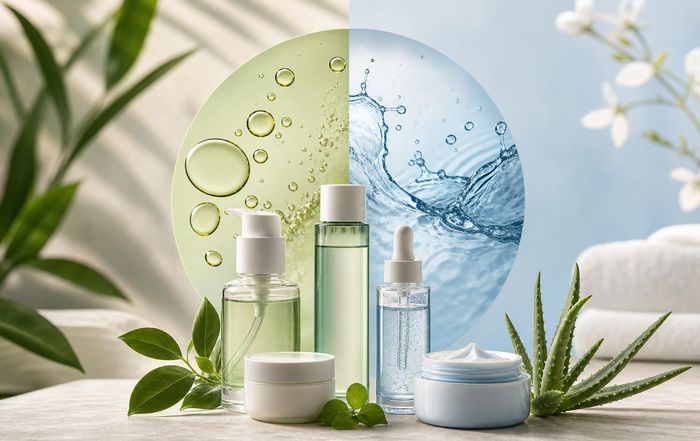
Skincare Tips for Balancing Oil and Hydration
Balancing oil and hydration has become one of the most important and misunderstood challenges in modern skincare, particularly as consumers across North America, Europe, Asia, and other global regions navigate changing climates, urban pollution, and increasingly complex product choices. On BeautyTipa, this topic sits at the intersection of science, lifestyle, and business strategy, shaping how individuals care for their skin and how brands innovate, position, and market their products in a highly competitive beauty landscape.
Understanding the Difference Between Oil and Hydration
A central source of confusion for many consumers is the distinction between oil and hydration, a misunderstanding that often leads to over-stripping, over-moisturizing, or using products that are misaligned with the skin's actual needs. Dermatologists and cosmetic chemists, including experts associated with organizations such as the American Academy of Dermatology, emphasize that hydration refers to the water content within the skin, while oil refers to sebum produced by sebaceous glands, which forms part of the skin's protective lipid barrier. When skin is dehydrated, it lacks sufficient water, which can occur in oily, combination, or dry skin types, whereas when skin is dry, it lacks oil, and this distinction is crucial for selecting the right formulations and textures.
Scientific resources such as the National Center for Biotechnology Information provide extensive research on the role of the stratum corneum and the importance of maintaining both water and lipid balance to preserve barrier integrity and prevent transepidermal water loss. Brands that take this science seriously tend to design products that support both aspects of skin health rather than simply mattifying the surface or providing heavy occlusion. On BeautyTipa, discussions in the skincare section often highlight that many people in the United States, United Kingdom, Germany, and across Asia mistake surface shine for adequate hydration, when in reality their skin may be dehydrated beneath a layer of excess oil.
Why Oil-Water Balance Matters in a Global, Urbanized World
In 2026, rapid urbanization, climate change, and lifestyle shifts have intensified the need for a more nuanced approach to skincare. Cities such as New York, London, Seoul, Tokyo, Singapore, and São Paulo face elevated pollution levels, indoor heating or air-conditioning, and high stress, all of which can disrupt the skin's microbiome and barrier function. Research curated by organizations like the World Health Organization and air-quality platforms such as IQAir shows that particulate matter and environmental aggressors can oxidize sebum, trigger inflammation, and worsen conditions such as acne and rosacea, while simultaneously compromising hydration.
Consumers in regions as varied as Scandinavia, the Middle East, and Southeast Asia are experiencing the dual challenge of increased environmental stress and indoor lifestyles, leading to a paradox where skin feels both oily and tight. Long working hours, digital screen exposure, and irregular sleep patterns, as discussed in wellness research from sources like the Sleep Foundation, further impair skin recovery, making a strategic oil-water balance routine not just a cosmetic preference but a form of self-care that directly influences confidence, professional presence, and long-term skin health. This broader context is reflected across BeautyTipa's wellness and health and fitness content, where skincare is increasingly framed as part of a holistic lifestyle plan.
Skin Types, Skin Conditions, and the Myth of "Oily Means Hydrated"
One of the most persistent myths in skincare is the idea that oily skin is automatically well hydrated, a misconception that has been repeatedly disproven by dermatological research and clinical observation. The British Association of Dermatologists and leading academic centers regularly clarify that oily skin can be severely dehydrated, particularly when individuals use harsh cleansers, over-exfoliate, or rely on strong acne treatments without adequate barrier support. In markets such as the United States, Canada, and Australia, where aggressive "oil-control" marketing has long dominated, many consumers report tightness, flaking, or sensitivity alongside shine and breakouts, a combination that signals an impaired barrier rather than a simple excess of oil.
Authoritative medical platforms like Mayo Clinic and Cleveland Clinic explain that skin type (oily, dry, combination, normal) is largely determined by genetics and hormone activity, while skin conditions (dehydration, sensitivity, acne, rosacea, hyperpigmentation) are dynamic and influenced by lifestyle, environment, and product use. Recognizing this distinction allows individuals to move beyond one-dimensional labels and develop routines that respect both their baseline skin type and their current condition. On BeautyTipa, editorial features and expert interviews in the guides and tips section consistently stress that effective routines for balancing oil and hydration must be tailored, flexible, and responsive to seasonal and regional shifts, whether the reader lives in humid Singapore, dry Dubai, cool Stockholm, or temperate New Zealand.
Cleansing Strategies: Protecting the Barrier While Managing Sebum
Cleansing remains the foundation of any routine aimed at balancing oil and hydration, yet it is also the step where many people cause the most damage. Over-cleansing with high-foaming, sulfate-heavy formulas can strip the skin of essential lipids and natural moisturizing factors, prompting a rebound increase in sebum production and leaving the skin both oily and dehydrated. Dermatological guidance from sources such as Harvard Health Publishing underscores the importance of gentle, pH-balanced cleansers that remove sweat, pollution, and sunscreen without compromising the barrier.
For consumers in regions like South Korea and Japan, double cleansing has long been a standard practice, with an oil-based cleanser followed by a water-based gel or milk, and this method has now been widely adopted in Europe, North America, and beyond. When executed properly, double cleansing can effectively dissolve sebum and long-wear sunscreen while preserving hydration, provided that both steps use non-stripping ingredients and are not followed by harsh scrubs or alcohol-heavy toners. On BeautyTipa, the routines category frequently explores how individuals can adapt cleansing to their environment: for example, a resident of humid Bangkok or Rio de Janeiro might favor lightweight gel cleansers with mild surfactants, while someone in cold, dry Norway or Canada might prefer cream cleansers that incorporate ceramides and glycerin to minimize water loss.
The Role of Toners, Essences, and Hydrating Layers
Once cleansing is optimized, the next opportunity to influence oil-water balance lies in the layering of hydrating toners, essences, and light serums. Historically, toners in Western markets were often astringent, alcohol-based products designed to "tighten pores," but the global influence of Asian beauty traditions, particularly from South Korea and Japan, has shifted the focus toward hydration, barrier support, and pH balance. Educational content from organizations such as the International Society of Dermatology has highlighted the benefits of humectants like hyaluronic acid, glycerin, and panthenol in attracting and retaining water in the upper layers of the skin, especially when applied to slightly damp skin after cleansing.
Consumers seeking to understand these ingredients in more depth often consult science-based skincare resources like Paula's Choice Skincare's ingredient dictionary or dermatology-focused platforms that break down molecular weights and penetration profiles. For readers of BeautyTipa, layering lightweight hydrating products is positioned as a strategic way to address dehydration without adding heavy oils, a technique that works well for combination and oily skin types in markets such as the United States, United Kingdom, Germany, and France where central heating, air conditioning, and long office hours can sap moisture from the skin. By building a "hydration sandwich" with multiple thin layers rather than a single occlusive cream, individuals can fine-tune their routines to account for seasonal changes in Europe, monsoon cycles in Asia, or dry winters in North America.
Choosing Moisturizers: Balancing Humectants, Emollients, and Occlusives
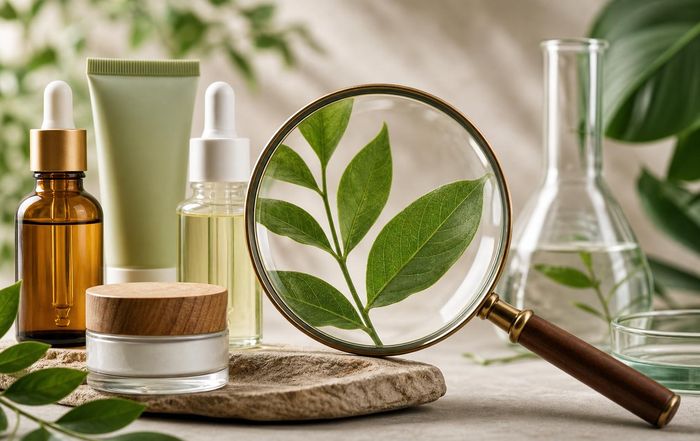
Selecting the right moisturizer is often the decisive step in achieving a true balance between oil and hydration, because this is where the interplay of humectants, emollients, and occlusives becomes most apparent. Dermatology experts frequently reference the classic framework in which humectants draw water into the stratum corneum, emollients smooth and soften the skin by filling in micro-cracks, and occlusives form a physical barrier to reduce water loss. Trusted medical platforms such as DermNet NZ provide detailed explanations of these categories, helping consumers understand why a single product cannot always address every need equally well.
For oil-prone skin, particularly common in warmer climates like Thailand, Brazil, Malaysia, and parts of Africa, lighter gel-cream textures with a higher humectant-to-occlusive ratio can maintain hydration without clogging pores or exacerbating shine. Meanwhile, individuals in colder regions such as Scandinavia, Canada, and Switzerland may require richer formulas with ceramides, cholesterol, and fatty acids to protect against transepidermal water loss, especially during winter. On BeautyTipa, the brands and products pages often analyze how leading companies such as L'Oréal, Estée Lauder, Shiseido, and Unilever are reformulating moisturizers to be more barrier-focused, fragrance-conscious, and suitable for sensitive or acne-prone skin, reflecting a broader global shift toward evidence-based, dermatologist-informed product development.
Active Ingredients: Managing Oil Without Sacrificing Hydration
Actives such as salicylic acid, niacinamide, retinoids, and azelaic acid play a central role in managing oil production, unclogging pores, and addressing blemishes, but they must be introduced and layered thoughtfully to avoid compromising hydration and barrier integrity. Guidance from professional organizations like the American Academy of Dermatology and information hubs such as MedlinePlus emphasizes that while these ingredients can be highly effective, they are also potential irritants if overused or combined inappropriately. This is particularly relevant in regions like the United States, United Kingdom, and South Korea, where consumers have easy access to high-strength over-the-counter formulations and may be tempted to "stack" multiple actives in a single routine.
Niacinamide has emerged as a star ingredient because it can help regulate sebum production, support barrier function, and improve the appearance of enlarged pores, making it an ideal choice for those seeking to balance oil and hydration simultaneously. Similarly, low concentrations of salicylic acid can gently exfoliate inside the pore without excessively drying the surrounding skin, especially when buffered by hydrating and soothing components such as panthenol or allantoin. On BeautyTipa, in-depth articles in the technology beauty and trends sections explore how biotech-derived actives, encapsulation technologies, and time-release systems are enabling more controlled delivery of potent ingredients, reducing irritation and making it easier for users in diverse markets from Italy to South Africa to maintain a consistent routine that respects both oil control and hydration.
Lifestyle, Nutrition, and Stress: The Hidden Drivers of Skin Imbalance
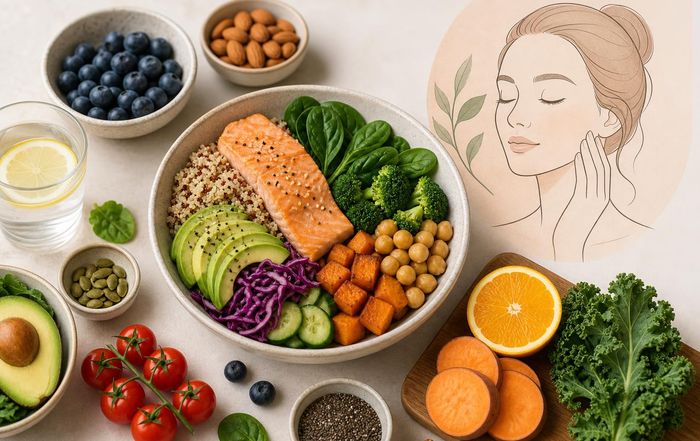
While topical products are essential, long-term success in balancing oil and hydration depends heavily on lifestyle factors such as diet, sleep, stress management, and physical activity. Research summarized by institutions like the Harvard T.H. Chan School of Public Health and nutrition-focused organizations such as The Nutrition Source indicates that diets high in ultra-processed foods and high glycemic load may contribute to increased sebum production and inflammation, whereas balanced patterns rich in fruits, vegetables, whole grains, and omega-3 fatty acids support overall skin health. Readers of BeautyTipa often explore complementary guidance in the food and nutrition section to align their skincare efforts with dietary habits that promote stable energy, hormonal balance, and reduced systemic inflammation.
Stress, a pervasive issue in major economic hubs like New York, London, Hong Kong, and Sydney, has been linked to flare-ups of acne, eczema, and other inflammatory skin conditions through the release of cortisol and other stress mediators. Mental health resources such as Mind and global health organizations consistently highlight the importance of sleep hygiene, mindfulness, and work-life balance, all of which have indirect but meaningful effects on the skin's ability to repair itself overnight and maintain a healthy barrier. On BeautyTipa, the intersection of skincare with broader wellness, fitness, and professional performance is a recurring theme, reinforcing the idea that a balanced complexion is both a reflection and a driver of personal resilience and confidence in demanding business environments across Europe, Asia, and the Americas.
Regional and Cultural Differences in Approaches to Oil and Hydration
The globalization of beauty has created a rich exchange of ideas, yet local climates, cultural preferences, and regulatory frameworks continue to shape how consumers in different regions approach the challenge of balancing oil and hydration. In East Asian markets such as South Korea and Japan, multi-step routines with an emphasis on lightweight hydration, essences, and sun protection have long been the norm, and these practices have influenced skincare habits in the United States, United Kingdom, and much of Europe. Meanwhile, in France, Italy, and Spain, pharmacy-led skincare traditions, often guided by dermatologists and pharmacists, prioritize barrier repair, minimal fragrance, and gentle cleansing, a philosophy that resonates strongly with sensitive and combination skin types.
Global market analyses from organizations like Euromonitor International and McKinsey & Company show that consumers in Germany, the Netherlands, and Scandinavia increasingly seek minimalist routines that combine efficacy with sustainability, while markets such as Brazil and South Africa often require high-performance formulas that can withstand heat, humidity, and intense UV exposure. On BeautyTipa, the international section explores these regional nuances, offering readers in Canada, Australia, Singapore, and beyond the opportunity to learn from global best practices while adapting them to local realities, whether that means adjusting textures, layering strategies, or the frequency of actives to accommodate climate and cultural norms.
The Business of Balanced Skin: Innovation, Employment, and Sustainability
For the beauty industry, the demand for products that genuinely balance oil and hydration is not just a scientific challenge but a strategic business opportunity. Major corporations such as L'Oréal, Procter & Gamble, Unilever, and Shiseido, along with dynamic indie brands, are investing heavily in research and development, consumer testing, and digital diagnostics to better understand the nuances of combination and dehydrated-oily skin across diverse populations. Reports from global consulting firms such as Deloitte and KPMG highlight how data analytics, artificial intelligence, and personalized recommendations are transforming the way brands formulate, market, and distribute skincare, with particular emphasis on capturing growth in emerging markets across Asia, Africa, and South America.
The rise of skin-tech tools, including app-connected devices, at-home analysis kits, and AI-driven recommendation platforms, is creating new career paths in product development, dermatology-adjacent services, and digital marketing. For readers of BeautyTipa exploring career options in beauty, the jobs and employment section underscores how expertise in skin biology, data science, sustainability, and consumer psychology can converge in roles that shape the future of skincare. At the same time, sustainability pressures are forcing companies to rethink packaging, ingredient sourcing, and lifecycle impacts, as detailed by organizations such as the Ellen MacArthur Foundation and initiatives like the UN Environment Programme, making it increasingly important for brands to balance not only oil and hydration on the skin but also performance and environmental responsibility in their operations.
Building a Personalized, Future-Ready Routine
As the global beauty and wellness landscape evolves, individuals are seeking not just products but long-term strategies that can adapt to their changing lives, environments, and professional demands. On BeautyTipa, this perspective is woven through everything from beauty and makeup features to coverage of events, business insights in business and finance, and explorations of how fashion and skincare intersect in the fashion area. By combining expert-driven guidance with an understanding of regional differences and industry trends, the platform encourages readers in the United States, United Kingdom, Germany, Canada, Australia, France, Italy, Spain, the Netherlands, Switzerland, China, Sweden, Norway, Singapore, Denmark, South Korea, Japan, Thailand, Finland, South Africa, Brazil, Malaysia, New Zealand, and beyond to treat the balance of oil and hydration as an ongoing, informed dialogue with their skin rather than a one-time fix.
In practice, this means regularly reassessing skin needs as seasons change, stress levels fluctuate, or professional and personal circumstances evolve; staying informed about new ingredients, technologies, and regulatory updates through authoritative resources such as FDA cosmetics information and European regulatory portals; and integrating skincare decisions into broader wellness, nutrition, and lifestyle choices. As 2026 progresses and innovation accelerates, BeautyTipa remains committed to providing in-depth analysis, expert perspectives, and practical frameworks that empower readers to craft routines that are not only effective and evidence-based but also aligned with their values, careers, and global outlook. In doing so, the platform positions balanced, healthy skin as both a personal asset and a reflection of a more thoughtful, informed, and sustainable approach to beauty and wellness worldwide.