Beauty Trends Expected to Dominate Social Media

Last updated by Editorial team at beautytipa.com on Saturday 4 October 2025
Beauty Trends Expected to Dominate Social Media

The digital landscape has transformed into a vibrant ecosystem where beauty trends are not only created but amplified through global networks of creators, brands, and communities. Social media platforms such as Instagram, TikTok, YouTube, and emerging interactive beauty apps have become the testing grounds for aesthetics, technologies, and cultural expressions. Beauty is no longer restricted to traditional product launches; it is now a living dialogue between brands and audiences, shaping the way people perceive self-expression, confidence, and wellness. For readers of BeautyTipa, the convergence of social media and beauty represents an invaluable opportunity to understand how global preferences evolve in real time and how businesses can position themselves for relevance in an increasingly fast-moving marketplace.

Short-Form Video as the Epicenter of Beauty Communication

With short-form video platforms dominating user engagement, beauty trends often emerge overnight through viral tutorials, micro-reviews, and storytelling. TikTok and Instagram Reels in particular have given rise to a new generation of beauty influencers who combine creativity with authenticity, often building trust more effectively than traditional advertising campaigns. Social media users are increasingly gravitating toward quick, relatable content that demonstrates results in under a minute, whether through a skincare transformation, a makeup hack, or an exploration of beauty routines from different cultures.

For example, the "before and after" format has gained massive traction, as audiences find immediate visual proof compelling. Likewise, bite-sized explanations of clinical skincare or simplified demonstrations of complex makeup techniques are now more influential than lengthy brand campaigns. This evolution has forced beauty companies to rethink content strategies, ensuring that even luxury players like Dior Beauty and Chanel deliver engaging, platform-native storytelling to remain competitive.

Skincare as Lifestyle: The Ongoing Rise of Skin Minimalism

Among the most consistent social media-driven movements is the concept of "skinimalism," a trend that emphasizes simplified routines, fewer products, and a focus on skin health rather than heavy cosmetic coverage. This approach resonates deeply with younger audiences who align with the values of transparency, sustainability, and authenticity. Consumers showcase their real skin journeys on platforms like Reddit’s SkincareAddiction, TikTok skincare challenges, and Instagram reels focused on natural beauty.

The popularity of brands such as The Ordinary, CeraVe, and Paula’s Choice demonstrates how accessible, ingredient-driven products can dominate both conversation and sales. Moreover, the focus on skin health aligns with rising demand for dermatologist-approved solutions and clinical beauty. Companies like La Roche-Posay and Eucerin continue to capture attention through science-backed content, while independent brands showcase innovation by highlighting results through relatable influencers rather than polished models. For readers exploring skincare insights, this is a clear indication that expertise and credibility remain central to digital influence.

🌟 2025 Beauty Trends on Social Media

Interactive Timeline of the Most Influential Beauty Movements

📱

Short-Form Video Dominance

TikTok and Instagram Reels revolutionize beauty communication with viral tutorials, micro-reviews, and before-and-after transformations that build trust faster than traditional advertising.

Viral ContentTikTokAuthenticity
SOCIAL IMPACT

Skinimalism Movement

Simplified routines focusing on skin health over coverage. Brands like The Ordinary and CeraVe dominate with ingredient-driven, transparent approaches valued by younger audiences.

MinimalismTransparencyWellness
SOCIAL IMPACT
🤖

AI-Powered Personalization

Virtual try-on apps and personalized skincare engines transform shopping. AI-generated looks and predictive filters balance entertainment with utility for data-backed purchase decisions.

TechnologyAR/VRInnovation
SOCIAL IMPACT
🧘

Beauty-Wellness Integration

Outer beauty as reflection of inner well-being. Creators share holistic content combining skincare with yoga, meditation, nutrition, and mental health for comprehensive lifestyle branding.

HolisticMental HealthNutrition
SOCIAL IMPACT
🌱

Sustainable Beauty Mainstream

Eco-friendly practices become social expectations. Refillable packaging, biodegradable formulas, and carbon-neutral shipping turn sustainability into aspirational lifestyle choices and status symbols.

Eco-FriendlyZero-WasteEthics
SOCIAL IMPACT
🎨

Experimental Makeup Revival

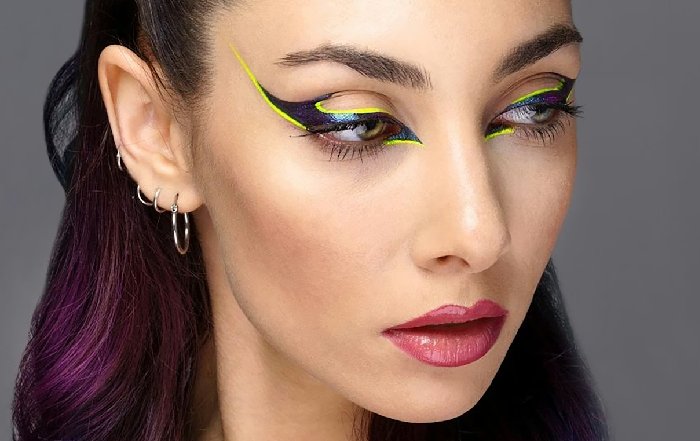
Bold, vibrant looks dominate platforms. Colorful eyeliners, metallic finishes, Euphoria-inspired aesthetics, and 3D nail art celebrate fluid self-expression and creative artistry over traditional norms.

CreativityInclusivityGen Z
SOCIAL IMPACT
🔬

Biotech Beauty Science

Evidence-based results drive conversations. Lab-grown collagen, fermented botanicals, and microbiome-friendly actives showcased by dermatologists build trust through scientific transparency and innovation.

ScienceResearchCredibility
SOCIAL IMPACT
🌍

Hyperlocal Micro-Communities

Decentralized trends emerge regionally. From Korean fermented skincare to Scandinavian eco-innovations, niche movements gain power through algorithmic curation and cultural storytelling authenticity.

CulturalRegionalDiversity
SOCIAL IMPACT
High Impact (80%+)
Growing Influence
Emerging Trend

AI-Powered Beauty Tools Transforming Social Media Engagement

Artificial intelligence has significantly redefined beauty engagement online. From virtual try-on apps like ModiFace and Perfect Corp’s YouCam Makeup to personalized skincare recommendation engines, AI has shifted consumer expectations toward hyper-personalization. In 2025, AI is no longer a novelty; it is embedded into shopping journeys on platforms such as Sephora, Ulta Beauty, and direct-to-consumer websites.

On social media, AI-generated beauty looks and predictive filters are gaining momentum. These allow users to visualize future trends, experiment with styles, and share them instantly with their networks. However, the appeal lies in the balance between entertainment and utility: audiences expect these tools to be fun but also accurate enough to guide real purchase decisions. Beauty brands integrating AI within their campaigns often see higher conversion rates, as consumers trust data-backed recommendations while still enjoying the creativity of digital self-expression. Readers of Technology Beauty can recognize this as a fundamental bridge between tech-driven innovation and consumer trust.

The Intersection of Beauty and Wellness on Social Media

Social media conversations in 2025 reveal that beauty and wellness are now inseparable. Audiences increasingly perceive outer beauty as a reflection of inner well-being, leading to the rise of integrated approaches that combine skincare, mental health, fitness, and nutrition. Popular creators share content not only about serums and moisturizers but also about yoga routines, meditation techniques, and gut-health supplements. This holistic view resonates with global audiences who expect beauty to be more than superficial.

Brands have quickly adapted by launching products that blur the line between categories. Moon Juice, Ritual, and The Nue Co. are leading examples of companies that merge nutrition, wellness, and skincare into cohesive lifestyle propositions. On platforms like Instagram, hashtags linking beauty and self-care are among the most engaging, demonstrating how consumers associate glowing skin with restful sleep, balanced diets, and emotional stability. For those following wellness insights, this marks a shift toward comprehensive lifestyle branding, where beauty products are positioned alongside mindfulness and healthy living.

Micro-Communities and Hyperlocal Beauty Movements

A key shift in 2025 is the decentralization of beauty trends through micro-communities that thrive on platforms like TikTok subcultures, Discord servers, and private Instagram circles. Instead of one universal trend dominating the global stage, fragmented but powerful beauty movements are emerging regionally. For instance, in the United States and United Kingdom, skin cycling routines are heavily discussed, while in South Korea and Japan, fermented skincare and microbiome-friendly products gain momentum. In Germany and Scandinavia, eco-conscious and refillable beauty innovations dominate the conversation, reflecting strong cultural commitments to sustainability.

This localization is amplified by the way social media algorithms curate niche content, enabling small creators to spark massive influence within their circles. A skincare influencer in Thailand demonstrating local botanical-based beauty rituals can go viral in Southeast Asia before reaching Western audiences weeks later. The result is a constantly shifting beauty dialogue where authenticity, cultural storytelling, and local heritage drive engagement. Readers of international beauty perspectives will recognize this as a sign that brands must adapt strategies for both global consistency and regional authenticity.

Sustainability and Conscious Beauty Go Mainstream

By 2025, sustainable beauty is no longer a niche movement; it has become a social media expectation. Consumers demand transparency from brands regarding sourcing, packaging, and overall carbon footprint. Companies like Lush, Aveda, and REN Clean Skincare are frequently highlighted in online conversations for their commitment to eco-friendly practices. Simultaneously, smaller independent brands gain visibility on social media by showcasing innovative approaches such as refillable packaging, biodegradable formulas, and carbon-neutral shipping.

On TikTok and Instagram, “shelfies” showcasing eco-friendly products have become both a personal expression and a status symbol, positioning sustainability as an aspirational lifestyle choice. Beauty consumers document their commitment to zero-waste living, often linking beauty habits to broader sustainability choices such as plant-based diets and eco-friendly fashion. This signals a deep alignment with readers interested in sustainable beauty trends where values-driven purchasing shapes long-term brand loyalty.

The Resurgence of Bold and Experimental Makeup

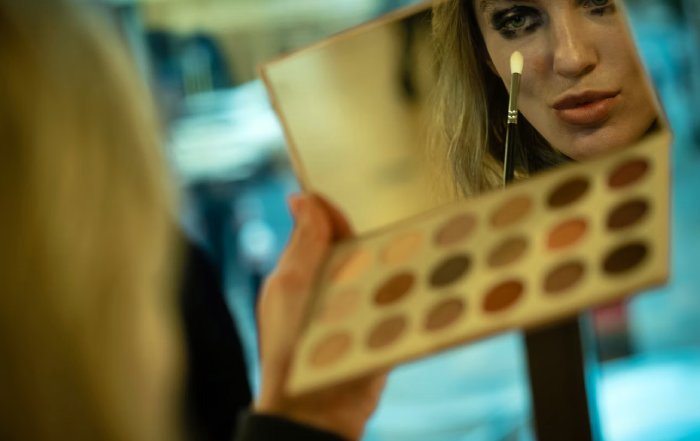
While minimalism thrives in skincare, makeup on social media is embracing an opposite trajectory: bold, vibrant, and experimental looks. In 2025, colorful eyeliners, metallic finishes, face embellishments, and 3D nail art dominate platforms like TikTok’s #MakeupTransformation and Instagram’s Reels. The rise of Euphoria-inspired makeup, coupled with Gen Z’s preference for fluid self-expression, has created a thriving space where creativity reigns.

Brands like Pat McGrath Labs, Huda Beauty, and Fenty Beauty are at the forefront of experimental looks, often setting trends that are then amplified by micro-influencers. The beauty community also celebrates inclusivity through these makeup expressions, where traditional gender norms are dismissed, and artistry takes center stage. For readers exploring makeup innovations, this signals a future where social media amplifies creativity as much as product utility.

The Business of Beauty on Social Media

Beyond aesthetics, beauty’s presence on social media has become a powerful business ecosystem. Influencer-led product launches, affiliate marketing, and branded collaborations now generate billions in revenue annually. According to Statista, global influencer marketing in the beauty sector is projected to surpass $20 billion in 2025, reflecting how consumers are increasingly comfortable making purchases directly through integrated social commerce platforms.

Beauty brands now treat platforms like TikTok and Instagram as primary sales channels rather than supplementary marketing outlets. Emerging technologies like shoppable livestreams on TikTok Shop and Instagram Live Commerce allow audiences to purchase products instantly while watching a demonstration. Companies such as Sephora and Glossier have built seamless omnichannel experiences where social media activity directly translates into in-store loyalty and digital revenue. Readers of business and finance in beauty can see this as evidence of social media transforming into the backbone of beauty retail.

Health and Fitness Integration: The Rise of Beauty-Active Content

In 2025, fitness and beauty are closely intertwined in online conversations. Social media personalities increasingly showcase workout routines alongside beauty regimens, reflecting how active lifestyles influence skin health and confidence. Wellness creators emphasize the importance of hydration, nutrition, and rest as integral to beauty, making fitness an inseparable part of the beauty dialogue.

The popularity of “sweatproof makeup” and skincare designed for active lifestyles highlights this intersection. Brands like CliniqueFIT and Tarte’s Shape Tape Sports have gained traction by marketing directly to fitness enthusiasts. Similarly, the growing popularity of athleisure-inspired beauty—lightweight, breathable, and performance-oriented cosmetics—illustrates how consumer needs have shifted. For readers exploring health and fitness in beauty, this integration demonstrates how holistic well-being is reshaping beauty choices in a social-first world.

The Role of Global Events and Beauty Communities

International beauty events and expos play a critical role in setting the stage for social media amplification. Events such as Cosmoprof Worldwide Bologna, Beautycon, and In-Cosmetics Global continue to attract global attention, often sparking viral trends showcased by attending influencers. These events serve as launchpads for innovations, from biotech-driven skincare to sustainable packaging breakthroughs.

In 2025, live event coverage on platforms like Instagram Stories, TikTok Live, and YouTube Shorts ensures that these gatherings reach audiences beyond physical attendees. Global audiences feel as though they are part of the experience in real time, often shaping early consumer opinions before products even hit retail shelves. Readers of beauty events coverage understand that social amplification has become the most powerful channel for turning innovation into cultural conversation.

Food, Nutrition, and Inner Beauty Conversations

Another rising trend dominating beauty conversations on social media is the link between diet and skin health. Nutritionists and dermatologists collaborate with influencers to highlight how foods rich in antioxidants, vitamins, and probiotics can enhance beauty from within. Viral recipes for collagen smoothies, matcha lattes, and skin-boosting supplements dominate Instagram and Pinterest boards.

Companies like Hum Nutrition, Vital Proteins, and Care/of have successfully tapped into this intersection, turning functional beauty supplements into mainstream consumer products. This signals the mainstreaming of beauty nutrition as part of everyday habits, a development that aligns with readers interested in food and nutrition insights.

Augmented and Virtual Reality Reshaping Beauty

As digital platforms evolve, augmented reality (AR) and virtual reality (VR) are becoming central to how consumers explore and adopt beauty trends. By 2025, AR filters are no longer just playful add-ons; they are advanced, hyper-realistic tools integrated into platforms like TikTok, Instagram, and Snapchat. Consumers use AR to test makeup shades, hairstyles, or even skincare results in real time before making purchases.

Brands such as L’Oréal and Estée Lauder have invested heavily in AR-powered beauty apps, allowing users to virtually try on entire product lines with remarkable precision. Meanwhile, VR environments are creating immersive beauty shopping experiences, where consumers can enter digital boutiques, interact with AI-driven beauty consultants, and attend virtual product launches. For readers of technology in beauty, this represents the merging of entertainment, personalization, and commerce in a way that redefines consumer expectations.

Biotech and Science-Backed Beauty in the Social Media Spotlight

Scientific credibility has become a defining feature of beauty conversations online. With consumers demanding evidence-based results, biotech innovations are increasingly showcased on social media. Biotechnology-driven ingredients such as lab-grown collagen, fermented botanicals, and microbiome-friendly actives are highlighted in content from dermatologists and influencers alike.

Biossance, known for its sugarcane-derived squalane, and Mother Dirt, which pioneered microbiome-balancing products, are examples of biotech brands that successfully captured attention through social storytelling. Simultaneously, large companies such as Unilever and Procter & Gamble highlight their research partnerships and lab-driven formulations to establish authority. Online communities dedicated to ingredient education, such as “SkinTok,” amplify these conversations, showing how science-led transparency builds trust. Readers exploring skincare expertise understand how evidence and innovation are now inseparable from beauty’s social narrative.

The Future of Beauty Careers in a Social-First World

Social media’s dominance has reshaped career opportunities in the beauty industry. In 2025, traditional roles such as makeup artist or beauty consultant have expanded into hybrid professions like digital beauty strategist, AR filter designer, and skincare content creator. Beauty professionals increasingly rely on platforms to showcase portfolios, build personal brands, and secure collaborations.

For job seekers and aspiring professionals, platforms like TikTok and Instagram are now just as important as LinkedIn in establishing credibility. Beauty influencers often transition into entrepreneurs, launching their own lines or collaborating with established brands. Companies actively scout talent on social media, making digital presence a crucial career tool. For readers following beauty jobs and employment, this shift signals a future where expertise must be matched with digital fluency to remain competitive.

The Crossroads of Fashion and Beauty Online

The line between beauty and fashion has blurred significantly, with social media serving as the bridge. Collaborative campaigns between luxury fashion houses and beauty brands have become frequent, often amplified by celebrity-driven social content. For instance, Gucci Beauty integrates seamlessly with Gucci fashion campaigns, while Prada Beauty and Valentino Beauty leverage runway aesthetics to inspire viral beauty looks.

Streetwear and beauty collaborations also thrive, reflecting Gen Z and millennial demand for cross-category experimentation. Nail art inspired by sneaker culture or makeup palettes designed in partnership with fashion labels showcase how consumers expect brands to deliver holistic lifestyle experiences. Readers of fashion and beauty intersections can see how these collaborations create multi-dimensional storytelling that resonates across both industries.

The Power of Authentic Storytelling

Despite the rise of technology, the most powerful driver of beauty trends on social media remains authenticity. Audiences value transparency, relatability, and genuine personal stories over polished advertising. Viral beauty moments often emerge from creators who share unfiltered journeys—whether it’s battling acne, embracing natural hair, or navigating beauty standards across cultures.

This has led brands to shift from aspirational to relatable messaging, highlighting diversity, inclusivity, and real-life experiences. Influencers who prioritize vulnerability often gain stronger followings than those who rely solely on aesthetics. For readers of guides and tips, authenticity represents a lasting foundation that shapes both consumer trust and brand loyalty.

Global Perspectives and Cultural Exchange

Social media has democratized beauty, enabling cultural beauty rituals to gain global recognition. Ayurvedic skincare from India, J-beauty from Japan, and Scandinavian simplicity are no longer confined to regional markets; they thrive through digital storytelling. Influencers across continents educate audiences about traditional practices while blending them with modern science.

For instance, gua sha and jade rollers, once niche cultural tools, are now global beauty staples due to viral content. Similarly, fermented rice water haircare, indigenous plant-based remedies, and African shea butter traditions have been amplified through cross-cultural exchange online. Readers of global beauty insights will recognize this as a powerful reminder that diversity enriches the beauty dialogue while promoting cultural appreciation.

Looking Ahead: The Beauty-Social Media Landscape of Tomorrow

By 2025, beauty trends on social media are defined by a fusion of technology, wellness, sustainability, and cultural diversity. Short-form content drives immediacy, AR and AI enhance personalization, and authentic storytelling builds trust. At the same time, global influences and hyperlocal communities create a dynamic environment where beauty is fluid, interactive, and increasingly inclusive.

For readers of BeautyTipa, the outlook is clear: brands, professionals, and consumers who embrace this interconnected, social-first beauty ecosystem will thrive. Those who remain static risk irrelevance in a market where innovation and engagement are the currencies of influence. Beauty in 2025 is not simply about products; it is about experiences, conversations, and identities expressed through the ever-expanding digital canvas of social media.

Emerging Organic Skincare Brands from Germany

Last updated by Editorial team at beautytipa.com on Friday 3 October 2025
Emerging Organic Skincare Brands from Germany

In recent years, the global beauty and wellness industry has undergone a major transformation, driven by a heightened awareness of sustainability, ingredient transparency, and the rising demand for organic products. Germany, already recognized for its precision engineering and pharmaceutical excellence, has become a rising powerhouse in the organic skincare sector. Now a number of German brands have not only gained international recognition but have also set new benchmarks for quality, sustainability, and ethical production standards.

Germany’s reputation for innovation, high manufacturing standards, and commitment to natural sciences has provided fertile ground for the rise of organic skincare companies. This new generation of brands is appealing to a growing segment of consumers who prioritize authenticity, sustainability, and wellness-driven beauty routines. As consumers in the United States, United Kingdom, and across Europe shift their preferences toward clean beauty, Germany has positioned itself as a global leader in this movement.

The following article explores the most promising emerging organic skincare brands from Germany, their philosophies, product innovations, and the ways they are shaping the future of the beauty industry. For readers of BeautyTipa, this feature provides an in-depth look at how these companies are redefining skincare by merging nature with science, while also offering insights into trends, routines, and international market growth.

The Global Rise of Organic Skincare and Germany’s Role

The demand for organic skincare has grown rapidly, with global consumers increasingly concerned about the potential risks of synthetic ingredients, microplastics, and chemical preservatives found in conventional cosmetics. According to market analysts, the organic skincare market worldwide is projected to surpass USD 25 billion by 2030, with Germany contributing significantly as both a consumer and producer.

Germany’s long tradition in herbal medicine and “apothecary culture” has shaped the mindset of both consumers and companies. For decades, German households have valued natural remedies, botanical extracts, and herbal infusions, making the transition to organic skincare a natural evolution. German consumers are among the most eco-conscious in Europe, with sustainability and ethical sourcing being key purchase drivers.

Many of the country’s emerging organic skincare brands are not just producing cosmetics but also promoting holistic wellness. Their approaches emphasize sustainability, biodiversity protection, cruelty-free testing, and transparency in supply chains. For consumers who follow wellness practices and holistic beauty routines, these German companies provide products that align with their values.

Characteristics Defining German Organic Skincare Brands

German organic skincare brands stand apart due to several defining features:

Commitment to Purity and Ingredient Transparency

Consumers want to know what they are applying to their skin. German organic brands typically highlight every ingredient, avoiding parabens, sulfates, silicones, and synthetic fragrances. Instead, they rely on botanical extracts, essential oils, cold-pressed plant oils, and natural preservatives. Transparency has become central to brand storytelling.

Integration of Science and Nature

Unlike many organic brands worldwide that focus only on natural heritage, German companies tend to integrate clinical research and dermatological testing into their product development. This science-driven approach ensures effectiveness, safety, and trustworthiness, making their skincare lines attractive to dermatologists and health-conscious consumers alike.

Sustainability as a Core Value

Sustainability is not an afterthought for German skincare brands—it is embedded into their DNA. From recyclable packaging and refill systems to sourcing ingredients from local organic farms, sustainability practices are carefully considered. Many brands have embraced circular economy models, echoing Germany’s national leadership in environmental policy.

Cruelty-Free and Vegan Standards

In alignment with European Union regulations and consumer demand, German organic skincare brands often carry certifications such as NATRUE, COSMOS, or Vegan Society labels, assuring customers that their products meet stringent ethical standards.

🇩🇪 German Organic Skincare Explorer

Discover the emerging brands revolutionizing clean beauty

🌿 i+m Naturkosmetik Berlin

Pioneer of sustainable skincare with climate-neutral production and innovative refill station systems. Expanding globally with vegan, fair-trade products.

VeganClimate-NeutralRefill System

🌱 Santaverde

Hamburg-based brand specializing in aloe vera formulations from organic Andalusian farms. Highly hydrating skincare ideal for sensitive skin.

Aloe-BasedAnti-InflammatoryOrganic Farming

💄 Und Gretel Berlin

Bridging organic skincare and luxury makeup with natural pigments. Popular in fashion capitals like Paris, Milan, and New York.

Eco-LuxuryNatural MakeupFashion-Forward

🏔️ Team Dr. Joseph

Combines alpine botanicals with biotechnology for spa-grade treatments. Leading in wellness centers across Europe, Asia, and North America.

Alpine BotanicalsSpa-GradeBiotech

💧 Stop the Water While Using Me!

Hamburg brand merging activism with natural formulations. Partnered with UNESCO for water conservation projects worldwide.

ActivismWater ConservationGen Z Focused
$25B+
Projected Market by 2030
70%
Germans Prioritize Sustainability
5
Leading German Brands

Regulatory Excellence

Strict EU frameworks ensure transparency and quality, building global consumer trust and preventing greenwashing.

Consumer-Driven Growth

Eco-conscious consumers in Germany, North America, and Asia driving demand for certified organic products.

International Expansion

German brands partnering with wellness retreats, luxury spas, and retailers from London to Singapore.

Investment Surge

Private equity and green venture capital investing in sustainability-driven German beauty companies.

  • Ingredient transparency with full disclosure of botanical extracts and natural preservatives
  • Integration of clinical research and dermatological testing with natural formulations
  • Sustainable practices including recyclable packaging and circular economy models
  • Cruelty-free and vegan certifications (NATRUE, COSMOS, Vegan Society)
  • Avoidance of parabens, sulfates, silicones, and synthetic fragrances
  • Cold-pressed plant oils and essential oils as primary ingredients
  • Local organic farming partnerships supporting biodiversity
  • Climate-neutral production and refill station systems
BrandSpecialtyGlobal ReachUnique Feature
i+m NaturkosmetikVegan & Fair-TradeEurope, North AmericaRefill Stations
SantaverdeAloe Vera BaseGlobalOrganic Farm in Spain
Und GretelOrganic MakeupFashion CapitalsLuxury Eco-Cosmetics
Team Dr. JosephAlpine BotanicalsEurope, Asia, AmericasSpa-Grade Treatments
Stop the WaterActivism & CareGlobalUNESCO Partnership

Spotlight on Emerging German Organic Skincare Brands

1. i+m Naturkosmetik Berlin

Founded in Berlin, i+m Naturkosmetik has been one of the pioneers of organic skincare in Germany, but in 2025 it continues to reinvent itself as an innovative leader. The brand is known for vegan, fair-trade, and cruelty-free products, and has expanded globally in recent years. Their commitment to climate-neutral production and refill stations has resonated with environmentally conscious consumers. Learn more about how i+m promotes sustainable beauty routines.

2. Santaverde

Headquartered in Hamburg, Santaverde bases its entire product philosophy on the power of aloe vera grown in its organic farms in Andalusia, Spain. Unlike many brands that use aloe as a secondary ingredient, Santaverde makes it the primary base of all formulations. The result is skincare lines that are highly hydrating and soothing, appealing to sensitive-skin consumers worldwide.

3. Und Gretel Berlin

Und Gretel, a Berlin-based brand, has risen to prominence with its organic makeup line, blending fashion with sustainability. It stands out as one of the few German companies bridging skincare and color cosmetics. The brand’s products are free from synthetic chemicals and feature natural pigments, catering to a growing demand for luxury eco-makeup that fits seamlessly into wellness-focused lifestyles. Readers of BeautyTipa’s makeup section will find Und Gretel especially relevant.

4. Team Dr. Joseph

Based in South Tyrol, Team Dr. Joseph combines traditional herbal knowledge with advanced biotechnology. Their products often feature alpine botanicals, carefully harvested and clinically tested. The brand has gained international attention for its spa treatments and professional-grade organic skincare lines now available in wellness centers across Europe and North America.

5. Stop the Water While Using Me!

This Hamburg-born company merges activism with skincare. Known for its natural formulations, Stop the Water While Using Me! encourages consumers to conserve water and protect the environment. The brand has expanded into shampoos, body care, and facial treatments, maintaining its playful yet purposeful brand identity.

How German Organic Skincare Is Entering Global Markets

The success of these German brands is not limited to domestic consumers. Increasingly, they are penetrating markets in the United States, United Kingdom, Asia, and Australia, often through online platforms, luxury retail partnerships, and wellness collaborations.

For instance, Und Gretel has found popularity among conscious consumers in New York and Los Angeles who value sustainable luxury. i+m Naturkosmetik has partnered with eco-friendly hotels in Scandinavia, while Team Dr. Joseph has become a sought-after brand in high-end wellness spas from Switzerland to Singapore.

This international expansion reflects not only the strength of the products themselves but also the global appetite for authentic, transparent, and ethical skincare. For audiences interested in international beauty trends, BeautyTipa’s global coverage provides ongoing insights.

Market Dynamics, Consumer Behavior, and Future Opportunities

Market Dynamics: Why Germany is Becoming a Skincare Powerhouse

By 2025, the organic skincare industry has become one of the most dynamic sectors within the broader beauty market. Germany, once considered primarily a hub for pharmaceuticals and engineering, is now positioned as a global leader in eco-conscious beauty innovation. Several factors have contributed to this transformation.

First, Germany’s strict regulatory frameworks for cosmetics and skincare have created an environment where only the most transparent and high-quality brands can thrive. With EU-wide enforcement of safety and sustainability standards, German brands have developed reputations for credibility and reliability. Unlike regions where greenwashing is prevalent, German companies face regulatory scrutiny that protects consumers and enhances brand trust.

Second, sustainability-driven consumer demand is accelerating growth. A recent European survey revealed that over 70% of German consumers prioritize sustainability and ethical sourcing when choosing skincare products. This is consistent with trends across North America, Scandinavia, and Asia, where environmentally conscious consumers drive demand for certified organic products.

Third, international collaborations have boosted visibility. From partnerships with wellness retreats in Thailand to retail expansions in New York and London, German brands have successfully positioned themselves in competitive global markets. By aligning with the wellness tourism sector and digital-first retail models, they are capturing consumers who value both luxury and sustainability.

For readers exploring the intersection of beauty and finance, BeautyTipa’s business and finance section offers insights into how German organic brands are attracting investment and scaling globally.

Consumer Preferences in 2025: The Shift Toward Holistic Wellness

The skincare consumer of 2025 is far more informed than ever before. Shoppers in Germany, the United States, and Asia no longer purchase products based solely on branding—they research ingredient origins, certifications, and environmental impacts.

A defining consumer behavior trend is the integration of wellness with beauty routines. Skincare is now seen as part of a broader lifestyle that includes nutrition, fitness, and mindfulness. German organic skincare brands have embraced this holistic view by aligning their products with wellness philosophies. Brands like Team Dr. Joseph offer not only skincare products but also spa rituals that connect inner and outer well-being.

Another trend is the preference for minimalist, multi-functional products. Consumers are rejecting cluttered routines and gravitating toward fewer, high-quality items that deliver visible results. This aligns with the German value of practicality and efficiency, reinforcing the reputation of their brands as dependable and effective.

Additionally, digital transparency tools such as QR codes and blockchain-based ingredient traceability have become a norm in 2025. Consumers in Germany and abroad can scan products to see their entire production journey—from organic farms to packaging facilities. This level of transparency is redefining trust in the beauty industry.

Readers interested in simplifying routines while embracing quality can explore BeautyTipa’s guides and tips section, which aligns with this evolving consumer mindset.

Case Studies: Leading German Brands Making Global Waves

i+m Naturkosmetik Berlin – A Pioneer in Sustainable Skincare

i+m Naturkosmetik has built a brand identity rooted in activism, fair trade, and climate responsibility. Its unique selling point is the refill station system available in major German cities, reducing plastic waste while encouraging community engagement. In 2025, the brand expanded this initiative internationally, launching partnerships with eco-conscious retailers in London, Copenhagen, and Toronto.

Santaverde – Aloe-Based Excellence

With aloe vera as its foundation, Santaverde represents German excellence in ingredient specialization. By investing in sustainable farming practices in Andalusia and using aloe as a replacement for water in formulations, the brand differentiates itself from global competitors. Santaverde’s clinical results-driven approach resonates strongly in North America, where demand for soothing, anti-inflammatory skincare has skyrocketed.

Und Gretel – Bridging Beauty and Fashion

Und Gretel exemplifies how German companies are merging luxury fashion aesthetics with organic standards. Its growing international success in fashion capitals like Paris, Milan, and New York highlights the market potential for eco-luxury. By offering high-performance organic makeup alongside skincare, the brand is appealing to consumers who want sustainability without compromising on style.

Team Dr. Joseph – The Spa Revolution

Team Dr. Joseph has established itself as the go-to brand for holistic spa experiences. By positioning itself not only as a product line but as a wellness ritual, the brand has expanded into Asia, where luxury spas in Singapore, South Korea, and Japan are incorporating its treatments. This integration of skincare and professional wellness services underscores a new business model that blends retail and experiential luxury.

Stop the Water While Using Me! – Beauty with a Mission

This playful yet powerful brand has captured younger audiences by connecting beauty to environmental activism. In 2025, the company launched a campaign in partnership with UNESCO, advocating for water conservation projects in Africa and Asia. Its branding emphasizes that skincare can be both enjoyable and purposeful, resonating with Gen Z and millennial consumers worldwide.

Investment and Business Opportunities

The success of German organic skincare brands is attracting both domestic and international investors. Private equity firms, green venture capital funds, and even luxury conglomerates are showing increased interest in acquiring or partnering with these companies.

There are several key opportunities driving investment:

Sustainability as a Differentiator: Brands with robust sustainability practices are attracting premium valuations because they align with global ESG (Environmental, Social, and Governance) standards.

Digital Expansion: Direct-to-consumer models and subscription-based skincare services have become crucial for scaling. German brands are embracing e-commerce platforms and AI-driven personalization tools, which provide tailored skincare recommendations to consumers globally.

Collaborations with Wellness Tourism: With wellness travel booming, German skincare brands are embedding themselves into resorts, spas, and luxury hotels, particularly in Asia and North America.

For readers following career growth in this evolving industry, BeautyTipa’s jobs and employment section highlights new opportunities emerging in sustainability-driven beauty.

Future Outlook: The Next Decade of German Organic Skincare

Looking ahead, German organic skincare is set to become a cornerstone of the global clean beauty movement. Several trends are likely to define the next decade:

Integration with Biotechnology: Brands are investing in biotech solutions to enhance the potency of natural ingredients. This includes plant stem cell technology, fermentation processes, and microbiome-friendly skincare.

Refill Economy Growth: The adoption of refill systems, already pioneered by i+m Naturkosmetik, will expand into mainstream retail worldwide, reducing packaging waste significantly.

Wellness-Conscious Luxury: Consumers will increasingly seek beauty products that deliver both indulgence and health benefits, positioning German brands well in the luxury space.

Global Collaborations: Strategic partnerships with international retailers, spas, and tech-driven beauty platforms will enable German companies to expand across continents.

Consumer Empowerment through Transparency: Blockchain and AI-driven platforms will make full supply-chain transparency a baseline expectation, not a luxury feature.

For insights into how these future shifts tie into broader beauty trends, readers can explore BeautyTipa’s trends coverage and technology beauty section.

Germany as a Global Standard-Bearer in Organic Beauty

In 2025, Germany’s emerging organic skincare brands are no longer niche players but global trendsetters. Their ability to merge science, nature, and sustainability has created products that resonate deeply with consumers who value both beauty and responsibility. From the refill stations of Berlin to the luxury spas of Singapore, German brands are shaping how the world perceives organic skincare.

For international readers of BeautyTipa, these stories offer more than product recommendations—they highlight a cultural and business movement where beauty serves as a bridge between personal wellness, environmental stewardship, and global collaboration.

As the organic skincare industry continues to expand, Germany’s influence will only deepen, serving as a blueprint for how beauty can thrive when ethics, transparency, and innovation converge.

The Ultimate Skincare Routine for Women in Their 30s

Last updated by Editorial team at beautytipa.com on Friday 3 October 2025
The Ultimate Skincare Routine for Women in Their 30s

Reaching the age of thirty marks a pivotal chapter in a woman’s skincare journey. This decade is often characterized by the first visible signs of skin aging—fine lines, loss of elasticity, and occasional uneven skin tone. Lifestyle choices, stress, environmental factors, and hormonal shifts begin to play a stronger role in determining skin health. Unlike the carefree routines of the twenties, the thirties demand a more structured, thoughtful, and preventive approach to skincare. For readers of BeautyTipa, where expertise and trustworthiness are central values, a comprehensive guide to a balanced skincare routine offers clarity and empowerment at a stage when confidence and self-care are both paramount.

A woman in her thirties does not merely need products; she needs a routine that speaks to her individuality, her lifestyle, and her long-term goals for beauty and wellness. The focus is on preserving youthful radiance, supporting natural repair mechanisms, and addressing emerging concerns before they deepen. The ultimate skincare routine for women in this age group is therefore both preventive and corrective, rooted in science yet attuned to the rituals that bring joy and consistency.

Understanding the Needs of Skin in the 30s

Skin in the thirties undergoes subtle yet significant transformations. Natural collagen and elastin production begin to slow, cell turnover is less rapid, and hydration levels fluctuate more dramatically. Hormonal shifts, often tied to family planning or stress, can contribute to adult acne or pigmentation. At the same time, exposure to environmental aggressors such as pollution, blue light from screens, and UV damage may accelerate visible aging if left unchecked.

Dermatologists and wellness experts emphasize the importance of establishing a skincare framework that strengthens the skin barrier, boosts antioxidant defense, and promotes long-term cellular health. This is not only about looking good in the moment but also about cultivating resilience against aging triggers.

The modern woman also faces unique challenges—balancing career, family, and personal aspirations—making skincare a deeply personal and holistic experience. A routine that blends effectiveness with convenience can transform skincare from a daily chore into a grounding ritual.

Morning Skincare Routine

Gentle Cleansing

Cleansing in the morning should focus on refreshing the skin without stripping natural oils. Overly harsh cleansers can compromise the skin barrier, making it more susceptible to irritation and dryness. A gentle gel or cream cleanser infused with antioxidants or soothing botanicals is ideal. Brands such as CeraVe, La Roche-Posay, and Fresh are often recommended for their balance between efficacy and skin tolerance.

Antioxidant Protection

The thirties are the decade to embrace antioxidants wholeheartedly. Vitamin C serums remain a gold standard for brightening and protecting against free radicals, but newer innovations such as ferulic acid combinations, green tea polyphenols, and niacinamide are also gaining traction. These ingredients not only defend against oxidative stress but also enhance collagen synthesis, keeping the skin firmer and more luminous.

Learn more about skincare essentials tailored to different stages of life.

Hydration and Barrier Support

Moisturizers in the thirties should address hydration at a deeper level. Hyaluronic acid remains a cornerstone, but ceramides and peptides are increasingly included in advanced formulations to strengthen the skin’s natural barrier. Lightweight gel creams may suit oilier skin, while richer emulsions are better for drier complexions.

Sunscreen as Non-Negotiable

Daily sun protection is the most critical step in a skincare routine at any age, but it becomes even more vital in the thirties. Broad-spectrum sunscreens with SPF 30 or higher shield against UVA and UVB rays, while newer formulations also defend against infrared and blue light. Options from EltaMD, Supergoop!, and Shiseido demonstrate how innovation in sunscreen has made daily use more pleasant and versatile.

Explore practical guides and tips on choosing effective sun protection for long-term skin health.

✨ Discover Your Perfect 30s Skincare Routine

Answer these questions to get your personalized skincare recommendations

    🎉 Your Skincare Profile

    Evening Skincare Routine

    Double Cleansing Ritual

    An evening cleanse should go beyond surface refreshment. With pollutants, makeup, and sunscreen accumulated during the day, a double-cleansing ritual—first with an oil or balm cleanser followed by a gentle foaming cleanser—ensures a clean canvas for overnight repair. This practice, popularized in Asia and now globally embraced, is essential for preventing clogged pores and dullness.

    Targeted Treatments

    Nighttime provides the perfect window for active treatments. Retinoids, whether prescription-based tretinoin or gentler over-the-counter retinol, remain the gold standard for boosting collagen, improving texture, and minimizing fine lines. Other actives, such as alpha hydroxy acids (AHAs) and beta hydroxy acids (BHAs), can be incorporated for exfoliation, though moderation is key to prevent irritation.

    Women in their thirties often combine retinoids with peptides, growth factors, or bakuchiol, a plant-based alternative that provides similar anti-aging benefits without the potential for sensitivity.

    Discover evolving beauty trends shaping skincare science and consumer habits in 2025.

    Nourishing Moisturizers and Oils

    The evening moisturizer should focus on repair and regeneration. Formulas enriched with squalane, niacinamide, and antioxidants can work synergistically with retinoids to enhance overnight results. For those with drier skin, facial oils such as rosehip, marula, or argan oil provide an additional layer of nourishment and help lock in hydration.

    Eye Care as Preventive

    The thirties are often the first decade when fine lines appear around the eyes. A targeted eye cream with peptides, caffeine, or hyaluronic acid can minimize puffiness and improve elasticity. Cooling applicators, massaging tools, or even simple jade rollers can enhance absorption while promoting circulation.

    Weekly Additions for Enhanced Results

    Exfoliation Strategies

    Exfoliation in the thirties is about balance. Over-exfoliation can damage the skin barrier, but consistent, controlled use of chemical exfoliants promotes radiance and better absorption of active ingredients. Gentle exfoliating masks with lactic acid or polyhydroxy acids are particularly beneficial, offering renewal without aggression.

    Masks for Targeted Concerns

    Weekly masking rituals address evolving needs. Hydrating sheet masks, clay masks for congestion, and overnight sleeping masks that boost glow are practical additions. Incorporating masks infused with probiotics or adaptogens reflects the growing trend of merging skincare with holistic wellness.

    For more holistic wellness routines, visit BeautyTipa’s wellness section.

    Lifestyle Integration

    Nutrition for Radiance

    Skin health in the thirties is not only topical but also nutritional. Diets rich in omega-3 fatty acids, antioxidants from fruits and vegetables, and hydration from adequate water intake are non-negotiable. Supplements such as collagen peptides, vitamin D, and probiotics are gaining mainstream adoption, with clinical studies supporting their benefits for skin elasticity and barrier function.

    Learn more about food and nutrition strategies that contribute to long-lasting skin vitality.

    Fitness and Stress Management

    Regular exercise improves circulation and supports detoxification, while stress management through yoga, meditation, or breathwork plays a role in maintaining a healthy complexion. Elevated cortisol levels are linked with breakouts and premature aging, making mindfulness practices a critical element of any skincare routine.

    Readers exploring holistic approaches can find more on health and fitness.

    Professional Support and Advanced Treatments

    Dermatological Interventions

    Many women in their thirties begin consulting dermatologists for professional treatments. Chemical peels, microneedling, and laser therapies are common choices for addressing pigmentation, early wrinkles, and skin texture concerns. Clinics now often combine technology with wellness, offering treatments that not only target skin but also support overall confidence.

    Innovative Technology in Beauty

    The integration of technology into skincare continues to redefine routines. At-home devices such as LED light therapy masks, microcurrent tools, and ultrasonic cleansing brushes bring spa-level treatments into daily life. Companies like Foreo, Dr. Dennis Gross Skincare, and CurrentBody are pioneers in this field, merging science with consumer accessibility.

    Explore BeautyTipa’s focus on technology and beauty to discover more about these innovations.

    Building a Personalized Routine

    The ultimate skincare routine for women in their thirties is not a one-size-fits-all prescription. It requires personalization based on skin type, lifestyle, environment, and long-term beauty goals. Some may prioritize anti-aging, while others focus on acne management or hydration. Consistency, patience, and professional guidance are key to long-term results.

    BeautyTipa readers are encouraged to view skincare as both science and ritual. While active ingredients and clinical evidence provide the foundation, the emotional satisfaction of skincare rituals—the scent of a cleanser, the texture of a cream, the quiet moment of self-care—also contributes to confidence and overall wellness.

    The thirties represent both a challenge and an opportunity in skincare. With the right knowledge, products, and routines, women can maintain a radiant, healthy complexion while preparing their skin for the decades ahead. Preventive measures combined with personalized treatments ensure that beauty remains both timeless and empowering.

    For readers of BeautyTipa, this ultimate guide reinforces the value of experience, expertise, and trust in shaping modern beauty routines. By integrating science, lifestyle, and ritual, women in their thirties can navigate this pivotal stage with confidence, ensuring their skin reflects not only youth but also vitality, resilience, and self-assuredness.

    Global Perspectives on Skincare in the 30s

    Cultural Influences

    Skincare routines vary across the globe, and women in their thirties often look beyond their local markets to adopt global best practices. In South Korea, the multi-step approach with essences and ampoules continues to set trends, with K-beauty emphasizing hydration and brightening. In Japan, minimalism and purity dominate, with products such as rice water cleansers and lightweight emulsions symbolizing the balance of tradition and innovation. In France, pharmacy brands like Avène and Bioderma remain trusted, known for their dermatological precision and sensitivity to skin balance. Meanwhile, in the United States, clinical actives and technology-driven formulations dominate, reflecting a consumer preference for visible results and innovation.

    These cultural insights remind women that skincare is not simply about following a rigid prescription but about blending tradition, science, and individuality. For BeautyTipa readers, who span across international markets, understanding these variations provides inspiration for building a routine that resonates both personally and culturally.

    Regional Challenges

    Different regions pose unique skin concerns. Women in Australia and South Africa must contend with high UV exposure year-round, making sunscreen the absolute cornerstone of their routines. In northern Europe, such as Norway and Finland, cold and dry climates call for rich emollients and barrier-supporting creams to combat harsh winters. Women in tropical Asia—from Thailand to Malaysia—focus on lightweight, breathable formulas that resist humidity while maintaining clarity. Meanwhile, urban centers like London, New York, and Shanghai contend with pollution, prompting an emphasis on antioxidant-rich skincare and deep-cleansing rituals.

    The Science Behind Preventive Skincare in the 30s

    Collagen and Elastin Preservation

    Scientific studies confirm that collagen production begins to decline by 1–2% annually in the thirties. This leads to reduced firmness and the first signs of sagging. Supporting collagen requires both topical and internal interventions. Retinoids and vitamin C serums remain the most validated topical solutions, while dietary collagen peptides and bone broth are increasingly recognized as supportive from within. Clinical trials continue to demonstrate how consistent supplementation improves skin elasticity and hydration.

    Hormonal Influence

    Hormonal fluctuations are also a defining factor in this decade. Women navigating fertility treatments, pregnancy, or postpartum experiences may notice pigmentation issues like melasma, as well as increased sensitivity. Dermatologists recommend adapting routines during these periods, avoiding retinoids and opting for pregnancy-safe actives like azelaic acid, vitamin C, and niacinamide. For those dealing with adult acne, hormonal therapies or gentle salicylic acid treatments are considered safe and effective.

    The Rise of Epigenetic Skincare

    In 2025, epigenetic skincare has emerged as a significant frontier. These products claim to influence how genes related to aging are expressed, offering deeper preventive potential. Brands like Estée Lauder and Lancôme are exploring formulations that target epigenetic markers, with the promise of extending youthful cellular function. While research is still ongoing, the trend reflects consumer demand for science-backed solutions that go beyond surface-level care.

    Learn more about cutting-edge beauty and skincare science shaping the industry today.

    Integrating Skincare with Broader Beauty Rituals

    Makeup Synergy

    Skincare in the thirties directly influences makeup application. A well-prepared canvas ensures smoother finishes and less reliance on heavy coverage. Women in their thirties are increasingly favoring skin tints, BB creams, and hybrid products that combine hydration, SPF, and pigments. Brands such as IT Cosmetics, NARS, and Dior are leading this hybridization trend, offering makeup that doubles as skincare.

    Explore more on makeup insights to complement your skincare routine.

    Fashion and Lifestyle Alignment

    Personal care extends beyond the bathroom shelf. Skincare routines are increasingly seen as an extension of fashion and lifestyle. Stylish, eco-conscious packaging reflects broader lifestyle values, while collaborations between luxury fashion houses and skincare brands—such as Gucci Beauty and Chanel Skincare—bridge beauty and fashion seamlessly.

    Dive deeper into evolving fashion influences shaping the beauty industry.

    Business, Finance, and Industry Outlook

    Beauty as an Investment

    For women in their thirties, skincare is no longer seen as indulgence but as investment. Premium serums, devices, and treatments represent a proactive approach to future-proofing beauty. Analysts project that the global skincare market will surpass $200 billion by 2030, with a significant portion driven by the 30–45 age group. Consumers are willing to allocate budgets toward products that offer proven efficacy and sustainability.

    Learn more about how the beauty industry connects with business and finance.

    Job Creation and Career Opportunities

    The booming beauty industry has also created new career opportunities. Skincare specialists, cosmetic chemists, digital marketers, and wellness advisors are in growing demand. Women in their thirties not only consume beauty but also shape the industry as entrepreneurs, influencers, and professionals. From tech-driven beauty startups in Silicon Valley to wellness retreats in Bali, career pathways are expanding rapidly.

    Read further insights on jobs and employment within the evolving beauty sector.

    Sustainability and Responsible Choices

    Conscious Consumerism

    In 2025, sustainability is no longer optional. Women in their thirties, who often balance personal values with family considerations, prioritize brands that align with eco-responsibility. From refillable packaging to biodegradable sheet masks, innovations in sustainable beauty reflect consumer demand for transparency and accountability. Companies such as L’Oréal, REN Clean Skincare, and Biossance are leading in sustainable practices, making eco-luxury a new standard.

    Learn more about sustainable beauty practices that are shaping purchasing decisions worldwide.

    Global Initiatives

    International collaboration is shaping the future of skincare. Regulatory frameworks in the European Union are tightening restrictions on harmful chemicals, while countries such as Japan and South Korea push innovation in eco-friendly formulations. Global forums on sustainability highlight the need for collective responsibility, aligning the beauty industry with broader environmental goals.

    The Emotional Side of Skincare in the 30s

    Confidence and Identity

    Skincare in the thirties is about more than prevention; it is about self-expression and identity. Women in this stage of life often juggle multiple roles—professional, parental, social—and skincare becomes an anchor for self-confidence. Rituals such as massaging in a serum or lighting a candle during nighttime application serve as grounding practices that bring emotional comfort.

    Community and Shared Wisdom

    Communities, both online and offline, have become powerful platforms for women to share routines, product reviews, and experiences. Social media groups, wellness retreats, and beauty events foster connection, reminding women that skincare is both personal and communal. BeautyTipa readers benefit from curated events that bring together global voices in beauty and wellness.

    Final Recommendations for a Comprehensive Routine

    Morning Routine: Gentle cleanse, antioxidant serum, hydrating moisturizer, eye cream, sunscreen.

    Evening Routine: Double cleanse, retinoid or alternative actives, nourishing moisturizer, eye care.

    Weekly Additions: Exfoliation 1–2 times per week, hydrating or clarifying masks.

    Lifestyle Integration: Balanced nutrition, stress management, regular exercise, and professional consultations.

    This framework ensures that women in their thirties not only care for their skin but also nurture their overall well-being. By blending science with ritual, and by aligning beauty with lifestyle and sustainability, skincare becomes an empowering practice rather than a superficial task.

    Conclusion

    The ultimate skincare routine for women in their thirties represents a bridge between youthful resilience and mature wisdom. It acknowledges the biological shifts that occur during this decade while embracing cultural traditions, technological advances, and personal rituals. For readers of BeautyTipa, the thirties are not a moment to fear aging but to embrace beauty with deeper intentionality.

    By investing in preventive care, adopting global best practices, and aligning beauty choices with sustainability and lifestyle, women in their thirties can enjoy skin that radiates health, confidence, and vitality. More than just routines, these practices symbolize empowerment, ensuring that beauty in the thirties is not about chasing youth but about celebrating self-assurance, individuality, and the power of informed choices.

    Digital Detox: Reclaiming Wellness in a Tech-Driven World

    Last updated by Editorial team at beautytipa.com on Friday 3 October 2025
    Digital Detox Reclaiming Wellness in a Tech-Driven World

    Technology is both an enabler and a disruptor of human wellness, so the digital economy powers global connectivity, creates opportunities across industries, and defines the way people work, socialize, and consume information. At the same time, it introduces unprecedented challenges, including stress from hyperconnectivity, dependency on devices, and an erosion of personal boundaries between work and life. The rise of smartphones, wearables, and always-on platforms has generated a world where individuals often feel tethered to screens, leading to burnout, fatigue, and declining mental well-being.

    The concept of digital detox has emerged as a direct response to these challenges. It is not merely about abandoning devices but about consciously reclaiming wellness, resetting habits, and designing healthier relationships with technology. For readers of BeautyTipa, who are deeply invested in beauty, wellness, and lifestyle, digital detox is not a luxury but a necessity. In an era where beauty is increasingly linked with holistic well-being, understanding the strategies and benefits of digital detox is critical for maintaining balance, resilience, and inner harmony.

    This article explores the modern dynamics of digital dependence, the psychological and physical implications of technology overuse, and the evolving practices of digital detox. It will also highlight leading companies, wellness experts, and lifestyle strategies shaping the global conversation around reclaiming wellness in a tech-driven world.

    The Digital Landscape of 2025

    The expansion of digital ecosystems has reshaped human behavior. By 2025, more than 65% of the global population actively uses smartphones, and wearable adoption rates have surged, from fitness trackers to smart glasses and AI-powered health monitors. Apple, Samsung, Huawei, and Meta have invested heavily in augmented reality platforms and immersive virtual experiences, which are becoming part of everyday life.

    While these technologies enable progress in areas such as education, health, and business, they have also fueled dependency. Many people now spend over eight hours a day online, not just for work but also for leisure, entertainment, and social interaction. Reports highlight that excessive screen time contributes to reduced focus, disrupted sleep patterns, and heightened anxiety. This “always-on” culture challenges people to set boundaries in an environment designed to demand attention at every swipe and notification.

    On BeautyTipa’s wellness section, readers have consistently sought insights into balancing modern lifestyles with personal well-being. Digital detox aligns perfectly with this need, offering strategies to navigate the high-tech environment without losing personal grounding.

    🧘 Digital Detox Assessment

    Discover your digital wellness score and get personalized recommendations

    The Psychological Impacts of Tech Overload

    Technology’s role in shaping mental health has become one of the most pressing wellness discussions worldwide. The American Psychological Association has repeatedly flagged digital dependency as a key contributor to rising stress levels, particularly among younger generations who grew up as digital natives. Constant connectivity increases pressure to respond instantly, reduces opportunities for reflection, and fosters feelings of inadequacy through comparison on social media platforms.

    Studies conducted across Europe and North America show that individuals who limit screen time report higher satisfaction, better mood regulation, and improved sleep quality. Furthermore, chronic device use correlates with elevated cortisol levels—the stress hormone—which can accelerate aging, weaken the immune system, and impact skin health, making digital detox directly relevant for beauty-conscious individuals.

    Mental clarity and emotional resilience are central to both wellness and beauty routines. By reducing digital clutter, individuals can focus on mindfulness practices, restorative sleep, and self-care—all themes that are at the core of BeautyTipa’s guides and tips.

    The Physical Costs of Digital Dependency

    Beyond mental health, technology overuse has profound physical effects. Extended screen exposure leads to issues such as digital eye strain, blue light disruption of circadian rhythms, and musculoskeletal problems from prolonged sitting or poor posture while working on devices. World Health Organization reports highlight the direct link between sedentary tech habits and rising cases of obesity, diabetes, and cardiovascular disease.

    For beauty and skincare enthusiasts, the consequences are equally concerning. Blue light emitted from devices accelerates oxidative stress on the skin, contributing to premature aging and pigmentation. The beauty industry has responded with blue-light defense skincare products, with brands like Lancôme, Estée Lauder, and Shiseido leading the way in developing protective formulas.

    On the flip side, the wellness industry has embraced technology to counterbalance its effects. Wearable devices now track stress levels, monitor heart rate variability, and encourage breaks for movement or meditation. This integration of technology for well-being represents a paradox: while devices contribute to imbalance, they also offer tools for reclaiming health. Striking the right balance becomes the essence of a successful digital detox journey. Readers exploring BeautyTipa’s skincare section often link self-care not only to topical products but also to lifestyle practices such as managing digital exposure.

    Global Movements Toward Digital Detox

    The digital detox trend has gained traction across the United States, Europe, and Asia, with wellness retreats, government-backed awareness programs, and corporate initiatives reshaping the conversation. Countries like Sweden and Denmark, where work-life balance is deeply ingrained in culture, have integrated “right to disconnect” policies, limiting after-hours communication from employers. In France, legislation supports workers’ digital boundaries, reflecting a global recognition of technology’s impact on human wellness.

    In Asia, wellness resorts in Thailand and Bali offer immersive digital detox retreats, where guests surrender devices at check-in and immerse themselves in yoga, mindfulness, and nature-based activities. These experiences resonate with the rising consumer demand for authentic wellness practices, especially among professionals seeking escape from relentless urban tech environments.

    Corporations, too, are beginning to recognize digital overload as a workplace challenge. Google, Microsoft, and LinkedIn have all introduced well-being programs encouraging employees to disconnect during off-hours, highlighting the growing alignment between organizational productivity and employee wellness. For professionals navigating beauty, wellness, and fashion industries, these initiatives serve as important models for balancing creativity, efficiency, and personal health.

    Practical Strategies for Digital Detox

    In today’s hyper-connected lifestyle, the first step toward a meaningful digital detox is not complete disconnection but conscious recalibration. For individuals seeking to reclaim wellness, daily practices and structured approaches can create balance while preserving the benefits of modern technology.

    Establishing Boundaries

    One of the most effective strategies involves creating firm boundaries around device usage. This includes tech-free zones at home—such as bedrooms and dining areas—where screens are not permitted. Research confirms that individuals who remove devices from sleeping environments report improved sleep quality and higher energy levels throughout the day.

    Incorporating simple rituals such as morning routines without phone use or evening wind-downs free from social media can reset the nervous system and allow the mind to ease into rest. Readers can explore BeautyTipa’s routines section for further ideas on incorporating restorative practices into daily schedules.

    Mindful Consumption

    Mindfulness is another cornerstone of digital detox. Rather than eliminating devices altogether, mindful consumption involves intentional usage—deciding when and why technology is engaged. Turning off non-essential notifications, uninstalling apps that drain focus, and allocating specific times for checking emails or social media helps reduce compulsive behavior.

    Many professionals are now using mindfulness applications such as Headspace or Calm, which themselves highlight the irony of technology aiding wellness. These platforms guide individuals through meditation sessions designed to foster focus and encourage moments of stillness during otherwise screen-dominated schedules.

    Digital Sabbaths

    The practice of digital sabbaths—designating one day each week to disconnect from non-essential technology—is increasingly popular in the United States, Europe, and parts of Asia. Families and individuals are discovering the benefits of spending uninterrupted time outdoors, engaging in creative hobbies, or connecting face-to-face with loved ones.

    This approach has roots in cultural traditions emphasizing rest and renewal, and it is being reinterpreted for a modern context where digital overstimulation is common. By consciously stepping away from technology, people regain perspective, recharge mental energy, and nurture emotional connections.

    Digital Detox Retreats and Experiences

    Around the world, wellness retreats have emerged as sanctuaries for individuals seeking a more immersive detox. In destinations such as Bali, Thailand, and Costa Rica, luxury resorts now design curated programs where guests relinquish digital devices upon arrival. These experiences typically include yoga, meditation, spa therapies, and nature immersion.

    Integrating Nature and Wellness

    Scientific research emphasizes the therapeutic benefits of nature in restoring cognitive and emotional balance. Programs that integrate forest bathing, guided hikes, and outdoor meditations allow participants to experience profound restoration without the constant pull of notifications. Such experiences resonate strongly with BeautyTipa’s readership, many of whom value the connection between nature, beauty, and holistic wellness.

    Corporate Wellness Retreats

    Global companies are also investing in digital detox retreats for their employees. Salesforce, Google, and Microsoft have sponsored corporate wellness getaways designed to foster creativity and reduce burnout. By removing digital distractions, employees engage in deeper collaboration, cultivate innovation, and return to the workplace with renewed focus.

    These retreats are reshaping the wellness industry, merging the growing demand for luxury experiences with the urgent need for psychological and physical rejuvenation.

    The Role of Beauty and Wellness Industries in Promoting Digital Detox

    The beauty and wellness industries have not only acknowledged the impact of digital overload but actively responded by integrating detox themes into products, campaigns, and services.

    Blue Light Protection in Skincare

    Recognizing the damage of screen exposure on skin health, leading companies such as L’Oréal, Estée Lauder, and Shiseido have invested in blue light defense skincare lines. These formulations incorporate antioxidants and protective compounds aimed at combating premature aging, pigmentation, and dullness caused by device-related exposure. Consumers exploring BeautyTipa’s skincare insights are particularly drawn to these innovations, aligning their beauty routines with broader lifestyle adjustments.

    Beauty Rituals as Tech-Free Practices

    Beauty rituals are increasingly promoted as opportunities for mindful pauses away from screens. From evening skincare regimens to spa treatments, brands position these routines as digital detox micro-moments. Aveda, for example, emphasizes self-care rituals that connect with nature-inspired ingredients, while Clarins frames skincare routines as acts of mindful reflection.

    Such narratives highlight the synergy between beauty and wellness, reframing personal care as a tool for grounding and balance in a tech-saturated environment.

    Fitness and Wellness Tech in Balance

    Interestingly, the fitness industry is using technology itself as a balancing tool. Wearables such as Fitbit, Garmin, and Oura Ring now feature stress management, breathing exercises, and sleep optimization, enabling users to counteract the very overload caused by other digital platforms.

    This dual role of technology illustrates a key theme in digital detox: the goal is not to abandon innovation but to reshape the relationship with it. The emphasis is on creating an intentional, harmonious coexistence that nurtures health, beauty, and well-being.

    Shifting Cultural Perspectives on Tech and Wellness

    The global conversation around digital detox also reflects cultural variations.

    In Scandinavia, where balanced living and nature immersion are deeply valued, the digital detox concept is seamlessly integrated into daily life. Citizens regularly engage in outdoor activities and respect personal boundaries with technology, reflecting broader societal attitudes.

    In the United States, digital detox is often framed as a response to overwork and consumer culture, with wellness influencers, therapists, and health professionals promoting structured strategies to manage screen fatigue. Platforms like BeautyTipa’s wellness features help audiences align with these practices through curated insights.

    Meanwhile, in Asia, where technology adoption is among the highest in the world, digital detox retreats in Thailand, Singapore, and Japan have become popular, balancing fast-paced urban life with restorative escapes. The global growth of such practices underscores a universal recognition that while technology enriches modern existence, its unchecked use undermines long-term well-being.

    Digital Detox in Professional and Business Contexts

    The intersection of wellness and business is another critical area where digital detox strategies are gaining traction. Employers across industries now recognize that sustained productivity depends on fostering healthier digital practices.

    The Right to Disconnect

    Policies such as France’s right to disconnect law and similar initiatives in Germany and Spain illustrate how governments are regulating workplace culture to protect employees. These frameworks limit after-hours digital communication, empowering workers to separate professional responsibilities from personal time.

    Digital Detox and Brand Identity

    Brands in the beauty and wellness industries are leveraging digital detox as part of their identity. Companies are increasingly integrating wellness messages into campaigns, emphasizing authenticity, self-care, and holistic beauty. For instance, Dove has positioned itself around real beauty and emotional health, resonating with consumers who value balance as much as aesthetics.

    By integrating wellness-driven narratives into their products and communication, businesses not only align with consumer values but also strengthen long-term trust and loyalty. Readers interested in the intersection of business and finance and wellness can see how this cultural shift shapes the competitive landscape of global industries.

    The Future Outlook of Digital Detox

    As society evolves deeper into the digital age, the conversation about wellness and technology will only intensify. By 2030, analysts predict that the global wellness industry will surpass $8 trillion, with digital detox forming an increasingly vital segment of holistic health. The next phase will not be about abandoning technology but reengineering lifestyles, workplaces, and cultures to create harmony between digital engagement and human well-being.

    Artificial Intelligence and Personalized Digital Wellness

    Artificial intelligence is already shaping the way individuals approach self-care. AI-driven applications analyze behavioral data, screen time patterns, and even biometric signals to provide customized digital detox recommendations. For instance, platforms like Apple Health and Samsung Health are integrating AI to nudge users toward healthier routines by detecting stress indicators, suggesting meditation breaks, or automatically silencing notifications during rest hours.

    The personalization of digital detox ensures that wellness is no longer a one-size-fits-all concept. Instead, individuals can receive real-time insights tailored to their unique digital habits. This innovation resonates strongly with audiences of BeautyTipa’s technology and beauty section, where the merging of advanced tools and personal care continues to redefine modern beauty and wellness practices.

    The Rise of Immersive Wellness Environments

    Beyond AI, immersive environments powered by virtual reality (VR) and augmented reality (AR) are expected to revolutionize digital detox. While it may seem contradictory, these technologies create simulated escapes that help users disconnect from daily pressures. Companies like Meta and Sony are experimenting with VR meditation environments where individuals can virtually step into tranquil forests or serene beaches, promoting relaxation while physically remaining at home.

    Wellness resorts are also adopting VR tools to enhance retreats, offering hybrid experiences that blend real-world detox practices with digitally enhanced mindfulness. These innovations illustrate how the future of detox is not about rejecting technology but repurposing it as a catalyst for holistic well-being.

    Policy Frameworks and Societal Shifts

    Governments and institutions will play a critical role in shaping the future of digital detox. Policies such as the European Union’s Digital Services Act already regulate how platforms engage with users, aiming to reduce addictive design features like endless scrolling. Nations including Germany, Norway, and Canada are actively discussing stronger protections for digital well-being in workplaces and schools.

    Education systems are also beginning to incorporate digital wellness programs, teaching students not only about safe internet practices but also about balance, mindfulness, and screen-free creativity. These initiatives demonstrate how societies are reframing wellness as a collective priority rather than an individual struggle. Readers exploring BeautyTipa’s international section will see how these policy-driven movements influence global wellness trends.

    Emerging Trends in Digital Detox

    Biohacking and Longevity

    The intersection of biohacking and digital detox is becoming increasingly prominent. As individuals invest in longevity practices—ranging from nutritional optimization to stress regulation—reducing digital overload emerges as a crucial element of cellular health. Chronic stress from tech overuse accelerates aging markers, making detox strategies a natural extension of the longevity movement.

    Companies such as Bulletproof, Levels, and Eight Sleep highlight the growing demand for integrated wellness technologies that encourage healthier digital habits alongside nutrition and fitness. This trend demonstrates how wellness practices are expanding beyond surface-level detox into scientifically validated longevity frameworks.

    The Growth of Digital-Free Spaces

    Urban environments are also responding to the demand for balance. Cafés, coworking hubs, and wellness centers in New York, London, Tokyo, and Berlin are introducing digital-free zones where visitors can interact, collaborate, and relax without devices. These spaces foster genuine human connection and create sanctuaries for creative thinking.

    Such spaces appeal strongly to younger professionals and entrepreneurs seeking environments that nurture productivity without distraction. For BeautyTipa’s audience exploring jobs and employment, these digital-free spaces symbolize a cultural shift in workplace design.

    Sustainable Beauty and Digital Detox

    Sustainability and digital detox are increasingly intertwined. As individuals reduce digital dependency, they often embrace minimalism, slow living, and sustainable beauty practices. Brands like Rituals, Tata Harper, and The Body Shop are aligning their campaigns with these values, highlighting eco-friendly self-care rituals that complement device-free moments.

    Exploring BeautyTipa’s trends reveals how beauty brands are embedding digital detox narratives into their sustainability commitments, appealing to consumers who view well-being as a holistic lifestyle that protects both themselves and the planet.

    Digital Detox as a Lifestyle Identity

    By 2025, digital detox is no longer seen as a temporary escape but as part of a lifestyle identity. Influencers and wellness leaders across platforms such as Instagram, TikTok, and YouTube promote intentional living, encouraging audiences to redefine success as balance rather than constant connectivity.

    Communities centered around wellness, beauty, and sustainability now celebrate digital detox as aspirational. Social media paradoxically plays a role in spreading these practices, as influencers share “offline living challenges,” morning rituals without screens, and nature-centered routines. For BeautyTipa readers, this reflects the broader cultural transformation where beauty, fashion, and wellness are deeply connected to conscious digital practices.

    Integrating Digital Detox Into Everyday Beauty and Wellness

    Mind-Body Synchronization

    The connection between mind and body underscores the importance of digital detox. Stress from overuse of technology manifests physically, from skin issues to digestive imbalances. Practices such as yoga, meditation, and mindful skincare routines act as anchors, bringing individuals back to their natural rhythm. Readers can explore BeautyTipa’s health and fitness content for routines that complement tech-free wellness practices.

    Food, Nutrition, and Detox

    Nutrition is another pillar of digital detox. Diets rich in antioxidants, adaptogens, and hydration support the body’s ability to repair stress caused by screen fatigue and disrupted sleep cycles. Foods such as blueberries, green tea, and leafy greens not only promote cellular repair but also contribute to radiant skin and mental clarity. BeautyTipa’s food and nutrition insights provide practical approaches to integrating these wellness-supportive diets into daily routines.

    Fashion and Digital Wellness

    Fashion brands are also stepping into the conversation by promoting clothing designed for comfort, relaxation, and mindfulness. From loungewear collections by Lululemon to eco-friendly fabrics embraced by Stella McCartney, the industry aligns style with wellness. For readers exploring BeautyTipa’s fashion section, these developments reflect how personal style supports the broader narrative of mindful living.

    The Path Forward

    The digital detox movement is not about rejecting innovation but about ensuring that technology serves humanity without undermining well-being. As devices continue to permeate every corner of life, individuals, businesses, and governments must work together to establish boundaries, create healthier environments, and promote sustainable lifestyles.

    For readers of BeautyTipa, digital detox connects directly to beauty, wellness, and self-care. It is about glowing skin that reflects balanced living, fitness routines that restore energy, and mindfulness practices that cultivate inner peace. It is about embracing technology where it enhances life and stepping back where it overwhelms.

    By reframing wellness in this way, digital detox is not simply a trend but a foundation for future resilience. It empowers individuals to reclaim time, attention, and presence in a world that too often demands constant connectivity. More importantly, it affirms that true beauty begins with balance—balance between self and society, between work and rest, and between digital and natural worlds.

    Top 20 Best Makeup and Skincare Brands

    Last updated by Editorial team at beautytipa.com on Saturday 4 October 2025
    Top 20 Best Makeup and Skincare Brands

    The global beauty industry has become even stronger emphasis on innovation, personalization, and sustainability. Consumers are not only looking for products that enhance appearance but also for those that align with their lifestyles, values, and cultural preferences. From luxury powerhouses to disruptive startups, the top makeup and skincare brands this year represent a blend of heritage, technology, and bold creativity. For readers of BeautyTipa, this article dives deep into the leading companies shaping the future of beauty across the world.

    The Evolution of Global Beauty in 2025

    Over the past decade, beauty has transformed from a luxury-driven industry to one powered by technology, science, and cultural inclusivity. The best brands today combine dermatological expertise, eco-conscious supply chains, and AI-powered personalization to stay ahead of expectations. What makes the top players stand out is their ability to merge product quality with broader commitments to sustainability, transparency, and consumer trust.

    As the industry adapts to new consumer priorities, brands that invest in sustainable packaging, clean formulations, and inclusive representation are positioned to remain leaders. Moreover, with regions such as Asia and Europe emerging as trendsetters, the global influence of these companies extends far beyond their home markets.

    L’Oréal Paris

    L’Oréal Paris, headquartered in France, continues to dominate the global beauty market. Known for its expansive product lines in skincare, makeup, and haircare, the brand has invested heavily in AI-powered beauty consultations and sustainable product development. Through innovations like the Perso smart skincare device, consumers can create personalized creams and serums tailored to their skin type.

    The company’s global initiatives around sustainable sourcing and recycling programs have resonated with eco-conscious buyers. Consumers exploring technology in beauty will find L’Oréal at the forefront of integrating digital innovation with traditional expertise.

    Learn more about their sustainability commitments at L’Oréal Group.

    🌟 Top 20 Beauty Brands 2025

    Explore the Leading Makeup & Skincare Companies
    20
    Top Brands
    2025
    Current Year
    100+
    Products

    Estée Lauder

    Estée Lauder remains one of the most influential names in luxury skincare and makeup. The brand’s Advanced Night Repair Serum has become a global icon, consistently ranking among the best-selling serums in the world. Beyond its product excellence, Estée Lauder has been a pioneer in digital beauty retail, offering augmented reality (AR) try-on features and AI skin diagnostics.

    The company is also heavily focused on inclusive marketing campaigns, ensuring its products appeal to diverse consumers worldwide. Readers can connect this trend with BeautyTipa’s coverage of global trends where inclusivity has been highlighted as a long-term driver of success.

    Explore more at Estée Lauder Companies.

    Shiseido

    As one of Japan’s most prestigious brands, Shiseido blends Eastern traditions with cutting-edge science. In 2025, its skincare range remains highly respected for products designed around skin longevity and cellular health. Shiseido’s Ultimune Power Infusing Concentrate is among the best-selling serums in Asia and Europe.

    The brand is also a leader in dermatological research, working closely with scientists to explore how lifestyle factors such as stress, diet, and sleep impact skin health. Shiseido has extended its footprint across South Korea, China, and Southeast Asia, making it a regional powerhouse that is also globally admired.

    Discover more on Shiseido Group.

    Dior Beauty

    Dior Beauty, part of the luxury house Christian Dior, continues to excel in both makeup and skincare. Known for its Dior Forever Foundation and Capture Totale Skincare line, the brand epitomizes the intersection of glamour and science.

    In 2025, Dior has expanded its commitment to refillable luxury packaging, appealing to eco-conscious luxury buyers. Its flagship stores in Paris, London, and New York now feature immersive beauty experiences where customers can personalize fragrance and skincare rituals.

    Readers of BeautyTipa interested in luxury beauty trends will find Dior’s approach a benchmark for combining prestige with sustainability.

    Learn more about their collections at Dior Beauty.

    Lancôme

    Lancôme, under the L’Oréal Group, remains one of the most trusted premium skincare and makeup brands. Its Génifique Serum has set global standards for anti-aging, while its foundations and lipsticks are consistent bestsellers.

    Lancôme has embraced virtual beauty advisors and digital platforms that help customers build personalized skincare routines, a strategy aligned with the growing importance of skincare routines in consumer behavior. The brand is also expanding in the wellness space, creating beauty experiences that link skincare with mindfulness practices.

    For details, visit Lancôme Official.

    Chanel Beauty

    Chanel Beauty epitomizes timeless luxury. Known for its Les Beiges collection, Hydra Beauty skincare line, and iconic Chanel No. 5 fragrance, the brand consistently redefines elegance in beauty.

    In 2025, Chanel has further invested in biotechnology and sustainable formulations, ensuring that even luxury products carry a sense of responsibility. With boutiques across Europe, North America, and Asia, the brand delivers highly curated experiences that are as much about lifestyle as beauty.

    See more at Chanel Beauty.

    Clinique

    Founded by dermatologists, Clinique continues to stand out for its science-driven skincare. Its 3-Step Skin Care System remains a cornerstone of simple yet effective routines. The brand has recently launched AI-powered Skin Diagnostic Tools, which allow users to scan their skin and receive customized product recommendations.

    Clinique’s emphasis on allergy-tested and fragrance-free products appeals to consumers seeking clean and safe formulations, a segment that has grown rapidly over the past decade. Visitors exploring skincare solutions will find Clinique’s clinical approach reassuring.

    More information can be found at Clinique Official.

    MAC Cosmetics

    MAC Cosmetics, known for its bold and inclusive makeup collections, remains a cultural icon in 2025. With celebrity collaborations, runway partnerships, and extensive global reach, MAC continues to attract makeup enthusiasts across diverse demographics.

    Its product innovation in high-performance lipsticks, foundations, and artistry tools keeps it relevant, while its inclusive campaigns ensure representation across all skin tones. The brand also plays a vital role in makeup education, with tutorials and artistry programs that connect with young consumers.

    Explore further at MAC Cosmetics.

    SK-II

    SK-II, a Japanese luxury skincare brand, is best known for its Facial Treatment Essence, often referred to as “miracle water.” With a strong focus on fermented skincare technology, SK-II continues to lead in anti-aging and skin-brightening innovations.

    The brand’s digital campaigns often feature top Asian and global celebrities, reinforcing its aspirational image. SK-II has also committed to sustainable ingredient sourcing and transparent communication around its formulations.

    Visit SK-II for more.

    Fenty Beauty

    Fenty Beauty, founded by Rihanna, remains a transformative force in the makeup industry. The brand is celebrated for setting new standards in inclusivity, launching with 40 foundation shades and later expanding to even more. By 2025, Fenty Beauty continues to pioneer diversity, not only in complexion products but also in marketing campaigns that spotlight underrepresented groups.

    The company’s partnership with LVMH has helped it scale globally, ensuring its presence in major markets across the United States, United Kingdom, and Asia. Its standout products include the Pro Filt’r Foundation and Gloss Bomb lip glosses, both of which have become global bestsellers.

    Readers interested in beauty and fashion crossovers can look to Fenty Beauty as an example of how a celebrity-driven brand can evolve into a cultural phenomenon.

    Learn more at Fenty Beauty.

    Charlotte Tilbury

    Founded by celebrity makeup artist Charlotte Tilbury, this brand has become synonymous with glamour and artistry. Known for products like the Magic Cream moisturizer and Pillow Talk lipstick, Charlotte Tilbury products consistently earn praise for their versatility and professional-grade quality.

    By 2025, the company has expanded its global footprint in luxury department stores and digital platforms. Tilbury’s emphasis on tutorial-led marketing has built strong consumer trust, particularly among beauty enthusiasts seeking guidance on routines and makeup artistry.

    Her work highlights the importance of storytelling, artistry, and empowerment in beauty, themes explored often in guides and tips shared with readers.

    See more at Charlotte Tilbury.

    Kiehl’s

    Kiehl’s, originally an apothecary in New York City, has built its reputation on effective skincare rooted in science. Its iconic products, such as the Ultra Facial Cream and Midnight Recovery Concentrate, remain global favorites.

    In 2025, Kiehl’s continues to lead in eco-friendly packaging, offering refillable solutions across its major product lines. The brand has invested heavily in community engagement, supporting urban sustainability projects and wellness programs.

    Kiehl’s long-standing tradition of personalized consultations in stores aligns with the rising trend of experiential retail. Readers can explore more insights into personalized skincare through skincare routines coverage.

    Visit Kiehl’s Official for details.

    La Mer

    When it comes to ultra-luxury skincare, La Mer holds an unmatched reputation. Its hero product, the Crème de la Mer, has been a staple for decades, admired for its proprietary “Miracle Broth” formula that focuses on skin regeneration and hydration.

    In 2025, La Mer emphasizes biotechnology-driven innovation while maintaining its luxury appeal. With celebrity endorsements and strong visibility in international airports and exclusive boutiques, La Mer remains aspirational for consumers worldwide.

    The brand’s narrative connects strongly to luxury wellness, a subject frequently explored in wellness coverage.

    Explore more at La Mer.

    The Ordinary

    The Ordinary, under DECIEM, has disrupted the skincare industry by focusing on clinical formulations at affordable prices. Known for its transparent labeling and potent active ingredients like niacinamide, retinol, and hyaluronic acid, the brand appeals to younger, ingredient-savvy consumers.

    By 2025, The Ordinary has expanded into more global markets, offering education-driven digital platforms that help consumers understand skincare science. Its success lies in building trust through simplicity, affordability, and honesty.

    The brand’s influence shows how beauty trends are increasingly shaped by consumer demand for transparency and science-backed solutions.

    See more at The Ordinary.

    Drunk Elephant

    Drunk Elephant has become one of the most respected clean beauty brands worldwide. Its philosophy of avoiding the “Suspicious Six” (essential oils, drying alcohols, silicones, chemical sunscreens, fragrances/dyes, and SLS) resonates with consumers seeking gentle yet effective skincare.

    In 2025, the brand has continued to expand globally, with hero products like the C-Firma Fresh Vitamin C Serum and T.L.C. Sukari Babyfacial earning cult status.

    The company’s playful branding and colorful packaging appeal to younger consumers, while its clinical effectiveness ensures loyalty across all age groups. Readers interested in skincare expertise will find Drunk Elephant’s philosophy refreshing.

    Learn more at Drunk Elephant.

    Huda Beauty

    Founded by Huda Kattan, Huda Beauty has grown into one of the most influential makeup brands in the world. Its success has been built on social media mastery, particularly Instagram and YouTube, where Huda connects directly with millions of beauty enthusiasts.

    By 2025, Huda Beauty’s product range includes everything from eyeshadow palettes and lipsticks to skincare under the Wishful line. Its bold approach to color, glam, and artistry resonates especially with younger consumers in the Middle East, Europe, and the United States.

    The brand exemplifies how international beauty trends are being shaped by entrepreneurial influencers.

    Visit Huda Beauty.

    Glossier

    Glossier is a pioneer of the “skin first, makeup second” philosophy. Known for its minimalist approach, the brand has built a cult following with products like the Boy Brow and Cloud Paint blush.

    By 2025, Glossier has refined its retail strategy, focusing on flagship experiential stores and strong e-commerce growth. Its focus on community-driven marketing and direct-to-consumer relationships has set a new standard for beauty startups.

    The Glossier philosophy closely aligns with beauty routines that prioritize healthy, natural skin.

    Check out Glossier.

    Biotherm

    Biotherm, another respected name under the L’Oréal Group, is globally recognized for its use of aquatic ingredients, particularly thermal plankton. The brand focuses on hydration, anti-aging, and eco-conscious solutions.

    By 2025, Biotherm has expanded its portfolio to include ocean-friendly sun protection and blue biotechnology-driven skincare. Its Life Plankton Elixir remains a flagship product.

    The brand also partners with organizations dedicated to ocean preservation, aligning with consumer demand for responsible beauty. Readers can explore wellness and sustainability topics in connection with Biotherm’s initiatives.

    Learn more at Biotherm.

    Elizabeth Arden

    Elizabeth Arden is a heritage American brand with a rich history in skincare and makeup. Products like the Eight Hour Cream have become timeless classics, while its Prevage line remains a leader in anti-aging innovation.

    In 2025, Elizabeth Arden continues to expand its footprint in both North America and Europe, focusing on clinical skincare and luxury makeup lines. Its collaborations with dermatologists and cosmetic scientists ensure it remains relevant in an increasingly competitive market.

    The brand’s heritage also positions it as a trusted choice for consumers seeking credibility and longevity in their beauty investments.

    See more at Elizabeth Arden.

    Conclusion

    The top 20 makeup and skincare brands in 2025 collectively represent the future of beauty: a space where technology, inclusivity, sustainability, and artistry merge seamlessly. From L’Oréal Paris leading with AI-powered personalization to The Ordinary simplifying skincare through transparency, and from Fenty Beauty rewriting inclusivity standards to La Mer defining luxury wellness, these brands are shaping not only consumer expectations but also global cultural conversations.

    For readers of BeautyTipa, the lesson is clear: the best beauty investments in 2025 are not just about enhancing appearance but also about aligning with values of sustainability, inclusivity, and scientific credibility. By following these leading companies, consumers can discover products that empower them to look and feel their best while contributing to a more responsible and inspiring global beauty industry.

    Top Fragrance & Beauty Products Globally

    Last updated by Editorial team at beautytipa.com on Saturday 4 October 2025
    Top Fragrance & Beauty Products Globally

    The fragrance and beauty industry has evolved into a multibillion-dollar global market that combines artistry, science, heritage, and innovation. During 2025, the sector reflects not only luxury and indulgence but also wellness, sustainability, and inclusivity. Consumers are more discerning than ever, seeking not just high-performance skincare and perfumes but also products that align with their values, from cruelty-free certifications to carbon-neutral production. On beautytipa.com, this global shift resonates deeply with readers who are interested in understanding the brands, products, and innovations that define contemporary beauty.

    Fragrances and beauty products have become essential cultural markers, shaping identity, confidence, and self-expression. From European luxury houses that continue to dominate the perfume sector, to K-beauty and J-beauty innovations influencing global skincare, to American brands leading in technology-driven cosmetics, the international market reflects both tradition and reinvention. Consumers in regions such as the United States, United Kingdom, Germany, France, China, South Korea, and Japan are setting trends, while emerging markets in Brazil, South Africa, and Southeast Asia are rapidly expanding their influence.

    This article explores the leading fragrance and beauty products globally, the companies behind them, and the new forces shaping consumer demand. By reviewing innovation, sustainability, cultural preferences, and technological integration, the piece provides a clear view of why certain products and brands are rising to the top and how they are redefining beauty worldwide.

    The Global Fragrance Market in 2025

    Fragrance remains one of the strongest pillars of the beauty industry, with sales accelerating in both luxury and accessible segments. Despite global economic uncertainty, consumers have maintained their demand for perfumes, often seeing them as small luxuries that provide a sense of identity and emotional well-being.

    The Legacy of French Perfume Houses

    France continues to dominate the global fragrance market, with brands such as Chanel, Dior, Guerlain, and Hermès setting standards for elegance, craftsmanship, and heritage. Chanel No. 5 remains iconic, while newer lines such as Chanel Chance Eau Tendre capture younger generations. Dior Sauvage, particularly its men’s edition fronted by Johnny Depp, has become one of the best-selling fragrances worldwide. Guerlain’s Aqua Allegoria collection emphasizes sustainability by highlighting natural ingredients sourced through ethical partnerships, aligning with modern eco-conscious values.

    These brands are not only popular in Europe and North America but also expanding their reach into Asia-Pacific markets, where demand for luxury fragrances continues to grow. Consumers in China, South Korea, and Japan are increasingly drawn to niche and high-end fragrances, creating opportunities for both heritage houses and artisanal brands.

    Niche and Artisan Perfumes

    While luxury giants dominate the market, niche perfume houses such as Le Labo, Byredo, and Maison Francis Kurkdjian have gained global recognition for their craftsmanship and exclusivity. Consumers increasingly seek unique scents that reflect personal identity rather than mass-market trends. The popularity of Baccarat Rouge 540 by Maison Francis Kurkdjian illustrates this demand, with its complex, long-lasting formula achieving cult status across continents.

    Artisan perfumers are also focusing on sustainable sourcing and natural ingredients, responding to consumer concerns about transparency and authenticity. Many boutique brands are flourishing through direct-to-consumer channels and exclusive retail partnerships.

    Celebrity and Influencer-Driven Perfumes

    The rise of celebrity and influencer branding in fragrance continues into 2025. Stars such as Rihanna, with her fragrance Fenty Eau de Parfum, and Billie Eilish, with Eilish No. 2, demonstrate how strong personal branding can translate into massive fragrance sales. Unlike earlier celebrity perfumes of the 2000s, these launches emphasize quality, storytelling, and emotional connection. Social media platforms such as Instagram, TikTok, and YouTube accelerate global reach, turning limited-edition drops into viral sensations.

    🌍 Global Beauty & Fragrance Guide 2025

    Explore top products and trends by region

    CeraVe & Estée Lauder

    Skincare

    Focus:Dermatology-driven products with active ingredients like retinol, hyaluronic acid, and peptides

    Popular:Estée Lauder Advanced Night Repair, Drunk Elephant Protini Polypeptide Cream

    💄Hybrid Makeup

    Cosmetics

    Trend:Natural glam with tinted moisturizers SPF and multi-use sticks

    Key:Skincare-makeup fusion for everyday wellness

    🌸Bold Signature Fragrances

    Perfume

    Top Sellers:Dior Sauvage, YSL Black Opium, Chanel Coco Mademoiselle

    Style:Strong, memorable scents that define personal identity

    Regional Insight

    Science-backed skincare dominates with consumers researching active ingredients. Natural makeup aesthetics paired with functional benefits lead the market.

    🇫🇷French Luxury Heritage

    Fragrance

    Icons:Chanel No. 5, Dior, Guerlain, Hermès

    Legacy:Timeless elegance and craftsmanship setting global standards

    🌿Mediterranean Beauty

    Skincare

    Ingredients:Olive oil, citrus, herbs from Southern Europe

    Brands:Lancôme, Chanel, Clarins, Nivea, Dr. Barbara Sturm

    ☀️Acqua di Parma

    Fragrance

    Character:Fresh, sun-drenched Mediterranean notes

    Appeal:Italian sophistication with natural botanical emphasis

    Regional Insight

    Europe remains synonymous with luxury fragrance heritage. Timeless skincare with natural botanicals reflects regional preferences for quality and tradition.

    🧴K-Beauty & J-Beauty Leaders

    Skincare

    Brands:Laneige, Sulwhasoo, Shiseido, Innisfree

    Innovation:Multi-step routines, sheet masks, lightweight hydration

    💧Cult Products

    Bestsellers

    Top Items:Laneige Lip Sleeping Mask, Water Sleeping Mask, Shiseido Ultimune

    Focus:Hydration, barrier care, anti-pollution skincare

    🌟China's Prestige Market

    Luxury

    Demand:Whitening, brightening, anti-pollution products

    Players:International luxury brands + homegrown Perfect Diary

    Regional Insight

    Asia-Pacific leads global beauty innovation with advanced formulations. Traditional ingredients meet modern dermatological science for worldwide influence.

    🏺Oud-Based Fragrances

    Perfume

    Cultural:Deeply rooted in Middle Eastern tradition

    Brands:Ajmal, Amouage, Arabian Oud

    💦Climate-Adapted Skincare

    Skincare

    Priorities:Intense hydration and sun protection

    Market:Strong luxury consumption in UAE and Saudi Arabia

    Luxury Beauty Hub

    Prestige

    Growth:High demand for international luxury brands

    Focus:Premium quality and exclusive collections

    Regional Insight

    Fragrance is deeply cultural with oud remaining central. Climate drives skincare needs while luxury consumption thrives in key markets.

    🌴Natura & Sustainable Beauty

    Innovation

    Leader:Brazil as major global beauty market

    Focus:Plant-based, sustainable products with local ingredients

    🌺Tropical-Inspired Products

    Body & Hair

    Categories:Body care, haircare, tropical fragrances

    Values:Affordability and accessibility across segments

    🌿Natural Ingredients

    Heritage

    Key:Shea butter, marula oil, Amazonian botanicals

    Growth:Rising middle-class demand for quality products

    Regional Insight

    Latin America emphasizes sustainability with rich natural resources. Brazil leads innovation while regional preferences highlight body care and tropical scents.

    Beauty Products: Global Leaders in Skincare and Makeup

    While fragrance defines identity and presence, skincare and makeup remain the core of the global beauty industry, addressing daily routines and wellness priorities. By 2025, skincare is leading growth, particularly due to consumer interest in preventative care, anti-aging science, and wellness integration.

    Skincare Innovations

    The skincare market has been transformed by K-beauty and J-beauty innovations, particularly in hydration, barrier care, and layering routines. Brands such as Sulwhasoo, Shiseido, and Laneige have gained international recognition for merging traditional ingredients with modern dermatological science. The popularity of Laneige’s Lip Sleeping Mask and Sulwhasoo’s Concentrated Ginseng Renewing Cream highlights how Asian skincare products continue to dominate.

    In the United States and Europe, brands such as Estée Lauder, Clinique, and La Mer maintain strong market positions by blending luxury with science. Meanwhile, science-driven skincare lines such as The Ordinary, under DECIEM, have revolutionized the market with affordable, ingredient-focused formulas. Consumers in 2025 are more educated than ever, researching actives like niacinamide, retinol, and peptides, and seeking transparency in formulations.

    Learn more about cutting-edge skincare trends shaping the industry.

    Makeup Reinvented

    Makeup, while facing challenges during the pandemic years due to reduced social outings, has seen a resurgence as consumers embrace hybrid products combining skincare and cosmetics. Tinted serums, SPF foundations, and hydrating lipsticks reflect this “skincare-makeup fusion” movement.

    Brands like Fenty Beauty by Rihanna have redefined inclusivity, offering extensive shade ranges and setting new industry standards. Charlotte Tilbury remains influential with its universally flattering palettes and celebrity-endorsed campaigns. MAC Cosmetics, while once dominant, has shifted its strategy toward sustainability and influencer collaborations to maintain relevance.

    At the same time, clean beauty makeup brands such as ILIA Beauty and Kosas continue to grow, attracting consumers who prioritize safety, natural ingredients, and eco-conscious packaging.

    Explore makeup innovations that are reshaping consumer preferences.

    Wellness and Beauty: A Converging Trend

    One of the most significant developments in 2025 is the convergence of beauty and wellness. Consumers no longer see beauty solely as external enhancement but as part of a holistic lifestyle. This integration includes supplements, functional foods, and beauty devices.

    Nutricosmetics—supplements that target skin, hair, and nail health—are now mainstream. Brands like HUM Nutrition and Vital Proteins offer collagen boosters, probiotics, and vitamins designed to support radiant skin from within. Meanwhile, beauty devices such as LED masks, microcurrent tools, and smart facial rollers are increasingly popular, especially among younger consumers interested in at-home professional treatments.

    To understand more about wellness-centered routines, visit beautytipa wellness insights.

    Top Fragrance & Beauty Products Globally

    Sustainability: The Defining Force in Beauty

    By 2025, sustainability is not a trend but an expectation. Consumers increasingly demand products that minimize environmental impact, use responsibly sourced ingredients, and commit to long-term ecological goals. Beauty and fragrance companies have had to adjust supply chains, manufacturing practices, and marketing strategies to meet these expectations.

    L’Oréal, as the largest beauty company in the world, has pledged carbon neutrality across all sites and continues to innovate with packaging made from recycled and bio-sourced materials. Unilever, owner of brands such as Dove and Sunsilk, emphasizes transparency in ingredient sourcing and has introduced refill stations in major retail markets. Niche brands such as Rahua and Tata Harper are pushing the industry further by highlighting regenerative agriculture and eco-friendly farming.

    Fragrance houses are also embracing sustainability. Givaudan, one of the world’s leading fragrance and flavor suppliers, has developed biotech-driven alternatives to natural ingredients to protect endangered plant species while maintaining scent quality. Companies are using blockchain to ensure traceability in sourcing ingredients such as sandalwood, rose, and patchouli, which are highly vulnerable to over-harvesting.

    Consumers can learn more about sustainable beauty practices that redefine both luxury and everyday products.

    Technology and Beauty in 2025

    Technology has become a central driver of innovation in beauty, transforming how products are created, marketed, and experienced.

    Artificial Intelligence and Personalization

    AI now powers personalized skincare and fragrance recommendations. Apps developed by companies like Shiseido, L’Oréal, and Sephora analyze skin conditions through smartphone cameras and provide tailored product suggestions. AI-driven fragrance brands allow consumers to design personalized scents by answering sensory-based questionnaires, blending digital technology with the art of perfumery.

    Consumers are increasingly open to exploring tech-driven tools that guide beauty routines. Smart mirrors, connected beauty devices, and AR-powered try-on apps are commonplace, especially in markets such as South Korea, Japan, and the United States, where digital adoption is strong.

    Discover how beauty technology is shaping consumer experiences worldwide.

    Biotechnology in Beauty

    Biotechnology is revolutionizing ingredient production. Amyris, known for producing lab-grown squalane, has inspired the industry to pursue bio-identical, sustainable alternatives to rare or animal-derived ingredients. Biotech solutions address ethical and environmental concerns while ensuring supply stability.

    Fragrance companies are also exploring bioengineered molecules to replicate or enhance natural scents, protecting biodiversity while creating innovative olfactory experiences. This approach ensures that iconic notes like jasmine, vanilla, and oud remain accessible for future generations.

    Regional Preferences and Top Products

    The beauty industry is highly global but deeply influenced by regional cultural preferences, climates, and lifestyle trends.

    United States and Canada

    In North America, skincare driven by dermatology and science continues to dominate. Products with active ingredients such as retinol serums, hyaluronic acid moisturizers, and peptide creams are consistent bestsellers. Brands such as CeraVe, Estée Lauder Advanced Night Repair, and Drunk Elephant Protini Polypeptide Cream are favorites among American consumers.

    Makeup trends emphasize natural glam, with hybrid products like tinted moisturizers with SPF and multi-use sticks leading the way. Fragrance preferences lean toward bold signatures, with Dior Sauvage, YSL Black Opium, and Chanel Coco Mademoiselle topping sales charts.

    For further insights, explore beauty routines shaping the North American market.

    Europe

    Europe remains synonymous with luxury fragrance and timeless skincare. French brands such as Lancôme, Chanel, and Clarins maintain strong loyalty, while German skincare brands like Nivea and Dr. Barbara Sturm continue to expand globally.

    Southern Europe, particularly Italy and Spain, demonstrates a strong preference for Mediterranean-inspired beauty, emphasizing natural botanicals such as olive oil, citrus, and herbs. Fragrance trends highlight fresh, sun-drenched notes, with Acqua di Parma remaining a household name.

    Asia-Pacific

    South Korea and Japan lead beauty innovation with K-beauty and J-beauty. The popularity of multi-step skincare routines, sheet masks, and lightweight formulations has spread globally. Top products include Laneige Water Sleeping Mask, Shiseido Ultimune Power Infusing Concentrate, and Innisfree Green Tea Seed Serum.

    In China, the beauty market emphasizes prestige products, with international luxury brands growing alongside homegrown players such as Perfect Diary. The demand for whitening, brightening, and anti-pollution skincare reflects regional needs.

    Middle East and Africa

    In the Middle East, fragrance is deeply cultural, with oud-based perfumes such as those by Ajmal, Amouage, and Arabian Oud in high demand. Skincare emphasizes hydration and sun protection due to the climate, while luxury beauty consumption is strong in countries like the UAE and Saudi Arabia.

    In Africa, growing middle classes in Nigeria, South Africa, and Kenya are fueling demand for both international and local brands. Natural ingredients such as shea butter and marula oil remain foundational, with companies like Shea Moisture integrating them into global supply chains.

    Latin America

    Brazil stands as one of the largest beauty markets globally, with Natura &Co leading innovation in sustainable, plant-based products. Local preferences highlight body care, haircare, and tropical-inspired fragrances. Consumers value affordability and accessibility, driving strong sales of both mass-market and premium products.

    The Economic and Cultural Impact of Beauty

    The global beauty and fragrance industry generates over half a trillion dollars annually and supports millions of jobs worldwide, from retail and marketing to research, farming, and logistics. In markets such as the United States, France, South Korea, and Brazil, beauty contributes significantly to GDP, exports, and cultural influence.

    Beauty is also a cultural force that shapes identity, gender norms, and self-expression. Campaigns promoting inclusivity and diversity, such as those led by Fenty Beauty, Maybelline, and Glossier, continue to reshape industry standards. Consumers now expect not only high performance but also ethical responsibility from the brands they support.

    To explore evolving beauty trends influencing global markets, readers can engage with updated insights across industries.

    Events and Global Recognition

    Beauty expos and international events remain crucial platforms for innovation and networking. Cosmoprof Worldwide Bologna, Beautyworld Middle East, and In-Cosmetics Global are among the most influential gatherings where brands launch products and forge global partnerships. In 2025, these events are increasingly focused on sustainability, technology integration, and cultural exchange.

    These events also offer recognition through awards, providing visibility to emerging brands that might not yet have the global footprint of giants like L’Oréal or Procter & Gamble, but which are shaping the future of beauty.

    For readers following upcoming launches and showcases, beautytipa events coverage provides global updates.

    Conclusion

    The fragrance and beauty industry in 2025 reflects both continuity and change. Luxury French perfume houses uphold timeless traditions, while niche artisans and celebrity-backed lines reinvent storytelling. Skincare continues to thrive as consumers invest in long-term wellness, with K-beauty and J-beauty leading innovations that influence global markets. Makeup evolves toward hybrid products, inclusivity, and eco-conscious formulations.

    Sustainability and technology define the new beauty era, with biotech ingredients, AI-driven personalization, and blockchain-based transparency becoming mainstream. Regional preferences illustrate diversity, from oud fragrances in the Middle East to collagen-driven skincare in Asia, Mediterranean botanicals in Europe, and functional beauty in the Americas.

    For a global audience, beauty is more than vanity—it is identity, empowerment, and cultural dialogue. The top fragrance and beauty products globally are not only shaping trends but also reshaping how consumers see themselves and their place in the world.

    Readers seeking more inspiration can explore guides and tips, international insights, and updates across brands and products that define the evolving beauty landscape.

    20 Ways to Look After Your Mind and Body: Top Tips for Women

    Last updated by Editorial team at beautytipa.com on Friday 3 October 2025
    20 Ways to Look After Your Mind and Body Top Tips for Women

    In today’s fast-paced and increasingly digital world, women are juggling more roles than ever before. Whether they are leading in corporate environments, building businesses, managing households, or nurturing families, the demands on physical and mental well-being can feel relentless. Now conversations around holistic health have evolved to emphasize the integration of body, mind, and lifestyle choices. For women, this has become not only about achieving balance but also about thriving in personal and professional life.

    This article explores twenty comprehensive ways women can care for both their mind and body, drawing from global health trends, beauty and wellness innovations, and timeless self-care practices. With expert-backed insights, practical approaches, and real-world examples, the following sections provide a guide that resonates across cultures and lifestyles.

    Nutrition as the Foundation of Well-Being

    A healthy diet remains the cornerstone of physical and mental resilience. Balanced nutrition fuels energy levels, stabilizes mood, and supports long-term health. Women often face unique nutritional needs, particularly related to iron, calcium, and vitamin D intake. In 2025, the emphasis has shifted toward personalized nutrition supported by technology-driven tools that track biomarkers and dietary deficiencies.

    Plant-forward diets, Mediterranean-inspired eating, and locally sourced organic produce are increasingly common. Women who integrate omega-3-rich foods, probiotics for gut health, and antioxidants from colorful vegetables report greater vitality and skin health. For readers seeking deeper advice, BeautyTipa’s food and nutrition insights provide curated guidance.

    Hydration and the Science of Cellular Health

    Water remains an overlooked yet critical factor in daily wellness. Dehydration affects concentration, skin elasticity, digestion, and overall energy. Today, hydration tracking has been revolutionized by wearable technology, ensuring women can monitor fluid balance as accurately as they track steps or sleep cycles. Infused waters with electrolytes, herbal teas, and adaptogenic blends are also gaining popularity.

    The skin, often considered a reflection of inner health, benefits immensely from adequate hydration. Women who prioritize fluid intake often notice improvements in complexion and reduced fatigue, reinforcing the link between hydration and overall wellness. More on these strategies can be found in BeautyTipa’s skincare section.

    Restorative Sleep and Hormonal Balance

    Sleep remains one of the most powerful restorative tools for both the body and the mind. Research in 2025 underscores how sleep influences cognitive clarity, emotional regulation, and hormonal balance. For women, who may experience disruptions from stress, caregiving responsibilities, or hormonal cycles, prioritizing restorative rest is essential.

    Smart sleep environments—ranging from temperature-regulating bedding to AI-driven sleep tracking devices—have become mainstream solutions. Beyond technology, mindfulness practices before bed, such as journaling or guided meditation, help reduce insomnia. Incorporating consistent routines, as highlighted in BeautyTipa’s routines guide, ensures better sleep hygiene and supports long-term vitality.

    20 Ways to Care for Mind & Body

    Explore holistic wellness practices for modern women

    0/20 Explored

    Movement for Strength and Longevity

    Exercise is no longer viewed merely as a means to maintain weight but as a holistic practice for resilience and longevity. In 2025, women are embracing hybrid fitness routines that combine strength training, flexibility, cardiovascular health, and recovery practices like yoga or pilates.

    With the rise of digital fitness platforms and AI-personalized workout apps, women across different regions—from the United States to South Korea—can access customized plans suited to their schedules. Outdoor activities such as hiking or cycling also support both physical and mental health by reducing stress and connecting women to nature. More on these evolving approaches is covered in BeautyTipa’s health and fitness category.

    Mindfulness and Mental Clarity

    Mental well-being is as crucial as physical health, particularly in a world where anxiety and burnout are increasingly common. Mindfulness practices—whether through meditation, breathwork, or gratitude journaling—help women maintain clarity and reduce daily stressors.

    In 2025, the integration of mental health apps and digital therapy platforms has made mindfulness more accessible worldwide. Women can access real-time stress reduction techniques or connect with licensed therapists at the touch of a button. Beyond apps, creating mindful rituals, such as morning stillness or evening reflection, offers grounding amidst modern chaos.

    For tips on integrating mindfulness into daily beauty and wellness practices, see BeautyTipa’s wellness section.

    Skincare as Self-Care

    Looking after the skin is both a cosmetic and health practice. Women are increasingly aware of how skincare routines influence self-esteem and daily confidence. In 2025, dermatology has advanced toward personalized skincare regimens using AI diagnostics and microbiome analysis. This shift ensures that women across diverse geographies—from humid climates in Southeast Asia to colder regions of Northern Europe—receive tailored advice.

    Clean beauty products, sustainable packaging, and cruelty-free testing are now the expected standard. Incorporating sunscreen daily, double cleansing, and barrier-repair moisturizers remain foundational. More in-depth insights are available in BeautyTipa’s skincare hub.

    Professional Growth and Emotional Health

    Career progression and financial independence contribute significantly to women’s mental health. Balancing ambition with self-care requires clarity and support systems. Many women in 2025 are turning to career coaches, online learning platforms, and professional networks to align purpose with performance.

    Financial health is also integral, as security reduces stress. Initiatives by companies like Goldman Sachs’ One Million Black Women program and UN Women’s Empowerment Principles highlight how businesses are shaping more equitable work environments. For related discussions, BeautyTipa’s business and finance articles explore career growth and financial strategies.

    Beauty as a Confidence Tool

    Beauty, when viewed holistically, extends beyond surface appearances. For many women, engaging with beauty routines enhances self-expression and self-assurance. In 2025, trends highlight natural makeup looks, skincare-infused cosmetics, and beauty tools powered by AI analysis.

    Brands such as L’Oréal, Shiseido, and Fenty Beauty are leading this evolution by offering technology-integrated beauty solutions. For readers eager to explore more, the BeautyTipa makeup guide provides current insights into trends and products enhancing confidence through beauty.

    The Role of Community and Social Wellness

    Social connections are vital for emotional resilience. Women who foster strong networks of support—whether through family, friends, or professional associations—tend to enjoy improved mental health. The digital era has expanded opportunities for women to join online wellness groups, participate in global forums, or attend virtual events.

    In regions like Europe and Asia, where cultural traditions often intertwine with wellness practices, community engagement has been a key driver of collective well-being. For more updates on global wellness gatherings, readers can explore BeautyTipa’s events coverage.

    Stress Management Through Nature and Outdoor Activities

    Spending time outdoors remains one of the most effective ways to relieve stress and reconnect with a sense of calm. In 2025, women are increasingly seeking out green spaces, natural parks, and oceanside retreats as essential wellness sanctuaries. The Japanese concept of forest bathing (shinrin-yoku) has gained traction globally, encouraging women to immerse themselves in natural environments to lower cortisol levels and boost immunity.

    Urban women, especially in cities like London, New York, and Singapore, are carving out time for rooftop gardens, community farming projects, and guided outdoor yoga. These practices bridge the gap between modern urban life and the body’s innate need for nature. Readers can discover more grounding routines in BeautyTipa’s routines section.

    Gut Health and Emotional Resilience

    The connection between gut health and mental wellness has become a major focus of medical research. By 2025, the gut-brain axis is widely acknowledged as a powerful determinant of mood and stress levels. Women who incorporate probiotics, prebiotic fibers, and fermented foods into their diets often experience improved digestion, mental clarity, and energy stability.

    Brands like Symprove and research from institutions such as Harvard Medical School have emphasized how dietary changes can support long-term cognitive and emotional health. Incorporating probiotic-rich yogurt, kimchi, kombucha, and miso into daily meals provides both cultural variety and functional wellness benefits. To align these practices with beauty goals, see BeautyTipa’s food and nutrition articles.

    The Power of Breathwork and Nervous System Reset

    Breathwork is now seen as one of the most effective, accessible tools for regulating the nervous system. Techniques such as diaphragmatic breathing, alternate nostril breathing, and box breathing provide immediate relief from anxiety and help restore focus.

    In 2025, global wellness retreats and corporate wellness programs have integrated structured breathwork sessions into daily schedules. Women who practice intentional breathing often report lower blood pressure, enhanced focus, and improved mood regulation. Online platforms like Headspace and Calm now feature guided breathwork alongside meditation programs, making these practices easy to integrate into everyday life.

    Hormonal Health Awareness

    For women, hormonal shifts—from menstruation to menopause—significantly affect physical and emotional well-being. Greater awareness in 2025 has pushed healthcare providers and wellness brands to develop more personalized solutions. FemTech companies such as Clue and Flo Health provide advanced cycle-tracking insights, allowing women to align fitness, diet, and self-care with their hormonal fluctuations.

    Meanwhile, healthcare providers emphasize the importance of routine screenings and blood work to monitor thyroid function, estrogen levels, and metabolic markers. By empowering women with education and proactive healthcare, hormonal wellness is no longer a hidden conversation but a mainstream aspect of total body care. For continued resources, BeautyTipa’s wellness coverage offers valuable tips.

    Creative Expression as Therapy

    Engaging in creative pursuits such as painting, writing, music, or dance can significantly reduce stress and boost overall happiness. Women who make space for creativity often experience improved cognitive flexibility and emotional resilience.

    By 2025, creative therapy has been recognized by many healthcare organizations as a valid form of complementary treatment. Schools, companies, and even wellness retreats now incorporate creativity workshops into their programs. Whether through journaling as part of a skincare routine or experimenting with makeup as a form of artistry, women are encouraged to view creativity not as a luxury but as a necessity for mental health. See more at BeautyTipa’s beauty and trends pages.

    Digital Detox and Screen-Time Balance

    While technology enhances lives, excessive screen exposure has been linked to fatigue, eye strain, and mental burnout. In 2025, women are becoming more intentional with digital detox practices—setting boundaries around screen usage, disabling non-essential notifications, and dedicating hours of the day to tech-free activities.

    Wellness coaches recommend incorporating digital-free evenings where family meals, reading, or meditation take center stage. Companies like Apple and Samsung have also integrated screen-time tracking tools into their devices, helping users make informed choices. Digital minimalism is seen not as a rejection of technology but as a path toward healthier interaction with it.

    Travel and Wellness Retreats

    Wellness tourism has become a booming sector, with women leading demand for retreats that blend relaxation, mindfulness, and fitness. From yoga escapes in Bali to luxury spa experiences in Switzerland, wellness-focused travel offers opportunities to recharge physically and mentally.

    In 2025, eco-conscious retreats emphasizing sustainability are particularly popular. Women are choosing destinations that not only provide spa therapies and mindfulness workshops but also promote environmental harmony. This dual approach—caring for self and planet—embodies a holistic vision of modern wellness. Readers can explore more inspiration through BeautyTipa’s international features.

    Financial Wellness and Stress Reduction

    Financial stress remains one of the leading triggers of anxiety. In 2025, financial wellness programs tailored to women have expanded across industries. Companies, banks, and fintech platforms are offering resources on budgeting, investing, and long-term wealth planning tailored to women’s unique needs and challenges.

    Ellevest, a financial platform built by women for women, has championed investment strategies aligned with values and long-term goals. By mastering financial literacy, women not only gain security but also reduce chronic stress associated with uncertainty. More strategies on aligning financial and personal goals are available in BeautyTipa’s business and finance section.

    Fashion and Confidence

    Fashion continues to play a vital role in how women express identity and confidence. In 2025, trends emphasize sustainability, comfort, and individuality. Women are increasingly choosing slow fashion brands that focus on ethical sourcing, durability, and minimal environmental impact.

    Dressing in a way that aligns with personal values and lifestyle enhances not only appearance but also mental well-being. The rise of capsule wardrobes, versatile designs, and adaptive clothing for women of all ages and body types reflects a growing shift toward inclusivity. For updated coverage of beauty and fashion intersections, visit BeautyTipa’s fashion pages.

    Giving Back and Purpose-Driven Living

    Acts of service, volunteering, or engaging in purpose-driven work significantly enrich emotional health. Women who give back to communities often report higher life satisfaction and lower stress levels.

    In 2025, purpose-driven living is closely tied to the concept of social wellness, emphasizing collective well-being alongside individual growth. Whether it is mentoring younger women in the workplace, supporting local charities, or engaging in sustainability initiatives, purpose gives life greater meaning. For more on how beauty and purpose connect, see BeautyTipa’s guides and tips.

    Conclusion

    Looking after the mind and body in 2025 requires more than isolated practices; it calls for an integrated lifestyle where nutrition, movement, mental health, financial security, creativity, and purpose interweave seamlessly. Women across the world are embracing this holistic approach not only as a form of self-care but also as a way of building resilience in the face of modern pressures.

    From advanced skincare routines and fitness apps to community connections and purpose-driven living, the pathways to wellness are as diverse as the women who walk them. By taking these twenty approaches seriously, women can cultivate both inner strength and outward radiance, ensuring that they not only survive in today’s demanding world but thrive in ways that inspire future generations.

    For continued exploration of beauty, wellness, and lifestyle practices tailored to women worldwide, readers can explore the wealth of resources available at BeautyTipa.

    Most Fashionable Tech Products and Brands for Women

    Last updated by Editorial team at beautytipa.com on Saturday 4 October 2025
    Most Fashionable Tech Products and Brands for Women

    Technology has become inseparable from fashion and lifestyle, creating a new space where innovation, beauty, and functionality converge seamlessly. Women across the world are embracing this fusion, choosing devices and wearable products that not only empower their professional and personal lives but also reflect their sense of style and individuality. From smart jewelry to AI-powered beauty devices, the most fashionable tech products and brands for women this year are as much about aesthetics as they are about performance. For readers of BeautyTipa, this evolution represents an exciting moment in which fashion, wellness, and technology merge into an integrated experience that enhances confidence and everyday living.

    The Intersection of Fashion and Technology

    The landscape of consumer technology has evolved far beyond practical utility. Devices that once were designed for functionality alone are now expected to serve as fashion statements. Women, who increasingly represent a dominant share of the global technology consumer base, are leading this transformation by demanding products that align with their lifestyle and personal identity. Whether in wearable health tech, luxury smartwatches, or augmented reality beauty tools, brands are responding to these expectations by collaborating with designers, fashion houses, and lifestyle experts.

    The trend has been accelerated by global lifestyle shifts—remote work culture, sustainability concerns, and the rise of personalized wellness all play a part in shaping the products that are winning favor among modern women. For many, a piece of technology is no longer simply a gadget; it is a statement of self-expression comparable to a handbag or a pair of shoes. Companies such as Apple, Samsung, Oura, L’Oréal, and Dyson are now competing not only on performance metrics but also on elegance, material quality, and compatibility with fashion trends.

    Smartwatches: A Blend of Luxury and Lifestyle

    Smartwatches remain at the center of fashionable tech for women in 2025. They are no longer merely tools for fitness tracking; instead, they are carefully designed accessories that combine luxury craftsmanship with digital sophistication.

    Apple Watch Hermès Edition

    The Apple Watch Hermès collaboration continues to dominate the premium smartwatch segment. The 2025 collection integrates artisanal French leather straps with advanced Apple health and fitness monitoring systems, making it a status symbol that blends timeless design with cutting-edge wellness technology. Women who value elegance while also seeking functionality such as menstrual cycle tracking, advanced heart monitoring, and seamless integration with iPhone services find this model particularly attractive. Learn more about the collaboration at Apple.

    Samsung Galaxy Watch for Fashion-Forward Women

    Samsung has partnered with international fashion designers to produce limited-edition smartwatches in bold colors, refined metal finishes, and customizable straps. Its Galaxy Watch 7 series appeals to women seeking personalization while offering features such as body composition tracking, stress monitoring, and enhanced battery life. The design flexibility makes it a favorite among professionals balancing style and health-focused routines.

    💎 Most Fashionable Tech for Women 2025

    Explore the perfect blend of style, innovation & wellness

    Smart Jewelry: Subtlety Meets Innovation

    Smart jewelry has emerged as one of the most fashionable ways for women to integrate technology into daily life. Unlike bulkier devices, these products offer elegance in design while delivering features such as fitness tracking, sleep monitoring, and even discreet notifications.

    Oura Ring: Elegance with Precision

    The Oura Ring remains the leader in health-focused smart jewelry. In 2025, the latest Oura edition offers enhanced fertility insights, heart rate variability analytics, and stress tracking, while being designed as a sleek accessory available in gold, rose, and silver tones. It demonstrates that cutting-edge wellness technology can be worn discreetly at business meetings, social gatherings, or even formal events. More about Oura can be found on Oura Health.

    Bellabeat Ivy: Designed for Women

    Bellabeat, a women-centered wellness brand, continues to gain recognition with its Ivy smart bracelet. Designed specifically for women, it focuses on reproductive health, stress management, and holistic wellness, while appearing as a piece of stylish jewelry. The device pairs seamlessly with an app offering guided meditations, cycle predictions, and personalized wellness plans—ideal for women who want wearable technology that feels like fashion-first accessories.

    AI-Powered Skincare and Beauty Tech

    The beauty industry has embraced artificial intelligence and smart devices, giving rise to products that not only support skincare routines but also double as futuristic accessories for vanity tables.

    L’Oréal Perso: Personalized Beauty

    L’Oréal’s Perso is an AI-driven skincare and makeup device that creates personalized formulas on demand. Women can input data about their skin condition, environment, and lifestyle, and Perso dispenses customized serums, foundations, or lipsticks. It represents a powerful union of beauty personalization and elegant technology design. Learn more about this innovation at L’Oréal.

    Foreo Luna 4 Plus

    Foreo, the Scandinavian beauty-tech company, has redefined the skincare device category with the Luna 4 Plus, a smart facial cleansing and firming tool. With a design that resembles a stylish, minimalist accessory, it is crafted in pastel colors that complement personal aesthetics. Its AI-based sensors adapt the cleansing experience to each individual’s skin, making it both fashionable and deeply effective.

    Readers interested in skin wellness will find related insights in BeautyTipa’s Skincare section.

    Haircare Technology: Where Innovation Meets Style

    Advanced haircare technology is now considered an essential part of fashionable tech for women. Devices that blend high-performance engineering with sleek design aesthetics dominate this segment.

    Dyson Airstrait and Supersonic

    Dyson continues to lead the haircare technology sector. The Dyson Airstrait hair straightener, introduced in 2024, uses air technology instead of heat plates to style hair with minimal damage. Its futuristic look and lightweight portability have made it a global bestseller among fashion-forward women. Similarly, the Dyson Supersonic hair dryer remains iconic for its sleek design and performance, proving that a beauty device can double as a luxury lifestyle accessory.

    Explore more innovations in beauty tools within BeautyTipa’s Brands and Products section.

    Fashion Meets Fitness: The Rise of Wearable Health Tech

    With wellness now central to modern lifestyles, women are turning to wearable technology that enhances fitness without compromising on fashion. Smart sports bras, sensor-embedded leggings, and AI-driven workout headphones are redefining how women interact with their health routines.

    Athos Smart Apparel

    Athos, a leading brand in wearable fitness apparel, integrates EMG sensors into leggings and sports bras to measure muscle performance. For women committed to fitness, this represents a stylish yet functional upgrade, enabling deeper insights into workouts without bulky trackers.

    WHOOP for Women

    The WHOOP 5.0 has become popular among professional athletes and health-conscious women for its ultra-discreet band design. Offering stress recovery insights, sleep performance analytics, and menstrual cycle tracking, it combines advanced biometrics with sleek and minimal fashion appeal.

    For fitness and wellness enthusiasts, more resources are available at BeautyTipa’s Health and Fitness section.

    Fashionable Tech Accessories: Bags, Sunglasses, and Beyond

    Beyond wearable devices, fashionable tech accessories are revolutionizing women’s fashion. Smart handbags with charging ports, AR-enabled sunglasses, and high-end audio earrings are turning heads in 2025.

    Louis Vuitton Horizon Light Up Earphones

    Louis Vuitton has successfully expanded into the wearable audio market with its Horizon Light Up Earphones, offering impeccable sound quality packaged in a luxurious design that doubles as jewelry. They highlight how luxury brands are embracing tech with fashion-first sensibilities.

    Prada Smart Sunglasses

    Prada, in collaboration with Meta, has launched stylish smart sunglasses with AR features, enabling women to take calls, view navigation, and connect seamlessly with the digital world—all while wearing eyewear that reflects high-fashion taste.

    For those interested in broader beauty and lifestyle innovations, the BeautyTipa Fashion section offers insights into how fashion trends intersect with technology.

    Sustainability and Fashion Tech

    In 2025, sustainability is at the core of fashionable tech. Women are increasingly seeking eco-conscious devices that align with responsible consumption. From recycled materials in headphones to biodegradable smart jewelry casings, brands are emphasizing sustainability as much as style.

    Fairphone, known for ethical production, is inspiring other brands to follow suit by integrating recycled metals and sustainable sourcing in their products. Similarly, L’Oréal has committed to greener packaging for its beauty-tech devices, and Apple has pledged carbon-neutral product lines by 2030.

    Readers can learn more about sustainable business practices and their impact on the beauty and fashion industry.

    Fashionable technology in 2025 is no longer an optional luxury but a necessity for women who want to merge elegance, functionality, and innovation in their daily lives. From luxury smartwatches to discreet smart jewelry, AI-powered beauty devices, and eco-conscious haircare tools, the choices available are more diverse and stylish than ever before. For readers of BeautyTipa, these advancements represent an exciting opportunity to embrace products that elevate not only beauty routines but also lifestyle, confidence, and self-expression.

    As technology and fashion continue to converge, the most fashionable products and brands for women will remain those that empower personal wellness, align with sustainability, and deliver aesthetic value in equal measure. This is the new era of beauty-tech synergy—where the boundaries between personal style, innovation, and self-care are permanently intertwined.

    Regional Leaders Shaping Fashionable Tech

    Fashionable technology is not defined by a single market; rather, it reflects the dynamic interplay between regions that prioritize luxury, wellness, or sustainability. Understanding these regional trends highlights how women globally are shaping and demanding products that balance elegance with digital sophistication.

    United States: The Epicenter of Lifestyle Tech

    In the United States, brands like Apple, Dyson, and Oura dominate the fashion-tech landscape. The American consumer market is particularly focused on wellness-driven products that integrate seamlessly into fast-paced lives. Smartwatches, AI-powered skincare, and sustainable haircare devices are especially popular among U.S. women professionals. The country’s culture of personalization drives innovation, with startups designing smart jewelry and AI-based fitness trackers tailored for female health insights.

    For readers seeking more context, BeautyTipa’s Wellness section explores how technology aligns with evolving lifestyle habits.

    Europe: The Hub of Luxury Fashion-Tech Collaborations

    Europe is at the forefront of luxury collaborations between technology brands and high-end fashion houses. The Apple-Hermès partnership symbolizes this synergy, while Louis Vuitton and Prada lead in audio wearables and smart eyewear. European women prioritize heritage craftsmanship blended with modern digital sophistication, making the region unique in its embrace of fashion-first technology.

    Scandinavian countries such as Sweden and Norway also contribute heavily, particularly in sustainable design. Brands like Foreo from Sweden prove how minimalist design can revolutionize skincare technology.

    Asia: The Rise of Beauty and Wellness Tech

    In Asia, particularly South Korea and Japan, women are adopting advanced beauty devices that reflect regional skincare traditions. Companies like LG and Shiseido have invested in AI-driven skincare analysis tools, while South Korean startups lead in smart mirrors, LED-based face masks, and personalized wellness devices. These products resonate strongly with beauty-conscious markets, setting trends that often influence the rest of the world.

    Learn more about these developments in the BeautyTipa International section.

    Middle East and Emerging Markets

    Women in regions such as the Middle East are embracing fashionable tech as part of a lifestyle that merges modernity with tradition. Smart jewelry, AI-driven wellness apps, and luxury-branded devices are particularly popular among younger consumers who seek both innovation and cultural compatibility. Meanwhile, in Africa and South America, fashionable tech is gaining traction as part of expanding urban markets where digital connectivity and style are converging.

    Women-Focused Startups Redefining Fashion-Tech

    While global giants dominate headlines, smaller startups are innovating directly for women, designing products that address gender-specific needs often overlooked by mainstream tech companies.

    Elvie: FemTech with Elegance

    Elvie, a UK-based FemTech company, has become a household name with products such as the Elvie Pump and Elvie Trainer. The brand emphasizes discreet, wearable devices for women’s health, combining cutting-edge medical-grade technology with sleek, minimalist aesthetics. Its products empower women by removing the stigma around personal health while offering stylish solutions.

    Bellabeat: Holistic Wellness with Style

    Bellabeat, known for its Ivy bracelet, represents how a brand can build an ecosystem entirely around women. With AI-driven apps, meditation content, and reproductive health analytics, the company ensures that fashion and technology intersect in ways that support women’s daily lives. Its designs are crafted with sustainability in mind, further appealing to eco-conscious women worldwide.

    Ringly: Smart Rings with Fashion Appeal

    Ringly has established itself as a pioneer in smart jewelry, producing rings and bracelets that provide discreet notifications while maintaining high-fashion appeal. Unlike bulkier devices, Ringly designs are gemstone-inspired, demonstrating that high technology can be elegantly concealed within timeless jewelry pieces.

    Case Studies of Lifestyle Integration

    To understand the impact of fashionable tech, it is worth examining how women are integrating these products into different aspects of life—professional, personal, and wellness.

    Professional Life

    In global business hubs such as New York, London, and Singapore, women use devices like the Apple Watch Hermès or Oura Ring not only as wellness companions but also as conversation pieces in professional environments. Smartwatches that can effortlessly switch from fitness tracking to boardroom-ready accessories embody the perfect balance of function and fashion.

    Personal Wellness

    The integration of AI-powered beauty devices such as Foreo Luna 4 Plus or L’Oréal Perso reflects the growing importance of technology in daily self-care routines. Women across Tokyo, Seoul, and Paris use these devices to personalize skincare regimens, merging traditional beauty rituals with futuristic innovation.

    Explore related routines in BeautyTipa’s Routines section.

    Social and Lifestyle Context

    Fashionable technology is also enhancing social experiences. Prada Smart Sunglasses allow women to stay digitally connected at events without needing to look at a phone, while Louis Vuitton Horizon Earphones combine audio performance with high fashion for an immersive experience at social gatherings. These devices prove that stylish technology is now part of cultural and social identity.

    Global Cultural Influence of Fashion Tech

    The cultural adoption of fashionable tech is creating new norms. In the past, technology was often considered a masculine-coded industry. Today, women are at the forefront of demanding stylish, inclusive, and wellness-driven devices. This shift has influenced how global companies develop products, design marketing campaigns, and even define their corporate values.

    Influencer Culture and Fashion-Tech

    Women influencers and celebrities are playing a significant role in promoting fashionable technology. Figures such as Rihanna, Zendaya, and Blackpink’s Jennie Kim have been seen endorsing or wearing smart devices, elevating them to must-have status. Their endorsements not only validate products but also reinforce their position within fashion culture.

    Technology as Fashion Identity

    Fashionable tech now represents more than convenience; it has become a marker of identity. For women, owning a sleek smart ring, a luxury smartwatch, or an eco-conscious haircare device signals values such as sustainability, empowerment, and modern sophistication. Just as handbags once defined elegance, wearable tech now communicates lifestyle aspirations.

    For further insights into the evolving cultural role of technology, readers may visit BeautyTipa’s Trends section.

    Business and Employment Opportunities in Fashion-Tech

    The growth of fashionable technology has created a wave of new opportunities in business and employment. Brands require experts who understand the intersection of fashion, technology, and wellness, leading to the rise of new roles in product design, sustainability consulting, digital marketing, and brand strategy.

    LVMH, Apple, and Dyson are not only producing fashionable tech but also investing heavily in workforce development programs that emphasize creativity, sustainability, and user-centered design. This aligns with broader employment opportunities in the sector, particularly for women interested in working at the cutting edge of beauty and technology.

    Readers interested in professional pathways can explore the BeautyTipa Jobs and Employment section.

    The Future Outlook: Where Fashion-Tech is Headed

    Looking beyond 2025, fashionable technology for women is expected to expand into new dimensions:

    Smart Fabrics: Clothing with embedded AI sensors that monitor hydration, posture, or even mood.

    Neuro-Wearables: Stylish headbands and jewelry that track brain activity to optimize focus, reduce stress, or improve sleep quality.

    Augmented Beauty: AR-enabled devices that allow women to test beauty products in real-time before purchase.

    Sustainable Integration: Eco-friendly materials, modular repairable devices, and brands pledging carbon-neutral operations.

    As innovation accelerates, the future of fashionable tech lies in creating devices that are as beautiful and sustainable as they are intelligent.

    Final Thoughts

    In 2025, fashionable technology for women is defined not simply by function but by elegance, sustainability, and cultural meaning. The most desirable products are those that reflect identity, empower wellness, and integrate seamlessly into daily life. From luxury collaborations in Europe to AI-driven beauty innovations in Asia, and wellness-focused devices in the United States, fashionable tech is now truly global.

    For readers of BeautyTipa, the message is clear: the most fashionable tech brands are those that understand women not as passive consumers but as empowered leaders shaping the future of technology and fashion. The intersection of style and innovation will continue to evolve, creating opportunities to embrace products that inspire confidence, health, and sophistication.