
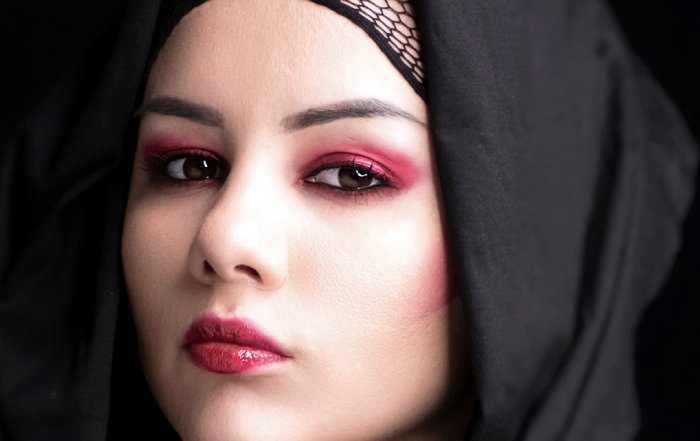
Fashion's Evolving Impact on Modern Makeup Looks
Fashion and Makeup as a Unified Language of Identity
By 2026, fashion and makeup have become so deeply intertwined that they now function as a single, integrated language of visual identity, shaping how people present themselves across professional, social, and digital environments. On Beautytipa.com, this convergence is not treated as a passing trend but as a structural shift in how beauty, style and wellness interact, influencing everything from daily routines to strategic business decisions in the global beauty and fashion industries. What once existed as separate categories-clothing on one side and cosmetics on the other-has evolved into a coordinated system in which textures, colors, finishes and silhouettes are developed in tandem, supported by data, technology and a heightened awareness of cultural and ethical considerations.
Runways in New York, London, Paris and Milan continue to serve as powerful stages where these ideas are first articulated, yet their influence now extends far beyond seasonal collections or elite audiences. Livestreamed shows, backstage beauty breakdowns and real-time coverage by platforms such as Vogue and Business of Fashion ensure that a new eyeliner style, a reimagined red lip or an innovative skin finish can be observed, analyzed and adapted by consumers in the United States, the United Kingdom, Germany, Canada, Australia and across Asia, Africa and South America within hours. For the audience of Beautytipa, this rapid diffusion of ideas is not abstract; it forms the basis of practical guidance in the site's dedicated beauty and makeup sections, where runway innovation is translated into real-world looks that respect individual skin types, lifestyles and cultural contexts.
In this environment, makeup is no longer simply a finishing touch added after an outfit is chosen; it is conceptualized as part of a complete "look architecture," where clothing, hair, skin finish, color accents and even fragrance are designed to communicate coherent narratives about professionalism, creativity, heritage, sustainability and well-being. Beautytipa.com positions itself at the intersection of these narratives, curating insights that help readers understand not only what is trending, but why those trends matter for their personal image, their careers and their broader lifestyle choices.
Runway Direction and Its Translation into Everyday Aesthetics
The runway remains a critical blueprint for modern makeup, but in 2026 the journey from show to street has become more sophisticated and more inclusive. Luxury houses such as Gucci, Dior, Chanel and Balenciaga increasingly approach beauty as an integral part of their creative strategy, involving key makeup artists from the earliest stages of collection development so that cosmetic textures, pigments and application techniques echo or deliberately counterbalance the season's fabrics, cuts and color stories. A sharply tailored, monochrome collection might be paired with ultra-clean, light-reflective skin and a single, sharply defined feature, while a maximalist line built around metallics and sculptural silhouettes could be matched with chrome lids, vinyl lips or exaggerated blush placement that extends toward the temples.
What has changed is how quickly and precisely these concepts are decoded for everyday wear. Fashion and beauty media, including outlets such as Harper's Bazaar and Elle, now publish detailed product breakdowns, face charts and technique guides within hours of major shows, while professional artists and content creators translate these looks into step-by-step tutorials optimized for different age groups, skin tones and skill levels. Beautytipa contributes to this translation through its trends coverage, where global runway signals are filtered through the realities of office lighting, climate variations from Scandinavia to Singapore and regional expectations around dress codes and makeup intensity.
Instead of simply copying runway looks, consumers in 2026 are encouraged to think in terms of adaptable frameworks. A bold graphic liner seen on a couture runway may become a softer, smudged line for a corporate setting in London or Frankfurt, while a high-shine, editorial gloss look might be reinterpreted as a more subtle, hydrating tint for everyday wear in Toronto or Sydney. By emphasizing underlying design principles-contrast, balance, proportion and texture-Beautytipa.com helps readers in markets such as France, Italy, Spain, the Netherlands and beyond translate high fashion into an elevated but realistic daily aesthetic that supports their professional and personal goals.
Streetwear, Subcultures and the Normalization of Statement Makeup
Although luxury fashion continues to set formal trends, much of the real energy in modern makeup comes from the street, where subcultures, music scenes and digital communities experiment with looks that challenge traditional norms. In cities such as New York, London, Berlin, Seoul and Tokyo, streetwear's blend of sportswear, luxury pieces and vintage finds has normalized the idea that bold, expressive makeup can be worn with casual outfits, sneakers and utilitarian outerwear, creating what many observers now describe as "everyday couture makeup." Platforms like Highsnobiety and Hypebeast frequently highlight how street style photographers capture individuals whose eye makeup, lip color or blush placement directly echoes the logos, color blocking or retro references present in their clothing.
Within this context, makeup becomes a key marker of group identity and cultural affiliation. Graphic liner and neon accents might signal alignment with certain music genres or nightlife scenes in Berlin or Amsterdam, while soft-focus, blurred lips and gentle gradients may align with youth subcultures in Seoul or Tokyo that prioritize a more romantic, introspective aesthetic. For younger consumers in Germany, the Nordics, South Korea and Japan, these looks are not reserved for special occasions; they are integrated into daily routines, blurring the distinction between "day" and "night" makeup and supporting a more fluid expression of gender and personality.
Editorial content on Beautytipa mirrors this evolution by linking beauty choices to lifestyle, self-expression and mood, rather than treating makeup as a purely technical exercise. In the routines section, readers find strategies for building flexible looks that can move from a minimalist, camera-ready appearance for remote work calls to a more experimental, color-forward style for evening events, often using the same core set of products. This approach resonates particularly strongly with audiences in the United States, the United Kingdom, Canada and Australia, where hybrid work patterns and multifunctional wardrobes have become the norm, and where makeup is expected to keep pace with shifting contexts throughout the day.
Celebrity, Influencer Ecosystems and the Globalization of Aesthetic Codes
Celebrity and influencer ecosystems continue to shape beauty and fashion in 2026, but their influence has become more distributed and more specialized. Global film stars, musicians and supermodels still set overarching aesthetic directions, yet micro-influencers, professional makeup artists and niche content creators in markets as diverse as Brazil, South Africa, Thailand, Sweden and Malaysia now play a decisive role in translating broad trends into locally relevant, culturally sensitive interpretations. Social platforms such as TikTok, Instagram and YouTube function as laboratories where new techniques and product combinations are tested in real time, and where audience feedback can quickly propel a look from niche to mainstream.
K-beauty and J-beauty remain particularly influential, not only as product categories but as complete philosophies that prioritize skin health, subtlety and harmony between makeup and fashion. Organizations such as Amorepacific and brands like Etude, Shu Uemura and Shiseido have helped popularize concepts such as glass skin, watercolor blush and gradient lips, which pair seamlessly with the layered silhouettes, soft tailoring and pastel palettes that dominate many contemporary Asian fashion collections. Publications including Allure and Into The Gloss continue to explore these developments in depth, documenting how techniques born in Seoul or Tokyo are adapted for different skin tones and climates in cities from Los Angeles to London.
For Beautytipa.com, whose international and brands and products sections cater to a global readership, the key task is to unpack how these aesthetic codes travel and transform. A dewy, layered base that works well in the temperate climate of South Korea may need to be rethought for humid conditions in Singapore or tropical Brazil, while the soft, romantic color stories of Japanese fashion may be translated into bolder, sun-saturated tones for markets like Spain or South Africa. By examining the interplay between celebrity-driven trends, regional fashion traditions and local environmental realities, Beautytipa enables readers to adopt global influences without losing sight of their own needs and cultural references.
Fashion's Impact on Modern Makeup
Evolution Timeline: How Fashion Trends Shape Beauty Standards (2020-2026)
Conscious Beauty, Sustainability and a New Visual Language of Responsibility
As fashion has moved toward more sustainable and ethical models, makeup has followed, reshaping not only product development and packaging but also the aesthetics associated with "responsible beauty." Reports from organizations such as the Ellen MacArthur Foundation and the UN Environment Programme have highlighted the environmental impact of both textiles and cosmetics, prompting brands to rethink everything from supply chains to refill systems, while consumers increasingly expect transparency on ingredients, sourcing and labor practices.
This shift has produced a distinct visual language that emphasizes authenticity, restraint and respect for natural features. Campaigns from brands that prioritize refillable packaging, vegan or cruelty-free formulations and traceable ingredients often feature models with minimal retouching, visible skin texture, freckles and age diversity, aligning with the timeless, seasonless wardrobes promoted by sustainable fashion advocates. The aesthetic is less about perfection and more about credibility, appealing strongly to professionals in Europe, North America and Asia who wish to align their appearance with their values and their corporate sustainability commitments. Resources such as McKinsey & Company and the World Economic Forum document how these expectations are reshaping consumer behavior and brand strategy across sectors.
On Beautytipa, this evolution is addressed holistically through the wellness and health and fitness verticals, where makeup is discussed as one element of a broader lifestyle that includes mindful consumption, stress management, sleep quality and physical activity. Readers in countries from the United States and the United Kingdom to France, Italy, South Africa and New Zealand are encouraged to view their beauty routines as long-term investments in well-being, rather than short-term aesthetic fixes, and to consider how their purchasing decisions support or undermine their personal and professional commitments to environmental and social responsibility.
Technology, Data and Hyper-Personalized, Fashion-Aligned Makeup
Technological innovation has become a decisive factor in how fashion influences modern makeup in 2026, enabling a level of personalization and integration that would have been unthinkable a decade ago. Virtual try-on tools, AI-driven color matching and augmented reality filters now allow consumers to preview how a specific lipstick shade, eye look or complexion product will appear alongside their favorite blazer, dress or streetwear ensemble, under different lighting conditions and even within specific digital environments such as video calls or virtual events. Companies such as Sephora, L'Oréal and major fashion e-commerce platforms have invested heavily in these technologies, informed by insights from sources like MIT Technology Review and Forbes on digital transformation and consumer behavior.
For businesses, these tools are not merely conveniences; they are engines of data collection and strategic differentiation. By tracking which combinations of clothing and makeup resonate with users in different regions-from North America and Europe to Asia and the Middle East-brands can optimize product assortments, refine shade ranges, time launches to coincide with fashion seasons and develop targeted campaigns that speak directly to the preferences of specific segments. On Beautytipa's technology beauty and business and finance pages, this convergence is analyzed from a commercial and operational perspective, helping industry professionals understand how AI, AR and predictive analytics are reshaping value chains and customer relationships.
For individual consumers, the result is a more curated and less experimental approach to makeup selection. Algorithms increasingly suggest which foundation undertones will complement both a user's skin and their typical wardrobe palette, which eye shadow harmonizes with frequently worn accessories, or how to adjust blush placement and intensity for different necklines and camera angles. As virtual spaces grow in importance, many people now maintain distinct "makeup wardrobes" for professional video conferences, social media content and in-person events, mirroring the way they maintain separate dress codes for corporate meetings, casual weekends and special occasions. Beautytipa.com supports this shift by offering practical guidance on integrating digital tools into everyday decision-making without losing the human judgment and self-knowledge that underpin authentic style.
Inclusivity, Regional Synergies and the Global Exchange of Beauty Codes
One of the most profound changes in the fashion-makeup relationship over the past decade has been the normalization of inclusivity and representation as core business imperatives. The success of brands such as Fenty Beauty demonstrated that extensive shade ranges and adaptable formulas are not niche offerings but commercial necessities, prompting both legacy houses and emerging labels across the United States, the United Kingdom, France and beyond to rethink their product development and visual storytelling. Media outlets including The Guardian have chronicled this shift, highlighting both progress and the work still to be done in areas such as disability representation, age diversity and the portrayal of non-Western beauty standards.
In 2026, regional synergies between fashion and beauty are more visible and more celebrated. In South Korea and Japan, the interplay between innovative textiles, layered silhouettes and luminous, carefully calibrated makeup has created an aesthetic that continues to influence global trends, while in Brazil and other parts of South America, vivid color, sun-kissed skin and expressive lips reflect both climate and cultural celebration. Scandinavian markets often favor minimalist fashion paired with clean, skincare-forward makeup that emphasizes subtle enhancement, whereas African fashion hubs such as Lagos, Johannesburg and Nairobi showcase rich prints, architectural tailoring and intricate hairstyles combined with makeup that highlights deep skin tones, metallic accents and bold eye looks.
Serving a global audience that spans North America, Europe, Asia, Africa and South America, Beautytipa.com uses its guides and tips to help readers adapt international trends to local realities, taking into account factors such as humidity in Singapore, winter dryness in Canada, strong sun exposure in Australia or cultural norms in the Middle East. For professionals working in multinational corporations, creative industries or cross-border entrepreneurship, understanding how fashion and makeup function as cultural signifiers is increasingly essential, influencing everything from campaign casting and product localization to personal branding in global leadership roles.
Skinwear, Wellness and the Integration of Inner and Outer Beauty
The boundary between skincare and makeup has continued to dissolve, driven by the broader wellness movement and by fashion's embrace of "barely there" aesthetics that prioritize comfort, breathability and authenticity. Consumers are now highly informed about ingredients and skin health, drawing on resources such as the American Academy of Dermatology and scientific databases like PubMed to evaluate product claims and to understand how cosmetics interact with the skin barrier, microbiome and long-term aging processes. As a result, demand has surged for hybrid products that combine the aesthetic benefits of makeup with the functional benefits of skincare-an emerging category often referred to as "skinwear."
This category includes serum foundations, tinted mineral sunscreens, peptide-infused concealers and cream blushes formulated with hydrating, barrier-supporting ingredients. These products align closely with fashion trends that prioritize natural fabrics, relaxed silhouettes and versatile pieces suitable for both office and home, as seen in markets from the United States and Canada to the United Kingdom, Germany, Singapore and New Zealand. On Beautytipa's skincare and food and nutrition pages, the connection between internal health, diet, lifestyle and external appearance is explored in detail, reinforcing the idea that a radiant complexion is the result of aligned habits rather than a single product or treatment.
For brands, this integration of wellness and aesthetics presents both an opportunity and a challenge. Companies that can credibly combine dermatological science, transparent communication and fashion-aware marketing are well positioned to capture market share among health-conscious consumers in Europe, Asia and North America, while those that rely on outdated narratives of heavy coverage and quick fixes risk losing relevance. Fashion designers, in turn, increasingly collaborate with dermatologists and beauty technologists to ensure that the looks they promote are compatible with real-world skin needs, climate conditions and the demands of hybrid working patterns, creating a feedback loop in which wellness, fashion and makeup co-evolve.
Careers, Skills and New Professional Pathways at the Fashion-Beauty Nexus
The deepening relationship between fashion and makeup has also transformed the career landscape, creating new roles and redefining existing ones. Traditional positions such as makeup artist, stylist and beauty editor now often require fluency in digital content creation, data interpretation, sustainability frameworks and cross-cultural communication. Professionals in these fields must understand not only how to execute a look, but also how that look will perform on high-resolution cameras, how it aligns with brand values around inclusivity or environmental responsibility and how it will resonate with different demographic segments in markets from the United States and the United Kingdom to China, South Africa and Brazil.
On Beautytipa's jobs and employment section, readers encounter emerging roles such as virtual makeup designer, AR filter creator, inclusive shade strategist, circular packaging specialist and beauty-tech product manager, each reflecting the industry's increasing complexity. Educational institutions including the Fashion Institute of Technology and London College of Fashion, detailed on their respective sites at FIT and London College of Fashion, have responded by offering interdisciplinary programs that blend fashion, beauty, business, technology and sustainability, preparing students in North America, Europe and Asia for careers that span multiple sectors.
For mid-career professionals in marketing, finance, technology or corporate leadership, understanding fashion's influence on modern makeup looks can confer a strategic advantage, whether they are evaluating investments in beauty brands, designing consumer experiences in retail, or advising executives on personal presence in high-stakes settings. Beautytipa.com supports these ambitions by providing business-oriented analysis alongside practical style and beauty guidance, reflecting the reality that in 2026, visual presentation is both a personal expression and a professional asset.
Beautytipa.com as a Strategic Partner in a Fashion-Driven Beauty Era
As fashion and makeup continue to converge, Beautytipa.com has evolved into a comprehensive resource that connects inspiration with implementation for a global, business-savvy audience. The platform's integrated coverage of fashion, beauty, wellness, technology and finance acknowledges that modern aesthetics are inseparable from broader economic, cultural and technological forces, and that readers across the United States, the United Kingdom, Germany, France, Italy, Spain, the Netherlands, Switzerland, China, South Korea, Japan, Singapore, Australia, South Africa, Brazil and beyond require nuanced, regionally aware perspectives.
For individuals, Beautytipa offers a pathway to build coherent, future-ready personal images that align clothing, makeup, skincare and wellness practices with their values and ambitions. For professionals and businesses, the site provides insight into how trends in fashion-driven makeup intersect with consumer expectations, digital innovation, sustainability and workforce transformation, informing strategic decisions in product development, marketing, recruitment and leadership branding. By anchoring its content in experience, expertise, authoritativeness and trustworthiness, Beautytipa.com has become a reliable partner for anyone seeking to navigate an increasingly complex and interconnected beauty landscape.
In 2026, fashion's influence on modern makeup looks extends far beyond seasonal color stories or fleeting social media moments; it shapes how people around the world think about identity, professionalism, ethics and well-being. As technologies advance, cultural exchanges accelerate and sustainability imperatives intensify, the need for clear, expert-driven guidance will only grow. Beautytipa.com embraces this responsibility, translating the fast-moving language of fashion into meaningful, actionable and globally relevant approaches to beauty that empower its audience to look and feel aligned with the future they are building.
