The Expansion of Direct to Consumer Beauty Brands

Last updated by Editorial team at beautytipa.com on Friday 12 December 2025
Article Image for The Expansion of Direct to Consumer Beauty Brands

The Expansion of Direct-to-Consumer Beauty Brands in 2025

A New Era for Beauty Commerce

In 2025, the global beauty industry is being reshaped by the rapid expansion of direct-to-consumer (DTC) brands, and the evolution of this model is redefining how consumers discover, evaluate, purchase, and remain loyal to products that touch every aspect of their lives, from skincare and makeup to wellness and nutrition. For BeautyTipa, which is dedicated to helping readers navigate the intersection of beauty, wellness, technology, and business, the DTC revolution is not simply a retail trend; it is a fundamental transformation in how value, trust, and identity are created in the beauty ecosystem across North America, Europe, Asia, and beyond.

As traditional retail structures face intense pressure from digital-native competitors, DTC beauty brands are building direct relationships with consumers, leveraging data, personalization, and community to bypass intermediaries and deliver more tailored experiences. This shift is visible in the flourishing of new digital-first skincare labels, the global rise of K-beauty and J-beauty brands selling directly online, and the strategic pivots of established conglomerates such as L'Oréal, Estée Lauder Companies, and Shiseido toward more consumer-centric, digitally integrated models. Readers seeking to understand how these shifts affect their choices in skincare and routines can explore the evolving landscape further through BeautyTipa's dedicated sections on beauty and skincare, where these changes are tracked and interpreted for a business-savvy audience.

Defining the Direct-to-Consumer Beauty Model

The DTC beauty model is characterized by brands that sell primarily or exclusively through their own digital channels, often supplemented by selective partnerships, rather than relying on traditional wholesale distribution through department stores, pharmacies, or third-party e-commerce platforms. In practice, this means that a brand's website, mobile app, social media presence, and customer relationship management tools become its primary storefronts and engines of growth. Organizations such as Glossier, which emerged from a content-first approach rooted in community and editorial storytelling, and Fenty Beauty by Rihanna, which leveraged both celebrity influence and digital-first distribution, have become emblematic of this model and have demonstrated how powerful direct engagement can be when combined with inclusive product strategies and strong brand narratives.

Industry research from platforms like McKinsey & Company and Bain & Company highlights how DTC brands are particularly adept at capturing niche segments, testing products rapidly, and scaling internationally without the heavy infrastructure of traditional retail. For BeautyTipa's readers, who monitor beauty business models and financial performance, the DTC shift is highly relevant to understanding both emerging investment opportunities and the strategic realignments of legacy players, and these themes are explored in more depth on the platform's business and finance pages.

The Consumer at the Center: Personalization, Data, and Trust

The expansion of DTC beauty is inseparable from the broader digital transformation of consumer behavior, in which personalization, convenience, and transparency have become non-negotiable expectations. Direct sales channels allow brands to collect first-party data on preferences, purchase history, and engagement patterns, enabling them to offer highly tailored product recommendations and content. Leading technology providers such as Shopify and Klaviyo have enabled even small and mid-sized labels to deploy sophisticated analytics, while major tech firms like Google and Meta continue to shape how beauty brands reach and retarget consumers through search and social advertising. Those interested in how technology intersects with beauty commerce can explore technology and beauty innovation to understand how these tools are being deployed across markets.

Trust, however, has become as critical as convenience. Consumers in the United States, United Kingdom, Germany, and across Asia increasingly expect clarity on ingredient sourcing, sustainability claims, and ethical practices. Organizations such as the Environmental Working Group and the Campaign for Safe Cosmetics have contributed to heightened scrutiny of formulations and safety, while regulators in the European Union and countries like South Korea and Japan have raised the bar on compliance. DTC brands that invest in transparent labeling, clear communication, and robust customer service are better positioned to build long-term loyalty, especially when they integrate educational content, expert guidance, and evidence-based claims that align with the values of informed consumers.

Digital Storytelling and the Power of Community

One of the defining features of DTC beauty brands is their mastery of digital storytelling and community-building, which has become a crucial differentiator in a crowded marketplace. Rather than relying solely on traditional advertising, these brands often originate from or cultivate strong editorial and social media presences that foreground real user experiences, inclusive imagery, and authentic narratives. Platforms like Instagram, TikTok, and YouTube have given rise to influential creators, from dermatologists and cosmetic chemists to makeup artists and wellness coaches, who shape consumer choices through reviews, tutorials, and ingredient breakdowns.

For BeautyTipa, which curates guides and tips to help readers make informed decisions, this shift underscores the importance of blending expert insight with real-world experiences. DTC brands that encourage user-generated content, host interactive events, and respond actively to feedback create a sense of co-creation that deepens engagement. In markets like Brazil, South Korea, and the United States, where social commerce is rapidly expanding, live-streamed product launches, virtual consultations, and interactive Q&A sessions have become essential tools for maintaining visibility and relevance.

Innovation in Skincare, Makeup, and Wellness

The DTC model has been particularly fertile ground for innovation in skincare, makeup, and holistic wellness, enabling brands to respond quickly to emerging scientific research and consumer trends. Skincare brands such as The Ordinary under DECIEM, now part of Estée Lauder Companies, popularized the concept of ingredient-centric marketing and democratized access to active ingredients like niacinamide, retinoids, and vitamin C at accessible price points, changing how consumers evaluate efficacy and value. Organizations like the American Academy of Dermatology and British Association of Dermatologists provide the scientific frameworks that many of these brands reference when developing and explaining their products, and informed readers often cross-reference such sources when researching routines.

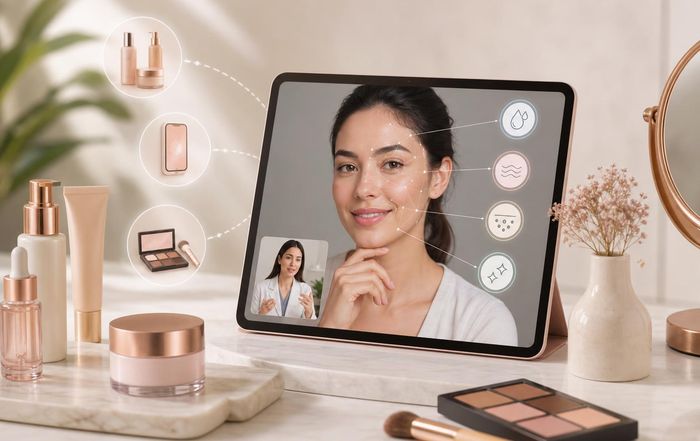
In the makeup space, DTC brands have leveraged digital tools to expand shade ranges, improve color-matching, and cater to underrepresented skin tones across regions from North America to Africa and South Asia. Virtual try-on technologies, developed in collaboration with firms like Perfect Corp and supported by advances in augmented reality, allow consumers to experiment with lipsticks, foundations, and eye looks from home, reducing the friction of online purchasing. Those interested in how these advances affect artistry and application can find additional coverage in BeautyTipa's makeup section, where trends in digital experimentation and hybrid formulas are tracked.

The convergence of beauty and wellness has also accelerated under the DTC model, with brands offering supplements, adaptogenic blends, and functional foods that promise benefits for skin, hair, and overall vitality. This holistic approach reflects broader consumer interest in preventive health, supported by institutions such as the World Health Organization and the Harvard T.H. Chan School of Public Health, which emphasize nutrition, sleep, and stress management as pillars of long-term well-being. For readers seeking to align their beauty choices with broader health objectives, BeautyTipa provides cross-disciplinary coverage through its wellness, health and fitness, and food and nutrition content.

Globalization of DTC Beauty: From Seoul to São Paulo

While the DTC movement first gained momentum in the United States and parts of Western Europe, it has rapidly globalized, with significant innovation emerging from Asia-Pacific, Latin America, and the Middle East. In South Korea, digital-native beauty brands have leveraged the country's advanced e-commerce infrastructure and strong culture of skincare experimentation to expand internationally, often using social media and cross-border shipping to reach consumers in the United States, Europe, and Southeast Asia. Government agencies such as KOTRA and trade organizations have supported the internationalization of K-beauty, while retailers and platforms in markets like Singapore and Thailand have become early adopters of hybrid DTC models that blend direct channels with curated marketplaces.

In Europe, independent brands in France, Italy, Spain, and the Nordic countries are combining local heritage with modern digital strategies to appeal to consumers seeking authenticity and craftsmanship. Regulatory frameworks from the European Commission and national health authorities play a decisive role in shaping claims, packaging, and sustainability standards, making compliance a critical component of DTC expansion. Meanwhile, in markets such as Brazil and South Africa, mobile-first e-commerce and social commerce are enabling entrepreneurs to bypass traditional retail bottlenecks and reach underserved consumer segments, particularly in secondary cities and rural areas. BeautyTipa's international coverage follows these developments closely, recognizing that DTC beauty is no longer a Western-centric story but a multi-polar, globally interconnected phenomenon.

Sustainability, Ethics, and the Conscious Consumer

As the DTC beauty segment grows, sustainability and ethics have moved from peripheral concerns to central strategic imperatives. Consumers in markets as diverse as Germany, Canada, Sweden, and New Zealand increasingly evaluate brands based on their environmental footprint, animal welfare policies, and social impact. Organizations like the Ellen MacArthur Foundation have popularized the concept of the circular economy, encouraging brands to rethink packaging, supply chains, and product life cycles, while certification bodies such as Leaping Bunny and Fairtrade International provide frameworks for cruelty-free and ethically sourced products.

DTC brands, with their direct lines of communication and agile operations, are often better positioned than traditional players to pilot refillable systems, biodegradable materials, and carbon-neutral shipping programs. However, they also face scrutiny for potential greenwashing, particularly when claims are not backed by transparent data or third-party verification. Business leaders and investors tracking these developments can deepen their understanding through resources like Learn more about sustainable business practices from the United Nations Environment Programme, which outlines how companies across sectors are integrating sustainability into core strategy. For BeautyTipa's audience, which spans beauty enthusiasts, professionals, and executives, the interplay between ethics, brand storytelling, and long-term value creation is a recurring theme across editorial coverage.

The Economics and Financing of DTC Beauty

Behind the visible success stories of DTC beauty lies a complex economic reality shaped by customer acquisition costs, logistics, and capital requirements. In the early 2010s, cheap digital advertising and viral social media campaigns allowed many brands to grow rapidly with relatively modest budgets. By 2025, however, rising costs on platforms like Meta and Google, combined with increased competition and privacy-driven changes to tracking, have made profitable growth more challenging. Analytical reports from sources such as eMarketer and Deloitte highlight how DTC brands must now balance performance marketing with brand-building, diversify their acquisition channels, and focus more intently on retention and lifetime value.

Financing models have also evolved. Venture capital, private equity, and corporate venture arms have invested heavily in DTC beauty, as seen in high-profile deals involving companies like Kylie Cosmetics, which entered a strategic partnership with Coty, and Drunk Elephant, acquired by Shiseido. At the same time, bootstrapped brands and founder-led businesses continue to thrive by maintaining tight control over costs and focusing on profitable niches. For readers following employment and entrepreneurial opportunities in this space, BeautyTipa's jobs and employment resources provide insight into the skills and roles most in demand, from digital marketing and data analytics to cosmetic chemistry and supply chain management.

Omnichannel Convergence: When DTC Meets Retail

Although the DTC model was initially framed as a challenge to traditional retail, by 2025 the industry has moved toward a more nuanced omnichannel reality in which many successful DTC brands integrate physical touchpoints into their strategies. Pop-up stores, branded boutiques, and partnerships with select retailers such as Sephora, Ulta Beauty, and major department stores allow digital-native brands to reach new customers, offer sensory experiences, and provide in-person consultations that complement online discovery. Reports from NielsenIQ and Euromonitor International indicate that consumers increasingly expect seamless transitions between digital and physical channels, whether they are researching a product on a mobile device, testing it in-store, or subscribing online for regular replenishment.

For BeautyTipa, which covers trends and events across the global beauty calendar, this convergence is particularly relevant when analyzing trade shows, brand activations, and experiential marketing initiatives that blend digital storytelling with real-world engagement. Flagship stores in cities like New York, London, Paris, Tokyo, and Seoul have become laboratories where DTC brands experiment with technology, such as AI-driven skin analysis and personalized formulation bars, providing a glimpse into the future of beauty retail.

Technology, AI, and the Next Phase of DTC Beauty

The next phase of DTC beauty expansion is being shaped by advancements in artificial intelligence, machine learning, and biotechnology, which are enabling deeper personalization, more efficient operations, and novel product categories. AI-powered diagnostic tools, often integrated into brand websites or mobile apps, analyze user-uploaded photos to assess skin conditions and recommend tailored regimens, drawing on large datasets and, in some cases, dermatologist-validated algorithms. Technology companies and research institutions, including the MIT Media Lab and various university spin-offs, are collaborating with beauty brands to refine these tools and explore new frontiers in bioactive ingredients and skin microbiome research.

Biotech-driven startups are also entering the DTC space with lab-grown or fermentation-derived ingredients designed to reduce environmental impact and improve performance, building on scientific advances reported by organizations such as the American Chemical Society and leading dermatological journals. For readers of BeautyTipa, these developments underscore the importance of staying informed not only about product launches but also about the underlying science and technology, a theme that is explored extensively across the platform's technology beauty and guides and tips sections.

Implications for Consumers, Professionals, and Investors

The expansion of DTC beauty has significant implications for multiple stakeholders across regions, from consumers in the United States and Europe to professionals in Asia, Africa, and South America. Consumers benefit from greater choice, transparency, and convenience, but they also face the challenge of navigating a saturated market where marketing claims can outpace evidence. Professionals in dermatology, cosmetology, marketing, and product development must continuously update their skills to remain competitive, particularly as data analytics, sustainability, and cross-border e-commerce become core competencies. Investors and corporate leaders, meanwhile, must distinguish between brands with durable value propositions and those reliant on short-term hype, assessing factors such as supply chain resilience, regulatory compliance, and the ability to scale internationally.

For BeautyTipa, which serves a global readership with interests spanning fashion, wellness, and finance, the DTC revolution is an opportunity to provide integrated perspectives that connect product choices with broader lifestyle, career, and investment decisions. By offering analytical coverage, expert commentary, and practical guidance, the platform aims to support readers in building not only effective beauty routines, as explored in its routines content, but also informed strategies for engaging with the industry as professionals, entrepreneurs, or conscious consumers.

Looking Ahead: The Future of Direct-to-Consumer Beauty

As 2025 unfolds, the expansion of direct-to-consumer beauty brands appears set to continue, but in a more mature, strategically nuanced form than the early waves of digital disruption. Brands that thrive will be those that combine authentic storytelling, scientific rigor, and operational excellence with a deep respect for consumer intelligence and values, whether they are serving customers in New York, London, Berlin, Toronto, Sydney, Paris, Milan, Madrid, Amsterdam, Zurich, Shanghai, Stockholm, Oslo, Singapore, Copenhagen, Seoul, Tokyo, Bangkok, Helsinki, Johannesburg, São Paulo, Kuala Lumpur, or Auckland.

The most successful players will not view DTC merely as a sales channel but as a comprehensive relationship framework that encompasses education, co-creation, and long-term trust. They will integrate sustainability and ethics into their core strategies, leverage technology to enhance-not replace-human expertise, and remain agile in the face of shifting regulations, economic conditions, and cultural trends. In this evolving landscape, BeautyTipa will continue to act as a guide and partner, drawing on its commitment to experience, expertise, authoritativeness, and trustworthiness to help readers interpret developments, discover meaningful innovations, and make decisions aligned with their personal and professional aspirations.

For those seeking to understand how the DTC transformation connects to the broader tapestry of beauty, wellness, and lifestyle, the main portal at BeautyTipa.com offers a continuously updated gateway into the ideas, brands, and movements shaping the future of beauty worldwide.

How Consumer Trust Impacts Beauty Brand Success

Last updated by Editorial team at beautytipa.com on Friday 12 December 2025
Article Image for How Consumer Trust Impacts Beauty Brand Success

How Consumer Trust Impacts Beauty Brand Success in 2025

The New Currency of the Global Beauty Market

In 2025, the global beauty industry is no longer driven solely by product performance, packaging aesthetics, or celebrity endorsements; it is increasingly defined by one decisive factor: consumer trust. From Seoul to New York, from London to São Paulo, beauty consumers are more informed, more connected, and more demanding than ever before, and their purchasing decisions are shaped by how much they trust a brand's claims, its leadership, its science, and its values. For BeautyTipa and its international audience, understanding how trust is built, measured, and monetized has become central to navigating beauty, wellness, skincare, and the wider lifestyle economy.

The global beauty and personal care market, as tracked by organizations such as Statista and Euromonitor International, continues to grow, yet this growth is unevenly distributed, favoring brands that have invested deeply in transparency, ethical sourcing, digital engagement, and science-backed innovation. In markets like the United States, the United Kingdom, Germany, France, South Korea, and Japan, trust is now a key differentiator between legacy giants and agile newcomers, while in emerging markets across Asia, Africa, and South America, trust is often the bridge that helps local brands expand globally. As BeautyTipa explores across its dedicated sections on beauty, skincare, and brands and products, it is increasingly clear that trust is not a soft metric but a hard business driver that shapes everything from product development to valuation.

From Aspirational Marketing to Evidence-Based Beauty

Where beauty marketing once revolved around aspiration and idealized imagery, it now must withstand the scrutiny of a hyper-informed consumer base that cross-checks ingredient lists, reads clinical studies, and follows regulatory news. Organizations such as the U.S. Food and Drug Administration and the European Commission have made regulatory information more accessible, encouraging consumers in North America and Europe to question unsubstantiated claims and misleading labels. This shift has pushed brands to move from vague promises of "miracle results" to more precise, testable statements about efficacy, safety, and environmental impact.

In this environment, trust is built through evidence-based communication and consistent performance. Brands that cite peer-reviewed research, conduct robust consumer trials, and share their methodologies in accessible language are increasingly seen as reliable partners in consumers' long-term skin health and wellness journeys. Resources such as PubMed and The British Association of Dermatologists have become reference points not only for professionals but also for enthusiasts who wish to understand the science behind active ingredients, from retinoids and peptides to niacinamide and ceramides. As BeautyTipa highlights in its guides and tips, this trend has elevated the role of dermatologists, cosmetic chemists, and clinical researchers, whose expertise now directly shapes consumer perception and brand credibility.

Ingredient Transparency and the Rise of the Informed Consumer

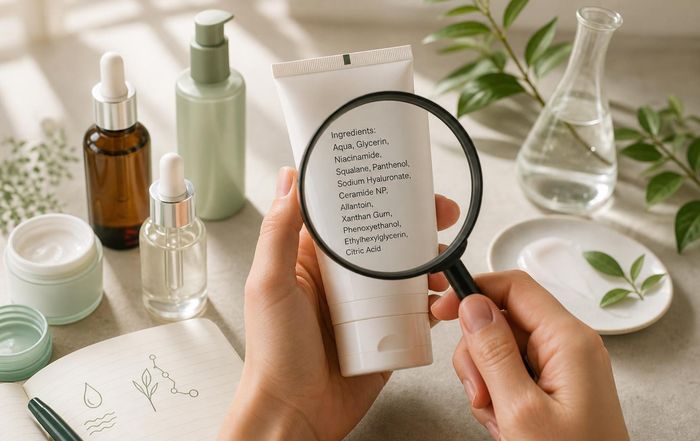
A decade ago, an ingredient list on a product label was often an afterthought; in 2025, it is a central storytelling tool and a trust signal. Consumers in the United States, Europe, and increasingly in Asia-Pacific markets such as South Korea, Japan, and Australia are scrutinizing formulations with the help of databases like Environmental Working Group's Skin Deep and ingredient glossaries from organizations such as The Personal Care Products Council. This shift has compelled brands to provide full ingredient disclosure, avoid greenwashing, and justify the inclusion of every component, from preservatives to fragrance allergens.

For brands, transparency is no longer optional, and those that resist detailed disclosure often face skepticism, social media backlash, or declining loyalty. By contrast, brands that publish clear explanations of their ingredient philosophy, sourcing standards, and safety assessments tend to cultivate more resilient consumer relationships. BeautyTipa, through its coverage of routines and wellness, observes that consumers in Germany, the Netherlands, and Scandinavia have been particularly influential in demanding cleaner labels and more sustainable formulations, thereby shaping global expectations and pushing multinational players to reformulate or relaunch key product lines.

Sustainability, Ethics, and the Moral Dimension of Trust

Consumer trust in beauty is increasingly intertwined with ethical and environmental considerations. Shoppers across North America, Europe, and Asia are asking whether a product aligns with their values regarding animal welfare, climate impact, human rights, and circularity. The conversation has moved beyond simple "cruelty-free" labeling to a more holistic evaluation of a company's behavior across its entire value chain. Organizations such as PETA and Leaping Bunny continue to influence consumer expectations regarding animal testing, while frameworks like the UN Global Compact and Global Reporting Initiative guide companies in disclosing their broader environmental, social, and governance practices.

For beauty brands, sustainability has become a core trust driver rather than a peripheral marketing theme. Consumers in France, Italy, Spain, and the United Kingdom increasingly favor companies that invest in recyclable packaging, responsibly sourced raw materials, and carbon reduction strategies. Detailed sustainability reports, third-party certifications, and transparent supply chain disclosures help build confidence that a brand's commitments are genuine rather than performative. As BeautyTipa explores under its business and finance and technology beauty sections, this ethical dimension of trust also influences investor decisions, as asset managers and private equity firms incorporate ESG performance into their valuation models for beauty and wellness companies.

Digital Transparency and the Social Media Trust Challenge

The digital ecosystem has transformed how beauty brands communicate, but it has also made trust more fragile. Social platforms like Instagram, TikTok, and YouTube enable brands to reach millions of consumers in the United States, Brazil, South Korea, and beyond, yet they also empower individuals to expose inconsistencies, misleading claims, or problematic behavior in real time. Influencers and content creators can amplify both praise and criticism, and a single viral video can reshape perceptions of a brand's safety, inclusivity, or authenticity across multiple regions.

In 2025, audiences are more skeptical of sponsored content and undisclosed partnerships, prompting regulators such as the U.S. Federal Trade Commission and the UK Competition and Markets Authority to reinforce guidelines on transparency in endorsements. Brands that encourage honest reviews, allow critical feedback, and avoid over-scripted messaging tend to be perceived as more trustworthy than those that rely solely on polished campaigns. BeautyTipa, with its global readership and focus on trends and events, sees that consumers in markets such as Canada, Australia, Singapore, and the Nordic countries particularly value unfiltered, educational content that respects their intelligence and acknowledges product limitations as well as strengths.

Science, Clinical Data, and the Professionalization of Beauty

As beauty blends with dermatology, nutrition, and wellness, scientific credibility has become a central pillar of trust. Consumers in the United States, South Korea, Japan, and Germany increasingly expect claims about anti-aging, skin barrier repair, or microbiome support to be backed by robust data rather than vague promises. Dermatology societies and research institutions, including the American Academy of Dermatology and the European Academy of Dermatology and Venereology, play a growing role in shaping public understanding of skin health, while academic journals and conferences influence which ingredients and technologies gain traction.

Beauty brands that collaborate with dermatologists, chemists, and clinical research organizations, and that share at least high-level details of their study designs and outcomes, earn a level of authority that purely marketing-driven brands often lack. In markets like Switzerland, the Netherlands, and South Korea, where consumers are accustomed to medical-grade skincare and cosmeceuticals, this scientific rigor is not a luxury but an expectation. BeautyTipa reflects this professionalization in its coverage of health and fitness and food and nutrition, emphasizing how diet, stress management, and lifestyle choices intersect with topical treatments to create a more holistic, evidence-based approach to beauty.

Personalization, Data Privacy, and Trust in Beauty Technology

The rapid growth of beauty technology, from AI-powered skin analysis to personalized product recommendations and AR try-on tools, has created new opportunities and new risks for consumer trust. Companies in the United States, China, and Europe are deploying advanced algorithms to analyze skin conditions, recommend routines, and even forecast long-term skin changes. At the same time, consumers are increasingly aware of data privacy issues and the potential misuse of biometric information. Institutions such as the World Economic Forum and the OECD have highlighted the importance of responsible AI and data governance, which directly affects how beauty tech is perceived across global markets.

For beauty brands and platforms, transparent data policies, clear consent mechanisms, and robust cybersecurity are now essential components of trust. Users in regions such as the European Union, protected by frameworks like the General Data Protection Regulation, expect to know how their data is collected, stored, and shared, and they reward brands that prioritize privacy and security. BeautyTipa, through its dedicated focus on technology beauty, recognizes that the future of digital beauty hinges on striking a balance between hyper-personalization and respect for individual rights, ensuring that innovation enhances rather than erodes consumer confidence.

Inclusivity, Representation, and Cultural Sensitivity

Trust in beauty is also deeply connected to whether consumers feel seen, respected, and represented. Over the past decade, there has been a significant push toward shade diversity, gender inclusivity, and culturally sensitive marketing, yet gaps remain in many markets. Organizations such as Allure and Vogue Business have documented how underrepresentation and stereotyping in advertising can damage brand reputations and alienate key demographics, particularly in multicultural societies like the United States, Canada, the United Kingdom, and South Africa.

Brands that invest in diverse product development teams, inclusive casting, and localized storytelling for regions such as Asia, the Middle East, and Latin America tend to build stronger emotional connections with consumers. For example, addressing the specific needs of melanin-rich skin, textured hair, or climate-related concerns in markets like Brazil, India, and Nigeria signals respect and understanding rather than a one-size-fits-all approach. BeautyTipa, with its global lens and coverage of makeup and fashion, has observed that inclusivity is no longer a niche differentiator but a baseline expectation, and that failures in this area can quickly lead to reputational crises that are hard to repair.

Economic Value: How Trust Translates into Brand Equity and Growth

From an investment and corporate strategy perspective, trust is now recognized as a core component of brand equity. Research by institutions such as McKinsey & Company and Deloitte has demonstrated that trusted brands enjoy higher customer lifetime value, lower acquisition costs, and greater resilience during economic downturns. In the beauty sector, this translates into stronger repeat purchase rates, higher willingness to pay premium prices, and more effective cross-selling across categories such as skincare, haircare, fragrance, and wellness supplements.

For publicly listed beauty conglomerates and private equity-backed indie brands alike, trust influences valuation multiples and exit scenarios. Investors increasingly analyze factors such as regulatory compliance, ESG performance, digital reputation, and scientific credibility when assessing risk. As BeautyTipa emphasizes in its business and finance coverage, brands that proactively manage trust-through governance structures, stakeholder engagement, and transparent reporting-tend to attract more favorable financing terms and partnership opportunities in markets from North America and Europe to Asia-Pacific and the Middle East.

Talent, Culture, and Internal Trust Within Beauty Organizations

Consumer trust is inseparable from the internal culture of beauty companies. Employees in the United States, Europe, and Asia increasingly seek to work for organizations whose external messaging aligns with internal practices regarding diversity, equity, inclusion, and ethical conduct. Platforms such as LinkedIn and Glassdoor make it easier for talent to evaluate employer reputations, while whistleblower protections and social media amplify internal concerns that might previously have remained hidden.

For beauty brands, cultivating internal trust-through transparent communication, fair labor practices, and opportunities for professional development-directly supports external trust-building efforts. Employees who believe in their company's mission and values become authentic brand ambassadors, particularly in customer-facing roles and digital channels. BeautyTipa, through its focus on jobs and employment, notes that in competitive markets such as Germany, Switzerland, Singapore, and the Nordic countries, employer reputation can be a decisive factor in attracting the scientific, creative, and digital talent needed to innovate and maintain consumer confidence.

Globalization, Local Nuance, and the Trust Gap Across Regions

While trust is a universal concept, its drivers vary significantly across regions and cultures. In North America, transparency about ingredients, data privacy, and social values often dominates the conversation, whereas in parts of Asia, performance, innovation, and alignment with local beauty ideals may carry more weight. In Europe, regulatory rigor and sustainability credentials are particularly influential, while in emerging markets across Africa and South America, affordability and access can be as important as ethical commitments. Organizations such as the World Trade Organization and OECD provide context for how regulatory harmonization and trade policies shape market access and consumer protection standards, which in turn affect trust in imported and local brands.

Global beauty companies must therefore balance consistent brand values with localized strategies that respect cultural norms, climate conditions, and regulatory environments. Missteps in cultural sensitivity, product positioning, or pricing can quickly erode trust in key markets, even if the brand is well-regarded elsewhere. BeautyTipa, through its international coverage, underscores the importance of listening to local consumers, partnering with regional experts, and adapting communication styles for markets such as China, Thailand, Malaysia, and South Africa, where beauty rituals and expectations differ significantly from those in Western countries.

The Role of Education and Content in Sustaining Trust

Educational content has emerged as a powerful vehicle for building and sustaining trust in beauty. Consumers worldwide are seeking not only products but also knowledge: how to structure routines, how to interpret ingredient labels, how to combine topical treatments with lifestyle changes, and how to adapt regimens for different life stages and climates. Authoritative sources such as Harvard Health Publishing and Mayo Clinic offer medically grounded insights that complement brand messaging and help consumers make informed decisions.

For platforms like BeautyTipa, which curates insights across skincare, routines, and wellness, education is not a peripheral service but a core mission. By translating complex scientific and business concepts into accessible, actionable guidance, such platforms help bridge the trust gap between consumers and brands. Educational initiatives-whether through in-depth articles, expert interviews, or event coverage-reinforce the perception that certain brands and media outlets are allies in the consumer's long-term journey rather than mere sales channels.

Looking Ahead: Trust as the Strategic North Star for Beauty Brands

As the beauty industry moves deeper into 2025 and beyond, consumer trust will continue to act as a strategic north star for brands that wish to thrive in an increasingly complex, regulated, and competitive landscape. The convergence of beauty, wellness, technology, and fashion, along with growing attention to mental health, self-care, and holistic lifestyles, will only heighten the importance of credibility and integrity in every consumer interaction. Brands that treat trust as an asset to be carefully cultivated-through transparent communication, scientific rigor, ethical conduct, and cultural sensitivity-will be better positioned to navigate regulatory changes, economic volatility, and shifting consumer preferences across regions from North America and Europe to Asia, Africa, and South America.

For BeautyTipa, serving a global audience that spans beauty enthusiasts, professionals, investors, and innovators, the imperative is clear: to highlight brands and practices that embody experience, expertise, authoritativeness, and trustworthiness, and to provide readers with the knowledge they need to make confident, values-aligned choices. By integrating insights from beauty, business and finance, technology beauty, and the broader lifestyle ecosystem, BeautyTipa aims to remain a trusted companion in an industry where trust itself has become the most valuable beauty asset of all.

Beauty and Wellness Careers With International Demand

Last updated by Editorial team at beautytipa.com on Friday 12 December 2025
Article Image for Beauty and Wellness Careers With International Demand

Beauty and Wellness Careers With International Demand in 2025

The Global Rise of Beauty and Wellness Careers

In 2025, beauty and wellness careers have evolved from niche vocational paths into globally recognized professions that intersect with healthcare, technology, fashion, and finance, and BeautyTipa has positioned itself at the center of this transformation by helping readers navigate opportunities that now stretch far beyond their home markets. Across North America, Europe, and Asia-Pacific, governments, investors, and consumers are treating beauty and wellness as part of a broader "wellbeing economy," where physical appearance, mental health, and lifestyle habits are increasingly seen as interconnected drivers of productivity and quality of life, and this shift is creating strong international demand for qualified professionals who can combine technical expertise with cultural intelligence and digital fluency. As global organizations from L'Oréal to Unilever and Estée Lauder Companies expand their portfolios into skincare, wellness supplements, and personalized services, and as smaller independent brands gain traction through social commerce, the need for skilled practitioners, strategists, and innovators has never been greater, which is why readers who explore the career-focused resources at BeautyTipa's business and finance section are increasingly looking at beauty and wellness not only as a passion, but as a long-term, internationally mobile profession.

Structural Drivers of International Demand

The international demand for beauty and wellness careers is rooted in several long-term structural trends that extend far beyond seasonal fads, spanning demographics, technology, and macroeconomics. Aging populations in regions such as Europe, Japan, and South Korea are fueling rapid growth in advanced skincare, aesthetic medicine, and wellness services focused on healthy longevity, while younger generations in the United States, the United Kingdom, Germany, and emerging Asian markets are prioritizing self-care and mental wellbeing, which has pushed beauty and wellness spending into essential, not discretionary, territory. Industry analyses from organizations such as the World Economic Forum and McKinsey & Company show that the global beauty and personal care market continues to expand, and when combined with the broader wellness economy highlighted by the Global Wellness Institute, this creates a vast ecosystem of roles ranging from cosmetic chemists and spa managers to wellness coaches and digital creators. At the same time, the rise of e-commerce and social platforms has lowered geographic barriers, enabling professionals to serve international clients remotely, design digital routines similar to those featured on BeautyTipa's routines hub, and collaborate with brands and consumers across continents, which further reinforces the cross-border nature of these careers.

Key International Markets and Regional Nuances

Although beauty and wellness careers now exist worldwide, certain markets stand out for their concentration of opportunities, regulatory sophistication, and influence on global trends, and understanding these nuances is crucial for professionals who aspire to work internationally. In the United States and Canada, large integrated markets, high consumer spending, and strong innovation ecosystems around cities such as New York, Los Angeles, Toronto, and Vancouver make them hubs for product development, med-spa concepts, and influencer-driven brand building, while the United Kingdom, France, Italy, Spain, and Germany continue to shape global aesthetics through their heritage in luxury, fashion, and fragrance, alongside advanced dermatology and cosmetic science programs. In the Asia-Pacific region, South Korea and Japan remain leaders in skincare innovation, device-based beauty, and meticulous routines similar to those explored in BeautyTipa's skincare section, while China, Singapore, and Thailand are rapidly expanding their wellness tourism, spa, and holistic health sectors, attracting both local and foreign professionals. Meanwhile, markets such as Brazil and South Africa demonstrate how diverse beauty standards and fast-growing middle classes can create demand for haircare, body treatments, and inclusive makeup, and global professionals who stay informed through resources like the OECD and World Bank can better anticipate where new demand will emerge, aligning their skills with regions that match their language abilities, cultural interests, and career aspirations.

Professionalization and Credentials in Beauty and Wellness

As the industry matures, international employers and clients increasingly seek demonstrable expertise, standardized training, and adherence to safety and ethical guidelines, particularly in areas that intersect with health. Cosmetologists, estheticians, and makeup artists who wish to work across borders are now expected to hold recognized qualifications, often aligned with frameworks such as CIDESCO or national licensing bodies, while wellness coaches, nutrition advisors, and fitness professionals are turning to accredited programs endorsed by organizations like the National Academy of Sports Medicine or the International Coaching Federation. Beyond formal credentials, continuous education has become a defining feature of career longevity, as new ingredients, devices, and regulatory changes emerge rapidly; professionals who regularly engage with science-based resources such as PubMed, the American Academy of Dermatology, or Harvard Health Publishing are better positioned to distinguish evidence-based practices from short-lived trends. For readers of BeautyTipa, this emphasis on professionalization translates into a growing interest in structured learning paths, mentorship, and advanced certifications, which are frequently discussed across its guides and tips and health and fitness content, helping aspiring practitioners build credibility that resonates in demanding markets from London to Singapore.

High-Demand Clinical and Aesthetic Roles

Among the most internationally mobile roles in beauty and wellness are those that sit at the intersection of aesthetics and medicine, where clinical rigor and client-facing skills are equally important. Dermatologists, aesthetic physicians, nurse injectors, and advanced estheticians are increasingly sought after in countries with aging populations and high disposable incomes, as consumers look for minimally invasive treatments such as neuromodulators, fillers, laser therapies, and energy-based devices that promise visible results with limited downtime. In markets like the United States, Germany, and the United Arab Emirates, aesthetic clinics and med-spas often recruit talent from abroad, provided they can meet local licensing requirements and demonstrate an understanding of cross-cultural expectations around safety and natural-looking outcomes. The global nature of clinical research, accessible through platforms like ClinicalTrials.gov, has also accelerated the diffusion of new techniques and technologies, so professionals who remain informed can introduce advanced protocols in emerging markets or specialize in niche areas such as pigmentation, scar management, or hair restoration. For BeautyTipa readers exploring pathways into these roles, the combination of scientific knowledge, ethical practice, and empathy-driven client care is consistently highlighted as the foundation for a sustainable international career.

Skincare, Cosmetic Science, and Product Development

Behind every successful skincare or cosmetic product that gains international traction lies a complex network of chemists, formulators, regulatory specialists, and product managers, and these roles are experiencing strong demand as brands race to differentiate themselves in crowded global markets. Cosmetic scientists who understand both the chemistry of active ingredients and the regulatory environments of regions such as the European Union, the United States, and Asia are especially valued, since they can design formulations that meet safety standards like those monitored by the European Commission's cosmetics regulations while also aligning with consumer expectations for efficacy and sustainability. As clean beauty, microbiome-supportive skincare, and dermocosmetics gain momentum, companies increasingly rely on R&D teams that can translate emerging research from journals and institutions like Nature or The Journal of Cosmetic Dermatology into commercially viable products, and this has opened opportunities for professionals with backgrounds in chemistry, biology, or pharmaceutical sciences. For readers following BeautyTipa's brands and products coverage, this segment of the industry illustrates how technical expertise can lead to globally impactful work, whether in multinational corporations, independent laboratories, or fast-growing indie brands that rely on contract manufacturers and cross-border supply chains.

Digital Beauty, Technology, and Data-Driven Innovation

Technology has transformed beauty and wellness into a data-rich, highly personalized industry, and careers at the intersection of beauty and technology are among the fastest-growing internationally, especially for professionals who can navigate both aesthetics and analytics. From AI-powered skin analysis apps and virtual try-on tools to connected devices that track sleep, stress, and activity levels, companies now require product managers, UX designers, data scientists, and digital marketers who understand consumer behavior and regulatory landscapes related to privacy and health data. Reports from organizations such as Deloitte and Accenture highlight how beauty brands are investing heavily in omnichannel experiences, augmented reality, and direct-to-consumer platforms, and this shift has created remote-friendly roles that allow professionals in Canada, Australia, or the Netherlands to work for employers based in the United States, France, or South Korea. For the BeautyTipa audience, the convergence of technology and beauty is explored in depth on its technology beauty pages, where readers can see how digital innovations, from AI-driven recommendations to smart mirrors, are not only reshaping consumer journeys but also redefining the competencies required for future-ready careers. Professionals who can interpret data ethically, collaborate with engineers, and still speak the language of beauty and wellbeing are likely to find abundant opportunities in 2025 and beyond.

Wellness Coaching, Holistic Health, and Lifestyle Specializations

Beyond traditional beauty services, the global wellness movement has created sustained demand for professionals who can guide clients toward healthier, more balanced lifestyles, integrating physical, emotional, and nutritional dimensions. Wellness coaches, holistic health practitioners, yoga and mindfulness instructors, and integrative nutrition specialists are now working in diverse environments, from corporate wellbeing programs and luxury resorts to digital platforms that connect coaches with clients in multiple time zones. Research from the Global Wellness Institute shows that wellness tourism and workplace wellness remain robust growth segments, particularly in countries such as the United States, Germany, Thailand, and Singapore, where employers and hospitality brands are investing in programs that address stress, burnout, and chronic lifestyle-related conditions. For readers of BeautyTipa, the holistic nature of these careers resonates strongly with the content across its wellness and food and nutrition sections, which emphasize evidence-based approaches to health, mindful routines, and sustainable habits that can be adapted to different cultural contexts. Professionals who combine formal certifications with a deep understanding of behavior change, cultural sensitivity, and digital communication are particularly well positioned to support international clients seeking personalized guidance in their own languages and time zones.

Creative Careers: Makeup, Hair, and Fashion-Linked Roles

Creative careers in makeup, hair, and editorial styling continue to attract global attention, and in 2025, these roles are more interconnected with fashion, entertainment, and social media than ever before. Makeup artists, hairstylists, and nail technicians who can adapt their skills to various skin tones, hair textures, and cultural aesthetics are in high demand in cosmopolitan cities such as New York, London, Paris, Milan, Berlin, Tokyo, and Seoul, where fashion weeks, film productions, and brand campaigns require diverse talent. International demand is also rising in markets such as Dubai, Shanghai, and São Paulo, where luxury retail, bridal industries, and influencer-driven events generate continuous opportunities for creative professionals who stay informed about color trends, product innovations, and sustainable techniques. Platforms like Vogue, Business of Fashion, and British Fashion Council offer insights into how beauty and fashion are merging across runways and digital campaigns, and these trends are frequently reflected in BeautyTipa's coverage of makeup and fashion, where the emphasis is on building portfolios that resonate with international clients. For creative professionals, success increasingly depends on combining technical artistry with strong branding, digital storytelling, and cross-cultural collaboration, enabling them to serve clients in person and online across multiple regions.

Business, Entrepreneurship, and Brand Building

While many beauty and wellness professionals work within established organizations, a growing number are building their own brands, clinics, and digital platforms, taking advantage of accessible e-commerce tools and global supply chains. Entrepreneurs who understand both the creative and financial dimensions of the industry are well placed to launch product lines, subscription services, or specialized studios that cater to targeted demographics, whether that means science-driven skincare for sensitive skin, inclusive makeup for diverse complexions, or wellness retreats for stressed professionals. Publications such as Harvard Business Review and Forbes have documented how beauty and wellness startups frequently outperform other sectors in terms of customer loyalty and recurring revenue, particularly when they leverage authentic storytelling and community-driven marketing. For the BeautyTipa community, which often turns to the site's business and finance coverage for guidance, the path to entrepreneurship is framed as both an opportunity and a responsibility, requiring attention to regulatory compliance, ethical sourcing, and transparent communication. Professionals who develop skills in budgeting, digital marketing, supply-chain management, and international logistics can transform their technical expertise into scalable ventures that reach customers in the United States, the United Kingdom, Europe, Asia, and beyond.

Careers in Education, Content, and Thought Leadership

As consumers become more informed and discerning, there is growing international demand for educators and content creators who can translate complex scientific and technical information into accessible, trustworthy guidance. Beauty and wellness educators work in academies, vocational schools, corporate training programs, and online platforms, designing curricula that keep pace with evolving regulations, technologies, and consumer expectations, while content specialists and journalists produce articles, videos, and courses that help audiences distinguish credible advice from misinformation. Organizations like Coursera and edX have expanded access to relevant courses in areas such as health sciences, psychology, and digital marketing, enabling professionals to enhance their teaching and communication skills while reaching global audiences. Within this landscape, BeautyTipa functions as both a platform and a partner, offering in-depth beauty and trends coverage that reflects a commitment to Experience, Expertise, Authoritativeness, and Trustworthiness, and inviting professionals to think of education not as a one-way transfer of information, but as an ongoing dialogue with readers from diverse cultural and professional backgrounds. Those who can combine domain expertise with clear, engaging, and ethical communication are likely to become influential voices shaping consumer behavior and industry standards internationally.

Employment Models, Remote Work, and Global Mobility

The structure of work in beauty and wellness has diversified significantly, offering multiple pathways beyond traditional salon or spa employment, and this flexibility is contributing to the international appeal of the sector. While hands-on roles such as estheticians, therapists, and stylists still rely heavily on in-person interactions, many adjacent functions-consulting, digital coaching, product development, marketing, and education-can now be performed remotely or in hybrid formats, enabling professionals in countries like Canada, Australia, or the Netherlands to collaborate with clients and employers across North America, Europe, Asia, and the Middle East. Platforms such as LinkedIn and Glassdoor provide insights into global hiring trends and salary benchmarks, while specialized job boards in wellness, hospitality, and fashion highlight cross-border opportunities in hotels, cruise lines, resorts, and corporate wellness programs. For readers exploring career transitions or international moves, BeautyTipa's jobs and employment and international sections underscore the importance of understanding visa regulations, local licensing requirements, and cultural expectations around service and communication. Professionals who invest in language skills, digital literacy, and cross-cultural competence are better equipped to navigate this evolving landscape, choosing employment models-from full-time roles to freelancing and portfolio careers-that align with their personal and professional goals.

Building Trust, Ethics, and Long-Term Reputation

In an era where consumers can instantly share their experiences and opinions across social media and review platforms, trust has become the central currency of beauty and wellness careers, particularly for professionals operating on an international stage. Clients in the United States, Europe, Asia, and other regions increasingly expect transparency about ingredients, treatment protocols, pricing, and potential risks, and they reward practitioners and brands that communicate openly, respect cultural diversity, and prioritize safety over short-term gains. Regulatory bodies such as the U.S. Food and Drug Administration and the European Medicines Agency offer frameworks and guidance that professionals must understand when working with active ingredients, devices, or supplements, while ethical codes from professional associations help define appropriate boundaries, informed consent, and responsible marketing. For BeautyTipa, which serves a global readership seeking reliable insights across beauty, wellness, skincare, and lifestyle, this focus on Experience, Expertise, Authoritativeness, and Trustworthiness is not merely a principle but a daily practice, reflected in how topics are researched, presented, and updated. Professionals who align their careers with these values-prioritizing evidence-based practice, respectful communication, and continuous learning-are more likely to build reputations that transcend borders, attracting loyal clients, collaborators, and employers in an increasingly interconnected world.

Positioning for the Future with BeautyTipa

As 2025 unfolds, beauty and wellness careers with international demand are no longer limited to a small subset of specialists; instead, they encompass a wide spectrum of roles that integrate science, creativity, technology, and human connection, offering meaningful work to individuals across all the regions that BeautyTipa serves. From clinical aesthetics and cosmetic science to digital innovation, holistic wellness, and entrepreneurial ventures, the common threads are professionalism, adaptability, and a commitment to ethical, client-centered practice. Readers who explore BeautyTipa's homepage and its interconnected sections-from skincare and wellness to business, technology, fashion, and employment-can map these opportunities to their own strengths and aspirations, designing career paths that are both personally fulfilling and globally relevant. By staying informed through reputable global resources, cultivating cross-cultural awareness, and grounding their work in trust and expertise, professionals in beauty and wellness are well positioned to thrive in a world where appearance, health, and lifestyle are increasingly recognized as integrated components of human wellbeing, and where their skills are valued from New York to London, from Seoul to São Paulo, and far beyond.

Skincare Solutions for Urban Lifestyles

Last updated by Editorial team at beautytipa.com on Friday 12 December 2025
Article Image for Skincare Solutions for Urban Lifestyles

Skincare Solutions for Urban Lifestyles in 2025

Urban Living and the New Skin Reality

In 2025, urban life has never been more dynamic, connected and demanding, and nowhere is this more visible than on the skin of city dwellers. From New York and London to Seoul, São Paulo and Singapore, people are navigating a complex mix of air pollution, blue light exposure, chronic stress, irregular sleep and fast-paced work routines, all of which are reshaping how skin behaves and how skincare must respond. For the global audience of BeautyTipa at beautytipa.com, understanding this new skin reality is not simply a matter of aesthetics; it has become a question of long-term health, professional presence and personal confidence in increasingly competitive and image-conscious urban environments.

Dermatological research from institutions such as Harvard Medical School and resources like the American Academy of Dermatology have highlighted that environmental aggressors in cities accelerate visible aging, increase sensitivity and trigger inflammatory conditions like acne, rosacea and eczema. At the same time, global beauty markets in the United States, United Kingdom, Germany, China, South Korea and Japan are pivoting towards prevention-focused, barrier-strengthening and wellness-integrated skincare, reflecting a broader shift from quick fixes to strategic, science-led routines. Within this landscape, BeautyTipa is positioning its editorial voice to help readers translate complex scientific insights into practical, everyday skincare solutions tailored to real urban lifestyles.

How Cities Change Skin: Pollution, Climate and Digital Exposure

Urban environments subject skin to a cocktail of stressors that rarely occur together in rural or low-density settings. High levels of particulate matter (PM2.5 and PM10), nitrogen dioxide and ozone from traffic, construction and industrial activity have been associated with increased hyperpigmentation, loss of elasticity and a dull, uneven complexion. Studies summarized by the World Health Organization show that long-term exposure to air pollution can compromise the skin barrier, making it more permeable to irritants and more prone to dehydration and inflammation. Readers who wish to understand the health landscape behind their beauty decisions can explore global air quality and health data.

In parallel, climate extremes are intensifying. Residents in Europe, North America, Asia and Australia experience hotter summers, more frequent heatwaves and in some regions lower humidity indoors due to air conditioning, all of which increase transepidermal water loss and sensitivity. Urban heat islands make cities several degrees warmer than surrounding areas, forcing skin to adapt to constant microclimate changes as people move between overheated streets, cooled offices and public transport. For those building climate-smart routines, the curated content on urban skincare and seasonal adjustments at BeautyTipa offers practical frameworks for tailoring products to shifting conditions.

Digital exposure adds another layer. While the long-term impact of blue light from screens is still being researched, early data from organizations like the British Association of Dermatologists and educational resources on digital skin health suggest that high-energy visible light may contribute to oxidative stress and pigmentation in some skin types. In cities with strong tech cultures such as San Francisco, Berlin, Seoul and Singapore, professionals often spend ten or more hours a day in front of screens, extending the window of exposure to artificial light well beyond daylight hours. This convergence of pollution, climate stress and digital exposure defines the new baseline for urban skin in 2025.

Stress, Sleep and the Urban Skin-Mind Connection

Beyond environmental aggressors, psychological stress and disrupted sleep are powerful, often underestimated drivers of skin imbalance. City life in hubs like New York, London, Tokyo and Hong Kong is marked by long working hours, demanding commutes, social pressures and economic uncertainty, all of which can elevate cortisol and other stress hormones. Research shared by The American Psychological Association and resources on stress and health links chronic stress to impaired skin barrier recovery, increased sebum production and heightened inflammatory responses, which may manifest as breakouts, redness or flare-ups of conditions such as psoriasis.

Sleep disruption is equally critical. The National Sleep Foundation and leading sleep research centers have emphasized that insufficient or poor-quality sleep undermines overnight skin repair, slows collagen synthesis and can exacerbate dark circles and dullness. Urban professionals in sectors such as finance, technology, media and hospitality often work irregular schedules, and those in global roles must manage time zones across Europe, Asia and the Americas, further complicating circadian rhythms. For the BeautyTipa audience seeking actionable guidance, integrating skin health into broader wellness strategies is becoming as important as choosing the right serum or moisturizer.

The emerging field of psychodermatology, explored by organizations like the American Psychiatric Association and specialized mental health resources, underscores the bidirectional relationship between skin and mind. Visible skin concerns can impact self-esteem, professional presence and social confidence, which in turn may increase stress and perpetuate a cycle of inflammation and emotional strain. Recognizing this, forward-looking urban skincare solutions emphasize not only topical care but also lifestyle adjustments, stress management practices and realistic expectations, aligning with BeautyTipa's commitment to holistic, trustworthy guidance.

Core Principles of Urban Skincare in 2025

As urban challenges become more complex, skincare solutions are converging around several core principles: barrier support, antioxidant defense, targeted protection, minimal yet effective routines and personalization. These principles are reflected in the latest recommendations from dermatology associations, consumer research by firms like McKinsey & Company and Euromonitor International, and innovation trends showcased at leading industry events such as Cosmoprof and In-Cosmetics Global, which professionals can follow through beauty business and finance coverage on BeautyTipa.

Barrier support is foundational. A resilient stratum corneum helps skin resist pollution particles, irritants and moisture loss, making gentle cleansing, adequate hydration and lipid-replenishing ingredients non-negotiable. Antioxidant defense, delivered via ingredients like vitamin C, vitamin E, niacinamide, resveratrol and green tea extract, helps neutralize free radicals generated by UV, pollution and blue light. Targeted protection, particularly broad-spectrum sunscreen with proven UVA and UVB filters, remains the most evidence-based strategy against premature aging and hyperpigmentation, with organizations such as the Skin Cancer Foundation and public health authorities reiterating the importance of daily SPF use even in cloudy or polluted conditions.

Minimal yet effective routines are gaining traction among busy professionals in Canada, Australia, France, Italy, Spain and beyond, who seek results without spending excessive time in front of the mirror. Multi-functional products, such as moisturizers with SPF, antioxidant serums that address both pollution and pigmentation, and cleansers that remove both makeup and particulate matter, are increasingly popular. Personalization, whether through professional consultations, AI-powered skin analysis tools or tailored product recommendations, allows individuals to adapt these principles to their specific environment, skin type and lifestyle, a topic that BeautyTipa explores in depth within its guides and tips.

Designing a Practical Urban Skincare Routine

For readers navigating demanding workdays in cities from Los Angeles to London, Dubai to Stockholm, a practical urban skincare routine must balance scientific rigor with realistic time constraints. Morning routines typically focus on protection and prevention, while evening routines emphasize thorough cleansing and repair. On BeautyTipa, the routines section provides adaptable templates that can be scaled up or down depending on lifestyle, budget and regional climate.

In the morning, a gentle, low-foaming cleanser helps remove overnight sweat and sebum without stripping the barrier, especially important in dry indoor environments common in Northern Europe, North America and East Asia. This is followed by a hydrating toner or essence containing humectants such as glycerin and hyaluronic acid, which attract and retain moisture, and possibly soothing ingredients like panthenol or centella asiatica for sensitive or pollution-exposed skin. An antioxidant serum tailored to individual concerns-vitamin C for brightening and protection, niacinamide for barrier support and oil regulation, or a combination formula-is layered next, followed by a moisturizer appropriate for the local climate and skin type. The final step is a broad-spectrum sunscreen of at least SPF 30, with textures adapted to regional preferences, such as lightweight gels in humid cities like Singapore, Bangkok and Kuala Lumpur, and richer creams in colder climates like Oslo, Helsinki and Zurich.

Evening routines prioritize meticulous cleansing to remove makeup, sunscreen, sebum and pollution particles. Double cleansing, using an oil-based cleanser followed by a water-based formula, remains widely recommended by dermatologists and skincare experts, especially in highly polluted cities such as Beijing, Delhi and Mexico City. After cleansing, targeted treatments such as retinoids, gentle exfoliating acids or barrier-repair serums can be applied, depending on tolerance and professional guidance. Night creams or sleeping masks rich in ceramides, cholesterol and fatty acids help restore lipids and support overnight regeneration. Readers interested in exploring product categories and formulations from established and emerging brands can consult BeautyTipa's curated brands and products hub for insights grounded in both science and consumer experience.

Key Ingredients for City Skin: From Antioxidants to Barrier Builders

Ingredient literacy has become a core competency for informed beauty consumers in 2025. Urban professionals in Germany, France, Japan, South Korea and Brazil increasingly evaluate products based on active components, concentration, formulation stability and compatibility with their existing routines. Resources such as the National Center for Biotechnology Information and peer-reviewed dermatology journals provide the scientific foundation, while platforms like BeautyTipa translate this research into accessible guidance tailored to everyday use.

Antioxidants remain at the forefront of urban skincare. Vitamin C, particularly in stabilized forms such as ascorbyl glucoside or ascorbyl tetraisopalmitate, helps protect against oxidative stress, supports collagen synthesis and addresses uneven tone. Niacinamide, a form of vitamin B3, offers a versatile profile, strengthening the barrier, reducing redness, moderating oil production and improving the appearance of enlarged pores, making it especially relevant for combination and oily skin types prevalent in humid urban climates. Polyphenols from green tea, resveratrol and ferulic acid provide complementary antioxidant support and are often used in combination with vitamins C and E to enhance stability and efficacy.

Barrier builders such as ceramides, cholesterol, fatty acids and squalane are essential for counteracting the drying and irritating effects of pollution and frequent cleansing. Humectants like hyaluronic acid, glycerin and polyglutamic acid attract moisture, while occlusive agents like dimethicone and certain plant oils help reduce water loss. Mild exfoliants, including lactic acid, mandelic acid and polyhydroxy acids, support cell turnover and smooth texture without the harshness of stronger alpha or beta hydroxy acids, which can be problematic for sensitized urban skin. For readers seeking structured ingredient education, BeautyTipa's skincare insights provide a comprehensive framework for selecting and layering actives.

Beauty, Wellness and Lifestyle: A Holistic Urban Strategy

Urban skincare in 2025 cannot be separated from broader wellness and lifestyle considerations. Nutritional choices, physical activity, stress management and sleep hygiene all influence how skin responds to environmental stressors and topical products. Leading health organizations such as the World Health Organization and the Centers for Disease Control and Prevention emphasize the role of diet, exercise and mental health in chronic disease prevention, and these same principles apply to skin resilience. Readers can learn more about balanced nutrition and health as they refine their beauty strategies.

Diets rich in colorful fruits and vegetables, omega-3 fatty acids, lean proteins and adequate hydration provide the building blocks for collagen, elastin and ceramides, while excessive sugar and ultra-processed foods may contribute to inflammation and glycation-related aging. Regular physical activity improves circulation, supports lymphatic drainage and helps regulate stress hormones, indirectly benefiting skin tone and clarity. Mindfulness practices, yoga, breathwork and other stress-reduction techniques can lower cortisol and improve sleep quality, creating more favorable conditions for overnight skin repair. BeautyTipa connects these dimensions through its integrated coverage of health and fitness and food and nutrition, helping readers design lifestyles that support both inner wellbeing and outer radiance.

Technology, Innovation and the Future of Urban Skincare

Technological innovation is reshaping how city dwellers understand and care for their skin. In 2025, AI-powered skin analysis apps, connected bathroom devices, smart mirrors and personalized formulation services are increasingly accessible in markets such as the United States, United Kingdom, South Korea, Japan and Singapore. Companies like L'Oréal, Shiseido, Estée Lauder Companies and Unilever are investing heavily in data-driven personalization, while startups across Europe, Asia and North America are experimenting with DNA-based recommendations, microbiome-focused products and adaptive formulations that respond to real-time environmental data. Readers interested in the intersection of science, software and skincare can explore beauty technology developments through BeautyTipa's dedicated coverage.

Wearable sensors and environmental tracking apps allow individuals to monitor UV exposure, pollution levels and humidity, informing daily decisions about product layering and sun protection. At the same time, teledermatology services and virtual consultations have expanded access to professional guidance, particularly in regions with limited in-person dermatology capacity. Regulatory bodies such as the U.S. Food and Drug Administration and the European Medicines Agency continue to refine guidelines for cosmetic claims, digital health tools and ingredient safety, and readers can stay informed about regulatory developments as they evaluate new technologies.

These innovations raise important questions about data privacy, algorithmic bias and accessibility, especially for consumers in Africa, South America and parts of Asia where digital infrastructure and regulatory frameworks are evolving. BeautyTipa approaches technology coverage with a focus on transparency, inclusivity and long-term trust, helping its global audience distinguish between meaningful progress and marketing hype.

Careers, Brands and the Business of Urban Beauty

The evolution of urban skincare is reshaping not only consumer routines but also career paths, brand strategies and investment flows. The global beauty and personal care market is projected by analysts at Statista and Allied Market Research to continue its robust growth through 2030, with particularly strong demand for dermocosmetics, hybrid wellness-beauty products and sustainable, ethically sourced formulations. Professionals across product development, digital marketing, retail, dermatology, cosmetic chemistry and sustainability consulting are finding new opportunities, especially in innovation hubs in New York, Paris, Seoul, Shanghai, Berlin and Toronto. Readers exploring career transitions or advancement can discover beauty and wellness job trends through BeautyTipa's employment-focused resources.

Brand strategies are adapting to increasingly informed, values-driven consumers who expect transparency on ingredient sourcing, environmental impact and corporate ethics. Certifications from organizations like Ecocert, COSMOS and Leaping Bunny have become influential signals, and major retailers in North America, Europe and Asia-Pacific are curating shelves around clean, sustainable and inclusive criteria. Investors and entrepreneurs are paying close attention to urban microtrends, from microbiome-friendly formulations to gender-neutral branding and region-specific product lines designed for markets such as India, Nigeria, Brazil and Indonesia. Through its business and finance coverage, BeautyTipa provides context for these shifts, helping readers understand how macroeconomic forces translate into the products and services available on their shelves.

Global Perspectives: Urban Skincare Across Regions

While urban stressors share many similarities worldwide, cultural norms, climate conditions, regulatory frameworks and consumer expectations create distinct regional skincare landscapes. In East Asia, particularly South Korea and Japan, multi-step routines, advanced textures and early adoption of ingredients like fermented extracts and snail mucin have influenced global trends, while in Western Europe, consumers often prioritize pharmacy-based dermocosmetics and minimalist, fragrance-free formulations. In North America, a strong wellness and self-care narrative has driven interest in skin barrier repair, retinoids and clinical-style treatments, while Latin American cities such as São Paulo, Mexico City and Buenos Aires balance concerns about humidity, pigmentation and sun exposure.

In Africa, rapidly growing urban centers are fostering demand for products tailored to deeper skin tones, hyperpigmentation management and hot, dry or humid climates, while in the Middle East, sand, heat and intense UV exposure require highly protective yet elegant formulations. BeautyTipa's international coverage aims to reflect these diverse realities, highlighting local innovations, regional brands and culturally specific beauty rituals that enrich the global conversation on urban skincare.

The Role of BeautyTipa in the Urban Skincare Journey

As urban environments evolve and skincare science advances, information overload has become a genuine challenge. Consumers must navigate marketing claims, social media trends, influencer opinions and fragmented scientific data, often without the time or expertise to evaluate each source critically. For professionals and everyday consumers alike, a trusted, independent platform is essential to bridge the gap between research, industry innovation and real-world application.

BeautyTipa positions itself as that bridge, offering curated, in-depth content that combines dermatological insight, market analysis and practical guidance. Through sections dedicated to beauty and aesthetics, skincare science and routines, trends and events and guides and tips, the platform helps readers in New York, London, Berlin, Toronto, Sydney, Seoul, Tokyo, Johannesburg, São Paulo and beyond design skincare strategies that are evidence-based, culturally relevant and aligned with their personal goals.

By emphasizing experience, expertise, authoritativeness and trustworthiness, BeautyTipa seeks to empower its audience to make informed decisions, whether they are selecting a pollution-protective serum, evaluating a new sunscreen, exploring a career in beauty technology or rethinking their entire routine in response to a life transition. In a world where urban lifestyles will only become more complex, this commitment to clarity, integrity and global perspective will remain central to how BeautyTipa supports the skin health and confidence of city dwellers everywhere.

The Role of Data Analytics in Beauty Innovation

Last updated by Editorial team at beautytipa.com on Friday 12 December 2025
Article Image for The Role of Data Analytics in Beauty Innovation

The Role of Data Analytics in Beauty Innovation

Introduction: Why Data Is Redefining Beauty in 2025

In 2025, the global beauty and wellness industry has become one of the most data-intensive consumer sectors, with brands, retailers, and technology companies harnessing advanced analytics to understand skin biology, cultural preferences, lifestyle patterns, and purchasing behavior at an unprecedented level of granularity. For BeautyTipa, whose readers span beauty, wellness, skincare, makeup, fashion, and the business of beauty across markets from the United States and the United Kingdom to South Korea, Japan, Brazil, and beyond, the rise of data analytics is not just a technological trend; it is reshaping how products are conceived, tested, marketed, and experienced, both online and offline.

As artificial intelligence, machine learning, and cloud computing mature, and as regulatory frameworks around data privacy and product safety evolve, data analytics has moved from being a back-office function to a strategic engine of innovation. From hyper-personalized skincare regimens to AI-driven shade matching and predictive trend forecasting, companies that can responsibly collect, interpret, and act on data are building a decisive competitive edge. At the same time, consumers are demanding greater transparency, inclusivity, and sustainability, requiring brands to use data not only to sell more effectively but also to build trust and demonstrate measurable impact on skin health, wellness, and environmental outcomes.

Against this backdrop, this article explores how data analytics is transforming beauty innovation in 2025, how leading organizations and emerging players are using it, and how BeautyTipa integrates these developments into its coverage of beauty, skincare, and related lifestyle categories for a global audience.

From Intuition to Evidence: Data as the New R&D Backbone

Historically, beauty product development relied heavily on expert intuition, qualitative consumer feedback, and relatively small-scale clinical or in-market tests. While those elements remain vital, the R&D process is now underpinned by large-scale, multi-source datasets that allow brands to iterate faster and with more precision.

Major groups such as L'Oréal, Estée Lauder Companies, and Unilever have invested heavily in data science teams and digital infrastructure, integrating dermatological research with real-world usage data from connected devices, mobile apps, and e-commerce platforms. Publicly available research from organizations like the National Institutes of Health and dermatology journals, combined with proprietary clinical data, feeds models that can predict likely skin responses to specific ingredients or formulations across different skin types, ethnicities, and climate conditions. Learn more about how data is transforming scientific discovery in consumer products through resources like the World Economic Forum.

This data-driven R&D environment enables more targeted innovation: for instance, identifying gaps in sun protection for darker skin tones in markets like the United States, South Africa, and Brazil; or optimizing formulations for pollution-exposed urban consumers in China, India, and Southeast Asia. BeautyTipa sees this shift reflected in the growing sophistication of the products and claims that readers encounter in brands and products coverage, where ingredient lists, clinical trial designs, and user-reported outcomes are increasingly backed by quantifiable evidence rather than purely marketing-driven narratives.

Hyper-Personalization: From Demographics to Micro-Profiles

One of the most visible impacts of data analytics in beauty innovation is the move from broad demographic targeting to highly granular personalization. Where brands once segmented consumers by age, gender, and basic skin type, they now construct multi-dimensional profiles that include lifestyle factors, digital behavior, environmental exposure, and even biometric indicators.

AI-powered diagnostic tools, including smartphone-based skin analysis and in-store imaging devices, rely on computer vision models trained on large and diverse image datasets. Companies like Perfect Corp. and ModiFace have partnered with leading beauty houses to power virtual try-on and skin analysis experiences that not only enhance engagement but also generate valuable data about consumer concerns, such as hyperpigmentation, acne, redness, or fine lines. For a deeper understanding of how computer vision and AI work in consumer applications, readers can explore resources from MIT Technology Review.

For BeautyTipa readers interested in optimizing their skincare routines, this means that recommendation engines can now suggest products and regimens that take into account not just a static skin type, but evolving needs influenced by stress, sleep, diet, hormonal changes, and seasonal variations. Advanced analytics models can track how skin responds over time, using feedback loops from user reviews, app check-ins, and wearable data, allowing brands and platforms to refine recommendations and formulations in near real time.

The Data-Driven Customer Journey: From Discovery to Loyalty

Data analytics is also reshaping every stage of the customer journey, from initial discovery to long-term loyalty. In e-commerce, platforms and retailers analyze browsing behavior, search queries, basket composition, and engagement with content to curate more relevant product assortments and editorial experiences.

Major marketplaces and retailers such as Sephora, Ulta Beauty, and Douglas rely on sophisticated recommendation systems similar to those used by Amazon, built on collaborative filtering and deep learning techniques. These systems do not simply push bestsellers; they infer nuanced preferences, such as a consumer's openness to clean beauty, interest in K-beauty or J-beauty, or sensitivity to price and promotions. To understand how recommendation systems underpin modern retail, readers can consult educational materials from Stanford University.

For BeautyTipa, which curates guides and tips across beauty, wellness, and fashion, the same principles apply in an editorial context. By analyzing which topics resonate most strongly in regions such as Europe, Asia, and North America, and how readers navigate between content on wellness, health and fitness, and food and nutrition, the platform can refine its coverage strategy, highlight emerging interests, and provide more tailored advice without compromising editorial independence or user privacy.

In loyalty programs, data analytics allows brands to design more meaningful rewards and experiences. Rather than generic discounts, members may receive early access to innovations aligned with their skin concerns, invitations to local events, or educational content that reflects their level of expertise. This shift from transactional to relational loyalty is evident in the strategies of companies like Shiseido, LVMH, and Coty, which increasingly view data as a bridge between physical and digital touchpoints.

Beauty Tech and IoT: Devices as Data Engines

The convergence of beauty and technology has accelerated with the rise of Internet of Things (IoT) devices, connected tools, and smart packaging. From at-home LED masks and microcurrent devices to AI-guided cleansing brushes and smart mirrors, these products collect usage data and, in some cases, biometric indicators that can inform both individual recommendations and broader product innovation.

Companies like Foreo, NuFACE, and CurrentBody have helped popularize device-driven skincare, while large conglomerates such as Procter & Gamble and L'Oréal have launched connected products that integrate with mobile apps. These systems can track adherence to routines, measure environmental conditions such as humidity and UV exposure, and provide guidance on application techniques. For a broader view of IoT and consumer health technology, resources from the U.S. Food and Drug Administration and European Commission offer useful context on regulation and safety.

For BeautyTipa, the intersection of devices, data, and technology in beauty is a key area of interest, particularly as readers seek clarity on which innovations deliver real, evidence-based benefits versus those that are primarily marketing-driven. Evaluating device-based claims requires understanding not only clinical testing but also how user data is collected, stored, and analyzed, and whether algorithms are validated across diverse populations in markets from Germany and France to South Korea and Singapore.

Data-Enabled Ingredient Innovation and Clean Beauty

Data analytics is also driving innovation at the ingredient level, particularly in the context of clean, sustainable, and biotech-enabled beauty. As consumers scrutinize ingredient lists and demand clarity on safety and environmental impact, brands are turning to large toxicology databases, environmental assessments, and real-world adverse event reporting to guide formulation choices.

Organizations such as the Environmental Working Group and the European Chemicals Agency provide publicly accessible information on ingredient safety, while regulatory bodies like the European Medicines Agency and Health Canada set standards that influence global product development. By integrating these external datasets with internal R&D findings, brands can systematically identify safer alternatives, optimize concentrations, and anticipate regulatory shifts.

At the same time, biotech companies and startups are using data-driven approaches to discover and scale new active ingredients derived from fermentation, algae, or lab-grown sources, reducing reliance on scarce natural resources and animal-derived components. This aligns with the growing emphasis on sustainability across the industry, as documented by organizations like the United Nations Environment Programme, and reflects consumer expectations in markets such as the Netherlands, Sweden, and Denmark, where environmental consciousness is particularly strong.

On BeautyTipa, coverage of beauty and skincare increasingly highlights how brands leverage data to substantiate clean and sustainable claims, moving beyond simple "free-from" messaging to evidence-based assessments of efficacy, safety, and lifecycle impact.

Global Diversity and Inclusion: Data as a Catalyst for Representation

The demand for inclusive beauty that serves a full spectrum of skin tones, hair types, and cultural aesthetics has been one of the defining shifts of the past decade, accelerated by data analytics that expose gaps and biases in traditional product portfolios.

Brands like Fenty Beauty catalyzed an industry-wide reevaluation of shade ranges and representation, and data now plays a crucial role in ensuring that inclusivity efforts are systematic rather than symbolic. By analyzing sales data, returns, customer feedback, and social media conversations across regions such as the United States, Nigeria, India, and Brazil, companies can identify underserved groups and tailor offerings accordingly. Research organizations and advocacy groups, including the British Association of Dermatologists and the American Academy of Dermatology, have also drawn attention to gaps in dermatological research for skin of color, prompting more inclusive clinical studies and diagnostic tools.

However, inclusivity in data-driven beauty requires careful oversight to avoid algorithmic bias. If training datasets underrepresent certain skin tones or facial features, AI-based tools for shade matching or skin analysis may deliver less accurate results for those users. For BeautyTipa, whose readership spans Europe, Asia, Africa, and the Americas, this is a critical issue when evaluating the reliability and fairness of new technologies, particularly in international coverage that compares regional market dynamics and consumer experiences.

Social Listening and Trend Forecasting: Anticipating the Next Wave

Beauty trends now emerge and evolve at digital speed, propelled by social platforms such as TikTok, Instagram, YouTube, and X (formerly Twitter). Social listening and sentiment analysis tools allow brands, retailers, and media platforms to monitor conversations in real time, identify viral products or routines, and detect early signals of shifting preferences across different demographics and geographies.

Specialized analytics firms track hashtags, video engagement, influencer performance, and user-generated content to map the trajectory of trends such as skin cycling, slugging, glass skin, or skinimalism, while also flagging concerns around ingredient safety or product misuse. For example, monitoring conversations on retinoids, exfoliating acids, or at-home chemical peels helps companies and educators respond with clearer guidance and safer formulations. To understand how social data is mined and interpreted at scale, readers can explore resources from organizations like the Pew Research Center.

For BeautyTipa, which reports on trends and events worldwide, social listening offers a valuable lens into how beauty culture is evolving in markets as varied as South Korea, Japan, Italy, and South Africa. It also supports more responsive editorial planning, enabling the platform to address emerging topics quickly while maintaining a commitment to accuracy, context, and user well-being.

Business and Finance: Data as a Strategic Asset

From a business and finance perspective, data has become an asset class in its own right, influencing valuations, mergers and acquisitions, and strategic partnerships across the beauty ecosystem. Investors and corporate acquirers increasingly assess not only a brand's revenue and profitability but also the depth and quality of its customer data, the sophistication of its analytics capabilities, and its ability to translate insights into sustainable growth.

Direct-to-consumer brands that began with a strong digital focus, such as Glossier, Huda Beauty, and The Ordinary under DECIEM, gained early advantages by building robust first-party data assets and agile experimentation cultures. Meanwhile, multinational conglomerates have pursued acquisitions and partnerships to accelerate their digital transformation, as seen in L'Oréal's acquisition of ModiFace and Shiseido's investments in beauty tech. For readers interested in the financial and strategic implications of these moves, business publications like the Financial Times and Harvard Business Review provide valuable analysis.

On BeautyTipa, the business and finance section examines how data-driven decision-making shapes everything from supply chain optimization and inventory management to pricing strategies and international expansion. As beauty companies expand into emerging markets across Asia, Africa, and South America, localized data on consumer preferences, regulatory environments, and digital infrastructure becomes crucial for success.

Careers and Skills: The Rise of Data-Savvy Beauty Professionals

The integration of data analytics into beauty innovation is reshaping job roles and skill requirements across the industry. Traditional functions such as product development, marketing, retail operations, and regulatory affairs now intersect with data science, AI, and digital product management.

New hybrid roles are emerging, including beauty data analysts, AI product managers, digital dermatology specialists, and content strategists who combine domain expertise with analytical literacy. Companies are seeking professionals who can translate complex datasets into actionable insights while maintaining sensitivity to aesthetics, cultural nuances, and consumer psychology. For an overview of evolving digital skills and workforce trends, resources such as the World Economic Forum's Future of Jobs Report are informative.

For BeautyTipa readers exploring jobs and employment opportunities, this means that investing in data literacy, understanding basic concepts of machine learning, and becoming comfortable with analytics tools can significantly enhance career prospects, whether in established corporations, indie brands, or beauty-tech startups. At the same time, creative and human-centered skills remain indispensable, as data must be interpreted through the lens of empathy, ethics, and brand identity.

Ethics, Privacy, and Trust: The Foundations of Data-Driven Beauty

As data becomes central to beauty innovation, ethical considerations and privacy protections are moving to the forefront. Collecting sensitive information about skin conditions, health indicators, and lifestyle habits raises legitimate concerns about consent, security, and potential misuse, particularly when data is shared across borders and platforms.

Regulatory frameworks such as the EU General Data Protection Regulation (GDPR) and the California Consumer Privacy Act (CCPA) establish legal baselines for data protection, but brands that aspire to long-term trust must go further, embracing transparency, clear opt-in mechanisms, and user-centric data governance. Organizations like the International Association of Privacy Professionals and the OECD provide guidance on responsible data practices that are increasingly relevant to beauty companies operating globally.

For BeautyTipa, trust is inseparable from its mission to inform and empower readers. When covering data-driven products, apps, and devices, the platform evaluates not only performance claims but also privacy policies, data security measures, and the clarity with which companies communicate their practices. In an era where personalization and surveillance can easily blur, maintaining a strong ethical stance is essential to preserving user confidence and safeguarding vulnerable consumers.

The Future Outlook: Data-Informed, Human-Centered Beauty

Looking ahead to the second half of the decade, data analytics will continue to deepen its influence on beauty innovation, but the most successful organizations will be those that balance technological sophistication with human insight, cultural sensitivity, and ethical responsibility. Advances in generative AI, multimodal models, and biosensor technology will enable even more personalized experiences, from real-time coaching on skincare application to virtual dermatology consultations and adaptive formulations that respond dynamically to skin conditions.

At the same time, macro forces such as climate change, demographic shifts, and economic volatility will shape consumer priorities, pushing brands to use data not only to drive sales but also to measure and reduce environmental impact, improve supply chain resilience, and support public health objectives. Institutions like the World Health Organization and the United Nations will continue to influence how health, wellness, and sustainability intersect with consumer industries, including beauty.

For BeautyTipa, the role of data analytics in beauty innovation is both a subject of reporting and a tool for better serving its community. By analyzing readership patterns across beauty, skincare, routines, and adjacent lifestyle categories, the platform can refine its editorial focus while staying grounded in a commitment to independence, inclusivity, and user well-being. As a global hub for beauty, wellness, and fashion insights at beautytipa.com, it stands at the intersection of data-driven innovation and human-centered storytelling.

Ultimately, data analytics is not replacing creativity, craftsmanship, or the emotional resonance of beauty; it is providing new tools to understand and serve people more effectively. When used responsibly, data can help the industry design products that are safer, more inclusive, and better aligned with individual needs and planetary boundaries. The challenge and opportunity for brands, professionals, and platforms like BeautyTipa in 2025 and beyond is to harness this power with integrity, ensuring that innovation in beauty remains not only technologically advanced but also deeply humane.

How Financial Trends Shape Beauty Brand Growth

Last updated by Editorial team at beautytipa.com on Friday 12 December 2025
Article Image for How Financial Trends Shape Beauty Brand Growth

How Financial Trends Shape Beauty Brand Growth in 2025

The New Financial Reality of Global Beauty

In 2025, the global beauty and personal care industry stands at a complex intersection of macroeconomic volatility, shifting consumer expectations, and accelerated digital transformation. Beauty brands, from multinational conglomerates to emerging indie labels, are no longer evaluated solely on the strength of their product portfolios or marketing creativity; they are increasingly judged by investors, retailers, and consumers on their financial resilience, capital efficiency, and ability to translate economic signals into sustainable growth. For BeautyTipa and its international audience, understanding how financial trends shape beauty brand trajectories has become essential to navigating decisions about product development, market entry, pricing, partnerships, and long-term brand equity.

The beauty sector has historically demonstrated defensive characteristics, often proving more resilient than other discretionary categories during downturns, a phenomenon sometimes referred to as the "lipstick effect." Yet, the post-pandemic period has revealed that resilience is not uniform across categories, geographies, and price tiers. Data from organizations such as McKinsey & Company and Euromonitor International show that while prestige skincare and niche fragrance have grown strongly, certain color cosmetics and mass segments have faced margin compression and intensified competition. As central banks in the United States, United Kingdom, and Eurozone carefully recalibrate interest rate policies, and as inflation, currency fluctuations, and supply chain realignments continue to reshape cost structures, beauty brands must interpret these financial signals with precision to protect profitability and unlock new avenues for expansion.

Within this evolving landscape, BeautyTipa positions itself as a guide for professionals and enthusiasts who want to connect financial intelligence with practical decisions in beauty, skincare, wellness, and adjacent lifestyle sectors. The dynamics that drive capital flows, valuations, and investor expectations in beauty now have a direct impact on how consumers in markets from Germany and France to South Korea and Brazil experience products, pricing, and brand storytelling.

Capital Markets, Valuations, and the Beauty Investment Thesis

Over the past decade, beauty has become a favored sector for private equity, venture capital, and strategic acquirers, driven by strong margins, relatively low capital intensity, and the potential for global scalability. Reports from PitchBook and CB Insights highlight how beauty and personal care deal activity surged during the late 2010s and early 2020s, with investors seeking the next breakout brand capable of replicating the success of earlier high-profile acquisitions by groups such as The Estée Lauder Companies, L'Oréal, and Unilever. However, as interest rates rose in major markets, capital became more selective, and valuation multiples for high-growth, low-profit brands faced downward pressure.

This shift has fundamentally changed the expectations placed on beauty founders and executives. Instead of rewarding pure top-line expansion at any cost, investors increasingly prioritize disciplined unit economics, diversified channel strategies, and clear paths to sustainable profitability. Research from Harvard Business Review has emphasized that brands capable of balancing growth with margin protection tend to outperform peers over the long term, especially in cyclical or uncertain environments. For beauty companies considering a funding round or strategic sale, understanding how evolving discount rates, risk appetites, and sector benchmarks influence valuation is now as critical as mastering product innovation or marketing creativity.

For readers of BeautyTipa engaged in business and finance within the beauty ecosystem, this means that the traditional narrative of rapid scale followed by acquisition is being replaced by a more nuanced playbook. Brands must demonstrate not only strong consumer engagement and distinctive positioning but also sophisticated financial management, robust forecasting, and governance practices that align with institutional investor expectations in markets from North America to Asia and Europe.

Inflation, Pricing Power, and Consumer Trade-Offs

Global inflationary pressures since 2021 have had a direct impact on the cost structures of beauty brands, from raw materials and packaging to logistics and labor. Input costs for key ingredients tracked by organizations like the World Bank and OECD have fluctuated, while energy price volatility and freight disruptions have increased complexity in sourcing strategies. For many brands, the central strategic question has become how much of these cost increases can be passed on to consumers without eroding loyalty or market share.

Prestige brands with strong equity and distinctive formulations have generally demonstrated greater pricing power, particularly in skincare and fragrance, where consumers in markets such as Japan, Singapore, and Switzerland often perceive premium products as long-term investments in health and self-care. Mass and masstige brands, by contrast, have faced more intense price sensitivity, especially among younger and lower-income consumers in regions where real wages have not kept pace with inflation. Insights from NielsenIQ and Kantar indicate that shoppers increasingly engage in "mixed baskets," combining select premium items with value-oriented alternatives, and closely monitoring promotions and loyalty programs.

For beauty companies, this environment requires advanced pricing analytics, refined assortment strategies, and transparent communication about value. Brands that articulate the benefits of their products in terms of efficacy, safety, and long-term results-supported by dermatological testing or clinical data-are better positioned to justify price adjustments. In this context, BeautyTipa's editorial focus on guides and tips and brands and products becomes a bridge between financial realities and consumer understanding, helping readers interpret why certain price changes occur and how to make informed choices without compromising on quality or skin health.

Supply Chains, Nearshoring, and Risk Management

The disruptions triggered by the pandemic, geopolitical tensions, and climate-related events have forced beauty brands to rethink their supply chain configurations and risk management frameworks. Organizations such as the World Economic Forum and Deloitte have documented how companies across industries are moving from just-in-time models to more resilient, sometimes regionally diversified approaches, including nearshoring and dual sourcing. In beauty, where ingredient provenance, regulatory compliance, and traceability are increasingly important to both regulators and consumers, these shifts carry strategic and financial implications.

Relocating or diversifying manufacturing footprints, whether from China to Vietnam or from Asia to Eastern Europe and Mexico, often requires significant capital investment and careful financial planning. At the same time, brands that succeed in building more robust and transparent supply chains can mitigate the risk of stockouts, quality issues, and reputational damage, thereby protecting revenue and brand equity. Resources from UNCTAD and International Trade Centre underscore how trade policy changes, tariffs, and customs regulations shape the economics of cross-border production and distribution, particularly for brands expanding into high-growth markets like Thailand, South Africa, and Malaysia.

For a platform like BeautyTipa, which serves readers interested in international beauty developments, supply chain decisions are not merely operational details; they influence product availability, launch timelines, and pricing across regions. As beauty brands continue to integrate environmental and social criteria into supplier selection, aligning financial resilience with responsible sourcing becomes both a risk-management imperative and a differentiating factor in markets where consumers increasingly demand transparency.

Sustainability, ESG, and Access to Capital

Environmental, social, and governance (ESG) considerations have moved from the periphery to the core of financial decision-making in the beauty sector. Asset managers, sovereign wealth funds, and institutional investors are integrating ESG metrics into their allocation decisions, influenced by frameworks promoted by organizations such as the UN Principles for Responsible Investment and regulatory initiatives in the European Union and United Kingdom. For beauty brands, this means that sustainability performance, labor practices, and governance structures can materially affect access to capital and the cost of financing.

Sustainability in beauty encompasses a wide spectrum, from biodegradable formulas and refillable packaging to ethical sourcing of ingredients like mica and palm oil. Reports from CDP and Ellen MacArthur Foundation highlight how circularity and reduced plastic usage have become focal points for consumer-facing industries. Brands that can demonstrate measurable progress on emissions reduction, waste minimization, and biodiversity protection are better positioned to attract long-term, ESG-aligned capital and to meet evolving regulatory requirements in markets such as France, Italy, and the Nordic countries.

At the same time, the risk of greenwashing has prompted greater scrutiny from regulators, NGOs, and consumer watchdogs. Financial markets increasingly reward authenticity and data-driven reporting, rather than vague sustainability claims. For BeautyTipa, which regularly covers trends in conscious beauty and wellness, the intersection of ESG and finance offers a powerful lens through which to evaluate whether brands' environmental and social narratives are supported by credible action and transparent metrics. In an environment where sustainability can influence both investor confidence and consumer trust, financial trends are inseparable from ethical and strategic considerations.

Digital Commerce, Data, and the Economics of Customer Acquisition

The acceleration of e-commerce and social commerce has fundamentally reshaped the financial architecture of beauty brands. While digital channels have opened global reach and direct-to-consumer (DTC) models to brands of all sizes, they have also introduced new cost structures tied to customer acquisition, platform fees, and content production. Analyses from Statista and eMarketer show that digital ad costs on major platforms have risen significantly over the past years, compressing margins for brands that rely heavily on paid media to drive growth.

This shift has placed renewed emphasis on lifetime value (LTV), retention, and community building as critical financial levers. Brands that invest in robust first-party data strategies, loyalty programs, and personalized experiences can reduce dependence on volatile advertising auctions and improve the predictability of cash flows. In markets like the United States, Canada, and Australia, where digital penetration is high, the most successful beauty brands are those that treat technology not merely as a sales channel, but as an integrated component of their financial and operational strategy.

For the BeautyTipa community, which follows technology and beauty developments closely, this means that discussions around AI-driven skin diagnostics, virtual try-on tools, and subscription models are fundamentally financial in nature. The deployment of machine learning for demand forecasting or dynamic pricing, as explored by institutions such as MIT Sloan School of Management, can significantly enhance inventory efficiency and gross margin. However, these tools require upfront investment, strong data governance, and a clear understanding of regulatory frameworks around privacy in jurisdictions like the EU and California.

M&A, Strategic Alliances, and Portfolio Optimization

Mergers, acquisitions, and strategic alliances remain central mechanisms through which financial trends shape the evolution of the beauty landscape. Global players such as Procter & Gamble, Shiseido, and Coty continuously evaluate their portfolios, divesting non-core assets and acquiring high-growth brands that cater to emerging consumer preferences in areas like clean beauty, dermocosmetics, and wellness-adjacent categories. Advisory firms including PwC and EY have observed that deal rationales increasingly revolve around access to new geographies, digital capabilities, or specialized R&D, rather than purely scale-driven consolidation.

For founders of indie brands in markets from Spain and Netherlands to South Korea and Japan, financial trends in M&A influence strategic planning from the earliest stages. A more cautious funding environment and heightened scrutiny of profitability mean that potential acquirers look for robust fundamentals, defensible intellectual property, and well-structured omnichannel strategies. At the same time, joint ventures and licensing agreements offer alternative routes to global expansion, particularly in complex regulatory environments such as China, where understanding local rules and consumer behavior is critical.

By curating insights on events, launches, and corporate developments, BeautyTipa provides context for how these financial maneuvers affect not only investors and executives but also professionals across the value chain, from product developers and marketers to supply chain managers and retail buyers. Each acquisition or partnership reshapes competitive dynamics, influences retailer assortments, and can alter innovation priorities across entire categories.

Labor Markets, Talent, and the Financial Value of Expertise

Financial trends in beauty are also reflected in labor markets, compensation structures, and the competition for specialized talent. As the industry becomes more technologically advanced and data-driven, brands seek professionals with hybrid skill sets that blend scientific expertise, digital fluency, and commercial acumen. Organizations such as the World Bank and ILO have documented broader shifts in global employment patterns, while industry-specific reports from CEW and Business of Fashion highlight how beauty companies are restructuring teams to prioritize e-commerce, analytics, and sustainability.

Rising wage expectations in key markets, combined with talent shortages in areas such as cosmetic chemistry, regulatory affairs, and AI engineering, have financial implications for both established groups and startups. Competitive compensation packages, training programs, and flexible work arrangements represent investments that can enhance innovation capacity and reduce costly turnover. For the community engaged with BeautyTipa's jobs and employment content, it is increasingly clear that the ability to attract and retain top talent is not only a human resources concern but a core driver of enterprise value.

Moreover, the emphasis on diversity, equity, and inclusion (DEI) has become intertwined with financial performance and risk management. Investors and consumers alike scrutinize whether leadership teams and boards reflect the diversity of global markets, from Africa and South America to Northern Europe and Southeast Asia. Research from institutions like McKinsey & Company suggests that diverse organizations tend to outperform financially, reinforcing the argument that inclusive talent strategies are integral to competitive advantage in beauty.

Wellness, Health, and the Convergence of Categories

The convergence of beauty, wellness, health, and nutrition has opened new revenue streams but also introduced regulatory, scientific, and financial complexities. Categories such as ingestible beauty, nutricosmetics, and hybrid skincare-wellness products require brands to navigate frameworks overseen by organizations like the U.S. Food and Drug Administration (FDA) and the European Food Safety Authority (EFSA). Compliance, clinical studies, and quality assurance processes entail significant costs, yet they are increasingly necessary to build consumer trust and differentiate from less substantiated offerings.

This convergence has attracted interest from investors who see long-term potential at the intersection of wellness, health and fitness, and food and nutrition. Global trends reported by the Global Wellness Institute indicate that consumers in markets from Nordic countries and Switzerland to Singapore and New Zealand are willing to allocate a growing share of their budgets to holistic self-care. For brands, the financial opportunity is significant, but so are the stakes; missteps in claims, safety, or transparency can lead to regulatory sanctions and reputational damage that directly affect market capitalization.

For BeautyTipa, which covers this convergence across multiple sections, the financial lens helps readers understand why certain brands invest heavily in clinical trials, scientific advisory boards, and cross-disciplinary collaborations. These investments may raise short-term costs, but they create barriers to entry and reinforce long-term brand authority in categories where efficacy and safety are paramount.

Regional Financial Dynamics and Market Entry Strategies

While beauty is a global industry, financial trends manifest differently across regions, influencing how brands prioritize market entry and resource allocation. In North America, mature capital markets and sophisticated retail ecosystems provide opportunities for scaling but also create intense competition and high customer acquisition costs. In Europe, regulatory harmonization within the EU coexists with diverse consumer preferences and varying macroeconomic conditions between countries such as Italy, Spain, and Nordic markets.

In Asia, particularly China, South Korea, Japan, and Southeast Asia, rapid digital adoption, strong beauty cultures, and innovative retail formats present significant growth potential, but regulatory complexity, geopolitical risk, and local competition require nuanced strategies and capital discipline. Emerging markets in Africa and parts of South America offer demographic tailwinds and growing middle classes, yet infrastructure constraints and currency volatility can challenge profitability and cash flow management.

Organizations like the International Monetary Fund (IMF) and World Bank provide macroeconomic data and forecasts that beauty brands use to model demand scenarios, currency risks, and investment horizons. For the globally minded audience of BeautyTipa, understanding these regional financial dynamics is essential to interpreting why certain brands prioritize launches in specific countries, adjust product portfolios, or form local partnerships to mitigate risk and accelerate growth.

The Role of BeautyTipa in a Financially Driven Beauty Era

As financial trends increasingly shape the strategic and operational decisions of beauty brands, platforms that connect industry analysis with consumer-relevant insights play a vital role. BeautyTipa is uniquely positioned to bridge the worlds of finance, innovation, and everyday routines, offering readers a holistic perspective that spans makeup, routines, fashion, and broader lifestyle choices. By contextualizing product launches, brand narratives, and category shifts within macroeconomic and financial frameworks, the platform helps its audience understand not only what is happening in beauty, but why it is happening and how it may evolve.

For professionals building careers in the sector, entrepreneurs exploring new ventures, and consumers making informed purchasing decisions, the ability to interpret financial signals has become a strategic advantage. Interest rate movements, ESG regulations, digital advertising economics, and labor market shifts are no longer abstract concepts confined to boardrooms and investor presentations; they shape the availability, pricing, and positioning of the products that define daily self-care and expression.

Looking ahead, as beauty continues to intersect with technology, wellness, and sustainability, the financial landscape will remain dynamic and, at times, unpredictable. Brands that thrive will be those that combine creative excellence and scientific rigor with disciplined financial management and transparent communication. In this environment, BeautyTipa will continue to serve as a trusted companion, connecting its global community to the insights, trends, and analytical frameworks needed to navigate a beauty industry where financial trends are inseparable from growth, innovation, and long-term trust.

Makeup Products That Balance Performance and Skin Health

Last updated by Editorial team at beautytipa.com on Friday 12 December 2025
Article Image for Makeup Products That Balance Performance and Skin Health

Makeup Products That Balance Performance and Skin Health in 2025

The New Standard: High-Performance Makeup That Acts Like Skincare

In 2025, the global beauty industry stands at a decisive inflection point, where the historic trade-off between flawless makeup performance and long-term skin health is rapidly disappearing. Consumers across North America, Europe, Asia, and emerging markets are no longer willing to choose between long-wear coverage and dermatologically sound formulations, and this shift is redefining product development, brand positioning, and retail strategies from the United States and the United Kingdom to South Korea, Japan, Germany, and beyond. For BeautyTipa and its readers, who explore beauty, wellness, and innovation through resources such as beauty insights, skincare deep dives, and technology in beauty, this evolution is not simply a trend; it is the new baseline for evaluating products, routines, and brands.

The convergence of cosmetic science, dermatology, and biotechnology has led to a new generation of foundations, concealers, lip products, eye makeup, and hybrid complexion enhancers that are engineered to be both high-performance and skin-compatible. Modern formulations increasingly incorporate ingredients that have been studied in dermatological contexts, as highlighted by organizations such as the American Academy of Dermatology on topics like sensitive skin and irritants, while also meeting the durability, color payoff, and finish expectations that consumers see in editorial looks and social media content. This dual mandate is reshaping how makeup is evaluated, with experience, expertise, authoritativeness, and trustworthiness becoming central to purchasing decisions.

Why Skin Health Now Sits at the Core of Makeup Decisions

The prioritization of skin health in makeup is the result of several converging forces. First, consumers have unprecedented access to information from dermatological resources, such as the Mayo Clinic's guidance on acne and comedogenic ingredients, and from regulatory and scientific bodies like the European Commission's database on cosmetic ingredients and safety assessment. Second, the global wellness movement has reframed beauty routines as part of a holistic health strategy, where makeup is expected to support rather than compromise the skin barrier, microbiome, and overall well-being. Third, the rise of long-wear, high-coverage products in the 2010s and early 2020s exposed many consumers to issues such as clogged pores, dehydration, sensitivity, and barrier impairment, driving a backlash and a more informed demand for formulations that respect the skin.

For the audience of BeautyTipa, who often integrate beauty routines with broader wellness practices and health and fitness habits, the notion of makeup as an extension of skincare is especially resonant. Consumers in markets from the United States and Canada to South Korea, Singapore, and the Nordics are increasingly consulting dermatologists and estheticians before committing to complexion products, and they are cross-referencing marketing claims with scientific overviews from trusted sources such as Harvard Health Publishing, which discusses skin barrier function and irritation. As a result, brands are under pressure to substantiate claims, avoid known irritants for sensitive skin types, and communicate transparently about testing protocols and ingredient sourcing.

The Rise of Hybrid Makeup-Skincare Formulations

One of the defining developments of the last few years has been the emergence of true hybrid products that blur the line between makeup and skincare. Tinted serums, skin tints, and complexion balms now feature dermatologist-favored ingredients such as niacinamide, hyaluronic acid, ceramides, peptides, and non-irritating antioxidants, positioned as daily wear solutions that offer subtle coverage while actively supporting skin health. This approach is aligned with the broader shift toward minimalist routines championed in many BeautyTipa routines and rituals features, where fewer, more multifunctional products are preferred over complex layering.

In markets like France, Italy, and Spain, heritage pharmacy brands and prestige houses have been early adopters of this hybrid philosophy, leveraging clinical research and dermocosmetic expertise to create products that sit comfortably between medical-grade skincare and luxury makeup. Meanwhile, in South Korea and Japan, where base makeup has long prioritized texture refinement and luminous finishes, hybrid formulations build on a tradition of BB creams, CC creams, and cushion foundations, but now with more rigorous evidence around barrier support and non-comedogenicity. Independent and challenger brands across the United States, the United Kingdom, and Australia are also leaning heavily into this space, often citing scientific research from platforms like PubMed to support their ingredient choices, encouraging consumers to explore dermatology studies and ingredient data before purchasing.

Understanding Skin-Friendly Performance: Key Ingredient Strategies

Balancing performance and skin health requires a nuanced approach to ingredient selection and formulation architecture. High-coverage and long-wear products have historically relied on volatile silicones, heavy film formers, and occlusive agents that can be problematic for acne-prone or sensitive skin if not balanced with breathable textures and skin-supportive actives. In 2025, forward-thinking brands are adopting more sophisticated strategies, combining advanced polymers with flexible, lightweight film formers that resist transfer and humidity without fully occluding the skin.

From a skin health perspective, ingredients such as ceramides, cholesterol, and fatty acids, which are discussed in depth by the National Eczema Association in relation to barrier repair, are increasingly integrated into complexion products to help support the stratum corneum during prolonged wear. Humectants like glycerin and hyaluronic acid are used to counteract the potential dehydration caused by mattifying agents, while soothing components such as panthenol, centella asiatica extract, and oat-derived compounds help mitigate the risk of irritation. At the same time, brands are scrutinizing potential sensitizers, heavy fragrance loads, and certain drying alcohols, particularly for products marketed to sensitive or compromised skin types.

For BeautyTipa readers who follow guides and tips on ingredient literacy, this ingredient-forward approach empowers more informed decisions. Understanding how pigment dispersion, emollient systems, and film formers interact with the skin's microbiome and barrier function allows consumers to evaluate marketing claims more critically and to select products that align with their personal tolerance levels, climate, and lifestyle.

Sunscreen, Blue Light, and Environmental Protection in Makeup

A major dimension of performance that intersects directly with skin health is environmental protection, particularly ultraviolet radiation, pollution, and, to a lesser but still marketed extent, blue light from digital devices. Dermatological organizations such as Cancer Research UK emphasize the importance of daily UV protection, and in many regions, including Germany, the Netherlands, and the Nordic countries, consumers are increasingly expecting their base makeup to deliver meaningful SPF and broad-spectrum coverage in addition to cosmetic benefits.

Modern complexion products often include mineral or organic UV filters, antioxidant complexes, and anti-pollution technologies designed to neutralize free radical damage and reduce the impact of urban stressors on the skin. While experts caution that makeup alone may not provide sufficient photoprotection for prolonged outdoor exposure, particularly if applied thinly, it can contribute to an overall protective strategy when combined with a dedicated sunscreen. Resources such as the Skin Cancer Foundation provide detailed explanations on how to build a protective routine, which many consumers now interpret through the lens of hybrid makeup products.

For BeautyTipa, whose audience spans sunny markets like Australia, South Africa, Brazil, and Thailand as well as cloudier but still UV-exposed regions such as the United Kingdom and Scandinavia, this integration of protection and performance is central to discussions on makeup that genuinely supports skin longevity. Articles on international beauty practices increasingly highlight how local climates and UV indexes influence preferences for higher SPF foundations, tinted mineral sunscreens, and protective setting sprays that bridge the gap between skincare and color cosmetics.

Regional Perspectives: United States, Europe, and Asia-Pacific

Although the demand for performance-plus-skin-health makeup is global, regional nuances are shaping product textures, finishes, and marketing narratives. In the United States and Canada, consumers have historically gravitated toward full-coverage, long-wear formulas, but there is now a pronounced shift toward medium coverage with a natural or satin finish, informed by dermatological guidance and a growing interest in skin realism. Regulatory frameworks overseen by bodies like the U.S. Food and Drug Administration, which outlines cosmetic versus drug classifications, also influence how brands position functional claims related to acne, pigmentation, or anti-aging.

In Europe, particularly in France, Germany, Italy, and the Nordic countries, there is a strong culture of dermocosmetics and pharmacy-led beauty, where performance is expected to coexist with stringent safety assessments and low-irritant formulations. The regulatory environment under the EU Cosmetics Regulation, summarized on the European Commission website, has encouraged brands to invest heavily in safety dossiers, patch testing, and transparent ingredient labeling, which in turn supports consumer confidence in multitasking products. Meanwhile, in Asia-Pacific markets such as South Korea, Japan, Singapore, and Thailand, innovation is often driven by texture breakthroughs and complexion-enhancing effects, with a focus on luminous, glass-skin finishes and sheer, buildable coverage that enhances rather than masks the natural skin.

For BeautyTipa, which covers global trends and events and tracks innovation across continents, these regional differences are essential context for readers in the United Kingdom, Switzerland, China, Brazil, and beyond, who increasingly purchase internationally via e-commerce and need to understand how formulas developed for one climate or cultural preference may perform on their own skin in a different environment.

The Role of Technology and Data in Formulating Smarter Makeup

Technology is playing a pivotal role in aligning high performance with skin health, from AI-assisted formulation tools to advanced in vitro and in vivo testing methods that model skin responses more accurately. Cosmetic chemists are using machine learning platforms to predict the stability, spreadability, comedogenicity, and irritation potential of ingredient combinations, significantly reducing the trial-and-error phase and allowing for more targeted development of complexion products tailored to specific skin concerns and demographics. Industry-focused institutions such as Cosmetics Europe and research organizations highlighted by C&EN (Chemical & Engineering News) provide insights into how data and chemistry are transforming beauty R&D, which in turn shape the options available on retail shelves.

At the same time, consumer-facing technologies, including virtual try-on tools, skin analysis apps, and personalized recommendation engines, are helping users select products that not only match their shade and finish preferences but also align with their skin type, sensitivity profile, and lifestyle. For the BeautyTipa audience, who are increasingly curious about technology's impact on beauty routines, these tools offer new ways to minimize trial-and-error that can otherwise lead to irritation, breakouts, or wasted purchases. Data collected from these platforms, when used responsibly and ethically, can inform brands about real-world performance, wear patterns, and adverse reactions, leading to iterative improvements in formula design.

Sustainability, Ethics, and the Trust Equation

Trustworthiness in 2025 extends beyond immediate skin compatibility to encompass sustainability, ethical sourcing, and corporate transparency. Consumers in the United Kingdom, Germany, the Netherlands, Scandinavia, and increasingly in North America and Asia, are scrutinizing not only what goes into their makeup but also how it is produced, packaged, and marketed. Organizations such as the Ellen MacArthur Foundation provide frameworks on circular economy principles for packaging, which many beauty brands are adopting to reduce environmental impact while maintaining product integrity and shelf life.

Ethical considerations include the phasing out of animal testing in regions where it is still permitted, the responsible sourcing of mica and other minerals, and the avoidance of environmentally persistent ingredients. Certifications and standards from bodies like Ecocert and references available via the Environmental Working Group's databases on cosmetic safety and ingredient profiles are increasingly cited by consumers when assessing whether a product aligns with their values. For BeautyTipa, which covers business and finance aspects of beauty, these factors are not only ethical imperatives but also key drivers of brand equity and long-term competitiveness.

Sustainability and ethics intersect directly with skin health when considering topics such as microplastic alternatives, biodegradable film formers, and low-impact preservatives that still ensure microbiological safety. Consumers understand that a truly responsible product must perform effectively, support skin health, and minimize harm to ecosystems and communities along the supply chain, and they look to authoritative platforms and expert-led publications to validate brand claims.

Professional and Dermatologist Collaboration: Bridging Makeup and Medicine

The most credible and trusted makeup products that claim skin benefits are increasingly developed or endorsed in collaboration with dermatologists, cosmetic chemists, and clinical researchers. Professional organizations such as the British Association of Dermatologists and the American Academy of Dermatology publish guidance on cosmetics in acne-prone and sensitive skin, which both consumers and brands rely on to inform formulation choices. Some brands partner directly with clinics or research institutions to conduct controlled studies on parameters such as comedogenicity, irritation potential, and barrier function during prolonged makeup wear.

For BeautyTipa readers who are attentive to expertise and authoritativeness, this clinical collaboration is a key signal of product reliability. Articles within the site's skincare and brands and products sections often highlight when a product has undergone dermatological testing, is suitable for specific conditions like rosacea or melasma, or has been evaluated using standardized scales and imaging technologies. This level of rigor helps bridge the historical gap between makeup artistry and medical dermatology, offering consumers products that deliver both aesthetic enhancement and evidence-based skin support.

Employment, Skills, and New Career Paths in Skin-Conscious Makeup

The shift toward performance-plus-skin-health makeup is also reshaping roles and skills within the beauty labor market. Makeup artists, beauty advisors, brand educators, and content creators are expected to possess a deeper understanding of skin biology, ingredient science, and regulatory constraints than in previous decades. Training programs and certifications increasingly integrate modules on skin conditions, sensitivity management, and product compatibility, reflecting the reality that artistry cannot be separated from skin health considerations.

In markets such as the United States, Canada, the United Kingdom, and Australia, this evolution is creating new career paths in product development, regulatory affairs, and education, where professionals bridge cosmetic science and consumer communication. For those following BeautyTipa's coverage of jobs and employment in the beauty sector, it is clear that expertise in skin-friendly makeup is no longer a niche specialization but a mainstream requirement for staying relevant in retail, digital, and professional settings. This trend is equally visible in Asia and Europe, where beauty advisors in pharmacies, department stores, and online platforms are expected to offer personalized guidance that considers both aesthetic goals and skin health priorities.

Integrating Skin-Respectful Makeup into Daily Routines

From the perspective of everyday routines, the integration of performance-balanced, skin-respectful makeup requires thoughtful sequencing and product selection. Consumers are increasingly building routines that start with a robust skincare foundation-gentle cleansing, barrier-supportive moisturizers, targeted serums-and then layering hybrid or breathable complexion products that complement rather than compete with these steps. This approach aligns with the philosophy promoted in BeautyTipa's routines and makeup content, where the focus is on creating cohesive systems rather than isolated products.

In practice, this might involve choosing a tinted serum with barrier-supportive ingredients for weekdays, reserving full-coverage, long-wear foundations for events, and ensuring thorough but non-stripping removal at the end of the day to protect the skin's microbiome and barrier. Consumers in climates as varied as humid Singapore, dry Dubai, temperate London, and cold Stockholm are tailoring these choices to local environmental stressors, skin concerns, and cultural expectations around coverage and finish. The common thread is a refusal to accept that high-performance makeup must come at the expense of long-term skin health.

Looking Ahead: The Future of Makeup and Skin Health

As the beauty industry moves through 2025 and beyond, the expectation that makeup should perform impeccably while actively supporting skin health will only intensify. Advances in biomimetic materials, microbiome-friendly preservatives, and smart pigments that adapt to individual skin tones and conditions are on the horizon, promising even more sophisticated solutions for consumers in regions from North America and Europe to Asia, Africa, and South America. Regulatory scrutiny is likely to increase, pushing brands to substantiate claims with robust data and to communicate transparently about both benefits and limitations.

For BeautyTipa, this landscape offers a rich terrain for continued coverage across trends, fashion-adjacent beauty looks, nutrition's role in skin health, and the broader intersection of wellness, technology, and aesthetics. The site's global readership-from the United States, United Kingdom, Germany, Canada, Australia, and France, to Italy, Spain, the Netherlands, Switzerland, China, Sweden, Norway, Singapore, Denmark, South Korea, Japan, Thailand, Finland, South Africa, Brazil, Malaysia, and New Zealand-shares a common interest in products that are not merely cosmetic, but also respectful, intelligent, and future-ready.

In this new era, the most successful makeup products will be those that earn trust through demonstrable expertise, evidence-backed formulations, and a holistic understanding of beauty as part of a broader health and lifestyle ecosystem. Performance and skin health are no longer opposing forces; they are twin pillars of a more mature, informed, and responsible beauty industry-one that BeautyTipa will continue to explore, analyze, and interpret for its community worldwide.

Wellness Tourism and the Beauty Industry Connection

Last updated by Editorial team at beautytipa.com on Friday 12 December 2025
Article Image for Wellness Tourism and the Beauty Industry Connection

Wellness Tourism and the Beauty Industry Connection in 2025

The New Era of Wellness-Driven Travel

By 2025, wellness tourism has evolved from a niche concept into a defining force in global travel, reshaping how consumers choose destinations, how brands design experiences, and how the beauty industry positions its products and services. Across North America, Europe, Asia, Africa and South America, travelers are increasingly motivated not only by leisure or business, but by the promise of improved health, emotional balance, and aesthetic enhancement, and this shift is creating a powerful and enduring connection between wellness tourism and beauty. For BeautyTipa and its global audience, this convergence is more than a trend; it is a structural transformation that touches every content category on the platform, from beauty and wellness to business and finance, technology beauty, and international developments.

The Global Wellness Institute has consistently highlighted wellness tourism as one of the fastest-growing segments in travel, driven by rising stress levels, aging populations, and a broader understanding of health that includes mental, emotional and social dimensions. As travelers in the United States, the United Kingdom, Germany, Canada, Australia, France, Italy, Spain, the Netherlands, Switzerland, China, South Korea, Japan, Singapore and beyond seek restorative experiences, they increasingly expect beauty-related benefits to be embedded into those journeys. From advanced skincare treatments and integrative spa programs to nutrition-focused retreats and fitness-led getaways, wellness tourism is now a central stage on which beauty brands, hospitality groups and technology innovators collaborate to deliver holistic value.

From Spa Add-On to Strategic Engine for Beauty Brands

Historically, spa services were considered an optional add-on in hotels and resorts, primarily associated with relaxation and pampering. By 2025, that perception has changed dramatically. Wellness offerings, including beauty-centric services, have become strategic engines for differentiation and revenue growth, especially in competitive markets such as the United States, Europe and Asia-Pacific. Major hospitality groups like Marriott International, Hyatt Hotels Corporation and Accor have been expanding their wellness and spa concepts, integrating skincare partnerships, mindfulness programs and fitness ecosystems into their properties to respond to growing consumer expectations. Industry analyses from organizations such as the World Travel & Tourism Council show that wellness-focused guests typically spend more per trip than the average traveler, and they demonstrate higher loyalty when experiences are personalized and results-driven.

For the beauty sector, this shift has opened a new distribution and storytelling channel that is both experiential and high-trust. Professional spa environments and wellness resorts allow skincare and cosmetic brands to showcase efficacy in controlled, high-touch settings, where trained therapists educate guests on routines and products that can continue at home. This is particularly relevant for skincare brands targeting consumers in markets like Germany, South Korea and Japan, where ingredient transparency and clinical validation are key purchase drivers. As wellness tourism expands into secondary cities and nature-focused destinations, beauty brands are also using this channel to demonstrate alignment with sustainability, ethical sourcing and local communities, which are increasingly important to consumers and regulators alike.

The Holistic Consumer: Beauty, Wellness and Lifestyle Integration

The modern wellness traveler views beauty not as a superficial layer but as an outward reflection of inner health, mental clarity and lifestyle choices. This holistic mindset is transforming beauty from a product-centric industry into a lifestyle ecosystem that intersects with sleep, nutrition, movement and emotional resilience. Research from institutions such as Harvard T.H. Chan School of Public Health and Mayo Clinic has reinforced the importance of diet, exercise and stress management for skin health and aging, and these insights are now being translated into integrated retreat programs that combine dermatological consultations, fitness assessments, mindfulness training and personalized nutrition.

On BeautyTipa, this holistic view is reflected in the way content on health and fitness, food and nutrition, and routines interconnects with beauty and skincare guidance, mirroring the way consumers in the United States, the United Kingdom, Scandinavia, Singapore, South Korea and Australia are making decisions. Wellness tourism operators are increasingly designing itineraries that include facial treatments tailored to local climates, outdoor activities that support circulation and lymphatic drainage, and nutrition plans that reduce inflammation, all framed as part of a comprehensive beauty and wellness journey rather than isolated services. This integration makes wellness destinations highly influential in shaping consumer habits long after travelers return home, reinforcing the importance of trust and expertise in both the travel and beauty sectors.

Regional Dynamics: Global Growth with Local Nuances

The connection between wellness tourism and beauty is global, but its expression varies significantly by region, shaped by cultural attitudes, regulatory frameworks, and economic conditions. In North America, particularly the United States and Canada, wellness tourism often emphasizes performance optimization, biohacking, medical-grade skincare and results-oriented aesthetic procedures. Destinations in California, Arizona, Colorado and British Columbia have become hubs for retreats that combine dermatology, fitness, longevity science and high-tech spa services, often supported by research from organizations such as the National Institutes of Health and Cleveland Clinic.

In Europe, countries like Germany, Switzerland, Italy and Spain maintain a strong tradition of medical spas and thermal resorts, where evidence-based treatments for skin, circulation and musculoskeletal health coexist with beauty-oriented services. Regulatory rigor from entities such as the European Medicines Agency and national health authorities has contributed to a culture in which guests expect clear scientific backing for claims, whether they relate to anti-aging facials, nutraceuticals or minimally invasive aesthetic procedures. This environment has encouraged collaboration between dermatologists, cosmetic chemists and hospitality providers, creating a sophisticated ecosystem that appeals to discerning travelers from across the continent and beyond.

Across Asia, wellness tourism is deeply influenced by long-standing healing traditions and a rapid embrace of innovation. In South Korea and Japan, beauty-focused travelers are drawn to destinations that offer advanced skincare technologies, dermatology-led programs and cutting-edge devices, supported by local giants like Amorepacific and Shiseido, while also valuing rituals rooted in herbal medicine, bathing culture and meticulous routines. In Thailand, Malaysia and Singapore, wellness resorts combine spa therapies, meditation, yoga and nutrition with beauty treatments that respect both local heritage and global standards, often drawing on research and guidelines from the World Health Organization and regional medical associations. This diversity of approaches provides BeautyTipa with a rich landscape to explore in its trends and guides and tips content, helping readers understand how regional philosophies can inform their own routines and travel plans.

Experience-Driven Brand Building and Product Innovation

For beauty brands, wellness tourism is no longer a peripheral marketing tactic; it is an experience-driven platform that can significantly influence brand equity, product development and long-term loyalty. When guests encounter a skincare line in a curated, high-trust environment such as a wellness resort or medi-spa, they are more receptive to education on ingredients, application techniques and lifestyle factors that impact results. This creates an opportunity for brands to demonstrate expertise and authoritativeness in a way that is difficult to replicate through digital channels alone. Leading companies like L'Oréal, Estée Lauder Companies and Unilever have recognized this and are increasingly forming partnerships with hotels, cruise lines and destination spas to embed their products into signature treatments and in-room amenities.

These collaborations also inform product innovation, as therapists, dermatologists and guests provide direct feedback on textures, fragrance profiles, efficacy and compatibility with different skin types and climates. Insights gathered in wellness environments, from the humidity of Southeast Asia to the dry air of Middle Eastern deserts and alpine regions in Switzerland or Austria, help brands refine formulations and build regionally relevant lines. For example, the rise of skin barrier-focused products, microbiome-friendly formulations and blue-light protection can be traced in part to conversations happening in wellness settings where guests are acutely aware of environmental stressors and digital lifestyles. Industry media such as Vogue Business and Business of Fashion have documented how experiential channels are influencing innovation pipelines, while financial outlets like the Financial Times and Bloomberg highlight the investment flows into brands that successfully bridge wellness, beauty and travel.

Technology as the Bridge Between Destination and Daily Routine

Technology is central to the deepening connection between wellness tourism and the beauty industry, enabling personalization, continuity and data-driven decision-making. At many leading resorts and clinics, guests now experience AI-powered skin analysis, digital health questionnaires, wearable tracking and teleconsultations, all of which generate insights that can inform both on-site treatments and at-home routines. As telehealth regulations mature in markets such as the United States, the European Union, the United Kingdom and parts of Asia, dermatologists and wellness practitioners can maintain ongoing relationships with travelers, advising on skincare adjustments, nutrition, sleep and stress management long after a trip has ended.

This continuity creates a powerful opportunity for beauty brands and wellness operators to build recurring revenue models through subscriptions, curated product sets and digital coaching. Platforms inspired by consumer health tools like Apple Health and Fitbit are being adapted for skin and wellness tracking, while augmented reality and virtual try-on technologies, pioneered by companies such as Perfect Corp, allow travelers to explore makeup and skincare options that align with the results they achieved during their retreats. On BeautyTipa, coverage of technology beauty explores how these innovations are reshaping consumer expectations, particularly in technologically advanced markets like South Korea, Japan, Singapore, the Nordics and North America, where early adopters expect seamless integration between digital and physical experiences.

Business Models, Investment and Financial Implications

The financial implications of the wellness tourism-beauty connection are significant for investors, entrepreneurs and established corporations. Wellness-oriented travel has shown resilience even during economic uncertainty, as many consumers view health and self-care as non-discretionary or at least high-priority discretionary spending. Reports from organizations such as McKinsey & Company and Deloitte point to sustained growth in premium and luxury segments where wellness and beauty are deeply embedded, alongside a rising "accessible premium" category that offers shorter or more localized retreats at lower price points. For hotel owners, real estate developers and private equity funds, properties with strong wellness and beauty propositions can command higher average daily rates, longer stays and stronger brand partnerships.

From a beauty industry perspective, wellness tourism offers an attractive customer acquisition and retention channel that is less vulnerable to digital advertising volatility and algorithm changes. Instead of competing solely for online attention, brands that secure placements in respected wellness destinations gain exposure to high-intent consumers in immersive settings. For readers of BeautyTipa interested in business and finance, understanding the economics of spa operations, retail margins, treatment pricing and partnership structures is increasingly important, particularly for professionals in markets like the United States, the United Kingdom, Germany, the United Arab Emirates, Singapore and South Africa where wellness real estate and tourism projects are expanding rapidly.

Careers and Skills at the Intersection of Beauty and Wellness Tourism

The convergence of wellness tourism and beauty is also reshaping the labor market, creating new career paths and skill requirements across continents. Traditional roles such as spa therapists, estheticians and fitness instructors are evolving into more multidisciplinary positions that require knowledge of skincare science, holistic wellness, digital tools and cross-cultural communication. At the same time, new roles are emerging, including wellness program designers, integrative beauty consultants, retreat content curators and data-driven guest experience managers. Educational institutions and professional associations, supported by resources from bodies like the International Spa Association and CIDESCO International, are updating curricula to reflect this broader skill set.

For individuals exploring career opportunities, BeautyTipa's coverage of jobs and employment highlights how professionals in Europe, North America, Asia-Pacific, the Middle East and Africa can position themselves for success in this evolving landscape. Language skills, cultural sensitivity and an understanding of local regulations are particularly valuable for those working in international destinations that attract guests from multiple regions, such as wellness resorts in Thailand, Bali, the Maldives, the Caribbean and Mediterranean coastal areas. Moreover, as more wellness and beauty businesses emphasize sustainability, inclusivity and ethical practices, professionals with expertise in environmental management, diversity and corporate governance are becoming integral to strategic decision-making.

Sustainability, Ethics and Community Impact

As wellness tourism and beauty continue to grow, scrutiny around environmental and social impact is intensifying. Travelers in markets such as the Nordics, Germany, the Netherlands, Canada, Australia and New Zealand are particularly attentive to issues like carbon footprint, water usage, waste management, ingredient sourcing and labor practices. Organizations such as the United Nations Environment Programme and UN World Tourism Organization are encouraging destinations and companies to adopt more sustainable models, while certifications and frameworks from bodies like B Corp and Global Sustainable Tourism Council provide benchmarks for responsible operations. Beauty brands operating in wellness environments are under pressure to minimize single-use plastics, ensure ethical supply chains, and support local communities through fair employment and collaboration with local artisans and producers.

For BeautyTipa, which engages readers who are both consumers and professionals, sustainability is not a peripheral topic but a core component of trustworthy coverage. Articles that explore brands and products, events and global trends increasingly consider how wellness tourism projects and beauty collaborations impact ecosystems, cultural heritage and social equity. Destinations in South Africa, Brazil, Thailand and other emerging markets face both opportunities and responsibilities as they position themselves as wellness hubs; done thoughtfully, wellness tourism can support conservation, empower local entrepreneurs and preserve traditional healing knowledge, but without careful planning it can contribute to over-tourism, cultural commodification and resource strain.

The Role of Media and Education in Building Trust

In a landscape where wellness and beauty promises are abundant and sometimes exaggerated, trust becomes a critical asset. Consumers across the United States, Europe, Asia and beyond are more informed and skeptical, frequently consulting authoritative sources such as Cleveland Clinic, Mayo Clinic and National Health Service (NHS) in the United Kingdom to validate health and skincare claims. For platforms like BeautyTipa, this environment demands a rigorous approach to content creation, emphasizing evidence-based insights, clear distinctions between editorial and commercial content, and nuanced coverage of complex topics such as aesthetic procedures, supplements, longevity science and mental health.

Educational content that helps readers interpret ingredient lists, understand regulatory differences between regions, and evaluate the credibility of wellness retreats and beauty services is increasingly valuable. Guides that explain how to vet medical spas, how to prepare for a wellness-focused trip, or how to translate retreat learnings into sustainable routines at home align closely with the platform's commitment to Experience, Expertise, Authoritativeness and Trustworthiness. In addition, coverage of major industry events, conferences and summits, both physical and virtual, allows BeautyTipa to connect its audience with the thought leaders, scientists and entrepreneurs shaping the future of wellness tourism and beauty on a global scale.

Looking Ahead: The Future of Wellness Tourism and Beauty

As the world moves further into the second half of the 2020s, the relationship between wellness tourism and the beauty industry is expected to deepen and diversify, influenced by demographic shifts, technological advances, regulatory changes and evolving consumer values. Aging populations in Europe, East Asia and North America will continue to drive demand for integrative approaches that combine dermatology, preventive medicine, fitness and psychological well-being, while younger generations in regions such as Latin America, Africa and Southeast Asia bring fresh perspectives on identity, inclusivity and digital-first engagement. Climate change and resource constraints will force destinations and brands to innovate in areas such as waterless beauty, regenerative agriculture, low-impact architecture and carbon-conscious travel planning.

For BeautyTipa, this evolving landscape presents a unique opportunity to serve as a trusted guide and connector, helping readers across continents navigate the intersection of travel, beauty, wellness, business and technology. Whether exploring the latest advances in skin diagnostics, analyzing investment trends in wellness real estate, profiling emerging destinations in Europe, Asia or Africa, or offering practical advice on building a personal beauty and wellness strategy that aligns with modern lifestyles, the platform is positioned to provide the depth, nuance and global perspective that discerning audiences expect. By continuing to integrate insights from international institutions, scientific research, industry leaders and on-the-ground experiences, BeautyTipa can support readers in making informed, confident decisions-whether they are planning their next wellness retreat, evaluating beauty products, pursuing careers in the sector, or simply seeking a more balanced and fulfilling way of living.

In 2025, wellness tourism and the beauty industry are no longer parallel paths; they are intertwined journeys that reflect how people around the world aspire to look, feel and live. As this connection strengthens, the demand for trustworthy, insightful and globally aware guidance will only grow, and BeautyTipa is committed to being at the center of that conversation for its worldwide community.