The Influence of Asian Beauty on Worldwide Skincare

Last updated by Editorial team at beautytipa.com on Friday 12 December 2025
Article Image for The Influence of Asian Beauty on Worldwide Skincare

The Influence of Asian Beauty on Worldwide Skincare in 2025

Introduction: How Asian Beauty Reframed Global Skincare

By 2025, Asian beauty has moved from niche fascination to central reference point for the global skincare industry, reshaping how consumers, brands and investors in the United States, Europe, and across Asia think about skin health, product innovation, and beauty culture. What began as curiosity around Korean "glass skin" routines and Japanese minimalist regimens has evolved into a structural shift in the way skincare is researched, formulated, marketed, and experienced worldwide, transforming both mass and prestige segments from New York and London to Seoul, Tokyo, Shanghai, Singapore and beyond.

For BeautyTipa and its global audience, this transformation is not simply about trends; it is about understanding a new standard of expertise, ritual, and technology that now underpins modern beauty. Readers exploring beauty and aesthetics increasingly encounter concepts, ingredients, and formats originating in Asia, and these influences are now embedded in everyday routines from Los Angeles to Berlin and from Sydney to São Paulo.

Historical Roots: From Traditional Rituals to Modern Science

Asian beauty's global influence is grounded in a long tradition of skin rituals that predate the modern cosmetics industry by centuries. In Japan, the philosophy of "hada no bunka"-the culture of skin-has historically emphasized clarity, hydration, and refinement, with practices such as double cleansing and lotion layering rooted in daily life rather than occasional indulgence. In Korea, the focus on prevention and long-term skin health evolved through generations of herbal preparations, facial massage, and sun protection, eventually forming the basis of what the world now recognizes as K-beauty.

These traditions intersected with the rapid post-war economic and technological development of countries such as Japan and South Korea, allowing local companies to build advanced R&D capabilities and modern manufacturing infrastructure. Organizations like Shiseido, founded in the 19th century, and later innovators such as Amorepacific, invested heavily in dermatological research, biochemistry, and sensory science, building a foundation that would later support the global expansion of Asian skincare. Those historical investments now resonate across international markets, where consumers and professionals alike look to Asia for inspiration on how to design effective, pleasurable routines, as explored in BeautyTipa's coverage of skincare fundamentals.

The Rise of K-Beauty and J-Beauty as Global Catalysts

The worldwide acceleration of Asian beauty influence is often traced to the explosive rise of K-beauty in the early 2010s, when multi-step routines, sheet masks, and cushion foundations captivated consumers in North America and Europe. Korean brands leveraged digital-first marketing, pop culture, and cross-border e-commerce to reach young, highly connected audiences, while retailers and media outlets amplified interest in "10-step routines" and "glass skin" as aspirational goals.

J-beauty, with its more minimalist and methodical approach, followed as a counterbalance, emphasizing fewer steps, high-performing actives, meticulous texture, and long-term skin resilience. Japanese brands underscored scientific rigor and understated luxury, offering an appealing narrative for professionals and consumers who wanted efficiency without sacrificing results. Global beauty conglomerates took note, and companies such as L'Oréal, Estée Lauder, and Unilever began acquiring or partnering with Asian brands, integrating their technologies and philosophies into Western product portfolios.

Industry analyses from organizations like the Korea Trade-Investment Promotion Agency and Japan External Trade Organization show that exports of Korean and Japanese beauty products to the United States, United Kingdom, Germany, France, and other leading markets have grown steadily throughout the 2010s and early 2020s, outpacing many traditional Western competitors in specific skincare categories. This commercial expansion has given Asian beauty a permanent seat at the table in global product development and strategic planning.

Ingredient Innovation: From Traditional Botanicals to Biotech Actives

One of the most visible ways Asian beauty has influenced global skincare is through its distinctive ingredient philosophy, which combines traditional botanicals with advanced biotechnology. Consumers in the United States, United Kingdom, Canada, Australia, and across Europe now recognize and seek out ingredients that were once considered niche or region-specific, such as centella asiatica, green tea, mugwort, ginseng, fermented rice, and snail mucin.

Korean and Japanese research institutions, often in collaboration with universities and dermatological associations, have explored the anti-inflammatory, antioxidant, and barrier-supporting properties of these ingredients, translating traditional knowledge into standardized extracts and clinically tested formulations. Reports from organizations such as the International Federation of Societies of Cosmetic Chemists highlight how Asian labs have pioneered encapsulation technologies, delivery systems, and fermentation processes that enhance bioavailability and stability, enabling gentle yet potent products suitable for sensitive skin.

The focus on skin barrier health, hydration, and microbiome balance, now central themes in global skincare discourse, owes much to these innovations. Brands worldwide have adopted ceramide-rich emulsions, lightweight hydrating toners, and probiotic-inspired formulations that echo frameworks originally popularized in Asia. For readers of BeautyTipa who are refining their daily skincare routines, this ingredient-led approach encourages building regimens around soothing, reparative, and protective layers rather than aggressive, one-step solutions.

Ritual, Experience, and the Multi-Step Mindset

Beyond ingredients, Asian beauty has reshaped the way consumers think about the structure and purpose of skincare routines. The idea that skincare is a daily ritual of self-care, rather than a quick functional task, has become deeply embedded in global consumer behavior, from early-morning routines in London and Paris to evening rituals in New York, Toronto, and Singapore.

The concept of layering-starting with gentle cleansing, then hydrating toners, essences, serums, emulsions, and occlusive creams-originated from Japanese and Korean practices that prioritize gradual, cumulative nourishment. This multi-step mindset has been adapted worldwide, not always in its original 10-step form, but as a flexible framework that allows personalization according to climate, lifestyle, and skin concerns.

Media coverage by outlets such as Vogue, Allure, and the British Association of Dermatologists has helped translate these routines for Western audiences, while dermatologists have increasingly acknowledged that consistent, layered hydration can support barrier function and reduce irritation from actives like retinoids and exfoliating acids. On BeautyTipa, readers exploring guides and tips now frequently encounter adapted Asian-inspired routines that blend local preferences with proven layering strategies, demonstrating how ritual and efficacy can coexist in a modern, time-conscious lifestyle.

Technology and Beauty: Devices, Personalization, and Data

Asian markets have also played a pivotal role in merging technology and beauty, a trend that has accelerated significantly by 2025. In South Korea, Japan, China, and Singapore, consumers have long been early adopters of beauty devices, diagnostic tools, and app-connected services, setting expectations for personalization and measurable results that are now being echoed globally.

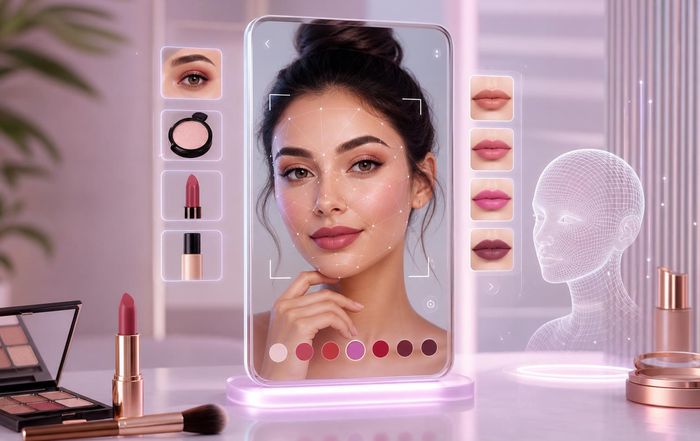
From LED masks and ultrasonic cleansing devices to smart mirrors and AI-powered skin analysis, many of the technologies now seen in homes and clinics worldwide were either developed or first widely tested in Asian markets. Companies such as LG Household & Health Care and Panasonic have invested in hardware that integrates with mobile apps, while major platforms in China and South Korea use AI-driven recommendations to match consumers with products based on skin imaging and behavioral data.

Global beauty and tech companies are following this lead, integrating skin diagnostics and personalization engines into e-commerce platforms and retail experiences. Reports from McKinsey & Company and the World Economic Forum note that Asia-Pacific remains at the forefront of digital beauty adoption, influencing how brands in North America and Europe design omnichannel strategies and data-driven product development. BeautyTipa's focus on beauty technology reflects this convergence, as readers increasingly expect smart tools, evidence-based claims, and tailored recommendations as standard components of modern skincare.

The Business of Asian Beauty: Investment, M&A, and Global Strategy

The commercial impact of Asian beauty is now a structural feature of the global skincare market. Investors across the United States, Europe, and Asia closely track the performance of Korean, Japanese, and Chinese beauty brands, viewing them as innovation engines and strategic acquisition targets. Global conglomerates continue to expand their presence in Seoul, Tokyo, Shanghai, and Singapore, establishing regional R&D hubs and incubators to stay close to emerging trends and consumer insights.

Mergers and acquisitions over the past decade have seen Western corporations acquire or partner with Asian brands to gain access to proprietary technologies, formulations, and regional distribution networks. At the same time, Asian companies are increasingly investing abroad, acquiring niche brands in Europe and North America or establishing direct-to-consumer channels that serve international audiences. Industry data from Euromonitor International and the GlobalData research platform underscore how Asia-Pacific has become both a growth engine and a trendsetter, influencing strategic decisions across the global beauty value chain.

For business-focused readers of BeautyTipa, the business and finance section provides context on how these capital flows, partnerships, and market entries shape product availability, pricing strategies, and brand positioning in markets from the United States and United Kingdom to Germany, France, Italy, Spain, and the broader European and Asia-Pacific regions.

Cultural Soft Power: K-Pop, J-Drama, and Asian Beauty Ideals

The influence of Asian beauty cannot be separated from the broader cultural soft power of Asia, particularly from South Korea and Japan. The global popularity of K-pop, K-dramas, anime, and J-dramas has given international audiences continuous exposure to Asian beauty aesthetics, from luminous skin and gradient lips to understated, natural-looking makeup that enhances rather than masks.

Global streaming platforms and social media have amplified this visibility, with artists and actors from groups like BTS, BLACKPINK, and leading Japanese and Korean drama stars becoming de facto beauty ambassadors. Their skincare routines, product endorsements, and visual styles frequently circulate on platforms such as Instagram, TikTok, and YouTube, influencing consumer preferences far beyond their home countries.

Cultural analysts and organizations like the Korea Foundation have documented how this "Hallyu" or Korean Wave extends into beauty tourism, with consumers from the United States, Europe, the Middle East, and Southeast Asia traveling to Seoul for skincare treatments, shopping, and aesthetic procedures. The result is a feedback loop in which cultural content drives interest in beauty, which in turn reinforces the desirability of Asian products and practices. BeautyTipa's coverage of trends reflects how these cultural influences manifest not only in product choices but also in broader attitudes toward self-expression, gender norms, and beauty standards.

Diversity of Markets: Beyond Korea and Japan

While K-beauty and J-beauty receive much of the global attention, the broader Asian region contributes a rich diversity of skincare traditions and innovations. In China, a rapidly growing domestic beauty market has fostered the rise of local brands that blend traditional Chinese medicine with modern dermatology, emphasizing herbs such as astragalus, licorice root, and peony. In Southeast Asia, countries like Thailand, Malaysia, and Singapore have nurtured brands that address tropical climates, pollution, and melanin-rich skin tones, while India's Ayurvedic heritage informs formulations that appeal to consumers worldwide seeking plant-based, holistic approaches.

Reports from the Asian Development Bank note that rising incomes and urbanization across Asia are driving demand for premium skincare, sun protection, and anti-pollution products, encouraging local companies to innovate and export. This diversification challenges the idea of a single "Asian beauty" model and emphasizes the importance of regional specificity in ingredients, textures, and claims.

For global readers of BeautyTipa, especially those exploring international perspectives, this means that the future of skincare will be shaped by a mosaic of regional approaches-from the minimalist routines favored in parts of Japan and Scandinavia to the elaborate, sensorial regimens popular in Korea, China, and parts of Southeast Asia-each adapted to local climates, cultural preferences, and regulatory environments.

Wellness, Holistic Care, and the Inside-Out Approach

Another key dimension of Asian beauty's influence is the integration of skincare with broader concepts of wellness and holistic health. Traditional systems such as Japanese Kampo, Korean Hanbang, Ayurveda, and traditional Chinese medicine have long emphasized the connection between internal balance and external appearance, linking diet, sleep, stress management, and circulation to skin condition.

This perspective has increasingly shaped global discourse around "inside-out" beauty, where topical skincare is complemented by nutrition, supplements, and lifestyle practices. Organizations such as the World Health Organization and the Harvard T.H. Chan School of Public Health have highlighted the interplay between diet, environmental stressors, and chronic inflammation, reinforcing the scientific basis for holistic approaches that many Asian traditions have promoted for centuries.

In 2025, global consumers are more receptive than ever to beauty routines that incorporate mindfulness, facial massage, herbal teas, and targeted nutrition, seeing them as integral to long-term skin health rather than optional extras. BeautyTipa's focus on wellness, health and fitness, and food and nutrition reflects this convergence, offering readers a framework in which skincare is part of a wider ecosystem of physical and mental well-being rather than a standalone category.

Sustainability, Ethics, and Responsible Innovation

As the global beauty industry grapples with sustainability challenges, Asian beauty's influence is also visible in the push toward more responsible sourcing, packaging, and manufacturing practices. Brands in Japan, South Korea, and other parts of Asia have begun to prioritize refillable packaging, reduced plastic usage, and eco-certified ingredients, responding to both regulatory pressures and consumer expectations in markets such as the European Union, the United States, and Australia.

Organizations like the Ellen MacArthur Foundation and the United Nations Environment Programme have called for circular economy models and reduced environmental impact in consumer goods, including cosmetics. Many Asian brands are experimenting with water-saving formulations, biodegradable materials, and local sourcing of botanicals, while some are investing in green chemistry and biotech solutions that reduce reliance on resource-intensive ingredients.

For beauty consumers across North America, Europe, Asia, and beyond, these developments are changing purchasing criteria, with transparency and environmental responsibility now seen as core components of brand trust. BeautyTipa engages with these themes in its coverage of brands and products, helping readers evaluate not only performance and aesthetics but also ethical and environmental implications, particularly as regulatory frameworks tighten in regions such as the European Union and the United Kingdom.

Employment, Skills, and Career Opportunities in Asian-Influenced Beauty

The global expansion of Asian beauty has also created new career paths and skill requirements across the beauty value chain, from product development and regulatory affairs to retail, marketing, and digital content creation. Professionals with expertise in Asian markets, ingredients, and cultural nuances are increasingly sought after by multinational companies headquartered in the United States, Europe, and Asia-Pacific.

Demand for cosmetic chemists familiar with Asian formulations, marketing specialists who understand K-beauty and J-beauty storytelling, and retail professionals trained in multi-step routine consultation has grown across cities such as New York, London, Paris, Berlin, Toronto, Sydney, Singapore, and Dubai. Educational institutions and professional organizations, including the Society of Cosmetic Chemists, have expanded training programs to address these opportunities, emphasizing cross-cultural literacy and regulatory knowledge.

Readers of BeautyTipa exploring jobs and employment in the beauty sector can see how Asian beauty's rise has reshaped the talent landscape, making linguistic skills, regional market understanding, and digital fluency valuable assets for career growth in both established corporations and emerging indie brands.

The Future of Global Skincare: Convergence and Co-Creation

By 2025, the influence of Asian beauty on worldwide skincare is no longer a one-directional flow of ideas from East to West but a dynamic process of convergence and co-creation. Western dermatological research, European regulatory rigor, North American marketing innovation, and Asian technological leadership are increasingly intertwined, producing hybrid products and routines that reflect the best of multiple traditions.

Consumers in Germany, France, the United States, Canada, the United Kingdom, South Korea, Japan, China, and beyond are now accustomed to mixing K-beauty essences with European serums, Japanese sunscreens with American retinoids, and Southeast Asian botanicals with Scandinavian minimalist routines. This cross-pollination is supported by global e-commerce, social media communities, and a more educated consumer base that values transparency, science, and cultural diversity.

For BeautyTipa, whose readers span continents and interests-from makeup artistry and fashion to skincare science and wellness lifestyles-the task in 2025 is to help navigate this increasingly sophisticated landscape. That means explaining not only which products work, but why they work, where they come from, and how they fit into individual routines shaped by culture, climate, and personal values.

As Asian beauty continues to influence worldwide skincare, the industry is moving toward a more inclusive, evidence-based, and experience-driven model, where trust is built through clarity, long-term performance, and respect for the diverse traditions that have shaped modern beauty. In this evolving environment, BeautyTipa serves as a bridge between regions and perspectives, offering its global audience the insight needed to make informed decisions and to design routines that honor both the science and the artistry of skincare in a truly international era.

How Skincare Brands Approach Global Compliance

Last updated by Editorial team at beautytipa.com on Friday 12 December 2025
Article Image for How Skincare Brands Approach Global Compliance

How Skincare Brands Approach Global Compliance in 2025

The New Compliance Reality for Global Skincare

In 2025, global skincare is no longer defined only by innovation in textures, actives, and packaging aesthetics; it is equally defined by the ability of brands to navigate a fast-tightening web of regulatory, ethical, and technological expectations across continents. For a platform such as Beautytipa-which speaks to professionals and consumers interested in beauty, skincare, wellness, and the broader business of beauty-global compliance has become a core strategic theme, not an afterthought.

From the United States and European Union to China, South Korea, and emerging markets across Africa and South America, regulatory bodies are reshaping how skincare products are formulated, tested, labeled, marketed, and even digitally distributed. Brands that once relied on a patchwork of local adaptations now require integrated global compliance strategies that align legal requirements with consumer expectations around transparency, safety, sustainability, and ethics.

This evolving landscape is deeply connected to trends that Beautytipa regularly explores, from science-backed ingredients and clean formulations to technology-enabled beauty and data-driven personalization. As brands expand into new territories and as cross-border e-commerce accelerates, global compliance is increasingly seen as a pillar of Experience, Expertise, Authoritativeness, and Trustworthiness, shaping not only risk management but also brand equity and long-term value.

Understanding the Global Regulatory Landscape

Skincare regulation is highly fragmented, and yet, since 2020, there has been a gradual convergence around key principles: product safety, truthful claims, traceability, and responsible ingredient use. In the European Union, the EU Cosmetics Regulation (Regulation (EC) No 1223/2009) remains the benchmark for comprehensive cosmetics oversight, covering safety assessments, banned and restricted substances, product information files, labeling, and the requirement for a Responsible Person within the EU. Those seeking to understand the structure of this framework often review resources at the European Commission's cosmetics portal, which provides insight into how Europe shapes global standards.

In the United States, skincare products are generally regulated as cosmetics under the Food, Drug, and Cosmetic Act, with the U.S. Food and Drug Administration (FDA) overseeing safety and labeling, while the Federal Trade Commission (FTC) monitors advertising claims. Since the introduction of the Modernization of Cosmetics Regulation Act (MoCRA), the compliance bar has risen, requiring facility registration, product listing, safety substantiation, and adverse event reporting. Professionals following these developments often turn to the FDA's cosmetics section to track updates that affect product development and cross-border sales.

Meanwhile, China has redefined its regulatory environment through the Cosmetic Supervision and Administration Regulation (CSAR), overseen by the National Medical Products Administration (NMPA). This system introduces classification based on risk, rigorous ingredient registration for new cosmetic ingredients, and expanded responsibilities for domestic responsible entities. Those monitoring the Chinese market frequently consult the NMPA's official information portal for regulatory notices and implementation rules, particularly as China becomes a focal point for both growth and regulatory complexity.

Other jurisdictions are equally influential. South Korea, through the Ministry of Food and Drug Safety (MFDS), maintains strict controls on functional cosmetics such as whitening, anti-wrinkle, and UV-protection products, helping to explain why K-beauty is associated with high standards of efficacy and safety. Japan, guided by the Pharmaceuticals and Medical Devices Agency (PMDA) and the Ministry of Health, Labour and Welfare, operates a unique quasi-drug category that sits between cosmetics and pharmaceuticals. Regulatory harmonization efforts in ASEAN, as well as updated frameworks in Canada, Australia, and Brazil, continue to influence global best practices, with organizations such as the World Health Organization offering broader public health context for cosmetic safety and ingredient risk assessment.

For Beautytipa's audience, which spans North America, Europe, Asia, Africa, and South America, understanding these regulatory pillars is essential for interpreting how brands shape formulations, choose suppliers, and position their products in different markets.

Ingredient Governance and the Science Behind Safety

At the core of global compliance lies ingredient governance: determining which substances may be used, at what concentrations, in which product categories, and under what conditions. Regulatory lists of banned and restricted ingredients-ranging from certain preservatives and colorants to endocrine-disrupting chemicals-are updated frequently, and brands must constantly align their innovation pipelines with these evolving standards.

In the European Union, scientific risk assessment is typically informed by the Scientific Committee on Consumer Safety (SCCS), whose opinions guide decisions on ingredients such as UV filters, hair dyes, and preservatives. Industry professionals commonly follow these evaluations through the SCCS publications, as they directly impact global formulation strategies, even in non-EU markets that voluntarily align with EU norms. Similarly, organizations like the Cosmetic Ingredient Review (CIR) in the United States conduct independent safety assessments, and summaries are often referenced in formulation dossiers and safety reports.

Growing scrutiny of "forever chemicals," endocrine disruptors, and microplastics has led brands to adopt internal blacklists that are often stricter than legal requirements. The movement toward "clean," "non-toxic," or "conscious" beauty has also intensified consumer expectations, even though regulatory definitions of such terms remain limited or absent. To build trust, leading companies increasingly rely on peer-reviewed toxicology data, in-vitro testing, and robust exposure assessments, often informed by frameworks from bodies such as the Organisation for Economic Co-operation and Development and the European Chemicals Agency.

For readers of Beautytipa, who frequently explore guides and tips on ingredient literacy and product selection, this scientific backbone is critical. Understanding that a brand's "free-from" or "dermatologist-tested" claims are supported by rigorous safety assessments, rather than marketing language alone, is increasingly central to evaluating expertise and trustworthiness in the skincare space.

Claims, Marketing, and the Fine Line Between Cosmetic and Drug

One of the most challenging aspects of global compliance is the regulation of product claims, particularly as brands seek to differentiate themselves in crowded markets with bold promises around anti-aging, brightening, barrier repair, or acne control. The line between a cosmetic and a drug-or a cosmetic and a medical device-varies by jurisdiction, and crossing that line can trigger far more stringent regulatory requirements.

In the United States, the FDA considers a product a drug if it is intended to diagnose, cure, mitigate, treat, or prevent disease, or if it affects the structure or function of the body beyond a cosmetic purpose. This means that claims such as "treats eczema," "heals psoriasis," or "stimulates collagen production to reverse wrinkles" may place a product in drug territory, requiring clinical trials and approvals. The FDA's guidance on cosmetics versus drugs is therefore closely studied by regulatory and marketing teams alike.

In the European Union, claims are regulated under the Common Criteria for Cosmetic Claims, which require that claims be supported by adequate evidence, be truthful, and not denigrate competitors or legally used ingredients. Authorities may request substantiation studies, consumer perception tests, and expert assessments, and misleading claims can trigger enforcement actions or product withdrawals. Industry associations such as Cosmetics Europe provide detailed best-practice recommendations, and many professionals review these to align their own claim substantiation strategies with European expectations.

Digital marketing has added another layer of complexity. Influencer partnerships, user-generated content, and social media advertising are all subject to truth-in-advertising rules. In the United States, the FTC has tightened its stance on influencer disclosures and health-related claims, and brands frequently consult the FTC's endorsement guides to ensure compliance. For Beautytipa's readers who follow beauty trends and events, understanding the regulatory context behind viral claims or "miracle" products is essential for distinguishing credible innovation from overstatement.

Data, AI, and the Rise of Digital Compliance in Beauty

As skincare brands adopt artificial intelligence, personalized diagnostics, and connected devices, compliance is no longer limited to what is inside the bottle; it extends to how data is collected, stored, and used, and how digital tools support or shape product recommendations. Personalized skincare apps, AI-powered skin analysis, and online quizzes that capture sensitive data such as health conditions, demographics, and even genetic information must comply with data protection laws such as the EU General Data Protection Regulation (GDPR) and the California Consumer Privacy Act (CCPA).

Regulators and privacy advocates increasingly scrutinize how beauty brands handle biometric data, including facial images used for skin analysis. The European Data Protection Board and national authorities provide guidance on consent, purpose limitation, and data minimization, which are highly relevant to AI-driven beauty tools. Similarly, organizations such as the Electronic Frontier Foundation monitor consumer rights in the context of commercial AI applications, underscoring the need for transparent data practices.

For Beautytipa, which often covers technology in beauty and digital transformation in the sector, this intersection of AI, personalization, and privacy is a critical frontier of compliance. Brands that deploy AI-powered recommendations must ensure that algorithms do not generate unsubstantiated claims, discriminate against certain skin tones or demographics, or misuse personal data. Robust internal governance frameworks, algorithmic audits, and clear privacy policies are becoming hallmarks of responsible, trustworthy digital skincare experiences.

Sustainability, ESG, and Regulatory Pressures on Responsible Beauty

Sustainability has shifted from a marketing differentiator to a regulated expectation in many regions. Environmental, social, and governance (ESG) requirements increasingly intersect with skincare compliance, affecting packaging, supply chains, and corporate disclosures. In the European Union, initiatives such as the European Green Deal and the proposed Green Claims Directive are pushing companies to substantiate environmental claims and avoid greenwashing. Professionals following these developments frequently consult the European Environment Agency for context on environmental policy trends.

Packaging waste regulations, extended producer responsibility schemes, and restrictions on certain plastics are forcing brands to rethink container design, refill systems, and recycling programs. Organizations like the Ellen MacArthur Foundation have become influential in promoting circular economy principles that many global beauty companies now adopt as part of their compliance and sustainability strategies. At the same time, deforestation-free sourcing requirements, human rights due diligence obligations, and modern slavery reporting laws are shaping how ingredient supply chains are managed, particularly for botanicals, palm derivatives, and raw materials sourced from biodiversity-rich regions.

For Beautytipa's audience, who often explore business and finance and health and fitness topics alongside beauty, the integration of ESG into compliance is a defining trend. Investors, regulators, and consumers alike are demanding that skincare brands demonstrate not only product safety but also social responsibility, from fair labor practices in sourcing to climate-aligned packaging choices. Learning from resources that explore sustainable business practices helps industry stakeholders understand how environmental regulation and corporate strategy are converging.

Regional Nuances: From Europe and North America to Asia and Beyond

While global convergence in certain areas is apparent, regional nuances still define how skincare brands approach compliance. In Europe, the combination of strict cosmetics regulation, data protection, and environmental policy means that brands must operate with a high degree of scientific rigor and documentation. The EU's precautionary principle often leads to earlier restrictions on controversial ingredients, and many companies adopt EU standards as their global baseline to simplify compliance.

In North America, the regulatory environment is more fragmented, with the United States and Canada maintaining distinct frameworks. Canada's Health Canada regulates cosmetics under the Food and Drugs Act and Cosmetic Regulations, requiring ingredient notification and adherence to the Cosmetic Ingredient Hotlist, which lists prohibited and restricted substances. The Health Canada cosmetics guidance is a key reference for brands aiming to operate across both U.S. and Canadian markets.

In Asia, markets such as China, Japan, South Korea, Thailand, Singapore, and Malaysia each present specific regulatory challenges and opportunities. For example, China's move toward accepting certain non-animal testing methods for general cosmetics-particularly for imported products meeting specific criteria-has been closely followed by global brands and animal welfare organizations, including well-known NGOs that maintain resources on the transition away from animal testing. South Korea's reputation for advanced functional cosmetics has driven high expectations for efficacy data and ingredient innovation, while Japan's quasi-drug system requires tailored dossiers and approvals that differ significantly from Western models.

Emerging markets in Africa, South America, and parts of Southeast Asia are steadily strengthening their regulatory oversight, often drawing inspiration from EU or ASEAN frameworks. For brands that aspire to truly global presence, this means investing in regional regulatory intelligence, local partnerships, and in-country experts who understand both legal requirements and cultural expectations. Beautytipa's international coverage increasingly reflects these regional dynamics, offering insights into how local regulation and consumer habits influence product design, claims, and distribution strategies.

Building Internal Compliance Infrastructure and Culture

For skincare brands, global compliance is not simply a matter of hiring a regulatory consultant to review labels; it requires building an internal infrastructure that integrates legal, scientific, marketing, supply chain, and digital functions. Leading companies typically establish cross-functional compliance committees, designate regional regulatory leads, and invest in training programs that keep teams updated on evolving laws and guidance.

Key roles include regulatory affairs specialists, toxicologists, quality assurance managers, data protection officers, and ESG leads, all of whom collaborate to ensure that new product development, market expansion, and promotional campaigns align with applicable rules. Many organizations adopt international quality standards such as ISO 22716 for Good Manufacturing Practices in cosmetics, and guidance from the International Organization for Standardization is frequently referenced when designing or auditing manufacturing sites.

For smaller brands and startups-which are increasingly prominent in Beautytipa's coverage of brands and products and routines-building such infrastructure can be challenging. However, digital tools, outsourced regulatory services, and shared manufacturing facilities with robust compliance systems are making it more accessible. Regardless of size, brands that embed compliance into their culture, rather than treating it as a late-stage hurdle, are better positioned to innovate responsibly, avoid costly recalls or enforcement actions, and build long-term trust with consumers and partners.

Talent, Education, and the Compliance-Driven Beauty Career Path

The complexity of global skincare compliance has also reshaped career paths within the beauty industry. Regulatory affairs, cosmetic science, toxicology, sustainability management, and data privacy have become highly sought-after specializations, particularly for brands operating in multiple regions. Universities and professional organizations now offer dedicated programs in cosmetic science and regulatory compliance, and many professionals pursue continuous education through industry conferences, webinars, and certifications.

For readers exploring career options through Beautytipa's jobs and employment section, compliance-related roles offer a blend of scientific rigor, strategic influence, and cross-functional collaboration. Regulatory professionals increasingly sit at the decision-making table, influencing product pipelines, market entry strategies, and digital innovation plans. As the industry moves toward more transparent and sustainable practices, individuals with expertise in ESG reporting, ethical sourcing, and human rights due diligence are also becoming indispensable.

Professional associations such as the Society of Cosmetic Chemists, the Regulatory Affairs Professionals Society, and regional cosmetic industry bodies provide training, networking, and standards that support this evolving talent ecosystem. Resources from organizations like the International Federation of Societies of Cosmetic Chemists help professionals stay abreast of technical and regulatory developments, reinforcing the culture of continuous learning that modern compliance demands.

How Beautytipa Frames Global Compliance for a Connected Audience

For Beautytipa, global compliance is not an abstract legal topic; it is a lived reality that shapes how products are formulated, marketed, and experienced across markets from the United States, United Kingdom, and Germany to Japan, Brazil, and South Africa. By integrating compliance insights into coverage of makeup, fashion, food and nutrition, and holistic wellness, the platform helps its audience understand that regulatory choices influence everything from ingredient lists and texture to price points, packaging, and brand narratives.

Beautytipa's editorial approach emphasizes Experience, Expertise, Authoritativeness, and Trustworthiness by contextualizing new product launches, technological breakthroughs, and business moves within the regulatory frameworks that enable or constrain them. When a brand introduces a groundbreaking retinoid serum, a microbiome-focused moisturizer, or an AI-driven skin analysis tool, the underlying questions of safety substantiation, data privacy, and claim compliance are central to how that innovation should be evaluated.

In a globalized beauty market, where consumers in Canada, Australia, France, Italy, Spain, Netherlands, Switzerland, China, Sweden, Norway, Singapore, Denmark, South Korea, Japan, Thailand, Finland, Malaysia, and New Zealand can access the same products via e-commerce, understanding these compliance foundations is essential. Beautytipa's mission, reflected across its homepage, is to offer readers not only inspiration and trend insights but also the regulatory and scientific context that empowers informed, confident choices.

The Future of Global Compliance in Skincare

Looking ahead from 2025, global skincare compliance will likely become even more interconnected with digital regulation, environmental policy, and public health priorities. Anticipated developments include stricter oversight of AI-driven recommendations, more harmonized ingredient restrictions across regions, broader requirements for sustainability reporting, and enhanced frameworks for cross-border e-commerce safety. International organizations such as the OECD and collaborative industry-regulator platforms will continue to influence how these trends unfold.

For brands, the path forward involves embracing compliance as a strategic asset rather than a constraint. Those that invest in robust scientific evidence, transparent communication, ethical supply chains, and privacy-respecting digital tools will be better equipped to navigate regulatory shifts and maintain consumer trust. For professionals and consumers who rely on Beautytipa for insight, this means that understanding regulation is becoming as important as understanding ingredients, textures, and routines.

Global compliance is, ultimately, about safeguarding human health, respecting the environment, and ensuring that the promises made on a label or a screen are grounded in reality. In a world where beauty, wellness, and technology increasingly converge, brands that honor these principles will define the next era of skincare-and platforms like Beautytipa will continue to illuminate how they do so, market by market and innovation by innovation.

Beauty Routines Designed for Modern Professionals

Last updated by Editorial team at beautytipa.com on Friday 12 December 2025
Article Image for Beauty Routines Designed for Modern Professionals

Beauty Routines Designed for Modern Professionals in 2025

The New Face of Professional Beauty

In 2025, professional life has become more hybrid, more global, and more visually driven than ever before, and as a result beauty routines have shifted from being purely aesthetic rituals to strategic tools that support performance, confidence, and wellbeing. For readers of BeautyTipa, whose careers often span time zones from the United States and the United Kingdom to Singapore, Germany, South Africa, and beyond, beauty is no longer about perfection; it is about creating resilient routines that work under pressure, adapt to different cultures, and align with demanding schedules while still feeling personal and authentic.

In a world where video meetings, digital networking, and social media visibility are integral to professional success, appearance and presence are continuously on display. Research from organizations such as the American Psychological Association highlights how self-perception and grooming can influence confidence and workplace behavior, and professionals increasingly recognize that a well-designed routine is not vanity but a form of self-management that can enhance communication, leadership presence, and emotional resilience. Learn more about how appearance and self-esteem interact in professional contexts.

For BeautyTipa, this evolving landscape has transformed beauty coverage into a broader conversation about strategy, sustainability, and mental health. Readers are no longer seeking quick fixes; they want frameworks that integrate skincare, wellness, fashion, and technology into a coherent system that fits their work realities, whether they are executives in New York, creatives in London, engineers in Berlin, founders in Singapore, or remote professionals working from smaller hubs around the world.

From Cosmetic Ritual to Performance Strategy

The traditional notion of beauty as something reserved for leisure time has been replaced by a more functional understanding that aligns with professional goals. Modern professionals now evaluate routines according to return on time and effort, seeking solutions that support skin health, cognitive focus, and stress management while remaining realistic for a packed calendar. The idea of "performance beauty" has emerged, where routines are designed not just to look good but to help individuals feel composed, credible, and energized in high-stakes environments.

On BeautyTipa, this shift is evident in the way skincare, grooming, and wellness content is framed around productivity and resilience. Readers exploring the platform's dedicated beauty insights are increasingly drawn to articles that connect beauty with leadership, hybrid work routines, and personal branding. This mirrors broader trends tracked by industry analysts such as McKinsey & Company, who have documented the rise of "wellness-driven beauty," where consumers expect products and rituals to deliver both aesthetic and psychological benefits. Professionals can explore how beauty and wellness markets are converging as they rethink their own routines.

Core Skincare as the Foundation of Professional Presence

For professionals in 2025, skincare has become the non-negotiable core of any routine, largely because it delivers compounding benefits over time and directly impacts how makeup sits, how skin responds to stress, and how individuals feel in front of a camera. Dermatologists worldwide emphasize that consistent, evidence-based skincare can help manage concerns exacerbated by modern work patterns, such as blue light exposure, air-conditioned offices, frequent travel, and irregular sleep. Interested readers can deepen their understanding of dermatology-backed skincare principles through the American Academy of Dermatology.

On BeautyTipa, the skincare section has grown into a central resource for busy professionals looking for streamlined, science-driven routines. Rather than promoting extensive multi-step regimens, the focus is on intelligent minimalism: gentle cleansing that respects the skin barrier, targeted actives appropriate to age and skin type, reliable hydration, and daily sun protection. This approach resonates strongly with professionals in regions such as Europe, North America, and Asia, where time constraints and environmental stressors make consistency more important than complexity.

In markets like South Korea and Japan, where skincare has long been considered a daily discipline, professionals are refining their routines by integrating advanced formulations such as peptide serums, barrier-repair creams, and hybrid sunscreen-makeup products. Meanwhile, in countries like the United States, Canada, and the United Kingdom, there is a growing preference for dermatologist-developed brands and fragrance-free options that align with sensitive or reactive skin driven by urban pollution and office air quality. Global health authorities such as the World Health Organization have highlighted the impact of environmental factors on skin and overall wellbeing, encouraging individuals to understand how urban living affects health.

Routines Built Around Real Workdays

The modern professional day is fragmented, often beginning with early emails, continuing through video meetings, in-person appointments, and travel, and extending into evening events or networking. Beauty routines that succeed in 2025 are those that map realistically onto this rhythm rather than demanding an idealized schedule. BeautyTipa has observed that its audience gravitates toward routines divided into morning, pre-meeting, mid-day reset, and evening recovery, each with a clear purpose and minimal steps. Readers can explore more about constructing such patterns in the platform's dedicated routines hub.

Morning routines are increasingly designed to create a polished yet natural appearance that reads well on camera and in person, with emphasis on even skin tone, subtle definition, and a rested look rather than heavy coverage. Professionals in high-visibility roles often rely on lightweight complexion products, strategic concealing, and subtle contouring to maintain a consistent presence across different lighting conditions. Guidance from organizations like British Association of Dermatologists and similar professional bodies helps consumers understand how to adapt skincare to daily stressors.

Mid-day routines, especially for those in hybrid or remote roles, prioritize quick resets: blotting excess oil, refreshing SPF, reviving tired eyes, and adjusting hair to remain camera-ready. The rise of compact, multi-use products reflects this need for efficiency. In regions with hotter climates such as Brazil, Thailand, and South Africa, professionals increasingly integrate mattifying and sweat-resistant formulas to ensure longevity during commutes and outdoor meetings, while in colder climates like Scandinavia and Canada, the focus is on barrier protection and hydration.

Evening routines have become the anchor for repair and decompression, often combining skincare with wellness practices such as breathwork, stretching, or brief digital detox periods. On BeautyTipa, the intersection of beauty and relaxation is a recurring theme within the wellness content, acknowledging that recovery is essential not only for skin regeneration but also for mental clarity and emotional balance before the next workday begins.

Makeup as a Tool for Professional Identity

Makeup in 2025 is less about transformation and more about controlled expression. Professionals across industries are using makeup to communicate credibility, creativity, or approachability, depending on their roles, corporate cultures, and regional norms. For some, a defined brow and neutral lip signal precision and reliability; for others, a bolder eyeliner or statement lip color supports a personal brand that emphasizes innovation and individuality.

The BeautyTipa makeup section has evolved to address these nuances, offering guidance on building "capsule makeup kits" for work, choosing camera-friendly textures, and adapting looks for different markets, from conservative financial centers in Zurich or Frankfurt to creative hubs in Los Angeles, London, or Seoul. Global brands such as Estée Lauder, L'Oréal, and Shiseido continue to influence trends, but professionals increasingly mix prestige products with targeted solutions from dermatologist-led or indie labels that prioritize skin health. To stay informed about how major players are shaping the sector, readers may explore global beauty industry reports.

Cultural expectations also play a critical role. In parts of Asia, subtle, polished makeup remains the norm in corporate settings, emphasizing clear skin, soft gradients, and natural tones. In North America and parts of Europe, professionals have more freedom to experiment, though they still navigate unspoken standards around "professionalism" that can vary by sector. Thought leaders and diversity advocates, including organizations like LeanIn.Org, have highlighted how grooming expectations intersect with gender, race, and age, encouraging companies to reconsider appearance-based biases. As a result, many professionals are crafting routines that honor their identity while remaining aligned with local workplace cultures.

The Role of Wellness in Sustainable Beauty Routines

Beauty routines for modern professionals are no longer confined to what is applied to the skin; they increasingly encompass sleep hygiene, stress management, movement, and nutrition. The connection between chronic stress and skin conditions such as acne, rosacea, and premature aging is well documented by institutions like Harvard Health Publishing, which explains how stress can manifest physically. Recognizing this, professionals are investing in routines that support nervous system regulation, from short mindfulness practices to structured exercise and more intentional digital boundaries.

On BeautyTipa, wellness is treated as an equal pillar to skincare and makeup, with a dedicated wellness section and complementary coverage in health and fitness and food and nutrition. Articles increasingly emphasize how micro-habits-such as consistent hydration, balanced meals, and a brief wind-down ritual-can significantly influence skin quality, energy levels, and emotional resilience across a demanding workweek.

Professionals in cities like New York, London, Singapore, and Sydney are embracing hybrid routines that combine at-home practices with targeted services such as facials, massages, and wellness coaching, often guided by evidence-based frameworks from organizations like the Mayo Clinic, which provides extensive resources on integrative health and lifestyle medicine. The key theme is sustainability: routines must be maintainable under pressure, not just aspirational, and must support long-term health rather than short-term appearance alone.

Technology and Data-Driven Personalization

One of the most significant shifts in 2025 is the integration of technology into everyday beauty routines. Professionals who manage demanding schedules increasingly rely on digital tools to simplify decision-making, track progress, and receive tailored recommendations. AI-driven skin analysis apps, smart mirrors, and connected devices now provide personalized feedback on skin condition, environmental exposure, and product effectiveness, allowing users to make data-based adjustments rather than relying solely on trial and error.

Within BeautyTipa's technology and beauty section, readers can explore how wearables, teledermatology, and smart home devices are transforming both skincare and wellness. For example, professionals may use smartwatches to monitor sleep quality and stress markers, then adjust their evening routines accordingly, integrating calming skincare ingredients, guided breathing, or blue-light reduction strategies. Industry observers such as Deloitte have chronicled the rapid expansion of digital health and beauty ecosystems, encouraging companies and consumers alike to understand the implications of connected care.

At the same time, professionals are becoming more discerning about data privacy and the credibility of digital recommendations. Trust is earned when platforms are transparent about how data is used, when algorithms are trained on diverse populations, and when advice is anchored in dermatological or scientific expertise. This emphasis on trustworthy information mirrors BeautyTipa's editorial commitment to Experience, Expertise, Authoritativeness, and Trustworthiness, ensuring that technology is presented as a tool to enhance professional lives rather than a source of confusion or overconsumption.

Brands, Products, and the Business of Professional Beauty

The professionalization of beauty routines has had a profound impact on the business landscape. Brands are now expected to deliver not only attractive packaging and marketing but also credible science, ethical sourcing, and performance that holds up across long workdays, varied climates, and digital scrutiny. Many professionals in 2025 approach beauty purchases with the same rigor they apply to other investments, evaluating ingredient lists, sustainability practices, and brand values.

BeautyTipa's brands and products section serves as a curated guide for readers who want to cut through noise and focus on solutions that genuinely fit their lifestyles. The platform's coverage aligns with broader industry analyses from organizations like Euromonitor International, which tracks how professionals in markets from France and Italy to Brazil and South Korea are prioritizing multifunctional, high-performance products that support both in-person and digital presence. Those interested in understanding these shifts can explore global beauty and personal care trends.

From a business and finance perspective, detailed on BeautyTipa's business and finance page, the rise of professional-centric beauty has created new opportunities for niche brands that specialize in office-friendly fragrances, long-wear formulas, blue-light protection, or stress-support supplements. At the same time, major corporations are forming partnerships with employers and wellness platforms, offering curated beauty and self-care benefits as part of corporate wellbeing programs. Leading consultancies such as PwC discuss how employee wellbeing has become a strategic priority, and beauty is increasingly included in that conversation, particularly in sectors with high burnout risk.

Global and Cross-Cultural Dimensions of Professional Beauty

Because BeautyTipa serves an international audience, it observes firsthand how professional beauty routines are shaped by cultural norms, climate, and industry practices across continents. In Europe, there is often a strong emphasis on understated elegance and skincare-first routines, influenced by long-standing traditions in France, Italy, Spain, and the Nordic countries. In Asia, especially in South Korea, Japan, and Thailand, innovation in textures, sun care, and skin-brightening solutions plays a central role, while in North America and Australia, sun protection and casual sophistication often guide daily choices.

The platform's international section captures these differences, highlighting how professionals in different regions negotiate dress codes, beauty standards, and evolving norms around gender expression and natural hair. Organizations like UN Women and other advocacy groups encourage workplaces worldwide to embrace diversity in appearance, pushing against restrictive policies that have historically penalized certain hairstyles, skin tones, or cultural expressions. As a result, many modern professionals are designing routines that not only meet professional expectations but also honor their identity, cultural heritage, and comfort.

Climate and environmental conditions further shape routines. Professionals in humid regions like Singapore and Malaysia prioritize lightweight, breathable formulas and anti-pollution skincare, while those in drier or colder climates such as Switzerland, Norway, and Finland depend on richer textures and barrier-protecting ingredients. Global scientific bodies like the Intergovernmental Panel on Climate Change (IPCC) have detailed how environmental changes affect daily life, and the beauty industry continues to respond with region-specific innovations that help professionals maintain skin health and comfort in shifting conditions.

Fashion, Grooming, and the Visual Language of Work

Beauty routines for professionals extend beyond skin and makeup into fashion, hair, and grooming, all of which contribute to the overall impression communicated in person and on screens. The rise of hybrid work has relaxed dress codes in many sectors, but it has also increased the importance of intentional visual choices, as professionals must quickly adapt from home settings to formal meetings or public appearances.

On BeautyTipa, coverage in fashion and related categories explores how professionals can build versatile wardrobes and grooming habits that support their routines, from choosing colors that complement skin tone on camera to selecting hairstyles that remain polished throughout a long day. Industry resources such as Business of Fashion analyze how workplace style is evolving globally, offering insights into the intersection of fashion, work, and culture.

Haircare and grooming practices also reflect regional diversity and evolving norms around natural textures, protective styles, and gender expression. Professionals are increasingly seeking salons, barbers, and stylists who understand both cultural hair needs and workplace expectations, and they are incorporating protective treatments and low-maintenance styles into their routines to reduce daily styling time. This holistic approach underscores a central truth of 2025: professional beauty is an ecosystem, not a single category.

Career Opportunities in the Professional Beauty Ecosystem

The evolution of beauty routines for modern professionals has opened new career paths, from corporate wellness consultants and beauty-focused HR partners to technology developers, product formulators, and content creators who specialize in professional-facing beauty and wellness. On BeautyTipa's jobs and employment page, readers can explore how roles are emerging at the intersection of beauty, technology, and business strategy, reflecting the growing recognition that appearance, wellbeing, and performance are interconnected in the modern workplace.

Educational institutions and professional organizations are responding with specialized programs in cosmetic science, wellness coaching, and digital beauty marketing. Universities and institutes listed on platforms like Coursera and edX offer courses that help professionals upskill in beauty, wellness, and business, enabling them to contribute to this expanding sector. For many, an interest in personal beauty routines has become the gateway to new entrepreneurial ventures, consulting practices, or corporate roles focused on employee experience.

How BeautyTipa Serves the Modern Professional

As beauty routines have become more strategic and integrated into professional life, BeautyTipa has positioned itself as a trusted companion for individuals navigating demanding careers in cities and regions across the globe. The platform's interconnected sections-from beauty, skincare, and routines to business and finance, technology and beauty, and guides and tips-reflect the reality that professional beauty is not a single topic but a network of decisions and habits that shape how individuals show up in the world.

For modern professionals in 2025, beauty routines are no longer an afterthought squeezed into the margins of the day; they are intentional systems that support confidence, communication, and wellbeing. By combining expert-driven guidance, global perspectives, and a focus on real-world practicality, BeautyTipa helps readers design routines that honor their ambitions, their identities, and their health, ensuring that beauty becomes an asset in every stage of their professional journey. Those ready to refine their own approach can explore the full ecosystem at BeautyTipa's homepage, where beauty, work, and wellbeing are treated as parts of the same, evolving story.

Global Beauty Trends Shaping the Future of Self Care

Last updated by Editorial team at beautytipa.com on Friday 12 December 2025
Article Image for Global Beauty Trends Shaping the Future of Self Care

Global Beauty Trends Shaping the Future of Self-Care in 2025

The New Definition of Beauty and Self-Care

In 2025, beauty and self-care have expanded far beyond the traditional notions of cosmetics and surface-level grooming, evolving into a multidimensional ecosystem that encompasses mental health, physical wellbeing, digital identity, sustainability, and financial literacy. For the global audience of BeautyTipa and its readers across the United States, Europe, Asia, Africa, and the rest of the world, beauty has become an integrated lifestyle choice, where skincare routines, wellness rituals, nutrition, fitness, and even career decisions intersect to create a holistic and highly personalized self-care journey. This shift is driven by changing consumer expectations, rapid technological innovation, and a deeper understanding of how appearance, confidence, and wellbeing are interlinked, as outlined in global consumer reports from organizations such as McKinsey & Company, which highlight how beauty is now seen as "health's visible layer" rather than a purely aesthetic pursuit.

As BeautyTipa continues to explore global perspectives on beauty and aesthetics, it is increasingly clear that consumers in markets from the United States and United Kingdom to South Korea, Japan, Brazil, and South Africa are demanding products and experiences that are not only effective and science-backed, but also ethical, inclusive, tech-enabled, and emotionally supportive. The future of self-care is being shaped by a convergence of dermatological advances, wellness science, digital platforms, and conscious consumerism, creating both opportunities and challenges for brands, professionals, and investors who must navigate a fast-changing landscape while maintaining trust and authenticity.

Science-Backed Skincare and the Rise of Skin Health

One of the most significant global trends reshaping self-care is the shift from cosmetic cover-up to genuine skin health, where consumers are prioritizing ingredients, clinical evidence, and long-term benefits over short-term visual fixes. Dermatologists and researchers, supported by institutions like the American Academy of Dermatology and the British Association of Dermatologists, are increasingly vocal about the importance of barrier repair, microbiome balance, and photoprotection, and this scientific narrative has filtered down to consumers who now read ingredient lists with the same rigor they apply to food labels. Learn more about how dermatologists define healthy skin and evidence-based care on the American Academy of Dermatology website.

For BeautyTipa readers exploring advanced skincare routines and regimens, the emphasis in 2025 is on fewer, more potent products rather than complex multi-step routines that can overwhelm the skin. Globally, there has been a surge in interest in retinoids, peptides, ceramides, and antioxidants, along with bio-identical ingredients and postbiotic formulations that support the skin's natural ecosystem. In markets such as South Korea and Japan, where innovation in textures and delivery systems remains strong, hybrid products that combine skincare with sun protection or makeup are gaining traction, while in Europe, particularly in France, Germany, and the Nordic countries, dermocosmetic brands supported by pharmacy distribution have strengthened their reputation for reliability and safety. Resources such as the Mayo Clinic and Cleveland Clinic offer accessible overviews of how ingredients like retinol, niacinamide, and vitamin C act on the skin, helping consumers better understand the science behind their products and make more informed choices.

Wellness-First Beauty and the Mind-Skin Connection

Another powerful trend shaping self-care is the integration of mental and emotional wellbeing into beauty routines, as consumers recognize that stress, sleep, and mood profoundly affect how they look and feel. Organizations such as the World Health Organization and National Institutes of Health have highlighted the rising global burden of stress, anxiety, and burnout, particularly in fast-paced urban environments, and this has translated into a demand for rituals and products that promise calm, comfort, and a sense of control. Learn more about how stress affects physical health through resources from the World Health Organization.

For BeautyTipa, which covers interconnected themes of wellness, health, and fitness, the future of self-care is inseparable from practices such as meditation, breathwork, yoga, and sleep optimization, with beauty brands increasingly collaborating with wellness experts, therapists, and neuroscientists to design experiences that soothe both skin and mind. In markets like the United States, Canada, and Australia, there has been a notable rise in "neurocosmetics" that claim to influence mood through scent and texture, supported by research from institutions such as Harvard Medical School and Johns Hopkins Medicine, which investigate how sensory stimuli can affect stress levels and emotional responses. At the same time, the popularity of adaptogens, nootropics, and functional supplements illustrates how self-care is extending inside-out, with consumers in regions from Europe to Asia looking to nutrition and gut health as critical pillars of their beauty strategy.

Personalization, Data, and AI-Driven Beauty Experiences

Technological innovation is transforming how consumers discover, evaluate, and experience beauty products, with artificial intelligence, machine learning, and data analytics enabling unprecedented levels of personalization. In 2025, major technology players and beauty conglomerates such as L'Oréal, Estée Lauder Companies, and Shiseido are investing heavily in AI-powered skin diagnostics, virtual try-on tools, and recommendation engines that analyze skin type, lifestyle, environment, and even genetic markers to propose tailored routines. Industry reports from Deloitte and Accenture highlight how personalization has become a key driver of loyalty and conversion, particularly among younger digital-native consumers in markets like the United States, United Kingdom, China, and South Korea.

For the audience of BeautyTipa exploring beauty technology and innovation, AI-driven apps and connected devices are no longer futuristic concepts but everyday tools, from smart mirrors that track skin changes over time to handheld devices that measure hydration and pigmentation. At the same time, the use of big data raises questions about privacy, consent, and algorithmic bias, which regulators and advocacy groups, including the European Commission and digital rights organizations, are working to address through frameworks such as the EU's AI Act and data protection laws like the GDPR. Consumers are becoming more aware of how their beauty data is collected and used, and they increasingly expect transparency and control, creating a new dimension of trust that brands must navigate carefully if they wish to maintain credibility in a data-driven beauty ecosystem.

Sustainability, Ethics, and the Conscious Consumer

Sustainability has moved from a niche concern to a central expectation, as consumers across continents demand products and practices that minimize environmental impact and respect human rights throughout the supply chain. Reports from the United Nations Environment Programme and the Ellen MacArthur Foundation underline the urgency of reducing plastic waste, improving recyclability, and transitioning to circular business models, while beauty-specific initiatives such as the EcoBeautyScore Consortium are working to harmonize environmental impact assessments across brands. Learn more about emerging circular economy models on the Ellen MacArthur Foundation website.

For BeautyTipa and its focus on brands, products, and industry trends, the global beauty sector in 2025 is seeing a significant shift towards refillable packaging, concentrated formats such as bars and powders, and responsibly sourced ingredients certified by organizations like Fairtrade International and the Rainforest Alliance. In Europe, especially in countries like Germany, France, and the Netherlands, regulatory pressure and consumer activism are driving rapid change, while in Asia-Pacific markets including South Korea, Japan, and Australia, innovation in low-waste packaging and upcycled ingredients is accelerating. At the same time, ethical considerations extend to animal testing, labor practices, and diversity in marketing, with consumers using platforms like the Environmental Working Group and Leaping Bunny to verify claims and hold brands accountable. The future of self-care will increasingly reward companies that integrate sustainability and ethics into their core strategy rather than treating them as add-ons, as conscious consumers align their purchasing decisions with their values.

Inclusivity, Representation, and Global Beauty Standards

The global conversation around beauty standards has shifted dramatically over the past decade, and in 2025, inclusivity is no longer optional for brands that wish to remain relevant. The rise of social media, particularly platforms like Instagram, TikTok, and YouTube, has amplified voices from diverse backgrounds, challenging narrow ideals and demanding representation across skin tones, hair types, body shapes, ages, genders, and abilities. Research by organizations such as Nielsen and PwC shows that consumers, especially younger generations in markets like the United States, United Kingdom, Brazil, and South Africa, are more likely to support brands that reflect their identity and community in campaigns, product ranges, and leadership teams.

For BeautyTipa, which serves an international readership interested in makeup, fashion, and global trends, the most influential beauty movements of recent years have come from regions historically underrepresented in mainstream media, including the flourishing of K-beauty and J-beauty in East Asia, the rise of Afrocentric beauty brands in Africa and the diaspora, and the celebration of natural hair and textured styles in North America and Europe. Organizations such as Allure, Vogue Business, and Business of Fashion have documented how shade ranges, undertones, and inclusive formulations are now seen as basic requirements rather than differentiators, while advocacy from dermatologists and researchers working with darker skin tones has highlighted the need for more inclusive clinical testing and sun care education. As beauty becomes more global, the future of self-care will be defined by a mosaic of local traditions and innovations rather than a single dominant standard, encouraging consumers to embrace their individuality and cultural heritage.

The Business of Beauty: Investment, Jobs, and Entrepreneurship

Behind the visible trends in products and routines lies a powerful economic engine, with the global beauty and personal care market projected to continue its steady growth through 2030, driven by rising middle classes in Asia, Africa, and Latin America, as well as premiumization and digital expansion in North America and Europe. Reports from Statista, Euromonitor International, and McKinsey & Company indicate that beauty remains one of the most resilient consumer categories, even in times of macroeconomic uncertainty, due to its emotional resonance and accessible luxury positioning. Learn more about current market dynamics and forecasts through industry overviews from McKinsey & Company.

For the business-focused readers of BeautyTipa, who follow beauty business and finance insights, the future of self-care is closely tied to innovation in distribution, digital commerce, and brand-building. Direct-to-consumer models, social commerce, and livestreaming, particularly prominent in China and increasingly influential in Southeast Asia and Western markets, are reshaping how products are discovered and purchased, while marketplaces and subscription services offer new ways to curate and personalize beauty experiences. At the same time, the sector is creating a wide range of employment opportunities, from formulation scientists and regulatory experts to content creators, estheticians, and brand strategists, with organizations like LinkedIn and Glassdoor showing strong demand for talent that combines technical expertise with digital fluency. For those considering careers in this sector, BeautyTipa provides guidance through its coverage of jobs and employment in beauty and wellness, highlighting how skill sets in data analysis, sustainability, and cross-cultural marketing are increasingly valuable in a globalized industry.

Digital Communities, Influencers, and Education-Driven Consumers

The role of digital communities and influencers in shaping self-care cannot be overstated, as consumers now turn to content creators, dermatologists, nutritionists, and fitness experts on platforms such as YouTube, TikTok, and Instagram for real-time advice, product reviews, and routine inspiration. Research from organizations like Pew Research Center and Ofcom shows that younger demographics in markets from the United States and United Kingdom to Singapore and South Korea increasingly view social platforms as primary sources of information, blurring the lines between entertainment, education, and commerce. While this democratization of beauty knowledge empowers consumers to make more informed decisions, it also raises concerns about misinformation, unverified claims, and unrealistic expectations, particularly around procedures, supplements, and DIY treatments.

For BeautyTipa, which curates guides, tips, and educational resources, the future of self-care lies in fostering critical thinking and media literacy, encouraging readers to cross-check advice with reputable sources such as the U.S. Food and Drug Administration, Health Canada, the European Medicines Agency, and respected medical institutions. Brands and professionals who succeed in this environment are those who communicate transparently, acknowledge limitations, and collaborate with qualified experts, rather than relying solely on viral trends. As consumers become more sophisticated, they increasingly value long-form content, expert interviews, and evidence-based explanations, which help them navigate the overwhelming volume of information and curate routines that are both safe and effective.

Nutrition, Fitness, and the Inside-Out Beauty Movement

The convergence of beauty, nutrition, and fitness is another defining feature of self-care in 2025, as consumers recognize that glowing skin, strong hair, and overall vitality are deeply influenced by diet, exercise, and metabolic health. Organizations such as the World Health Organization, the Academy of Nutrition and Dietetics, and the American College of Sports Medicine provide extensive guidance on how balanced nutrition, regular physical activity, and adequate hydration contribute to long-term wellbeing, and this science is increasingly reflected in beauty marketing and product development. Learn more about evidence-based nutrition recommendations from the Academy of Nutrition and Dietetics.

For readers of BeautyTipa who explore health, fitness, and food and nutrition, the global rise of beauty supplements, collagen powders, functional beverages, and skin-focused probiotics illustrates how self-care is migrating into the kitchen and gym. In regions like North America and Europe, consumers are adopting holistic routines that combine skincare with strength training, yoga, or running, while in Asia, traditional practices such as TCM-inspired tonics, Japanese fermented foods, and Korean herbal formulations are being reinterpreted for modern lifestyles. At the same time, there is growing scrutiny of exaggerated claims and under-researched ingredients, prompting regulators and scientific communities to call for more rigorous clinical trials and clearer labeling. As inside-out beauty continues to grow, the most trusted brands will be those that align their messaging with established nutritional science and encourage balanced, sustainable habits rather than quick fixes.

Events, Fashion, and the Cultural Stage of Beauty

Beauty trends do not exist in isolation; they are closely intertwined with fashion, art, and cultural events that shape how people express themselves and perceive others. Global fashion weeks in cities such as New York, London, Milan, and Paris, along with events in Seoul, Tokyo, São Paulo, and Johannesburg, serve as influential stages where makeup artists, hairstylists, and designers collaborate to define the looks that will filter down to everyday consumers. Publications like Vogue, Harper's Bazaar, and Business of Fashion document how runway aesthetics interact with street style, subcultures, and digital movements, creating a dynamic feedback loop between high fashion and real life.

For BeautyTipa, which follows fashion, beauty events, and trendsetting gatherings, the future of self-care is increasingly performative and experiential, with festivals, conferences, and trade shows providing spaces for discovery, networking, and education. In 2025, hybrid events that combine physical and virtual components allow participants from across the globe, including regions such as the Middle East, Africa, and Southeast Asia, to access masterclasses, product launches, and panel discussions without geographic barriers. At the same time, fashion's growing focus on inclusivity and sustainability is influencing beauty aesthetics, with more emphasis on natural textures, skin-positive looks, and gender-fluid styles that encourage individuals to adapt trends to their own identity rather than conforming to a single ideal.

How BeautyTipa Helps Readers Navigate the Future of Self-Care

As the global beauty and self-care landscape becomes more complex, interconnected, and fast-moving, the role of trusted, independent platforms becomes increasingly important. BeautyTipa positions itself as a guide and partner for readers who wish to understand not only the latest products and looks, but also the deeper forces shaping their choices, from scientific research and technological innovation to economic trends and cultural shifts. Through its coverage of emerging beauty and wellness trends, daily routines and rituals, and international market developments, BeautyTipa aims to translate global insights into practical, trustworthy guidance tailored to individuals in diverse regions and life stages.

By curating perspectives from dermatologists, wellness practitioners, business leaders, technologists, and creative professionals, BeautyTipa emphasizes experience, expertise, authoritativeness, and trustworthiness, helping readers make decisions that align with their personal values, health needs, and financial realities. Whether a reader in Germany is exploring minimalist skincare, a professional in Singapore is considering a career pivot into beauty technology, or a student in Brazil is learning about sustainable brands, BeautyTipa provides a structured pathway through its interconnected sections on beauty, wellness, business, technology, and lifestyle. In doing so, it supports a vision of self-care that is not driven by pressure or perfectionism, but by informed choice, self-respect, and long-term wellbeing.

Looking Ahead: A Holistic, Intelligent, and Responsible Era of Self-Care

The global beauty trends shaping the future of self-care in 2025 point to an era that is more holistic, intelligent, and responsible than ever before, where science, technology, ethics, and creativity merge to redefine what it means to care for oneself. Consumers across continents are demanding products and experiences that honor their individuality, protect their health, respect the planet, and reflect their cultural identity, while also fitting into busy, digitally connected lives. Brands and professionals who thrive in this environment will be those who invest in research, listen closely to their communities, act transparently, and embrace collaboration across disciplines and borders.

For the global audience of BeautyTipa, the evolving landscape offers both inspiration and responsibility: inspiration to explore new rituals, tools, and perspectives that enhance quality of life, and responsibility to support companies and practices that contribute positively to people and the planet. As beauty continues to intersect with wellness, fashion, technology, and finance, self-care becomes not just a personal act, but a statement about the kind of future individuals wish to help create. In this context, BeautyTipa remains committed to providing the insight, context, and guidance that empower readers worldwide to navigate the beauty of tomorrow with clarity, confidence, and conscience.

The Role of Education in Skincare Awareness

Last updated by Editorial team at beautytipa.com on Friday 12 December 2025
Article Image for The Role of Education in Skincare Awareness

The Role of Education in Skincare Awareness in 2025

How Education Is Redefining Skincare for a Global Audience

In 2025, skincare has evolved from a niche interest into a mainstream pillar of personal health, professional image, and consumer culture, and for the global community that turns to BeautyTipa for guidance, the central question is no longer which product to buy, but how to understand the science, safety, and strategy behind every choice applied to the skin. As beauty and wellness converge, education has become the decisive factor that separates marketing hype from evidence-based routines, empowering individuals in the United States, the United Kingdom, Germany, Canada, Australia, France, Italy, Spain, the Netherlands, Switzerland, China, Sweden, Norway, Singapore, Denmark, South Korea, Japan, Thailand, Finland, South Africa, Brazil, Malaysia, New Zealand and beyond to make informed decisions that support both immediate appearance and long-term skin health.

From dermatology textbooks to short-form social media videos, from corporate training programs to regulatory frameworks, the role of education in skincare awareness is now embedded across the entire value chain of the beauty industry. On BeautyTipa, where readers explore dedicated sections on skincare, beauty, routines, and guides and tips, this shift is reflected in the growing demand for content that does not merely review products, but explains the underlying mechanisms, risks, and benefits in a way that is both technically accurate and practically actionable.

From Beauty Myth to Skin Literacy: Why Education Matters

The concept of "skin literacy" has emerged as a core theme in global skincare discourse, describing the ability of consumers to understand basic skin biology, interpret ingredient lists, assess claims, and evaluate the credibility of information sources. Organizations such as the American Academy of Dermatology highlight that common conditions like acne, eczema, rosacea, hyperpigmentation, and photoaging are often exacerbated by misinformation and inappropriate product use, and readers who learn more about dermatologic conditions through resources like the American Academy of Dermatology quickly realize that prevention and early intervention are far more effective than reactive treatment.

In parallel, public health institutions like the World Health Organization have emphasized the importance of sun protection and UV awareness as part of cancer prevention strategies, and professionals who follow global health perspectives on skin cancer and UV exposure through platforms such as the World Health Organization recognize that educational campaigns about sunscreen, protective clothing, and shade-seeking behavior are not cosmetic luxuries, but essential health measures. For the BeautyTipa audience, especially in high UV-index regions such as Australia, South Africa, Brazil, and parts of Asia, this underscores why a well-structured routine, grounded in evidence and reinforced by continuous learning, is an investment in long-term wellbeing rather than a short-term aesthetic pursuit.

The Science Behind the Skin: Building Expertise for Everyday Decisions

Education in skincare awareness increasingly begins with a foundational understanding of skin structure and function, and in 2025, consumers with access to reliable digital resources can quickly explore the basics of the epidermis, dermis, and barrier function through platforms such as the National Institutes of Health, where readers can deepen their understanding of skin physiology and dermatologic research via the National Institutes of Health. This scientific grounding allows individuals to interpret why ingredients like ceramides, niacinamide, hyaluronic acid, and retinoids are recommended for specific concerns, and why over-exfoliation, harsh surfactants, or unprotected sun exposure can compromise the skin barrier.

At BeautyTipa, educational content that explains the relationship between skin types, environmental conditions, and product formulations has become a cornerstone of the skincare and wellness sections, where readers from climates as varied as the dry winters of Scandinavia, the humid summers of Southeast Asia, and the pollution-challenged megacities of China and India seek tailored advice. By translating complex dermatological concepts into accessible language, while maintaining scientific rigor, the platform supports a more sophisticated consumer base that can critically evaluate trends, such as barrier-repair creams, microbiome-friendly products, or peptide-rich serums, without being swayed solely by marketing narratives.

Digital Learning, Social Media, and the New Skincare Classroom

The democratization of skincare education has been accelerated by digital platforms, where social media creators, dermatologists, cosmetic chemists, and beauty editors share content in real time with audiences across North America, Europe, Asia, Africa, and South America. While this has opened unprecedented access to expertise, it has also introduced new challenges related to misinformation, incomplete context, and viral but potentially harmful trends. Regulatory bodies like the U.S. Food and Drug Administration provide guidance on how cosmetic and over-the-counter products are regulated, and consumers who explore the U.S. Food and Drug Administration can better understand the distinction between cosmetics, drugs, and medical devices, as well as the limitations of claims that brands are legally permitted to make.

Within this digital ecosystem, BeautyTipa positions itself as a curated hub that filters, organizes, and contextualizes information for its global readership, offering in-depth articles in its trends and technology beauty sections that analyze how algorithms, influencer marketing, and user-generated reviews shape perceptions of skincare efficacy and safety. By drawing on authoritative sources such as the Mayo Clinic, where readers can explore medically reviewed information on skin conditions and treatments through the Mayo Clinic, the platform reinforces a culture of verification and critical thinking, encouraging users to cross-check viral advice against reputable medical and scientific institutions before making changes to their routines.

Formal Education and Professional Expertise in the Skincare Industry

Beyond consumer-facing education, formal training programs for dermatologists, estheticians, cosmetic chemists, and beauty advisors play a decisive role in raising the standard of skincare awareness across markets. Universities and research institutions, including those cataloged in scientific databases such as PubMed, drive innovation in ingredients, formulation science, and clinical testing, and professionals who consult peer-reviewed studies through PubMed gain a deeper understanding of efficacy, safety profiles, and long-term outcomes. This academic rigor feeds into product development pipelines at leading global companies and niche brands alike, influencing everything from active concentrations to preservative systems.

Professional associations and training bodies in Europe, Asia, and North America have also elevated the qualifications required to practice in clinical and spa environments, and in many countries, estheticians must complete accredited programs, pass examinations, and undertake continuing education to maintain their licenses. For readers of BeautyTipa who are considering careers in the beauty and wellness space, the jobs and employment section explores how this professionalization trend is reshaping opportunities, compensation, and expectations, particularly in markets such as the United States, the United Kingdom, Germany, Canada, Australia, South Korea, and Japan, where consumers increasingly seek out practitioners who can demonstrate both hands-on skill and evidence-based knowledge.

Corporate Responsibility, Brand Education, and Trust

In 2025, brands that aspire to leadership in the skincare category recognize that transparency, education, and ethical communication are now non-negotiable components of their value proposition. Global organizations such as L'Oréal, Estée Lauder Companies, Unilever, and Shiseido have invested heavily in consumer education platforms, ingredient glossaries, and sustainability reports, and business leaders who follow broader corporate sustainability standards through resources like the United Nations Global Compact understand that responsible communication about product safety, environmental impact, and social responsibility is increasingly scrutinized by investors, regulators, and consumers alike.

On BeautyTipa, where the brands and products and business and finance sections intersect, educational content examines how companies integrate dermatological research, consumer testing, and regulatory compliance into their product narratives, and why this matters for long-term brand trust. Readers are encouraged to look beyond packaging and advertising, exploring independent resources such as the European Commission's Cosmetic Regulation portal, where they can learn more about cosmetic safety requirements in Europe via the European Commission, and similar frameworks in markets like the United States, Canada, and Asia. This multidimensional approach to education strengthens the capacity of consumers and professionals alike to distinguish between marketing language and substantiated claims.

Personalized Routines: Education as the Foundation of Skincare Strategy

Personalization has become a defining trend in skincare, with consumers seeking routines that reflect their unique skin type, lifestyle, climate, age, and cultural preferences, and educational content is the bridge that transforms generic advice into tailored strategies. On BeautyTipa, the routines section guides readers through the process of building morning and evening rituals that align with their goals, whether they are focused on anti-aging, acne management, sensitivity reduction, or radiance enhancement, and this process is framed not as a one-size-fits-all prescription, but as a structured decision-making journey informed by knowledge.

Digital tools, including AI-powered skin analysis apps and teledermatology services, have made it easier for individuals in remote or underserved regions to access professional guidance, and technology enthusiasts who follow developments in digital health through organizations like the World Economic Forum can explore how innovation is reshaping beauty and wellness by visiting the World Economic Forum. However, even the most advanced tools require a foundation of user education, since understanding how to interpret recommendations, monitor skin responses, and adjust routines over time remains crucial. For BeautyTipa readers in markets as diverse as Singapore, South Korea, the United States, and the Nordic countries, where climate, pollution, and lifestyle factors vary significantly, this combination of technology and education supports more precise and sustainable skincare strategies.

Wellness, Nutrition, and the Holistic Education of Skin Health

Skincare awareness in 2025 extends far beyond topical products, encompassing lifestyle factors such as stress management, sleep quality, diet, exercise, and mental health. Health authorities like the National Health Service in the United Kingdom emphasize that chronic stress, poor nutrition, and inadequate sleep can exacerbate inflammatory skin conditions, and readers interested in the broader health-skin connection can explore integrated health guidance through the National Health Service. This holistic perspective has reshaped the editorial direction of BeautyTipa, where the wellness, health and fitness, and food and nutrition sections interlink with skincare content, highlighting the interplay between internal and external care.

For example, educational articles may explain how diets rich in antioxidants, omega-3 fatty acids, and low-glycemic foods can support clearer, more resilient skin, while excessive sugar, alcohol, and ultra-processed foods may contribute to inflammation and premature aging. International readers from Mediterranean countries such as Italy, Spain, and France, as well as health-conscious communities in Scandinavia, North America, and Asia, can explore how traditional diets and contemporary nutrition research intersect by consulting evidence-based resources like the Harvard T.H. Chan School of Public Health, where they can learn more about nutrition and chronic disease prevention through the Harvard T.H. Chan School of Public Health. By integrating this knowledge into daily choices, skincare becomes a visible expression of overall lifestyle quality rather than an isolated ritual.

Cultural Diversity, Global Markets, and Inclusive Skincare Education

As skincare markets expand across continents, education must also reflect the cultural, genetic, and environmental diversity of global consumers. Skin concerns in South Korea and Japan, where brightening and texture refinement are prioritized, may differ from those in Brazil or South Africa, where hyperpigmentation and sun protection are more prominent, or in Northern Europe, where sensitivity and dryness in cold climates are common. International organizations like the International Society of Dermatology promote research and collaboration across regions, and professionals who wish to understand dermatologic variations across ethnicities and geographies can explore initiatives through the International Society of Dermatology.

For BeautyTipa, which serves a worldwide audience with a dedicated international focus, inclusive education means representing a wide range of skin tones, hair types, cultural practices, and regulatory environments in its coverage. This includes addressing topics such as safe approaches to skin lightening, ethical marketing in emerging markets, and the importance of representation in product testing and advertising. By centering education that respects cultural nuance while upholding scientific integrity and human rights, the platform contributes to a more equitable and informed global skincare landscape.

Sustainability, Ethics, and the Educated Conscious Consumer

Environmental and ethical considerations have become integral to skincare awareness, as consumers increasingly question how their routines affect not only their own skin, but also ecosystems, labor practices, and climate impact. Many brands now publish sustainability reports, cruelty-free certifications, and sourcing transparency statements, and individuals who wish to deepen their understanding of sustainable beauty practices often turn to organizations such as the Environmental Working Group, where they can review ingredient databases and environmental health research through the Environmental Working Group. However, interpreting this information requires a nuanced educational approach, since terms like "clean," "natural," and "green" are not consistently regulated across markets.

On BeautyTipa, the intersection of sustainability, innovation, and consumer behavior is explored in the technology beauty, trends, and business and finance sections, where articles analyze topics such as refillable packaging, waterless formulations, biodegradable ingredients, and responsible sourcing. By encouraging readers to learn more about sustainable business practices through global frameworks like the UN Environment Programme, the platform supports a more conscious approach to consumption that aligns personal skincare goals with broader environmental and social priorities.

Education, Careers, and the Future of Skincare Expertise

The expansion of skincare education has also opened new career paths in research, product development, marketing, retail, digital content, and professional services. Aspiring professionals from the United States, Europe, Asia, Africa, and South America are increasingly seeking specialized qualifications in cosmetic science, dermatology, esthetics, and beauty business management, and the demand for credible educators, consultants, and trainers continues to rise. On BeautyTipa, the jobs and employment section examines how roles such as skincare educator, clinical trainer, regulatory specialist, and digital beauty strategist are becoming integral to both established corporations and emerging startups.

Industry bodies, trade shows, and conferences in cities like New York, London, Paris, Berlin, Seoul, Tokyo, Singapore, São Paulo, Johannesburg, and Sydney provide platforms for ongoing learning, networking, and collaboration, and professionals who follow global beauty and wellness events through resources like In-Cosmetics Global or Cosmoprof Worldwide Bologna can stay informed about innovations and best practices by visiting In-Cosmetics Global or Cosmoprof Worldwide Bologna. For BeautyTipa, covering these developments in its events and international sections reinforces the message that skincare education is not static, but an evolving discipline that rewards curiosity, rigor, and ethical responsibility.

The Central Role of Trusted Platforms in Skincare Education

In a digital environment saturated with information, the value of trusted, curated platforms has never been greater, and BeautyTipa has positioned itself as a guide that helps readers navigate the complexity of modern skincare with clarity and confidence. By integrating insights from dermatology, nutrition, psychology, technology, business, and sustainability, the platform offers an ecosystem of content that spans beauty, skincare, wellness, fashion, and more, all anchored in the principles of experience, expertise, authoritativeness, and trustworthiness.

Readers who begin their journey on the BeautyTipa homepage at beautytipa.com can explore interconnected sections that reflect their interests, whether they are seeking guidance on building a routine, evaluating a new brand, understanding the science behind an ingredient, or exploring the business dynamics of the global beauty industry. Through in-depth articles, interviews, analyses, and practical guides, the platform not only informs but also encourages critical thinking, self-awareness, and long-term planning in relation to skin health.

Looking Ahead: Education as the Backbone of Skincare in 2025 and Beyond

As the beauty and wellness sectors continue to expand across continents, demographics, and digital channels, the role of education in skincare awareness will only grow more central. In 2025 and beyond, consumers, professionals, brands, and regulators are converging around a shared understanding that effective skincare is not merely about aesthetics, but about health, identity, sustainability, and economic opportunity. Platforms like BeautyTipa, which commit to delivering accurate, nuanced, and globally relevant information, will play a pivotal role in shaping how individuals from New York to London, Berlin to Seoul, São Paulo to Johannesburg, and Singapore to Sydney perceive and practice skincare.

By fostering a culture where curiosity is encouraged, evidence is valued, and diversity is respected, skincare education becomes a powerful tool for personal empowerment and collective progress. In this evolving landscape, every article read, routine refined, ingredient researched, and question asked contributes to a more informed, confident, and responsible global community. For the readers of BeautyTipa, this journey is not only about achieving healthier, more radiant skin, but also about participating in a broader movement that redefines beauty as an expression of knowledge, integrity, and care.

How Beauty Brands Adapt to Changing Consumer Values

Last updated by Editorial team at beautytipa.com on Friday 12 December 2025
Article Image for How Beauty Brands Adapt to Changing Consumer Values

How Beauty Brands Adapt to Changing Consumer Values in 2025

The New Beauty Consumer: Values Before Vanity

By 2025, the global beauty industry has moved decisively beyond a narrow focus on appearance and aspiration, entering an era in which consumer values such as transparency, sustainability, inclusivity, and holistic wellbeing shape purchasing decisions as strongly as product performance or price. From the United States and the United Kingdom to South Korea, Brazil, Germany, and across Asia, Europe, Africa, and the Americas, beauty consumers now interrogate ingredient lists, scrutinize supply chains, and evaluate the social impact of the brands they support, often in real time through social media and independent review platforms. For BeautyTipa and its international audience, this shift is not a distant trend but a lived reality shaping everyday choices in skincare, makeup, wellness, and lifestyle.

This values-driven transformation has forced both legacy conglomerates and emerging indie labels to re-examine their business models, marketing narratives, and innovation pipelines. Brands that once relied on aspirational imagery and celebrity endorsements must now demonstrate measurable commitments to ethical sourcing, inclusive representation, and science-backed efficacy. At the same time, consumers expect beauty to integrate seamlessly with overall wellbeing, nutrition, fitness, and mental health, reflecting a more holistic view of self-care that aligns closely with the editorial focus of BeautyTipa, from beauty and skincare to health and fitness and food and nutrition.

From Products to Principles: The Rise of Value-Led Beauty

The modern beauty consumer no longer evaluates a product solely by how it looks on the skin or how it feels in the hand; instead, they assess whether the brand's values align with their own. Research from organizations such as McKinsey & Company and Deloitte has shown that younger consumers, particularly Gen Z and younger millennials, are more likely to support companies that demonstrate clear commitments to environmental responsibility, diversity, and ethical labor practices. Readers who want to explore broader market dynamics can learn more about evolving consumer expectations in beauty and personal care.

In this context, beauty brands are reframing their identities around purpose as much as product. Many now publish detailed sustainability roadmaps, create impact reports aligned with frameworks from institutions such as the United Nations and the World Economic Forum, and adopt language that emphasizes contribution rather than consumption. For the global audience of BeautyTipa, particularly in markets such as the United States, the United Kingdom, Germany, Canada, Australia, France, and South Korea, this shift manifests in increased access to brands that openly articulate their mission, whether that is reducing plastic waste, empowering underrepresented communities, or advancing dermatological science for sensitive and diverse skin types.

Transparency and Ingredient Literacy

One of the most significant changes in consumer behavior has been the rise of ingredient literacy. Shoppers across North America, Europe, and Asia now regularly research active ingredients, check concentrations, and cross-reference claims with dermatological guidance before making a purchase. Independent platforms, including evidence-based resources like the American Academy of Dermatology, help consumers understand common skincare ingredients and their effects on different skin types.

In response, brands have shifted from opaque marketing language to more detailed and educational communication. Many now provide full ingredient glossaries, explain the function of each component, and share clinical testing methodologies. This change is especially visible in skincare, where science-led brands in markets such as South Korea, Japan, and the European Union emphasize data, clinical trials, and regulatory compliance. Consumers who follow BeautyTipa's dedicated skincare insights and routines increasingly expect that the products they discover through editorial features will be backed by transparent, verifiable information rather than vague claims.

Regulatory bodies such as the European Commission have also played a central role in shaping ingredient standards, particularly in the EU, where cosmetic regulations are among the strictest in the world. Interested readers may wish to explore how EU cosmetic regulations influence global formulations. As brands seek to sell globally, they often adopt the most stringent regulatory frameworks as their baseline, which in turn benefits consumers in markets from Canada and Australia to Brazil and South Africa, who gain access to safer and more rigorously tested products.

Sustainability as a Core Business Strategy

Environmental responsibility has shifted from a niche concern to a central strategic priority for beauty brands. Climate-conscious consumers in countries such as Germany, the Netherlands, Sweden, Norway, Denmark, and Switzerland are particularly vocal in demanding reduced plastic packaging, low-carbon logistics, and ethically sourced raw materials. Globally, shoppers are paying closer attention to whether brands align with the goals of the Paris Agreement and broader sustainability frameworks promoted by organizations like the UN Environment Programme. Those interested in the bigger picture can learn more about sustainable consumption and production.

Brands have responded by experimenting with refillable systems, concentrated formats, biodegradable materials, and supply chain traceability. Some partner with certification bodies such as Cradle to Cradle or B Corp, while others collaborate with environmental NGOs to validate their climate and biodiversity claims. For the business-focused segment of BeautyTipa's readership, this evolution is closely tied to risk management and investor expectations, as covered in the platform's business and finance section, where sustainability is increasingly recognized as a driver of long-term value and resilience.

Packaging innovation has become a particularly dynamic area. Large groups and indie brands alike are testing glass, aluminum, and next-generation bioplastics, while some retailers in markets like the United Kingdom and Singapore are piloting refill stations and closed-loop recycling programs. Industry organizations such as the Ellen MacArthur Foundation have provided influential frameworks for circular design, and readers can explore circular economy principles applied to packaging to understand how these ideas are reshaping beauty product lifecycles.

Inclusivity and Representation Across Markets

Diversity and inclusion have become non-negotiable for beauty brands that wish to remain relevant in multicultural societies such as the United States, Canada, Brazil, South Africa, and the United Kingdom, as well as for global consumers who expect to see themselves represented regardless of skin tone, age, gender identity, or cultural background. The success of pioneers like Fenty Beauty demonstrated that inclusive shade ranges and nuanced undertones are not only morally imperative but also commercially powerful, prompting established companies such as L'Oréal, Estée Lauder, and Unilever to expand their offerings and rethink their messaging.

However, genuine inclusivity extends beyond product ranges and advertising visuals. It encompasses hiring practices, leadership diversity, research and development for underrepresented skin and hair types, and culturally sensitive storytelling. Organizations like the British Beauty Council and Personal Care Products Council have highlighted how inclusion can drive innovation and growth, and professionals can explore industry perspectives on diversity and representation. For BeautyTipa, whose audience spans Europe, Asia, Africa, and the Americas, coverage increasingly focuses on brands that demonstrate sustained, structural commitments to representation rather than short-lived campaigns.

Inclusivity also intersects with age and life stage. Consumers in their 40s, 50s, and beyond, particularly in markets such as France, Italy, Japan, and South Korea, are pushing back against ageist narratives and demanding products that respect rather than erase signs of maturity. Men's grooming, gender-neutral skincare, and products tailored to hormonal shifts are gaining traction, and BeautyTipa's guides and tips reflect this broader, more inclusive understanding of beauty across the lifespan.

The Convergence of Beauty, Wellness, and Lifestyle

Another defining feature of the 2025 beauty landscape is the convergence of beauty with wellness, fitness, nutrition, and mental health. Consumers no longer treat skincare, makeup, and haircare as isolated categories; instead, they see them as components of a holistic lifestyle that includes sleep quality, stress management, exercise, and dietary choices. This integrated perspective aligns closely with BeautyTipa's editorial structure, connecting wellness, health and fitness, and food and nutrition to daily beauty routines.

Brands have responded by introducing ingestible supplements, adaptogen-infused products, and services that combine dermatology with lifestyle coaching. In markets like the United States, Australia, and Singapore, collaborations between dermatologists, nutritionists, and fitness experts are increasingly common, supported by research that links skin health to gut microbiome balance and systemic inflammation. Institutions such as Harvard T.H. Chan School of Public Health provide accessible overviews of how diet and lifestyle influence inflammation and overall health, which in turn shape the way consumers perceive the connection between inner and outer wellbeing.

Mental health awareness has also influenced beauty rituals, with many consumers using skincare routines as moments of mindfulness and self-care. This has driven demand for soothing textures, calming fragrances, and messaging that emphasizes stress reduction rather than perfection. For readers exploring new daily habits, BeautyTipa's routines hub offers structured approaches that integrate beauty practices with broader wellbeing objectives, reflecting the growing recognition that emotional resilience is as important as physical appearance.

Technology, Data, and Personalized Beauty

Digital innovation has fundamentally transformed how beauty brands interact with consumers, from discovery and education to purchase and loyalty. In 2025, technologies such as artificial intelligence, augmented reality, and advanced diagnostics enable highly personalized recommendations and experiences. Consumers in tech-forward markets like South Korea, Japan, China, the United States, and the Nordic countries are increasingly comfortable using apps and online tools to analyze their skin, experiment with virtual makeup, and receive tailored product regimens based on environmental and lifestyle data.

Major companies including L'Oréal, Shiseido, and Procter & Gamble have invested heavily in AI-powered platforms and smart devices, while startups across Europe, Asia, and North America are building niche solutions for specific concerns such as hyperpigmentation, acne, or sensitive skin. Industry observers can learn more about AI and personalization in consumer goods to understand how data is reshaping product development and marketing. On BeautyTipa, the technology and beauty section tracks these innovations, offering readers a curated view of tools that can enhance their routines without overwhelming them.

At the same time, the increased use of personal data raises important questions about privacy, consent, and algorithmic bias. Regulatory frameworks such as the EU's General Data Protection Regulation influence how brands collect and use consumer information, while advocacy groups and think tanks warn against opaque profiling and discriminatory outcomes. Institutions like the World Economic Forum provide overviews of ethical AI and data governance, which are increasingly relevant as beauty moves deeper into digital personalization. Trustworthy brands distinguish themselves by communicating clearly about data practices, offering opt-outs, and prioritizing security, which in turn reinforces consumer confidence and loyalty.

Social Commerce, Community, and Creator Influence

The role of community has never been more central to beauty purchasing decisions. Social commerce platforms in markets such as China, the United States, and Southeast Asia allow consumers to discover, test virtually, and purchase products without leaving their preferred social networks. Influencers, dermatologists, makeup artists, and everyday users share routines, reviews, and tutorials that often carry more weight than traditional advertising. For global readers of BeautyTipa, these communities provide an invaluable source of unfiltered feedback and inspiration, whether they follow K-beauty trends from Seoul, clean beauty movements from Scandinavia, or high-fashion looks from Paris and Milan.

Brands are now expected to participate in these conversations authentically, responding to feedback, acknowledging mistakes, and engaging in dialogue rather than broadcasting one-way messages. Transparency around sponsored content and partnerships has become particularly important as regulators and platforms tighten guidelines on advertising disclosure. Organizations such as the Federal Trade Commission in the United States publish endorsement and influencer guidelines that shape how brands collaborate with creators, and similar frameworks in the United Kingdom, the European Union, and Asia help protect consumers from misleading claims.

For BeautyTipa, which connects readers to brands and products through editorial curation and analysis, this environment demands a heightened emphasis on credibility and independence. Features increasingly highlight not only product performance but also brand responsiveness to community concerns, such as reformulating controversial ingredients, improving shade ranges, or clarifying sustainability claims after consumer scrutiny.

Employment, Skills, and New Career Paths in Beauty

As consumer values evolve, so too do the skills required to build and manage successful beauty brands. Professionals entering or advancing in the industry, whether in the United States, the United Kingdom, Germany, South Korea, or Brazil, must now navigate a landscape that blends marketing, science, technology, and ethics. Roles in sustainability strategy, data analytics, regulatory affairs, and community management are expanding rapidly, while traditional positions in product development and brand management increasingly require fluency in ESG principles and digital tools.

Educational institutions and industry bodies are responding with specialized programs that integrate cosmetic science, business strategy, and responsible innovation. Prospective professionals can review broader labor market trends through organizations such as the OECD, which provides insights into skills and employment in changing industries. For those exploring opportunities in beauty specifically, BeautyTipa's jobs and employment section offers guidance on emerging roles, regional hiring trends, and the competencies most in demand among employers committed to sustainability and inclusivity.

Entrepreneurship remains a powerful driver of innovation, particularly in markets like the United States, the United Kingdom, South Africa, and Southeast Asia, where indie founders often build brands around deeply personal values and community needs. However, the bar for credibility has risen: founders are expected to demonstrate not only passion but also expertise, whether through partnerships with chemists and dermatologists, transparent sourcing practices, or measurable impact commitments.

Globalization, Localization, and Cultural Intelligence

While beauty has always been influenced by cross-cultural exchange, the current era demands a more nuanced balance between global reach and local relevance. Consumers in Japan, South Korea, Thailand, and Singapore may share an interest in K-beauty and J-beauty, but they also expect formulations adapted to local climates, skin concerns, and cultural preferences. Similarly, shoppers in France, Italy, Spain, and the Netherlands value heritage and craftsmanship, while those in Canada, Australia, and New Zealand often prioritize natural ingredients and outdoor lifestyle compatibility.

Brands that succeed across these markets invest in cultural intelligence, local research, and region-specific product development, rather than simply exporting a one-size-fits-all range. Organizations such as Euromonitor International analyze regional beauty trends and consumer behavior, offering data-driven insights that inform these strategies. For BeautyTipa, the international section serves as a bridge, highlighting how values-driven beauty manifests differently in various countries while revealing common threads, such as the universal desire for safety, respect, and authenticity.

Localization also extends to regulatory compliance, language, and distribution channels. In China, for example, evolving regulations around animal testing and cross-border e-commerce have opened new possibilities for cruelty-free brands, while in the European Union, strict labeling requirements influence how sustainability and ingredient information is presented. Brands that navigate these complexities successfully build trust not only with regulators but also with consumers who see evidence of care and responsibility in every touchpoint.

Strategic Implications for Brands and Consumers

For beauty brands operating in this values-driven landscape, adaptation is not optional; it is central to survival and growth. The most successful companies are those that embed consumer values into their core strategies rather than treating them as marketing add-ons. This means investing in science-backed innovation, robust sustainability programs, inclusive product development, and ethical data practices, while maintaining open channels of communication with consumers across digital and physical platforms.

From a strategic perspective, leaders can benefit from frameworks developed by organizations such as Boston Consulting Group, which explore how purpose and ESG performance drive competitive advantage. For readers of BeautyTipa who are building, managing, or investing in beauty businesses, these insights complement the platform's own coverage of industry trends and events, helping them anticipate shifts in consumer expectations and regulatory landscapes.

Consumers, meanwhile, wield more influence than ever before. Their purchasing choices, social media conversations, and feedback loops directly shape brand behavior. By prioritizing transparency, evidence-based claims, and responsible practices, they encourage the industry to move in a direction that aligns beauty with wellbeing, environmental stewardship, and social justice. As they navigate a crowded marketplace, resources like BeautyTipa provide curated guidance, connecting them to makeup innovation, fashion and style perspectives, and holistic routines that reflect their evolving values.

The Role of BeautyTipa in a Values-Driven Future

As the beauty industry continues to evolve in 2025 and beyond, BeautyTipa occupies a distinctive role at the intersection of consumer education, industry analysis, and lifestyle inspiration. The platform's commitment to experience, expertise, authoritativeness, and trustworthiness is reflected in its multi-dimensional coverage, which spans core beauty content, in-depth skincare and wellness reporting, business and technology insights, and international perspectives that honor cultural diversity.

By highlighting brands that demonstrate genuine commitments to sustainability, inclusivity, and scientific rigor, BeautyTipa helps readers in the United States, Europe, Asia, Africa, South America, and Oceania make informed decisions that align with their personal values and long-term wellbeing. At the same time, its focus on business strategy, innovation, and employment provides professionals and entrepreneurs with the tools they need to navigate a rapidly changing industry landscape.

Ultimately, the future of beauty will be defined not just by new ingredients, textures, or aesthetics, but by the alignment of products and practices with the values of an increasingly informed and discerning global audience. As consumer expectations continue to rise, brands that listen, learn, and lead with integrity will thrive, while platforms like BeautyTipa will remain essential partners in translating complex industry shifts into actionable insights for everyday routines and long-term strategies alike.

Smart Wearables Designed for Wellness and Beauty

Last updated by Editorial team at beautytipa.com on Friday 12 December 2025
Article Image for Smart Wearables Designed for Wellness and Beauty

Smart Wearables Designed for Wellness and Beauty in 2025

The New Era of Intelligent Self-Care

As 2025 unfolds, smart wearables have moved far beyond step counting and simple heart-rate tracking to become sophisticated companions that sit at the intersection of wellness, beauty, and everyday lifestyle. For the global audience of BeautyTipa-spanning beauty enthusiasts in the United States and United Kingdom, wellness-focused professionals in Germany and Canada, tech-savvy consumers in South Korea and Japan, and trendsetters in Brazil, South Africa, and across Asia and Europe-these devices are no longer niche gadgets but integral tools for managing health, enhancing appearance, and shaping personal routines in a more data-driven and intentional way. This evolution is transforming how individuals think about self-care, making it less about occasional treatments and more about continuous, personalized optimization powered by sensors, algorithms, and actionable insights.

The convergence of beauty and wellness has always been central to BeautyTipa, and smart wearables are now one of the clearest expressions of that convergence. Devices that once focused on athletic performance are being redesigned to track skin hydration, stress levels, sleep architecture, and even environmental aggressors such as pollution and UV exposure, while the most advanced systems integrate directly with skincare routines, nutritional plans, and mental health practices. In this landscape, understanding which technologies matter, how they work, and how to integrate them into daily life has become essential for consumers and businesses alike, from beauty brands and spas to technology startups and global retailers.

From Fitness Trackers to Beauty Ecosystems

The first generation of wearables, led by early devices from Fitbit and Garmin, focused on counting steps and monitoring basic cardiovascular activity, appealing primarily to fitness enthusiasts who wanted to quantify their workouts. Over the past decade, however, the market has expanded and diversified, with companies such as Apple, Samsung, Huawei, and Xiaomi pushing smartwatches into the mainstream, while more specialized players have targeted sleep, stress, and hormonal health. As major platforms such as Apple Health and Google Fit evolved into comprehensive health hubs, they opened the door for beauty-oriented data to sit alongside traditional medical metrics, creating a more holistic picture of personal wellbeing.

Today, the most advanced wearables are no longer isolated gadgets but nodes in larger ecosystems that connect to skincare apps, telehealth platforms, and personalized coaching services. Consumers can explore broader perspectives on integrated beauty and wellness through resources such as the beauty insights on BeautyTipa and then translate those insights into daily practice using devices that continuously monitor their bodies and environments. This shift from disconnected products to connected ecosystems has raised expectations: it is no longer sufficient for a device to collect data; it must interpret that data in ways that feel personally relevant, actionable, and trustworthy.

Wellness Metrics that Shape Beauty Outcomes

In 2025, the line between wellness metrics and beauty outcomes has largely disappeared. Sleep quality, stress management, cardiovascular health, and metabolic balance all directly influence how skin looks, how hair behaves, and how the body responds to environmental stressors. Smart wearables have become the primary instruments for capturing these metrics in real time, offering continuous monitoring that traditional clinic visits cannot match.

Sleep tracking, once a novelty, is now seen as a cornerstone of any serious skincare strategy. Research from organizations such as the National Sleep Foundation and the American Academy of Sleep Medicine has underscored the relationship between sleep architecture, hormonal regulation, and skin regeneration, and modern wearables are able to differentiate between light, deep, and REM sleep while correlating this information with heart-rate variability and nocturnal movement. For the BeautyTipa community, this means that night creams, serums, and recovery routines can be aligned with actual sleep performance rather than vague assumptions, reinforcing the idea that beauty begins with restorative rest.

Stress tracking has also become central. Devices that measure heart-rate variability, galvanic skin response, and breathing patterns can now estimate stress levels with increasing accuracy, helping users identify triggers and adapt their routines accordingly. Readers who explore wellness-focused content on BeautyTipa often find that stress-reduction practices such as breathwork, meditation, and gentle movement are more effective when supported by objective feedback from wearables, which can show whether interventions are truly lowering physiological arousal. This interplay of data and practice is redefining what it means to be "in tune" with one's body.

Skin-Focused Wearables and the Future of Personalized Skincare

Perhaps the most striking development for the beauty sector is the emergence of skin-centric wearables that monitor hydration, barrier function, pH, and exposure to environmental aggressors. While traditional skincare analysis relied on in-store consultations or occasional dermatologist visits, new devices can now sit on the wrist, attach discreetly behind the ear, or even take the form of smart patches applied directly to the face or body, continuously measuring parameters that influence skin health.

Some of these innovations have emerged from collaborations between technology companies and established beauty houses, with L'Oréal, Shiseido, and Estée Lauder experimenting with sensors that measure UV exposure, pollution levels, and skin moisture to inform product recommendations and application timing. Industry observers interested in the broader technology landscape can explore how similar sensor systems are being developed for medical applications through resources such as the U.S. Food and Drug Administration and the European Medicines Agency, which increasingly influence regulatory frameworks for consumer wearables as well.

For the international audience of BeautyTipa, these devices promise a new level of personalization that transcends traditional skin-type categories. Instead of relying solely on labels such as "dry," "oily," or "combination," users can track how their skin responds to seasonal changes in Scandinavia, urban pollution in Asia, or high UV levels in Australia and South Africa. This data can then be mapped to curated guidance available on BeautyTipa's skincare section, where routines and product strategies are easier to tailor when grounded in continuous feedback. The result is a dynamic approach to skincare, in which routines evolve in real time rather than remaining static across months or years.

Integrating Wearables into Daily Routines

The practical value of smart wearables depends on how well they integrate into daily life. For many users, the most meaningful benefits emerge when devices are woven into routines rather than treated as occasional check-in tools. Morning, workday, evening, and nighttime patterns can all be optimized when guided by real-time insights, and this is where the editorial perspective of BeautyTipa becomes especially relevant, as the platform has long emphasized the importance of intentional daily habits.

In the morning, a wearable might provide a summary of sleep performance, overnight heart-rate variability, and skin hydration, helping users decide whether to prioritize a calming skincare routine, a more intensive hydration protocol, or a stimulating workout. Those seeking structured guidance can align this data with the routine-building insights offered in the routines section of BeautyTipa, creating a consistent yet flexible framework that adapts to changing needs. During the workday, stress notifications and posture alerts can prompt short movement or breathing breaks, while environmental sensors can recommend reapplying sunscreen or using barrier-supporting skincare if pollution or UV levels rise.

In the evening, wearables can shift focus to recovery, dimming notifications, suggesting relaxation practices, and tracking how nutrition and screen time affect sleep readiness. Nighttime data then closes the loop, feeding into the next morning's review and helping users make incremental adjustments. Over time, this continuous feedback encourages more mindful decision-making, reinforcing the idea that beauty and wellness are ongoing processes rather than isolated events. When combined with curated advice from BeautyTipa's guides and tips, the result is a highly personalized rhythm of self-care that can adapt to different cultures, climates, and lifestyles.

The Business Landscape: Growth, Competition, and Collaboration

From a business and finance perspective, the smart wearables sector has become one of the most dynamic segments of the global beauty and wellness industry. Market analyses from organizations such as McKinsey & Company, Deloitte, and the World Economic Forum highlight how consumer demand for real-time health and beauty insights is driving rapid innovation, intense competition, and new forms of collaboration between technology firms, beauty conglomerates, and healthcare providers. For entrepreneurs, investors, and corporate leaders who follow the business and finance coverage on BeautyTipa, wearables represent both an opportunity and a challenge.

On one hand, the integration of hardware, software, and services creates recurring revenue models that can be highly attractive, especially when combined with subscription-based coaching, personalized product recommendations, and premium analytics. On the other hand, the cost of research and development, regulatory compliance, and data security can be substantial, favoring companies with deep pockets or strong partnerships. Brands that historically focused on topical products are now exploring sensor-enabled packaging, app-connected devices, and data-driven loyalty programs, while technology startups are seeking alliances with established cosmetic and wellness brands to access distribution channels and consumer trust.

Regionally, adoption patterns differ. Consumers in North America, Western Europe, and parts of Asia such as South Korea, Japan, and Singapore tend to embrace new wearable technologies quickly, while markets in Latin America, Africa, and parts of Southeast Asia are growing more gradually but show strong long-term potential. Regulatory environments in the European Union, the United States, and China also shape how quickly certain features can be rolled out, particularly when devices edge close to medical-grade diagnostics. Navigating these complexities requires not only technical expertise but also a nuanced understanding of beauty culture, wellness priorities, and purchasing power across diverse markets.

Technology Foundations: Sensors, AI, and Data Platforms

Behind the sleek exteriors of smart wearables lies a dense layer of engineering that combines biosensors, microprocessors, wireless connectivity, and increasingly sophisticated artificial intelligence. Optical sensors measure heart rate and blood oxygen saturation, accelerometers and gyroscopes track movement and posture, and more advanced devices incorporate electrodermal activity sensors, skin temperature monitors, and even non-invasive glucose estimators. For readers interested in the deeper technical context, resources such as the IEEE and the MIT Technology Review offer insight into how these components are evolving.

Artificial intelligence and machine learning models sit at the heart of modern wellness and beauty wearables, transforming raw data into personalized recommendations. These models can detect patterns in sleep, stress, and activity that are invisible to the human eye, correlating them with reported outcomes such as energy levels, mood, and skin condition. Over time, they learn from user behavior, refining suggestions for skincare timing, workout intensity, and relaxation practices. For the BeautyTipa audience, this means that recommendations become more accurate as devices are used consistently, reinforcing the value of patience and long-term engagement.

Yet, the sophistication of these systems also raises questions about transparency and bias. Different populations may exhibit distinct physiological patterns, and algorithms trained primarily on data from one region or demographic may not perform equally well elsewhere. Global readers from Europe, Asia, Africa, and South America are increasingly aware of this issue, and companies that aspire to global leadership must invest in diverse datasets, rigorous validation, and open communication about their methods. In this sense, technology is not merely a set of tools but a reflection of broader commitments to inclusivity and fairness.

Beauty, Fashion, and the Aesthetics of Wearables

A critical factor in the success of wellness and beauty wearables is their aesthetic integration into fashion and personal style. Consumers in cities such as Paris, Milan, London, New York, Seoul, and Tokyo are not content to wear devices that look purely utilitarian; they expect them to complement outfits, jewelry, and makeup looks. This has driven a wave of collaborations between technology companies and fashion houses, as well as the emergence of specialized brands that design wearables with a couture sensibility.

From interchangeable straps and jewelry-like bracelets to smart rings and minimalist patches that disappear under clothing, design has become a differentiator in its own right. Fashion-conscious readers who follow BeautyTipa's fashion coverage can see how runway trends influence color palettes, materials, and silhouettes in wearable devices, while beauty enthusiasts appreciate how subtle designs make it easier to maintain continuous tracking without compromising personal style. In markets such as Scandinavia and Japan, where minimalist aesthetics are highly valued, discrete wearables that blend into everyday outfits tend to perform particularly well.

Makeup and hair styling are also beginning to interact with wearables in more direct ways. Some devices can detect skin tone, undertones, and even localized redness, helping users or professionals refine shade selection and application techniques. Others integrate with augmented reality platforms that simulate makeup looks based on current skin condition, lighting, and upcoming events. Readers who explore BeautyTipa's makeup section can imagine a near future in which wearable-captured data automatically adjusts virtual try-on experiences, making them more accurate and personally relevant.

Ethical, Privacy, and Regulatory Considerations

As smart wearables collect increasingly intimate data-ranging from heart rhythms and sleep cycles to hormonal fluctuations and emotional states-questions of ethics, privacy, and regulation have moved to the forefront. Consumers in the United States, the European Union, the United Kingdom, and many parts of Asia are becoming more conscious of how their data is stored, who has access to it, and how it might be used beyond immediate wellness and beauty purposes. Regulatory frameworks such as the EU's General Data Protection Regulation, together with guidelines from bodies like the World Health Organization, are shaping expectations and obligations for companies operating in this space.

For the BeautyTipa readership, which includes professionals in technology, healthcare, and consumer goods, trust has become a decisive factor in product selection. Transparent privacy policies, robust encryption, clear opt-in mechanisms, and the ability to delete or export data are no longer optional features but core requirements. Companies that fail to meet these standards risk not only regulatory penalties but also damage to brand reputation, which in the beauty and wellness sectors can be particularly difficult to repair.

Ethical design also extends to how insights are presented. Wearables that emphasize deficits, constantly highlighting "poor performance" or "failed goals," can inadvertently contribute to anxiety and body image concerns, especially among younger users. In contrast, devices that frame feedback in supportive, non-judgmental language and prioritize long-term trends over daily fluctuations are more aligned with the holistic, self-compassionate approach to wellness that BeautyTipa advocates across its health and fitness content. The challenge for designers and product managers is to balance motivation with psychological safety, ensuring that data empowers rather than overwhelms.

Global Adoption and Cultural Nuances

While smart wearables are often discussed as a global phenomenon, adoption patterns and use cases vary significantly by region and culture. In North America and Western Europe, consumers often approach wearables as lifestyle upgrades, combining fitness, productivity, and beauty features in a single device. In East Asian markets such as South Korea, Japan, and Singapore, where technology integration is already high, wearables are increasingly seen as essential tools for maintaining appearance and performance in highly competitive urban environments. Meanwhile, in emerging markets across Africa, South America, and Southeast Asia, cost, connectivity, and local health priorities shape which features resonate most.

Cultural attitudes toward data, body image, and self-care also influence how wearables are perceived. In some European countries, there is a strong emphasis on balance and moderation, leading to a preference for devices that support gentle, sustainable habits rather than aggressive optimization. In contrast, certain urban centers in Asia and North America may be more open to intensive biohacking and performance-driven routines. The international perspective that informs BeautyTipa's global coverage in areas such as international trends and technology in beauty makes it clear that successful products must be adaptable, offering core capabilities that can be tailored to local expectations and values.

Language, imagery, and educational content are equally important. For consumers in Brazil, Italy, Spain, and France, where beauty culture is deeply intertwined with social life and emotional expression, narratives that connect wearables to confidence, joy, and creativity may be more effective than purely technical descriptions. In Nordic countries such as Sweden, Norway, Finland, and Denmark, where outdoor activity and nature are central to lifestyle, features that track UV exposure, temperature, and seasonal affective patterns can be particularly compelling. Understanding these nuances helps brands design marketing and user experiences that feel authentically relevant rather than superficially global.

Nutrition, Movement, and the Inside-Out Approach to Beauty

Another critical dimension of smart wearables in 2025 is their role in connecting nutrition, movement, and internal health to external appearance. Devices that track activity levels, heart rate, and sleep are increasingly being paired with apps that log food intake, hydration, and even microbiome-related markers, reinforcing the growing consensus that beauty is inseparable from metabolic health. Scientific organizations such as the Harvard T.H. Chan School of Public Health and the Mayo Clinic provide accessible overviews of how diet, exercise, and stress interact, and wearables translate these insights into daily micro-decisions.

For the BeautyTipa community, which often explores the relationship between diet, wellness, and aesthetics through resources like the food and nutrition section, wearables can act as real-time accountability partners. They can show how certain foods affect energy, sleep, and skin clarity, or how consistent low-intensity movement throughout the day compares to a single high-intensity workout. Over time, these patterns encourage a more integrated view of self-care, in which skincare products, exercise, and nutrition all support one another rather than existing in separate silos.

This inside-out approach is particularly relevant in regions where lifestyle-related conditions such as metabolic syndrome, chronic inflammation, and stress-related disorders are on the rise. By making invisible processes visible, wearables empower users to make informed adjustments before issues escalate into more serious problems, supporting both long-term health and day-to-day appearance. For professionals in the wellness, fitness, and beauty industries, this creates new opportunities for cross-disciplinary collaboration, as coaches, nutritionists, dermatologists, and aestheticians work together around shared data to deliver more coherent and effective programs.

Looking Ahead: The Next Frontier of Smart Beauty and Wellness

As 2025 progresses, the trajectory of smart wearables suggests that the boundary between the body, digital platforms, and beauty practices will continue to blur. Emerging research highlighted by institutions such as the National Institutes of Health and leading universities points toward even more sophisticated biosensors, including non-invasive hormone monitoring, continuous glucose tracking, and advanced neurofeedback, all of which could further personalize skincare, stress management, and lifestyle recommendations. At the same time, advances in materials science are paving the way for flexible, skin-like devices that feel less like gadgets and more like extensions of the body.

For BeautyTipa, this unfolding landscape is not simply a matter of cataloging new products but of helping readers navigate a more complex, data-rich world of self-care. The platform's coverage of brands and products, emerging trends, and industry events will continue to highlight how smart wearables are reshaping expectations for efficacy, transparency, and personalization across beauty and wellness categories. As new devices enter the market and existing ones evolve, the central questions will remain consistent: Does this technology genuinely support healthier, more confident, and more sustainable lives, and can it be trusted to handle personal data with integrity?

Ultimately, the promise of smart wearables designed for wellness and beauty lies not in their novelty but in their capacity to deepen self-understanding and foster more intentional daily choices. When combined with expert guidance, ethical design, and culturally sensitive implementation, they can help individuals across continents-from North America and Europe to Asia, Africa, and South America-craft routines that honor both inner health and outer radiance. In that sense, the future of beauty and wellness is not only smarter but also more human, grounded in data yet guided by personal values and lived experience.

The Influence of Cultural Diversity on Beauty Trends

Last updated by Editorial team at beautytipa.com on Friday 12 December 2025
Article Image for The Influence of Cultural Diversity on Beauty Trends

The Influence of Cultural Diversity on Beauty Trends in 2025

Cultural Diversity as the New Engine of Global Beauty

In 2025, cultural diversity has moved from being a peripheral talking point to becoming the central engine reshaping global beauty trends, and the editorial perspective at BeautyTipa is increasingly shaped by this shift as readers across North America, Europe, Asia, Africa and South America look for beauty narratives that reflect their identities, heritages and aspirations rather than a single, standardized ideal. As globalization, digital connectivity and demographic change accelerate, beauty is no longer dictated by one dominant culture; instead, it is negotiated in real time across borders, platforms and communities, resulting in a dynamic and sometimes tense interplay between local traditions and global aesthetics that is redefining how brands, professionals and consumers think about appearance, self-care and self-expression.

For a platform like BeautyTipa, which speaks to an audience deeply invested in beauty, skincare, wellness and the business of beauty, cultural diversity is not only a social reality but also a strategic lens through which product innovation, brand storytelling, retail experiences and career opportunities can be understood. Around the world, from the United States and the United Kingdom to South Korea, Brazil, South Africa and beyond, diverse cultural heritages are challenging long-standing Eurocentric norms and inviting a more inclusive, scientifically grounded and ethically aware conversation about what it means to look and feel beautiful in the modern era.

The Historical Shift from Uniformity to Inclusivity

For much of the twentieth century, beauty standards in many markets were heavily influenced by Western media and advertising, where narrow ideals around skin tone, hair texture and body shape were promoted as universal aspirations, often marginalizing the lived realities of people in Asia, Africa, Latin America and even within multicultural Western societies. This homogeneity was reinforced by early global campaigns from major conglomerates such as L'Oréal, Estée Lauder and Procter & Gamble, which initially built their international presence on limited shade ranges, restricted haircare formats and standardized marketing imagery that did not fully reflect the diversity of their consumer base.

The shift began as demographic and cultural forces converged: migration patterns diversified major cities from London and Toronto to Sydney and Berlin; media consumption broadened with the rise of satellite television and later streaming platforms; and digital communities formed around shared experiences of underrepresentation and exclusion. Research from organizations like McKinsey & Company and the Pew Research Center has documented how younger generations, particularly in the United States, Europe and parts of Asia, are significantly more diverse and more vocal about inclusion than previous cohorts, and this generational shift has directly influenced expectations of the beauty industry. Learn more about how demographic change is shaping consumer behavior on the Pew Research Center website.

By the mid-2010s, the success of inclusive shade launches, most famously Fenty Beauty by Rihanna, demonstrated that commercially successful beauty strategies could be built around diversity rather than despite it, and this catalyzed a deeper transformation in product development, marketing and retail. At the same time, regional powerhouses such as Shiseido in Japan, Amorepacific in South Korea and Natura &Co in Brazil began exporting their own culturally rooted beauty philosophies, proving that innovation did not need to originate only from Western capitals.

Social Media, Influencers and the Globalization of Local Aesthetics

The digital ecosystem, especially platforms like Instagram, TikTok and YouTube, has been the most powerful amplifier of cultural diversity in beauty, as it has enabled individuals from Lagos, Seoul, São Paulo, Johannesburg, Bangkok and Stockholm to share their routines, ingredients and rituals with a global audience in real time. Algorithms that reward visual creativity and authenticity have elevated voices that traditional media often overlooked, including hijab-wearing makeup artists, gender-fluid beauty creators and professionals specializing in textured hair or melanin-rich skin.

This decentralized content creation model has also accelerated the cross-pollination of trends: K-beauty routines from South Korea, with their emphasis on hydration, layering and barrier support, spread rapidly into Western markets, while J-beauty's minimalist, ritual-focused approach from Japan provided a counterpoint to more elaborate regimens. Brazilian body care traditions, with their focus on firming, glow and sensorial textures, have inspired new categories of body serums and oils, while African botanical ingredients such as shea butter, marula oil and baobab have gained recognition and scientific validation. Readers can explore how these trends translate into daily practice in the routines coverage at BeautyTipa, where global influences are analyzed through a practical lens.

Influencer-driven brands and collaborations have further blurred the boundaries between local and global aesthetics. In markets like the United States, the United Kingdom and Canada, creators of South Asian, Middle Eastern, Afro-Caribbean and East Asian heritage have introduced techniques such as intricate eye looks, henna-inspired designs and traditional hair oiling rituals to mainstream audiences, while also educating followers about the cultural significance behind these practices. Leading business analyses from sources such as the Harvard Business Review have emphasized how this creator economy has shifted power away from legacy gatekeepers and toward individuals who can authentically represent diverse communities and build trust at scale.

Regional Beauty Philosophies and Their Global Impact

Cultural diversity in beauty is not only about visible representation; it is also about the philosophies, rituals and values that shape how different societies approach self-care. In East Asia, for example, the concept of skin as a reflection of internal balance and long-term health is deeply rooted in traditional medicine and has influenced the global rise of preventive skincare, gentle formulations and daily sunscreen use. Authoritative resources such as the American Academy of Dermatology have reinforced the importance of photoprotection across all skin tones, aligning clinical guidance with long-standing cultural practices in countries like Japan, South Korea and Singapore.

In many African and Afro-diasporic cultures, hair is both a personal and political statement, with braiding, locs, twists and protective styles carrying historical, social and spiritual meaning, and the global natural hair movement, amplified by creators from the United States, South Africa, Brazil and the Caribbean, has challenged chemical straightening norms and expanded demand for products tailored to curls, coils and kinks. Industry reports from Mintel and Euromonitor International have documented significant growth in textured haircare categories, as brands recognize the need for specialized formulations and respectful storytelling; interested readers can explore broader industry context through resources like Euromonitor International.

In the Middle East and parts of South Asia, fragrance, kohl and rich oils have long been central to beauty rituals, and the global niche fragrance boom has drawn heavily on oud, amber and spice profiles associated with these regions, while in Latin America, especially Brazil, a culture of body confidence and beach lifestyle has influenced global trends in body care, hair removal and sun-kissed makeup. Platforms like Vogue Business have highlighted how these regional philosophies are now shaping product pipelines and marketing narratives for multinational companies seeking relevance in diverse markets.

Scientific Validation and Dermatological Diversity

As beauty becomes more inclusive, scientific and medical communities are increasingly recognizing the need to understand how skin and hair biology differs across ethnicities, climates and lifestyles, and dermatological research has expanded beyond traditional Eurocentric cohorts to study conditions such as hyperpigmentation, keloid scarring, melasma and traction alopecia, which disproportionately affect certain populations. Organizations like the Skin of Color Society and the British Association of Dermatologists provide education and research on these topics, and professionals are placing greater emphasis on evidence-based recommendations that respect cultural practices while addressing specific clinical needs; additional scientific perspectives can be found through resources like the National Institutes of Health.

For the global readership of BeautyTipa, this scientific evolution is particularly relevant in the context of skincare and health and fitness, where consumers increasingly expect brands to substantiate claims with robust data rather than marketing slogans. The rise of dermocosmetics, cosmeceuticals and prescription-adjacent products has been driven by a more informed public that consults dermatology associations, peer-reviewed research and reputable health portals such as Mayo Clinic when evaluating routines. At the same time, cultural diversity requires that these scientific advances be communicated in ways that are linguistically accessible and culturally sensitive, recognizing that concepts like "anti-aging" or "skin lightening" carry different historical and emotional weight in different regions.

Technology, Personalization and Culturally Aware Innovation

Technological innovation is another domain where cultural diversity is transforming beauty, as artificial intelligence, machine learning and computer vision tools are increasingly used to analyze skin, recommend products and simulate makeup looks, yet early iterations of these technologies were often trained on limited datasets, resulting in inaccurate shade matching or poor performance on darker skin tones. In response, leading companies like Google, L'Oréal and Sephora have invested in more inclusive data collection and algorithm design, while independent startups in markets such as South Korea, India and Nigeria are building localized solutions that reflect their populations. Learn more about inclusive digital design through resources like the World Economic Forum.

For BeautyTipa, which covers technology and beauty, the intersection of AI, AR try-on tools and cultural nuance is a critical area of focus, as personalization must go beyond skin tone and type to consider climate, lifestyle, religious practices, dress codes and aesthetic preferences. In markets like the Middle East, for example, virtual try-on experiences need to account for hijab styling and modest fashion norms, while in Japan and Scandinavia, consumers may prioritize subtle, natural finishes over dramatic contouring. Industry bodies such as the Personal Care Products Council and technology-focused publications provide ongoing insights into how regulation, ethical AI development and consumer privacy concerns intersect with these innovations.

Business Strategy, Market Expansion and Cultural Intelligence

From a business and finance perspective, cultural diversity has become a strategic imperative rather than a corporate social responsibility add-on, as multinational companies and emerging brands alike recognize that growth increasingly comes from markets and segments that were historically underserved or misunderstood. In-depth coverage at BeautyTipa's business and finance section explores how investors, executives and entrepreneurs are rethinking portfolios, acquisitions and go-to-market strategies to align with diverse consumer expectations.

Reports from institutions such as Deloitte, KPMG and the World Bank highlight that inclusive business models often correlate with stronger long-term performance, as they foster innovation, reduce reputational risk and open access to new revenue streams. For example, brands that genuinely invest in understanding the needs of Muslim consumers in Southeast Asia, the Middle East and Europe can tap into the growing halal beauty segment, while those that build deep relationships in sub-Saharan Africa can participate in one of the fastest-growing youth populations in the world. Learn more about sustainable and inclusive business practices on the World Bank website.

However, cultural intelligence requires more than translating packaging or hiring diverse models; it involves embedding local expertise into product development, regulatory navigation, distribution and communication strategies. This is particularly evident in regions such as China, where social commerce platforms, regulatory frameworks and aesthetic preferences differ markedly from Western markets, and in countries like India, where Ayurvedic traditions coexist with cutting-edge dermatology and global luxury brands.

Employment, Talent Pipelines and Representation Behind the Scenes

The influence of cultural diversity on beauty trends is also visible in the labor market, where new roles and competencies are emerging across product development, marketing, retail and technology. The BeautyTipa jobs and employment coverage tracks how companies are seeking professionals with multicultural fluency, from chemists who understand region-specific ingredients to marketers who can navigate local influencers and regulatory landscapes. Diversity in leadership and creative teams has become a critical factor in avoiding missteps such as offensive campaigns or culturally insensitive product names, which have in the past led to public backlash and financial losses.

Professional associations and advocacy groups, including CEW (Cosmetic Executive Women), The British Beauty Council and The Professional Beauty Association, are actively promoting inclusive hiring, mentorship and leadership development programs to ensure that decision-making tables reflect the consumers they serve. Readers can find broader employment and skills insights through resources like the International Labour Organization. As more talent from underrepresented backgrounds enters product labs, boardrooms and creative agencies, the industry gains a richer understanding of how to authentically integrate cultural narratives into everything from ingredient sourcing to visual identity.

Events, Trade Shows and Cross-Cultural Collaboration

Global events and trade shows have always been important engines of innovation in beauty, but in the last decade they have also become platforms for cross-cultural dialogue and collaboration. Major exhibitions such as Cosmoprof Worldwide Bologna, Beautyworld Middle East and China Beauty Expo now feature dedicated pavilions and conference tracks focused on indie brands, sustainability, diversity and technology, providing opportunities for founders from Nigeria, Mexico, Sweden, South Korea and beyond to meet retailers, investors and suppliers. Readers can follow how these events shape trends in the events section of BeautyTipa, where international developments are curated for a global audience.

In parallel, fashion weeks in cities like Paris, Milan, London, New York, Seoul and São Paulo are increasingly highlighting diverse casting, hairstyles and makeup looks that reflect local cultures and global influences, while industry coverage from platforms like Business of Fashion underscores how beauty and fashion are converging around inclusive storytelling. Cross-border collaborations between makeup artists, hairstylists, dermatologists and content creators are becoming more frequent, resulting in hybrid aesthetics that blend, for example, Scandinavian minimalism with African braiding techniques or Japanese skincare principles with Brazilian bodycare sensoriality.

Consumer Expectations: Ethics, Sustainability and Cultural Respect

Modern consumers, especially in markets such as Germany, France, the Netherlands, the United States, Canada, Australia and the Nordic countries, increasingly evaluate beauty brands not only on performance and price but also on ethics, sustainability and cultural respect. This shift is evident in the growing demand for cruelty-free, vegan and environmentally responsible products, as well as in heightened sensitivity to issues such as cultural appropriation and exploitative sourcing of traditional ingredients. Resources like the Environmental Working Group and the UN Environment Programme provide context on how environmental and social concerns intersect with personal care.

For BeautyTipa readers who follow trends, brands and products and guides and tips, this means that purchasing decisions often involve researching brand ownership structures, supply chain transparency and commitments to fair trade, especially when ingredients like argan oil, shea butter or moringa are sourced from communities in Africa, Asia or Latin America. Organizations such as Fairtrade International and Rainforest Alliance have developed certification schemes to address some of these concerns, although informed consumers also look beyond labels to assess whether local communities are genuinely benefiting from global demand.

At the same time, cultural respect requires that brands distinguish between inspiration and appropriation, particularly when drawing on sacred symbols, traditional dress or ritual practices, and missteps in this area can quickly lead to reputational damage in an era where social media enables real-time critique. Thoughtful companies increasingly partner with cultural experts, historians, anthropologists and community leaders to ensure that their storytelling honors origins and provides value back to source communities, rather than merely extracting aesthetic elements for commercial gain.

The Role of Education, Media and Platforms Like BeautyTipa

In this complex environment, education and media play a pivotal role in helping consumers and professionals navigate the intersection of culture, science, commerce and identity. Platforms like BeautyTipa serve as bridges between global trends and individual decision-making, offering analysis that connects innovations in makeup, food and nutrition, fashion and wellness with their cultural and economic context. By curating stories from the United States, the United Kingdom, Germany, France, Italy, Spain, the Netherlands, Switzerland, China, South Korea, Japan, Brazil, South Africa, Singapore, the Nordic countries and beyond, BeautyTipa helps readers see how their personal routines are part of a larger global conversation.

Educational institutions and professional training programs are also evolving to incorporate cultural competency into curricula for estheticians, dermatologists, cosmetologists and product developers. Resources such as the CIDESCO International standards and courses offered by universities and vocational schools in Europe, North America and Asia increasingly emphasize the importance of understanding diverse skin and hair types, cultural norms and communication styles. This shift aligns with the broader movement toward Experience, Expertise, Authoritativeness and Trustworthiness in health and beauty information, where professionals are expected to ground their advice in both scientific evidence and cultural awareness.

Looking Ahead: Cultural Diversity as a Permanent Foundation

As the beauty industry looks beyond 2025, cultural diversity is no longer a temporary trend or marketing theme but a permanent foundation on which future innovation, growth and trust will be built, and the markets that recognize this reality most fully are likely to lead in product development, brand loyalty and talent attraction. For global audiences from North America and Europe to Asia, Africa and South America, the expectation is clear: beauty must reflect real lives, real histories and real aspirations, not a narrow, idealized image.

For BeautyTipa, this means continuing to deepen coverage across international markets, investing in nuanced analysis of how local cultures influence everything from ingredient choices to digital experiences, and providing readers with actionable insights that respect their individuality while connecting them to a wider world of ideas. As technology advances, sustainability pressures intensify and social norms evolve, cultural diversity will remain the lens through which beauty's most important questions are asked and answered, shaping not only what appears on shelves and screens but also how people around the world understand themselves and one another through the language of beauty.