How to Incorporate Wellness Practices into Your Daily Life
The New Definition of Everyday Wellness
Wellness has evolved from a niche lifestyle trend into a multidimensional, evidence-informed discipline that touches every aspect of daily life, from how professionals in New York or London schedule their mornings, to how families in Berlin, Singapore, and São Paulo make decisions about food, movement, and digital habits. On BeautyTipa (beautytipa.com), this shift is seen in the growing demand for guidance that is not only aspirational but also practical, science-aligned, and compatible with real-world constraints such as demanding careers, caregiving responsibilities, and diverse cultural norms across Europe, Asia, North America, Africa, and South America.
Modern wellness is no longer confined to spa days or occasional detoxes; it is increasingly defined by consistent micro-practices integrated into existing routines, supported by reputable research from organizations such as the World Health Organization and the U.S. National Institutes of Health, and translated into actionable strategies that can be maintained over months and years rather than days and weeks. As companies in the beauty, skincare, fitness, and nutrition sectors adapt to this more holistic understanding, individuals are seeking frameworks that combine physical, mental, emotional, social, and even financial well-being in a coherent daily pattern.
Readers exploring the wellness ecosystem on BeautyTipa, whether through its dedicated wellness insights or its broader coverage of beauty and lifestyle, increasingly expect guidance that blends aesthetic aspirations with robust health principles, reflecting the global convergence of beauty, health, and performance.
Building a Science-Informed Foundation for Daily Wellness
A sustainable wellness routine begins with an understanding of how small, repeatable actions influence long-term health outcomes. Organizations such as the World Health Organization emphasize that health is determined by a complex interaction of behavioral, environmental, and social factors; readers who wish to deepen their understanding of these determinants can explore WHO's health promotion resources. At the same time, research summarized by the U.S. Centers for Disease Control and Prevention indicates that even modest improvements in physical activity, sleep, and nutrition can significantly reduce the risk of chronic disease and improve quality of life, and professionals can review CDC guidance on healthy living to better contextualize their personal choices.
For a global business audience, especially in regions such as the United States, United Kingdom, Germany, Canada, Australia, and Singapore, this means that wellness is increasingly treated as a strategic investment rather than an optional indulgence. Corporate wellness programs, remote work policies, and flexible schedules are being recalibrated in line with emerging evidence on burnout, stress, and digital overload, with thought leaders from organizations such as McKinsey & Company highlighting how well-being drives performance and retention; executives and managers can learn more about the business case for employee well-being. On BeautyTipa, this perspective intersects with the platform's focus on business and finance in the beauty and wellness sector, where founders, brand managers, and professionals look for ways to align personal well-being with strategic career and business decisions.
Morning Routines: Structuring the Start of the Day
The first hours of the day set the tone for cognitive performance, emotional regulation, and physical energy. In 2026, the most effective morning routines are not rigid checklists but flexible frameworks tailored to individual chronotypes, work demands, and family obligations, yet anchored in a few consistent pillars: hydration, light exposure, gentle movement, and mindful intention-setting. Research compiled by Harvard Medical School suggests that exposure to natural light soon after waking helps regulate circadian rhythms and improve sleep quality; readers can review Harvard's guidance on sleep and circadian health. Integrating a brief walk outdoors in London, Tokyo, or Cape Town, even for ten minutes, can therefore serve as both a movement and light therapy intervention, supporting both physical and mental well-being.
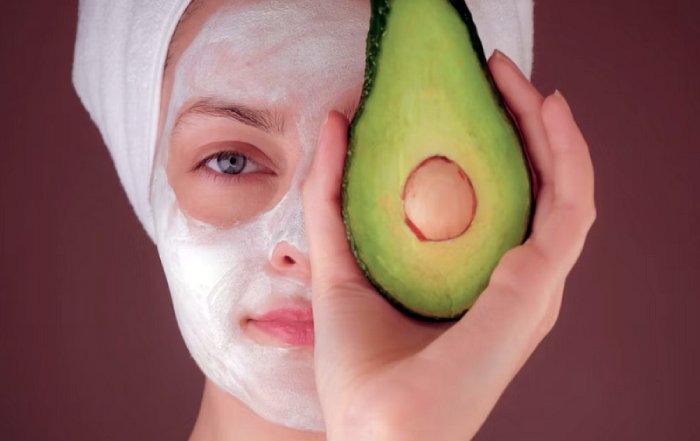
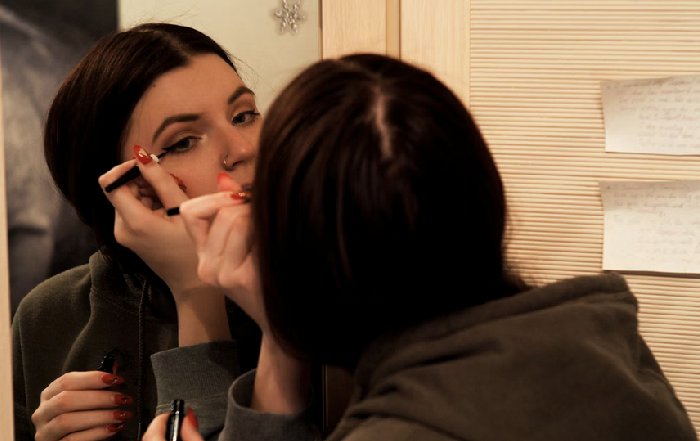
For professionals who follow BeautyTipa's coverage of daily routines and habit-building, a practical morning structure might include a short hydration ritual, a simple skincare routine, a few minutes of breathwork or journaling, and a light, balanced breakfast. The skincare component is particularly relevant for readers interested in evidence-based skincare practices, who increasingly favor minimalist, dermatologist-informed routines over complex, time-consuming regimens. Resources from the American Academy of Dermatology offer guidance on gentle cleansing, sun protection, and the use of actives such as retinoids and vitamin C; individuals can explore dermatologist-approved skincare basics. By aligning morning rituals with both dermatological science and psychological well-being, individuals create a foundation that supports confidence, professional presence, and long-term skin health.
Integrating Movement and Physical Activity Throughout the Day
In many major cities such as New York, London, Berlin, Singapore, and Sydney, work remains predominantly sedentary, even as hybrid and remote models become standard. The World Health Organization recommends at least 150-300 minutes of moderate-intensity aerobic activity per week for adults, alongside muscle-strengthening activities on two or more days; those interested can review WHO's physical activity guidelines. Rather than viewing these targets as additional burdens, leading wellness experts advise reframing them as small increments embedded into existing schedules: walking or cycling for short commutes, using stairs instead of elevators, and incorporating brief movement breaks between virtual meetings.
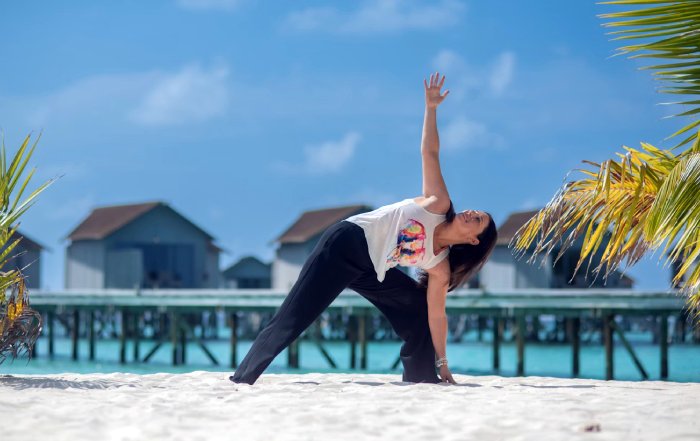
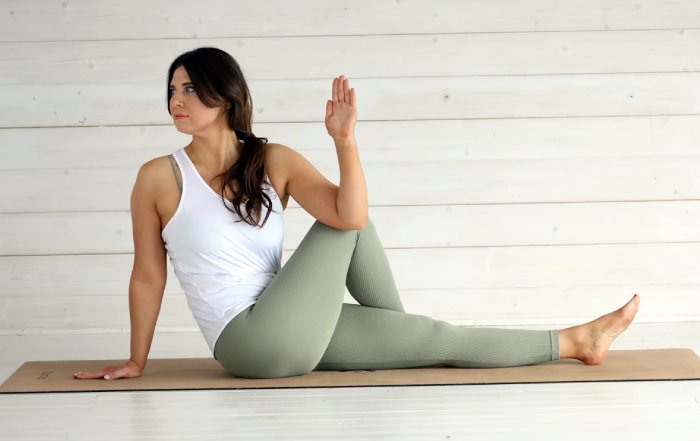
Readers who turn to BeautyTipa's coverage of health and fitness often seek clarity on how to balance structured exercise-such as gym sessions, yoga classes, or strength training-with informal activity like walking meetings or active play with children. Evidence from institutions such as Mayo Clinic underscores that even short bouts of activity, when accumulated, can meaningfully contribute to cardiovascular health and metabolic function; those interested can explore Mayo Clinic's overview of exercise benefits. For professionals across Europe, Asia, and North America, this means that wellness can be advanced not only through scheduled workouts but also through micro-movements built into the rhythm of the workday, supported by ergonomic adjustments and intentional breaks away from screens.
Mindfulness, Mental Health, and Stress Management
Mental well-being has taken center stage in global wellness conversations, particularly after years of heightened uncertainty, digital overload, and geopolitical tension. In 2026, mindfulness and mental health practices are widely recognized as core components of wellness rather than optional add-ons. Evidence from organizations such as Mind in the United Kingdom and NAMI in the United States has helped normalize discussions about anxiety, depression, and burnout in professional environments; readers can learn more about practical mental health strategies. At the same time, mindfulness-based interventions, including short guided meditations, breathing exercises, and body scans, have been shown to reduce stress and enhance focus, making them particularly valuable for knowledge workers and entrepreneurs.
On BeautyTipa, the intersection of mental health with beauty, wellness, and self-care is increasingly explored through features that connect emotional resilience with skincare rituals, movement practices, and social connection. Articles within its guides and tips section often emphasize that sustainable wellness is rooted in self-awareness and self-compassion rather than perfectionism or comparison. For readers who wish to deepen their understanding of meditation and contemplative practices, institutions such as UCLA Health provide accessible resources and guided sessions; individuals can explore UCLA's mindfulness offerings. Integrating even five to ten minutes of daily mindfulness-whether during a commute in Tokyo, a lunch break in Paris, or a quiet moment in Toronto-can help recalibrate stress responses and improve decision-making.
Nutrition, Energy, and the Role of Food in Daily Wellness
Nutrition remains one of the most influential yet misunderstood components of wellness, with conflicting trends and regional variations across the United States, Europe, Asia, and beyond. In 2026, the most credible frameworks emphasize whole, minimally processed foods; balanced macronutrients; and attention to individual needs, cultural preferences, and potential medical conditions. Institutions such as the Harvard T.H. Chan School of Public Health provide accessible models such as the Healthy Eating Plate, which prioritize vegetables, fruits, whole grains, healthy proteins, and unsaturated fats; those interested can learn more about evidence-based healthy eating patterns. This approach is adaptable across cuisines, from Mediterranean diets in Italy and Spain to plant-forward traditions in Japan, South Korea, and Thailand.
Readers who engage with BeautyTipa's coverage of food and nutrition often seek clarity on how dietary choices influence skin health, energy levels, mood, and long-term disease risk. Dermatological and nutritional research increasingly supports the connection between diet and skin conditions such as acne, rosacea, and premature aging, while metabolic studies underscore the impact of ultra-processed foods on inflammation and weight management. Reputable organizations like the Academy of Nutrition and Dietetics offer guidance on tailoring nutrition plans to individual goals and health statuses; professionals and families can explore practical nutrition advice. For busy professionals in cities such as London, Frankfurt, Singapore, and New York, the key is often not elaborate meal preparation but strategic decisions: prioritizing a protein-rich breakfast, ensuring access to nutrient-dense snacks, and planning simple, balanced dinners that minimize reliance on takeout or heavily processed foods.
Sleep Hygiene and Recovery as Strategic Assets
In high-performance cultures from the United States and United Kingdom to China and South Korea, sleep has historically been sacrificed in the pursuit of productivity. However, by 2026, there is broad recognition in the scientific and business communities that inadequate sleep erodes cognitive function, emotional regulation, creativity, and physical health. Organizations such as the Sleep Foundation and National Sleep Foundation have been instrumental in disseminating evidence-based recommendations that most adults require seven to nine hours of quality sleep per night; individuals can review sleep duration and quality guidelines. For executives, entrepreneurs, and creatives, sleep is increasingly framed as a non-negotiable performance enhancer rather than a negotiable luxury.
Readers who follow BeautyTipa's explorations of wellness and performance recognize that recovery extends beyond sleep to include rest from screens, emotional decompression, and physical regeneration. Blue-light exposure, late-night email, and social media scrolling have been shown to disrupt circadian rhythms and delay sleep onset, prompting many professionals to adopt digital curfews, blue-light filters, and bedroom environments optimized for darkness, quiet, and comfort. Clinical resources from Cleveland Clinic explain how sleep hygiene practices-such as consistent bedtimes, relaxing pre-sleep rituals, and reduced caffeine intake-can improve both the quantity and quality of rest; readers can learn more about improving sleep hygiene. On BeautyTipa, these insights are often paired with discussions of evening skincare and self-care routines, illustrating how beauty rituals can be transformed into calming signals that prepare the body and mind for restorative sleep.
Skincare, Beauty, and Wellness as an Integrated Practice
The global beauty industry, spanning markets in the United States, United Kingdom, France, South Korea, Japan, and beyond, has undergone a profound transformation since the early 2020s. Consumers now demand that skincare and beauty products not only deliver visible results but also align with broader wellness values: safety, transparency, sustainability, and psychological well-being. On BeautyTipa, this convergence is evident across its skincare coverage, beauty industry analysis, and detailed reviews of brands and products, where readers expect a balanced assessment of efficacy, ingredients, and ethical considerations.
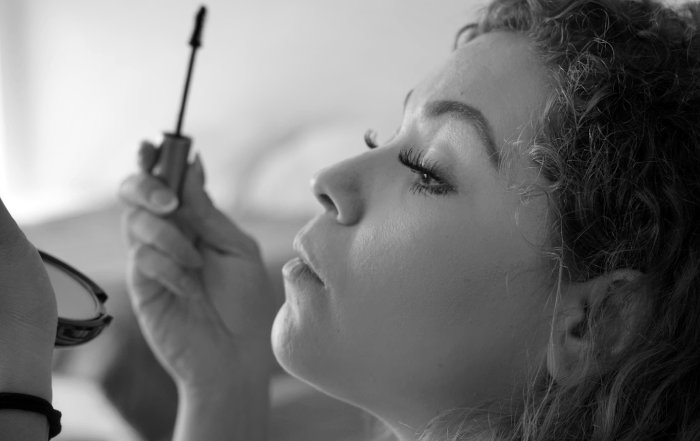
Leading dermatologists and cosmetic scientists, including experts associated with institutions like the British Association of Dermatologists, emphasize that a consistent, simple routine tailored to skin type and concerns is more effective than frequent product changes or excessive layering; individuals can explore dermatologist advice on everyday skincare. At the same time, mental health researchers highlight that beauty rituals can serve as grounding practices that foster self-connection and emotional regulation, particularly when approached with intention rather than self-criticism. For example, a professional in Toronto or Amsterdam might treat their evening cleansing and moisturizing as an opportunity to slow down, practice gratitude, and disconnect from work-related stress, thereby turning a functional task into a holistic wellness moment. This reframing is central to BeautyTipa's editorial approach, which invites readers to see beauty not as a mask but as a dimension of overall well-being.
Technology, Data, and Personalization in Daily Wellness
By 2026, the integration of technology into wellness routines has accelerated, with wearables, health apps, and AI-driven platforms shaping how individuals track sleep, activity, nutrition, and stress. While this offers unprecedented opportunities for personalization, it also raises questions about data privacy, information overload, and the reliability of algorithmic recommendations. On BeautyTipa's technology and beauty section, readers encounter analyses of how major technology companies and emerging startups are developing devices and platforms designed to measure everything from heart rate variability to skin hydration, often drawing on research from organizations such as MIT and Stanford University; professionals can learn more about digital health innovation.
For individuals seeking to incorporate wellness practices into daily life without becoming dependent on constant tracking, the key is to use technology as a supportive tool rather than a controlling authority. For example, a wearable device may prompt a knowledge worker in Zurich or Singapore to stand up and move every hour, while a mindfulness app offers a short guided practice between meetings. However, the core decisions about rest, boundaries, and priorities must still be grounded in self-awareness and trusted information sources. Reputable health systems such as Cleveland Clinic and Mayo Clinic provide guidance on interpreting health data and avoiding common pitfalls of self-diagnosis; readers can review Mayo Clinic's perspective on health apps and wearables. BeautyTipa complements these perspectives by contextualizing beauty and wellness technologies within broader lifestyle considerations, helping readers decide which tools genuinely enhance their routines and which may add unnecessary complexity.
Workplace Wellness, Careers, and the Future of Employment
The relationship between wellness and work has shifted dramatically, particularly in knowledge-driven economies across North America, Europe, and Asia-Pacific. Flexible and remote work models, once considered perks, are now mainstream in many sectors, making it both easier and more challenging to integrate wellness practices into daily life. On one hand, professionals in cities such as London, Vancouver, and Melbourne may have more control over their schedules and environments; on the other, blurred boundaries between work and personal time can lead to longer hours and persistent digital engagement. Business publications and consulting firms, including Deloitte and PwC, have documented the financial and cultural costs of burnout, while also highlighting best practices in organizational well-being; executives can learn more about workplace well-being strategies.
Within this evolving landscape, BeautyTipa's jobs and employment coverage pays particular attention to careers in beauty, wellness, and fashion, industries that are themselves reshaping their internal cultures to attract and retain talent. For individuals working in retail, spas, salons, product development, marketing, or digital content, the question is not only how to maintain personal wellness but also how to advocate for healthier working practices, from reasonable scheduling and ergonomic environments to mental health support and diversity, equity, and inclusion initiatives. Global organizations such as the International Labour Organization offer frameworks for decent work and well-being; professionals can explore ILO resources on workplace health promotion. By aligning personal routines with organizational changes, individuals can help shape workplaces where wellness is embedded in culture rather than relegated to occasional programs.
Cultural, Regional, and Global Perspectives on Daily Wellness
Wellness practices are deeply influenced by cultural norms, traditional health systems, and regional lifestyles. In Europe, Mediterranean dietary patterns and walking-friendly urban design support naturally active and social lifestyles, while in East Asia, traditions such as Japanese onsen culture, Korean skincare rituals, and Chinese tai chi and qigong offer longstanding models of integrated mind-body care. In the Nordic countries, concepts like hygge and friluftsliv emphasize comfort, nature, and simplicity, contributing to high levels of reported well-being in Denmark, Norway, Sweden, and Finland. Global organizations such as the Organisation for Economic Co-operation and Development (OECD) publish comparative data on life satisfaction and well-being across nations; readers can explore OECD's Better Life Index.
For a global readership that spans the United States, United Kingdom, Germany, France, Italy, Spain, Netherlands, Switzerland, China, Singapore, South Korea, Japan, Thailand, South Africa, Brazil, Malaysia, New Zealand, and beyond, BeautyTipa serves as a bridge between local traditions and international trends. Its trends section monitors how regional practices-from Korean multi-step skincare to Brazilian body care rituals-are adapted and reinterpreted in other markets, while its international coverage highlights policy changes, industry developments, and cross-border collaborations in beauty and wellness. By appreciating cultural diversity and avoiding one-size-fits-all prescriptions, individuals can select wellness practices that resonate with their heritage, environment, and personal values, while still grounding their choices in credible, globally recognized evidence.
Turning Insight into Action: Designing a Personal Daily Wellness Framework
The challenge in 2026 is not a lack of information about wellness but the difficulty of translating abundant, sometimes conflicting advice into a coherent, sustainable daily practice. For the readers of BeautyTipa, the most effective approach is to treat wellness as an ongoing design process rather than a fixed destination, guided by four principles: clarity, consistency, adaptability, and trust in reputable sources. Clarity involves defining what wellness means personally, whether it is improved energy, better skin, emotional resilience, or enhanced performance at work. Consistency emphasizes small, repeatable actions-such as a five-minute morning stretch, a daily walk, a simple skincare routine, or a nightly digital curfew-over sporadic, intensive efforts. Adaptability recognizes that life stages, work demands, and health conditions change, requiring regular reassessment and adjustment of routines. Trust ensures that decisions are informed by reliable organizations, such as the World Health Organization, Harvard Medical School, Mayo Clinic, and respected professional associations, rather than unverified social media trends.
Within this framework, BeautyTipa positions itself as a companion and curator, connecting readers to practical insights across beauty, wellness, skincare, guides and tips, and adjacent fields such as fashion, nutrition, and technology. As individuals in New York, London, Berlin, Toronto, Sydney, Paris, Milan, Madrid, Amsterdam, Zurich, Shanghai, Stockholm, Oslo, Copenhagen, Seoul, Tokyo, Bangkok, Johannesburg, São Paulo, Kuala Lumpur, and Auckland navigate their own paths, the core message remains consistent: wellness is not a separate project but a way of living, built through intentional choices woven into ordinary days. By combining credible knowledge with personal experimentation, and by viewing beauty, health, and performance as interconnected, readers can design daily routines that not only look good on paper but genuinely enhance their lives in a fast-changing world.