
How Beauty Retail Is Evolving Worldwide in 2026
A New Era for Global Beauty Retail
By 2026, beauty retail has completed a profound shift from a product-led, store-centric model into a fluid, data-driven and emotionally resonant ecosystem that connects physical spaces, digital platforms, local communities and global audiences in real time. Consumers in the United States, the United Kingdom, Germany, Canada, Australia, France, Italy, Spain, the Netherlands, Switzerland, China, Sweden, Norway, Singapore, Denmark, South Korea, Japan, Thailand, Finland, South Africa, Brazil, Malaysia, New Zealand and other regions now approach beauty as an expression of identity, health and values rather than as a simple transaction, expecting every interaction to be technologically sophisticated, ethically grounded and personally meaningful.
For BeautyTipa and its international readership, who regularly move between in-depth beauty and skincare coverage, integrated wellness insights and strategic analysis of business and finance in beauty, understanding how this landscape has evolved by 2026 is essential rather than optional. It shapes how brands are built, how careers develop, how investments are evaluated and how daily routines are designed, especially as the industry becomes more competitive, more regulated and more tightly interwoven with technology, health and sustainability.
From Counters to Creative Studios: The Reinvented Beauty Store
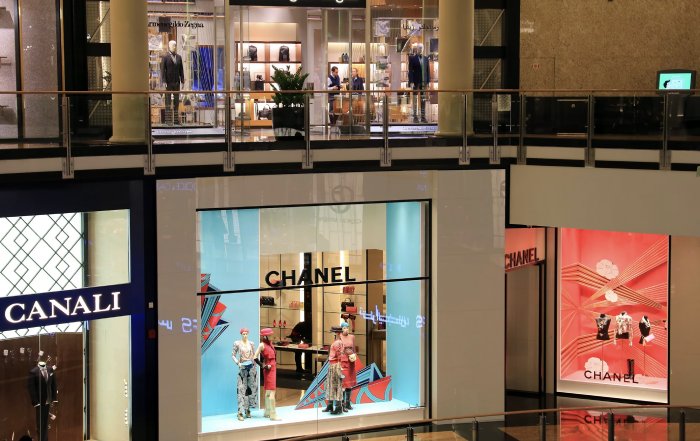
The classic beauty counter, defined by glass cases, scripted pitches and rigid merchandising, has given way to immersive, service-led environments that function as creative studios, wellness hubs and content spaces. In major cities such as New York, Los Angeles, London, Paris, Berlin, Milan, Tokyo, Seoul and Singapore, leading retailers inspired by pioneers like Sephora and Ulta Beauty have reimagined their flagship locations as hybrid venues where education, experimentation and community engagement take precedence over immediate conversion.
These new-format stores blend hands-on services, expert consultations and digital interfaces into a cohesive journey. Skin diagnostics are increasingly conducted with devices that echo dermatology clinic tools, aligning with the science-based guidance popularized by institutions such as the American Academy of Dermatology and Mayo Clinic, while beauty advisors are trained to interpret this data and translate it into practical routines. For readers of BeautyTipa who follow detailed skincare guidance and ingredient breakdowns, this convergence of clinical insight and experiential retail makes the store a tangible extension of the research they conduct online.
In Asia, particularly in South Korea, Japan, China, Singapore and Thailand, beauty retail continues to set the global pace for experiential innovation. Concept spaces integrate café culture, gaming aesthetics, K-pop and J-beauty influences, and hospitality-style service, creating environments where customers linger to test products, attend masterclasses or create content rather than simply purchase and leave. These formats, now exported to Europe and North America, are reshaping what consumers everywhere expect from a physical beauty destination: a place where brand storytelling, sensory design, digital tools and human expertise are orchestrated into a coherent, memorable experience.
Hybrid Commerce: Seamless Journeys Across Channels
The rapid acceleration of e-commerce during the early 2020s has matured into a hybrid commerce reality in 2026, where the distinction between online and offline has largely dissolved from the consumer's perspective. Beauty shoppers in North America, Europe and Asia typically research products on social media, compare prices on marketplaces, consult reviews on editorial platforms, visit stores for diagnostics or shade matching and finally purchase through whichever channel offers the best combination of convenience, trust and value, expecting all touchpoints to recognize their preferences and history.
Global groups such as LVMH, L'Oréal, The Estée Lauder Companies and Shiseido have invested heavily in unified commerce infrastructures that synchronize inventory, pricing, loyalty programs and customer profiles across regions and devices. Strategic reports from firms like McKinsey & Company and Bain & Company underline that omnichannel customers remain more valuable, more loyal and more engaged than those who interact through a single route, leading retailers to prioritize frictionless transitions between app, web, store and social commerce.
For independent brands and regional retailers in markets such as Brazil, South Africa, Malaysia, the Nordics and the Middle East, the 2026 landscape requires digital capability from day one. Direct-to-consumer storefronts built on platforms like Shopify are often complemented by partnerships with specialty e-retailers, live shopping collaborations and marketplace listings, while payment solutions from providers like Klarna or local fintech players enable flexible purchasing options. As BeautyTipa explores in its coverage of technology and beauty innovation, success in this environment increasingly depends on data literacy, content excellence and community building rather than on distribution scale alone.
AI, Hyper-Personalization and the Responsible Use of Data
By 2026, artificial intelligence is no longer a peripheral experiment in beauty retail; it is embedded into the core of product discovery, recommendation engines, pricing strategies, inventory management and customer service. Consumers in the United States, the United Kingdom, Germany, France, Italy, Spain, China, South Korea, Japan and beyond now expect highly personalized suggestions based on their skin type, tone, lifestyle, climate, budget and ethical preferences, delivered through AI-powered tools that operate across apps, websites, in-store screens and messaging platforms.
Technology providers such as Perfect Corp. and ModiFace, the latter integrated into L'Oréal's ecosystem, have refined virtual try-on and shade-matching capabilities to work more accurately across a wider range of lighting conditions and skin tones, while major retailers have adopted these tools to reduce returns and increase customer satisfaction. Research and advisory firms like Deloitte continue to highlight augmented reality and AI as critical enablers of engagement and conversion, especially among younger demographics who are comfortable testing looks via smartphone before ever touching a physical tester. For BeautyTipa readers interested in advanced makeup techniques and product selection, these technologies offer a pragmatic way to experiment with complex looks or unfamiliar shades while mitigating risk and waste.
However, the rise of AI intensifies scrutiny around data privacy, algorithmic bias and transparency. Regulatory frameworks in the European Union, the United Kingdom and other jurisdictions, informed by bodies such as the European Commission and the OECD, have pushed beauty companies to implement clearer consent mechanisms, explainable AI models and robust governance around biometric and behavioral data. Consumers are increasingly aware that their skin scans, purchase histories and engagement patterns hold value, and they expect brands to protect this information and use it in ways that align with their interests. For BeautyTipa, which positions trust and critical analysis at the heart of its editorial mission, the responsible deployment of AI and data-driven personalization is now a central theme rather than a niche concern.
🌍 Beauty Retail Evolution 2026
From Counters to Creative Studios
Physical stores transform into immersive service-led environments functioning as creative studios, wellness hubs, and content spaces with hands-on services, expert consultations, and digital interfaces.
Seamless Omnichannel Commerce
Online and offline boundaries dissolve as customers research on social media, compare on marketplaces, visit stores for diagnostics, and purchase through the most convenient channel with unified experiences.
Hyper-Personalization & Data
AI powers product discovery, recommendations, and virtual try-on across all touchpoints, with heightened focus on privacy, algorithmic transparency, and responsible data use under stricter regulations.
Beauty-Health Convergence
External appearance, internal balance, and mental resilience unite into one holistic approach, integrating skincare, nutrition, fitness, and preventive health with scientific validation.
Measurable Sustainability
Beyond marketing rhetoric to verifiable environmental and social impact through circular solutions, refill systems, transparent emissions reporting, and ethical supply chains.
🇺🇸North America
Specialty chains and mass retailers dominate, with vibrant indie ecosystems pushing innovation in clinical skincare, niche fragrance, and inclusive shade ranges.
🇬🇧Europe
Strong department store traditions evolve with concept stores focusing on clean beauty, transparency, and dermatological endorsement across UK, France, Germany, and Nordics.
🇰🇷Asia Pacific
South Korea, Japan, China, and Singapore lead experiential innovation with live-stream shopping, social commerce, and hyper-personalized routines based on climate and lifestyle data.
🇧🇷South America
Markets like Brazil navigate economic volatility while showcasing rich botanicals and indigenous rituals, leveraging digital tools for domestic and diaspora audiences.
🇿🇦Africa
South Africa, Nigeria, and Kenya balance infrastructure challenges with cultural aesthetics and botanical heritage gaining global appreciation.
🇦🇪Middle East
Dubai and regional hubs blend luxury retail with digital innovation, serving diverse international communities with premium and niche offerings.
Clinical-Grade Diagnostics
In-store skin diagnostics using dermatology clinic-level devices, with trained advisors interpreting data for science-based, personalized routines.
Virtual Try-On & AR
Advanced AI-powered shade-matching and augmented reality tools working accurately across lighting conditions and diverse skin tones to reduce returns.
Flexible Payment Solutions
Integration with Klarna and local fintech providers enabling buy-now-pay-later and flexible purchasing options across all channels.
Refill & Circular Systems
In-store refill bars, packaging reduction initiatives, and recyclability programs driven by regulatory measures and consumer activism.
Live Shopping Integration
Real-time tutorials and product demonstrations linked directly to purchase options, pioneered in Asia and adopted globally.
Educational Content Hubs
Stores as learning destinations with masterclasses, workshops, and teleconsultations with dermatologists, nutritionists, and wellness coaches.
1Human-Centric Technology
Balance AI, AR, and automation with genuine empathy, cultural intelligence, and creative storytelling. Competitive advantage comes from feeling both technologically advanced and authentically human.
2Systemic Sustainability
Move from incremental improvements to fundamental change in sourcing, production, logistics, and packaging. Demonstrate transparent, measurable progress under stricter regulatory frameworks.
3Cross-Category Integration
Deepen convergence of beauty, wellness, health, nutrition, and fashion, creating new product categories and service models that reflect how consumers actually live.
4Talent & Culture Investment
Build diverse, well-supported teams with cross-functional collaboration. Differentiation increasingly stems from people who design experiences, interpret data, and build communities.
Beauty, Wellness and Health: A Unified Consumer Mindset
The convergence of beauty, wellness and health that accelerated earlier in the decade has deepened by 2026 into a unified mindset, in which external appearance, internal balance and mental resilience are seen as interdependent. Consumers across North America, Europe, Asia, Africa and South America increasingly integrate skincare, nutrition, sleep, stress management, fitness and preventive health into a single routine, drawing on guidance from trusted medical and public health institutions such as the World Health Organization and the Harvard T.H. Chan School of Public Health.
Retailers have responded by curating assortments that span topical skincare, ingestible beauty, adaptogenic formulas, microbiome-supportive products, sleep aids and stress-relief tools, often supported by educational content, in-store workshops and teleconsultations with dermatologists, nutritionists or health coaches. In countries like Germany, France, the Nordics and Switzerland, where pharmacy channels already hold strong authority, the boundary between pharmacy, wellness boutique and beauty retailer has become increasingly porous. For BeautyTipa readers who regularly explore wellness, health and fitness and food and nutrition content alongside skincare and makeup, this integrated approach reflects real-life behavior and expectations more accurately than traditional, siloed merchandising ever did.
Scientific validation has become a crucial differentiator in this environment. Consumers now routinely consult resources like the National Institutes of Health and PubMed when evaluating active ingredients, from retinoids and peptides to probiotics and botanical extracts, and they look for brands that can substantiate claims with peer-reviewed data or robust clinical testing. Retailers that are able to translate complex scientific findings into accessible, honest explanations gain authority and loyalty, while those who continue to rely on vague marketing language or unsubstantiated promises face increasing skepticism.
Sustainability, Ethics and the Demand for Measurable Impact
Sustainability in beauty retail has moved decisively beyond marketing rhetoric into an expectation of measurable, verifiable impact. Across the European Union, the United Kingdom and the Nordics in particular, regulatory measures and consumer activism have driven brands and retailers to adopt more rigorous environmental and social practices, ranging from low-impact ingredient sourcing and renewable energy in manufacturing to refill systems, packaging reduction and transparent reporting of emissions and waste. In North America, Asia and other regions, younger consumers remain the most vocal drivers of change, pressuring companies to demonstrate how their products and operations align with broader climate and social justice goals.
Reports from organizations such as the UN Environment Programme and the Ellen MacArthur Foundation continue to highlight the urgent need for circular solutions in packaging and resource use, prompting retailers to expand in-store recycling programs, introduce refill bars and prioritize brands that design for reuse and recyclability. For the BeautyTipa community, which follows brands and products with a discerning eye, sustainability has become a key dimension of product selection, influencing both everyday purchases and long-term brand loyalty.
Ethical considerations now extend across a broad spectrum that includes cruelty-free testing, fair labor conditions, diversity and inclusion in product ranges and marketing, and transparency in supply chains. Certifications supported by organizations such as Leaping Bunny and Fairtrade International help consumers navigate complex claims, but they do not eliminate the risk of greenwashing or ethics-washing. In this context, platforms like BeautyTipa, with their commitment to rigorous guides and practical advice, play a crucial role in dissecting terminology, explaining standards and helping readers distinguish between substantive progress and superficial messaging.
Regional Dynamics: Diversity Within Convergence
While global forces such as digitalization, wellness integration and sustainability shape beauty retail everywhere, regional dynamics remain highly relevant in 2026. In the United States and Canada, large specialty chains, mass retailers and pharmacy networks still dominate volume, yet a vibrant ecosystem of indie multi-brand boutiques and direct-to-consumer labels continues to influence trends and push innovation, particularly in areas like clinical skincare, niche fragrance and inclusive shade ranges. The United Kingdom, France, Italy and Spain maintain strong department store and perfumery traditions, but they have also become fertile ground for concept stores focusing on clean beauty, professional-grade treatments or artisanal fragrances, often supported by strong editorial storytelling.
Germany, the Netherlands, Switzerland and the Nordic countries tend to prioritize functionality, ingredient transparency, dermatological endorsement and sustainability, with consumers comfortable mixing mainstream pharmacy brands with specialized online finds. In Asia, the energy of South Korea, Japan, China, Singapore and Thailand continues to drive rapid product cycles and experimental formats, from live-stream shopping and social-commerce superapps to hyper-personalized routines built around climate, pollution levels and lifestyle data. Practices that originated in these markets, such as live tutorials linked directly to purchase options, are increasingly adopted by retailers in Europe and North America, reshaping expectations for immediacy and interactivity.
In South America and Africa, including key markets such as Brazil, South Africa, Nigeria and Kenya, beauty retail navigates economic volatility, infrastructure constraints and significant income disparities, yet these regions are also rich in botanicals, indigenous rituals and cultural aesthetics that global consumers are beginning to appreciate. Internationalization strategies, which BeautyTipa covers through its global and regional insights, show that successful expansion depends on respecting local heritage and needs while leveraging digital tools to serve both domestic customers and diasporic communities abroad.
Capital, Consolidation and the Economics of Beauty
The beauty sector remains attractive to investors in 2026, but the nature of capital deployment has evolved. Analyses from advisory and audit firms such as PwC and KPMG indicate that mergers and acquisitions continue to reshape the competitive landscape, with major groups acquiring high-growth niche brands in areas like clinical skincare, prestige fragrance, dermocosmetics and wellness-adjacent categories, while some overextended digital-native labels pursue strategic partnerships or exits to achieve scale and profitability.
For entrepreneurs, executives and investors who rely on BeautyTipa's business and finance reporting, the 2026 environment is characterized by heightened scrutiny on fundamentals. The era of rapid, heavily subsidized growth with limited attention to profitability has given way to a focus on unit economics, sustainable customer acquisition, retention quality and operational resilience. Brands are expected to demonstrate clear differentiation-whether through proprietary technology, unique intellectual property, community strength or supply chain innovation-rather than relying solely on branding and influencer reach.
Financial resilience in beauty retail now hinges on diversified revenue streams, agile supply chains and sophisticated demand forecasting. Retailers and brands increasingly use advanced analytics and AI, supported by enterprise technology providers highlighted by organizations such as Gartner, to optimize assortments, reduce markdowns and respond quickly to shifts in demand across regions and channels. Those that integrate financial discipline with creativity and customer-centric thinking are better positioned to withstand macroeconomic fluctuations and competitive pressures.
Employment, Skills and Careers in the 2026 Beauty Economy
The evolution of beauty retail has transformed career paths and skill requirements across the industry. Traditional roles such as beauty advisors, makeup artists and skincare specialists remain vital, but they now sit alongside and intersect with positions in e-commerce operations, data analysis, UX design, content production, community management, supply chain optimization and sustainability leadership. Beauty professionals in the United States, the United Kingdom, Germany, France, Italy, Spain, the Nordics, China, Japan, South Korea, Southeast Asia, the Middle East, Africa and Latin America are increasingly expected to combine creative sensibility with digital fluency and commercial awareness.
For readers exploring the job market through BeautyTipa's jobs and employment section, it is clear that roles have become more hybrid. In-store advisors may provide consultations via video, manage local social channels and contribute to data collection for personalization engines, while marketing teams must understand influencer ecosystems, live-stream formats and performance metrics across multiple platforms. Industry associations and regulatory bodies, including organizations highlighted by Cosmetics Europe and the Personal Care Products Council, are expanding training programs that combine product science, safety standards, digital marketing and sustainability knowledge.
Remote and hybrid work arrangements, which expanded significantly earlier in the decade, remain common in 2026 for roles in customer service, digital content, brand strategy and even certain R&D and regulatory functions. This has opened opportunities for talent in markets such as India, South Africa, Brazil, Eastern Europe and Southeast Asia to contribute to global beauty operations, intensifying competition but also enriching the industry's diversity. Companies that invest in continuous learning, inclusive cultures, fair compensation and clear progression paths are better able to attract and retain the multidisciplinary talent needed to navigate an increasingly complex marketplace.
Culture, Trends and the Role of BeautyTipa as a Strategic Guide
The cultural dynamics of beauty in 2026 are faster and more interconnected than at any previous time. Micro-trends in skincare, hair, fragrance, color cosmetics, wellness and fashion can emerge from Seoul, Lagos, São Paulo, Berlin, Los Angeles or Johannesburg and spread globally within days through social media, streaming platforms and digital publications. At the same time, consumers are becoming more selective and more critical, seeking narratives and products that align with their personal values, cultural identities and practical needs rather than simply following every emerging trend.
Platforms such as BeautyTipa serve as essential navigators in this environment by curating and contextualizing what matters. Through its coverage of emerging beauty and wellness trends, its focus on industry events and trade shows and its exploration of the intersection between beauty, style and culture on its fashion pages, BeautyTipa helps readers distinguish between fleeting buzz and meaningful shifts. For professionals and consumers alike, the value lies not only in knowing which ingredients, textures or aesthetics are gaining popularity, but in understanding the demographic, technological, economic and cultural forces that underpin them.
BeautyTipa's editorial philosophy emphasizes experience, expertise, authoritativeness and trustworthiness, positioning the platform as a strategic partner rather than a passive observer. By connecting product analysis with scientific context, decoding marketing claims, examining the implications of regulatory changes and highlighting best practices in digital innovation and sustainability, BeautyTipa supports its community in building routines, brands, investments and careers that are both aspirational and grounded in reality. Its integrated structure, which brings together beauty, wellness, business, technology and lifestyle content, mirrors the holistic way in which modern consumers make decisions.
Strategic Priorities for the Next Phase of Beauty Retail
As the beauty industry progresses through 2026 and looks ahead to the late 2020s, several strategic priorities are emerging for brands, retailers, investors and professionals worldwide. First, technology must remain firmly human-centric. AI, AR, data analytics and automation will continue to shape personalization, operations and engagement, but competitive advantage will come from combining these tools with genuine empathy, cultural intelligence and creative storytelling. Consumers in the United States, Europe, Asia, Africa and South America increasingly reward brands that feel both technologically advanced and authentically human.
Second, sustainability and ethical responsibility are set to intensify as defining expectations rather than differentiating features. Regulatory frameworks will likely become stricter, and consumer awareness will continue to grow, pushing companies to move from incremental improvements to systemic change in sourcing, production, logistics, packaging and end-of-life solutions. Organizations that can demonstrate transparent, measurable progress and invite stakeholders into their journey will strengthen their reputations and build durable trust.
Third, the convergence of beauty, wellness, health, nutrition and fashion will deepen, creating new product categories, service models and partnerships that cut across traditional industry boundaries. For BeautyTipa, which already integrates beauty, wellness, nutrition, fitness and fashion into a coherent editorial ecosystem, this represents an opportunity to deliver even more comprehensive perspectives that reflect how readers live, consume and plan their futures.
Finally, talent and organizational culture will remain central to long-term success. In a world where formulations can be replicated and digital tools are widely accessible, differentiation will increasingly stem from the people who design experiences, interpret data, craft narratives and build communities. Companies that invest in diverse, well-supported teams and encourage cross-functional collaboration will be best positioned to innovate responsibly and sustain relevance.
For the global audience of BeautyTipa-from New York, Toronto and Mexico City to London, Berlin and Stockholm; from Dubai, Singapore and Seoul to Johannesburg, São Paulo and Sydney-the ongoing transformation of beauty retail is not an abstract industry trend but a lived reality that shapes daily routines, professional ambitions and investment decisions. By staying informed through trusted platforms, questioning assumptions, experimenting thoughtfully and aligning choices with personal values, they are not only navigating the changes of 2026 but also actively participating in shaping the next chapter of beauty worldwide.
