Timeless Beauty Tips Passed Down Through Generations

Last updated by Editorial team at beautytipa.com on Thursday 7 August 2025
Timeless Beauty Tips Passed Down Through Generations

In a global marketplace saturated with cutting-edge beauty technologies, AI-powered diagnostics, and lab-generated serums, one trend continues to rise above the noise—heritage beauty. Across generations and geographies, the most effective and enduring beauty practices are not born in laboratories but rooted in cultural memory, nurtured through familial rituals, and cherished as part of a lineage of self-care.

These timeless beauty tips are not only practical and effective but emotionally resonant. They are often passed down from grandmothers to mothers to daughters, forming an unbroken chain of personal and cultural continuity. The tips may vary by region—from botanical oils in Africa to fermented rice water in East Asia, clay-based purification in the Americas, and thermal waters in Europe—but the underlying principles of care, balance, and respect for nature are remarkably consistent.

The renewed global interest in ancient beauty rituals signals a movement toward cleaner, more sustainable, and more mindful skincare and self-care. Consumers, particularly across North America, Europe, and Asia, are seeking authentic experiences and trustworthy routines that have stood the test of time. As the beauty industry undergoes rapid transformation, these heritage-based routines offer both emotional value and tangible results.

Readers of BeautyTipa’s skincare section and wellness category are part of this global shift—choosing wisdom over fads, and tradition over trend cycles.

🌍 Heritage Beauty Explorer

Discover timeless beauty rituals from around the world

East Asia: Rice Water, Fermentation, and Layered Hydration

Japan: Ritualistic Purity and Simplicity

In Japanese culture, beauty is not merely aesthetic—it’s a philosophical expression of harmony and balance. Passed down through centuries of cultural refinement, the Japanese skincare routine emphasizes double cleansing, toning, and moisture layering, inspired by geisha beauty rituals and practices rooted in Shinto and Zen aesthetics.

A classic and enduring tip is the use of rice water—the milky water left over from rinsing uncooked rice. Rich in amino acids, antioxidants, and minerals, this natural elixir has been used for generations as a skin brightener and anti-inflammatory toner. Modern research confirms its benefits in promoting elasticity and skin regeneration, aligning traditional wisdom with scientific validation.

Today, many Japanese brands, such as SK-II, continue to incorporate fermented ingredients like pitera, a yeast derivative derived from sake brewing, into their best-selling serums. The fermentation process enhances ingredient absorption and antioxidant potency, echoing centuries-old fermentation practices used in Japanese medicine and cuisine.

The modern J-beauty movement still relies heavily on these principles—gentle care, natural ingredients, and multi-step routines, reinforcing the country’s legacy of mindful beauty. Those interested in adopting J-beauty can explore more skincare routines here and current trends.

South Korea: Innovation Meets Inheritance

The world’s fascination with K-beauty is no longer a passing trend but an established global force. However, much of its innovation is grounded in ancestral beauty wisdom. Ginseng, mugwort, green tea, and fermented extracts have long been part of Korean herbal medicine and beauty regimens.

One of the most iconic practices passed down through Korean households is the "7-skin method", where a hydrating toner is patted onto the skin in up to seven layers to enhance absorption and moisture retention. Though modern formulations are more sophisticated, the emphasis on hydration as the foundation of glowing skin remains rooted in generational teachings.

Ingredients like snail mucin, often regarded as exotic in Western markets, have been used in Korea for generations due to their regenerative properties. Likewise, hanbang, the integration of traditional herbal medicine in cosmetics, is now a multi-billion-dollar industry aligned with global preferences for clean beauty.

To explore more about clean beauty trends rooted in ancestral Korean practice, visit BeautyTipa’s beauty section.

The Indian Subcontinent: Ayurveda and the Science of Nature

In India, Ayurveda, the ancient system of medicine developed over 3,000 years ago, considers skincare a vital component of holistic well-being. Passed down through sacred texts and oral tradition, Ayurvedic beauty tips are centered around dosha balance, detoxification, and the nourishment of skin from both the inside and out.

One of the most enduring rituals is oil massage, or abhyanga, using warm oils such as sesame, almond, or neem to detoxify and rejuvenate the skin. Turmeric, known as haldi, is a revered multitasker used in masks, spot treatments, and scrubs for its antibacterial and brightening effects. Combined with ingredients like besan (chickpea flour) and yogurt, these formulations have transcended time.

Another powerful ritual is the use of ubtan—a paste made from herbs, grains, and essential oils. Traditionally applied during pre-wedding ceremonies, ubtan symbolizes spiritual purification and radiant beauty. Brands like Forest Essentials and Kama Ayurveda have commercialized these ancient recipes for modern audiences while maintaining traditional integrity.

To learn how Ayurveda is shaping beauty business models today, see BeautyTipa’s business and finance category.

The Middle East and North Africa: Oils, Hammams, and Ancient Queens

The Middle East and North Africa (MENA) region boasts a treasure trove of time-honored beauty practices. Cleopatra of Egypt, often hailed as one of history’s most iconic beauty figures, is said to have bathed in donkey milk and used black kohl and rose oil in her daily routine. Whether myth or fact, these rituals reflect a deeply embedded beauty culture in the region.

Argan oil, known as "liquid gold," has been used by Berber women of Morocco for centuries to treat skin, hair, and nails. Packed with vitamin E and fatty acids, it offers deep hydration and protection against environmental stressors. Similarly, rose water, traditionally extracted through steam distillation in Iran and Lebanon, remains a staple for its toning, anti-aging, and anti-inflammatory benefits.

The hammam—a steam and exfoliation bath ritual practiced in countries like Turkey, Morocco, and Syria—is another inherited practice that’s being reintroduced into modern wellness spaces. This detoxifying and skin-polishing ritual combines heat, black soap, and vigorous exfoliation using a kessa glove to renew the skin’s texture and tone.

Many luxury brands, including Shiffa and Hammamii, have modernized these rituals for today’s global beauty consumer. Explore more about modern adaptations of ancient wellness in the wellness section at BeautyTipa.

Europe: Herbal Wisdom and Therapeutic Waters

France and Italy: From Farm to Face

In Europe, especially in countries like France and Italy, beauty practices have long intertwined with the natural world. French women have inherited centuries-old skincare wisdom that favors minimalism, elegance, and plant-based formulations. One of the most enduring rituals is cleansing with micellar water, a tip passed down through generations for its ability to remove makeup and impurities without stripping the skin's natural barrier.

Another practice rooted in French tradition is the use of thermal spring waters from regions like Avène and La Roche-Posay. Rich in trace minerals and known for their soothing and anti-inflammatory properties, these waters have been used in both clinical dermatology and personal care. French pharmacies have become international hotspots for consumers seeking both heritage-backed skincare and scientific efficacy.

In Italy, the beauty ritual often starts in the kitchen. Generations of Italian women have used olive oil not only in cooking but as a skin-softening moisturizer and makeup remover. Infused oils, such as calendula, chamomile, and rosemary, are part of family recipes for creams and masks, embodying the philosophy of beauty through simplicity and nourishment.

To understand how these timeless ingredients influence modern products, visit BeautyTipa’s brands and products section.

Nordic Traditions: Cold Beauty and Natural Purity

Scandinavian countries—Sweden, Norway, Denmark, and Finland—have a cultural affinity for pure, minimal, and natural skincare routines, deeply rooted in their landscapes and wellness philosophies. Passed down from mothers to daughters is the ritual of using cold water therapy—washing the face with icy water to tone and tighten the skin. This tip aligns with the Nordic practice of alternating hot saunas with cold plunges, believed to improve circulation and boost collagen.

Another longstanding tradition involves the use of cloudberry, lingonberry, and sea buckthorn, local superfruits rich in vitamin C and antioxidants. Used in facial oils and balms, these berries have been applied for generations to protect skin from harsh winters and UV damage from long summer days.

Contemporary Nordic brands such as Lumene and Bjork and Berries are built on these indigenous ingredients, promoting eco-conscious production and a return to functional, nature-inspired beauty. For more on the rise of sustainable brands, explore BeautyTipa’s technology beauty section.

Africa: The Healing Power of Botanicals

West Africa: Shea Butter and Ancestral Formulas

In West Africa, the use of shea butter dates back thousands of years. Extracted from the nuts of the shea tree and passed down through female-led cooperatives in countries like Ghana, Nigeria, and Burkina Faso, this rich emollient has become a global phenomenon. It is deeply moisturizing, rich in vitamins A and E, and naturally anti-inflammatory.

Traditionally, shea butter is used to treat wounds, soothe skin ailments, and protect against sun exposure, often blended with other natural oils like baobab or moringa. What makes this beauty tip timeless is not just the ingredient, but the ritual of community-based production, empowering generations of women economically while preserving ecological knowledge.

International beauty houses, including L’Occitane and SheaMoisture, have incorporated these traditional formulations into mainstream lines, often partnering with African cooperatives to promote ethical sourcing. Learn more about beauty employment and ethical labor practices globally.

North and East Africa: Black Soap, Frankincense, and Healing Earth

In countries like Ethiopia, Egypt, and Morocco, the heritage of beauty includes the use of black soap (Dudu Osun) made from plantain ash and cocoa pods, prized for its ability to exfoliate, clarify, and soften skin. Passed from generation to generation, it is typically handcrafted by women and used both as a facial cleanser and body wash.

In East Africa, frankincense resin, sourced from Somalia and Ethiopia, is often used in oil infusions for its anti-aging and skin-firming effects. It has been part of ritualistic skincare and spiritual ceremonies, embodying the fusion of inner and outer wellness.

Additionally, red and white clays from African soils are used in masks and poultices to detoxify and rejuvenate the skin, practices that parallel other global traditions like those found in Indigenous American communities. These methods continue to shape international clay-based skincare lines, such as those by Alaffia and Terra Klay.

For a deeper look into the connection between health and beauty, visit BeautyTipa’s health and fitness section.

The Americas: Sacred Earth, Plant Wisdom, and Natural Balance

Indigenous North American Beauty: Clay, Smoke, and Plant Spirit

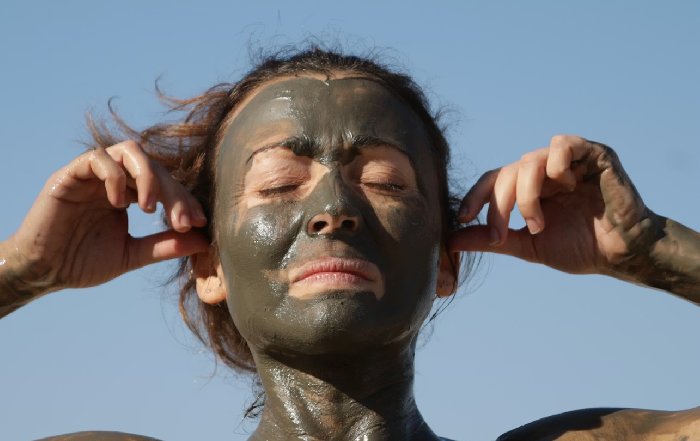
Among Native American tribes, beauty rituals are deeply spiritual and integrative. Passed through oral traditions, the use of bentonite and kaolin clays for face masks and wound healing is a common practice among communities such as the Navajo, Cherokee, and Lakota. These clays are used to draw out toxins, restore minerals, and rejuvenate the skin.

Smoke cleansing with sage or cedar, while often associated with spiritual purification, is also seen as a skin and air purifier, clearing irritants and bacteria from the environment. Juniper oil, sweetgrass water, and wild berry balms round out a set of ingredients focused on restoration and balance, based on harmony with the Earth.

These practices are seeing respectful integration into modern wellness lines, especially by Indigenous-owned brands such as Sister Sky and Bison Star Naturals, which emphasize sustainability, tradition, and natural sourcing.

To learn more about respectful cultural integration in the beauty world, explore BeautyTipa’s international section.

Latin America: Amazonian Wisdom and Fruit-Powered Skincare

In Brazil, Colombia, and Peru, beauty is deeply connected to the Amazon rainforest and its abundance of potent botanicals. Generations of women have used açaí, buriti, and cupuacu butters, along with guarana and clay from riverbanks, as multi-purpose skin and hair solutions. These ingredients are loaded with antioxidants, fatty acids, and phytonutrients, making them invaluable in fighting pollution and UV damage in urbanized areas.

In Mexico, the use of aloe vera, tepezcohuite bark, and avocado masks is a staple tradition, passed through Indigenous families and mestizo communities alike. These ingredients are known for their hydrating, anti-bacterial, and healing properties, and are frequently applied to both face and scalp.

Brands like Natura, Nativo, and Aluna are pioneering eco-conscious beauty lines inspired by ancestral Latin American knowledge. Their growth represents a broader trend toward sustainable luxury, where indigenous science and biodiversity meet modern formulation standards.

Explore the power of nature-based formulations and trends in BeautyTipa’s food and nutrition section and how they influence holistic skincare.

The Global Revival of Ancestral Beauty in the Digital Age

Why Generational Beauty Wisdom is Resurfacing Now

In a beauty industry once driven by aggressive marketing, product hyper-consumption, and rapidly changing trends, a noticeable shift has taken place. Consumers around the world—particularly in markets like the United States, United Kingdom, Germany, Australia, and Japan—are now choosing slower, more meaningful beauty routines grounded in transparency, efficacy, and cultural heritage.

This resurgence of ancestral beauty wisdom is closely tied to modern values: sustainability, wellness, authenticity, and trust. In the digital age, social media platforms like Instagram, YouTube, and TikTok have created global forums where intergenerational knowledge can be preserved and shared. Young influencers are no longer just promoting the newest serum; they’re interviewing their grandmothers, exploring local traditions, and showcasing skincare rituals from their cultural backgrounds.

This digital revival aligns with a broader interest in ancestral healing, natural medicine, and intentional self-care, particularly in the wake of global events that have forced millions to reassess their health and wellness routines. As a result, consumers are seeking more than just results—they want meaning and provenance.

BeautyTipa’s readers exploring guides and tips or events can see firsthand how heritage rituals are being showcased at international wellness expos, cultural festivals, and sustainability summits across the globe.

Brands Leading the Heritage Beauty Movement

A growing number of beauty brands—both global giants and indie startups—are building their identities around timeless, culturally rich practices. These companies are not merely borrowing rituals; they are collaborating with communities, co-creating with Indigenous leaders, and investing in ethical sourcing and story-driven marketing.

Tatcha, inspired by Japanese geisha rituals, has become a leading luxury brand in the U.S. for its clean, heritage-based approach, focusing on ingredients like rice, green tea, and algae.

True Botanicals and Furtuna Skin combine modern biotechnology with traditional Mediterranean remedies—incorporating wild-foraged plants and cold-pressed oils used for centuries in Sicily and southern Europe.

Nécessaire, though minimalist in branding, reflects Nordic ideals of functionality and purity, offering products that focus on skin health rather than trend-driven outcomes.

Biossance, RANAVAT, African Botanics, and Herbivore Botanicals are among the growing number of niche brands focused on holistic routines that honor cultural authenticity while using modern clean formulations.

These brands are not only thriving due to their unique narratives but also because consumers increasingly trust companies that value heritage, ethics, and purpose over sheer marketing noise.

Visit BeautyTipa’s business and finance section for analysis on the economic rise of heritage-based brands in the global market.

Intergenerational Learning: The Heart of Timeless Skincare

From Grandmothers to Gen Z: A Circle of Shared Wisdom

One of the most emotionally resonant aspects of timeless beauty is that it is inherently personal. For many, the most valuable skincare tips were not learned from dermatologists or influencers, but from family. Grandmothers who taught the importance of rosewater spritzes, honey masks, or the power of a daily massage with natural oils, embedded more than just technique—they passed on values of consistency, simplicity, and self-love.

Now, as the beauty space becomes more inclusive and community-driven, these intergenerational stories are gaining visibility and appreciation. Campaigns featuring family legacies, heritage skincare diaries, and even mother-daughter interviews have become highly engaging formats across social platforms.

In places like France, India, South Korea, Brazil, and Kenya, beauty is still seen as a multi-generational bond. It is not uncommon for mothers to introduce children to rituals such as cold cream applications, herbal hair oils, or homemade scrubs, laying the foundation for both skincare literacy and emotional connection.

To explore more wellness-driven lifestyle practices, visit BeautyTipa’s routines section and discover stories that blend beauty with family tradition.

Modern Science Validating Ancient Rituals

While beauty rituals passed down through generations are often regarded as folklore, many are now being validated by science. Institutions across North America, Europe, and Asia are conducting in-depth studies into phytochemicals, fermented extracts, and traditional healing systems, confirming their biochemical benefits.

Fermented rice water, used traditionally in Japan and Korea, is now proven to increase ceramide production and support the skin barrier.

Turmeric and neem, staples in Indian skincare, are being studied for their potent anti-inflammatory and antimicrobial properties, particularly useful in acne-prone skin.

Argan oil, a Moroccan treasure, is rich in tocopherols and sterols, which support collagen production and provide strong antioxidant benefits.

Thermal spring water, popularized in French dermatology, has been demonstrated to significantly reduce eczema symptoms and skin inflammation.

Shea butter and baobab oil, widely used in West African rituals, are celebrated for their high concentration of fatty acids and skin-repairing vitamins.

These discoveries are elevating ancestral beauty from cultural anecdote to evidence-based self-care, reinforcing the value of combining ancient insight with modern technology.

To see how science is shaping the future of heritage beauty, visit BeautyTipa’s technology beauty category.

Sustainability: Timeless Beauty for a Timeless Planet

Another reason generational beauty tips are making a strong comeback is their alignment with eco-conscious living. Traditional beauty rituals typically involve local, plant-based, biodegradable ingredients, made without excess packaging or industrial processes.

In an era where the environmental cost of beauty is under scrutiny, ancestral skincare offers a low-impact, circular alternative. Practices such as oil cleansing, herbal steaming, and multi-use balms not only reduce waste but emphasize slow beauty—the idea that skincare doesn’t need to be fast to be effective.

This mindset is being adopted in leading markets, from Canada to the Netherlands to Singapore, where eco-savvy consumers are shifting their routines toward heritage-based simplicity. It also supports a broader cultural appreciation for indigenous farming methods, local ingredient harvesting, and biodiversity conservation, turning traditional beauty into a vehicle for sustainability.

Explore the future of sustainable rituals in BeautyTipa’s wellness section and learn how conscious beauty is shaping a new global ethic.

Global Outlook: Honoring the Past While Shaping the Future

The Role of Beauty Professionals in Cultural Preservation

As the beauty industry grows increasingly globalized, professionals—from estheticians to product developers—are uniquely positioned to act as cultural stewards. Whether they are formulating new products, creating educational content, or consulting for major brands, their choices can either preserve or dilute the traditions that define timeless beauty rituals.

Incorporating heritage beauty knowledge requires not just technical expertise, but also cultural sensitivity and respect. For professionals in regions like Switzerland, Thailand, South Korea, or South Africa, this means partnering with local communities, crediting traditional knowledge holders, and ensuring fair compensation for cultural contributions.

Many top schools and certification programs are now including cross-cultural education, ethnobotany, and ancestral ritual studies in their curricula. This evolution ensures the next generation of beauty leaders can engage with global wisdom ethically and intelligently.

BeautyTipa supports this movement by curating trusted content across international beauty landscapes. Readers exploring international beauty insights or career-focused articles can access relevant guidance for thriving in an interconnected industry rooted in legacy.

Consumers as Custodians of Ancestral Beauty

Consumers are no longer passive participants in the beauty ecosystem. With access to more information than ever before, they are actively curating their routines, questioning ingredient lists, and seeking brands that reflect their personal values and heritage.

A consumer in Malaysia may blend ancient Malay herbal remedies with modern K-beauty. A woman in New Zealand may use manuka honey, passed down from Māori culture, alongside advanced bio-retinol creams. This cultural cross-pollination is shaping globalized yet grounded beauty identities.

More importantly, consumers are beginning to understand that beauty is not just a product—but a story. A story of ancestors who used kitchen remedies to heal, of women who shared secrets during family rituals, of rituals rooted in love, survival, and celebration.

For readers exploring makeup artistry, wellness, or skincare, remembering these roots adds emotional depth to every routine.

Commercial Innovation Rooted in Cultural Integrity

The intersection of commerce and culture in the beauty industry is delicate. Brands that succeed in honoring timeless beauty do so not by exploiting traditions, but by partnering with communities, respecting origins, and creating economic opportunities. This includes:

Co-developing products with local cooperatives or Indigenous groups

Using geographical indications (e.g., Ghanaian shea, Turkish rose oil) to promote origin transparency

Emphasizing slow production cycles that mirror the seasons and natural growth

Offering story-rich packaging and content that educates consumers about each ritual’s origin

In 2025, this approach is more important than ever. According to industry reports from Mintel and Statista, consumer trust is increasingly built on transparency, authenticity, and cultural ethics. Brands that dismiss these elements risk not only backlash but market irrelevance.

Explore brand evolution, consumer behavior, and ethical market shifts in BeautyTipa’s business and finance section.

Beauty That Transcends Generations

Timeless beauty tips are not just methods for achieving glowing skin. They are acts of remembrance, expressions of love, and commitments to self-respect passed down through family and community. Whether it is a rice water rinse in Tokyo, a turmeric paste in Mumbai, or a shea butter massage in Accra, these rituals represent human connection to the natural world and to each other.

The modern beauty industry stands at a crossroads. It can either forget these rituals in pursuit of speed and novelty, or it can slow down, look back, and build a future that honors the past.

BeautyTipa proudly supports the latter. By showcasing the beauty wisdom of cultures across the globe and helping readers incorporate these traditions into modern routines, the platform reinforces the values of trust, longevity, and intentionality.

Let timeless beauty guide you—not just in your skincare, but in how you live, learn, and connect.

External Trusted References for Further Reading:

World Health Organization – Traditional Medicine

Mintel – Beauty and Personal Care Trends

Statista – Global Skincare Market

The Smithsonian Center for Folklife and Cultural Heritage

Harvard Health – Natural Products and Skincare

British Beauty Council

Allure – Beauty Across Cultures

Global Wellness Institute – Beauty and Personal Care

Environmental Working Group (EWG) Skin Deep Database

Ethical Consumer – Beauty and Personal Care Guide

Nighttime Skincare Rituals Inspired by Japanese Traditions

Last updated by Editorial team at beautytipa.com on Saturday 2 August 2025
Nighttime Skincare Rituals Inspired by Japanese Traditions

Across centuries, Japan has cultivated a deeply spiritual and scientifically sound approach to skincare, rooted in the values of mindfulness, balance, and longevity. While many global beauty trends come and go, the Japanese nighttime skincare philosophy has stood the test of time. Its rituals are subtle yet powerful, blending traditional wisdom with modern dermatological science, creating a sense of ritualistic peace and lasting results.

In today’s global beauty landscape, where consumers increasingly prioritize wellness, sustainability, and efficacy, the Japanese nighttime skincare ritual is emerging as a cornerstone of thoughtful self-care. As modern stress levels soar and skin sensitivity increases worldwide, there is growing interest in time-honored techniques that promote restorative beauty sleep. This article explores the core principles, steps, and evolving products of Japanese nighttime skincare, and how they are shaping the future of global beauty routines.

Japanese Nighttime Skincare

Discover Your Personalized Ritual

What's your primary skin concern?

The Japanese Philosophy of Skin and Sleep

In Japanese culture, the skin is not merely a surface to be perfected—it reflects internal health and emotional wellbeing. Rooted in wabi-sabi, the aesthetic of finding beauty in imperfection, and ma, the space between moments, Japanese skincare rituals are slow, deliberate, and meditative. Sleep is considered a sacred time of repair—not only for the mind, but for the skin’s natural regenerative processes.

Unlike Western skincare, which often focuses on instant results through aggressive treatments, Japanese skincare favors consistency, prevention, and harmony with nature. This philosophy is especially evident in nighttime routines, which prioritize purification, nourishment, and calming the nervous system before sleep.

According to dermatologists and wellness researchers, nighttime is when the skin undergoes critical repair cycles, enhanced by decreased cortisol levels and increased cell turnover. The Japanese ritual not only aligns with this science but elevates it into a full-sensory experience.

Step-by-Step Breakdown of a Traditional Japanese Nighttime Skincare Ritual

Step 1: Double Cleansing

Originating in Japan and Korea, the double cleansing method has now become a global phenomenon. In the Japanese version, the first cleanse uses a gentle oil-based cleanser to dissolve makeup, sunscreen, and sebum, followed by a rice-based or low-pH foaming cleanser to purify the skin.

Oil cleansers often contain ingredients like camellia oil, rice bran oil, or squalane, which deeply cleanse without stripping the skin barrier. Brands such as DHC and Tatcha popularized this approach internationally.

Learn more about mindful cleansing routines on our Routines page.

Step 2: Lotion (Not What You Think)

In Japanese skincare, "lotion" refers not to a cream, but to a hydrating toner or essence. This watery product helps balance the skin’s pH and preps it for deeper hydration. Common ingredients include hyaluronic acid, sake ferment filtrate, and glycerin.

Japanese women often apply lotion using the patting method, allowing the skin to absorb it naturally, which encourages circulation and deeper absorption.

Step 3: Serum or Ampoule

This is the active treatment step, usually tailored to specific concerns like pigmentation, elasticity, or dullness. Traditional ingredients such as yuzu extract, licorice root, green tea polyphenols, and coix seed offer antioxidant and brightening benefits.

Cutting-edge serums now combine these natural extracts with biotechnology, as seen in brands like Hada Labo and Shiseido.

Explore more skincare breakthroughs at our Technology Beauty section.

Step 4: Emulsion

Lighter than a cream, an emulsion helps lock in the hydration from the serum without clogging pores. Its texture is particularly suited for humid climates or oily skin types, and it reflects the Japanese preference for layered moisture over thick occlusion.

Step 5: Night Cream or Sleeping Pack

The final layer often includes a richer cream or overnight sleeping mask that seals all previous layers. Japanese night creams often feature pearl protein, collagen, or silk extract, which support skin repair during the night.

Discover top brand innovations in our Brands and Products section.

Step 6: Facial Massage with Tools

Using guasha, jade rollers, or yubi-bou (finger sticks), Japanese women often incorporate facial massage to promote lymphatic drainage and muscle relaxation. This not only boosts product absorption but also reduces puffiness and tension.

Key Ingredients from Japanese Tradition

Camellia Oil (Tsubaki)

Used since the Heian period, camellia oil is rich in oleic acid and antioxidants, making it a staple for moisture retention and elasticity. It is suitable even for sensitive skin and offers a natural glow without greasiness.

Rice Bran (Nuka)

Rice has been central to Japanese diets and beauty rituals for millennia. Rice bran extract and fermented rice water are rich in vitamins B and E, known to promote smoothness, fade hyperpigmentation, and strengthen the skin barrier.

Matcha and Green Tea

Packed with polyphenols and EGCG, green tea is a powerful anti-inflammatory that calms redness and reduces free radical damage. Matcha-infused creams and masks have gained traction among eco-conscious and wellness-savvy consumers.

Read more about the power of antioxidants in our Skincare section.

Seaweed and Algae

From wakame to kombu, marine ingredients have long been used in Japan to replenish minerals and hydrate the skin. These bioavailable nutrients are now featured in global beauty lines focused on marine biotechnology.

Ritual Meets Modern Innovation

As global demand for clean, sustainable skincare rises, Japanese brands are successfully merging ancestral wisdom with modern technology. POLA, SK-II, Albion, and Decorté are integrating fermented actives, microencapsulation techniques, and smart hydration systems into their night products.

At the same time, indie labels like Botchan, Waphyto, and Shigeta are redefining traditional beauty for younger generations, often using organic and vegan formulations with minimalist packaging.

Consumers now seek brands that offer transparency, traceability, and a commitment to sustainability—all areas where Japanese beauty excels due to its cultural emphasis on respect for nature and craftsmanship.

Stay informed on product innovations and launches in our Trends and Events sections.

The Role of Mindfulness and Sleep Hygiene in Japanese Skincare

Beyond the Products: Skincare as a Ritual of Calm

In Japan, beauty is not limited to the external layers of the skin—it is considered a holistic process. A traditional nighttime skincare routine is often accompanied by mindful practices such as bathing, herbal tea consumption, incense burning, and ambient lighting. This approach prepares both the body and mind for quality sleep, which is essential for the skin’s regenerative process.

Many Japanese women begin their nighttime ritual with a hot bath infused with yuzu, hinoki oil, or onsen minerals. These not only relax the muscles and mind but also soften the skin and prepare it to better absorb subsequent skincare products. The concept of “yu-agari hada” (post-bath skin) is revered in Japanese beauty, referring to the dewy softness of freshly steamed skin.

Learn more about wellness rituals at our Wellness section.

Incorporating breathing exercises, soft music, and gentle facial massages into one’s nighttime skincare routine mimics this Japanese philosophy, offering a psychodermatological benefit—the visible improvement of skin by reducing stress-related inflammation and cortisol-induced skin aging.

Japanese Beauty and Global Influence

The J-Beauty Wave

Japanese beauty, or J-Beauty, is now one of the most influential global beauty movements. What distinguishes J-Beauty from K-Beauty or Western skincare is its timelessness, ingredient simplicity, and focus on prevention over correction.

J-Beauty gained traction in North America and Europe in the last decade as consumers began seeking long-term skin health over short-term fixes. As a result, Japanese nighttime skincare principles have been adopted and localized in many countries. In Germany, France, and Scandinavia, local brands have begun incorporating Japanese ingredients and routines into their own lines, prioritizing clean formulas and minimalist regimens.

Meanwhile, North America and the UK have seen a surge in Japanese spa experiences, with luxury resorts offering night-focused facials based on traditional Japanese layering methods, facial pressure point therapy, and green tea-infused treatments.

Discover how international trends evolve on our International page.

The Science of Nighttime Repair: Why It Works

Skin Chronobiology and Japanese Wisdom

Dermatological studies confirm that the skin undergoes distinct changes at night. Trans-epidermal water loss increases, making nighttime the most efficient time for moisture replenishment. Simultaneously, cellular repair accelerates, and the skin becomes more permeable, making it more responsive to active ingredients.

Japanese skincare leverages this science by layering hydration, antioxidants, and peptides that enhance the skin’s natural nocturnal behavior. The use of light molecular weight essences followed by occlusive creams ensures that actives penetrate deeply without irritation.

A 2023 study published in the Journal of Dermatological Science supports the efficacy of fermented rice extract and camellia seed oil in improving skin elasticity and moisture retention when used at night.

Learn more about the latest skin science and healthy practices on our Health and Fitness section.

Popular Japanese Brands Leading the Nighttime Skincare Revolution

Tatcha

Inspired by the beauty rituals of Kyoto geishas, Tatcha has garnered international acclaim for merging ancient formulas with modern skincare science. Its “The Dewy Skin Cream” and “Luminous Dewy Skin Mist” are now essentials in many nighttime skincare regimens worldwide.

Hada Labo

Renowned for its Super Hyaluronic Acid line, Hada Labo is a leader in hydration-focused skincare. Their night masks and lotions are often recommended for sensitive skin types due to their fragrance-free, pH-balanced formulas.

SK-II

Using Pitera™, a fermented yeast extract discovered in a sake brewery, SK-II revolutionized anti-aging skincare. Its Facial Treatment Essence remains one of the most iconic products used at night for cell regeneration and luminosity.

Explore more top-tier skincare brands in our Brands and Products section.

DHC

One of the pioneers of the oil cleansing method, DHC’s Deep Cleansing Oil is a global favorite, especially for nighttime makeup removal. Their CoQ10 Night Cream also provides antioxidant support tailored for sleep cycles.

Shiro

Shiro, a clean Japanese brand focused on sustainability, incorporates native ingredients like sake kasu (sake lees) and ginger root. Their nighttime line is popular in France and Scandinavia, known for its light scents and ethically sourced ingredients.

Adapting Japanese Rituals to a Global Lifestyle

Making the Ritual Work for You

While some may find a multi-step skincare routine intimidating, Japanese nighttime rituals can be tailored to fit any lifestyle. Even a **three-step system—cleanse, hydrate, and nourish—**can yield powerful results if done mindfully and consistently.

For those with busy schedules, Japanese sheet masks, sleeping packs, and overnight concentrates offer condensed versions of the ritual without sacrificing efficacy. Many Japanese brands also offer travel-size kits, making it easier for people in countries like Australia, Singapore, or South Korea to incorporate J-Beauty into their daily lives while on the go.

Tools and Accessories

Popular nighttime tools inspired by Japanese traditions include:

Konjac sponges for gentle exfoliation

Yubi-bou sticks for pressure point stimulation

Aromatherapy diffusers using hinoki or yuzu scents

Silk pillowcases, inspired by traditional Japanese bedding, to reduce friction and preserve skincare benefits

Discover more practical guides and tips in our Guides and Tips section.

Sustainability and Cultural Integrity in Japanese Skincare

Respect for Nature and Minimal Waste

One of the most admirable aspects of Japanese nighttime skincare traditions is their inherent sustainability. Long before “clean beauty” became a global trend, Japanese skincare embraced low-waste packaging, natural ingredients, and respectful sourcing rooted in Shinto and Zen philosophies. These philosophies place deep reverence on the natural world, urging harmony between human activity and environmental wellbeing.

Brands like Shigeta, Waphyto, and Athletia are leading the charge by using recyclable glass packaging, biodegradable refills, and ethically harvested botanicals from regions such as Hokkaido and Shizuoka. These practices not only resonate with eco-conscious consumers in countries like Canada, Germany, and the Netherlands, but also ensure that the cultural roots of Japanese skincare are not lost in globalization.

The increasing global demand for sustainable beauty is also influencing international companies to adopt Japanese-style formulations and philosophies. As consumers shift toward less-is-more routines, Japanese nighttime skincare aligns perfectly with this ethos—favoring minimal products with maximum effect.

For more on eco-conscious routines, explore our Beauty section.

Employment and Career Opportunities in J-Beauty

A Blossoming Industry for Global Professionals

As the popularity of Japanese skincare rises globally, so do the career opportunities in the sector. From product development roles in Tokyo and Kyoto to marketing and export management positions in London, New York, and Paris, J-Beauty is creating a ripple effect in the global employment landscape.

Companies like Kao Corporation, Rohto Pharmaceutical, and Kosé are actively expanding their international presence, hiring specialists in formulation science, international regulations, sustainable packaging, and cultural marketing. Moreover, luxury spas and wellness centers across Switzerland, Singapore, and the UAE are seeking aestheticians trained in Japanese massage and skincare techniques.

Educational institutions in Japan, such as the Tokyo Beauty Art Vocational School, are also seeing rising enrollment from foreign students seeking training in authentic Japanese skincare and wellness therapies.

Learn more about job trends in the beauty industry on our Jobs and Employment page.

Food and Inner Skincare: The Japanese Diet’s Nighttime Effect

Beauty from the Inside Out

The connection between diet and skincare is integral in Japanese tradition. The Japanese evening diet is light, anti-inflammatory, and hydrating, often including foods that support skin health and sleep quality. Typical dinner elements such as miso soup, grilled fish, seaweed, and green tea provide collagen-boosting amino acids, omega-3s, and antioxidants that nourish skin from within.

In Japan, the practice of “Shokuiku” (food education) promotes mindful eating as a pillar of beauty and wellness. Fermented foods like natto and tsukemono support gut health, which is increasingly linked to skin clarity and resilience.

Brands such as Fancl and Orihiro now produce beauty supplements and collagen drinks for nighttime consumption, merging ancient nutrition with modern convenience.

Discover more on skin-nourishing diets at our Food and Nutrition section.

Future Trends: Where Japanese Nighttime Skincare is Heading

Personalization, AI, and Tech-Integrated Rituals

As Japanese skincare merges deeper with technology, the next evolution of nighttime rituals will involve AI diagnostics, DNA-based personalization, and adaptive skincare formulations. Companies such as Shiseido are already leveraging artificial intelligence to offer bespoke nighttime routines via apps and smart devices.

Expect to see sleep-monitoring masks, skin-analyzing mirrors, and intelligent dispensers that adjust product formulation based on humidity, temperature, and skin conditions. These innovations are particularly appealing to tech-forward consumers in South Korea, Sweden, the United States, and Finland.

However, even as the delivery systems become more advanced, the heart of Japanese skincare remains unchanged: a commitment to slow beauty, cultural respect, and results through consistency.

Stay ahead with the latest advancements on our Technology Beauty page.

Conclusion: A Global Invitation to Nighttime Serenity

Japanese nighttime skincare rituals offer more than glowing skin—they offer a reconnection with self, a moment of stillness in a hyperactive world. As consumers across the globe seek calm, consciousness, and clean beauty, Japan’s ancient wisdom continues to resonate, evolving gracefully with modern science and technology.

Whether practiced in a Tokyo apartment, a London flat, or a São Paulo loft, the essence of this ritual remains the same: to honor one’s skin, calm the mind, and embrace the night as a sacred time of healing.

By learning from and incorporating these timeless rituals, the global beauty community not only elevates skincare results but also champions cultural preservation, sustainable living, and inner peace.

Begin your own journey with Japanese-inspired rituals today by visiting our Skincare, Routines, and Guides and Tips pages.

Are Luxury Beauty Treatments Worth the Splurge?

Last updated by Editorial team at beautytipa.com on Monday 21 July 2025
Are Luxury Beauty Treatments Worth the Splurge

In the ever-evolving world of beauty and wellness, luxury beauty treatments have emerged not only as indulgent experiences but also as status symbols. From high-tech facials that harness light therapy and ultrasound, to exclusive skincare rituals using 24K gold or caviar extract, the promise of flawless skin and timeless elegance is often wrapped in opulence and sophistication. Yet in 2025, as the global beauty industry continues its exponential growth, a pressing question arises: are these luxury beauty treatments truly worth the splurge?

This in-depth exploration seeks to uncover the real value behind high-end beauty experiences. It analyzes effectiveness, cost-benefit dynamics, technological advances, brand credibility, psychological impact, and regional perspectives—particularly in the United States, Europe, and Asia, where luxury beauty continues to thrive. While some treatments may offer more than just vanity, others are still rooted in marketing allure. Understanding the distinction has never been more critical for informed consumers.

💎 Luxury Beauty Treatment Calculator

Discover if that premium treatment is worth your investment

The Rise of the Luxury Beauty Industry

Over the past decade, the beauty industry has undergone a significant transformation, driven by consumer demand for personalized experiences, cleaner ingredients, and advanced technology. In this landscape, luxury beauty treatments have carved out a premium niche. Valued at over $150 billion globally in 2024, the premium skincare and cosmetic sector continues to expand across markets such as the United States, France, Japan, and South Korea.

Brands like La Prairie, Valmont, and Augustinus Bader have become synonymous with high-end skincare, while aesthetic clinics in Paris, New York, and Seoul offer exclusive treatments that command prices well into the thousands. Consumers today aren’t just buying beauty—they’re buying the promise of transformation, longevity, and even social elevation.

Learn more about the intersection of beauty and finance in our Business and Finance section.

What Defines a “Luxury” Beauty Treatment?

Luxury beauty treatments are often defined by three primary attributes: exclusivity, innovation, and price. They typically incorporate rare or expensive ingredients (such as diamond dust, truffle oil, or snail mucin), are performed by expert aestheticians in lavish settings, and rely on advanced equipment like radiofrequency devices, cryotherapy machines, or AI-powered diagnostics.

Many luxury services also include bespoke consultations, tailored product regimens, and extensive aftercare. Treatments such as HydraFacial Elite, Intraceuticals oxygen infusions, non-invasive lifting with HIFU (High-Intensity Focused Ultrasound), and LED light therapy from Celluma Pro or Dermalux are marketed as the gold standard in modern skincare.

Read more about the latest Technology Beauty innovations redefining the skincare experience.

Results That Justify the Cost?

While marketing narratives drive much of the allure, scientific evidence and dermatological studies provide mixed verdicts on the efficacy of luxury treatments. Some treatments do offer measurable results. For instance, LED light therapy has been shown to reduce acne and stimulate collagen production, and microcurrent facials can temporarily firm skin by stimulating facial muscles. However, many luxury treatments yield only incremental benefits over more affordable alternatives.

Dermatologists across London, New York, and Berlin agree that the core principles of skincare—cleansing, hydration, sun protection, and exfoliation—can be achieved with mid-range products and consistent routines. That said, luxury treatments often provide an immersive experience that enhances compliance and psychological satisfaction.

For guidance on creating effective routines with or without luxury treatments, visit our Routines section.

Psychological Value: Self-Care or Social Status?

The intangible benefits of luxury beauty treatments are often undervalued in clinical assessments. These experiences are not solely about skincare—they’re about self-worth, emotional restoration, and sometimes, identity reinforcement. For many, stepping into a serene luxury spa or a designer-brand clinic is a form of escapism, a declaration of self-love, or a reward for hard work.

This is particularly relevant among urban professionals in the U.S., U.K., Singapore, and Germany, who report increased levels of burnout and screen fatigue. A two-hour anti-aging ritual using rose quartz rollers and aromatherapy oils may not dramatically change your skin’s structure, but it can offer significant mental wellness benefits.

Explore holistic approaches to beauty and wellbeing in our Wellness category.

Celebrity and Influencer Influence

The luxury beauty boom is undoubtedly fueled by celebrity endorsements and social media influencers, particularly on platforms like Instagram and TikTok. Whether it’s Hailey Bieber’s glazed donut skin or Rosie Huntington-Whiteley’s facial contouring secrets, curated luxury treatments are now part of beauty storytelling.

A-list celebrities and elite beauty bloggers frequently tag luxury clinics in Beverly Hills, Dubai, or Tokyo, adding to the social validation and aspirational pull of these services. Influencer reviews—some genuine, others paid—blur the line between performance and promotion, making it difficult for average consumers to separate hype from substance.

Understand more about influencer marketing and trend cycles in our Trends section.

Luxury vs. Non-Luxury: A Comparative Breakdown

To truly determine whether luxury beauty treatments are worth their cost, it’s essential to compare them side by side with their non-luxury counterparts. Let’s examine a few popular treatments through the lens of effectiveness, longevity, and value.

Facials

A standard deep-cleansing facial at a reputable clinic may cost anywhere between $80 and $150 and include exfoliation, extraction, a mask, and basic hydration. In contrast, a luxury facial such as the Valmont L’Elixir des Glaciers Ritual can run upwards of $500 and include ingredients like glacial spring water and rare alpine botanicals, along with advanced techniques such as cryotherapy and lymphatic massage.

Effectiveness: While the luxury facial offers a more indulgent experience and slightly enhanced hydration or glow, dermatologists agree that results are comparable after a few weeks, especially if the non-luxury treatments are repeated and accompanied by a quality home routine.

Longevity: High-end facials may deliver faster, more visible results in the short term, but maintenance is required for both options.

Anti-Aging Treatments

Budget-friendly clinics may offer microneedling or glycolic acid peels for under $200, while premium treatments like La Mer’s Genaissance facial with ultrasonic infusion or non-surgical facelifts using exosomes and radiofrequency may cost between $800 and $2,000 per session.

Effectiveness: Clinical trials do support some luxury technologies, such as HIFU and RF microneedling, but many benefits overlap with standard clinical dermatology services—often at a fraction of the cost.

Longevity: Luxury technologies may last slightly longer between sessions but rarely deliver permanent results without continued treatment.

Spa and Body Therapies

Affordable spa packages offering body scrubs and Swedish massages can cost under $100 in most global cities. By contrast, an ultra-luxury spa experience—such as a diamond body polish at the Mandarin Oriental in Bangkok or gold-leaf body wrap in Dubai—can exceed $1,000.

Effectiveness: From a purely physiological standpoint, muscle relaxation and exfoliation don’t vary drastically. The premium here lies in atmosphere, privacy, and brand association.

Compare these experiences and others in our Guides and Tips section to make an informed decision.

Regional Pricing Disparities and Cultural Perceptions

Luxury beauty is a global phenomenon, but its accessibility, pricing, and cultural significance differ across regions. A treatment considered elite in one country might be standard practice in another.

United States and Canada

In major cities like Los Angeles, New York, and Toronto, the market is heavily driven by celebrity culture and professional networking. Clients are willing to pay premium prices for exclusivity and visibility. A luxury facial can range from $300 to $1,200 depending on the clinic and technology used.

Europe

Countries like France, Italy, and Germany emphasize craftsmanship and tradition. European luxury skincare brands have long-standing heritage, and treatments are often more about refinement than flash. The Swiss cellular therapy market, in particular, is known for premium bio-engineered stem cell treatments priced upwards of $2,000.

Asia

In South Korea, Japan, Thailand, and Singapore, the luxury beauty space is fueled by both technology and cultural pressure for appearance perfection. Treatments here are high-tech, highly personalized, and relatively affordable due to local competition. LED therapy and skin whitening treatments are commonly available even in mid-range clinics.

Middle East

In Dubai, Qatar, and Saudi Arabia, luxury beauty is often synonymous with extravagance. Gold-infused facials, imported celebrity aestheticians, and custom-blended serums are common, with prices ranging dramatically based on exclusivity.

For more global insights and evolving beauty norms, visit our International section.

Expert Insights: What Dermatologists and Aestheticians Say

Leading skincare experts generally agree on one thing: results depend more on consistency than price tag.

Dr. Charlotte Bishop, a board-certified dermatologist based in London, explains:

“Luxury treatments can offer meaningful skin benefits if they incorporate evidence-backed techniques like fractional lasers or microcurrent. But consistency with a sound routine—cleansing, moisturizing, sunscreen—is more important than a single $600 treatment.”

Renowned aesthetician Jin Hee Park from Seoul shares:

“Luxury is not just about ingredients. It’s about time, attention, and personalization. When clients feel heard and pampered, their stress levels drop, and their skin often improves naturally.”

These insights are echoed by data from the American Academy of Dermatology, which emphasizes maintenance, hydration, and sun protection as the pillars of long-term skin health. Luxury clinics often bundle these basics with premium branding, contributing to the high cost.

Read more about professional skincare recommendations in our Skincare section.

Treatments That Deliver: Best-in-Class Options

While not all luxury treatments justify their cost, some stand out for their transformative results and consistent user satisfaction. Here are a few considered worthwhile by industry experts:

Thermage FLX: A non-invasive radiofrequency skin tightening procedure that stimulates collagen. Offers visible results with minimal downtime and long-lasting effects (average cost: $2,000 per session).

HydraFacial Elite MD: Combines cleansing, exfoliation, extraction, and hydration using patented vortex technology. Suitable for a range of skin types (average cost: $250–$500).

JetPeel Technology: Uses high-pressure air and liquid to cleanse and infuse skin with serums. Offers immediate hydration and glow (popular in South Korea and Europe).

Exosome Therapy: Derived from stem cell technology, this regenerative facial therapy is at the cutting edge of aesthetic science. Expensive, but promising for reducing signs of aging.

LED Light Therapy (Celluma/Dermalux): Clinically proven to treat acne, reduce inflammation, and stimulate collagen (home versions available, but clinic-grade equipment is more effective).

Stay up to date with evolving beauty breakthroughs in our Events section.

Ethical and Sustainability Considerations

In 2025, the beauty industry faces heightened scrutiny regarding sustainability, ingredient sourcing, and ethical labor practices. As luxury beauty expands, consumers are becoming more conscious of not just the results, but also the impact behind their indulgence.

High-end brands are increasingly held accountable for transparency across their supply chains. Consumers demand clarity on whether their caviar-infused eye cream involved ethical harvesting, or if the gold flakes in their facial were mined sustainably. Brands like Tata Harper, Susanne Kaufmann, and Dr. Barbara Sturm have risen in popularity not only for luxury results but also for their commitment to clean beauty and environmental responsibility.

Furthermore, some luxury spas are integrating carbon offsetting, biodegradable linens, and solar energy usage, particularly in eco-conscious markets like Sweden, Norway, and New Zealand.

However, not all brands meet these evolving standards. A 2024 global survey by Ethical Consumer found that over 60% of luxury beauty buyers consider brand ethics a primary purchasing factor. Greenwashing remains a challenge, making it vital to verify certifications such as COSMOS Organic, Leaping Bunny, or EcoCert before choosing a premium treatment.

Dive deeper into this topic in our article on sustainable beauty trends.

How to Know if a Luxury Treatment is Right for You

Given the spectrum of benefits and price points, deciding whether a luxury treatment is right for you involves several factors:

Skin Type and Condition: Certain high-tech treatments like LED, microneedling, or stem cell therapy are more beneficial for aging, acne-prone, or dry skin. Others are more about pampering than performance.

Budget: Consider whether the treatment fits comfortably within your wellness budget or if it causes financial stress. If you're sacrificing essential health expenses or financial stability for a luxury facial, the value may not be justified.

Frequency of Use: Luxury treatments that require regular appointments can add up quickly. One-time indulgences for weddings, photoshoots, or significant life events may be more defensible.

Desired Outcome: Are you looking for long-term results or temporary glow? Some treatments like Thermage offer lasting effects, while others like gold facials provide only temporary brightness.

Emotional Satisfaction: If the treatment brings significant psychological uplift, reduces stress, or enhances your confidence, its value extends beyond the skin.

For budget-friendly tips to build a spa-worthy routine at home, check our Beauty section or Makeup and Health and Fitness categories.

Recommendations for Smart Spending

Even for beauty lovers with limited budgets, it’s possible to indulge in luxury strategically:

Try Before You Buy: Many clinics offer trial packages or discounted introductory treatments. Start small and evaluate how your skin reacts before committing long-term.

Invest in Devices: At-home devices like NuFACE, Dr. Dennis Gross LED masks, or ZIIP microcurrent tools provide clinical-style benefits over time at a fraction of the cost.

Book During Off-Peak Hours: Some clinics offer reduced pricing during weekdays or off-season months.

Combine Treatments: Rather than booking multiple single-service visits, opt for combination packages that include facial, body, and massage services at once.

Focus on Core Services: Treatments like chemical peels, dermaplaning, and microneedling offer proven results without the extravagance. Pair with quality skincare at home for optimal impact.

Ask for Credentials: Whether luxury or budget, ensure the clinic is licensed and the practitioner certified. Avoid paying premium prices at places with no scientific backing.

Get expert advice on building a cost-effective routine in our Skincare section and tips from real professionals in our Jobs and Employment page.

Final Verdict: When is the Splurge Worth It?

Ultimately, the worth of a luxury beauty treatment is highly subjective. For some, the value lies in visible transformation—fewer wrinkles, improved texture, or glowing skin. For others, it’s the intangible luxury of time, self-care, and the serenity of a premium environment.

From a purely dermatological standpoint, many of the benefits promised by luxury treatments can be achieved through consistency, education, and mid-tier products. However, the emotional and experiential value of luxury should not be dismissed. In a world where time is scarce and stress is abundant, indulging in a carefully curated experience can be deeply restorative.

The key is balance. Use luxury beauty as a complement to your daily regimen, not as a replacement for the fundamentals. When chosen wisely and used strategically, certain high-end treatments can deliver results that justify the price—especially when combined with education, ethics, and a focus on wellness.

For our readers across North America, Europe, Asia, and beyond, the message is clear: understand what you’re paying for, and why. Whether you’re in a sleek Manhattan clinic, a tranquil Tokyo spa, or a heritage villa in Tuscany, the decision to indulge should always empower, not pressure.

Continue exploring the evolving intersection of wellness and beauty at BeautyTipa.com, where we bring global insights to elevate your personal journey.

External Resources and Further Reading:

American Academy of Dermatology

British Association of Dermatologists

International Spa Association

Global Wellness Institute

Dermalogica Professional Advice

Harvard Health: The Science Behind Skincare

La Mer Official

Celluma Light Therapy

HydraFacial MD

EcoCert Certification

Famous Fashion and Beauty Brands that Have Responsible Leadership

Last updated by Editorial team at beautytipa.com on Thursday 3 July 2025
Famous Fashion and Beauty Brands that Have Responsible Leadership

The modern beauty and fashion industries are undergoing a profound transformation. In a global marketplace increasingly driven by conscious consumers, responsible leadership is no longer a marketing advantage—it is a business imperative. From environmental sustainability to workplace equity and ethical sourcing, the most iconic brands are being held to higher standards by a worldwide audience. In 2025, responsible leadership means committing not only to profits and aesthetics but also to purpose and accountability.

Global beauty lovers and fashion-forward individuals, particularly in regions like the United Kingdom, Germany, Canada, and Singapore, are demanding transparency, inclusivity, and sustainability from their favorite brands. At the forefront of this movement are fashion and beauty companies that are leading with integrity, innovation, and impact.

Beauty & Fashion Leadership Explorer

Discover responsible brands shaping the future of beauty and fashion

Click on any brand card to explore their responsible leadership initiatives

What Defines Responsible Leadership Today?

Responsible leadership in the fashion and beauty sectors encompasses more than just corporate social responsibility (CSR) statements. It is about action—transformative decisions made at the executive level that ripple through operations, supply chains, employee relations, and the communities they serve.

Some of the key attributes that define responsible leadership today include:

Sustainability: Reducing carbon footprints, minimizing water use, switching to renewable energy, and eliminating harmful ingredients or waste.

Ethical Labor Practices: Ensuring fair wages, safe working environments, and inclusive hiring policies across all levels of production and management.

Diversity and Inclusion: Championing authentic representation across age, race, gender, and body types, both in campaigns and internal leadership.

Transparency: Offering clear, data-backed reporting on supply chains, sourcing, and environmental goals.

Community Engagement: Supporting causes, local entrepreneurship, and wellness initiatives globally.

This shift is evident across a growing number of iconic fashion houses and beauty powerhouses that are rewriting industry norms for a more ethical and equitable future.

L’Oréal Group – Leading with Science, Sustainability, and Social Equity

L’Oréal, the French beauty titan, has embedded sustainability and inclusivity at the core of its corporate identity. The company's global initiative “L’Oréal for the Future” includes ambitious targets for carbon neutrality, water sustainability, and social inclusion through 2030. By investing over €100 million into environmental and social impact funds, L’Oréal demonstrates a firm commitment to transformative change.

The brand is also an industry pioneer in using green chemistry and biotech to develop sustainable ingredients, aligning with broader trends in beautytipa.com/technology-beauty.html. Furthermore, the group’s strong focus on diversity has led to inclusive advertising, broader shade ranges, and equitable representation at executive levels.

Learn more about L’Oréal’s social and environmental pledges on their official website.

Estée Lauder Companies – Pioneering Philanthropy and Female Leadership

A longstanding leader in luxury beauty, Estée Lauder Companies exemplifies responsible leadership through its commitments to women's advancement, cancer research funding, and sustainable packaging. The company supports female entrepreneurship through mentoring programs and provides significant investment in beautytipa.com/business-and-finance.html.

The group’s sustainability roadmap prioritizes reducing emissions and achieving zero waste across its manufacturing facilities. Estée Lauder has also pledged that by 2025, 75% of their packaging will be recyclable, refillable, reusable, or recoverable—demonstrating a forward-thinking approach to product design and environmental impact.

Explore the company’s sustainability journey on elcompanies.com.

Patagonia – Fashion Leadership Rooted in Environmental Ethics

While primarily known for outdoor apparel, Patagonia has become a gold standard in responsible business. The brand’s founder famously transferred ownership of the company to a trust that directs all profits to fighting climate change. This bold move reshaped conversations about corporate responsibility in fashion, and its ripple effects are being felt across luxury and mass-market brands alike.

With circular economy practices, such as the “Worn Wear” repair and resale initiative, Patagonia proves that sustainability can be woven into every aspect of the fashion lifecycle. This aligns closely with the shift toward conscious consumption featured in beautytipa.com/trends.html.

For a deeper look into Patagonia’s radical leadership model, visit their activism page.

The Body Shop – Ethical Sourcing and Activism from Day One

Founded by the late Anita Roddick, The Body Shop was a trailblazer in ethical beauty long before it became a mainstream demand. Today, the brand continues its legacy through strong leadership committed to human rights, cruelty-free certifications, and fair trade ingredients.

The Body Shop’s “Return, Reuse, Repeat” refill program allows customers to reduce plastic waste, while its activism campaigns address everything from gender equality to climate justice. The company’s unwavering stance on cruelty-free products has helped shift industry benchmarks globally.

Discover the brand’s ethical mission at thebodyshop.com.

Fenty Beauty by Rihanna – Representation and Innovation in Every Shade

Since its 2017 debut, Fenty Beauty has redefined the beauty landscape through its pioneering stance on inclusivity. Launched by global icon Rihanna, the brand’s ethos centers around authentic representation, offering foundation in over 50 shades—sparking a long-overdue industry-wide shift toward catering to all skin tones.

But Fenty Beauty’s responsible leadership goes beyond shade ranges. The brand emphasizes ethical product formulation, cruelty-free testing, and transparency in its ingredient sourcing. Its influence has encouraged legacy brands to re-evaluate their practices and product lines, making Fenty Beauty not only a business success but a force for cultural evolution.

Explore inclusive beauty trends further at beautytipa.com/makeup.html.

Chanel – Tradition Meets Modern Corporate Responsibility

As one of the most prestigious names in fashion, Chanel has undergone a significant evolution in its approach to sustainability and leadership. Once criticized for opaque sourcing and limited environmental initiatives, the brand has made bold changes in recent years.

Through its Mission 1.5°C climate strategy, Chanel has committed to reducing carbon emissions in alignment with the Paris Agreement. Additionally, the brand’s adoption of organic ingredients in its skincare lines reflects a broader industry movement toward clean beauty, a trend covered extensively in beautytipa.com/skincare.html.

Chanel has also launched internal leadership development programs to promote gender equity and innovation across departments globally. These initiatives are a sign that even legacy houses can adapt and lead responsibly when guided by strategic vision.

More details can be found on Chanel’s sustainability initiatives page.

Dior – Empowerment Through Elegance

Parfums Christian Dior, part of the LVMH Group, has increasingly embraced sustainability, women’s empowerment, and science-backed skincare. The Dior Gardens initiative, which sources botanical ingredients sustainably in regions such as Madagascar and France, has become a flagship for transparency in sourcing.

Under the leadership of Delphine Arnault and others, Dior has also amplified its commitment to female leadership and employment in artisanal roles. The brand's fashion campaigns frequently partner with social causes, especially those tied to female education and global arts.

Discover how Dior’s blend of elegance and activism reflects the changing values of today’s consumers at dior.com.

Unilever (Dove, TRESemmé, Simple) – Mass Market Meets Moral Compass

Unilever, the parent company of brands such as Dove, TRESemmé, and Simple, exemplifies responsible leadership at a massive scale. Through the Unilever Sustainable Living Plan, the conglomerate has implemented measurable targets for reducing environmental impact, promoting gender equity, and improving global health.

Dove’s “Real Beauty” campaign, launched two decades ago, remains one of the most influential efforts in promoting body positivity and challenging beauty stereotypes. More recently, Dove has committed to not using AI-generated models in advertising—a move aligned with ethical innovation in beauty marketing, a trend being closely monitored at beautytipa.com/technology-beauty.html.

Find out more at unilever.com.

Stella McCartney – Luxury Fashion’s Sustainability Champion

From its inception, Stella McCartney has been rooted in ethical fashion, avoiding leather, fur, and animal-derived products long before sustainable fashion became a dominant force. In 2025, the brand continues to set the bar high, with innovations in bio-based materials, regenerative farming partnerships, and zero-waste production.

Stella McCartney is also an influential voice in global climate policy, often collaborating with environmental organizations and international forums to advocate for sustainable fashion legislation. Her partnerships with tech-based solutions to track supply chain transparency place her at the forefront of green innovation.

Learn more about responsible fashion systems at beautytipa.com/fashion.html.

Drunk Elephant – Clean Ingredients and Transparent Values

Acquired by Shiseido in 2019, Drunk Elephant has maintained its strong position as a clean beauty leader with a fan base that spans North America, Europe, and Asia. Its ingredient philosophy—“suspicious six-free”—rejects harmful additives, and the brand remains committed to cruelty-free practices and recyclable packaging.

What sets Drunk Elephant apart is its radical transparency. Product formulations are openly shared, and consumer education is prioritized across all digital channels. This kind of responsible leadership, driven by direct engagement with educated consumers, embodies the shift toward wellness-led skincare.

Explore more clean beauty innovations in beautytipa.com/wellness.html.

Regional Rising Stars in Responsible Leadership

As the global beauty and fashion industries evolve, emerging markets are proving to be incubators for innovative, values-led leadership. From South Korea to Scandinavia, Africa, and beyond, smaller and regional brands are not just following global trends—they are defining them. These companies reflect a new paradigm in which culture, sustainability, wellness, and entrepreneurship intersect, offering models of responsible leadership that are deeply personal, community-rooted, and globally inspiring.

Amorepacific (South Korea) – Heritage, Innovation, and Green Beauty

One of Asia’s most prominent beauty conglomerates, Amorepacific is home to brands such as Innisfree, Laneige, and Sulwhasoo, each grounded in traditional Korean skincare rituals and modern science. The company has taken bold steps toward sustainability by introducing eco-friendly refill stations, recyclable packaging innovations, and extensive tree-planting initiatives across Jeju Island.

Innisfree, for example, integrates local natural ingredients like green tea and volcanic clay into its products, while maintaining ethical sourcing and cruelty-free standards. These choices resonate with health-conscious and environmentally aware consumers, particularly across beautytipa.com/health-and-fitness.html and beautytipa.com/skincare.html.

The group’s 2025 sustainability strategy includes carbon neutrality and closed-loop manufacturing—goals increasingly embraced by South Korea’s progressive beauty ecosystem. For more, explore Amorepacific’s official sustainability page.

Lumene (Finland) – Arctic Purity and Circular Practices

From the icy forests of the Nordic region comes Lumene, a Finnish beauty brand celebrated for its use of Arctic spring water and wild-harvested botanicals. The company’s approach to product development incorporates full life-cycle analysis to minimize environmental impact while promoting transparency through carbon labeling on packaging.

In 2025, Lumene remains a shining example of how small brands can outpace larger competitors through authentic sustainability practices and ethical sourcing from local ecosystems. Their leadership team is predominantly female, and their efforts in packaging redesign—such as biodegradable tubes—are aligned with principles promoted at beautytipa.com/guides-and-tips.html.

Lumene proves that responsible leadership is not about scale—it’s about values.

Africology (South Africa) – Holistic Wellness Rooted in Tradition

As one of Africa’s leading spa and skincare brands, Africology blends indigenous African botanicals with modern wellness practices. The company’s founders have built a brand that respects traditional knowledge systems while adhering to strict environmental and ethical standards. Their products are free from parabens, synthetic fragrances, and animal testing.

What sets Africology apart is its social impact mission. It offers job training to marginalized communities, supports wellness education for women, and reinvests profits into local sustainability programs. These practices make Africology a role model for combining economic development with responsible leadership.

Explore more wellness insights on beautytipa.com/wellness.html.

GANNI (Denmark) – Scandi Style with Climate Accountability

GANNI, a Copenhagen-based fashion brand, has disrupted the global fashion scene with its bold prints, modern silhouettes, and—most importantly—transparent climate responsibility. The brand publishes annual responsibility reports that include supply chain mapping, greenhouse gas inventories, and progress on targets such as circularity and diversity.

Unlike greenwashing campaigns from fast-fashion brands, GANNI is transparent about the challenges of becoming 100% sustainable. Its “GANNI Repeat” rental service and low-impact material experimentation underscore its commitment to innovation and transparency.

For more Scandinavian trends shaping beauty and fashion, visit beautytipa.com/trends.html.

Rahua (Ecuador/USA) – Indigenous Wisdom and Amazonian Advocacy

Rahua, founded by hairstylists inspired by the secrets of the Amazon Rainforest, is more than a natural haircare brand—it is a guardian of indigenous wisdom and environmental stewardship. The brand sources its star ingredient, rahua oil, directly from Amazonian tribes using ancestral methods, ensuring full revenue flow to local communities.

Rahua’s leadership team works closely with environmental NGOs to preserve biodiversity and promote forest protection. In 2025, their new initiatives involve regenerative agriculture and plastic-negative commitments—pushing beyond traditional sustainability into active environmental restoration.

Learn how sustainability connects with luxury haircare at rahua.com.

Veja (France/Brazil) – Footwear Ethics and Radical Transparency

Veja, the French-Brazilian sneaker brand, challenges the conventions of the global footwear industry by using wild Amazonian rubber, organic cotton, and recycled materials—all while ensuring ethical factory conditions and wage transparency in Brazil.

Their open-book policy on costs, carbon output, and sourcing methods stands as a bold contrast to the opaque practices of many major shoe companies. By elevating eco-conscious design to a luxury standard, Veja has proven that ethics and aesthetics are not mutually exclusive.

For more on ethical product design and fashion leadership, explore beautytipa.com/brands-and-products.html.

The Future of Beauty and Fashion Leadership

In 2025, responsible leadership is no longer reserved for niche, eco-conscious startups—it has become a guiding force across every tier of the global fashion and beauty industry. From multi-billion-dollar corporations like L’Oréal and Unilever to regional innovators like Lumene, Africology, and Veja, the brands thriving today are those that understand leadership as service—service to their employees, communities, customers, and the planet.

The emergence of transparent supply chains, inclusive product lines, sustainable packaging, ethical labor standards, and active social engagement are no longer just benchmarks—they are prerequisites. The brands profiled in this article illustrate that authenticity, innovation, and responsibility can coexist with growth and glamour.

This industry-wide shift is not simply the result of internal corporate ambition. It is a response to a powerful demand from consumers around the world who are more educated, connected, and purpose-driven than ever before. Audiences in countries like Germany, Australia, South Korea, Singapore, and the United States are increasingly investing their loyalty and purchasing power in brands that reflect their values.

Platforms like beautytipa.com play an essential role in this transformation. By spotlighting trends in beautytipa.com/international.html, wellness insights in beautytipa.com/wellness.html, and ethical product innovations in beautytipa.com/brands-and-products.html, it fosters an informed community of consumers and creators who believe that beauty is not only about what is seen, but also about what is done.

Lessons for the Next Generation of Leaders

For entrepreneurs, creatives, and executives aspiring to make their mark in beauty or fashion, the path forward is clear but demanding. It requires:

Transparency over secrecy – consumers now expect to know how things are made, sourced, and sold.

Values-driven decision making – from marketing to manufacturing, leadership choices must align with ethical standards and environmental imperatives.

Inclusive innovation – inclusive product development and hiring practices are no longer optional; they are essential for global relevance.

Circular thinking – sustainable design, recyclability, and repairability must be embedded from the outset.

Global-local balance – scaling responsibly means respecting local cultures, ecosystems, and economies.

Most importantly, responsible leadership demands humility. The most admired brands are those that acknowledge imperfection, set measurable goals, and report progress—even when the path is challenging. Authenticity builds trust, and trust builds brands that last.

Why It Matters

The beauty and fashion industries are not just economic powerhouses—they are cultural storytellers. They shape how people see themselves, each other, and the world. With this power comes profound responsibility. Brands that lead with empathy, transparency, and purpose are helping to reimagine what success looks like.

Their influence extends beyond commerce into activism, mental health, environmental restoration, and economic empowerment. They are not just selling products—they are shaping a more beautiful and equitable world.

For readers of beautytipa.com, this means being part of a global movement toward smarter choices, deeper values, and authentic expression. Whether discovering skincare routines, supporting inclusive makeup trends, or learning about jobs and employment in the evolving beauty economy, each action helps move the industry—and society—forward.

Final Thought

In a world facing urgent environmental and social challenges, fashion and beauty brands that rise to the occasion by demonstrating ethical leadership are not only reshaping the industries—they are helping to rebuild trust in business. Their stories offer a blueprint for transformation, one bold decision at a time.

As consumers, partners, and creatives, the future is in our hands—and it is more radiant, inclusive, and responsible than ever before.

Top 10 Beauty Secrets from Scandinavian Women

Last updated by Editors at beautytipa.com on Saturday 4 October 2025
Top 10 Beauty Secrets from Scandinavian Women

Scandinavian women have long been admired for their glowing skin, natural beauty, and effortless style. Across Sweden, Norway, Denmark, Finland, and Iceland, there is a cultural emphasis on wellness, sustainability, and authenticity that extends deeply into daily beauty routines. The global beauty and wellness industries have turned their attention to these northern traditions, eager to understand how women from these regions maintain radiant skin, youthful energy, and minimalist sophistication despite challenging climates and long winters.

This article explores the top 10 beauty secrets from Scandinavian women, examining how lifestyle, skincare, nutrition, wellness rituals, and cultural values combine to create beauty practices that are not only effective but also deeply sustainable. The lessons learned from Scandinavia are increasingly shaping global trends, influencing brands, inspiring wellness movements, and encouraging consumers worldwide to embrace holistic approaches to self-care.

The Power of Minimalist Skincare

Scandinavian women are known for their less-is-more philosophy, which is reflected in their skincare routines. Instead of layering numerous products, they focus on high-quality essentials such as gentle cleansers, hydrating serums, and deeply nourishing moisturizers designed to protect the skin against harsh winds and cold temperatures.

This approach has influenced global beauty markets, with brands like Lumene (Finland), Verso (Sweden), and Ole Henriksen (Denmark) gaining international recognition for their minimalist but high-performance products. Unlike the elaborate multi-step routines popular in other parts of the world, Scandinavian skincare emphasizes simplicity, efficacy, and skin health over trends.

Learn more about skincare routines that align with minimalist philosophies and explore how adopting fewer but more effective products can lead to healthier skin.

Hydration from Within and Without

One of the central beauty secrets in Scandinavia is the importance of hydration. Women in this region prioritize both internal and external moisture to combat the drying effects of cold climates, indoor heating, and low humidity.

Hydration starts from within, with a diet rich in omega-3 fatty acids from fish such as salmon and mackerel, combined with the Scandinavian tradition of drinking plenty of clean water and herbal teas. On the outside, hydration is maintained with hyaluronic acid serums, rich facial oils, and barrier creams.

The focus on hydration extends beyond skincare products to holistic wellness habits. Saunas, a staple in Finland, are used not just for relaxation but also to promote detoxification and skin hydration by stimulating circulation and sweating.

Explore more wellness rituals connected to hydration on BeautyTipa’s wellness section.

Nature as the Ultimate Beauty Source

Scandinavian women have a long tradition of using natural ingredients sourced from their pristine environments. From Nordic berries like cloudberries, lingonberries, and sea buckthorn to birch sap and Arctic spring water, the region’s flora is rich in antioxidants, vitamins, and minerals that nourish the skin.

Brands from the region are at the forefront of natural beauty innovations, often emphasizing sustainability, clean sourcing, and eco-friendly packaging. Bjork and Berries (Sweden) and RAAW by Trice (Denmark) are examples of companies inspired by local nature to create products that resonate globally.

This philosophy aligns with growing consumer demand worldwide for green beauty—a trend that Scandinavian women have embraced for generations. Learn more about how nature shapes beauty in the beauty and brands section.

🌸 Top 10 Scandinavian Beauty Secrets

Click each secret to discover the Nordic approach to radiant beauty

1Minimalist Skincare
Focus on high-quality essentials like gentle cleansers, hydrating serums, and nourishing moisturizers. Less-is-more philosophy emphasizing efficacy over trends, protecting skin against harsh climates.
2💧Hydration Inside & Out
Combat cold climates with omega-3 rich fish, clean water, and herbal teas. Use hyaluronic acid serums, facial oils, and barrier creams for external moisture.
3🌿Nature-Powered Ingredients
Harness Nordic berries (cloudberries, lingonberries, sea buckthorn), birch sap, and Arctic spring water rich in antioxidants, vitamins, and minerals from pristine environments.
4❄️Cold Therapy Rituals
Boost circulation and vitality through ice baths, cold-water plunges, and alternating hot-cold showers. Enhances skin elasticity, reduces stress, and promotes natural glow.
5🥗Nordic Diet Nutrition
Emphasize seasonal, local foods: fish, whole grains, root vegetables, berries, and fermented products. Rich in antioxidants and healthy fats for radiant skin from within.
6🏔️Outdoor Living (Friluftsliv)
Embrace nature in every season. Regular fresh air, daylight, and outdoor activities support healthier circulation, improved mood, and natural skin radiance.
7🧖Sauna Culture
Traditional detoxification through regular sauna use. Heat-cold cycles boost circulation, open pores, cleanse skin, and relieve stress for a refreshed glow.
8😌Rest & Stress Management
Prioritize work-life balance, quality sleep, and mental wellness. Lower stress levels reduce premature aging, breakouts, and dullness for healthier skin.
9♻️Sustainable Beauty
Choose eco-conscious packaging, cruelty-free formulations, and transparent sourcing. Support brands that align with environmental responsibility and ethical values.
10💄Natural Makeup Style
Embrace effortless beauty with light foundations, soft blush, and neutral tones. Enhance natural features rather than masking them for authentic self-expression.
Secrets Discovered
0/10

Cold Therapy and Circulation Boosts

Another unique Scandinavian beauty secret is the use of cold therapy to boost circulation, strengthen skin, and enhance vitality. In Norway, Sweden, and Finland, traditions such as ice baths, cold-water plunges, and alternating hot and cold showers are common practices believed to invigorate the body and promote a natural glow.

These techniques are now supported by modern wellness science, showing benefits for skin elasticity, stress reduction, and improved blood flow. International wellness centers and spas increasingly integrate Nordic-inspired cold therapy as part of their holistic offerings, reflecting how regional traditions can influence global trends.

Discover more wellness trends inspired by global practices in BeautyTipa’s trends section.

Balanced Nutrition for Radiant Skin

Scandinavian diets are another cornerstone of beauty and wellness. Unlike fad diets, the Nordic diet emphasizes seasonal, local, and nutrient-dense foods such as fish, whole grains, root vegetables, berries, and fermented products like skyr and kefir.

This diet, rich in antioxidants and healthy fats, has been linked to lower inflammation, better skin resilience, and overall health longevity. It mirrors the concept of beauty from the inside out, where nourishment supports the skin’s ability to repair and protect itself naturally.

The diet also reflects a sustainable lifestyle, with emphasis on organic and eco-conscious farming practices, aligning with global efforts to reduce environmental impact in nutrition and wellness. More about food choices and their connection to beauty can be found in BeautyTipa’s food and nutrition section.

Embracing Outdoor Living

Despite long winters, Scandinavian women embrace the outdoors in every season, a practice known as “friluftsliv” in Norway, which means “open-air living.” This cultural concept emphasizes spending time in nature to boost both physical and mental health.

Regular exposure to fresh air, daylight, and physical activity outdoors supports healthier circulation, improved mood, and a natural radiance in the skin. Even during the darkest months, practices such as skiing, ice skating, and hiking are part of daily life, reinforcing the link between movement, nature, and beauty.

For readers seeking balance between lifestyle and appearance, outdoor living is a lesson in how holistic habits shape long-term beauty. For more practical guidance, visit BeautyTipa’s health and fitness section.

Sauna Culture and Detoxification

Saunas are more than a luxury in Scandinavia—they are a deeply ingrained part of cultural identity, especially in Finland where there are estimated to be more saunas than cars. Regular sauna use is seen as a way to detoxify the body, cleanse the skin, and relieve stress.

The ritual involves heating the body, sweating out toxins, and then cooling down in cold water or fresh air. This cycle boosts circulation, opens pores, and leaves skin refreshed and glowing. Today, sauna culture has become a global wellness trend, with modern spas incorporating infrared and traditional wood-burning saunas into their offerings.

Read more about wellness routines such as sauna culture in BeautyTipa’s routines section.

Prioritizing Rest and Stress Management

Beauty in Scandinavia is as much about mental wellness as it is about physical appearance. Scandinavian women prioritize rest, good sleep, and stress management as vital to maintaining skin health and overall balance.

The focus on work-life balance, a hallmark of Scandinavian societies, allows women to dedicate time to family, leisure, and self-care without the overwhelming pressure often seen in more competitive cultures. This lifestyle contributes to lower stress levels, which directly benefits skin by reducing premature aging, breakouts, and dullness.

Learn more about beauty and wellness routines for stress management in the guides and tips section.

Sustainable and Ethical Beauty Choices

Another defining secret is the Scandinavian dedication to sustainable and ethical consumption. Women in these countries often choose brands that align with values of eco-conscious packaging, cruelty-free formulations, and transparency in sourcing.

By supporting companies with strong sustainability credentials, Scandinavian women contribute to an industry shift where responsibility and beauty go hand in hand. This consumer preference has pushed global beauty corporations to rethink their strategies and adopt greener initiatives.

Explore how sustainability shapes beauty industry standards in the business and finance section.

Effortless Style and Natural Makeup

Finally, Scandinavian beauty is characterized by an effortless approach to makeup. Women in the region often opt for natural looks with light foundations, soft blush, neutral tones, and lip balms instead of heavy contouring or bold styles. The emphasis is on enhancing natural features rather than masking them.

This aesthetic has influenced global makeup trends, inspiring a rise in “no-makeup makeup” looks and minimalist beauty campaigns by international brands. By valuing authenticity, Scandinavian women highlight the idea that beauty is not about perfection, but about confidence and self-expression.

Find more inspiration for natural beauty styles in BeautyTipa’s makeup section.

The beauty secrets of Scandinavian women go far beyond cosmetics or surface-level routines. They are rooted in cultural values, respect for nature, holistic wellness, and sustainable living. From sauna rituals to cold-water plunges, from nutrition-rich diets to minimalist skincare, Scandinavian women embody an approach to beauty that resonates deeply in today’s global market.

For readers worldwide, adopting these practices is not only a way to achieve healthier skin and a radiant glow, but also to embrace a lifestyle that promotes balance, sustainability, and authenticity. Scandinavian women remind us that true beauty comes from within, is nurtured by our environments, and thrives when aligned with nature and wellness.

For more insights into global beauty, wellness, and lifestyle inspiration, explore BeautyTipa’s homepage.

Expanding the Scandinavian Beauty Influence

Scandinavian beauty has evolved from being a regional curiosity to a global movement. The combination of minimalist skincare, natural ingredients, and wellness-first practices has resonated with consumers in the United States, United Kingdom, Germany, Canada, France, Australia, and Asia, where people are increasingly looking for sustainable and authentic beauty solutions. This international appeal highlights how deeply rooted cultural traditions can shape industry trends and inspire new generations of beauty consumers.

Global retailers such as Sephora, Douglas, and Space NK now prominently feature Nordic brands in their clean beauty sections, while luxury spas across Europe, Asia, and North America have integrated sauna-inspired therapies and cold-water rituals into their offerings. The Scandinavian beauty philosophy is no longer confined to the fjords and forests; it is setting the pace for a worldwide industry shift.

For those curious about beauty industry evolution, explore more insights in BeautyTipa’s international section.

Deep Dive: Minimalist Skincare Routines

While the concept of simplicity in skincare may appear straightforward, it is underpinned by scientific innovation and local expertise. Scandinavian skincare products often rely on dermatologist-tested formulations that are free from harsh chemicals, fragrances, and unnecessary additives. Instead, the focus is on key active ingredients like niacinamide, vitamin C, and peptides combined with indigenous botanicals.

For example, Verso Skincare from Sweden integrates retinol 8, a patented vitamin A complex, into streamlined products that require fewer steps but deliver strong results. Similarly, Lumene harnesses Arctic spring water and cloudberry seed oil to create lightweight formulations suitable for sensitive skin types. These brands epitomize the concept of doing more with less, a principle that is both effective and environmentally responsible.

To explore more guidance on building simple yet effective daily habits, visit BeautyTipa’s routines section.

Cold Therapy and Longevity Science

In recent years, Scandinavian cold therapy has attracted attention from global wellness leaders and researchers focused on longevity science. Cold-water immersion, already a centuries-old tradition, is now supported by studies that show its positive effects on immune system resilience, mental clarity, and skin tone.

Athletes and wellness enthusiasts in countries like the United States, Japan, and Australia are adopting Scandinavian-inspired practices, combining cold plunges with biohacking technologies. Startups in Europe are now building at-home cryotherapy devices and portable ice bath systems, showing how traditional rituals can be reimagined with modern technology.

For readers who want to explore how cold therapy fits into modern wellness technology, visit BeautyTipa’s technology and beauty section.

Nutrition as a Beauty Pillar

The Nordic diet has grown in recognition as one of the healthiest diets globally, often compared to the Mediterranean diet for its long-term health benefits. By 2025, it has become a key talking point in both nutrition and beauty conversations.

The diet’s reliance on fatty fish, rye bread, root vegetables, seasonal berries, and fermented dairy contributes to anti-aging benefits, better gut health, and glowing skin. Importantly, the Nordic diet is rooted in sustainability, as it emphasizes local and seasonal produce rather than imported goods. This aligns perfectly with the global movement toward farm-to-table eating and responsible sourcing.

Brands in the wellness space have started developing supplements based on Nordic ingredients, including sea buckthorn oil capsules, lingonberry extract powders, and marine collagen sourced from cold-water fish. This blending of nutrition and beauty demonstrates how Scandinavian traditions are driving innovation in functional wellness.

Explore more about the role of food in beauty in BeautyTipa’s food and nutrition section.

Scandinavian Spa Culture and Global Adaptation

While Finland’s sauna culture is world-renowned, other Scandinavian spa traditions are also gaining international visibility. In Sweden and Norway, forest bathing and outdoor thermal springs are integral to wellness. Iceland, with its volcanic landscape, is home to the famous Blue Lagoon, which attracts visitors worldwide seeking skincare benefits from mineral-rich geothermal waters.

Global spas are adopting these Scandinavian principles, offering Nordic-inspired packages that combine heat, cold, hydrotherapy, and natural mineral treatments. This trend speaks to the desire for authentic wellness experiences, moving beyond generic luxury spa treatments to embrace cultural heritage.

Readers interested in discovering more about spa events and trends can explore BeautyTipa’s events section.

Sleep Rituals and Digital Detox

Scandinavian women are also pioneers in the practice of digital detox and mindful sleep routines. In societies where natural light cycles are extreme—long summer days and prolonged winter nights—there is a strong awareness of the importance of maintaining healthy sleep patterns.

Women in these regions often use blue-light-blocking lamps, natural sleep supplements like valerian root, and strict boundaries around digital device use before bedtime. This emphasis on rest goes beyond beauty; it supports mental health, hormonal balance, and emotional well-being.

The global rise of sleep tourism and wellness retreats owes much to the Scandinavian model, where rest is not treated as a luxury but as a necessity for overall beauty and longevity.

Find tips on integrating healthier routines into daily life in BeautyTipa’s guides and tips section.

Sustainability as a Beauty Standard

Perhaps the most important Scandinavian contribution to global beauty is the insistence that sustainability must become the industry standard. Scandinavian consumers are quick to hold brands accountable, demanding biodegradable packaging, transparent sourcing, and cruelty-free certifications.

This shift has influenced multinational corporations such as L’Oréal, Estée Lauder, and Unilever, which now invest heavily in sustainable innovation to meet consumer expectations. The push from Scandinavian markets has essentially accelerated a green revolution in beauty, with ripple effects seen worldwide.

For more on how businesses balance sustainability with profitability, visit BeautyTipa’s business and finance section.

Effortless Fashion Meets Beauty

Scandinavian beauty cannot be separated from Scandinavian fashion. The region is known for minimalist, clean-lined fashion houses like Acne Studios, Ganni, and Filippa K, whose aesthetics complement the natural makeup look. This seamless integration of fashion and beauty emphasizes an effortless, authentic style that has global appeal.

Scandinavian women understand that beauty is amplified by what they wear, but they lean toward timeless designs rather than fast fashion. This creates a cohesive identity of beauty and style, setting an example for women worldwide who seek elegance without excess.

Explore more about global fashion influences on beauty in BeautyTipa’s fashion section.

Key Scandinavian Beauty Brands to Know in 2025

The popularity of Scandinavian beauty has given rise to leading brands that embody the region’s philosophy:

Lumene (Finland): Known for Arctic spring water and Nordic botanicals.

Verso Skincare (Sweden): Minimalist formulas powered by advanced retinol.

Ole Henriksen (Denmark): Playful yet science-backed products with global acclaim.

Bjork & Berries (Sweden): Sustainable, eco-conscious luxury skincare.

RAAW by Trice (Denmark): Marine-inspired, natural formulations.

Skyn Iceland (Iceland): Stress-relief skincare powered by Arctic ingredients.

These brands not only represent beauty innovation but also carry the values of authenticity, transparency, and responsibility that define Scandinavian culture.

For updates on brand innovations and launches, explore BeautyTipa’s brands and products section.

Applying Scandinavian Secrets Worldwide

The appeal of Scandinavian beauty lies in its adaptability. While not everyone has access to Arctic berries or Nordic saunas, the principles behind these rituals are universal. Consumers worldwide can embrace Scandinavian beauty by:

Simplifying skincare routines with fewer but more effective products.

Prioritizing hydration and nutrition as part of daily wellness.

Practicing outdoor living and embracing nature regularly.

Incorporating hot-cold therapy or sauna-inspired rituals into self-care.

Choosing brands that value sustainability and authenticity.

Reducing stress and improving rest through mindful routines.

By adopting these practices, women from Asia, Africa, South America, and North America can bring the essence of Scandinavian beauty into their own cultures, creating a shared global language of wellness and authenticity.

Conclusion

Scandinavian women have taught the world that beauty is not an isolated act but a lifestyle woven into nature, wellness, and cultural values. From minimalist skincare and natural makeup to sauna rituals and sustainable fashion, their secrets transcend trends, offering timeless lessons in balance and authenticity.

In 2025, as global beauty continues to evolve, these lessons are more relevant than ever. Consumers are seeking trustworthy, transparent, and holistic approaches, and the Scandinavian model delivers exactly that. The integration of wellness, sustainability, and effortless elegance ensures that Scandinavian beauty will remain not just a regional inspiration, but a global standard for years to come.

Navigating Skincare for Different Climates: Global Tips and Strategies

Last updated by Editorial team at beautytipa.com on Saturday 4 October 2025
Navigating Skincare for Different Climates Global Tips and Strategies

Skincare is universal, but the strategies, routines, and products that deliver optimal results can vary significantly depending on climate. Humidity, temperature, sun exposure, and seasonal transitions all shape how skin reacts and what it requires to stay balanced and healthy. In a world where international travel, global relocation, and multicultural beauty exchanges are more common than ever, understanding how climate influences skincare is essential. For readers of BeautyTipa, where expertise in beauty, wellness, and global trends comes together, this exploration offers both a professional perspective and actionable insights.

This article delves into the science and strategy of skincare for different climates, presenting guidance tailored to the diverse conditions found across the globe—from the dry heat of the Middle East to the frigid winters of Northern Europe, the tropical humidity of Southeast Asia, and the ever-changing seasons of North America. By combining dermatological expertise, insights from global beauty leaders, and evolving product innovation, the following sections provide a roadmap for achieving radiant, healthy skin in any environment.

Understanding Climate’s Impact on Skin

The Science of Environmental Stressors

The skin is the body’s largest organ, acting as a protective barrier against external aggressors. Environmental conditions such as ultraviolet (UV) radiation, air pollution, humidity, and temperature fluctuations profoundly influence how this barrier functions. Prolonged exposure to dry air can disrupt the skin’s lipid layer, while humidity can stimulate excess sebum production. Likewise, sudden shifts in climate—common for frequent travelers—can lead to dehydration, breakouts, and inflammation.

In 2025, dermatologists emphasize climate-specific skincare as a growing field of study. Companies like L’Oréal and Shiseido are investing in research that measures skin biomarkers across geographic regions, helping to design targeted solutions for different environments. For example, consumers in arid climates are now being offered moisturizers infused with humectants like glycerin and hyaluronic acid combined with occlusive agents to lock in hydration, while tropical regions see lightweight, mattifying formulations that combat excess oil.

The Rise of Globalized Beauty Routines

International mobility has created a demand for adaptable skincare routines. A professional working in New York City may spend half the year in dry heated offices during winter and the other half in humid summers, requiring entirely different skincare strategies. Similarly, an expatriate moving from London to Singapore will experience dramatic changes in skin behavior due to high humidity, pollution, and stronger UV intensity. Beauty experts now emphasize flexible routines that adjust with climate, lifestyle, and travel schedules, promoting resilience over rigid adherence to static product regimens.

Skincare in Cold and Dry Climates

The Challenge of Harsh Winters

Cold climates, particularly in regions such as Canada, Northern Europe, and Russia, present one of the most challenging environments for skin health. Low humidity levels combined with indoor heating strip the skin of its natural oils, leaving it vulnerable to irritation, redness, and eczema flare-ups. Wind exposure adds another layer of stress, leading to chapped lips, cracked skin, and compromised barrier function.

Strategic Solutions

Dermatologists recommend layering hydration as the cornerstone of cold-climate skincare. Instead of relying on a single heavy cream, combining serums, essences, and emollient-rich moisturizers ensures deeper hydration penetration and longer-lasting protection. Ceramides and shea butter are particularly effective in replenishing lost lipids, while niacinamide helps reduce inflammation and redness caused by windburn.

For those navigating harsh winters, occlusive ointments are increasingly popular. Once reserved for prescription use, barrier-repair ointments are now widely available from brands like CeraVe and La Roche-Posay, offering long-lasting relief for extremely dry or sensitive skin. Skincare routines are also evolving to include humidifiers as lifestyle tools, helping restore indoor air moisture to reduce transepidermal water loss.

Lifestyle Considerations

Cold-weather skincare also requires internal support. Nutrition plays a role, with omega-3 fatty acids from fish or flaxseed oil helping to strengthen the skin’s lipid barrier from within. Dermatologists stress the importance of continuing daily sunscreen use, even in snowy or overcast environments, as UV rays can reflect off snow and increase exposure risk. For readers balancing wellness and skin health, resources such as wellness insights provide further lifestyle connections.

🌍 Climate-Specific Skincare Quiz

Discover your personalized skincare routine based on your environment

1What climate do you primarily live in?

2What is your main skin concern?

3How often do you travel or change climates?

Your Personalized Skincare Routine:

    Skincare in Hot and Humid Climates

    The Tropical Skin Dilemma

    Hot and humid environments, typical of Southeast Asia, South America, and parts of Africa, bring entirely different challenges. Excess moisture in the air leads to overproduction of sebum, clogged pores, and breakouts, while constant sweating makes it difficult for products to stay in place. Pollution in major tropical cities like Bangkok, São Paulo, and Jakarta further compounds the problem by contributing to oxidative stress and premature aging.

    Climate-Smart Skincare Strategies

    In these conditions, lightweight, breathable formulations are key. Gel-based moisturizers infused with hyaluronic acid provide hydration without greasiness, while foaming cleansers help clear away sweat and sebum buildup. Dermatologists in Singapore and Malaysia increasingly recommend antioxidant serums featuring ingredients like vitamin C and green tea extract, which neutralize free radicals caused by pollution and UV radiation.

    Sun protection becomes especially critical, with formulations evolving to suit hot and sticky environments. Modern sunscreens developed by companies like Biore and Shiseido feature water-light textures that resist sweat while providing broad-spectrum protection. Skincare experts also highlight the importance of regular exfoliation—but caution against over-exfoliation—to maintain clear pores and prevent breakouts in climates where skin turnover accelerates due to heat and humidity.

    For readers exploring new beauty innovations, the technology in beauty section highlights how advanced sunscreen filters and sweat-resistant formulations are shaping next-generation skincare in tropical markets.

    Skincare in Hot and Dry Climates

    Living Under Intense Sun

    Regions such as the Middle East, Australia, and parts of the American Southwest combine scorching heat with low humidity, creating a uniquely stressful environment for skin. Constant sun exposure accelerates photoaging, leading to fine lines, pigmentation, and loss of elasticity. Meanwhile, the dry air dehydrates the skin, weakening its barrier function and making it more vulnerable to irritation and sensitivity.

    Protecting and Nourishing Skin

    In hot, arid regions, the skincare mantra revolves around hydration and sun defense. Dermatologists stress the importance of applying SPF 50+ daily, combined with antioxidants like vitamin E and ferulic acid to counteract oxidative damage. Hydrating mists, once seen as luxury extras, have become practical tools for replenishing skin moisture throughout the day.

    Nighttime routines focus on recovery. Rich serums containing hyaluronic acid, squalane, and peptides help restore hydration while supporting collagen repair. For individuals exposed to desert winds and sand, barrier-protective creams provide resilience against microabrasions and environmental pollutants. Guides and tips from professional aestheticians emphasize the need to integrate protective clothing—such as wide-brimmed hats and UV-filtering fabrics—into a complete skincare strategy.

    Skincare in Temperate and Seasonal Climates

    The Complexity of Change

    Temperate regions such as the United States, United Kingdom, and parts of Europe are characterized by distinct seasonal changes. While summers may resemble tropical conditions, winters demand cold-weather strategies, and spring or autumn often bring transitional stress to the skin. The unpredictability of weather patterns in 2025—driven by climate change—adds further complexity, making adaptable skincare routines more essential than ever.

    Seasonal Adaptation Strategies

    During transitional months, dermatologists advise introducing products gradually to help skin adjust. For instance, swapping lightweight summer moisturizers for richer creams in autumn prevents dehydration before winter arrives. Spring, with its surge in pollen and allergens, often triggers sensitivity, making barrier-repair creams and anti-redness formulations highly relevant.

    Innovations in adaptive skincare are emerging, with brands offering multi-functional products designed to respond to seasonal changes. Clinique and Estée Lauder have released moisturizers with smart hydration technology, adjusting to environmental moisture levels. For beauty enthusiasts navigating seasonal shifts, the trends section of BeautyTipa highlights how consumer demand is shaping this adaptive product revolution.

    Skincare for Frequent Travelers

    Adapting Across Continents

    Global mobility in 2025 means many individuals experience several different climates within a short timeframe. Business professionals, digital nomads, and luxury travelers frequently shift from the dry cabins of long-haul flights to humid Asian cities or arid Mediterranean coasts. This constant exposure to changing environments places enormous stress on the skin’s natural balance.

    Air travel itself is one of the most dehydrating conditions, as cabin air humidity often falls below 20%, comparable to desert conditions. Dermatologists recommend applying a hydrating serum and occlusive cream before boarding, followed by regular misting during flight. Skincare kits designed specifically for travelers now include single-use sheet masks, compact cleansing balms, and sunscreen sticks that comply with airport security regulations.

    Streamlined Global Skincare Kits

    Leading brands such as Drunk Elephant, Tatcha, and La Roche-Posay have created travel-size collections that cater to all climates. Many of these are designed with minimalist, multi-purpose products, reducing the risk of overburdening skin with too many actives. For example, a single product may combine antioxidant protection, hydration, and barrier support, making it effective across climates.

    Frequent travelers are also embracing customized skincare subscriptions, where formulations are adjusted monthly based on the customer’s location and weather data. Platforms integrating artificial intelligence predict skin needs using real-time meteorological conditions, enabling a personalized approach that goes beyond traditional seasonal adjustments. Readers seeking more updates on these developments can explore beauty innovation and technology insights.

    Regional Insights and Climate-Specific Approaches

    North America

    In the United States and Canada, the diversity of climates—from the humid Southeast to the dry deserts of the Southwest—creates a dynamic skincare market. Dermatologists in Los Angeles often emphasize sun damage prevention, while experts in New York focus on protecting skin against pollution and seasonal dryness. The rise of medical-grade skincare brands like SkinCeuticals reflects the demand for advanced, clinically proven solutions.

    Europe

    Europe’s varied climates require nuanced approaches. In Northern Europe, barrier repair and hydration dominate winter routines, while Mediterranean regions prioritize sun defense and pigmentation control. French brands such as Bioderma and Avène continue to lead in sensitive-skin care, drawing on Europe’s tradition of thermal spring water therapies. Meanwhile, German skincare emphasizes clinical precision, with brands like Eucerin pushing dermatology-driven innovation. Readers exploring European innovations can discover more in international trends.

    Asia

    Asia’s skincare market remains one of the most climate-conscious. In South Korea and Japan, lightweight formulations dominate due to humid summers, with innovative textures such as watery essences and gel creams. Meanwhile, China’s northern regions experience dry winters, driving demand for barrier-strengthening creams. Southeast Asian markets emphasize oil control and pollution defense, with sunscreens that resist sweat and heat.

    Middle East and Australia

    Both the Middle East and Australia share exposure to extreme sun and dry climates. Mineral sunscreens, antioxidants, and hydrating serums dominate routines. Australia, in particular, has some of the strictest sunscreen regulations in the world, leading global standards for SPF innovation. Consumers are highly educated about photoaging and often prioritize daily protection alongside after-sun care.

    Africa and South America

    In Africa and South America, skincare adapts to diverse climates ranging from tropical rainforests to high-altitude deserts. Brazilian beauty brands such as Natura emphasize botanicals suited to humid tropical environments, while South African companies are developing hydrating yet breathable solutions for mixed climates. Growing consumer awareness in these regions is driving demand for sustainable and locally sourced skincare products, aligning with eco-conscious values highlighted in sustainable beauty practices.

    Innovation and Technology in Climate-Specific Skincare

    Smart Skincare Devices

    The integration of technology into skincare routines has accelerated in 2025. Portable skin analyzers, such as those launched by Foreo and HiMirror, now measure hydration, oil levels, and even environmental exposure. These devices connect to apps that provide personalized product recommendations based on climate conditions. For consumers navigating multiple climates, this real-time analysis provides an invaluable tool for adjusting routines.

    Biotechnology and Adaptive Ingredients

    Biotech-driven beauty is another frontier, where ingredients are being engineered to adapt to climate stressors. Peptides that strengthen barrier function in cold climates, probiotics that balance the microbiome in humid environments, and UV-responsive antioxidants that activate under sunlight are redefining skincare science. Estée Lauder Companies and L’Oréal are investing heavily in biotechnology to deliver region-specific solutions that still cater to global consumers.

    Climate Data Integration in Products

    Some emerging brands now integrate meteorological data directly into their product lines. Through subscription models, formulations are adjusted monthly depending on the climate where the customer lives. This concept of climate-adaptive skincare has taken root in Europe and Asia, reflecting consumer demand for flexibility in an era of climate unpredictability.

    The Role of Lifestyle and Nutrition

    Beyond Topical Care

    Experts emphasize that climate-appropriate skincare is not only about external application but also about lifestyle and nutrition. Hydration through diet—such as consuming water-rich foods like cucumbers and watermelon in hot climates, or omega-3 fatty acids in cold regions—complements topical strategies. For more integrated perspectives, readers can explore food and nutrition for skin health.

    Stress, Sleep, and Fitness

    Wellness and skin are deeply interconnected. Poor sleep, stress, and lack of physical activity can worsen skin issues that climate already exacerbates. Mind-body practices, fitness routines, and stress management strategies are becoming mainstream recommendations in dermatology clinics worldwide. More holistic perspectives can be found in health and fitness insights, where physical wellness merges with beauty care.

    Business and Global Market Opportunities

    The Expanding Climate-Specific Skincare Sector

    The climate-adaptive skincare market is one of the fastest-growing categories in the global beauty industry. According to forecasts, this sector is projected to expand significantly by 2030, driven by consumer demand in Asia-Pacific and the Middle East. Unilever, Procter & Gamble, and independent brands alike are investing in region-specific lines while also globalizing their distribution to serve multicultural consumers.

    Jobs and Professional Opportunities

    This evolution creates new employment and professional opportunities in the beauty sector. From dermatology specialists advising on climate-specific care to product developers integrating meteorological data into formulations, the demand for expertise is reshaping careers. Readers looking for professional growth in this area can explore jobs and employment opportunities related to skincare innovation.

    Conclusion

    Skincare is no longer a one-size-fits-all discipline. In 2025, climate has become a central factor shaping both consumer choices and industry innovation. From cold winters in Europe to tropical summers in Asia, desert heat in the Middle East, and seasonal transitions in North America, the skin’s needs shift constantly, demanding flexible and informed routines. The rise of adaptive skincare products, biotechnology, and globalized wellness strategies is transforming how individuals approach beauty worldwide.

    For readers of BeautyTipa, this global perspective reinforces the importance of expertise, personalization, and climate awareness in every skincare journey. By integrating professional advice, technology-driven solutions, and lifestyle practices, individuals can navigate diverse environments while maintaining radiant, resilient skin—wherever in the world they may be.

    Mindfulness Practices for Modern Women in Singapore

    Last updated by Editorial team at beautytipa.com on Saturday 4 October 2025
    Mindfulness Practices for Modern Women in Singapore

    Singapore stands as one of the most advanced and fast-paced societies in Asia, where innovation, economic progress, and global connectivity converge. The country has built its reputation on efficiency, growth, and resilience, but beneath the skyscrapers, tech corridors, and vibrant financial hubs lies a unique challenge for modern women: finding balance between professional success and personal well-being. Mindfulness, once regarded as a niche spiritual practice, has now become a mainstream approach to addressing these challenges. For women in Singapore navigating careers, family life, and personal aspirations, mindfulness practices provide both an anchor and a pathway to sustainable wellness.

    Modern women in Singapore face a duality of expectations. On one hand, they are encouraged to pursue ambitious careers in industries ranging from finance and technology to fashion, beauty, and entrepreneurship. On the other hand, traditional cultural roles and societal expectations can place immense pressure on maintaining family commitments and personal appearances. This dual burden often leads to heightened stress, anxiety, and burnout. Against this backdrop, mindfulness emerges not as a passing trend, but as a practical and transformative tool that equips women to thrive in the ever-demanding rhythms of city life.

    The global wellness movement has further amplified the importance of practices such as meditation, yoga, mindful skincare routines, and conscious nutrition. Within Singapore, this evolution has been especially pronounced as wellness brands, healthcare providers, and tech startups integrate mindfulness into everyday products and services. From curated wellness retreats in Sentosa to mindfulness apps designed in partnership with local healthcare organizations, women are now redefining what it means to take care of themselves in holistic and deeply intentional ways.

    🌸 Mindfulness Practices for Modern Women in Singapore

    Explore holistic wellness practices designed to balance professional success with personal well-being
    Mindful Skincare Rituals
    Transform your daily skincare routine into a grounding wellness experience by slowing down and engaging fully in each step.
    ▼ View Benefits
    • • Reduces stress through intentional self-care moments
    • • Enhances emotional well-being alongside outer beauty
    • • Improves product absorption through massage techniques
    • • Creates daily meditation opportunities
    🧘Mindful Facials with Breathwork
    Combine traditional spa treatments with meditation and conscious breathing to foster deeper body-mind connection.
    ▼ View Benefits
    • • Integrates beauty with mental wellness
    • • Promotes relaxation and stress relief
    • • Enhances facial circulation naturally
    • • Provides sustainable wellness approach
    🌿Aromatherapy Integration
    Incorporate essential oils and natural scents into nighttime routines for enhanced mindfulness and relaxation.
    ▼ View Benefits
    • • Calms the nervous system naturally
    • • Improves sleep quality and hygiene
    • • Enhances mood and emotional balance
    • • Creates sensory mindfulness experience
    🧠Mindful Breathing Exercises
    Practice conscious breathing techniques to manage daily pressures and remain centered throughout demanding schedules.
    ▼ View Benefits
    • • Reduces anxiety and stress levels
    • • Improves focus and concentration
    • • Can be practiced anywhere, anytime
    • • Regulates nervous system response
    📝Daily Journaling Practice
    Dedicate time for reflective writing to process emotions, set intentions, and track personal growth journey.
    ▼ View Benefits
    • • Enhances self-awareness and clarity
    • • Processes emotions constructively
    • • Tracks progress and achievements
    • • Reduces mental clutter
    📱Digital Detox Sessions
    Schedule regular technology breaks to disconnect from screens and reconnect with present moment awareness.
    ▼ View Benefits
    • • Reduces digital fatigue and eye strain
    • • Improves sleep patterns
    • • Enhances real-world connections
    • • Decreases information overload
    🌳Nature-Based Meditation
    Practice yoga or guided meditation in Botanic Gardens and urban green spaces to ground yourself in nature.
    ▼ View Benefits
    • • Combines nature therapy with mindfulness
    • • Boosts mood and energy levels
    • • Strengthens immune system naturally
    • • Provides community connection
    💼Office Meditation Pods
    Utilize workplace meditation spaces in CBD offices for quick mindfulness breaks during busy workdays.
    ▼ View Benefits
    • • Increases productivity and focus
    • • Reduces workplace stress quickly
    • • Improves decision-making clarity
    • • Normalizes mental health support
    🎯Mindful Leadership Practices
    Adopt mindfulness as a leadership tool to foster empathy, emotional intelligence, and effective team management.
    ▼ View Benefits
    • • Enhances communication skills
    • • Builds stronger team relationships
    • • Improves conflict resolution
    • • Increases empathy and understanding
    ⚖️Flexible Work Boundaries
    Establish mindful work-life boundaries through conscious scheduling and intentional time management practices.
    ▼ View Benefits
    • • Prevents burnout and exhaustion
    • • Improves personal relationships
    • • Enhances overall life satisfaction
    • • Supports sustainable productivity
    👗Conscious Fashion Choices
    Embrace sustainable fashion by choosing eco-friendly materials and fewer high-quality pieces over fast fashion trends.
    ▼ View Benefits
    • • Aligns values with consumption habits
    • • Reduces environmental impact
    • • Creates authentic personal style
    • • Supports ethical brands
    🍽️Mindful Eating Practice
    Savor textures, flavors, and aromas while recognizing hunger and satiety cues for healthier food relationships.
    ▼ View Benefits
    • • Improves digestion naturally
    • • Prevents stress-induced eating
    • • Enhances food enjoyment
    • • Supports weight management
    🥗Wellness-Focused Nutrition
    Choose organic produce, plant-based dishes, and nutrient-dense superfoods with conscious awareness and intention.
    ▼ View Benefits
    • • Boosts physical health and energy
    • • Reduces metabolic disorder risks
    • • Enhances mental clarity
    • • Supports holistic wellness
    🧘‍♀️Yoga & Pilates Practice
    Engage in mindful movement practices that emphasize breath awareness, posture, and inner calm for holistic benefits.
    ▼ View Benefits
    • • Builds strength and flexibility
    • • Reduces stress and anxiety
    • • Improves body awareness
    • • Enhances mind-body connection
    🏃‍♀️Mindful Running Practice
    Focus on breath rhythm and stride awareness rather than just performance metrics for balanced fitness experience.
    ▼ View Benefits
    • • Transforms exercise into meditation
    • • Reduces injury risk through awareness
    • • Enhances cardiovascular health
    • • Improves mental resilience
    Tech-Enabled Wellness Tracking
    Use wearable devices to monitor stress levels, recovery metrics, and personalize your mindfulness-fitness journey.
    ▼ View Benefits
    • • Provides data-driven insights
    • • Tracks stress and recovery patterns
    • • Personalizes wellness approach
    • • Combines ancient practice with innovation
    🥋Tai Chi & Traditional Movement
    Practice ancient movement arts that cultivate inner peace, balance, and holistic health through mindful motion.
    ▼ View Benefits
    • • Improves balance and coordination
    • • Reduces stress naturally
    • • Suitable for all fitness levels
    • • Connects to cultural traditions

    The Rise of Mindfulness in Singapore’s Urban Landscape

    Singapore’s reputation as a global city means its women are often at the forefront of international business, technology, and cultural exchange. The urban intensity, however, creates an environment where mental health challenges are prevalent. According to surveys conducted by regional wellness bodies, stress levels among Singaporean women rank among the highest in Asia. In response, mindfulness practices have become deeply integrated into workplaces, beauty routines, and healthcare systems.

    Women working in Singapore’s Central Business District now often have access to in-office meditation pods, while high-end beauty and wellness brands incorporate mindfulness concepts into skincare treatments and spa services. Platforms like Headspace and Calm are widely used, but homegrown initiatives are also flourishing. Singapore’s integration of Eastern philosophies with modern science allows mindfulness to resonate across diverse cultural backgrounds. Whether through Buddhist meditation traditions, yoga rooted in Indian heritage, or modern neuro-wellness techniques, mindfulness is being tailored to fit Singapore’s multicultural society.

    For beauty-conscious professionals, mindfulness is no longer limited to mental well-being but extends into how women engage with skincare, makeup, and fashion. Many adopt mindfulness in daily skincare routines, taking time to treat skincare rituals as opportunities for grounding and reflection. By slowing down and engaging fully in the present moment, women transform routine beauty practices into holistic wellness experiences.

    Mindful Skincare and Beauty Rituals

    The beauty industry in Singapore has been significantly reshaped by the mindfulness trend. Global brands such as Estée Lauder, Shiseido, and L’Oréal now promote skincare and beauty products designed to encourage self-care and inner peace, aligning with the growing demand for wellness-infused beauty. Local entrepreneurs have also tapped into this movement, creating products that combine natural ingredients with mindfulness principles.

    For modern women balancing demanding schedules, skincare rituals have become moments of serenity. A mindful approach to beauty emphasizes slowing down—whether massaging a facial serum, applying makeup with intention, or incorporating aromatherapy into a nighttime routine. By integrating mindfulness into beauty practices, women not only enhance their outer appearance but also nurture emotional well-being.

    Singapore’s wellness centers and spas increasingly offer treatments that combine traditional therapies with mindfulness training. Mindful facials, which emphasize breathwork during skincare treatments, are particularly popular. By combining beauty with meditation, these practices foster a deeper connection between body and mind. For global readers, this reflects a broader trend where beauty is no longer about quick fixes but about sustainable wellness, aligning with movements seen across Europe, the United States, and Japan.

    Mindfulness in Wellness and Daily Routines

    Daily routines for women in Singapore often start early and end late, driven by demanding work schedules and family commitments. Mindfulness provides practical strategies to manage these pressures. Practices such as mindful breathing, journaling, and digital detox sessions are now integral parts of many women’s wellness toolkits.

    Wellness communities across Singapore encourage practices like yoga in Botanic Gardens, guided meditation at urban wellness studios, and nutrition-focused mindfulness workshops. These activities are designed not only for relaxation but also for building resilience against the stresses of modern life. Women are also integrating mindfulness into their daily routines, from mindful eating practices to bedtime rituals that emphasize sleep hygiene.

    Singapore’s modern women often report that mindfulness practices allow them to remain focused at work, better manage personal relationships, and enhance overall life satisfaction. The adoption of wearable health technology further complements these practices. Devices that monitor sleep patterns, heart rates, and stress indicators provide real-time insights, allowing women to combine ancient mindfulness techniques with cutting-edge technology.

    Work-Life Balance and Corporate Mindfulness

    Singapore’s corporate culture, known for its intensity, has witnessed a growing shift towards supporting mental health and mindfulness. Global firms like Google and Microsoft have set precedents by embedding mindfulness programs into their corporate wellness offerings, and many Singaporean companies are following suit. Women working in industries such as finance, law, and technology are among the primary beneficiaries, as they gain access to structured programs that help them reduce stress and improve productivity.

    Corporate mindfulness is not just about meditation sessions; it also encompasses workplace design, flexible working arrangements, and mindful leadership practices. Women in managerial roles are increasingly adopting mindfulness as a leadership tool, fostering empathy and emotional intelligence in the workplace. These initiatives align with Singapore’s broader goal of becoming a global leader in sustainable and human-centered business practices, resonating with trends highlighted in business and finance insights.

    In a competitive society where women strive to advance professionally while balancing personal responsibilities, workplace mindfulness provides essential support. More importantly, it normalizes conversations about mental health, allowing women to access tools that enhance not only their professional performance but also their personal fulfillment.

    Fashion, Nutrition, and Fitness Through a Mindful Lens

    Mindfulness in Fashion and Personal Style

    For many women in Singapore, fashion is not just about appearance but also about identity and expression. The shift towards mindfulness has significantly influenced the way fashion is consumed and appreciated. Conscious fashion movements encourage women to consider not only how they look but also how their clothing choices impact the environment and their sense of self. By integrating mindfulness into fashion decisions, women develop a deeper awareness of the fabrics they wear, the brands they support, and the emotional resonance of their style.

    The global rise of sustainable fashion has found fertile ground in Singapore. Local designers are incorporating eco-friendly materials, slow fashion principles, and minimalist aesthetics that align with mindful living. Wearing garments made with sustainable fabrics like bamboo, organic cotton, or recycled fibers fosters a sense of alignment with nature, which resonates with women seeking balance in a high-tech, urban environment. Mindfulness also influences purchasing habits, with many Singaporean women choosing fewer but higher-quality pieces, reflecting an appreciation for longevity and simplicity over fast fashion trends.

    This mindful approach to fashion extends to beauty and lifestyle events across Singapore. Fashion shows and industry events increasingly spotlight sustainability and wellness, placing modern women at the heart of conversations about ethical consumerism and responsible living.

    Nutrition and the Role of Mindful Eating

    Mindfulness extends beyond mental exercises into the way women in Singapore engage with food and nutrition. In a society that offers an array of global cuisines, mindful eating practices help women develop healthier relationships with food. Rather than rushing through meals, mindfulness encourages them to savor textures, flavors, and aromas while recognizing hunger and satiety cues.

    The concept of mindful nutrition is also reshaping Singapore’s culinary scene. Restaurants now offer wellness-focused menus that highlight organic produce, plant-based dishes, and nutrient-dense superfoods. Nutritionists and wellness coaches emphasize mindfulness as a way to counteract stress-induced eating, providing guidance on how to slow down and connect with food more intentionally.

    This shift also reflects global dietary movements, from plant-based diets in Europe to functional wellness foods in the United States. In Singapore, mindful nutrition is seen as both a lifestyle and a necessity, given the increasing rates of metabolic disorders and stress-related illnesses. By integrating mindfulness into food and nutrition choices, women empower themselves with tools that improve both physical health and mental well-being.

    Fitness, Movement, and Mindful Exercise

    Singapore’s modern women are also turning to mindful exercise practices as a way to combat stress and build resilience. While traditional gym workouts remain popular, yoga, Pilates, and tai chi are increasingly sought after for their holistic benefits. These practices encourage awareness of breath, posture, and inner calm, aligning perfectly with mindfulness philosophies.

    Mindful movement is also becoming an integral part of sports and wellness routines. Running, for example, is no longer simply about performance metrics but about tuning into the rhythm of breath and stride. Similarly, group fitness sessions now incorporate mindfulness techniques, blending physical activity with meditation to create a balanced experience.

    Health-conscious women also embrace wearable technologies that help track not just physical performance but also stress levels and recovery metrics. This marriage of mindfulness and technology allows Singaporean women to personalize their health and fitness journeys, creating a synergy between ancient practices and modern innovations.

    Technology, Innovation, and Mindfulness

    The Role of Technology in Mindfulness Practices

    In a nation renowned for its smart city initiatives, technology plays a significant role in shaping mindfulness practices for women in Singapore. Mobile applications, virtual reality platforms, and AI-driven wellness tools provide women with immediate access to mindfulness practices tailored to their needs. Apps such as Calm, Insight Timer, and local platforms have introduced meditation guides in multiple languages, catering to Singapore’s multicultural community.

    Technology is also transforming how mindfulness integrates into beauty and skincare. For instance, smart mirrors powered by AI now encourage mindful reflection by analyzing skin health while suggesting products and techniques for sustainable care. Women are able to blend mindfulness with technology-driven beauty, merging emotional well-being with practical, science-based insights.

    Wearable tech such as the Apple Watch and Fitbit has advanced beyond fitness tracking to include mindfulness prompts, guided breathing sessions, and stress management tools. These features provide timely reminders to pause, reflect, and reconnect, helping busy women anchor themselves during hectic workdays.

    Workplace Tech and Corporate Wellness

    Singapore’s commitment to becoming a global innovation hub also extends into workplace mindfulness practices. Tech companies operating within the nation are implementing AI-assisted corporate wellness programs, where employees receive personalized guidance on stress management, nutrition, and exercise. Women benefit significantly from these initiatives, as they often juggle demanding careers with household responsibilities.

    By combining human insight with AI-driven platforms, corporations provide women with mindfulness solutions that are accessible, efficient, and effective. This seamless integration aligns with Singapore’s broader vision of sustainable growth and human-centered development, while also highlighting opportunities in jobs and employment within wellness.

    International Context and Singapore’s Global Influence

    Comparing Mindfulness Practices Globally

    Singapore’s mindfulness landscape shares commonalities with global trends but is also uniquely shaped by its multicultural environment. In the United States, mindfulness has long been associated with therapy and corporate wellness, while in Europe, practices are strongly linked to sustainability and lifestyle choices. In Japan and South Korea, mindfulness is deeply integrated into traditional practices and modern wellness cultures.

    What makes Singapore distinct is its ability to blend Eastern traditions with Western science, offering women a holistic, multicultural approach to mindfulness. Singaporean women can attend yoga rooted in Indian philosophy, meditation workshops influenced by Buddhist traditions, or technology-enhanced mindfulness retreats inspired by global innovation. This diversity allows women to tailor practices to their specific cultural backgrounds and personal needs, making mindfulness highly adaptable and inclusive.

    Singapore as a Wellness Hub for Women

    By 2025, Singapore has positioned itself as a wellness hub for Asia and beyond. International conferences, wellness festivals, and industry exhibitions attract global leaders in beauty, health, and mindfulness. Women in Singapore are not just participants but also key contributors, shaping conversations on sustainable wellness, ethical beauty, and mindful living.

    This international recognition reinforces Singapore’s influence on global wellness and beauty markets. The country’s women serve as examples of how modern urban lifestyles can harmonize with practices that promote well-being. Their embrace of mindfulness reflects a broader cultural shift towards holistic living, which resonates strongly with women in Europe, North America, and Australia.

    Future Outlook and Sustainable Mindfulness

    Mindfulness and Sustainable Living

    Looking ahead, mindfulness practices in Singapore are expected to intertwine more deeply with sustainability movements. Women will increasingly turn to brands that prioritize ethical sourcing, eco-friendly packaging, and socially responsible practices. This is already evident in collaborations between beauty brands and environmental organizations, which encourage women to make mindful choices that benefit both themselves and the planet.

    Mindful living also extends to everyday decisions, from food consumption to fashion purchases. Women are expected to lead in promoting sustainable beauty and wellness, aligning with global climate goals and ecological awareness. As Singapore strengthens its position as a sustainability-driven nation, the role of women as conscious consumers and mindful leaders becomes even more pivotal.

    The Empowered Future of Mindfulness for Women

    The future of mindfulness in Singapore lies in empowerment. By integrating mindfulness into their daily lives, women are not only managing stress but also shaping healthier societies. They are redefining success, emphasizing quality of life over relentless productivity, and embracing practices that foster resilience, compassion, and balance.

    As mindfulness becomes even more embedded in Singapore’s cultural fabric, women will continue to play a central role in promoting holistic well-being. Their experiences, practices, and leadership will influence not just the nation’s wellness industry but also global trends. The modern woman in Singapore stands as a powerful symbol of how mindfulness can transform lives in a world of constant change.

    E-commerce Strategies for Beauty Brands

    Last updated by Editorial team at beautytipa.com on Saturday 4 October 2025
    E-commerce Strategies for Beauty Brands

    The global beauty industry has undergone a profound transformation over the past decade, with e-commerce emerging as the central driver of growth and innovation. As the world moves the digital-first strategies are no longer optional but essential for beauty brands seeking relevance, market expansion, and customer loyalty. The convergence of technology, shifting consumer behaviors, and a competitive global landscape requires beauty businesses to embrace strategies that merge personalization, sustainability, social commerce, and technological advancements into a unified approach.

    This article, written for beautytipa.com, provides a comprehensive exploration of the evolving e-commerce strategies shaping beauty brands worldwide, offering readers in-depth insights into how companies are adapting, scaling, and excelling in a competitive digital marketplace.

    The Digital Evolution of the Beauty Industry

    The beauty industry has historically thrived on in-store experiences, where customers could test products, consult with experts, and rely on physical interaction. However, the rise of digital platforms, accelerated by the global pandemic earlier in the decade, permanently shifted consumer expectations. Online retailing for beauty is no longer viewed as a secondary sales channel but as the primary battleground for brands across skincare, makeup, haircare, fragrance, and wellness products.

    In 2025, leading brands such as Sephora, L’Oréal, and Estée Lauder have fully integrated e-commerce with experiential marketing, leveraging augmented reality, AI-driven personalization, and seamless omnichannel strategies to replicate the intimacy of in-store shopping online. The result has been a dramatic increase in consumer trust in online purchases of traditionally “touch-and-feel” products.

    For smaller and emerging brands, this digital democratization has created opportunities to access global audiences with relatively lower investment, provided they adopt innovative and consumer-first strategies.

    Learn more about the latest beauty industry trends and how they shape e-commerce directions.

    Personalization Through Artificial Intelligence

    Personalization remains one of the most effective e-commerce strategies for beauty brands in 2025. Consumers no longer want one-size-fits-all solutions; they demand recommendations tailored to their unique skin types, preferences, and lifestyles.

    AI-driven personalization platforms are central to this transformation. Proven Skincare, Function of Beauty, and Curology lead in delivering AI-powered routines based on quizzes, digital skin assessments, and even smart device integrations. These platforms analyze individual inputs and environmental data to craft customized formulations.

    Meanwhile, companies such as ModiFace (owned by L’Oréal) have set the standard in virtual try-on technologies, allowing users to preview how a foundation shade, lipstick color, or even a hair dye will look on their face before making a purchase. This has significantly reduced return rates and improved customer confidence.

    For brands aspiring to compete in the digital-first environment, investing in machine learning and AI-powered customer relationship management (CRM) tools is no longer a luxury but a baseline necessity.

    Discover how skincare personalization is shaping modern beauty routines.

    Beauty E-Commerce Evolution Timeline
    Key Strategies Shaping the Industry from 2015-2025
    2015-2018
    Digital Shift Begins
    Beauty brands start transitioning from in-store to online platforms, testing basic e-commerce capabilities and digital marketing.
    Foundation Building
    2019-2020
    Pandemic Acceleration
    Global pandemic permanently shifts consumer expectations. Online becomes primary sales channel with AR try-on tools emerging.
    Digital Transformation
    2021
    AI Personalization Era
    Brands like Proven Skincare and Function of Beauty lead with AI-driven customization based on individual skin assessments and preferences.
    Personalization
    2022
    Social Commerce Boom
    TikTok Shop and Instagram Shopping revolutionize product discovery. Influencer-led strategies dominate with authentic micro-influencer partnerships.
    Social Integration
    2023
    Sustainability Mandate
    Eco-friendly packaging, carbon-neutral delivery, and refillable systems become mainstream demands from Gen Z and Millennial consumers.
    Green Commerce
    2024
    Omnichannel Mastery
    Seamless integration of physical and digital experiences. BOPIS, curbside pickup, and unified loyalty programs across all touchpoints become standard.
    Unified Experience
    2025
    Tech-Driven Future
    Metaverse beauty experiences, voice commerce, blockchain transparency, and AI-formulated products define the new era of digital beauty retail.
    Innovation Leaders

    Social Commerce and Influencer-Led Strategies

    Social commerce continues to dominate the beauty e-commerce ecosystem, with platforms like TikTok Shop, Instagram Shopping, and YouTube Commerce playing pivotal roles in product discovery and conversion. In 2025, beauty brands that have seamlessly integrated influencer marketing with commerce are outperforming traditional digital advertising strategies.

    For instance, Rare Beauty by Selena Gomez and Fenty Beauty by Rihanna maintain strong market positions by leveraging authentic influencer relationships and direct-to-consumer storytelling. Their ability to connect emotionally with customers translates directly into sales through livestream shopping events, limited edition launches, and viral campaigns.

    Beauty communities thrive on authenticity, and consumers are increasingly skeptical of overly scripted or paid promotions. Micro- and nano-influencers with niche audiences often drive higher engagement than celebrity endorsements, as their product recommendations are perceived as more genuine.

    Learn more about how influencers are shaping beauty brands and products in 2025.

    Omnichannel E-commerce Integration

    While online channels dominate, the most successful beauty brands operate with a seamless omnichannel strategy. The blending of physical and digital is not only a consumer expectation but also a differentiator in an overcrowded marketplace.

    In 2025, Sephora’s “Buy Online, Pick Up In Store” (BOPIS) and Ulta Beauty’s curbside pickup exemplify how retailers merge convenience with customer satisfaction. Virtual consultations offered by licensed beauty experts complement in-store experiences, creating a continuous feedback loop across channels.

    Brands are also leveraging data from both online and offline interactions to refine their marketing strategies. By connecting loyalty programs with e-commerce platforms, companies create consistent experiences where points, discounts, and personalized offers are recognized across every touchpoint.

    Explore how routines now bridge online and offline shopping habits.

    The Role of Sustainability in E-commerce

    Sustainability is no longer a niche concern—it is a mainstream demand influencing purchasing decisions worldwide. In 2025, beauty consumers expect brands to adopt eco-friendly packaging, ethical sourcing, and carbon-neutral delivery options.

    E-commerce magnifies the importance of sustainability because packaging, shipping, and returns contribute significantly to environmental impact. Brands like The Body Shop, Lush, and Biossance lead by adopting refillable systems, biodegradable packaging, and carbon offset programs. At the same time, startups such as Ethique are gaining global recognition for creating plastic-free beauty products that align with zero-waste lifestyles.

    A transparent approach to sustainability builds consumer trust, particularly among Gen Z and Millennials who view environmental responsibility as a non-negotiable value. Online storefronts are increasingly incorporating sustainability labels, carbon footprint trackers, and eco-certification badges to help customers make informed choices.

    Learn more about sustainable wellness approaches in the beauty sector.

    Advanced Logistics and Global Market Expansion

    E-commerce strategies for beauty brands extend beyond digital marketing and personalization; they also involve mastering logistics and supply chain optimization. Fast, reliable, and cost-effective delivery is critical to retaining customers and encouraging repeat purchases.

    In 2025, leading companies are embracing AI-driven demand forecasting, smart warehousing, and local micro-fulfillment centers to reduce delivery times and costs. Amazon Beauty, Alibaba’s Tmall Global, and Shopee have built extensive networks that enable beauty brands to expand across borders without maintaining physical storefronts in every region.

    For smaller brands, partnerships with fulfillment providers such as Shopify Fulfillment Network and ShipBob have democratized access to global markets. These partnerships allow indie beauty labels from countries like South Korea, Germany, and Brazil to reach audiences in the United States, the United Kingdom, and beyond.

    Explore more global insights at beautytipa international.

    Subscription Models and Direct-to-Consumer Growth

    Subscription services have become one of the most powerful e-commerce strategies for beauty brands in 2025. Consumers are increasingly drawn to the convenience of curated monthly boxes, refill programs, and personalized skincare or makeup subscriptions.

    Brands such as Birchbox, IPSY, and Glossybox pioneered the subscription box model, but newer entrants are reimagining it with personalization, sustainability, and exclusivity. For example, Ipsy’s Glam Bag Plus now integrates AI-based personalization, ensuring that subscribers receive products aligned with their preferences and skin profiles. Meanwhile, The Detox Market offers subscription services featuring clean beauty products, appealing to environmentally conscious consumers.

    Direct-to-consumer (DTC) brands such as Glossier and Drunk Elephant have harnessed subscriptions not only for recurring revenue but also for building strong, loyal communities. These brands use subscriptions as a feedback mechanism, constantly refining products based on consumer behavior and reviews.

    Discover insights into beauty guides and tips that help customers navigate product choices in subscription services.

    Data-Driven Marketing and Customer Insights

    In the digital economy of 2025, data is the lifeblood of beauty e-commerce strategies. Brands that successfully leverage data analytics gain a competitive advantage by predicting consumer needs, optimizing marketing spend, and reducing churn.

    Beauty companies now integrate advanced customer data platforms (CDPs) to centralize insights from social media, website activity, loyalty programs, and offline purchases. This enables them to deliver highly targeted campaigns and improve retention. For instance, Estée Lauder has invested in predictive analytics to understand purchasing behaviors across multiple regions, while Shiseido uses big data to refine product development cycles.

    Hyper-segmentation—where consumers are grouped by micro-preferences rather than broad demographics—has become a game-changer. This allows beauty brands to personalize product recommendations, craft email campaigns with higher conversion rates, and optimize pricing models.

    Explore the importance of business and finance in shaping data-driven strategies for beauty companies.

    The Evolution of Consumer Expectations

    Consumer expectations in 2025 extend far beyond product quality. Today’s beauty shoppers demand transparency, inclusivity, and seamless digital experiences. They expect brands to align with their values and provide them with community-driven interactions.

    Inclusivity, pioneered by Fenty Beauty’s 40-shade foundation launch, has now become an industry standard. Customers expect every brand to offer diverse options catering to different skin tones, hair types, and cultural preferences. Brands that fail to meet these expectations face backlash across social platforms, potentially leading to reputational damage.

    Transparency is another vital factor. Consumers want to know what ingredients are used, where they are sourced, and how products are tested. Companies such as The Ordinary and Paula’s Choice have built their reputations on clear, scientific communication, which resonates strongly in digital marketplaces where information is only a click away.

    Read more about evolving beauty standards and their impact on e-commerce.

    Regional Insights: The Global E-commerce Landscape

    United States and Canada

    The North American market continues to lead in beauty e-commerce innovation. Platforms like Sephora.com, Ulta.com, and Amazon Beauty dominate, but indie labels leveraging TikTok virality are disrupting traditional players. Subscription services remain strong, while AI-driven personalization has become a consumer expectation.

    Europe

    Markets in the United Kingdom, Germany, France, and Italy prioritize sustainability and luxury branding. European consumers are highly receptive to eco-friendly packaging and transparency in sourcing. Retailers such as Douglas and Boots integrate strong omnichannel platforms, while local luxury houses like Chanel and Dior thrive on prestige online experiences.

    Asia-Pacific

    Asia is the most dynamic region for beauty e-commerce in 2025. South Korea and Japan continue to influence global skincare routines with advanced formulations and technology integration. Platforms like Tmall Global, Shopee, and Lazada dominate Southeast Asia, while China’s Douyin (TikTok China) drives explosive growth through livestream shopping.

    Africa and South America

    Emerging markets in South America and Africa are showing rapid adoption of digital platforms. Brazil leads with its vibrant beauty culture, fueled by both local and international brands. In Africa, e-commerce platforms such as Jumia are enabling beauty access to wider demographics, with mobile-first shopping leading the charge.

    Discover global insights into beauty events that highlight regional innovations.

    Case Studies of Leading Beauty E-commerce Strategies

    Sephora

    Sephora remains a pioneer in digital-first strategies. Its loyalty program is tightly integrated with its app, website, and stores, delivering personalized experiences and exclusive online events. Augmented reality try-ons and AI-driven quizzes have positioned Sephora as a benchmark in customer engagement.

    L’Oréal

    L’Oréal has invested heavily in technology, acquiring companies like ModiFace to create immersive virtual try-on tools. The company also emphasizes sustainability, introducing refill stations in physical stores while offering carbon-tracked shipping options online.

    Glossier

    Direct-to-consumer darling Glossier leverages community engagement as its main strategy. By relying on customer feedback, user-generated content, and highly personalized shopping experiences, Glossier maintains strong brand loyalty despite competition from larger players.

    Rare Beauty and Fenty Beauty

    Both brands highlight the importance of emotional connection and inclusivity. Their e-commerce platforms integrate storytelling, social commerce, and limited-edition launches to keep audiences engaged. Their authenticity resonates deeply, particularly among younger demographics.

    Learn more about successful brands and products shaping the future of digital beauty.

    The Future of Beauty E-commerce

    The next phase of e-commerce for beauty brands will be defined by deeper integration of technology, greater sustainability, and stronger consumer-brand partnerships. Predictions for the future include:

    Metaverse Beauty Experiences: Virtual beauty worlds where customers can test products, attend brand-hosted events, and shop in immersive 3D environments.

    Voice Commerce: Increased adoption of smart home assistants like Amazon Alexa and Google Nest for replenishing beauty essentials.

    Blockchain for Transparency: Brands adopting blockchain technology to verify ingredient sourcing, authenticity, and ethical standards.

    AI-Formulated Products: Hyper-personalized formulations created by AI in real-time, delivered directly to customers.

    Sustainability as Default: Eco-certifications, plastic-free packaging, and carbon-neutral operations becoming non-negotiable for all brands.

    Explore how technology in beauty continues to redefine the industry.

    Conclusion

    By 2025, e-commerce has become the foundation of growth and innovation for the beauty industry. Brands that thrive are those that combine technology, personalization, sustainability, and inclusivity into seamless consumer experiences. From AI-driven personalization and influencer-led strategies to global logistics and blockchain-enabled transparency, the future of beauty e-commerce is both dynamic and consumer-centric.

    For beauty brands, success in 2025 is no longer measured solely by product quality but by their ability to create trust, community, and convenience across every digital and physical touchpoint. Those that embrace innovation and align with consumer values are well-positioned to lead in the next decade of beauty retail.

    Discover more insights into fashion, makeup, and health and fitness as they intersect with the future of beauty e-commerce.