
Wellness Routines That Support Focus and Confidence
As digital acceleration, hybrid work, and global uncertainty continue to reshape personal and professional lives, wellness is no longer a peripheral concern but a central strategic asset for individuals and organizations alike, and within this context BeautyTipa positions itself as a beauty, tips, knowledge guide, translating complex science and fast-moving trends into practical routines that enhance focus, confidence, and long-term performance. Across markets from the United States and the United Kingdom to Germany, Singapore, South Korea, and Brazil, executives, entrepreneurs, creatives, and knowledge workers are converging on a shared realization: sustainable success depends on the ability to manage energy, not just time, and to cultivate inner stability that withstands the volatility of modern work and global culture.
The Strategic Value of Focus and Confidence
Focus and confidence together form a powerful performance loop, in which the ability to concentrate on deep work without constant distraction reinforces a sense of competence, while genuine self-confidence reduces performance anxiety and mental clutter, making it easier to sustain focus for longer periods. In corporate environments across North America, Europe, and Asia, this loop increasingly determines who thrives in complex roles that demand constant learning, cross-cultural collaboration, and creative problem-solving, and it is no coincidence that leading organizations such as McKinsey & Company and Deloitte regularly highlight cognitive performance, mental resilience, and psychological safety as core pillars of the future of work. Readers who want to explore how mental performance is shaping the workplace can review the evolving research on future of work and productivity.
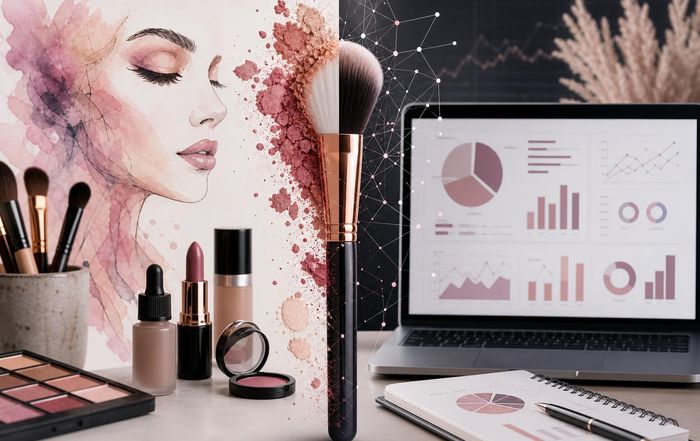
For the global audience of BeautyTipa, which spans beauty, wellness, skincare, fashion, and business, focus and confidence are equally critical in more creative and consumer-facing domains, from building a personal brand on social media to launching a beauty startup or advancing a career in international luxury and cosmetics. The ability to show up consistently, communicate clearly, and project calm authority in meetings, pitches, or content creation is increasingly viewed as a competitive differentiator, and wellness routines that support mental clarity and self-assurance are becoming as essential as a well-curated skincare regimen or a professional wardrobe. Readers who want to connect these ideas with broader lifestyle strategies can explore the platform's coverage of business and finance and fashion, where personal presentation, energy management, and strategic decision-making intersect.
The Science Behind Focus, Confidence, and Daily Rituals
Modern neuroscience and psychology underscore that focus and confidence are not fixed traits but dynamic states influenced by sleep, nutrition, movement, stress, social connection, and even light exposure, and organizations such as Harvard Medical School and Stanford Medicine have shown that neuroplasticity allows the brain to rewire itself in response to repeated behaviors and experiences, meaning that intentional routines can literally reshape mental patterns over time. Those interested in the neurobiology of attention and emotional regulation can delve into more detailed explanations from leading medical institutions.
Confidence, meanwhile, is closely tied to self-efficacy, perception of control, and internal narratives, with research from bodies such as the American Psychological Association highlighting how cognitive-behavioral techniques, self-compassion, and structured goal-setting can significantly enhance a person's confidence and resilience even under high pressure. To understand how psychological strategies translate into real-world performance improvements, readers can explore resources on evidence-based mental health practices. For BeautyTipa, this scientific foundation is essential, because it allows the platform to go beyond surface-level advice and curate guides and tips that are not only aspirational and aesthetically aligned with beauty and fashion culture but also grounded in measurable outcomes and credible methodologies.
Morning Routines: Setting the Cognitive and Emotional Tone
The way a person begins the day exerts a disproportionate influence on their capacity for focus and confidence, particularly in fast-paced markets such as the United States, the United Kingdom, Germany, and Singapore, where early hours often determine the trajectory of demanding schedules. A well-designed morning routine functions as a psychological runway, helping the brain transition from sleep inertia into a state of alert, goal-oriented engagement, while also reinforcing an identity narrative of being organized, capable, and in control of one's time. At BeautyTipa, morning rituals are treated not as rigid checklists but as modular frameworks that can be adapted to different cultures, climates, and work patterns, from high-pressure finance roles in London and New York to creative jobs in Seoul or Milan.
Light exposure is one of the most powerful yet underutilized tools in this context, as circadian researchers and institutions such as the National Institutes of Health emphasize that morning daylight, even on overcast days, helps regulate melatonin, cortisol, and mood-related neurotransmitters, thereby enhancing both alertness and emotional stability throughout the day. Readers can explore how light and circadian health influence cognition and mood by reviewing research on sleep and circadian rhythms. Complementing light exposure, hydration and balanced nutrition play a crucial role, with stable blood sugar and adequate micronutrients supporting sustained concentration and emotional equilibrium, and organizations such as the World Health Organization and Academy of Nutrition and Dietetics stress that nutrient-dense foods, rather than extreme diets, are the most reliable path toward long-term cognitive performance and mental resilience. Those seeking to align their breakfast and hydration habits with scientific guidance can learn more about healthy eating patterns, while BeautyTipa expands on these principles through its coverage of food and nutrition, connecting dietary choices to skin health, hormonal balance, and daily productivity.
The Role of Skincare and Grooming in Psychological Readiness
In beauty-forward cultures from South Korea and Japan to France and Italy, skincare and grooming have long been understood as rituals that influence not only appearance but also mood, self-respect, and social confidence, and in 2026 this perspective is increasingly supported by behavioral science. Researchers in health psychology and behavioral economics have shown that small, repeated acts of self-care can function as "identity cues," reinforcing a sense of worthiness and capability that in turn shapes how individuals carry themselves in professional and social contexts. For the global community of BeautyTipa, skincare is therefore positioned not merely as a cosmetic practice but as a mental performance tool, one that can anchor the start and end of the day with predictable, soothing structure.
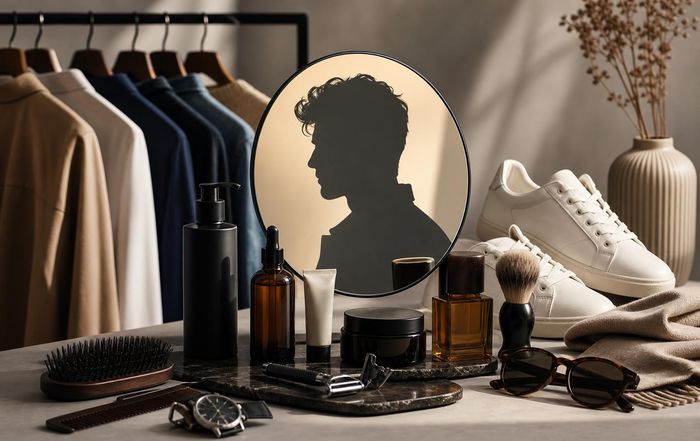
A thoughtfully designed routine that includes cleansing, targeted treatment, and sun protection can serve as a micro-meditation, allowing the mind to slow down and focus on tactile sensations, scents, and textures, which can help shift the nervous system from a reactive state into a more balanced, parasympathetic mode. Dermatologists and medical organizations, including the American Academy of Dermatology, emphasize that consistent use of broad-spectrum sunscreen and evidence-based actives such as retinoids and antioxidants not only protect long-term skin health but also reduce concerns that often undermine confidence, such as hyperpigmentation, breakouts, or premature aging signs. Those who wish to explore dermatologist-backed skincare fundamentals can deepen their understanding of how daily rituals impact both skin and self-perception, while BeautyTipa offers curated insights into skincare and beauty that integrate clinical evidence with consumer trends from regions as diverse as North America, Europe, and Asia.
Movement, Posture, and the Embodied Experience of Confidence
Physical movement is one of the most direct levers for enhancing focus and confidence, not only through cardiovascular and metabolic benefits but also via its immediate effects on neurotransmitters and body language. Research from organizations such as the World Health Organization and Mayo Clinic consistently demonstrates that regular exercise improves executive function, working memory, and mood, while even short movement breaks during the workday can reduce mental fatigue and restore attentional capacity. Those interested in the link between physical activity and cognitive health can learn more about exercise recommendations, and BeautyTipa complements this science with lifestyle-oriented coverage of health and fitness, helping readers translate guidelines into realistic routines that fit varied schedules and cultural norms.
Posture and body language, often overlooked in discussions of wellness, exert a powerful influence on self-perception and social signaling, with psychological studies indicating that more open, upright postures can increase feelings of competence and reduce perceived stress in challenging situations such as presentations, negotiations, or interviews. Professional development organizations and leadership institutes, including Center for Creative Leadership, frequently incorporate body awareness and nonverbal communication into executive training, recognizing that how a person occupies physical space shapes both internal and external perceptions of authority. Professionals who want to explore leadership presence and communication can integrate posture-focused practices into their daily routines, while BeautyTipa draws the connection between physical carriage, fashion choices, and grooming, encouraging readers to view their bodies not as separate from their professional identities but as integral instruments of influence and expression.
Nutrition, Gut Health, and Cognitive Performance
The emerging science of the gut-brain axis has transformed how nutrition is discussed in the context of focus and confidence, with research from institutions such as King's College London and University of California, San Diego revealing that gut microbiota composition can influence mood, stress resilience, and cognitive function through complex biochemical pathways. While the nuances of this field are still evolving, there is growing consensus that diets emphasizing diverse plant-based foods, healthy fats, and minimally processed ingredients support both mental and physical well-being more effectively than highly restrictive or fad-driven approaches. Readers who wish to explore the connection between gut health and mental health can access accessible overviews of current findings, while BeautyTipa extends this knowledge through its food and nutrition coverage, highlighting how culinary traditions from Mediterranean, Nordic, and Asian cultures offer practical models for sustaining energy and emotional balance.
From a business perspective, particularly in high-performance environments in the United States, United Kingdom, Germany, Singapore, and Australia, nutrition is increasingly seen as a productivity variable, with forward-thinking companies incorporating healthier catering, educational workshops, and even personalized nutrition programs into their employee wellness strategies. Organizations such as World Economic Forum have noted that nutrition, mental health, and productivity are interlinked, suggesting that investments in dietary quality can yield returns in reduced absenteeism, better decision-making, and stronger innovation capacity. Professionals and leaders interested in the macroeconomic and organizational implications can learn more about sustainable business practices, while BeautyTipa provides a more personal angle, helping individuals design everyday eating patterns that support concentration for tasks such as strategic planning, creative ideation, or cross-border collaboration.
Digital Hygiene and Cognitive Boundaries in a Hyperconnected World
In 2026, digital overload has become one of the most significant threats to focus and confidence, particularly in regions with high smartphone penetration and demanding knowledge work cultures, such as North America, Western Europe, East Asia, and increasingly parts of Africa and South America. Constant notifications, algorithmic content feeds, and the blurring of boundaries between work and personal life erode the ability to sustain deep focus and can foster chronic comparison, undermining self-confidence and self-worth. Organizations such as Center for Humane Technology and European Commission have raised concerns about attention fragmentation and digital well-being, encouraging both policymakers and companies to reconsider how technology is designed and integrated into daily life. Those who want to explore digital well-being and attention can gain a broader understanding of systemic issues, while BeautyTipa addresses the individual side, helping readers develop digital hygiene routines that are realistic for modern professionals and creatives.
Practical digital hygiene strategies include establishing time-blocked work sessions without notifications, using focus modes on devices, setting clear cut-off times for email and messaging, and curating social media feeds to emphasize inspiration and learning rather than comparison and negativity. Technology leaders and productivity experts, including voices amplified by MIT Sloan Management Review, emphasize that attention is a finite resource and that organizations that respect and protect employee focus are likely to outperform competitors in innovation and quality. Readers can learn more about attention management in modern workplaces, and they can integrate this knowledge into their own routines by aligning digital boundaries with broader wellness goals, beauty rituals, and professional responsibilities. Within BeautyTipa's coverage of technology and beauty, there is a growing emphasis on how apps, wearables, and AI tools can be used intentionally to enhance, rather than erode, mental clarity and self-confidence.
Evening Routines, Recovery, and Sleep as a Performance Strategy
If morning routines set the tone for focus and confidence, evening rituals determine the quality of recovery and the brain's capacity to consolidate learning, regulate emotions, and prepare for the next day's challenges. Sleep research from organizations such as National Sleep Foundation and Sleep Foundation has repeatedly demonstrated that insufficient or poor-quality sleep impairs attention, decision-making, and emotional regulation, while also increasing the risk of anxiety and depressive symptoms that directly undermine confidence. Individuals who want to understand the science of sleep and performance can access detailed guidelines on duration, sleep hygiene, and circadian alignment, and BeautyTipa translates these principles into accessible lifestyle strategies that consider cultural differences in evening meals, social habits, and work schedules across continents.
Effective evening routines often include gradual digital wind-down, low-light environments, calming skincare rituals, and reflective practices such as journaling or gratitude review, which help shift the nervous system from a high-alert work mode into a restorative state. Mental health organizations, including National Alliance on Mental Illness, highlight that consistent pre-sleep routines can reduce rumination and preoccupation that frequently disrupt rest in high-achieving professionals. Readers can learn more about stress, anxiety, and sleep and then integrate this knowledge into personalized routines that align with their preferred beauty and wellness practices. For BeautyTipa, evening rituals are a key intersection of routines, wellness, and beauty, as they bring together skincare, relaxation, and emotional processing in a way that supports both appearance and inner stability.
Social Connection, Community, and Global Confidence
Focus and confidence are not solely individual phenomena; they are profoundly shaped by social environments, cultural expectations, and the communities in which people participate, whether locally or online. Social neuroscience and public health research, including work referenced by the World Health Organization, underscore that high-quality social connections buffer stress, enhance resilience, and contribute to a more robust sense of self, which in turn supports more confident behavior in professional and creative arenas. Those who want to explore the importance of social connection for health can access evidence that reinforces the value of nurturing supportive relationships alongside personal routines.
For the international readership of BeautyTipa, spanning regions from Europe and Asia to Africa and South America, community manifests in diverse ways, from local wellness studios and beauty events to digital forums and social media spaces where individuals share routines, product recommendations, and career advice. The platform's coverage of events, trends, and brands and products reflects this global interconnection, highlighting how innovations often emerge from cross-cultural exchange, such as K-beauty influencing European skincare, or Scandinavian wellness philosophies shaping North American approaches to work-life balance. Confidence grows when individuals see themselves reflected in a broader, supportive ecosystem, and BeautyTipa aims to provide that ecosystem by offering not just information but also a sense of shared journey across borders and industries.
Career, Confidence, and the Business of Wellness
The professional implications of wellness routines that support focus and confidence are particularly visible in sectors related to beauty, fashion, and wellness themselves, where personal presentation, storytelling, and emotional intelligence are central to success. In 2026, the global beauty and wellness industry continues to expand, with strong growth in markets such as the United States, China, South Korea, and Brazil, and organizations like Statista and Euromonitor International routinely report on the sector's resilience and innovation capacity. Professionals who want to explore market data and industry outlooks can gain insight into where opportunities are emerging, from clean beauty and biotech-driven skincare to wellness tourism and digital coaching.
For readers of BeautyTipa interested in careers, entrepreneurship, or side projects in these fields, the platform's sections on jobs and employment and business and finance provide context on how wellness practices intersect with leadership, branding, and long-term strategic planning. Confidence becomes a business asset when it enables founders to pitch investors, creators to negotiate fair compensation, and professionals to advocate for flexible work arrangements that support their mental and physical health. Focus, meanwhile, is indispensable for navigating complex regulatory environments, managing cross-border supply chains, or developing new formulations and technologies. In this sense, wellness routines are not simply personal luxuries but foundational infrastructure for sustainable careers in an increasingly competitive and globalized marketplace.
Integrating Wellness, Beauty, and Performance: The BeautyTipa Perspective
Across all these dimensions-morning structure, skincare rituals, movement, nutrition, digital hygiene, sleep, social connection, and career strategy-the core message that emerges is that focus and confidence are outcomes of aligned systems rather than isolated hacks. BeautyTipa, as a website community dedicated to beauty, wellness, and lifestyle with a global lens, embraces this systems perspective, curating content that helps readers understand how choices in one domain, such as skincare or nutrition, reverberate through others, including mental performance, emotional resilience, and professional advancement. By drawing on research from respected institutions, insights from industry leaders, and lived experiences from diverse cultures, the platform aims to embody experience, expertise, authoritativeness, and trustworthiness in a landscape often crowded with unverified claims and fleeting trends.
For individuals in the United States, United Kingdom, Germany, Canada, and beyond, the challenge is not a lack of information but the need for coherent, realistic routines that respect local contexts while aligning with universal human needs for rest, nourishment, connection, and self-expression. As readers navigate the totally unique content pages of BeautyTipa, from wellness and skincare to trends and guides and tips, they are invited to see wellness not as a separate category but as the underlying architecture that supports focused work, confident presence, and a life that feels both ambitious and grounded. Now the most compelling beauty is not only visible on the surface but also reflected in the clarity of thought, steadiness of emotion, and quiet assurance that come from living in alignment with well-crafted, evidence-informed wellness routines.