The Growing Importance of Ethics in Global Beauty

Last updated by Editorial team at beautytipa.com on Friday 12 December 2025
Article Image for The Growing Importance of Ethics in Global Beauty

The Growing Importance of Ethics in Global Beauty

Ethics as the New Currency of Global Beauty

By 2025, ethics has evolved from a niche concern into a core strategic pillar for the global beauty industry. Around the world, from the United States and the United Kingdom to South Korea, Brazil and across Europe and Asia, consumers are increasingly evaluating beauty brands not only by the efficacy of their products and the sophistication of their marketing, but also by the integrity of their supply chains, the transparency of their claims, and the authenticity of their social commitments. For BeautyTipa and its international audience, this shift is not an abstract trend; it is reshaping how beauty, wellness, skincare and fashion are discovered, evaluated and integrated into daily routines, as well as how careers and businesses are built within the sector.

The convergence of heightened consumer awareness, regulatory scrutiny and technological innovation is creating a new landscape in which ethical leadership is inseparable from commercial success. In this environment, the brands and professionals who thrive are those who can demonstrate experience, expertise, authoritativeness and trustworthiness in every aspect of their operations, from product formulation and testing to digital marketing and global expansion. As leading institutions such as the World Economic Forum highlight in their insights on responsible consumption and production, the beauty industry is now a critical arena in which broader debates about sustainability, equity and corporate responsibility are being played out in real time.

From Trend to Expectation: How Consumer Values Have Shifted

The ethical transformation of beauty is rooted in a profound shift in consumer expectations. Across North America, Europe, Asia and beyond, younger generations in particular are demanding that brands align with their values on issues such as animal welfare, climate change, inclusivity and labor rights. Surveys by organizations such as NielsenIQ and McKinsey & Company show that consumers are increasingly willing to pay a premium for products that are perceived as sustainable, clean and socially responsible, and that these preferences are especially pronounced in segments such as skincare, wellness and personal care.

As digital natives gain purchasing power, they bring with them a culture of instant information, peer review and social accountability. Platforms like Instagram, TikTok and YouTube have enabled influencers, dermatologists and ingredient experts to challenge marketing claims, dissect formulations and expose inconsistencies, making it far more difficult for brands to rely on vague promises or opaque practices. Readers who explore the evolving landscape of beauty and personal care on BeautyTipa will recognize how quickly expectations have risen in the United States, United Kingdom, Germany and South Korea, where ethical positioning is now a prerequisite for credibility in many product categories.

This consumer-driven pressure has elevated ethics from a peripheral concern to a strategic imperative. It is no longer sufficient for companies to add a few "green" products to their portfolio or to publish a high-level sustainability statement. Instead, they are being asked to demonstrate verifiable progress on issues such as greenhouse gas emissions, plastic reduction and diversity in leadership, as highlighted by frameworks such as the United Nations Sustainable Development Goals and resources from the UN Environment Programme. In beauty, where trust is deeply personal and intimately connected to self-image and health, this demand for accountability is particularly intense.

Clean, Conscious and Credible: The Ethics of Ingredient Transparency

One of the most visible fronts in the ethics debate is the movement toward ingredient transparency and "clean" formulations. Consumers in markets from Canada and Australia to France, Italy and Singapore are scrutinizing labels with unprecedented rigor, aided by mobile apps, online ingredient databases and dermatologist-led content on platforms such as Harvard Health Publishing, where readers can learn more about skin health and product safety. This heightened scrutiny has forced many brands to reconsider long-standing formulation practices and to justify the inclusion of controversial ingredients.

For BeautyTipa, which regularly explores skincare, wellness and health and fitness, the evolution of ingredient ethics is central to understanding how the market is changing. Clean beauty, once loosely defined and inconsistently regulated, is now increasingly framed around science-based risk assessment, allergen awareness and environmental impact. Organizations such as the European Chemicals Agency and regulatory frameworks like the EU Cosmetics Regulation have set stringent standards on ingredient safety, while in the United States the Food and Drug Administration offers guidance on cosmetics and personal care safety that is influencing global practice.

In parallel, third-party certifications and standards have become important tools for building trust. Labels such as COSMOS, Ecocert and USDA Organic offer frameworks for natural and organic claims, while initiatives such as the Environmental Working Group's Skin Deep database provide consumers with resources to understand ingredient profiles. Although definitions and thresholds vary, the direction of travel is clear: beauty companies must be prepared to substantiate their claims with rigorous data, independent validation and open communication, particularly in sensitive categories such as anti-aging, sun care and products for sensitive skin.

Cruelty-Free, Vegan and Beyond: Evolving Standards of Compassion

Ethical considerations around animal testing and animal-derived ingredients have long been part of the beauty conversation, but in 2025 they have become mainstream expectations in many regions. The European Union's ban on animal testing for cosmetics, reinforced by the work of the European Commission, has influenced regulatory developments in the United Kingdom, Norway, Switzerland and beyond, while countries such as South Korea and Brazil have taken steps toward restricting or phasing out animal testing. Consumers can explore global regulatory developments through resources such as the EU cosmetics legislation portal, which illustrates how rapidly standards are evolving.

The cruelty-free and vegan beauty movements are no longer confined to niche brands; major global players have announced commitments to end animal testing in their supply chains, often in partnership with organizations such as Cruelty Free International and PETA. At the same time, the rise of plant-based and synthetic alternatives to traditional animal-derived ingredients has opened new possibilities for innovation, particularly in skincare, haircare and color cosmetics. Readers interested in the intersection of ethics and product innovation can explore how brands and formulators are adapting in BeautyTipa's coverage of brands and products and technology in beauty.

However, the proliferation of logos and claims has also created confusion. Not all cruelty-free or vegan labels are equivalent, and some markets still require animal testing for certain imported products, creating ethical and regulatory dilemmas for global brands. Industry leaders are increasingly turning to harmonized standards and robust verification to avoid misleading consumers. Organizations such as the Organisation for Economic Co-operation and Development (OECD), which promotes alternatives to animal testing through its Test Guidelines Programme, are playing a crucial role in advancing science-based, cruelty-free methods that can satisfy both ethical and regulatory requirements.

Sustainability and Climate Responsibility Across the Value Chain

Ethics in beauty is inseparable from sustainability, particularly as climate change, biodiversity loss and pollution become central concerns in global policy and consumer discourse. From sourcing raw materials in Africa, South America and Asia to packaging products for consumers in North America and Europe, every stage of the beauty value chain is under scrutiny. For BeautyTipa's worldwide audience, the question is no longer whether sustainability matters, but how deeply it is embedded in product design, corporate strategy and daily routines.

Leading companies are aligning their climate and sustainability strategies with frameworks such as the Science Based Targets initiative, which provides guidance on setting emissions reduction targets consistent with the Paris Agreement. In beauty, this often means investing in renewable energy for manufacturing, redesigning packaging to reduce plastic and increase recyclability, and working with suppliers to improve agricultural practices for key ingredients such as palm oil, shea butter and soy. Organizations like the Roundtable on Sustainable Palm Oil (RSPO) offer standards for more responsible sourcing, while the Rainforest Alliance provides certification that supports deforestation-free supply chains.

For consumers, sustainability is increasingly visible through initiatives such as refillable packaging, concentrated formulations that reduce water use and transport emissions, and clear labeling of environmental impact. BeautyTipa's coverage of trends and guides and tips highlights how refill bars, solid shampoos and minimal-packaging skincare have moved from niche to mainstream in markets such as Germany, the Netherlands, Sweden and Japan. At the same time, leading research institutions such as MIT and their work on sustainable materials and circular economy are influencing how packaging designers and product developers think about the full lifecycle of beauty products, from raw material extraction to end-of-life disposal.

Social Equity, Inclusion and Representation in Beauty

Ethical beauty is not only about ingredients and the environment; it is also fundamentally about people. Issues of diversity, equity and inclusion have risen to the forefront of global conversations, and the beauty industry has been both criticized and celebrated for its role in shaping cultural norms around identity, skin tone, hair texture and body image. Brands that once promoted narrow and exclusionary standards are now under pressure to reflect the diversity of their customer base across product ranges, marketing campaigns and leadership teams.

In markets such as the United States, United Kingdom, South Africa and Brazil, the demand for inclusive shade ranges, culturally competent product development and respectful storytelling has reshaped entire categories, particularly in foundation, concealer and haircare. Organizations like the British Beauty Council and the Personal Care Products Council in the United States are engaging with industry stakeholders to promote responsible and inclusive practices. At the same time, advocacy groups and academic institutions such as the American Academy of Dermatology provide resources on skin of color and dermatologic equity, helping professionals and brands better serve diverse populations.

For BeautyTipa, which speaks to readers across Europe, Asia, Africa and the Americas, these developments underscore the importance of featuring brands, experts and routines that resonate with a broad spectrum of cultural backgrounds and lived experiences. Coverage of makeup, fashion and international markets increasingly highlights not only product performance but also the stories of founders, formulators and communities who are redefining beauty on their own terms. Ethical leadership in this context means ensuring that inclusion is not a temporary campaign, but a structural commitment reflected in hiring, partnerships and long-term investment.

Digital Ethics, AI and the Future of Beauty Technology

As beauty becomes more deeply intertwined with technology, from AI-powered skin analysis to virtual try-on tools and data-driven personalization, digital ethics has emerged as a critical dimension of the broader ethical conversation. In 2025, consumers are increasingly aware that their personal data, including images, skin information and behavioral patterns, are valuable assets that must be handled with care. Regulatory frameworks such as the EU General Data Protection Regulation (GDPR) and similar laws in regions including California and Brazil are setting standards for data privacy, consent and transparency that beauty technology providers must respect.

For companies developing apps, diagnostic tools and personalized recommendation engines, the challenge is to balance innovation with responsibility. This includes ensuring that algorithms do not perpetuate bias in areas such as skin tone analysis, acne detection or product recommendations, and that data is stored, processed and shared in ways that respect user rights. Leading organizations such as the OECD and UNESCO have published principles on AI ethics and human rights that are increasingly relevant to beauty-tech startups and established brands alike.

On BeautyTipa, the intersection of technology and beauty is explored through the lens of trust, examining how virtual consultations, teledermatology and smart devices can support better skincare and wellness outcomes while preserving privacy and autonomy. For professionals and entrepreneurs, understanding digital ethics is becoming as important as understanding formulation science or supply chain management, particularly in markets like South Korea, Japan, Singapore and the Nordic countries, where tech adoption is high and regulatory expectations are evolving rapidly.

Ethical Beauty as a Business and Career Advantage

Ethics in beauty is not only a moral imperative; it is also a powerful driver of competitive advantage and career opportunity. Investors are increasingly using environmental, social and governance (ESG) criteria to evaluate companies, and beauty is no exception. Reports from institutions such as Morgan Stanley and Bloomberg on ESG investing trends illustrate how capital is flowing toward companies that can demonstrate credible sustainability strategies, diverse leadership and robust risk management. For beauty brands, aligning with these expectations can unlock access to funding, partnerships and new markets.

Entrepreneurs, formulators, marketers and supply chain professionals who build expertise in ethical practices are finding that their skills are in high demand, from multinational corporations in New York, London and Paris to fast-growing indie brands in Seoul, São Paulo and Johannesburg. For readers exploring jobs and employment and business and finance on BeautyTipa, the message is clear: understanding ethical frameworks, sustainability reporting and responsible innovation is becoming an essential component of career development in beauty, wellness and adjacent sectors.

Organizations such as the Global Reporting Initiative (GRI) provide standards for sustainability reporting, which many beauty companies are adopting to communicate their progress to stakeholders. Professional associations and academic institutions are also expanding their curricula to include courses on sustainable product development, ethical marketing and responsible supply chain management, creating new pathways for professionals in Europe, Asia-Pacific, North America and Africa to specialize in ethical beauty.

The Role of Education, Media and Communities in Building Trust

Trust in the beauty industry is not built by brands alone; it is also shaped by the work of educators, journalists, content creators and communities who interpret, critique and contextualize the claims made by companies. In this ecosystem, platforms like BeautyTipa play a crucial role by curating information, highlighting best practices and providing nuanced analysis that helps readers make informed decisions about their skincare routines, wellness choices, fashion purchases and dietary habits. Articles that connect routines, food and nutrition and wellness can support a more holistic understanding of how ethical choices intersect with personal health and lifestyle.

Independent organizations such as Consumer Reports and Which? in the United Kingdom contribute to this trust-building process by testing products and exposing misleading claims, while academic journals and public health agencies like the World Health Organization offer evidence-based guidance on health and environmental risks. At the same time, beauty events, trade shows and conferences, many of which are covered in BeautyTipa's events section, provide forums where professionals can exchange knowledge, debate ethical challenges and showcase innovations that move the industry forward.

Community-driven education is equally important. Online forums, social media groups and local workshops in cities from New York and Toronto to Berlin, Bangkok and Cape Town enable consumers to share experiences, compare products and hold brands accountable. When these conversations are informed by reliable information and diverse perspectives, they can elevate the entire industry and encourage continuous improvement in ethical standards.

Looking Ahead: Ethics as the Foundation of Beauty's Future

As the global beauty industry looks toward the second half of the decade, ethics is poised to become not just an important dimension of strategy, but the foundation upon which long-term resilience and relevance are built. Climate change, demographic shifts, regulatory evolution and technological disruption will continue to reshape the landscape in which beauty brands operate, and those that treat ethics as a dynamic, integrated practice rather than a static checklist will be best positioned to adapt.

For BeautyTipa and its international community of readers, professionals and enthusiasts, the growing importance of ethics in global beauty offers both a challenge and an opportunity. It challenges everyone involved-brands, retailers, formulators, influencers, investors and consumers-to ask more demanding questions about the products they create, promote and use. At the same time, it offers the opportunity to build a beauty ecosystem that is more inclusive, sustainable, transparent and empowering, connecting personal care and self-expression with broader commitments to planetary and social well-being.

In this emerging reality, experience, expertise, authoritativeness and trustworthiness are not abstract ideals but daily practices, expressed in the ingredients chosen, the people hired, the data collected, the communities engaged and the stories told. As readers continue to explore the many dimensions of beauty, wellness, skincare, fashion and nutrition through BeautyTipa, they participate in a global movement that is redefining what it means for beauty to be truly beautiful: not only in how it looks and feels, but in how it is made, shared and lived.

How Cultural Exchange Drives Makeup Trends

Last updated by Editorial team at beautytipa.com on Friday 12 December 2025
Article Image for How Cultural Exchange Drives Makeup Trends

How Cultural Exchange Drives Makeup Trends in 2025

In 2025, the global beauty landscape is being reshaped more rapidly and profoundly than at any other time in recent history, and at the heart of this transformation lies cultural exchange, which is no longer a peripheral influence on makeup trends but the central engine that powers how products are conceived, marketed and adopted across continents. For BeautyTipa and its readers, who follow beauty, wellness and fashion as interconnected parts of a modern lifestyle, understanding how cultures influence one another in the makeup arena is essential not only for staying ahead of trends but also for navigating questions of identity, inclusivity, sustainability and business strategy in an industry that has become decisively global in its outlook and operations.

The Globalization of Beauty and the Role of Digital Culture

The globalization of beauty has been underway for decades, but the acceleration of digital platforms, video-first social media and cross-border e-commerce has turned what used to be slow, regional diffusion into a near-instantaneous exchange of ideas. Platforms such as YouTube, TikTok and Instagram serve as real-time laboratories where creators in Seoul, Los Angeles, Lagos, London and São Paulo influence each other's aesthetics, techniques and product preferences in a continuous feedback loop. As a result, the concept of a single dominant beauty capital has eroded, replaced by a network of influential hubs across North America, Europe, Asia and beyond, each contributing distinctive visual codes and product innovations.

For readers of BeautyTipa, who explore evolving aesthetics through sections like beauty and trends, this digital environment means that a look originating in South Korea can shape makeup routines in the United States within days, while techniques rooted in West African artistry can inform editorial looks in Paris or Berlin in the same season. Reports from organizations such as McKinsey & Company show how global beauty revenues have been propelled by this borderless exchange, and how brands that successfully translate culturally specific trends for international audiences frequently outperform slower, more insular competitors. Readers who wish to understand the broader context of this growth can explore analyses from sources such as McKinsey on the global beauty market.

Cross-Cultural Inspiration Versus Appropriation

As cultural exchange accelerates, the line between inspiration and appropriation has become a central concern for both consumers and industry leaders, and this tension is particularly visible in makeup, where colors, motifs and techniques often carry deep historical and social meanings. When a festival-inspired eye look rooted in South Asian bridal traditions appears on a runway in New York without acknowledgement of its origins, or when traditional Japanese theatrical makeup elements are used purely for shock value in Western editorial campaigns, audiences increasingly question whether the borrowing is respectful or exploitative.

In 2025, informed consumers in the United States, United Kingdom, Germany and other key markets are more likely to seek transparency and credit for original cultures, and this expectation is reshaping how brands position their products and campaigns. Resources such as the UNESCO platform on intangible cultural heritage underline how traditional beauty practices are part of broader cultural expressions, not just aesthetic trends to be mined for novelty. For BeautyTipa, which aims to embody experience, expertise, authoritativeness and trustworthiness, addressing these questions means highlighting brands and creators who engage in genuine collaboration, co-creation and economic inclusion, rather than superficial borrowing, and guiding readers through thoughtful guides and tips that respect the origins of the looks they love.

K-Beauty, J-Beauty and the Rise of Asian Aesthetics

The influence of K-beauty and J-beauty remains one of the most powerful examples of cultural exchange driving global makeup trends, as South Korea and Japan have transformed from niche sources of inspiration into primary reference points for product innovation, textures and application philosophies. What began with skincare-layered routines, essences, sheet masks and sun protection-has expanded into color cosmetics, with dewy bases, gradient lips, soft-focus blush and glass-like skin finishes becoming staples in markets as diverse as the United States, France, Brazil and Australia.

South Korean brands and entertainment exports, from K-pop to drama series, have normalized a playful yet meticulous approach to makeup, where complexion perfection, subtle luminosity and expressive eye looks coexist with a strong emphasis on skincare as the foundation of beauty. Japanese brands, by contrast, often emphasize understated elegance, refined textures and long-term skin health, aligning with a more minimalist and ritualistic philosophy. Data from organizations such as Euromonitor International document how Asian brands have gained market share in Europe and North America, while Western conglomerates have adopted K-beauty inspired formats such as cushion foundations and lip tints. Readers interested in the economic backdrop can explore global beauty market insights to understand how these shifts translate into investment and innovation flows.

For BeautyTipa, the influence of Asian aesthetics is not limited to product reviews or tutorials; it shapes the way the platform approaches skincare, routines and technology and beauty, recognizing that the Korean emphasis on preventive care and the Japanese focus on ritual have encouraged consumers worldwide to integrate sunscreen, gentle exfoliation and barrier-supporting ingredients into their daily lives, which in turn changes how makeup sits on the skin and how long it lasts.

African and Afro-Diasporic Influences on Color, Technique and Identity

While Asian beauty has often been the most visible face of recent cross-cultural exchange, African and Afro-diasporic makeup traditions have had a profound and steadily growing impact on global aesthetics, particularly in the realms of color intensity, contouring, highlighting and the celebration of deeper skin tones. Makeup artists and entrepreneurs from Nigeria, South Africa, Ghana and the broader diaspora in the United States, United Kingdom and Brazil have pioneered bold editorial looks, intricate eye artistry and complexion products that work across a wide range of undertones, effectively forcing legacy brands to expand their shade ranges and rethink their default assumptions about "universal" colors.

The success of entrepreneurs such as Rihanna with Fenty Beauty has become emblematic of this shift, as the brand's inclusive foundation range set new standards for the industry and demonstrated that catering to previously underserved communities could be a powerful growth strategy. Organizations like the British Beauty Council and the Personal Care Products Council in the United States have highlighted how inclusivity is now a business imperative, not just a moral one, and readers can explore perspectives on diversity from sources such as the British Beauty Council to understand how policy, education and representation intersect.

For BeautyTipa, which speaks to a global audience that includes significant communities in North America, Europe and Africa, acknowledging Afro-diasporic influences is central to building trust and authority. This means covering brands that specialize in deeper skin tones, examining how editorial and social media trends like hyper-real highlighting and graphic liner often originate in Black creative communities, and guiding readers to brands and products that prioritize undertone accuracy, texture variation and cultural representation.

Latin American, European and Middle Eastern Aesthetics in Conversation

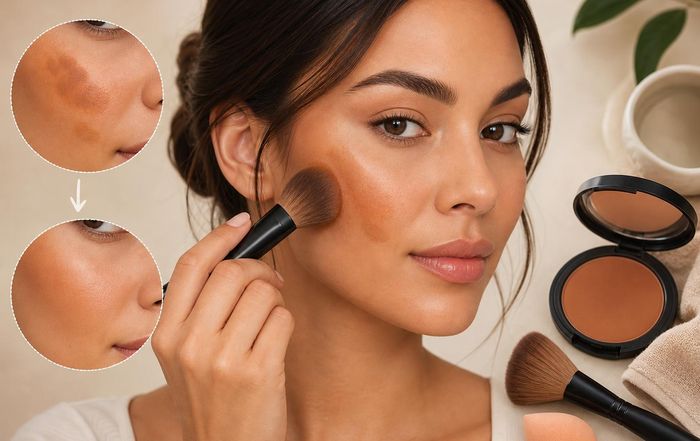
Beyond Asia and Africa, Latin American, European and Middle Eastern beauty cultures have also played pivotal roles in shaping 2025's makeup landscape, often through dynamic hybridization as techniques and aesthetics travel and merge. In Latin America and Brazil in particular, sun-kissed skin, high-impact lip colors and expressive eye looks rooted in carnival and street culture have inspired global trends in bronzing, body glow and festival makeup, while also influencing the rise of transfer-resistant, heat-proof formulas that respond to humid climates and active lifestyles.

In Southern Europe, especially Italy, Spain and France, a long tradition of fashion-forward yet wearable makeup has encouraged a focus on timeless red lips, softly defined eyes and sophisticated skin finishes that balance radiance with polish, while Scandinavian countries such as Sweden, Norway, Denmark and Finland have popularized a more pared-back, functional aesthetic aligned with wellness, minimalism and sustainability. Meanwhile, Middle Eastern beauty culture, with its emphasis on dramatic eyes, sculpted features and long-wear performance, continues to shape global trends in eyeliner innovation, brow definition and high-coverage base products, with cities like Dubai and Riyadh emerging as influential beauty hubs.

These overlapping influences reflect broader social and economic shifts documented by institutions such as the World Economic Forum, whose reports on global consumer trends highlight how cultural identity, urbanization and digital connectivity interact to create new forms of self-expression. For BeautyTipa, which serves readers across Europe, Asia, North America and South America, this multifaceted exchange means presenting makeup not as a monolithic ideal but as a spectrum of styles that can be mixed and adapted, allowing individuals to draw on Brazilian glow techniques, French lip classics and Middle Eastern eye artistry within a single routine.

Technology as a Catalyst for Cultural Exchange in Makeup

Technological innovation has amplified cultural exchange in the beauty sector by making it easier for consumers to discover, test and purchase products from other regions, often without leaving their homes. Augmented reality try-on tools, AI-driven shade matching and personalized recommendation engines have enabled users in Canada, Australia or Singapore to experiment virtually with Korean gradient lips, Nigerian-inspired bold pigments or Japanese soft-focus foundations, lowering the barrier to entry for cross-cultural experimentation.

Major technology companies and beauty conglomerates have invested heavily in these tools, and organizations like MIT Media Lab and Stanford University have explored the implications of AI in personal care, from algorithmic bias in complexion matching to the ethics of data-driven beauty personalization. Readers can delve into the technological side of beauty through resources such as MIT's research on AI and society to understand how innovation can both empower and exclude, depending on how it is designed and deployed.

On BeautyTipa, the intersection of technology and cultural exchange is central to the technology and beauty coverage, where the platform examines how virtual try-on apps, cross-border e-commerce platforms and AI-powered content discovery are accelerating the spread of trends from Seoul to San Francisco, Tokyo to Toronto, and Lagos to London. This technological mediation also raises important questions about authenticity, as filters and editing tools can create unrealistic expectations, prompting the need for responsible content and transparent communication from both creators and brands.

The Business of Cultural Exchange: Strategy, Investment and Risk

For industry professionals and entrepreneurs, cultural exchange is not only an aesthetic phenomenon but also a strategic and financial one, as cross-border trends drive product development, market entry decisions and brand positioning. Companies that recognize and respect the origins of the trends they adopt can build long-term loyalty and open new revenue streams, while those that treat cultural inspiration as a superficial marketing device risk backlash, reputational damage and lost market share.

Analyses from organizations like Deloitte and PwC have shown that beauty companies with diverse leadership teams and robust cultural intelligence capabilities are better positioned to navigate this complex environment, as they are more likely to identify emerging trends early, assess their cultural sensitivities and design launches that resonate authentically with local audiences. Readers interested in the financial and strategic dimensions of beauty can explore Deloitte's consumer industry insights and complement that understanding with BeautyTipa's own coverage in business and finance, where market analyses, brand case studies and investment trends highlight how cultural exchange shapes revenue growth and risk management.

At the same time, regulatory frameworks in regions such as the European Union, North America and Asia are evolving to address issues related to sustainability, ingredient safety and marketing claims, and this regulatory diversity further complicates cross-border launches. Institutions like the European Commission and the U.S. Food and Drug Administration provide guidance on compliance, and readers can review perspectives on cosmetics regulation in the EU to understand why a product inspired by a traditional remedy in one region may require reformulation or different messaging in another market.

Cultural Exchange and the Future of Beauty Work

Cultural exchange in makeup also has significant implications for employment, skills development and career paths within the industry, as makeup artists, product developers, marketers and content creators must become adept at navigating multiple cultural contexts simultaneously. In 2025, beauty professionals in the United States, United Kingdom, Germany, South Korea, Japan and beyond are increasingly expected to understand not only local preferences but also global trends, inclusive shade ranges and culturally specific application techniques, as clients and employers demand versatility and sensitivity.

Organizations such as the International Labour Organization and national industry bodies have noted that the beauty sector continues to provide significant employment opportunities, particularly for women and young people, and that cross-cultural competencies are becoming a core requirement. Readers can explore broader labor trends through the International Labour Organization's reports and then connect those insights to beauty-specific career paths via BeautyTipa's jobs and employment coverage, which examines how cultural literacy, language skills and digital fluency are reshaping hiring criteria and salary structures.

For freelancers and independent creators, cultural exchange can open doors to international collaborations, brand partnerships and educational roles, but it also requires ethical awareness, as audiences are quick to challenge misrepresentation or insensitive content. In this environment, professional success is increasingly tied to an individual's ability to credit sources, highlight original cultures and participate in equitable collaborations that share visibility and economic value.

Wellness, Identity and the Emotional Dimension of Makeup

Beyond commerce and aesthetics, cultural exchange in makeup intersects with deeper questions of wellness, identity and self-perception, as individuals use beauty rituals to negotiate their place within multiple cultural narratives. For many consumers in multicultural societies such as the United States, Canada, the United Kingdom, France, Germany, Singapore and South Africa, makeup becomes a way to honor heritage, experiment with hybrid identities or challenge narrow beauty standards inherited from colonial or patriarchal histories.

Psychological research from organizations such as the American Psychological Association has explored how appearance-related practices can affect self-esteem, social belonging and mental health, suggesting that inclusive representation and culturally respectful trends can support a sense of validation and agency. Readers who wish to explore these connections can review discussions on psychology and self-image and then consider how their own beauty routines intersect with emotional well-being and cultural pride.

For BeautyTipa, which covers wellness, health and fitness and food and nutrition alongside beauty and fashion, this holistic perspective is central to its editorial mission, as the platform recognizes that makeup is not isolated from lifestyle but deeply intertwined with sleep, diet, exercise, mental health and social context. Cultural exchange enriches this ecosystem by offering new rituals, ingredients and philosophies, from traditional East Asian herbal knowledge to Mediterranean lifestyle principles and African plant-based remedies, which can inform both skincare and color cosmetics.

Sustainability, Ethics and the Next Phase of Cultural Exchange

As climate concerns and resource constraints intensify, sustainability has become a defining issue in the beauty sector, and cultural exchange is playing a critical role in shaping more responsible makeup practices. Traditional knowledge from Indigenous communities and long-standing regional practices in Asia, Africa and Latin America often emphasize low-waste, plant-based, locally sourced ingredients and multifunctional products, which align closely with contemporary sustainability goals. However, the risk of biopiracy and exploitation is significant if such knowledge is commercialized without fair compensation or consent.

Organizations such as the United Nations Environment Programme and the Ellen MacArthur Foundation advocate for circular economy models and ethical sourcing, offering guidance that can help beauty brands design packaging, supply chains and product formats that minimize environmental impact. Readers can learn more about sustainable business practices and then consider how these frameworks might apply to their own purchasing decisions and daily routines.

For BeautyTipa, sustainability is not merely a trend but a foundational principle that shapes coverage across beauty, fashion and international topics, with particular attention to how cultural exchange can promote more environmentally responsible choices. This might involve highlighting refillable packaging inspired by Japanese minimalism, supporting cooperatives that produce traditional pigments in fair-trade conditions, or examining how Scandinavian clean beauty philosophies intersect with Korean innovation and African ingredient heritage.

How BeautyTipa Curates and Interprets Global Makeup Trends

Within this complex, rapidly evolving environment, BeautyTipa positions itself as a trusted guide that helps readers make sense of the endless flow of trends, products and narratives that cross their screens each day. By combining global coverage with a nuanced understanding of local contexts in regions such as North America, Europe, Asia, Africa and South America, the platform aims to translate cultural exchange into practical, ethical and inspiring insights for its community.

In practice, this means that BeautyTipa approaches makeup as both an art form and a social phenomenon, analyzing how runway looks in Paris borrow from Korean gradient techniques, how festival trends in Brazil influence European summer collections, and how inclusive foundation launches in the United States draw on pigment expertise developed in African and Afro-diasporic communities. It also means that the site's events coverage pays attention to global beauty trade shows, fashion weeks and cultural festivals where cross-cultural inspiration takes place, and that its guides and tips are designed to help readers adopt new looks in ways that are flattering, respectful and aligned with their values.

By foregrounding experience, expertise, authoritativeness and trustworthiness, BeautyTipa strives to be more than a trend aggregator; it seeks to be a partner in its readers' ongoing exploration of identity, creativity and well-being through beauty. In 2025 and beyond, as cultural exchange continues to drive makeup trends at unprecedented speed, this commitment to depth, context and ethical awareness will remain essential to navigating a world where a single swipe of color can carry stories from many cultures at once.

For readers who wish to explore these topics further, the BeautyTipa homepage at beautytipa.com offers a curated entry point into beauty, wellness, business, technology and international perspectives, reflecting the interconnected, global nature of makeup in the mid-2020s and inviting each visitor to participate thoughtfully in the evolving conversation.

Beauty Subscription Models and Consumer Loyalty

Last updated by Editorial team at beautytipa.com on Friday 12 December 2025
Article Image for Beauty Subscription Models and Consumer Loyalty

Beauty Subscription Models and Consumer Loyalty in 2025

The New Subscription Era in Beauty

In 2025, beauty subscription models have evolved from niche novelty to a central pillar of the global beauty economy, reshaping how consumers in North America, Europe, Asia and beyond discover products, engage with brands and define loyalty. For readers of BeautyTipa and its international community across the United States, the United Kingdom, Germany, Canada, Australia, France, Italy, Spain, the Netherlands, Switzerland, China, South Korea, Japan, Singapore, Brazil, South Africa and many other markets, subscription services are no longer simply monthly boxes of samples; they are sophisticated ecosystems powered by data, personalization, and increasingly, values-driven decision-making that connects beauty, wellness, fashion and lifestyle in a continuous relationship rather than a series of one-off purchases.

As beauty brands compete for attention in a crowded marketplace, subscription models provide a recurring touchpoint that keeps products in consumers' homes and brands in their daily routines. This shift has deep implications not only for how people build their skincare and makeup regimens, but also for how they think about wellness, sustainability, digital technology and even personal finances. Readers exploring broader beauty and wellness topics on BeautyTipa, from beauty and aesthetics to health and fitness and fashion, can see how subscription models are increasingly integrated into a holistic lifestyle strategy that blends self-care with convenience and curated expertise.

From Sample Boxes to Intelligent Ecosystems

The first wave of beauty subscription services, popularized in the early 2010s by pioneers such as Birchbox and Ipsy, centered on discovery: consumers paid a modest monthly fee to receive a curated box of sample-sized products, often from emerging brands, allowing them to experiment without committing to full-size purchases. Over time, this basic model expanded dramatically as major players such as Sephora and Ulta Beauty introduced subscription or membership-based programs that combined product access with loyalty rewards, exclusive content and experiential benefits like early access to launches and in-store events.

By 2025, the industry has moved decisively beyond simple sampling. Many leading brands and retailers now operate what can be described as intelligent subscription ecosystems, in which algorithms and artificial intelligence analyze customer preferences, purchase history, skin type, hair texture and even lifestyle data to tailor offerings. Companies draw on best practices in customer analytics similar to those discussed by organizations like McKinsey & Company, and interested readers can explore how advanced analytics reshape retail by visiting resources such as McKinsey's insights on personalization in consumer goods. In this environment, beauty subscriptions function less as generic boxes and more as dynamic, data-driven services that evolve with the customer.

For BeautyTipa readers who follow technology trends in beauty, this convergence of AI, data science and beauty commerce illustrates a broader transformation in which digital tools are embedded in almost every touchpoint of the consumer journey. Subscriptions now often integrate app-based skin diagnostics, virtual try-on tools, and personalized content recommendations, making the service feel like an ongoing consultation rather than a simple transaction.

Understanding the Psychology of Subscription Loyalty

Consumer loyalty in beauty has always been complex, shaped by emotional connection, perceived efficacy, brand storytelling and social influence. Subscription models add another layer by creating habitual interactions and a sense of anticipation tied to recurring deliveries. Behavioral economists have long noted that recurring, low-friction experiences can reinforce habits and reduce the likelihood of switching, a dynamic often discussed in resources such as the Harvard Business Review, where readers can learn more about subscription psychology and habit formation.

In beauty, this psychological dynamic is particularly powerful because products are integrated into daily self-care rituals. A consumer who receives a curated skincare box every month is not just buying products; they are participating in a narrative of improvement, discovery and personal expression. Over time, this builds what marketers describe as emotional loyalty, which can be more resilient than price-based or convenience-based loyalty alone. For consumers in markets like the United States, the United Kingdom, Germany or Japan, where digital retail penetration is high and choice is abundant, the emotional component becomes a differentiator that can keep subscribers engaged even when competitors offer similar price points or promotions.

For BeautyTipa, which regularly explores skincare routines and guides and tips, this intersection of psychology and routine is central. Many readers seek structure in their beauty and wellness journeys, and subscription models promise that structure through curated sequences, seasonal adjustments and educational content that helps demystify ingredients, application techniques and long-term results. When consumers feel that a subscription understands their needs better over time, the barrier to cancellation rises, strengthening loyalty.

Personalization, Data and the New Definition of Value

One of the defining features of 2025's beauty subscription landscape is the depth of personalization. Where early services relied on simple surveys, modern platforms integrate multiple data streams, including skin diagnostics, purchase data, climate and seasonal information, and even wearable device data in some cases. Companies inspired by technology leaders such as Google and Microsoft increasingly use machine learning models to refine recommendations, and interested readers can explore broader developments in AI and consumer technology through resources like Google's AI research site or Microsoft's innovation stories.

For consumers, this personalization changes the definition of value. Instead of measuring value solely by the number or size of products in a box, subscribers evaluate how well the curation aligns with their unique needs. A well-designed skincare subscription for a customer in humid Singapore, for example, will differ significantly from one intended for a subscriber in dry, cold Sweden, even if both share similar price points. The ability to adapt to factors such as local climate, pollution levels and regional ingredient preferences is increasingly seen as a mark of expertise and authority.

On BeautyTipa, where readers explore international beauty perspectives and global trends, this localization of subscriptions resonates strongly. Brands that succeed in markets as diverse as South Korea, Brazil and South Africa are often those that combine global brand equity with local insight, respecting cultural preferences in skincare, makeup and wellness while maintaining consistent quality and safety standards. Regulatory bodies such as the U.S. Food and Drug Administration and the European Commission set frameworks for product safety and labeling, and readers who want to understand regulatory underpinnings can review guidance on sites like the FDA's cosmetics page or the European Commission's cosmetics portal.

The Role of Content, Education and Expertise

In subscription-based beauty, content is no longer an optional add-on; it is a core component of the value proposition. Brands and platforms invest heavily in educational materials, tutorials, ingredient explainers and routine builders to justify recurring fees and position themselves as trusted advisors. This aligns closely with the BeautyTipa editorial approach, which emphasizes evidence-based information and practical guidance across beauty, wellness and food and nutrition, recognizing that consumers increasingly seek holistic understanding rather than isolated product recommendations.

In 2025, many subscription providers partner with dermatologists, cosmetic chemists, nutritionists and fitness experts to create multidisciplinary content that addresses skin health, lifestyle factors, mental wellbeing and physical fitness. Organizations such as the American Academy of Dermatology and the British Association of Dermatologists offer publicly accessible resources on topics like acne, rosacea and sun protection, and readers who want to deepen their clinical understanding can explore materials such as the AAD's skin health information. By integrating this type of authoritative knowledge into subscription experiences, brands enhance their credibility and support informed decision-making.

This emphasis on expertise aligns with a broader consumer shift toward science-backed beauty, often referred to as "skin intellectualism," where customers scrutinize ingredient lists, clinical claims and research references before making long-term commitments. Subscriptions that transparently explain why specific products are selected, how they should be layered, and what results can realistically be expected over time are better positioned to retain discerning customers in markets like France, South Korea or Japan, where beauty literacy is particularly advanced.

Sustainability, Ethics and Values-Driven Loyalty

Beyond performance and personalization, values play a central role in subscription loyalty. Consumers across Europe, North America, Asia and other regions increasingly evaluate brands based on their environmental footprint, ethical sourcing, animal welfare policies and social impact. In 2025, beauty subscription services are expected to address these concerns transparently, from packaging choices to supply chain disclosures. Global organizations like the United Nations Environment Programme and nonprofit groups such as the Environmental Working Group have raised awareness around the environmental and health impacts of cosmetics, and readers can learn more about sustainable business practices or ingredient safety considerations through their resources.

For BeautyTipa readers who follow business and finance trends in beauty, this shift toward values-driven consumption has strategic implications. Subscription models provide a recurring platform for brands to communicate their sustainability initiatives, such as refillable packaging, carbon-neutral shipping, or partnerships with social enterprises. Over time, consistent messaging and tangible actions can deepen trust, especially among younger consumers in countries like the Netherlands, Denmark, Sweden and New Zealand, where environmental consciousness is particularly high.

However, values-based loyalty is fragile if claims are not backed by verifiable action. In an era of heightened scrutiny, accusations of greenwashing or misleading claims can spread rapidly across social media and damage brand reputation. Independent certifications and third-party verifications, such as those provided by organizations like Leaping Bunny for cruelty-free status or B Corp for broader social and environmental performance, help build credibility. Readers interested in these frameworks can explore Leaping Bunny's cruelty-free standard or B Lab's overview of B Corporations. Subscription providers that integrate certified brands and clearly communicate criteria are more likely to maintain trust and long-term loyalty.

Regional Nuances: Global Models, Local Expectations

While beauty subscription models share common principles worldwide, their execution varies significantly by region due to differences in infrastructure, consumer behavior, regulatory environments and cultural attitudes toward beauty and wellness. In the United States and Canada, for example, large geographic areas and mature e-commerce logistics enable rapid delivery and flexible subscription options, including skip, pause and customization features. In Europe, particularly in Germany, France, Italy and Spain, consumers often expect strong data protection, transparent pricing and robust consumer rights, influenced by regulations like the General Data Protection Regulation (GDPR), which is explained in detail on resources such as the European Commission's GDPR portal.

In Asia, markets such as South Korea, Japan, Singapore and Thailand often lead in digital innovation and beauty sophistication, with consumers highly engaged in skincare layering, functional ingredients and technology-enhanced experiences. Subscription models in these markets may integrate advanced diagnostic tools, K-beauty or J-beauty philosophies, and social commerce features that allow subscribers to share reviews and routines within online communities. Platforms inspired by super-app ecosystems, such as those seen in China, may embed subscriptions within broader lifestyle services, blending beauty with food, fitness and entertainment.

For BeautyTipa, with its global readership and focus on international trends, examining these regional nuances is essential to understanding how subscription models must adapt to succeed. A one-size-fits-all strategy rarely works; instead, brands need flexible frameworks that respect local payment preferences, shipping realities, regulatory requirements and cultural conceptions of beauty, wellness and self-expression.

The Economics of Subscriptions for Brands and Consumers

Behind the consumer-facing experience, beauty subscriptions represent a distinct economic model that affects everything from inventory planning to marketing spend and workforce requirements. For brands, recurring revenue streams offer greater predictability than traditional retail, enabling more accurate forecasting and potentially higher customer lifetime value. Investors and analysts often view strong subscription retention metrics as indicators of a resilient business, a perspective reflected in financial commentary from outlets like the Financial Times and The Wall Street Journal, where readers can explore broader discussions on subscription businesses.

However, building and maintaining a successful subscription program is capital-intensive and operationally complex. Brands must manage churn, acquisition costs, logistics, returns, and data infrastructure, while also delivering fresh and relevant assortments month after month. For many, partnerships with specialized subscription platforms or third-party logistics providers become essential. From a consumer perspective, subscriptions require careful budgeting, especially when layered with other recurring commitments such as streaming services, fitness memberships or meal kits. Readers of BeautyTipa who track business and finance topics often consider how to balance the desire for curated beauty experiences with broader financial wellness goals.

Financial education resources, such as those provided by the U.S. Consumer Financial Protection Bureau, emphasize the importance of monitoring recurring charges and understanding long-term cost implications, and readers can review guidance on managing subscriptions and recurring payments. As subscription fatigue becomes a real concern in 2025, beauty brands must articulate clear value, flexible terms and transparent pricing to avoid being perceived as unnecessary or predatory expenses.

Technology, Data Governance and Consumer Trust

The technological backbone of modern beauty subscriptions raises important questions about data privacy, security and ethical use of information. As providers collect detailed personal data, including skin conditions, health-related information, location and behavioral patterns, they bear significant responsibility to protect that data and use it in ways that align with consumer expectations and legal requirements. Organizations such as the World Economic Forum and OECD have highlighted the importance of responsible data governance in digital economies, and readers can learn more about global data ethics discussions through their publications.

For BeautyTipa and its audience, trust is paramount. Consumers are more willing to share sensitive information when they believe that a brand will safeguard their privacy, avoid unauthorized sharing with third parties, and provide clear options for data access and deletion. Transparent privacy policies, easy-to-use account controls and visible security certifications are increasingly seen as essential components of a trustworthy subscription experience. In regions like the European Union, where GDPR sets stringent standards, non-compliance can lead not only to legal penalties but also to significant reputational damage.

Moreover, as AI-driven recommendation systems become more sophisticated, questions arise about fairness, bias and explainability. If algorithms favor certain brands or product types due to commercial agreements rather than genuine suitability, consumer trust can erode quickly. Industry bodies and research institutions, including leading universities and organizations like MIT and Stanford University, are active in exploring ethical AI frameworks, and interested readers can explore initiatives such as the MIT Schwarzman College of Computing's work on AI ethics. Beauty subscription providers that proactively adopt ethical guidelines and communicate how their algorithms operate will be better positioned to maintain authority and credibility.

Employment, Skills and the Future of Beauty Work

The rise of subscription models is also reshaping employment and skills requirements across the beauty sector. Beyond traditional roles in product development and retail, there is growing demand for data scientists, UX designers, digital marketers, supply chain specialists and content creators who understand both beauty and technology. Platforms like LinkedIn and national employment services highlight subscription commerce as a growth area, and readers can explore evolving job trends through resources such as LinkedIn's insights on retail and e-commerce careers.

For professionals and job seekers following BeautyTipa's jobs and employment coverage, this transformation presents both opportunities and challenges. On one hand, new hybrid roles emerge that combine aesthetic sensibility with analytical thinking, such as personalization strategists or subscription lifecycle managers. On the other hand, traditional retail roles may shift or decline as more revenue moves to direct-to-consumer subscription channels. Continuous learning, digital literacy and cross-functional collaboration become critical for career resilience in markets from the United States and the United Kingdom to Singapore and Australia.

Educational institutions and training providers are responding by offering programs that blend beauty business management with digital marketing and data analytics. Industry associations and major companies, including L'Oréal and Estée Lauder Companies, invest in upskilling initiatives and digital academies, and readers can explore how large beauty groups are addressing the future of work through corporate responsibility and sustainability reports published on their official websites.

How BeautyTipa Readers Can Navigate the Subscription Landscape

For the global BeautyTipa audience, the proliferation of beauty subscription options in 2025 can feel both exciting and overwhelming. With services promising everything from personalized skincare regimens and clean beauty curation to wellness boxes integrating nutrition, fitness and mindfulness, consumers must approach subscriptions strategically to ensure that they enhance rather than complicate their routines and budgets. One practical approach is to start by clarifying personal priorities across categories such as skincare, makeup, wellness and fashion, drawing on resources like BeautyTipa's sections on routines, brands and products and events to identify where curated guidance would be most valuable.

Evaluating a subscription's credibility involves examining the expertise behind its curation, the transparency of its ingredient and sourcing policies, the flexibility of its terms, and the quality of its educational content. Cross-referencing product claims with information from reputable medical and scientific organizations, such as the Mayo Clinic or the Cleveland Clinic, can provide additional assurance, and readers can consult resources like the Mayo Clinic's dermatology and skincare information for a more clinical perspective on skin health. It is also wise to periodically reassess whether a subscription continues to align with evolving needs, life stages and financial circumstances, rather than allowing automatic renewals to persist indefinitely without review.

Ultimately, beauty subscription models in 2025 represent a powerful mechanism for deepening consumer loyalty, but they also require brands to uphold high standards of experience, expertise, authoritativeness and trustworthiness. For BeautyTipa and its community, the most valuable subscriptions will be those that respect the intelligence and individuality of their subscribers, integrate seamlessly into broader beauty and wellness journeys, and demonstrate, month after month, that loyalty is earned through consistent value, transparency and care.

Wellness Trends Influencing Everyday Beauty Choices

Last updated by Editorial team at beautytipa.com on Friday 12 December 2025
Article Image for Wellness Trends Influencing Everyday Beauty Choices

Wellness Trends Influencing Everyday Beauty Choices in 2025

How Wellness Became the New North Star of Beauty

By 2025, the global beauty landscape has evolved into a wellness-centric ecosystem in which personal care decisions are no longer driven solely by aesthetics but by a broader vision of health, longevity, emotional balance, and ethical responsibility. Across major markets such as the United States, United Kingdom, Germany, Canada, Australia, France, Italy, Spain, the Netherlands, Switzerland, China, South Korea, Japan, and emerging hubs in Southeast Asia, Africa, and South America, consumers are making everyday beauty choices that reflect deeper values and a more informed understanding of what it means to look and feel well. For BeautyTipa and its global audience, this shift is not a passing fad but a structural transformation of the industry, integrating science, technology, sustainability, and culture into the most routine decisions about skincare, makeup, fragrance, and self-care rituals.

This transformation can be seen in the way consumers research ingredients, evaluate brands, and compare routines, using resources such as the World Health Organization for public health guidance, the Harvard T.H. Chan School of Public Health for insights on nutrition and lifestyle, and organizations like the Environmental Working Group to understand ingredient safety. As wellness becomes embedded in beauty choices, platforms like BeautyTipa's wellness hub and beauty insights section are increasingly positioned as trusted guides that help readers navigate a crowded and sometimes confusing marketplace with clarity and confidence.

The Rise of Inside-Out Beauty and Holistic Routines

One of the most defining wellness trends influencing beauty in 2025 is the mainstream acceptance of inside-out beauty, where skincare, haircare, and body care are viewed as the visible outcomes of internal health, rather than isolated surface-level concerns. Consumers in North America, Europe, and Asia are investing in nutritional strategies, sleep optimization, stress management, and gut health as part of their daily beauty routines, and they are seeking content that connects these domains in a coherent and practical way. This is why readers increasingly turn to resources like BeautyTipa's health and fitness coverage and food and nutrition insights to understand how diet, exercise, and supplementation impact skin clarity, hair strength, and overall radiance.

Scientific institutions such as the National Institutes of Health and the Mayo Clinic have helped popularize the connection between chronic inflammation, oxidative stress, and visible signs of aging, leading consumers to look beyond topical anti-aging products and toward anti-inflammatory diets, antioxidant-rich foods, and mindful lifestyle choices. Learn more about the role of nutrition in skin health through educational content from the British Nutrition Foundation, which supports a more holistic understanding of beauty. This inside-out perspective is reshaping how consumers in markets from the United States to South Korea structure their days, integrating morning and evening routines that combine topical care with hydration, targeted supplementation, and restorative practices such as breathing exercises or short meditations.

Skin Health as a Core Wellness Indicator

Skin has become a primary barometer of wellness, with consumers perceiving clarity, even tone, and resilience as signs of systemic health rather than purely cosmetic attributes. Dermatological organizations such as the American Academy of Dermatology and European Academy of Dermatology and Venereology have increased public awareness around skin barrier function, microbiome balance, and the long-term impact of UV radiation and pollution, prompting individuals to make more deliberate choices about cleansers, moisturizers, sunscreens, and active ingredients. On BeautyTipa, readers increasingly gravitate toward in-depth resources such as the dedicated skincare section and practical guides and tips that help them interpret scientific terminology, ingredient labels, and claims in a way that feels both accessible and actionable.

This emphasis on skin health is not limited to the face; body care, scalp health, and hand care have all gained prominence, especially after several years in which global health events intensified focus on hygiene and barrier protection. Organizations such as the Cleveland Clinic and Johns Hopkins Medicine have produced accessible explanations on issues like eczema, rosacea, and contact dermatitis, further normalizing conversations about skin conditions and encouraging consumers to seek professional advice when needed. As a result, everyday beauty choices now frequently include fragrance-free or low-irritant formulations, dermatologist-tested products, and routines that prioritize barrier repair and hydration over aggressive exfoliation, a notable departure from earlier trends that favored intense peels and overuse of acids.

Mental Wellbeing, Stress, and Emotional Beauty

In 2025, mental health is inseparable from beauty and wellness, influencing how individuals define attractiveness, self-worth, and self-care. The long-term psychological and social impacts of global disruptions over the past decade have made consumers more aware of the connection between stress, sleep, and visible signs of fatigue, dullness, and premature aging. Institutions such as the World Health Organization and National Alliance on Mental Illness have underscored the importance of mental wellbeing, and this has filtered into beauty marketing, product development, and personal routines across major markets from the United States and Canada to Germany, Sweden, and Japan.

This shift is visible in the rise of products and rituals designed to support emotional regulation and relaxation, such as aromatherapy-based skincare, bath rituals incorporating essential oils, and bedtime routines that combine calming teas with gentle facial massage. Scientific resources like the American Psychological Association have highlighted the physiological effects of chronic stress on skin and hair, including increased inflammation and impaired barrier function, which in turn has encouraged consumers to integrate stress-reduction strategies into their everyday beauty choices. On BeautyTipa, readers increasingly seek content that connects beauty rituals with mental wellbeing, using sections such as wellness and routines to build nightly and weekly practices that are as restorative emotionally as they are effective cosmetically.

Clean, Conscious, and Sustainable Beauty as a Wellness Imperative

Clean and sustainable beauty have evolved from niche categories into mainstream expectations, shaped by growing awareness of environmental health, ingredient safety, and ethical sourcing. Consumers in markets like the United Kingdom, France, the Netherlands, and the Nordic countries have been particularly influential in demanding transparency from brands on topics such as microplastics, palm oil sourcing, and carbon emissions. Organizations such as the United Nations Environment Programme and the Ellen MacArthur Foundation have accelerated industry conversations about circular economy models and responsible packaging, and their frameworks increasingly guide how brands position their environmental commitments. Learn more about sustainable business practices through leading sustainability platforms that help companies set measurable goals and report progress.

For the audience of BeautyTipa, this means that everyday beauty choices now routinely factor in questions about recyclability, refillable packaging, cruelty-free status, and ethical labor practices in supply chains. Regulatory developments in regions such as the European Union, where agencies like the European Chemicals Agency oversee chemical safety, and in countries such as Canada and Australia, have further pushed brands to reformulate and improve disclosure. Consumers are also turning to independent verification bodies and certifications, using resources like Ecocert and COSMOS to better understand what various labels actually mean in terms of environmental and human health impact. On BeautyTipa's brands and products section, this trend is reflected in growing interest in brand stories, sourcing transparency, and life-cycle thinking as readers compare offerings across skincare, haircare, and makeup.

Personalization, Data, and Tech-Driven Wellness Beauty

The convergence of beauty and technology has accelerated rapidly, giving rise to data-driven personalization that aligns closely with wellness goals. In 2025, consumers in technology-forward markets such as South Korea, Japan, Singapore, the United States, and parts of Europe are using AI-powered skin analysis tools, connected devices, and wearable sensors to track hydration levels, UV exposure, sleep patterns, and stress markers. These insights inform everyday beauty decisions, from SPF selection to the timing of active ingredients, as people seek to optimize both health and appearance. Technology companies and research institutions, including MIT Media Lab and Stanford University, have contributed to the development of advanced imaging and diagnostic tools that are now being integrated into consumer-facing apps and in-store experiences.

For BeautyTipa, this digital evolution is a central theme in the technology and beauty section, where readers explore how AI, augmented reality, and biotechnology are reshaping product development and routine design. Learn more about digital health trends through organizations like Rock Health and the World Economic Forum, which analyze how connected health ecosystems are influencing consumer expectations. This tech-enabled personalization is also prompting new conversations about data privacy, algorithmic bias, and equitable access, especially as beauty and wellness apps expand into emerging markets in Africa, South America, and Southeast Asia. Trust in technology providers and brands has therefore become a key component of wellness-oriented beauty, requiring organizations to demonstrate robust data protection practices and transparent communication.

Minimalism, Skinimalism, and the Move Away from Overconsumption

Another wellness-driven trend shaping everyday beauty choices is the rise of minimalism and "skinimalism," where consumers deliberately simplify their routines to reduce irritation, save time, and minimize environmental impact. After years of multi-step regimens popularized by global trends such as K-beauty, many individuals in markets from South Korea and Japan to the United States and Europe are now paring back to a few high-quality essentials that deliver measurable benefits. This shift is supported by dermatologists, including experts associated with the American Academy of Dermatology and the British Association of Dermatologists, who frequently caution against over-exfoliation and excessive layering of actives that can compromise the skin barrier.

On BeautyTipa, the interest in streamlined routines is clearly visible within the routines and skincare sections, where readers look for guidance on building efficient morning and evening rituals tailored to their specific skin types and lifestyles. Minimalism also intersects with financial wellness, as consumers seek to avoid unnecessary spending and instead allocate budgets to fewer, more effective products, a theme that resonates with the audience of BeautyTipa's business and finance content. Learn more about mindful consumption and its psychological benefits through organizations like the Greater Good Science Center at UC Berkeley, which explores how simplifying possessions and routines can contribute to wellbeing and reduced stress.

The New Role of Beauty in Professional and Economic Life

Beauty and wellness trends in 2025 also intersect with broader shifts in work culture, employment, and economic expectations. As hybrid and remote work models persist across North America, Europe, and parts of Asia-Pacific, everyday beauty choices are increasingly influenced by video presence, digital communication, and flexible schedules. Individuals are prioritizing skincare, light makeup, and grooming practices that help them feel confident on camera while still aligning with their wellness values, rather than adhering to rigid office-based beauty norms of previous decades. Platforms like LinkedIn and professional development organizations have highlighted the evolving concept of executive presence, which now incorporates authenticity and wellbeing alongside polished appearance.

For the BeautyTipa community, this convergence of beauty, work, and wellness is reflected in growing interest in jobs and employment topics within the beauty and wellness sectors, where roles in product development, sustainability, digital marketing, and technology integration are expanding. Learn more about global labor trends and the future of work through institutions such as the International Labour Organization and the OECD, which analyze how demographic changes, technological innovation, and shifting consumer values are reshaping career opportunities. Everyday beauty choices are now influenced not only by personal taste and health considerations but also by how individuals wish to present themselves in increasingly international and digital professional environments, from London and Berlin to Singapore and São Paulo.

Globalization, Local Culture, and Cross-Border Beauty Influence

Wellness-driven beauty trends are global in reach yet deeply shaped by local culture, climate, and regulatory environments. In regions such as Scandinavia, there is strong emphasis on simplicity, natural ingredients, and outdoor lifestyles, influencing preferences for lightweight, barrier-supportive skincare and minimal makeup. In East Asian markets like South Korea and Japan, innovation, texture, and ritualized routines remain central, but with growing integration of microbiome science and inner wellness concepts. In countries such as Brazil and South Africa, sun protection, hair texture diversity, and body positivity play a significant role in everyday beauty decisions, intersecting with wellness narratives around self-acceptance and health equity.

International organizations like the World Trade Organization and UNESCO indirectly shape the context in which beauty and wellness brands operate, from intellectual property frameworks to cultural heritage recognition. For BeautyTipa, whose audience spans Europe, Asia, North America, Africa, and South America, this means curating content that respects regional nuances while highlighting shared global priorities such as sustainability, ingredient safety, and mental wellbeing. The international section reflects these cross-border influences, showcasing how trends originating in Seoul, Paris, New York, or Copenhagen are interpreted and adapted in markets as diverse as Thailand, Malaysia, New Zealand, and the United Arab Emirates. Learn more about global consumer trends through organizations like McKinsey & Company and Deloitte, whose analyses provide context for the rapid evolution of beauty and wellness preferences worldwide.

Fashion, Self-Expression, and the Aesthetic of Wellbeing

Beauty, fashion, and wellness now intersect more closely than ever, with consumers seeking cohesive expressions of identity that align with their values and lifestyles. The aesthetic of wellbeing in 2025 is characterized by balanced, healthy-looking skin, comfortable yet stylish clothing, and makeup that enhances rather than masks, reflecting a broader cultural shift towards authenticity and emotional transparency. Fashion capitals such as Paris, Milan, London, New York, and Seoul have embraced this evolution, with runway shows and campaigns increasingly featuring diverse body types, ages, and skin tones, and highlighting narratives of resilience, self-care, and holistic health.

For the readers of BeautyTipa, this convergence is evident in the growing interest in fashion content that explores how clothing choices, colors, and materials can support comfort, confidence, and environmental responsibility. Learn more about sustainable fashion practices through organizations like the Fashion Revolution movement and the Sustainable Apparel Coalition, which provide frameworks for evaluating the social and environmental impacts of garments. Everyday beauty choices, from lipstick shades to hairstyle decisions, are now made in dialogue with broader lifestyle preferences, including fitness routines, nutritional habits, and social activities, reinforcing the idea that beauty is not an isolated category but an integrated expression of overall wellbeing.

How BeautyTipa Serves the Wellness-First Beauty Consumer

As wellness continues to shape everyday beauty decisions in 2025, the need for trustworthy, well-researched, and globally relevant guidance becomes increasingly critical. BeautyTipa has positioned itself as a comprehensive destination that connects beauty, wellness, skincare, routines, brands and products, trends, events, business and finance, technology, jobs, international perspectives, makeup, health and fitness, food and nutrition, and fashion into a coherent narrative that reflects how people actually live. Through dedicated sections such as beauty, skincare, trends, events, and guides and tips, the platform helps readers translate complex industry shifts into practical, everyday choices that align with their health, values, and aspirations.

By drawing on insights from respected organizations, academic institutions, and global regulatory bodies, and by observing real consumer behavior across regions from North America and Europe to Asia-Pacific, Africa, and South America, BeautyTipa emphasizes experience, expertise, authoritativeness, and trustworthiness in every piece of content it publishes. Learn more about how integrated wellness and beauty are shaping business strategies, product innovation, and consumer expectations through BeautyTipa's business and finance coverage, which explores the economic and strategic implications of these trends for brands, investors, and professionals. As the industry continues to evolve, BeautyTipa remains committed to guiding its global audience through the next era of wellness-informed beauty, helping individuals make informed, confident, and meaningful choices in their daily lives.

In this new landscape, beauty is no longer just about products on a shelf; it is about the cumulative impact of thousands of small decisions made each day regarding what to apply, what to consume, how to rest, how to move, and how to connect. By recognizing and embracing the wellness trends that underpin these decisions, BeautyTipa and its readers are participating in a broader cultural shift toward a more conscious, compassionate, and health-oriented understanding of beauty that is likely to define the decade ahead.

The Role of Innovation Hubs in Beauty Technology

Last updated by Editorial team at beautytipa.com on Friday 12 December 2025
Article Image for The Role of Innovation Hubs in Beauty Technology

The Role of Innovation Hubs in Beauty Technology in 2025

How Innovation Hubs Are Redefining Beauty for a Digital, Data-Driven Era

In 2025, beauty technology has moved far beyond simple product formulation into a complex ecosystem that blends artificial intelligence, biotechnology, advanced materials science, and digital commerce, and at the center of this transformation sit innovation hubs that act as engines of experimentation, commercialization, and cross-industry collaboration. For BeautyTipa and its global audience of professionals, founders, and informed consumers, understanding how these hubs operate has become essential to navigating a market where personalization, sustainability, and science-backed claims are now the baseline rather than the aspiration. As the beauty sector evolves from a product-centric model to an experience-centric and data-enabled model, these hubs provide the infrastructure, talent networks, and governance frameworks required to build trustworthy, scalable solutions that can thrive across diverse markets from the United States and United Kingdom to South Korea, Japan, Europe, and beyond.

From Traditional R&D Centers to Open, Connected Beauty Ecosystems

Historically, research and development in cosmetics and personal care was concentrated inside the laboratories of large companies such as L'Oréal, Estée Lauder Companies, and Shiseido, where chemists and formulators worked in relatively closed environments, but over the last decade an open-innovation mindset has taken hold, leading to the rise of specialized beauty technology hubs that connect startups, academic labs, contract manufacturers, digital agencies, and corporate venture teams. These hubs, whether embedded in global cities like New York, London, Paris, Seoul, and Singapore or anchored in virtual collaboration platforms, operate less like traditional corporate R&D units and more like multidisciplinary campuses that combine prototyping facilities, regulatory support, go-to-market expertise, and access to funding. Industry observers tracking the evolution of innovation ecosystems can explore how such models compare to broader tech clusters through resources such as McKinsey & Company's insights on beauty and personal care.

Within this new landscape, BeautyTipa positions itself as a bridge between technical innovation and consumer reality by translating complex developments into accessible narratives across sections such as beauty, skincare, and technology beauty, enabling both professionals and consumers to follow how ideas move from lab bench to bathroom shelf or smartphone screen.

Core Functions of Beauty Technology Innovation Hubs

Innovation hubs in beauty technology serve several interlocking functions that extend well beyond product ideation, and the most advanced hubs operate as end-to-end platforms that support the full lifecycle of innovation from concept validation to international scaling. First, they offer scientific and technical infrastructure, including formulation labs, bio-testing facilities, imaging equipment for skin diagnostics, and sometimes even small-scale manufacturing lines, allowing emerging brands and technology startups to run controlled experiments that would otherwise require significant capital expenditure. Second, they provide access to multidisciplinary talent-chemists, dermatologists, data scientists, UX designers, regulatory specialists, and supply chain experts-who can collaborate on complex challenges such as combining AI-driven skin analysis with clinically validated active ingredients in a way that meets regulatory expectations in markets like the European Union and the United States, where frameworks such as the European Commission's cosmetics regulation and the U.S. Food and Drug Administration's guidance on cosmetics, accessible via FDA's cosmetics resources, set strict standards.

Third, innovation hubs act as commercialization accelerators, bringing together venture capital, corporate investment arms, and strategic partners in retail, e-commerce, and logistics to help promising technologies reach consumers faster, while still undergoing rigorous safety and performance evaluation. Platforms such as CB Insights and Crunchbase provide useful overviews of how investor interest in beauty technology has grown, illustrating how hubs often function as deal-flow engines for capital providers seeking credible, de-risked opportunities.

The Intersection of AI, Data, and Personalization

One of the defining characteristics of beauty innovation hubs in 2025 is the centrality of data science and artificial intelligence to nearly every project, whether focused on product discovery, skin diagnostics, ingredient discovery, or supply chain efficiency. AI-powered skin analysis tools, powered by computer vision and trained on diverse image datasets, are now embedded in mobile apps, smart mirrors, and retail kiosks, allowing consumers in countries from Germany and France to South Korea and Brazil to receive tailored recommendations based on objective assessment of skin conditions such as hyperpigmentation, redness, and fine lines. Technology providers and research groups often reference methodologies similar to those described by organizations like MIT Technology Review when explaining how machine learning models are trained and validated.

Innovation hubs play a crucial role in ensuring that these systems are not only technologically sophisticated but also ethically grounded, particularly regarding bias, privacy, and transparency. By convening dermatologists, ethicists, and AI researchers, hubs can stress-test algorithms against diverse skin tones and demographic profiles, addressing concerns about inclusivity that have historically plagued both the tech and beauty industries. For example, hubs frequently align their data governance practices with emerging standards and recommendations from bodies such as the OECD on AI principles or privacy best practices articulated by regulators and data protection authorities. For BeautyTipa, which covers these developments under its guides and tips and trends sections, the emphasis is on helping readers understand not only the functionality of AI-driven tools but also how to evaluate their reliability, security, and fairness.

Biotechnology, Green Chemistry, and Sustainable Innovation

Alongside digital transformation, biotechnology and green chemistry have emerged as major pillars of innovation within beauty hubs, particularly as consumers and regulators demand more sustainable and transparent ingredient sourcing. Startups and established players alike are exploring bio-engineered actives, fermentation-derived ingredients, and lab-grown alternatives to traditional botanical extracts, aiming to reduce environmental impact while enhancing efficacy and stability. Scientific organizations such as the American Chemical Society provide foundational frameworks for green chemistry principles that many beauty innovators now embrace, from designing safer molecules to improving resource efficiency.

Innovation hubs facilitate collaboration between biotech labs, ingredient suppliers, and beauty brands to develop and scale these solutions, addressing practical questions around cost, stability, regulatory approval, and consumer acceptance. They also help navigate evolving expectations around environmental, social, and governance performance, with many hubs aligning their practices with global benchmarks like the United Nations Global Compact and sustainability disclosure trends discussed by organizations such as the World Economic Forum. On BeautyTipa, sustainability-focused innovation is increasingly covered not only in product-oriented sections like brands and products and skincare, but also in business and finance, where the financial implications of sustainable practices for investors, retailers, and manufacturers are examined in detail.

Retail, E-Commerce, and Phygital Experiences

Innovation hubs are also reshaping how beauty products are discovered, tested, and purchased by integrating digital technologies into both online and offline retail environments, creating what many now describe as "phygital" experiences. Smart mirrors, AR try-on solutions, and virtual advisors, once considered experimental, have become mainstream in markets such as the United States, United Kingdom, China, and South Korea, where consumers routinely use their smartphones or in-store devices to visualize makeup shades, hair colors, or skincare outcomes before making a purchase. Technology providers and retailers often draw on research from organizations like Deloitte and Accenture to design omnichannel strategies that integrate data from e-commerce platforms, loyalty programs, and in-store interactions.

Innovation hubs support this evolution by offering testbeds where brands, retailers, and tech startups can co-develop and pilot new experiences, from AI-driven product assortments to hyper-personalized subscription services. These pilots often involve rigorous measurement of conversion rates, customer satisfaction, and operational efficiency, allowing companies to iterate quickly while minimizing risk. For the BeautyTipa audience, which follows developments in events and international trends, these hubs become critical venues where new retail concepts are showcased at trade shows, conferences, and pop-up activations, helping to shape consumer expectations globally.

Building Trust Through Regulation, Safety, and Transparency

As beauty technology becomes more complex, the question of trust moves to the forefront, and innovation hubs are uniquely positioned to help companies navigate regulatory requirements, safety assessments, and claims substantiation in a structured and credible way. Regulatory landscapes vary significantly across regions, from the stringent frameworks of the European Union to evolving regulations in markets across Asia, North America, and Latin America, and hubs often maintain close relationships with legal experts and regulators to ensure that new technologies and formulations comply with local and international standards. Resources such as the European Chemicals Agency and the Health Canada cosmetics overview are frequently consulted to align product development with safety and labeling rules.

Moreover, as devices and apps increasingly intersect with health, wellness, and even medical domains, hubs must help innovators determine whether their offerings fall under cosmetic, wellness, or medical device regulations, guiding them through processes that may involve clinical testing, data protection assessments, and cybersecurity reviews. This is especially relevant for solutions that claim to diagnose or treat skin conditions, where regulatory scrutiny is intense. Independent organizations such as the British Association of Dermatologists and the American Academy of Dermatology provide clinical perspectives that hubs often integrate into their evaluation frameworks. For BeautyTipa, which addresses overlapping topics in wellness, health and fitness, and food and nutrition, highlighting the difference between cosmetic claims and medical promises is an essential aspect of maintaining editorial integrity and supporting informed decision-making.

Globalization, Local Nuance, and Cross-Border Collaboration

Innovation hubs in beauty technology do not operate in isolation; they are nodes in a global network that spans North America, Europe, Asia, Africa, and South America, and they must balance the efficiencies of global platforms with the nuances of local consumer preferences, regulatory regimes, and cultural expectations. For example, hubs in South Korea and Japan often lead in skincare innovation, focusing on advanced textures, multi-step routines, and skin barrier science, while hubs in the United States and United Kingdom may prioritize AI-driven personalization, inclusive shade ranges, and digital retail experiences. European hubs in countries such as France, Germany, and the Netherlands frequently emphasize clean formulations, regulatory rigor, and sustainability, while emerging centers in Brazil, South Africa, and Southeast Asia adapt innovations to local climates, skin types, and price sensitivities.

International collaboration is increasingly facilitated by digital platforms that allow remote testing, virtual workshops, and shared data environments, enabling startups in Singapore or Denmark to partner with contract manufacturers in Italy or Spain and retailers in Canada or Australia. Organizations like the International Trade Centre and the World Trade Organization provide context on how trade policies and market access shape cross-border expansion strategies for beauty brands and technology providers. For BeautyTipa, which maintains an international lens across its coverage, innovation hubs represent both physical and virtual spaces where global beauty narratives are negotiated, localized, and re-exported.

Talent, Employment, and New Career Pathways

The growth of innovation hubs has profound implications for jobs and employment in the beauty sector, creating new roles at the intersection of science, technology, and creativity. Traditional positions such as cosmetic chemist or brand manager are now complemented by roles like beauty data scientist, AI product manager, digital skin analyst, sustainability strategist, and regulatory technologist, and these roles require hybrid skill sets that combine an understanding of ingredients and skin biology with fluency in analytics, coding, UX design, or ESG reporting. Educational institutions and professional organizations are beginning to respond to this shift, with universities and institutes offering interdisciplinary programs that bridge cosmetic science, engineering, and business, while professional bodies such as the Society of Cosmetic Chemists provide continuing education and networking opportunities.

Innovation hubs often act as talent incubators, offering residency programs, internships, and mentorship opportunities that expose early-career professionals to real-world innovation challenges and entrepreneurial thinking, and they also serve as neutral grounds where professionals from established corporations and startups can collaborate, cross-pollinating ideas and best practices. For readers exploring career development through BeautyTipa's jobs and employment coverage, these hubs represent fertile ground for building future-proof skill sets and accessing international career pathways that span R&D, product development, digital marketing, and sustainability leadership.

The Business and Investment Logic of Beauty Innovation Hubs

From a business and finance perspective, innovation hubs offer a structured way to manage the inherent risk of early-stage technology while capturing upside through equity stakes, licensing agreements, or strategic partnerships. Corporate beauty giants use hubs to scout, incubate, or acquire high-potential startups, while investors see hubs as curated pipelines of ventures that have already undergone technical and regulatory validation. Analysts following the sector can consult resources such as Bloomberg and Financial Times to understand how capital markets perceive the growth prospects of beauty and personal care, particularly segments like dermocosmetics, devices, and digital platforms.

Innovation hubs also help brands of all sizes adapt to macroeconomic shifts, including inflationary pressures on raw materials, supply chain disruptions, and evolving consumer spending patterns. By providing shared infrastructure and expertise, hubs enable more efficient experimentation with new business models, such as direct-to-consumer subscription services, marketplace integrations, or white-label technology licensing. Through BeautyTipa's business and finance and technology beauty sections, founders and executives can follow how these models are tested and refined within hubs, gaining insight into which strategies are most resilient across regions from North America and Europe to Asia-Pacific and Latin America.

Culture, Fashion, and the Aesthetic Dimension of Innovation

While technology and science underpin the work of innovation hubs, beauty remains deeply intertwined with culture, fashion, and self-expression, and the most effective hubs recognize that aesthetic trends and social narratives are as important as algorithms and active ingredients. Collaborations with fashion designers, makeup artists, and cultural creators help ensure that new technologies resonate emotionally with consumers, whether through inclusive shade ranges, culturally relevant storytelling, or interfaces that reflect local visual languages. Fashion and cultural trend analysis from sources like Vogue Business and Business of Fashion often informs hub-based projects that seek to align product launches with broader shifts in style, gender expression, and identity.

For BeautyTipa, which spans makeup, fashion, and beauty, innovation hubs are not just technical centers but cultural laboratories where digital filters, AR try-on, and AI-generated imagery converge with runway trends, street style, and social media aesthetics to shape how beauty is imagined and performed across continents.

What Innovation Hubs Mean for the BeautyTipa Community

For the BeautyTipa community of professionals, entrepreneurs, and informed consumers across the United States, United Kingdom, Germany, Canada, Australia, France, Italy, Spain, Netherlands, Switzerland, China, Sweden, Norway, Singapore, Denmark, South Korea, Japan, Thailand, Finland, South Africa, Brazil, Malaysia, New Zealand, and beyond, innovation hubs in beauty technology are becoming critical reference points for understanding where the industry is heading. They encapsulate the convergence of scientific rigor, technological sophistication, business strategy, and cultural sensitivity that defines the most successful beauty initiatives in 2025, and they embody the principles of experience, expertise, authoritativeness, and trustworthiness that BeautyTipa seeks to champion across its entire platform, from routines and skincare to trends and guides and tips.

As innovation hubs continue to evolve, they will likely deepen their integration with adjacent sectors such as health, wellness, fitness, and nutrition, blurring the lines between cosmetic enhancement and holistic wellbeing, and they will increasingly rely on robust data ethics, sustainability commitments, and inclusive design principles to maintain consumer trust in a world of rapid technological change. By following developments in these hubs and engaging critically with the technologies and products they produce, the BeautyTipa audience can position itself not merely as a passive recipient of innovation but as an informed, discerning participant in shaping the future of beauty. In doing so, they contribute to a global ecosystem where innovation is not only faster and more sophisticated, but also more responsible, inclusive, and aligned with the diverse aspirations of people across every region where beauty and technology intersect.

How Beauty Brands Navigate International Regulations

Last updated by Editorial team at beautytipa.com on Friday 12 December 2025
Article Image for How Beauty Brands Navigate International Regulations

How Beauty Brands Navigate International Regulations in 2025

The New Regulatory Reality for Global Beauty

In 2025, beauty is no longer a purely aesthetic conversation; it is a highly regulated, science-driven and data-rich global industry in which brands must navigate a complex web of laws, standards and consumer expectations across continents. For readers of beautytipa.com, who follow developments in beauty, wellness, skincare, technology, business and international trends, understanding how beauty brands manage this regulatory maze has become essential to evaluating which companies deserve long-term trust and loyalty.

From ingredient safety and product claims to sustainability, digital advertising and cross-border e-commerce, the international regulatory environment now shapes how products are formulated, manufactured, labeled, marketed and even recycled. Brands that succeed are those that treat compliance not as an afterthought, but as a core element of strategy, innovation and brand equity.

Why Regulation Defines Trust in Modern Beauty

Global beauty consumers in markets such as the United States, United Kingdom, Germany, Canada, Australia, France, Italy, Spain, the Netherlands, Switzerland, China, South Korea and Japan are increasingly informed and demanding, expecting brands to demonstrate clear evidence of safety, efficacy and ethical conduct. Regulatory frameworks provide the baseline for that trust, but leading companies now go beyond minimum compliance to align with evolving scientific knowledge and values around health, environment and social responsibility.

Organizations such as the World Health Organization and the Organisation for Economic Co-operation and Development have highlighted the growing importance of chemicals management and consumer safety, and many governments have tightened rules on cosmetics and personal care products accordingly. Readers who follow beauty industry business insights on beautytipa.com can see how regulatory compliance has moved from a cost center to a differentiating factor that influences investor confidence, retailer partnerships and brand valuation.

Understanding the Global Patchwork of Beauty Regulations

Unlike pharmaceuticals, cosmetics are not governed by a single global treaty, which means brands must interpret and comply with a patchwork of national and regional rules. In the United States, cosmetics fall under the authority of the U.S. Food and Drug Administration (FDA), which enforces the Modernization of Cosmetics Regulation Act (MoCRA), setting new requirements for facility registration, product listing, safety substantiation and adverse event reporting. Brands targeting the U.S. market must understand how MoCRA changes expectations for documentation, testing and supply chain transparency.

In the European Union, cosmetics are regulated under Regulation (EC) No 1223/2009, which remains one of the most comprehensive cosmetics frameworks globally, with a centralized list of prohibited and restricted substances, mandatory safety assessments and strict labeling rules. Information from the European Commission and the European Chemicals Agency helps companies track changes in ingredient status, such as new restrictions on preservatives, colorants or endocrine-active substances. Unlike the U.S., the EU bans animal testing for finished cosmetic products and ingredients, which has far-reaching implications for global R&D strategies.

China, an essential growth market for beauty brands, has implemented the Cosmetics Supervision and Administration Regulation (CSAR), overseen by the National Medical Products Administration (NMPA). CSAR introduces a classification system for general and special cosmetics, requires ingredient safety information and establishes more stringent oversight of claims and new ingredients. Recent reforms have reduced mandatory animal testing for some imported products, but conditions remain nuanced, requiring careful legal and scientific interpretation.

Across Asia-Pacific, regulations in South Korea, Japan, Thailand, Singapore and Australia each have their own definitions, notification systems and labeling rules, often influenced by local cultural norms and historical practices. In markets such as South Africa, Brazil and other Latin American countries, regional harmonization efforts coexist with national requirements, adding another layer of complexity for brands pursuing a truly global footprint. Readers exploring international beauty perspectives on beautytipa.com can see how these differing frameworks shape product availability, textures, formats and even fragrance profiles in different regions.

Ingredient Safety and the Science Behind Compliance

At the core of cosmetic regulation is ingredient safety, an area where experience, expertise and scientific rigor are indispensable. Most regulatory systems require that products be safe for human health when used under normal or reasonably foreseeable conditions, but they differ in how that safety must be demonstrated. In the EU, a qualified safety assessor must prepare a Cosmetic Product Safety Report, while in the U.S., MoCRA requires "adequate substantiation of safety," leaving room for scientific judgment but also potential ambiguity.

Organizations such as the Cosmetics Ingredient Review (CIR) in the U.S. and scientific committees under the European Commission provide independent assessments of ingredient safety, while databases like the European Chemicals Agency registry and the U.S. Environmental Protection Agency resources help companies understand broader chemical risk profiles. Brands with strong internal toxicology and regulatory teams, or those that partner with specialized consultancies, are better positioned to evaluate emerging data on issues such as endocrine disruption, sensitization, nano-materials and long-term exposure.

For readers interested in how ingredient choices intersect with wellness and skin health, beautytipa.com's dedicated section on skincare offers context on how regulatory science translates into everyday routines. The growing trend toward "clean" or "conscious" beauty has pushed many companies to voluntarily avoid certain ingredients beyond regulatory bans, but this strategy must be grounded in robust evidence rather than fear-based marketing if it is to enhance, rather than undermine, trust.

Claims, Marketing and the Risk of Greenwashing

Beyond safety, regulators worldwide are increasingly focused on the truthfulness and substantiation of product claims. In the EU, cosmetic claims must comply with common criteria such as legal compliance, truthfulness, evidential support and fairness, while in the U.S., both the FDA and the Federal Trade Commission oversee claims that may render a product an unapproved drug or mislead consumers. Similar rules exist in the United Kingdom under the Competition and Markets Authority and the Advertising Standards Authority, and in markets such as Canada and Australia through their respective consumer protection and therapeutic goods agencies.

The rise of sustainability-related claims has drawn particular scrutiny. Authorities in Europe, North America and Asia are actively investigating "greenwashing," where environmental or ethical claims are exaggerated, vague or unsupported. Brands that describe products as "eco-friendly," "biodegradable" or "carbon neutral" must now provide clear, verifiable evidence, often aligned with standards outlined by organizations such as the United Nations Environment Programme or the International Organization for Standardization. Those who wish to position themselves as leaders in sustainable beauty must integrate regulatory knowledge into their marketing teams and creative agencies, ensuring that messaging resonates with consumers without crossing legal lines.

Beautytipa.com's readers who follow beauty trends and innovation will recognize how claims about microbiome support, blue light protection, barrier repair or "skin cycling" are becoming more sophisticated. Each of these claims must be supported by appropriate testing, whether in vitro, in vivo or consumer perception studies, and interpreted in line with local regulatory guidance. The most credible brands view claims substantiation as an investment in long-term brand equity rather than a mere hurdle to overcome.

Sustainability, Packaging and Circular Regulation

Environmental regulation has become a defining force in how beauty products are designed, packaged and distributed. The EU's Green Deal, extended producer responsibility schemes and national packaging laws in countries such as Germany, France and the Netherlands require companies to take responsibility for the lifecycle of their packaging, from material selection to recycling and waste management. Guidance from the European Environment Agency and the Ellen MacArthur Foundation has encouraged brands to adopt circular design principles, reducing virgin plastic, increasing recyclability and exploring refill and reuse systems.

In North America, extended producer responsibility laws in several U.S. states and Canadian provinces are pushing beauty companies to rethink packaging portfolios and logistics. In Asia, countries such as South Korea, Japan, Singapore and China are tightening rules on plastic waste, labeling and recycling, often combining environmental goals with industrial policy. These changes affect everything from the choice of pump mechanisms to the use of multi-material laminates and decorative elements that may hinder recyclability.

For beautytipa.com, which covers guides and tips for conscious consumers, this evolution in packaging regulation is particularly relevant. Consumers are increasingly aware that attractive packaging must also be responsible packaging, and they look to brands to explain how their design choices align with local recycling systems and global climate objectives. Brands that proactively align with international sustainability frameworks and communicate transparently about trade-offs are better positioned to earn trust in markets across Europe, Asia, Africa and the Americas.

Digital Beauty, Data and AI-Driven Compliance

The convergence of beauty and technology has opened new regulatory frontiers. Virtual try-on tools, AI-powered skin analysis, personalized product recommendations and connected devices now raise questions about data privacy, algorithmic transparency and medical versus cosmetic boundaries. In the EU, the General Data Protection Regulation (GDPR) sets strict rules on personal data processing, while in the U.S., a growing patchwork of state privacy laws governs how beauty apps and platforms handle user information.

The emergence of AI-driven diagnostic tools also attracts attention from health regulators. If a digital service claims to diagnose or treat skin diseases, it may fall under medical device regulations enforced by agencies such as the U.S. FDA or the European Medicines Agency, triggering a much higher level of scrutiny. Brands that operate at the intersection of beauty, wellness and health must carefully define their claims and user experiences to avoid unintentionally entering regulated medical territory.

Readers exploring technology in beauty on beautytipa.com will recognize that AI and data are not only marketing tools but also powerful enablers of compliance. Advanced analytics can help monitor ingredient lists against regulatory databases, track adverse event trends, and simulate the impact of upcoming regulatory changes on product portfolios. However, these tools must be implemented with robust governance, human oversight and ethical frameworks to ensure that automation supports, rather than replaces, expert judgment.

Building Internal Expertise and Cross-Functional Governance

Navigating international regulations requires more than sporadic legal advice; it demands an integrated governance model in which regulatory affairs, R&D, quality, marketing, supply chain and sustainability teams collaborate from the earliest stages of product development. Large multinationals such as L'Oréal, Estée Lauder Companies, Shiseido and Unilever have long maintained global regulatory departments with regional specialists, but in 2025, even mid-sized and indie brands are investing in dedicated compliance roles or partnering with specialized consultancies.

Industry associations such as the Personal Care Products Council in the U.S. and Cosmetics Europe in the EU provide guidance, training and advocacy, helping companies interpret evolving rules and participate in policy discussions. Participation in these forums allows brands to anticipate regulatory trends, contribute scientific data and align their internal standards with best practices. For professionals seeking careers in this field, beautytipa.com's focus on jobs and employment in beauty highlights how regulatory expertise has become a highly valued and globally portable skill set.

Internally, leading brands implement structured processes for ingredient approval, formula change control, artwork review and claims validation, supported by digital systems that maintain traceable records. This systematic approach not only ensures compliance but also enables rapid response when regulations change, products are exported to new markets or authorities request additional documentation.

Cross-Border E-Commerce and the Rise of "Regulatory by Design"

The growth of cross-border e-commerce has blurred traditional market boundaries, enabling consumers in South Africa to order products from the United States, or shoppers in Brazil to purchase niche brands from the United Kingdom or South Korea with a few clicks. While this creates enormous opportunity, it also exposes brands to multiple regulatory regimes simultaneously. Platforms may ship products into jurisdictions where they have not been formally registered, raising questions about responsibility, liability and enforcement.

Forward-thinking brands are adopting a "regulatory by design" approach, in which products are developed with a global baseline of compliance that can then be adapted to local nuances. This might mean formulating without ingredients restricted in key markets, designing labels that can accommodate multiple languages and regulatory statements, or creating digital product information that can be tailored by region. Guidance from organizations such as the World Trade Organization and regional trade blocs helps companies understand how trade rules intersect with national regulations.

For beautytipa.com readers interested in beauty routines and product choices, cross-border e-commerce has expanded access to international brands and innovations, but it also underscores the importance of buying from reputable sources that respect local regulations. Brands that clearly explain where their products are registered, how they comply with local rules and what support they offer to international customers can differentiate themselves in a crowded digital marketplace.

Emerging Markets, Cultural Sensitivity and Local Standards

As beauty brands expand into emerging markets across Asia, Africa, the Middle East and South America, regulatory navigation becomes intertwined with cultural understanding and local partnerships. Countries such as Thailand, Malaysia, Nigeria, Kenya and the Gulf states have their own cosmetics regulations, often influenced by regional initiatives and religious or cultural considerations. For example, halal certification in Muslim-majority markets introduces additional requirements regarding ingredients, manufacturing processes and certification bodies, while in some African and Latin American countries, authorities are particularly focused on issues such as skin-lightening products and the control of harmful substances like hydroquinone or mercury.

International organizations such as the World Bank and regional economic communities provide support for regulatory capacity building, but enforcement levels and administrative processes can vary widely. Successful brands often work with local distributors, legal experts and laboratories to ensure that products are adapted not only to regulatory requirements but also to climate, skin types and beauty rituals. Readers following international beauty and fashion on beautytipa.com will recognize that genuine localization extends beyond language to reflect deep respect for local values and expectations.

The Role of Transparency and Consumer Education

In an era where consumers conduct their own research via sources such as the U.S. National Institutes of Health, the Mayo Clinic and dermatology associations, transparency has become a powerful tool for building trust. Brands that openly share ingredient lists, explain the rationale behind formulation choices, provide access to safety assessments and clarify how they comply with international regulations are more likely to be perceived as credible and responsible.

Beautytipa.com's coverage of beauty and wellness emphasizes that informed consumers are better equipped to choose products that align with their health, environmental and ethical priorities. Educational content that demystifies regulatory concepts-such as the difference between a cosmetic and a drug, what "hypoallergenic" really means, or how SPF is tested-helps bridge the gap between technical regulation and everyday decision-making. Brands that invest in such education, whether through their own platforms or partnerships with trusted media, can position themselves as allies rather than gatekeepers.

Looking Ahead: The Future of Global Beauty Regulation

By 2025, it is evident that international regulation is not static; it is evolving in response to scientific advances, environmental pressures, digital transformation and shifting consumer expectations. Discussions around the regulation of endocrine-active substances, microplastics, PFAS, nanomaterials, AI-driven diagnostics and personalized genomics-based skincare are already underway in major markets. Organizations such as the United Nations Environment Programme, the OECD and national regulators are exploring new frameworks that balance innovation with precaution.

For the global audience of beautytipa.com, which spans North America, Europe, Asia, Africa and South America, the key takeaway is that regulatory excellence has become a core dimension of what makes a beauty brand worthy of trust. Companies that invest in scientific expertise, cross-functional governance, transparent communication and proactive engagement with regulators will not only avoid costly disruptions but also shape the future of beauty in ways that are safer, more inclusive and more sustainable.

As readers continue to explore beauty, health and fitness, food and nutrition and related lifestyle topics on beautytipa.com, understanding how brands navigate international regulations offers a powerful lens for evaluating which products deserve a place in their routines. In a world where beauty is inseparable from science, policy and ethics, regulatory literacy is becoming an essential part of being an informed, empowered beauty consumer.

Skincare Ingredients Sourced From Around the World

Last updated by Editorial team at beautytipa.com on Friday 12 December 2025
Article Image for Skincare Ingredients Sourced From Around the World

Skincare Ingredients Sourced From Around the World: How Global Innovation Shapes Modern Beauty

The Globalization of Skincare in 2025

In 2025, skincare is no longer confined by borders, local traditions, or single-ingredient hero products; instead, it is the result of a complex and rapidly evolving global ecosystem in which botanicals from the Amazon, marine extracts from the Nordic seas, fermented actives from East Asia, and biotech-derived molecules from laboratories in the United States and Europe converge in meticulously formulated products. For BeautyTipa and its international audience, this global perspective is not a distant concept but a daily reality that influences purchasing decisions, brand loyalty, and long-term skin health strategies, as consumers from the United States, the United Kingdom, Germany, Canada, Australia, France, Italy, Spain, the Netherlands, Switzerland, China, South Korea, Japan, Singapore, and beyond look for evidence-based, ethically sourced ingredients that deliver measurable results. As the beauty industry matures, the focus has shifted from superficial marketing narratives to verifiable science, transparent sourcing, and an integrated view of wellness, where skincare is closely linked with nutrition, mental health, and broader lifestyle choices, a connection that is deeply reflected in the editorial vision of BeautyTipa's beauty coverage and its commitment to Experience, Expertise, Authoritativeness, and Trustworthiness.

This globalization of skincare ingredients has been accelerated by digital access to scientific information from organizations such as the American Academy of Dermatology and the British Association of Dermatologists, as well as consumer awareness of sustainability standards promoted by institutions like the United Nations Environment Programme and the OECD, where readers can learn more about sustainable business practices. At the same time, the rise of cross-border e-commerce and digital communities has allowed niche brands from South Korea, Japan, Scandinavia, and Africa to gain visibility and credibility, prompting global consumers to explore new ingredient stories that go far beyond traditional Western formulations. Within this context, BeautyTipa acts as a curated guide, helping readers navigate the expanding universe of global ingredients, evaluating not only their efficacy but also their cultural origins, environmental impact, regulatory status, and long-term implications for skin health and overall wellness.

Science-Backed Foundations: What Makes an Ingredient Truly Effective

As ingredient marketing becomes more sophisticated, distinguishing between storytelling and evidence-based performance is essential for a business-focused audience that must balance brand narrative, regulatory compliance, and consumer trust. Dermatological research from organizations such as the American Academy of Dermatology and resources like the National Center for Biotechnology Information help clarify which globally sourced ingredients possess robust clinical support and which remain in the realm of emerging or anecdotal evidence, with open-access studies enabling formulators and informed consumers to explore peer-reviewed skincare research. In this environment, ingredients are increasingly evaluated according to their mechanism of action, concentration, delivery system, and stability, rather than their origin story alone, which means that botanicals from the Amazon or alpine plants from Switzerland must now meet the same scientific scrutiny as laboratory-synthesized molecules.

At BeautyTipa, this scientific lens underpins every discussion of skincare, from comprehensive ingredient breakdowns in its skincare-focused articles to practical routines and regimen guides tailored for different skin types and lifestyles. Effective global ingredients share several characteristics: well-defined active compounds, reproducible extraction or fermentation methods, safety profiles validated through toxicological assessment, and, increasingly, compatibility with sustainable sourcing and ethical labor practices. Organizations such as the Environmental Working Group and the European Chemicals Agency influence both regulatory frameworks and consumer expectations, as many readers examine ingredient lists using databases that allow them to check ingredient safety profiles before committing to new products. This convergence of science, regulation, and consumer empowerment sets the stage for a deeper exploration of how specific regions contribute unique ingredients to the modern skincare landscape.

North American Innovation: From Clinical Actives to Desert Botanicals

North America, particularly the United States and Canada, has played a pivotal role in the development and commercialization of advanced skincare ingredients, blending pharmaceutical research with consumer-focused product design. Laboratories affiliated with institutions such as the Harvard Medical School and the Mayo Clinic have contributed to the understanding of retinoids, antioxidants, and barrier-repair compounds, which informs how brands position globally sourced ingredients within evidence-based anti-aging and skin health frameworks. Clinical-grade actives such as retinol, niacinamide, and peptides are often paired with regionally sourced botanicals like cactus extract, blue agave, or North American wild berries, creating hybrid formulations that appeal to consumers seeking both high performance and a connection to natural sources.

In recent years, desert botanicals from the southwestern United States and northern Mexico, including prickly pear seed oil and jojoba oil, have gained international recognition for their stability, antioxidant content, and compatibility with sensitive and acne-prone skin. These oils are frequently highlighted in BeautyTipa's brands and products coverage, where the emphasis is placed on how such ingredients support barrier repair, reduce transepidermal water loss, and complement more potent actives like acids or retinoids. Regulatory oversight from agencies such as the U.S. Food and Drug Administration and Health Canada provides a framework for safety and labeling claims, while industry associations like the Personal Care Products Council influence best practices in formulation and marketing, offering resources for companies that wish to stay current on cosmetic regulations. For global readers seeking North American innovations, the key is understanding how these ingredients integrate with broader routines and how they compare with alternatives from Europe or Asia in terms of efficacy, tolerability, and sustainability.

European Heritage: Alpine Plants, Thermal Waters, and Regulatory Rigor

Europe occupies a unique position in the global skincare ecosystem, combining centuries-old spa traditions with some of the world's most stringent cosmetic regulations, particularly under the European Union's Cosmetics Regulation framework. Countries such as France, Italy, Spain, Germany, Switzerland, and the Nordic nations have developed reputations for specific types of ingredients, from French thermal waters rich in minerals and soothing trace elements to Swiss alpine botanicals known for their resilience in harsh climates, and Scandinavian marine extracts sourced from cold, nutrient-dense waters. Brands operating in this space often emphasize provenance, terroir, and traditional usage, yet they must also align with scientific validation and regulatory compliance overseen by bodies like the European Commission and agencies that help companies understand EU cosmetic requirements.

French and Italian pharmacies, long regarded as hubs for dermocosmetic innovation, have popularized ingredients such as thermal spring water, centella asiatica extracts, and ceramide complexes, which are now widely used in barrier-supporting moisturizers and post-procedure care. German and Swiss laboratories have contributed to the refinement of antioxidants like vitamin C and coenzyme Q10, focusing on stabilization and skin penetration, while Nordic countries such as Sweden, Norway, Denmark, and Finland have championed berry extracts rich in polyphenols and omega fatty acids, along with algae and seaweed derivatives that support hydration and resilience. For BeautyTipa's global readership, Europe offers a model of how tradition, regulation, and innovation can coexist, and this perspective is frequently reflected in its coverage of international beauty trends, where the emphasis is on how European heritage ingredients can be integrated into modern routines alongside actives from Asia and the Americas.

East Asian Excellence: Fermentation, Barrier Care, and Multi-Step Routines

East Asia, led by South Korea and Japan and complemented by emerging innovation hubs in China, Thailand, and Singapore, has profoundly reshaped global skincare expectations through its focus on gentle, layered routines and a deep respect for the skin barrier. South Korea, in particular, has popularized fermented ingredients, snail mucin, centella asiatica, and advanced sunscreen filters, while Japan has brought to global attention rice-derived ceramides, green tea catechins, and sophisticated cleansing oils that support skin health without compromising the barrier. Research institutions and regulatory bodies in these regions, such as Japan's National Institute of Health Sciences and South Korea's regulatory frameworks, have supported the development of highly sensorial yet scientifically grounded formulations, which are now studied and emulated worldwide.

Fermented skincare ingredients, including fermented soy, rice, and yeast extracts, are valued for their enhanced bioavailability and the presence of amino acids, peptides, and antioxidants that support skin repair and radiance, a concept that aligns with broader scientific interest in the skin microbiome explored by organizations like the International Scientific Association for Probiotics and Prebiotics, where professionals can explore microbiome-related research. Snail mucin, once considered niche, has become a mainstream ingredient for hydration and post-inflammatory hyperpigmentation, while centella asiatica, known as cica, is now a cornerstone of calming formulations across continents. BeautyTipa regularly highlights these ingredients in its trends analyses and practical guides and tips, explaining how multi-step routines from South Korea and Japan can be adapted to different climates and lifestyles in North America, Europe, Africa, and South America, and how these regimens interact with local ingredients such as African oils or Latin American botanicals.

The Power of the Global South: African Oils, Amazonian Botanicals, and Latin American Biodiversity

Beyond the established beauty hubs of North America, Europe, and East Asia, the Global South has emerged as a critical source of high-value skincare ingredients, with Africa, South America, and parts of Asia contributing botanicals that are rich in essential fatty acids, antioxidants, and unique phytochemicals. In Africa, ingredients such as shea butter from West Africa, marula oil from Southern Africa, and argan oil from Morocco have transitioned from traditional local remedies to globally recognized components of barrier-repairing and anti-aging formulations, supported by growing bodies of research and sustainability initiatives led by organizations like the Fairtrade Foundation, which offers insights into ethical ingredient sourcing. These ingredients not only provide functional benefits for dry, sensitive, or mature skin but also carry socioeconomic significance, as many are harvested and processed by women's cooperatives and community-based enterprises.

In South America, particularly Brazil and the broader Amazon basin, biodiversity has given rise to a range of potent ingredients such as açaí, cupuaçu butter, buriti oil, and andiroba oil, which are recognized for their antioxidant capacity, emollient properties, and support for skin resilience in harsh environmental conditions. Partnerships between local communities, NGOs, and research institutions, including initiatives referenced by the World Wildlife Fund, promote the conservation of ecosystems while enabling global brands to access these ingredients responsibly, encouraging industry stakeholders to learn more about biodiversity protection. Latin American botanicals are increasingly being incorporated into global formulations not only for their efficacy but also as part of a broader narrative around regenerative agriculture, fair compensation, and climate resilience, themes that resonate strongly with BeautyTipa's readers who follow its business and finance insights and look for brands that align profitability with social and environmental responsibility.

Middle Eastern and South Asian Traditions: Oils, Spices, and Holistic Rituals

The Middle East and South Asia contribute a rich tapestry of traditional skincare ingredients rooted in Ayurveda, Unani medicine, and centuries-old beauty rituals that are now being reinterpreted through modern dermatological frameworks. Ingredients such as rose water from Iran and Turkey, black seed oil, argan oil, sandalwood, turmeric, neem, and various plant-based oils have long been used for their soothing, anti-inflammatory, and brightening properties, and contemporary research is increasingly exploring their active compounds and mechanisms of action. Institutions like the World Health Organization and various national research councils have documented aspects of traditional medicine, providing a bridge between cultural heritage and modern regulatory and safety standards, which allows formulators and consumers to understand traditional medicine in a modern context.

Turmeric, for instance, contains curcumin, a compound with antioxidant and anti-inflammatory properties, while neem offers antimicrobial benefits that can support acne-prone skin when used appropriately and in well-formulated products. Cold-pressed oils such as sesame, coconut, and almond remain staples in many South Asian and Middle Eastern beauty rituals, now often combined with clinically validated actives like niacinamide or azelaic acid to create hybrid products that satisfy both heritage and performance expectations. For BeautyTipa, which covers wellness and health and fitness alongside skincare, these traditions illustrate how topical care intersects with dietary habits, stress management, and sleep quality, reinforcing the idea that glowing skin is as much a reflection of internal balance as it is of external products.

Technology and Biotech: The New Geography of Ingredient Sourcing

While many skincare ingredients are still closely tied to their regions of origin, biotechnology is reshaping the geography of sourcing by allowing laboratories in the United States, Europe, Asia, and other regions to reproduce or even enhance natural molecules through fermentation, cell culture, and precision synthesis. Companies specializing in biotech beauty, some backed by research from institutions like the Massachusetts Institute of Technology, are developing lab-grown versions of ingredients such as squalane, collagen, and certain plant actives, reducing the pressure on natural ecosystems and enabling more consistent quality and supply. This shift aligns with broader sustainability goals advocated by organizations like the Ellen MacArthur Foundation, which promotes circular economy principles and encourages businesses to explore circular models for beauty and packaging.

For BeautyTipa, which dedicates a section to technology in beauty, biotech ingredients exemplify how innovation can reconcile performance with environmental responsibility, especially as consumers in markets such as the United States, Germany, the Netherlands, Sweden, and Singapore become more discerning about carbon footprints, water usage, and biodiversity impact. Lab-grown actives also open opportunities for smaller brands worldwide, as they can access high-performance ingredients without relying on complex and often fragile supply chains from remote ecosystems. In this new landscape, the "origin" of an ingredient becomes as much about intellectual property, research partnerships, and manufacturing standards as about geography, creating a new layer of complexity for brands and consumers who must evaluate not only what an ingredient does, but how it is made and by whom.

Careers, Skills, and Global Collaboration in the Skincare Ingredient Economy

The globalization of skincare ingredients has also transformed the labor market and professional pathways within the beauty industry, creating demand for experts in cosmetic chemistry, regulatory affairs, sustainability, digital marketing, and supply chain management across regions including North America, Europe, Asia, Africa, and South America. Professionals must increasingly navigate cross-border regulations, cultural expectations, and scientific developments, often collaborating with dermatologists, chemists, data scientists, and sustainability specialists to bring products from concept to market. Resources such as the Society of Cosmetic Chemists and international trade organizations provide education and networking, enabling professionals to develop expertise in cosmetic science and stay abreast of ingredient innovations from different parts of the world.

On BeautyTipa, the jobs and employment section reflects this evolving landscape, highlighting how careers in beauty now intersect with technology, finance, environmental science, and global logistics. The rise of remote work and digital collaboration tools has made it possible for formulators in France, regulatory specialists in the United Kingdom, sourcing managers in Brazil, and marketing teams in South Korea to work together seamlessly, accelerating the pace at which global ingredients are discovered, tested, and launched. For aspiring professionals and established executives alike, understanding the global ingredient map is no longer optional; it is a strategic imperative that influences brand positioning, risk management, investor relations, and long-term competitiveness in a crowded and discerning marketplace.

Integrating Global Ingredients into Everyday Routines

For consumers and professionals alike, the abundance of globally sourced ingredients can be both inspiring and overwhelming, which is why curated guidance and structured routines are essential. Dermatologists and professional organizations such as the Cleveland Clinic and the Mayo Clinic emphasize that even the most exotic or innovative ingredients must fit within a coherent regimen that respects the skin barrier, aligns with individual skin types and concerns, and avoids unnecessary irritation or product overload. Resources that help readers understand evidence-based skincare routines complement the practical frameworks offered by BeautyTipa, where routines, makeup, and even food and nutrition coverage work together to present holistic approaches to beauty and wellness.

In practice, this means that a consumer in the United States might combine a European vitamin C serum stabilized with Japanese technology, a South Korean essence featuring fermented ingredients, an African marula oil for barrier support, and a Brazilian açaí-based antioxidant cream, all within a routine that is tailored to their climate, lifestyle, and budget. Similarly, a reader in Germany or Sweden might integrate Nordic algae extracts with French thermal water-based products and biotech-derived squalane, while someone in Singapore or Thailand could focus on lightweight, humidity-friendly textures that incorporate local botanicals and advanced UV filters. BeautyTipa's role is to help readers make informed choices, balancing curiosity about new ingredients with an understanding of skin physiology, long-term health, and realistic expectations, ensuring that global inspiration translates into tangible, sustainable results.

The Future of Global Skincare Ingredients and BeautyTipa's Role

Looking ahead to the remainder of the decade, the evolution of skincare ingredients sourced from around the world will likely be shaped by several converging forces: advances in skin biology and microbiome research, the growing impact of climate change on agriculture and biodiversity, tightening regulatory frameworks in major markets, and increased consumer demand for transparency, inclusivity, and ethical practices. Organizations such as the Intergovernmental Panel on Climate Change and various national environmental agencies continue to highlight how shifting climate patterns will affect water availability, crop yields, and ecosystem health, all of which have direct implications for the sourcing of natural ingredients, prompting industry leaders to consider climate risks in supply chains. At the same time, demographic changes and the rise of middle classes in regions like Asia, Africa, and South America will expand the global customer base, bringing new preferences, skin types, and cultural expectations into the center of product development.

Within this dynamic environment, BeautyTipa is positioned as a trusted, globally minded platform that connects readers to the most relevant developments in ingredients, products, business models, and technologies, while maintaining a strong focus on evidence-based analysis and ethical considerations. By integrating coverage across beauty, fashion, wellness, and finance, and by continuously updating its events and trends reporting, the platform offers a comprehensive perspective that resonates with professionals, entrepreneurs, and informed consumers across continents. As skincare becomes ever more globalized and technologically sophisticated, the core principles that guide ingredient selection-safety, efficacy, sustainability, and respect for people and planet-will remain constant, and BeautyTipa will continue to illuminate how ingredients from every corner of the world can be harnessed to support healthier skin, more resilient communities, and a more responsible beauty industry.

The Future of Remote Jobs in the Beauty Industry

Last updated by Editorial team at beautytipa.com on Friday 12 December 2025
Article Image for The Future of Remote Jobs in the Beauty Industry

The Future of Remote Jobs in the Beauty Industry

A New Era for Beauty Work in 2025

By 2025, the global beauty industry has fully entered a hybrid era in which creativity, science and digital technology are tightly intertwined, and one of the most profound shifts is the rapid normalization of remote work across roles that were once considered inseparable from physical locations such as salons, spas, laboratories and retail counters. For BeautyTipa and its international audience of professionals, entrepreneurs and enthusiasts, understanding how remote jobs are reshaping beauty is no longer a theoretical exercise but a strategic necessity that influences career planning, business models, investment decisions and even personal wellness and lifestyle choices.

The acceleration of digital adoption during and after the COVID-19 pandemic created the foundation for this transformation, but what is emerging in 2025 goes far beyond temporary work-from-home arrangements; it is a structural reconfiguration of how value is created, delivered and experienced in beauty. From virtual consultations and remote product development to global marketing teams and AI-driven customer experiences, the industry is redefining what it means to "work in beauty," opening doors for professionals in the United States, Europe, Asia, Africa and beyond to participate in the sector without relocating to traditional hubs such as New York, Paris, London, Seoul or Tokyo.

As BeautyTipa explores in its coverage of beauty, business and finance and technology in beauty, this shift is not only about convenience; it is about experience, expertise, authoritativeness and trustworthiness in a digital-first environment where consumers demand transparency, personalization and evidence-based claims.

Why Remote Work Fits the Beauty Industry's Next Chapter

The beauty sector, historically anchored in tactile experiences and in-person consultations, might appear at first glance to be resistant to remote work. However, several structural trends make remote roles not only viable but strategically attractive for brands, professionals and consumers.

First, the global beauty market continues to expand, with analysts such as McKinsey & Company projecting sustained growth across skincare, makeup, fragrance and haircare, driven by rising middle classes in Asia, renewed focus on wellness and the blurring of lines between beauty and health. As brands pursue omnichannel strategies, digital channels increasingly become primary rather than secondary touchpoints, and remote specialists are required to design, manage and optimize these experiences. Those who want to understand the macroeconomic context can explore broader insights on consumer trends and digital commerce through resources such as McKinsey's consumer insights.

Second, the rise of telehealth, digital wellness and personalized skincare has created strong adjacency between beauty and health, with dermatologists, cosmetic chemists and wellness experts collaborating remotely with marketing, product and technology teams. Platforms like the American Academy of Dermatology highlight how virtual dermatology and teleconsultations have normalized remote care workflows, and beauty brands are closely watching and adapting these models; readers can learn more about teledermatology to see how medical and cosmetic advice increasingly intersect online.

Third, the global nature of beauty trends-driven by K-beauty, J-beauty, clean beauty from Europe and inclusive beauty movements from North America and Africa-requires teams that operate across time zones and cultures. Remote work allows brands to hire talent in South Korea, Brazil, the United Kingdom, South Africa or Singapore without requiring relocation, aligning with the international perspective that BeautyTipa brings through its international coverage.

Finally, the maturation of digital tools-from collaboration platforms like Microsoft Teams and Slack to advanced design software and AI-powered analytics-has made it technically and operationally feasible to run complex beauty projects with distributed teams. Companies that invest in these capabilities can access a wider talent pool while offering flexible work arrangements that are increasingly demanded by younger professionals, as documented in workforce studies from organizations like the World Economic Forum, where readers can explore the future of jobs.

Key Categories of Remote Beauty Jobs Emerging in 2025

The future of remote work in beauty is not limited to social media or influencer marketing; it spans a broad spectrum of roles that combine creativity, science, technology and business. For BeautyTipa readers considering career transitions or business restructuring, several categories stand out as particularly promising.

Virtual Beauty Consultants and Skincare Advisors

Virtual beauty consulting has evolved from basic chat support to sophisticated, multi-channel advisory services that integrate video consultations, AI-driven skin analysis and personalized routines. Brands and retailers now employ licensed estheticians, makeup artists and skincare specialists who work remotely to guide consumers through product selection, routine optimization and long-term skin goals.

These professionals rely on structured knowledge of ingredients, skin conditions and formulation science, often referencing frameworks developed by institutions such as the British Association of Dermatologists or the American Academy of Dermatology. Those interested in deepening their understanding of skin health can explore educational materials on skin conditions and treatments to better contextualize the advice that remote consultants provide.

For BeautyTipa, which offers dedicated resources on skincare and routines, this evolution underscores the importance of structured, trustworthy guidance in an environment where consumers are often overwhelmed by conflicting information. Remote consultants who can combine professional expertise with empathy and cultural sensitivity will remain in high demand across markets from the United States and Canada to Germany, Japan and Brazil.

Remote Content Creators and Educators

The explosive growth of beauty content across platforms like YouTube, TikTok and Instagram has created a robust ecosystem of remote content creators, educators and strategists who produce tutorials, masterclasses, product reviews and in-depth ingredient breakdowns. What distinguishes the 2025 landscape is the increasing professionalization of these roles, with brands hiring full-time remote content specialists who are responsible for editorial calendars, educational series, community engagement and data-driven optimization.

These professionals often collaborate with regulatory and scientific teams to ensure claims are accurate and compliant, particularly in regions such as the European Union where frameworks like the EU Cosmetics Regulation impose strict standards. Those who wish to understand the regulatory backdrop can learn more about cosmetic regulations in the EU, which shape how remote educators discuss benefits, safety and claims.

For BeautyTipa, whose audience relies on guides and tips as well as coverage of brands and products, the rise of expert remote educators represents an opportunity to elevate the quality of information available to consumers in markets as diverse as France, South Korea, South Africa and New Zealand, while also offering new career pathways for writers, videographers and subject-matter experts who prefer location-independent work.

Distributed Product Development and Cosmetic Science Teams

Perhaps less visible to the public but equally transformative is the rise of distributed product development teams, where cosmetic chemists, formulators, regulatory specialists and packaging engineers collaborate remotely across laboratories and regions. While certain stages of formulation and stability testing must occur in physical facilities, much of the ideation, research, documentation and cross-functional coordination can be conducted remotely.

Global beauty conglomerates and indie brands alike are increasingly building virtual R&D squads that tap into specialized expertise in markets like Germany, Switzerland, South Korea and the United States, leveraging digital lab notebooks, cloud-based data platforms and secure communication channels. Professional organizations such as the Society of Cosmetic Chemists and its international counterparts provide frameworks for best practices, and interested readers can explore cosmetic science resources to understand the competencies required for these roles.

This distributed model not only enables faster innovation cycles but also supports more inclusive product design, as teams can integrate insights from diverse skin tones, hair textures and cultural beauty rituals. For BeautyTipa, which tracks trends and consumer expectations across continents, the ability of remote R&D teams to respond quickly to regional needs is a critical driver of competitive differentiation.

Remote Marketing, E-Commerce and Data Analytics Roles

The beauty industry's shift toward digital commerce has created a robust demand for remote professionals in marketing, performance advertising, customer relationship management, e-commerce operations and data analytics. These roles are responsible for orchestrating campaigns, optimizing online storefronts, managing loyalty programs and analyzing customer behavior across channels and regions.

E-commerce specialists collaborate with major platforms and payment providers, while data analysts leverage tools from companies like Google, Adobe and Shopify to interpret large volumes of customer data. Those seeking to better understand digital consumer behavior can consult resources such as Google's Think with Google which provides insights into search trends, video consumption and online shopping patterns across markets like the United Kingdom, Spain and the Netherlands.

Remote marketing and analytics roles are particularly well suited to global collaboration, enabling brands to maintain "follow-the-sun" operations that span North America, Europe and Asia-Pacific. For BeautyTipa, which covers both technology in beauty and business and finance, these positions exemplify how data-driven decision-making and remote collaboration are reshaping the competitive landscape.

Virtual Events, Education and Community Management

As in-person trade shows, masterclasses and consumer events return, they are increasingly complemented by virtual and hybrid experiences that require dedicated remote teams to plan, produce and moderate. Beauty education platforms, brand academies and professional associations now employ remote event producers, instructional designers and community managers who coordinate speakers, create digital learning materials and maintain engagement across time zones.

Organizations such as Cosmoprof Worldwide Bologna and In-Cosmetics Global have expanded their digital offerings, and professionals who understand both beauty and event technology are well positioned to thrive. Those interested in how hybrid events are evolving can explore Cosmoprof's digital initiatives which illustrate how global audiences from Italy to Thailand to the United States are being served through blended formats.

For BeautyTipa, which highlights events and educational opportunities, the future of remote jobs in this domain is closely linked to how brands and organizations cultivate long-term communities rather than one-off campaigns, with community managers often acting as the bridge between consumers, creators and corporate teams.

Technology as the Backbone of Remote Beauty Work

Underpinning the growth of remote jobs in beauty is a technological infrastructure that enables collaboration, creativity and compliance at scale. In 2025, several technologies are particularly influential in shaping remote work models and career requirements.

First, video conferencing and collaboration platforms have become deeply integrated into daily workflows, enabling virtual consultations, cross-border product reviews and real-time creative collaboration. Tools from companies such as Zoom, Microsoft and Atlassian are now standard in beauty organizations of all sizes, and professionals are expected to be proficient in virtual presentation, digital project management and asynchronous communication. Those who want to refine their remote collaboration practices can learn about digital teamwork strategies that are widely applicable across industries, including beauty.

Second, augmented reality and virtual try-on technologies have transformed how consumers explore makeup, hair color and sometimes skincare, enabling remote beauty advisors and marketers to offer immersive experiences without physical testers. Companies like Perfect Corp. and L'Oréal's technology divisions have invested heavily in AR solutions, and these tools are increasingly integrated into e-commerce platforms and brand apps. Professionals who understand how to design, deploy and interpret AR experiences will find themselves at the forefront of digital beauty innovation; readers can explore how AR try-on is changing retail to see practical applications.

Third, artificial intelligence and machine learning are being used to analyze skin images, personalize product recommendations, optimize supply chains and detect emerging trends across social media. While AI cannot replace human expertise in areas such as dermatology or formulation science, it can augment professionals by processing large datasets and identifying patterns that inform decision-making. Organizations such as MIT Technology Review regularly discuss the ethical and practical implications of AI, and those concerned with responsible deployment can learn more about trustworthy AI practices.

For BeautyTipa, which tracks the intersection of technology and beauty, the key takeaway is that remote workers in beauty increasingly need hybrid skill sets that combine domain expertise with digital literacy, data awareness and comfort with emerging tools that are reshaping how beauty is created and consumed.

Building Trust and Credibility in a Remote-First Beauty World

As beauty work becomes more remote and digital, questions of trust, safety and credibility move to the center of the conversation. Consumers in markets from the United States and Canada to Singapore, Denmark and South Africa are more skeptical of unsubstantiated claims and more attentive to ingredient lists, sourcing practices and ethical considerations.

Remote professionals, whether they are skincare advisors, content creators, product developers or marketers, must therefore anchor their work in verifiable knowledge and transparent communication. Referencing reputable institutions such as the U.S. Food and Drug Administration or the European Commission when discussing regulatory matters, and aligning with scientific consensus from organizations like the World Health Organization, helps reinforce credibility. Those seeking to understand the regulatory context can learn more about how cosmetics are regulated in the U.S., while broader perspectives on health and safety can be found through WHO's guidance on chemicals and health.

For BeautyTipa, which positions itself as a trusted hub for beauty, wellness and health and fitness, the emphasis on experience, expertise, authoritativeness and trustworthiness is not an abstract principle but a practical standard that shapes editorial choices, partnerships and recommendations. Remote beauty professionals who align with these values-by maintaining certifications, citing credible sources, disclosing partnerships and respecting cultural diversity-will be better positioned to build long-term relationships with clients and audiences.

Global Opportunities and Regional Nuances

The future of remote jobs in beauty is inherently global, but it is not homogeneous; regional regulations, cultural norms, infrastructure and consumer preferences shape how remote work is adopted and what types of roles are most prominent.

In North America, particularly the United States and Canada, remote beauty roles are heavily concentrated in digital marketing, influencer management, tele-esthetics and product development for large and mid-sized brands. Strong broadband infrastructure and mature e-commerce markets support sophisticated remote operations, while regulatory frameworks enforced by bodies such as the FDA guide how claims are made and substantiated.

In Europe, countries like the United Kingdom, Germany, France, Italy, Spain, the Netherlands, Sweden, Norway, Denmark and Switzerland are seeing robust growth in remote R&D, regulatory affairs and sustainability-focused roles, as companies navigate complex EU regulations and heightened consumer expectations around environmental and social responsibility. Those interested in the sustainability dimension can learn more about sustainable business practices through the United Nations Environment Programme, which provides guidance that is increasingly relevant to beauty supply chains.

In Asia, markets such as South Korea, Japan, China, Singapore, Thailand and Malaysia are at the forefront of technology-driven remote beauty work, particularly in AR try-on, mobile commerce and social commerce innovation. K-beauty and J-beauty trends often originate here and spread globally through digital channels, creating opportunities for remote trend analysts, product scouts and cross-border marketing specialists. Organizations like KOTRA and various national trade agencies support internationalization efforts, and professionals can explore global trade resources to understand how beauty brands expand into new markets.

In Africa and South America, including countries such as South Africa and Brazil, remote beauty work is closely tied to mobile-first commerce, inclusive beauty movements and local ingredient innovation. As connectivity improves, remote education, training and entrepreneurship programs are enabling more professionals to participate in the global beauty economy without leaving their home countries.

For BeautyTipa, which aims to serve a truly international audience through sections like international and fashion, acknowledging these regional nuances is essential in providing guidance that is both globally informed and locally relevant.

Skills, Careers and the Future Workforce in Beauty

As remote jobs proliferate, beauty professionals must adapt their skills and career strategies to remain competitive. In addition to traditional expertise-such as cosmetic chemistry, makeup artistry, dermatology, marketing or design-several cross-cutting competencies are becoming indispensable.

Digital literacy, including familiarity with collaboration tools, content platforms, analytics dashboards and basic cybersecurity practices, is foundational for almost every remote role. Communication skills, particularly the ability to convey complex information clearly and empathetically through text, video and audio, are critical for building trust with colleagues and consumers in the absence of physical presence. Cultural intelligence, or the capacity to work effectively with diverse teams and audiences across countries and regions, is vital in a globalized industry where trends and expectations vary widely.

Career development in this context increasingly involves continuous learning through online courses, professional associations and industry events. Platforms such as Coursera, edX and specialized beauty education providers offer flexible learning pathways, while trade bodies and conferences provide networking opportunities that are no longer limited by geography. Those interested in upskilling can explore online learning options for digital marketing and data which are directly applicable to many remote beauty roles.

For readers of BeautyTipa, the intersection of jobs and employment with beauty, wellness and technology is becoming a central consideration in career planning. Whether one is a freelance makeup artist in Australia seeking to expand into virtual consultations, a cosmetic chemist in the Netherlands collaborating with global brands, or a wellness coach in New Zealand building a remote clientele, the future of work in beauty is increasingly defined by flexibility, connectivity and lifelong learning.

How Beautytipa.com Fits into the Remote Beauty Future

As remote jobs continue to reshape the beauty industry, BeautyTipa is positioned as both an observer and an active participant in this transformation. Through its coverage of beauty, wellness, skincare, business and finance and technology beauty, the platform curates insights that help professionals, entrepreneurs and enthusiasts navigate a landscape where physical and digital experiences are deeply intertwined.

By highlighting credible voices, showcasing innovative brands and products, analyzing trends across regions and offering practical guides and tips, BeautyTipa contributes to an ecosystem in which remote beauty work is not only possible but also grounded in expertise and trust. As the industry moves further into 2025 and beyond, the platform's commitment to experience, authoritativeness and trustworthiness will remain central to its mission of connecting a global community that is redefining what it means to work, create and thrive in beauty, regardless of location.