
The Best Women's Hair Dryers: Technology, Wellness, and Style Converge
As 2026 unfolds, women across the world are treating the hair dryer less as a simple appliance and more as a strategic beauty investment that touches every aspect of their daily routines, from time management and hair health to personal branding and professional presence. For the audience of BeautyTipa, who already see beauty, wellness, skincare, fashion, and technology as interconnected pillars of modern lifestyle, the question is no longer whether a good hair dryer matters, but how to choose one that reflects an individual's hair type, values, and long-term goals. In a market that now ranges from ultra-premium smart devices to highly efficient budget models, the best women's hair dryers of 2026 demonstrate how far the industry has come in merging performance, innovation, and responsibility.
The global beauty sector, documented by organizations such as the International Trade Administration, continues to expand, with hair tools playing a central role in both home and professional environments. Consumers in the United States, United Kingdom, Germany, Canada, Australia, France, Italy, Spain, and beyond are increasingly sophisticated in their expectations, informed by digital education, social media, and expert content hubs like the BeautyTipa beauty section. In this landscape, the hair dryer has evolved into a lifestyle tool that must deliver measurable results: healthier hair, faster drying, reduced damage, ergonomic comfort, and a clear alignment with broader wellness and sustainability priorities.
From Hot Air to High Science: The Evolution of the Modern Hair Dryer
The story of the hair dryer's transformation mirrors the wider technological and cultural shifts in beauty. Early devices of the mid-20th century were heavy, noisy, and imprecise, focusing almost exclusively on heat output. Over the last two decades, however, scientific advances in materials, airflow engineering, and digital control have redefined what a hair dryer can do. Ceramic, tourmaline, and titanium components have been introduced to distribute heat more evenly; ionic technology has been deployed to reduce frizz and static; and high-speed digital motors have allowed for more compact, lightweight designs without sacrificing power.
This evolution has been driven in part by a growing body of research on hair fiber structure and damage mechanisms, much of it discussed in resources from institutions such as the American Academy of Dermatology. Brands now recognize that consumers are informed and critical; they understand that repeated high heat can weaken the cuticle, fade color, and exacerbate breakage. As a result, the best hair dryers in 2026 integrate intelligent temperature regulation, refined airflow pathways, and accessories tailored to diverse hair types, from fine and fragile to thick, curly, or chemically treated.
For the BeautyTipa community, which frequently connects hair health with comprehensive self-care, this progression dovetails with the rise of holistic routines highlighted in the wellness section and skincare coverage. The hair dryer is no longer a purely cosmetic tool; it is a daily touchpoint where science, wellness, and aesthetics converge.
Key Features Defining the Best Hair Dryers in 2026
In 2026, the most respected women's hair dryers share several core characteristics that reflect the industry's emphasis on experience, expertise, authoritativeness, and trustworthiness. While designs vary across brands and price tiers, several features have become benchmarks of quality and innovation.
Intelligent Heat and Airflow Management
The single most important factor in long-term hair health is how a dryer manages heat. Traditional devices often blasted hair with uncontrolled high temperatures, leading to dryness and cumulative damage. Today, leading manufacturers integrate infrared sensors, microprocessors, and sometimes AI-driven algorithms to measure air temperature and adjust output in real time, maintaining a safe threshold while still delivering fast drying. This kind of responsive control, similar in concept to thermal management systems used in consumer electronics and described by companies like Intel, is now being applied to beauty tools to protect delicate hair fibers.
For BeautyTipa readers who view their hair as an asset as important as skin, this shift toward protective intelligence aligns with the broader move toward preventative care, where tools must support long-term health, not just short-term styling.
Ionic, Ceramic, and Tourmaline Technologies
Ionic technology, which emits negatively charged ions to neutralize the positive charge in dry or damaged hair, has moved from a premium differentiator to a near-standard feature in mid- and high-tier dryers. When combined with ceramic or tourmaline components, this technology helps to seal the cuticle, retain moisture, and create smoother, shinier finishes. For women managing frizz in humid climates such as Singapore, Brazil, Thailand, or coastal regions of North America and Europe, these features can dramatically improve daily styling outcomes.
The science behind these technologies is supported by independent testing and materials research, often summarized in technical resources from organizations like UL Solutions, which also engage in safety and performance certification for electrical appliances. As awareness grows, consumers increasingly look for evidence-based claims rather than vague marketing language, and brands that can demonstrate measurable benefits gain a reputation for authority and reliability.
Ergonomics, Noise Reduction, and User Comfort
For both home users and salon professionals, comfort has become a central design priority. The best dryers of 2026 feature lightweight bodies, balanced handles that reduce wrist strain, and refined acoustics that lower noise levels without compromising airflow. These considerations are particularly important for stylists, whose occupational health is influenced by tool design, an issue explored by groups such as OSHA in the context of salon ergonomics and safety.
At BeautyTipa, where routines and rituals are a recurring theme in the routines section, comfort is recognized as part of the overall wellness equation. A dryer that feels pleasant to use encourages consistent, mindful care, rather than rushed, high-heat blasts that can compromise hair health.
Sustainability, Durability, and Energy Efficiency
Sustainability has moved from a niche concern to a mainstream expectation across Europe, North America, Asia, Africa, and South America. Consumers now scrutinize not only what a device can do for their hair, but also what it means for the planet. Many of the most trusted brands are responding with energy-efficient motors, longer product lifespans, modular designs that can be repaired instead of discarded, and packaging that minimizes plastic and favors recyclable materials.
These efforts align with broader guidance on sustainable consumption from organizations such as the United Nations Environment Programme and consumer advocacy groups like Consumer Reports, which encourage buyers to consider lifecycle impacts and energy use. For BeautyTipa, whose readers increasingly integrate environmental considerations into beauty decisions, sustainability is not a marketing add-on but a core dimension of trust.
🎯 Find Your Perfect Hair Dryer
Answer 5 quick questions to discover the ideal hair dryer for your needs
Leading Hair Dryer Brands and Models Shaping 2026
The 2026 market is characterized by a mix of established global leaders and specialized innovators, each bringing distinct strengths in engineering, design, and user experience. While individual preferences vary by hair type and budget, several brands consistently emerge as benchmarks for quality and innovation.
Dyson remains synonymous with cutting-edge engineering through the Dyson Supersonic line, which uses high-speed digital motors and sophisticated heat control to provide rapid drying with reduced damage. Its iconic design, magnetic attachments, and balanced weight distribution have set a standard that many competitors emulate. The brand's prominence in markets such as the United States, United Kingdom, Japan, and Australia reflects both its technical authority and strong consumer trust, supported by detailed explanations of airflow science on the Dyson official site.
Shark Beauty has solidified its position as a powerful challenger, particularly with the Shark HyperAIR and subsequent iterations that combine intelligent heat settings, versatile attachments, and accessible pricing. Its strong performance in North America and Europe illustrates a growing segment of consumers who demand near-premium features without luxury price tags, and who rely on independent evaluations from sources such as Wirecutter by The New York Times when making purchasing decisions.
ghd (Good Hair Day) continues to leverage its heritage in professional styling tools, with the ghd Helios and related dryers emphasizing consistent, controlled temperatures designed to minimize damage while delivering salon-quality finishes. The brand's reputation in the UK, Australia, and across Europe is built on its emphasis on scientific testing and collaboration with stylists, which helps it maintain credibility among both professionals and discerning home users.
Panasonic, particularly in Japan, South Korea, and broader Asia, has differentiated itself through nanoe⢠technology, which infuses hair with moisture-rich particles to improve hydration, reduce frizz, and support scalp health. This wellness-oriented approach resonates strongly in markets where long-term hair and scalp condition are as important as styling speed, and it aligns with the holistic philosophy championed in the BeautyTipa wellness content.
On the more affordable side, Revlon and Conair continue to dominate global households. The Revlon One-Step Volumizer PLUS has become a staple for women seeking a combined dryer and styling brush that simplifies their morning routine, especially in North America, Brazil, and parts of Europe. Conair's InfinitiPRO series, with its tourmaline ceramic technology and dependable performance, remains a trusted choice for those who want solid, safe styling without high investment. These brands' broad retail presence and frequent appearance in consumer guides from outlets such as Good Housekeeping help reinforce their standing as dependable, accessible options.
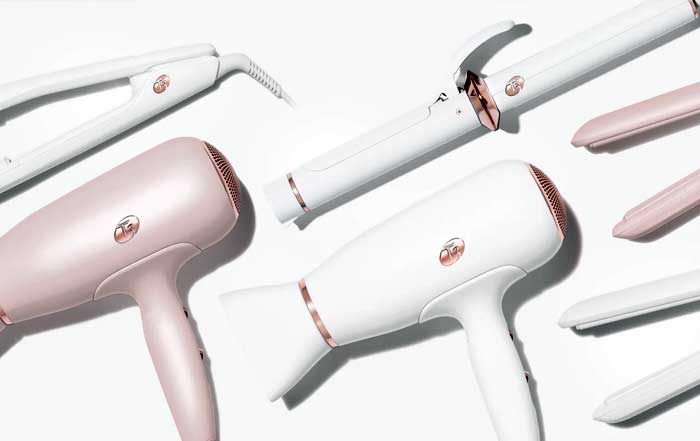
Professional-focused brands like BaBylissPRO, Parlux, T3, and Elchim also play a critical role in 2026's landscape. The BaBylissPRO Nano Titanium dryer is favored for its high wattage and durability, especially for thick or coarse hair; the Parlux Alyon, designed and manufactured in Italy, exemplifies lightweight ergonomics combined with eco-conscious engineering; the T3 Cura Luxe blends sleek aesthetics with digitally controlled heat and ion-enriched airflow; and the Elchim 3900 Healthy Ionic is widely appreciated in salons across Europe and South America for its balance of power and hair-protective technology. These models illustrate how professional-grade performance is increasingly sought by home users who follow advanced styling routines and educational content, including the BeautyTipa guides and tips.
Regional Preferences and Global Market Dynamics
While the best women's hair dryers share common technological themes, regional preferences are shaped by climate, hair types, cultural beauty standards, and economic conditions. In the United States, Canada, and United Kingdom, there is strong demand for premium and mid-range models that promise time savings and reduced damage, reflecting busy lifestyles and a willingness to invest in advanced home tools. In Germany, Netherlands, Switzerland, and Nordic countries such as Sweden, Norway, Denmark, and Finland, energy efficiency, durability, and sustainability carry particular weight, consistent with broader environmental priorities in these markets.
Across Asia, from Japan and South Korea to Singapore, China, and Thailand, humidity management, scalp health, and gentle care for colored or treated hair are top priorities, which helps explain the popularity of moisture-focused technologies like Panasonic nanoe⢠and other wellness-centric devices. In emerging markets such as Brazil, South Africa, Malaysia, and parts of Africa and South America, affordability and robustness are crucial, with brands like Conair, Revlon, and regional labels gaining ground by offering reliable performance at accessible prices.
For readers interested in how these dynamics translate into cross-border trends, the BeautyTipa international section examines how global influences, from K-beauty to European eco-design, shape local purchasing decisions and styling habits.
Professional versus Consumer Models: Blurring Boundaries
The line between professional and consumer hair dryers has become increasingly blurred in 2026. Salon stylists still require high wattage, long cords, durable motors, and multiple attachments to accommodate a wide array of hair types and services, and brands like BaBylissPRO, Parlux, and Elchim continue to tailor products to this demanding environment. However, many home users now seek similar performance to support sophisticated routines that include blowouts, smooth finishes, defined curls, or voluminous styles, often guided by online education and in-depth tutorials.
This shift is closely linked to the democratization of expertise through digital platforms and specialized content hubs. Readers who follow the BeautyTipa trends section and events coverage are accustomed to learning from stylists, brand educators, and influencers, and they expect their tools to keep up with the techniques they see demonstrated. As a result, many brands now market "pro-inspired" or "salon-grade" dryers to the general public, emphasizing performance metrics such as airflow speed, temperature stability, and noise levels, while still incorporating user-friendly features like intuitive controls and compact storage.
Technology, Data, and Personalization in Hair Dryers
The integration of technology into beauty tools has accelerated rapidly, aligning with broader digitalization trends noted by organizations such as McKinsey & Company. In 2026, some high-end hair dryers feature embedded sensors that detect hair moisture levels, ambient humidity, and temperature, adjusting settings dynamically to optimize results and minimize damage. A few models sync with mobile applications, allowing users to log usage patterns, receive personalized recommendations for heat and airflow, and access tutorials tailored to their hair type and goals.
This level of personalization reflects the direction explored in the BeautyTipa technology and beauty section, where AI and data-driven insights are transforming skincare, makeup, and now hair care. While not every consumer needs or wants an app-connected dryer, the presence of such technology demonstrates how seriously brands now take the concept of individualized care, and how closely hair tools are being integrated into the broader ecosystem of smart wellness devices.
Hair Type, Styling Outcomes, and Routine Integration
The best hair dryer is ultimately the one that aligns with an individual's hair characteristics and daily life. Women with fine hair in France, Italy, or Japan may prioritize gentle heat and volume-enhancing attachments that avoid flattening delicate strands, while those with dense, curly, or coily hair in United States, Brazil, South Africa, or United Kingdom may look for powerful airflow, diffusers that preserve curl patterns, and ionic technology that combats frizz.
Chemically treated or color-processed hair, common across fashion-forward markets from South Korea to New York and London, benefits from precise temperature control and advanced coatings that reduce hot spots. Here, models like Dyson Supersonic, ghd Helios, T3 Cura Luxe, and Elchim 3900 Healthy Ionic often stand out, as they are engineered to maintain consistent, moderate temperatures that protect fragile cuticles. For those crafting carefully layered beauty rituals, integrating hair care with skincare and makeup, BeautyTipa's routines and makeup insights help situate the hair dryer as one component in a coherent, efficient morning or evening sequence.
Business, Careers, and the Professionalization of At-Home Styling
The rise of sophisticated hair dryers also has significant implications for the business side of beauty, from product development and retail strategies to salon economics and employment opportunities. As detailed in the BeautyTipa business and finance section, the professional tool segment remains a critical revenue driver for many brands, even as at-home devices become more advanced. Salons in North America, Europe, Asia, and Oceania are increasingly expected to justify their services not only with technique but also with superior tools and personalized advice.
At the same time, the popularity of high-performance home dryers has opened new career pathways in content creation, digital education, and brand ambassadorship. Stylists who understand both the technical specifications and the real-world performance of tools like Shark HyperAIR, Parlux Alyon, or BaBylissPRO Nano Titanium can build authority online, influencing purchasing decisions across continents. This intersection of tools, expertise, and digital presence is reflected in the BeautyTipa jobs and employment coverage, which explores how beauty professionals adapt to a world where clients arrive with sophisticated devices and high expectations.
Hair Dryers as Lifestyle Statements in 2026
By 2026, the women's hair dryer has fully transitioned from a utilitarian gadget to a lifestyle statement. Its design, brand, technological sophistication, and sustainability profile all communicate something about the owner's priorities, whether that is minimalist efficiency, eco-consciousness, high fashion, or an emphasis on wellness and self-care. For some, an investment in a premium device like the Dyson Supersonic or T3 Cura Luxe signals a commitment to hair health and time savings; for others, a carefully chosen mid-range or budget-friendly dryer reflects savvy financial management and a focus on value, consistent with the practical mindset discussed in BeautyTipa's health and fitness and food and nutrition sections, where balance and sustainability are key themes.
Across Global, Europe, Asia, Africa, North America, and South America, the unifying trend is that women expect their tools to work harder and smarter for them. They look for brands with proven expertise, transparent communication, and demonstrable results. They seek devices that integrate seamlessly into routines that also include skincare, makeup, fashion choices, and wellness practices, many of which are explored holistically throughout BeautyTipa. In this context, the best women's hair dryers of 2026 are those that combine engineering excellence with a clear understanding of how real women live, work, travel, and express themselves.
Ultimately, the most trusted dryers are not just machines; they are quiet partners in daily rituals, supporting confidence before a presentation, composure during travel, elegance at an evening event, or simply comfort on a busy weekday morning. As beauty technology continues to advance, BeautyTipa will remain committed to guiding its readers through these choices with the depth, clarity, and authority that modern consumers deserve, ensuring that every investment in a hair dryer is also an investment in long-term hair health, personal style, and overall well-being.
