
Workplace Wellness: How Global Trends Are Redefining Beauty, Work, and Wellbeing
The 2026 Reality: Wellness as a Core Business Discipline
By 2026, workplace wellness has matured from a progressive talking point into a disciplined, measurable, and strategically governed function inside organizations across North America, Europe, Asia, Africa, and South America. Employers are no longer content with ad hoc initiatives or symbolic wellness days; instead, they are building integrated wellbeing architectures that connect physical health, mental resilience, financial security, social belonging, and personal identity into a single, coherent employee experience. For BeautyTipa and its international readership, this evolution is particularly relevant, because it is reshaping not only how people work but also how they care for their bodies, skin, appearance, and inner balance every day.
The global shift has been propelled by a series of converging forces: the normalization of hybrid and fully remote work, renewed attention to public health after years of disruption, demographic aging in markets such as Japan, Germany, Italy, and South Korea, and intensifying competition for skilled talent in the United States, United Kingdom, Canada, Australia, Singapore, and beyond. Added to this is the growing body of evidence from organizations such as the World Health Organization and OECD that links wellbeing to productivity, innovation, and long-term economic resilience. As a result, wellness has moved from the fringes of HR policy into the center of boardroom strategy, and is increasingly treated with the same rigor as digital transformation or sustainability. On BeautyTipa, where readers explore interconnected themes of beauty, wellness, and lifestyle, this new reality of work mirrors what audiences already understand intuitively: that appearance, health, mindset, and performance cannot be separated.
From Perks to Performance Strategy
In 2026, wellness programs are evaluated not only by participation rates but also by their contribution to business outcomes, talent retention, and brand equity. Leading employers in sectors such as technology, finance, beauty, fashion, and consumer goods are drawing on frameworks from McKinsey & Company, Deloitte, and the World Economic Forum to quantify the impact of burnout, presenteeism, and chronic disease on organizational performance. This data-driven perspective has led to a more sophisticated understanding of wellness as a strategic investment in human capital, rather than an optional benefit to be trimmed in periods of cost pressure.
At the same time, the beauty and wellness economy has become an important partner in this transition. Corporate leaders in the United States, United Kingdom, Germany, France, and Singapore now routinely consult medical and public health resources such as Mayo Clinic and the Harvard T.H. Chan School of Public Health when designing wellness strategies, while also looking to trusted lifestyle platforms like BeautyTipa to understand how employees think about skincare, self-care rituals, and daily routines. On Beautytipa's business and finance coverage, readers can see how brands are repositioning themselves to serve both consumer and corporate needs, providing evidence-based products and content that sit comfortably inside formal wellness programs. In major hubs including New York, London, Berlin, Paris, Seoul, and Tokyo, wellness budgets are increasingly integrated into long-term workforce planning, ESG commitments, and employer branding strategies, reinforcing the idea that wellbeing is inseparable from sustainable business growth.
Mental Health, Psychological Safety, and the New Leadership Standard
The most profound shift since the early 2020s has been the mainstreaming of mental health as a core dimension of workplace responsibility. In 2026, organizations in the United States, Canada, the United Kingdom, the Nordics, and much of Western Europe are embedding mental health into employment contracts, leadership competencies, and risk management frameworks. Guidance from the World Health Organization and the American Psychological Association has informed standards for psychological safety, manager training, and access to professional support, while regulators in some jurisdictions have begun to scrutinize psychosocial risks in the same way they examine physical safety.
In Asia, cultural change continues to unfold at different speeds. Countries such as Japan, South Korea, Singapore, and Thailand have seen a gradual but unmistakable increase in open dialogue around stress, depression, and overwork, driven by younger generations, social media, and high-profile corporate initiatives in technology, electronics, and beauty. Multinational employers have responded by setting global baselines for mental health coverage and crisis support, while tailoring communications and delivery models to local norms. For many knowledge workers in finance, technology, media, and fashion across North America, Europe, and Asia-Pacific, the availability of confidential counseling, digital therapy, and burnout prevention programs now ranks alongside salary and flexibility as a key determinant when choosing an employer. This reality strongly echoes the holistic approach to health and fitness and emotional wellbeing that BeautyTipa explores daily, where mental balance is treated as a prerequisite for sustainable beauty and performance.
Holistic Wellness Ecosystems and the Power of Everyday Rituals
A defining feature of workplace wellness in 2026 is the shift from isolated programs to integrated ecosystems that support employees across the full spectrum of daily life. Rather than offering separate initiatives for fitness, nutrition, skincare, sleep, and mental health, organizations are building unified platforms that allow individuals to personalize their wellness journeys based on age, health status, cultural background, and professional demands. These ecosystems often combine clinical guidance from organizations like the National Institutes of Health with practical lifestyle insights, and increasingly draw inspiration from consumer-facing resources such as Beautytipa's guides and tips and skincare content.
In markets including the United States, Germany, France, Spain, the Netherlands, and the United Arab Emirates, employers are rolling out digital dashboards where employees can track sleep patterns, physical activity, stress markers, and even skin-related indicators such as hydration or UV exposure, often connected to wearables or smartphone sensors. These systems are designed to be inclusive, offering tailored modules for different life stages, from early-career professionals managing irregular hours to midlife employees navigating hormonal changes that affect skin, mood, and energy. The emphasis on daily rituals-morning skincare routines, mindful breaks, hydration habits, evening wind-down practices-reflects a broader cultural recognition that small, consistent actions often deliver more sustainable benefits than sporadic intensive efforts. On BeautyTipa, where routines are a recurring theme, this alignment between personal habits and corporate wellness design is particularly visible in the routines section, which many HR and wellness leaders now reference when shaping their own internal communications.
Beauty, Skincare, and Professional Confidence
The convergence between workplace wellness and beauty has become more explicit in 2026. As hybrid work remains the norm in the United States, United Kingdom, Canada, Australia, and much of Europe, many professionals spend their days alternating between virtual meetings and in-person interactions, making appearance and self-presentation a subtle but powerful component of psychological wellbeing. Employers have increasingly acknowledged that skincare routines, grooming habits, and makeup choices are not superficial concerns, but tools that help individuals feel composed, confident, and camera-ready in high-pressure environments.
In fashion and luxury hubs such as Paris, Milan, Madrid, Zurich, and Dubai, companies have long understood the link between appearance and professional identity, but this insight is now diffusing into technology, consulting, and creative industries. Corporate wellness calendars may include dermatology webinars, sun protection education, and workshops on managing stress-related skin conditions such as acne, rosacea, or eczema, drawing on resources from organizations like the American Academy of Dermatology and complemented by neutral, ingredient-focused content from platforms such as BeautyTipa. HR and people leaders frequently turn to Beautytipa's coverage of makeup and beauty when seeking accessible explanations of skincare trends, from retinoids and niacinamide to barrier repair and blue light protection, ensuring that corporate messaging remains both credible and inclusive across genders and cultures.
Nutrition, Energy, and Cognitive Performance
Nutrition has moved firmly into the center of workplace wellness strategy as employers recognize the direct link between dietary habits, energy levels, and cognitive performance. Across corporate campuses in the United States, Canada, Germany, the Nordics, and Singapore, as well as co-working spaces in Brazil, South Africa, and Southeast Asia, organizations are overhauling their food offerings to prioritize whole foods, balanced macronutrients, and sustained energy release. Guidance from institutions such as NHS UK and the Harvard School of Public Health informs menu design, snack policies, and educational campaigns that discourage reliance on ultra-processed, sugar-heavy options that trigger energy crashes and long-term metabolic risk.
Digital nutrition coaching, recipe libraries, and short-form learning modules are now embedded in many wellness platforms, often co-created with nutritionists, chefs, and wellness media. For Beautytipa's audience, this corporate focus on diet aligns seamlessly with the understanding that skin clarity, hormonal balance, and overall vitality are shaped by what is consumed daily, a theme explored in depth in the food and nutrition section. In countries such as Sweden, Norway, Denmark, and Finland, where public awareness of sustainable diets and planetary health is relatively advanced, employers are also using food programs to reinforce ESG commitments, promoting plant-forward menus and responsible sourcing. This integration of personal health, environmental responsibility, and corporate strategy is becoming an important marker of employer sophistication in 2026.
Workplace Wellness 2026
Global Trends Redefining Work & Wellbeing
🧠Mental Health
Psychological safety embedded in contracts and leadership competencies. Global standards for counseling access and burnout prevention now rank alongside salary in talent decisions.
✨Beauty & Confidence
Skincare routines and grooming recognized as tools for professional confidence in hybrid work. Corporate wellness includes dermatology education and stress-related skin condition management.
🥗Nutrition & Energy
Corporate food offerings prioritize whole foods and balanced macronutrients. Digital coaching connects diet to skin clarity, hormonal balance, and cognitive performance.
🏃Movement & Resilience
Micro-breaks and low-intensity movement replace traditional gym focus. Structured prompts support posture, circulation, and reduced screen strain for remote workers.
💰Financial Wellness
Budgeting, debt management, and retirement planning recognized as foundational to sustainable self-care. Financial stability enables thoughtful wellness investments.
🤖AI Personalization
Wearable data and clinical guidelines generate tailored recommendations. Advanced systems align sleep, skincare, nutrition, and light exposure for optimal energy and appearance.
🇺🇸 North America
US, Canada leading in benefits competition and flexibility. Mental health coverage and wellness tech adoption highest globally. Financial wellness programs address housing pressures and economic uncertainty.
🇪🇺 Europe
Strong regulatory frameworks in UK, Germany, France, Nordics. ESG integration with sustainable diets. Cultural intelligence programs respect religious practices and diverse work-life norms.
🇯🇵 Asia-Pacific
Japan, South Korea, Singapore seeing gradual cultural shifts on stress and overwork. Technology and beauty industries driving innovation. High competition for skilled talent in Australia, Singapore.
🇿🇦 Africa & South America
Rapid growth balancing with infrastructure development. Brazil, South Africa expanding co-working wellness spaces. Focus on accessibility and fundamental health needs alongside premium offerings.
💡 Global Convergence
Shared principles: mental health priority, holistic personalization, inclusion, sustainable performance. Local differentiation remains decisive based on regulatory frameworks, cultural norms, and infrastructure levels.
Integrated Ecosystems
Unified platforms replacing isolated programs. Digital dashboards track sleep, activity, stress, skin hydration, and UV exposure through wearables and sensors.
Daily Rituals Focus
Small consistent actions over sporadic intensive efforts. Morning skincare, mindful breaks, hydration, and evening wind-down practices embedded in work culture.
Cultural Intelligence
Gender-specific health needs, caregiving responsibilities, and marginalized group stressors addressed. Hair, skincare, and dietary needs across ethnicities respected.
Data-Driven Investment
Wellness evaluated by business outcomes, retention, and brand equity. McKinsey and Deloitte frameworks quantify burnout and chronic disease impact on performance.
Experience Design
Wellness weeks, workshops, and retreats with sophisticated aesthetics. Live and virtual events create shared language and catalyze behavior change across hybrid teams.
Career Professionalization
Chief wellness officers, wellbeing strategists, and mental health program leads emerging. Specialized degrees blend psychology, public health, HR, analytics, and beauty literacy.
💎 The New Success Metric
Organizations treating employees as whole human beings whose appearance, health, relationships, and ambitions are deeply interconnected. Wellness no longer optional but essential for sustainable business growth and employer brand differentiation.
🚀 Competitive Advantage
Forward-thinking companies align personal routines with organizational design. Beauty, wellness, fashion, nutrition, and technology integration becomes central criterion in talent attraction and retention across global markets.
Movement, Micro-Breaks, and Long-Term Physical Resilience
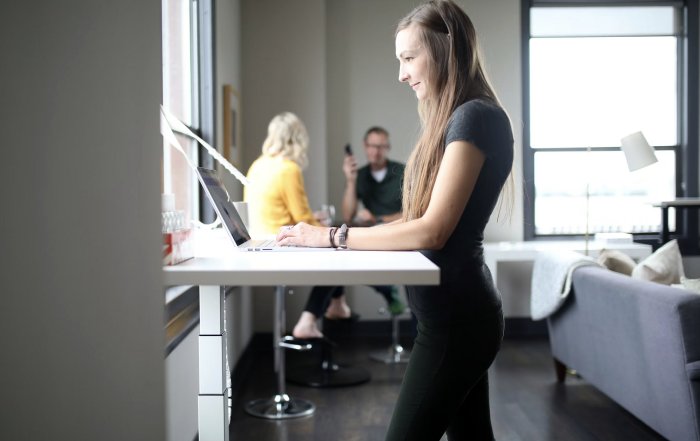
The traditional focus on gym memberships and step challenges has given way to a more nuanced appreciation of movement as an ongoing, low-friction component of daily work. Research from organizations such as the American College of Sports Medicine and Public Health England has highlighted the dangers of prolonged sitting and the benefits of frequent, low-intensity movement for cardiovascular health, musculoskeletal resilience, and cognitive function. In response, employers in the United States, United Kingdom, Germany, the Netherlands, Singapore, and Australia are redesigning workspaces and workflows to encourage micro-breaks, standing meetings, walking calls, and short guided stretching sessions.
For remote and hybrid workers, structured movement prompts delivered via wellness apps, calendars, or collaboration tools have become common, often accompanied by short video demonstrations that can be completed in small spaces without equipment. These practices have a direct connection to beauty and self-care concerns: improved posture, better circulation, and reduced eye strain all influence how individuals look and feel, particularly when spending long hours in front of screens. On BeautyTipa, movement is increasingly framed not only as a fitness goal but as an integral part of holistic routines that protect skin health, reduce dark circles, and support overall vitality, themes that resonate strongly with readers who juggle demanding careers with high expectations for personal appearance.
Technology, AI, and Hyper-Personalized Wellness
The acceleration of digital health technologies and artificial intelligence has transformed workplace wellness into a highly personalized experience in 2026, especially in technologically advanced regions such as the United States, Canada, the United Kingdom, Germany, South Korea, Japan, and Singapore. Employers are partnering with health-tech companies to deploy platforms that integrate wearable data, self-reported metrics, and clinical guidelines to generate tailored recommendations on sleep, stress management, movement, and nutrition. These systems, guided by best practices from organizations like the World Economic Forum and European Commission, are designed with privacy and transparency at their core, recognizing that trust is essential for sustained engagement.
The overlap between corporate wellness technology and consumer beauty tech is becoming more pronounced. Devices capable of tracking skin hydration, UV exposure, and environmental pollutants are increasingly used in industries with high outdoor exposure or intensive screen use, helping employees protect their skin barrier and reduce long-term damage. For BeautyTipa, which covers technology in beauty and wellness, this convergence offers a powerful illustration of how data-driven personalization is reshaping both individual routines and organizational policies. As AI models grow more sophisticated, they are beginning to suggest integrated routines that align sleep timing, skincare steps, light exposure, and nutrition in ways that optimize energy, mood, and appearance, creating a new frontier for evidence-based self-care at work.
Financial Wellness and the Stability Behind Self-Care
In a period marked by inflation, housing pressures, and economic uncertainty in markets such as the United States, United Kingdom, Canada, Australia, and parts of Europe and Asia, financial wellness has emerged as a foundational pillar of workplace wellbeing. Employers increasingly recognize that chronic financial stress undermines mental health, decision-making, and long-term engagement. In response, companies in cities such as New York, London, Zurich, Singapore, and Sydney are offering structured programs on budgeting, debt management, retirement planning, and responsible investing, often drawing on insights from central banks, the OECD, and national financial education bodies.
Within the broader lifestyle context, financial stability is now widely acknowledged as a prerequisite for sustainable self-care. BeautyTipa's coverage of business and finance explores how individuals can invest in skincare, nutrition, and wellness experiences without compromising long-term security, an issue that resonates strongly with younger professionals managing student loans and older employees planning for retirement. Employers that provide transparent pay structures, access to independent financial advisors, and tools for long-term planning are effectively enabling employees to make thoughtful choices about their wellness spending, from gym memberships and skincare regimens to healthy food and mental health services, reinforcing the idea that true wellbeing is built on both emotional and economic foundations.
Diversity, Inclusion, and Culturally Intelligent Wellness
As global organizations expand across continents and talent pools become more diverse, the limitations of one-size-fits-all wellness programs have become increasingly apparent. In 2026, leading employers are embracing culturally intelligent wellness strategies that recognize how wellbeing is shaped by gender, ethnicity, age, religion, family structure, and local norms. Research and recommendations from UN Women, the International Labour Organization, and national equality bodies are informing policies that address gender-specific health needs, caregiving responsibilities, and the particular stressors experienced by marginalized or underrepresented groups.
For the international audience of BeautyTipa, spanning the United States, United Kingdom, Germany, Canada, Australia, France, Italy, Spain, the Netherlands, Switzerland, China, Sweden, Norway, Singapore, Denmark, South Korea, Japan, Thailand, Finland, South Africa, Brazil, Malaysia, New Zealand and broader regions such as Europe, Asia, Africa, South America, and North America, this focus on inclusion is deeply familiar from debates about representation in beauty, fashion, and media. Employers are increasingly working with employee resource groups and external cultural experts to ensure that wellness initiatives respect religious practices, traditional diets, hair and skincare needs across different ethnicities, and varied conceptions of work-life balance. By aligning corporate wellness with the lived realities of diverse employees, organizations not only build trust and engagement but also unlock creative insights that can inform product development and marketing, particularly in consumer-facing sectors that BeautyTipa tracks closely through its trends and fashion coverage.
Events, Experiences, and the Human Side of Corporate Wellness
Even as digital platforms dominate the infrastructure of workplace wellness, live and virtual events continue to play a crucial role in bringing wellbeing to life and building community. In 2026, companies across North America, Europe, Asia-Pacific, and Latin America are curating wellness weeks, mental health awareness campaigns, skincare and grooming workshops, nutrition masterclasses, and mindfulness retreats, often featuring experts from healthcare, beauty, fitness, and psychology. These events serve as visible proof of leadership commitment, create shared language around wellness, and offer employees tangible experiences that can catalyze long-term behavior change.
For BeautyTipa, which follows events across the global beauty and wellness landscape, the aesthetics and design of corporate wellness experiences are increasingly sophisticated. In cities such as Los Angeles, London, Berlin, Seoul, and São Paulo, in-office wellness activations may include thoughtfully lit spaces, curated product stations, interactive demonstrations, and panel discussions that mirror consumer-facing beauty and wellness festivals. These experiences often introduce employees to new routines, ingredients, and technologies that they later integrate into their everyday lives, reinforcing the bridge between professional environments and personal care practices. As organizations refine their hybrid strategies, many are also experimenting with virtual events that maintain a high level of production quality and interactivity, ensuring that remote employees feel equally included in the wellness culture.
Careers in Wellness and the Professionalization of a Growing Field
The institutionalization of workplace wellness has created a rapidly expanding ecosystem of specialized careers. In 2026, roles such as chief wellness officer, wellbeing strategist, mental health program lead, corporate nutritionist, movement specialist, and wellness data analyst are becoming more common in large organizations, particularly in the United States, United Kingdom, Germany, Canada, Australia, and fast-growing Asian markets. These positions require a blend of expertise in psychology, public health, human resources, data analytics, technology, and often beauty or skincare literacy, reflecting the multidisciplinary nature of modern wellness.
Universities and professional bodies are responding with dedicated degrees and certifications in corporate wellness, digital health, and wellbeing leadership, often developed in collaboration with industry partners and informed by guidelines from organizations like the Chartered Institute of Personnel and Development and the Society for Human Resource Management. For professionals who follow BeautyTipa's jobs and employment insights, this trend represents an opportunity to align personal passion for beauty, wellness, and lifestyle with meaningful, strategically important roles inside organizations. Startups in health-tech, beauty-tech, and wellness services are also expanding their teams, creating a dynamic labor market in which expertise in both human wellbeing and commercial strategy is highly valued.
A Global Convergence with Local Nuance
As 2026 unfolds, workplace wellness around the world is characterized by a dual movement: convergence around shared principles and differentiation based on local context. Across continents, there is broad agreement that mental health must be prioritized, that wellness should be holistic and personalized, that inclusion is non-negotiable, and that wellbeing is essential for sustainable business performance. At the same time, regional nuances remain decisive. European employers often operate within strong regulatory frameworks and social safety nets, Asian organizations navigate intense competition and evolving cultural norms, North American companies compete fiercely on benefits and flexibility, and employers in Africa and South America balance rapid growth with varying levels of infrastructure and public health support.
For BeautyTipa, whose global homepage at beautytipa.com connects readers from all these regions, workplace wellness is not an isolated corporate phenomenon; it is part of a broader cultural redefinition of success, health, beauty, and self-expression. As individuals increasingly seek careers that support their physical health, emotional balance, skincare needs, and lifestyle aspirations, the alignment between personal routines and organizational design becomes a central criterion in choosing where and how to work. The integration of beauty, wellness, fashion, nutrition, and technology that BeautyTipa documents across its verticals is now mirrored inside the world's most forward-thinking companies.
Looking ahead, organizations that approach wellness with genuine expertise, transparent communication, and a commitment to continuous learning will distinguish themselves in a crowded talent market. They will treat employees not as resources to be optimized, but as whole human beings whose appearance, health, relationships, and ambitions are deeply interconnected. For the global community that turns to BeautyTipa for insight, inspiration, and practical guidance, this emerging workplace reality offers both an opportunity and a responsibility: to advocate for environments that honor wellbeing, to make informed choices about employers and routines, and to participate actively in building a future of work that is not only productive and innovative, but also balanced, humane, and, in the broadest sense of the word, beautiful.
