
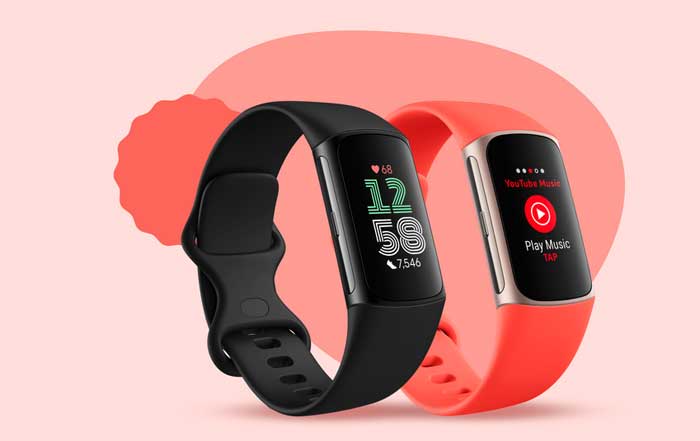
Fashionable Technology for Women: Where Beauty, Wellness, and Innovation Converge
In 2026, fashionable technology for women has matured from a niche category into a defining force in global lifestyle, reshaping how beauty, wellness, work, and self-expression are experienced every day. On BeautyTipa, this evolution is not viewed as a passing trend but as a structural shift in how women across continents-from North America and Europe to Asia, Africa, and South America-choose the products that accompany them through their routines, careers, and personal moments. Devices are no longer judged solely by processing power or battery life; they are evaluated by how gracefully they complement a tailored blazer in New York, a minimalist wardrobe in Stockholm, or a skincare ritual in Seoul, while still delivering credible, science-backed performance.
This new era is defined by a deep integration of design, engineering, and human insight. Women now expect technology to understand their bodies, respect their time, protect their data, and align with their values, especially around sustainability and inclusivity. Companies such as Apple, Samsung, L'Oréal, Dyson, Oura, and a growing ecosystem of FemTech and beauty-tech startups are competing not only on innovation but on trust, aesthetic refinement, and cultural sensitivity. For readers of BeautyTipa, who move fluidly between interests in beauty, wellness, fashion, and technology in beauty, fashionable tech has become the connective tissue that unites these domains into one cohesive lifestyle.
The New Intersection of Fashion, Beauty, and Technology
The convergence of fashion and technology in 2026 is no longer experimental; it is embedded in mainstream consumer behavior. Smartwatches that once looked like miniature phones on the wrist are now crafted with luxury finishes and subtle silhouettes, while smart rings, AI-powered skincare tools, and sensor-embedded garments are designed to be indistinguishable from fine jewelry or premium ready-to-wear. Women in markets such as the United States, United Kingdom, Germany, France, Italy, Spain, Japan, South Korea, and Singapore are increasingly selective, seeking products that align with their professional image and personal identity, while women in Brazil, South Africa, Malaysia, and the Middle East are driving demand for solutions that harmonize modern connectivity with local cultural aesthetics.
Global shifts have accelerated this integration. Remote and hybrid work remain prevalent, prompting demand for devices that transition elegantly from video calls to evening events. Growing awareness of mental health and holistic wellness has pushed brands to embed stress management, sleep optimization, and menstrual health tracking into devices that look more like jewelry than medical equipment. At the same time, heightened scrutiny of greenwashing has made sustainability claims a serious business issue, with industry observers tracking corporate commitments through resources such as the UN Environment Programme and World Economic Forum. Within this context, BeautyTipa focuses on helping readers distinguish between marketing and measurable impact, especially when evaluating brands that promise both glamour and responsibility.
Smartwatches as Lifestyle Signatures
In 2026, smartwatches are no longer treated as generic wearables; they function as lifestyle signatures that reveal a woman's priorities in health, productivity, and style. The most successful models are those that can blend into a luxury wardrobe while quietly delivering advanced biometrics, secure payments, and ecosystem connectivity.
The Apple Watch Hermès collection continues to set the benchmark in the premium segment, combining the engineering depth of Apple with the artisanal heritage of Hermès. With refined case finishes, interchangeable leather straps, and exclusive watch faces, the device functions as both timepiece and wellness hub, offering menstrual cycle insights, heart rate variability metrics, and mental health features that integrate with broader initiatives such as Apple's focus on mindfulness and safety. Readers who follow developments in high-end consumer tech can explore more on the Apple website, where the company outlines its progress in health research collaborations and environmental goals.
In parallel, Samsung has strengthened its position with the Galaxy Watch series, particularly in fashion-conscious markets like South Korea, Germany, and the United Arab Emirates, where customization and Android ecosystem integration are critical. Limited-edition bezels, vegan leather straps, and collaborations with regional designers allow women to tailor their smartwatch to local fashion codes, while advanced sleep staging, body composition analysis, and stress indicators appeal to those who track performance as rigorously as style. For readers of BeautyTipa, these devices illustrate how a single accessory can unify elements explored across the site's routines, health and fitness, and trends sections.
2026 Fashionable Tech Guide for Women
Explore the intersection of beauty, wellness & innovation
Apple Watch Hermès
Premium smartwatch combining Apple engineering with Hermès artisanal heritage. Features menstrual cycle insights, heart rate variability, and mental health tracking.
Popular: GlobalSamsung Galaxy Watch
Customizable smartwatch with Android integration. Limited-edition bezels, vegan leather straps, and advanced sleep staging with body composition analysis.
Popular: South Korea, Germany, UAEOura Ring
Discreet health tracker in brushed gold, black titanium, and polished silver. Provides overnight readiness scores, temperature-based cycle prediction, and stress mapping.
Popular: US, Canada, UK, NordicsBellabeat Ivy
Women-focused bracelet emphasizing reproductive health, guided breathing, and holistic stress management with gemstone-inspired materials.
Popular: North America, EuropeL'Oréal Perso Platform
AI-powered skincare customization analyzing skin condition, pollution levels, and UV exposure to dispense personalized formulas and reduce product waste.
Popular: Paris, NYC, Shanghai, São PauloForeo Luna 4
Minimalist facial cleansing device with adaptive intensities, app-guided routines, and microcurrent toning reflecting Nordic design principles.
Popular: Scandinavia, Japan, AustraliaDyson Supersonic & Airwrap
Premium hair styling tools with region-specific attachments for textured, curly, and coily hair. Protects hair integrity while reducing styling time.
Popular: Global - All Hair TypesDyson Airstrait
Revolutionary straightener using controlled airflow instead of hot plates, reducing breakage and long-term damage for health-conscious styling.
Popular: North America, Europe, AfricaAthos Smart Apparel
Sensor-embedded leggings, sports bras, and tops with EMG and motion sensors providing real-time muscle engagement and posture feedback.
Popular: US, Canada, Germany, AustraliaWHOOP Recovery Band
Discreet fitness tracker with customizable finishes providing detailed analytics on strain, sleep, and recovery for athletes and professionals.
Popular: US, Canada, BrazilSmart Jewelry: Discreet Intelligence with Aesthetic Intent
Smart jewelry has solidified its place as the preferred category for women who want continuous data without the visual presence of a traditional gadget. Rings, bracelets, and necklaces now incorporate sensors with a level of miniaturization and design sophistication that would have seemed improbable just a few years ago.
The Oura Ring remains a reference point, particularly in markets such as the United States, Canada, United Kingdom, and Nordic countries, where sleep quality and recovery are treated as core pillars of performance. With iterations released through 2025 and 2026, Oura has refined its algorithms for overnight readiness scores, temperature-based cycle prediction, and stress load mapping, while offering finishes in brushed gold, black titanium, and polished silver that resemble fine jewelry more than health trackers. Women in high-pressure professions increasingly rely on these insights to calibrate training, travel, and work schedules, and those interested in the science behind the product can explore more through Oura's official site.
Brands like Bellabeat have continued to focus specifically on women's needs, with devices such as the Ivy bracelet and smart necklaces that emphasize reproductive health, guided breathing, and holistic stress management. By pairing organic shapes and gemstone-inspired materials with AI-powered analytics, Bellabeat demonstrates that technology can respect both aesthetics and privacy, an expectation that is becoming central as more women educate themselves through resources like the World Health Organization on data ethics and health transparency. For BeautyTipa readers exploring smart jewelry, the key takeaway is that design, data accuracy, and app experience must all be evaluated together, particularly when devices influence daily wellness decisions.
AI-Powered Beauty and Skincare Devices
The beauty-tech category has expanded rapidly, and 2026 marks a moment in which AI is no longer a buzzword but a functional layer embedded in skincare, makeup, and hair tools. Devices are increasingly designed to sit beautifully on a vanity or bathroom shelf, doubling as décor while acting as personal beauty labs.
L'Oréal has continued to invest in AI personalization, building on innovations such as Perso and subsequent platforms that analyze skin condition, local pollution levels, UV exposure, and lifestyle inputs to dispense customized skincare or complexion products. By leveraging dermatology research, environmental data, and machine learning, the company aims to deliver targeted formulas while reducing product waste, a topic closely watched by sustainability analysts and organizations such as the Ellen MacArthur Foundation. Women in cities like Paris, New York, Shanghai, and São Paulo use these systems to adjust routines dynamically, aligning with BeautyTipa's emphasis on evidence-based skincare and smart product selection.
Scandinavian beauty-tech leader Foreo has also evolved its Luna line, with the Luna 4 and subsequent models incorporating adaptive cleansing intensities, app-guided routines, and microcurrent toning in devices that maintain a soft, minimalist visual language. The brand's approach reflects broader Nordic design principles-functional, gentle, and aesthetically calm-resonating strongly in Sweden, Norway, Finland, and increasingly in Japan and Australia. For BeautyTipa, these devices exemplify how technology can enhance self-care rituals without overwhelming them, supporting a more mindful approach to beauty that aligns with the site's wellness and guides and tips content.
Haircare Technology as a Luxury Essential
Advanced haircare tools have transitioned from salon-only prestige items to essential components of at-home beauty arsenals, especially for women who balance busy careers with limited time for professional appointments. The expectation is now clear: devices must protect hair integrity, reduce styling time, and look elegant enough to leave on display.
Dyson remains the dominant name in this space, with the Dyson Supersonic and Dyson Airwrap joined by newer iterations and region-specific attachments tailored to textured, curly, and coily hair, a response to long-standing calls for inclusivity from consumers in North America, Europe, and Africa. The introduction of the Dyson Airstrait, which uses precisely controlled airflow instead of traditional hot plates for straightening, has been particularly relevant for women concerned about breakage and long-term damage. These products demonstrate how engineering expertise, when combined with user-centric research, can redefine what a "beauty tool" looks and feels like, a theme that resonates strongly with BeautyTipa's coverage in brands and products and technology-beauty.
Beyond Dyson, brands such as GHD and Panasonic are experimenting with predictive heat control, moisture-sensing plates, and compact travel designs, responding to the needs of frequent travelers and remote professionals who move between cities like London, Dubai, Hong Kong, and Los Angeles. Industry observers often point to reports from organizations like McKinsey & Company to understand how this segment is influencing the broader beauty market, especially as premium haircare tools become key revenue drivers.
Fashion-Forward Health and Fitness Wearables
The integration of fashion and fitness technology has deepened, particularly as women in United States, Canada, Germany, Australia, and Brazil prioritize longevity, metabolic health, and mental resilience alongside aesthetic goals. Wearables must now blend into performance wear and athleisure, supporting everything from high-intensity training to yoga and recovery.
Performance apparel companies have advanced sensor-embedded garments, with brands like Athos and emerging European and Asian startups integrating EMG and motion sensors into leggings, sports bras, and tops. These garments provide real-time feedback on muscle engagement and posture, allowing women to refine technique without bulky chest straps or visible gadgets. The data is increasingly integrated with coaching platforms and telehealth services, a trend that observers follow through sources like the American College of Sports Medicine, which tracks global fitness technology trends and consumer behavior.
At the same time, recovery-focused wearables such as WHOOP have gained ground among both elite athletes and ambitious professionals. The discreet band design, customizable with fabric and metal finishes, allows women to wear the device with office attire or evening wear while still accessing detailed analytics on strain, sleep, and recovery. For BeautyTipa readers, these products illustrate how health and beauty are converging into a single continuum, where performance, appearance, and long-term well-being are managed through interconnected data.
Fashion Accessories Reimagined as Smart Devices
Traditional fashion accessories-handbags, sunglasses, and even earrings-are being reimagined as connected devices that support communication, navigation, and entertainment while preserving the visual language of luxury or street style. In 2026, the most successful products are those that conceal their technological complexity behind impeccable craftsmanship.
Louis Vuitton has continued to develop its Horizon line of wearable audio, with earphones and over-ear models that function as both high-fidelity sound devices and fashion statements. These products, along with similar offerings from Prada and Gucci, underscore how luxury houses now view technology as an extension of their brand universes, not merely a licensing opportunity. Industry perspectives from the Business of Fashion and Vogue Business frequently highlight how this strategy is reshaping both fashion and consumer electronics supply chains.
Collaborations such as Prada with Meta on smart eyewear illustrate another frontier: sunglasses and optical frames that integrate audio, voice assistants, and lightweight AR capabilities into designs that remain faithful to runway aesthetics. Women in cities like Milan, Barcelona, Amsterdam, and Tokyo increasingly adopt these products as discreet tools for navigation, calls, and content consumption, minimizing the need to constantly handle a smartphone. For BeautyTipa, these accessories represent an important bridge between fashion coverage and the broader conversation about how technology shapes public and social life.
Sustainability, Ethics, and Trust in Fashion-Tech
As the fashionable tech sector grows, scrutiny of its environmental and ethical footprint has intensified. Women are increasingly informed and vocal about issues ranging from supply chain transparency to repairability and e-waste, drawing on resources such as Greenpeace and CDP to evaluate corporate claims. Brands that fail to back style with substance risk rapid reputational damage.
Companies like Fairphone have become symbols of ethical electronics, influencing larger players to adopt more modular designs, recycled materials, and fair labor initiatives. Apple, Samsung, and L'Oréal have all announced roadmaps toward more circular product lifecycles, carbon-neutral operations, and responsible sourcing of key minerals, and these commitments are increasingly scrutinized by investors and regulators in Europe, North America, and Asia. For readers of BeautyTipa, especially those engaging with the site's business and finance content, the message is clear: evaluating fashionable tech now requires understanding both the product in hand and the system behind it.
Data privacy and algorithmic fairness are also central to trust. AI-driven beauty and wellness tools often rely on sensitive health and biometric data, raising questions about consent, security, and bias. Organizations such as the OECD and European Commission are shaping guidelines and regulations to ensure that AI systems respect fundamental rights, while consumers increasingly favor brands that communicate clearly about data handling and provide robust privacy controls.
Regional Dynamics and Cultural Nuance
The global nature of fashionable tech means that products must adapt to different cultural expectations, climate conditions, and beauty ideals. In North America, emphasis often falls on performance, convenience, and integration with existing ecosystems. In Europe, craftsmanship, heritage, and sustainability have particular weight. In Asia, especially South Korea, Japan, China, and Thailand, beauty-tech innovations often lead the world, with consumers highly receptive to advanced skincare devices, LED masks, and smart mirrors.
Emerging markets in Africa and South America are also shaping the category, with urban centers such as Johannesburg, Cape Town, São Paulo, and Bogotá demanding devices that are durable, climate-resilient, and compatible with diverse hair and skin types. These dynamics are increasingly visible in trade data and innovation indices from organizations like the World Bank, which track digital adoption and consumer spending patterns. For BeautyTipa, whose international coverage spans multiple continents, understanding these nuances is essential to recommending products that respect local realities while leveraging global innovation.
Careers and Business Opportunities in Fashion-Tech
The rise of fashionable technology has opened new career paths at the intersection of design, engineering, marketing, and sustainability. Roles such as beauty-tech product manager, wearable UX designer, sustainability strategist, and data ethics lead are now common at companies like LVMH, Apple, L'Oréal, Dyson, and fast-growing startups in London, Berlin, Toronto, Seoul, and Singapore. Women with backgrounds in fashion, cosmetics, computer science, or biomedical engineering are finding opportunities to shape products specifically for female consumers, contributing to a more inclusive innovation pipeline.
Entrepreneurs are also building niche brands that address under-served needs, from inclusive hair tools for textured hair in South Africa and Brazil to modest fashion wearables in the Middle East and climate-adaptive skincare tools in Australia and New Zealand. Readers interested in exploring these professional and entrepreneurial paths can look to the BeautyTipa jobs and employment section, where the focus is on practical insights into how beauty, fashion, and technology careers are evolving.
The Road Ahead: Towards Seamless, Conscious Integration
Looking beyond 2026, the trajectory of fashionable technology for women points toward even deeper integration and greater subtlety. Smart fabrics capable of monitoring hydration, posture, and thermoregulation are moving from prototype to early commercial reality, while neuro-wearables in headbands and discreet hair accessories promise to support focus, stress reduction, and sleep optimization. Augmented reality continues to advance, with in-store and at-home experiences that allow women to test makeup, hair color, and skincare effects virtually before committing, reducing both uncertainty and waste.
At the same time, expectations around responsibility will only intensify. Repairable designs, transparent sourcing, and robust privacy protections will become baseline requirements rather than differentiators. As global regulators refine standards and as consumers become more educated through platforms like BeautyTipa and high-quality external resources, brands will be challenged to demonstrate that their claims about wellness, sustainability, and inclusivity are grounded in verifiable practice rather than aspirational storytelling.
For BeautyTipa and its readers-spanning United States, United Kingdom, Germany, Canada, Australia, France, Italy, Spain, Netherlands, Switzerland, China, Sweden, Norway, Singapore, Denmark, South Korea, Japan, Thailand, Finland, South Africa, Brazil, Malaysia, New Zealand, and beyond-the fashionable tech landscape in 2026 offers unprecedented opportunity. The most compelling devices are those that respect individuality, support health and confidence, align with ethical values, and integrate gracefully into daily life. As beauty, wellness, fashion, and technology continue to converge, BeautyTipa remains committed to guiding women through this complex, exciting terrain with a focus on experience, expertise, authoritativeness, and trustworthiness, helping each reader choose the tools that best reflect who she is and how she wants to live.
