
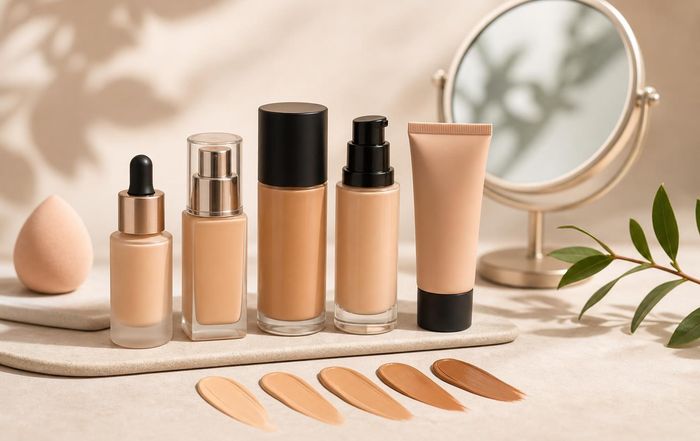
The Guide to Choosing Foundation for Daily Wear
Foundation has evolved from a simple complexion product into a sophisticated fusion of skincare, sun protection, and performance cosmetics, and by 2026, daily-wear foundation has become one of the most strategic choices in a modern beauty routine. For the global fashion making hot community that turns to BeautyTipa for insight on beauty, wellness, and lifestyle, understanding how to select the right foundation is no longer just a matter of shade matching; it is a decision that touches skin health, professional image, cultural context, sustainability, and even career opportunities in the beauty sector. This guide explores how individuals across regions such as the United States, United Kingdom, Germany, Canada, Australia, France, Italy, Spain, the Netherlands, Switzerland, China, Sweden, Norway, Singapore, Denmark, South Korea, Japan, Thailand, Finland, South Africa, Brazil, Malaysia, New Zealand and beyond can make informed, confident decisions about the foundation they wear every day.
Foundation as the Intersection of Beauty and Skin Health
Daily foundation sits at the crossroads of beauty and dermatology, which is why leading dermatological institutions such as the American Academy of Dermatology emphasize the importance of non-comedogenic, fragrance-conscious formulations for routine wear. Learn more about how dermatologists define sensitive and acne-prone skin at the American Academy of Dermatology. For daily readers of BeautyTipa, this means that the first step in choosing a daily foundation is not browsing shade charts but understanding the skin's current condition, long-term vulnerabilities, and environmental exposures.
In 2026, daily foundation is expected to behave like an extension of a skincare routine rather than a cosmetic mask. On BeautyTipa's skincare hub, readers can explore how moisturizers, serums, and sun protection create a base that influences how foundation sits on the skin, wears throughout the day, and interacts with active ingredients such as retinoids and exfoliating acids. A well-structured regimen, as outlined at BeautyTipa Skincare, allows foundation to support rather than sabotage skin health, especially when worn for long workdays or frequent video meetings.
Understanding Skin Type, Undertone, and Lifestyle
The foundation that performs perfectly for a corporate executive in London may not suit a freelancer in São Paulo or a student in Seoul, even if their skin tones appear similar. Climate, pollution levels, humidity, and daily routines all influence how foundation should be selected and layered. Cosmetic science resources such as the British Association of Dermatologists explain how sebum levels and barrier function vary across individuals and climates; readers can explore dermatological insights via the British Association of Dermatologists.
For normal to combination skin, daily foundation selection tends to focus on flexibility and balance. Lightweight, buildable formulas that offer medium coverage with a natural or satin finish usually accommodate the slight oiliness of the T-zone without leaving the cheeks dehydrated. In contrast, those with oily or acne-prone skin, particularly common in humid regions such as Southeast Asia, often benefit from oil-controlling, non-comedogenic formulas that use modern silica and elastomer technologies to absorb excess sebum without creating a flat, mask-like effect. Insights into how ingredients influence skin behavior can be found through educational resources from Harvard Health Publishing, where readers can learn more about skin barrier science.
Dry and mature skin, frequently a concern in colder climates like Scandinavia or high-altitude regions of Europe, demands foundations infused with humectants and emollients such as glycerin, hyaluronic acid, and squalane. When paired with a well-designed skincare routine and gentle exfoliation guidance like that available on BeautyTipa Wellness, these foundations can help maintain comfort and luminosity throughout long office hours or travel days.
Undertone is another critical factor. The global audience of BeautyTipa spans a spectrum from very fair Nordic complexions to deep African and Afro-Brazilian skin tones, and modern foundation ranges have gradually become more inclusive. Color theory resources, including those from the Pantone Color Institute, help explain how warm, cool, and neutral undertones influence color perception; readers can explore color science perspectives through Pantone. For daily wear, a foundation that subtly harmonizes with undertone is more important than one that appears dramatically perfect under artificial store lighting. Slightly sheer or flexible coverage can adapt better to natural variations in neck and chest tones, particularly for professionals who move between indoor offices, outdoor meetings, and digital presentations.
Daily Wear versus Occasion Wear: Redefining Coverage
One of the most significant shifts in the beauty industry by 2026 is the redefinition of what "coverage" should look like for everyday use. Heavy, opaque foundations have steadily given way to skin tints, serum foundations, and hybrid complexion products that allow natural texture and features such as freckles to remain visible. Market insights from organizations like Euromonitor International highlight this movement toward "real-skin" finishes and hybrid products; those interested can explore global beauty market trends.
For daily wear, especially in professional environments in North America, Europe, and Asia-Pacific, the preferred coverage level tends to be light to medium, buildable only where needed. This approach is not simply aesthetic; it is rooted in skin physiology and long-term comfort. Products that rely on flexible film-formers and micronized pigments can deliver evenness and tone correction without requiring a thick layer, thereby reducing the risk of clogged pores and midday creasing. On BeautyTipa's routines section, readers can explore how to integrate concealer and targeted correctors into their everyday beauty routines, ensuring that foundation remains as light as possible while still achieving a polished look.
By distinguishing daily wear from special-occasion makeup, professionals and students alike can preserve skin health, minimize product buildup, and maintain a consistent, credible appearance. This distinction is particularly important for individuals in client-facing roles, where authenticity and professionalism must coexist, and where the wrong finish can appear either too casual or overly theatrical.
Texture, Finish, and the Influence of Technology
In 2026, the texture and finish of foundation are heavily influenced by advances in cosmetic chemistry and digital shade-matching technologies. Long gone are the days when consumers had to guess between "ivory," "beige," and "tan" based on a limited shelf display. Today, AI-driven diagnostic tools, many developed by major beauty conglomerates such as L'Oréal and Estée Lauder, use smartphone cameras and machine learning to recommend shades and formulas that account for undertone, lighting, and even regional preferences. Readers can explore how AI is transforming cosmetics by visiting L'Oréal's innovation pages at L'Oréal Group.
For daily wear, finish choice-whether matte, satin, radiant, or dewy-should be guided by both skin type and professional context. In high-humidity environments such as Singapore or Bangkok, semi-matte or natural finishes tend to maintain their integrity longer, particularly when supported by lightweight setting products. Conversely, in drier climates or heavily air-conditioned offices, radiant or satin finishes can help prevent the appearance of dullness and emphasize a healthy, hydrated complexion. The science behind how light interacts with skin and pigments is frequently discussed by institutions like the Society of Cosmetic Chemists, whose educational content at the Society of Cosmetic Chemists offers deeper insight into formulation strategies.
Digital platforms have also allowed brands to test and refine textures that feel virtually weightless while offering impressive longevity. These formulations, often marketed as "second-skin" or "breathable," are particularly suited for long workdays, extended travel, and hybrid office arrangements that require individuals to look polished both in person and on camera. On BeautyTipa's technology and beauty section, readers can follow the latest technology-driven beauty innovations that shape how foundation feels and performs.
SPF, Blue Light, and Environmental Protection
As awareness of UV damage, hyperpigmentation, and digital exposure has grown, the role of foundation in environmental protection has become central. Health organizations such as the World Health Organization and American Cancer Society consistently emphasize the importance of daily sun protection, even on cloudy days or for indoor workers exposed to windows and screens. Readers can learn more about daily sun safety through the American Cancer Society.
While dermatologists still recommend a dedicated broad-spectrum sunscreen as the primary layer of defense, foundations with SPF 20-50 now serve as a valuable secondary shield, particularly for areas where coverage is heaviest, such as cheeks, forehead, and nose. Some modern foundations incorporate mineral filters like zinc oxide and titanium dioxide, while others rely on newer organic filters approved in specific regions such as the European Union or Asia. Regulatory guidance from agencies like the U.S. Food and Drug Administration and the European Commission influences which filters are available to consumers; those interested can explore sunscreen regulations at the U.S. Food and Drug Administration.
In addition to UV protection, many daily foundations now claim defense against blue light and pollution. Although the science around blue light from screens is still evolving, reputable dermatology sources such as the Cleveland Clinic provide balanced perspectives on its impact and how antioxidants and iron oxides in makeup may offer partial protection; readers can learn more about blue light and skin. For urban professionals in cities like New York, London, Paris, Berlin, Shanghai, and Tokyo, pollution-protective foundations that include antioxidants and barrier-supporting ingredients can play a meaningful role in maintaining skin clarity over time.
On BeautyTipa's beauty section, those exploring everyday beauty strategies will find that the most effective approach is to treat foundation as one layer in a multi-step defense system, working in harmony with sunscreen, antioxidant serums, and gentle cleansers.
Shade Matching Across Regions and Cultures
The global nature of BeautyTipa's audience means that shade matching must be understood through an international lens. Consumers in the United States and Canada often have access to large physical retailers where in-person testing is possible, while beauty enthusiasts in parts of Asia, Africa, and South America increasingly rely on e-commerce, virtual try-on tools, and influencer reviews. Industry research from organizations like McKinsey & Company has highlighted how digital channels have reshaped beauty purchasing; readers can explore beauty e-commerce insights.
For daily wear foundation, a near-perfect shade match is more important than for occasional, full-glam looks, because subtle mismatches become more noticeable in natural daylight and office environments. Professionals in finance, law, healthcare, and education in cities from Zurich to Sydney often prefer a foundation that disappears into the skin rather than one that dramatically transforms their appearance. This preference aligns with broader cultural shifts toward authenticity and "no-makeup makeup" across Europe, North America, and East Asia.
When testing shades, experts recommend evaluating color along the jawline, neck, and chest rather than solely on the back of the hand, and observing the match in multiple lighting conditions, including daylight, office lighting, and screen light. Resources from Allure and Vogue often provide visual guides to this process; those interested can learn more about professional shade-matching techniques. For readers who rely primarily on online shopping, brands that offer generous return policies, multi-shade sample kits, or AI shade-matching tools provide an additional layer of confidence.
Ingredients, Sensitivities, and Long-Term Trust
Trustworthiness in daily foundation is built not only on performance but on transparency and ingredient integrity. As consumers across Europe, Asia, and the Americas have become more ingredient-literate, they increasingly consult resources like the Environmental Working Group and INCI Decoder to evaluate the safety profile of their products. Those looking to understand ingredient labels can explore independent ingredient databases such as INCI Decoder.
Individuals with sensitive or reactive skin, including conditions such as rosacea, eczema, or adult acne, must be especially discerning. Fragrance-free, dye-minimized formulations with gentle preservatives and carefully selected emollients are often preferred, and patch testing is strongly encouraged, particularly when introducing long-wear or water-resistant foundations that adhere more tenaciously to the skin. Medical organizations such as the National Eczema Association provide guidance on cosmetic selection for compromised skin barriers; readers can learn more about eczema-safe cosmetics.
For the BeautyTipa audience, understanding ingredient lists also intersects with broader wellness and lifestyle choices. On BeautyTipa Guides and Tips, readers can explore how to integrate foundation selection with overall health strategies, including sleep, stress management, and nutrition, recognizing that skin appearance is influenced as much by internal balance as by external products.
Sustainable, Ethical, and Business Considerations
Daily foundation choices increasingly reflect values around sustainability, ethics, and corporate responsibility. Consumers in regions such as Scandinavia, Western Europe, and parts of North America have driven demand for refillable packaging, responsibly sourced mica, and cruelty-free testing standards. Organizations like Cruelty Free International and Leaping Bunny provide frameworks and certifications that help consumers identify brands aligned with their values; readers can learn more about cruelty-free standards.
From a business and finance perspective, the shift toward conscious consumption has reshaped how beauty companies position their foundation lines. On BeautyTipa Business and Finance, readers can explore how sustainability and transparency are impacting valuations, mergers, and market strategies in the global beauty industry. Environmental reporting standards, such as those encouraged by the Global Reporting Initiative, are pushing brands to disclose more about their supply chains, carbon footprints, and packaging practices; those interested in sustainability reporting can visit the Global Reporting Initiative.
This convergence of ethics and aesthetics means that choosing a daily foundation is also a vote of confidence in a company's practices. Professionals and students alike are increasingly aware that their purchasing decisions, even in something as seemingly personal as foundation, contribute to broader social, environmental, and economic outcomes.
Foundation in Professional and Digital Workspaces
The rise of hybrid work, video conferencing, and global collaboration has transformed expectations around daily makeup. Foundation must now perform simultaneously for in-person interactions and digital displays, which can exaggerate texture, unevenness, and color mismatches. Technology and media organizations such as LinkedIn and Microsoft have highlighted the importance of digital professionalism, including visual presentation on camera; readers can learn more about building a professional presence online.
For professionals in sectors ranging from banking in Frankfurt to tech in San Francisco or creative industries in Seoul, a reliable daily foundation supports confidence and credibility. Matte or satin finishes may translate better on camera for oily skin, while light-reflecting, hydrating formulas can prevent dullness for those in drier environments. On BeautyTipa Jobs and Employment, readers can explore how appearance intersects with career opportunities, including the subtle but real impact of polished grooming on interviews, client meetings, and leadership roles.
At the same time, workplace cultures have become more inclusive and accepting of diverse beauty expressions. In creative sectors in cities like Paris, Milan, and Tokyo, bolder finishes and experimental textures are increasingly welcomed, provided they are executed with intention and professionalism. For many, this has opened the door to tinted moisturizers, skin tints, and hybrid products that blur the line between skincare and foundation, offering a more relaxed yet refined everyday appearance.
Integrating Foundation into Holistic Beauty and Lifestyle
For the global readership of BeautyTipa, foundation is best understood not as an isolated product but as part of a holistic approach to beauty, wellness, and lifestyle. Nutrition, exercise, sleep, and stress management all influence how skin looks and how foundation performs. On BeautyTipa Health and Fitness and BeautyTipa Food and Nutrition, readers can explore how hydration, balanced diets, and regular movement contribute to a more even, resilient complexion that requires less corrective coverage.
Fashion trends also play a role. As minimalist, "quiet luxury" aesthetics gain traction in markets such as the United States, United Kingdom, Germany, and Japan, daily foundation looks tend to favor understated, natural finishes that complement tailored wardrobes and neutral color palettes. Conversely, in more expressive fashion cultures-whether in Brazil's vibrant cities or South Korea's trend-forward districts-foundation may serve as a canvas for bolder eye and lip looks, balancing color and texture across the face. Readers can explore these intersections on BeautyTipa Fashion and BeautyTipa Trends, where evolving styles and seasonal looks are analyzed through a global lens.
Events, from business conferences in Singapore to weddings in Italy or festivals in Spain, often require adjustments to daily foundation choices, such as increasing coverage slightly, enhancing longevity with primers and setting products, or adapting finish to photography requirements. On BeautyTipa Events, readers can see how foundation strategies shift for special occasions while still honoring skin health and personal comfort.
The Future of Daily Foundation and Our Role
As the beauty industry moves deeper into the era of personalization, AI diagnostics, and biotech-driven ingredients, daily foundation will become even more tailored, responsive, and integrated with skincare. Researchers and brands are already exploring microbiome-friendly pigments, adaptive coverage that responds to sebum and humidity, and foundations that deliver measurable improvements in barrier function over time, developments frequently discussed in scientific outlets like Nature and Journal of Cosmetic Dermatology; those curious can learn more about cosmetic dermatology research.
For BeautyTipa, guiding hot readers through this rapidly evolving landscape involves more than product recommendations. It requires a commitment to Experience, Expertise, Authoritativeness, and Trustworthiness, grounded in global perspectives and practical realities. Whether a reader is selecting their first professional foundation in Johannesburg, refining a minimalist routine in Stockholm, or balancing skincare and coverage in Tokyo's humid summers, BeautyTipa seeks to provide structured, insightful frameworks that empower informed choices.
By viewing foundation as a daily partner in skin health, self-expression, and professional presence, individuals can move beyond trial-and-error and embrace products that truly support their lives. Through dedicated new sections on BeautyTipa Makeup, BeautyTipa Brands and Products, and the global overview at BeautyTipa Home, the platform will continue to illuminate how foundation can be chosen, used, and evolved with confidence, care, and clarity.
