
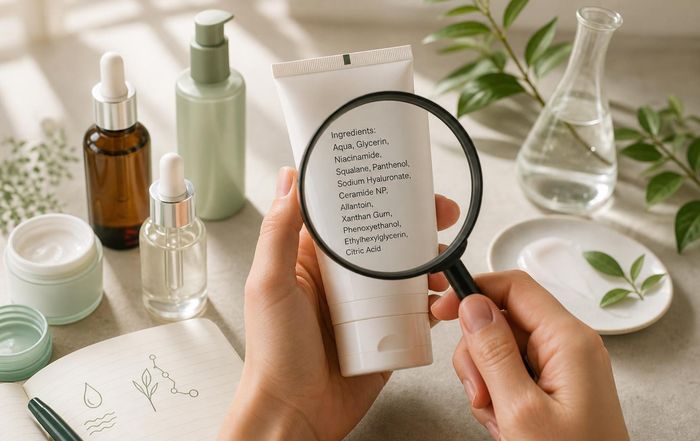
How to Read Skincare Ingredient Lists With Confidence in 2026
Why Ingredient Literacy Has Become a Strategic Skill
In 2026, understanding skincare ingredient lists is no longer a niche interest reserved for chemists or dermatologists; it has become a strategic skill for consumers, beauty professionals, and brand leaders who want to navigate an increasingly complex, globalized, and technology-driven beauty ecosystem. As regulatory frameworks evolve across regions, as scientific research accelerates, and as consumers demand more transparency from brands, the ability to interpret an INCI (International Nomenclature of Cosmetic Ingredients) list with confidence directly influences purchasing decisions, brand loyalty, and even the long-term health of the skin. For BeautyTipa.com, whose audience spans beauty enthusiasts, industry professionals, and wellness-focused consumers from the United States and United Kingdom to Germany, Canada, Australia, Asia, and beyond, ingredient literacy sits at the intersection of beauty, wellness, and business, shaping how readers approach beauty and personal care as a whole.
As global beauty markets continue to grow, with organizations such as Statista and McKinsey & Company highlighting the expansion of premium skincare segments and dermocosmetics, consumers are increasingly aware that elegant packaging and persuasive marketing are not sufficient indicators of product quality or safety. Learning how to read an ingredient list, understand the role of each component, and contextualize that information against personal skin type, local regulations, and scientific consensus has therefore become central to responsible consumption, professional practice, and even career development in the beauty industry. This is particularly relevant for readers exploring skincare-focused content on BeautyTipa.com, where the goal is not only to discover new products but to evaluate them with clarity and confidence.
The Structure of an INCI List: Order, Naming, and Function
The foundation of ingredient literacy is understanding how INCI lists are structured. In most major markets, including the United States, United Kingdom, European Union, Canada, Australia, and many parts of Asia, cosmetic ingredients must be listed in descending order of concentration until they reach a certain low threshold, after which they may be listed in any order. Regulatory bodies such as the U.S. Food and Drug Administration and the European Commission provide detailed guidance on cosmetic labeling standards, and learning these frameworks helps readers interpret labels across borders and product categories. Those who wish to explore the legal background in more depth can consult resources such as the FDA's cosmetic labeling overview or the European Commission's Cosmetics Regulation portal, both of which clarify how ingredients must be declared.
In practical terms, this structure means that the first five to ten ingredients typically represent the majority of the formula and often define the product's core behavior, including texture, spreadability, and primary performance. Water (listed as "aqua" in INCI nomenclature) frequently appears first, followed by emollients, humectants such as glycerin, and various functional agents such as surfactants, emulsifiers, or solvents. Active ingredients, including well-known actives such as niacinamide, retinoids, or vitamin C derivatives, may appear either relatively high or surprisingly low in the list, depending on the formulation strategy, potency requirements, and regulatory limits. For readers navigating daily routines and regimen design, understanding that placement on the list can indicate approximate concentration-but not the entire story-is essential for building realistic expectations of product performance.
INCI naming conventions themselves are standardized, which allows consumers and professionals to cross-reference ingredients across brands and markets. Botanical ingredients are often listed by their Latin names (for example, "Camellia sinensis leaf extract" for green tea extract), while many synthetic ingredients follow established chemical naming patterns. The Personal Care Products Council and databases such as the Cosmetic Ingredient Review and CosmeticsInfo.org provide further background on individual ingredients, and professionals who want to deepen their technical understanding often consult these resources to interpret complex formulations more precisely.
Differentiating Between Base Ingredients and Active Components
One of the most common challenges for consumers is distinguishing between base ingredients, which create the product's structure and sensory profile, and active components, which deliver targeted benefits such as exfoliation, brightening, or barrier repair. A hydrating serum, for instance, may include water, glycerin, butylene glycol, and a variety of emollients that contribute to moisturization, while marketing materials emphasize a particular peptide or botanical extract present at a lower concentration. In this context, ingredient literacy enables readers to recognize that base ingredients such as glycerin or hyaluronic acid, widely documented by organizations like the American Academy of Dermatology and explained in plain language by resources such as the AAD's overview of moisturizers, may be doing much of the heavy lifting, even when the spotlight falls on more novel or exotic components.
This distinction is particularly important for the BeautyTipa.com audience who evaluate brands and products from both a performance and value perspective. A product that positions itself as a high-tech anti-aging treatment because it contains a rare plant extract or an advanced peptide complex may still rely primarily on familiar humectants and emollients to deliver perceived results. By learning to identify which ingredients are likely to be present at meaningful levels and which are more likely to serve as supporting elements or marketing highlights, readers can better assess whether a premium price is justified and how a product might fit into an existing routine.
Understanding Functional Categories: Emollients, Humectants, Occlusives, and Surfactants
To read ingredient lists with confidence, it is useful to classify ingredients by function and to recognize how different functional categories interact to create a cohesive formula. Emollients, such as caprylic/capric triglyceride, squalane, or certain esters, help soften and smooth the skin by filling in gaps between skin cells. Humectants, including glycerin, hyaluronic acid, and sorbitol, attract and hold water in the stratum corneum, supporting hydration and plumpness. Occlusives, such as petrolatum, dimethicone, and some plant oils or waxes, form a barrier that reduces transepidermal water loss. Surfactants, commonly found in cleansers and shampoos, reduce surface tension to allow oils and dirt to mix with water and be rinsed away; examples include sodium lauryl sulfate, sodium laureth sulfate, and milder alternatives like cocamidopropyl betaine.
Educational resources from organizations like the British Association of Dermatologists, the Canadian Dermatology Association, and DermNet NZ offer accessible explanations of these categories, as in DermNet's guide to moisturisers, which breaks down how emollients, humectants, and occlusives contribute to skin health. For BeautyTipa.com readers interested in wellness and skin barrier resilience, understanding these functional roles helps in selecting products that align with specific skin concerns, such as dryness, sensitivity, or oiliness, and in avoiding over-stripping cleansers or overly occlusive products that may not suit particular climates or skin types.
Actives That Matter: Acids, Retinoids, Antioxidants, and Peptides
Beyond base ingredients, modern skincare formulations often include active ingredients designed to address specific concerns such as hyperpigmentation, acne, photoaging, and texture irregularities. In 2026, consumers encounter a wide range of acids, retinoids, antioxidants, and peptides, each with its own evidence base, regulatory considerations, and best-practice usage guidelines. Alpha hydroxy acids (AHAs) such as glycolic and lactic acid, beta hydroxy acids (BHAs) such as salicylic acid, and polyhydroxy acids (PHAs) like gluconolactone are frequently used for exfoliation and brightening, with concentration and pH playing critical roles in determining efficacy and irritation potential. Reputable sources such as the Mayo Clinic and the Cleveland Clinic offer accessible overviews of retinoids and vitamin A derivatives, helping consumers understand how to integrate these potent actives safely into their routines.
Antioxidants, including vitamin C (ascorbic acid and its derivatives), vitamin E (tocopherol), and ferulic acid, aim to neutralize free radicals generated by UV exposure and pollution, thereby supporting collagen preservation and brightening. Peptides, a diverse category of short chains of amino acids, are used in formulations with claims related to firming, smoothing, or supporting skin barrier function, although the evidence base varies significantly between specific peptide complexes and formulations. For readers engaging with trend-driven innovations and emerging technologies in beauty, understanding the distinction between well-studied actives and more speculative claims is crucial for maintaining a balanced perspective and for avoiding overreliance on marketing narratives unsupported by robust clinical data.
Navigating Preservatives, Fragrances, and Potential Irritants
Preservatives and fragrances are among the most scrutinized categories on skincare ingredient lists, often generating consumer confusion and concern. Preservatives such as phenoxyethanol, parabens, organic acids, and newer systems are essential for preventing microbial contamination in water-based products, thereby protecting consumer safety and product integrity. Regulatory agencies, including the European Chemicals Agency and the Scientific Committee on Consumer Safety in the EU, as well as the FDA and Health Canada, regularly review safety data for these substances and set concentration limits where necessary. Readers who wish to learn more about cosmetic safety assessments can explore the work of the SCCS, which publishes opinions on many commonly debated ingredients.
Fragrance components, whether synthetic or derived from essential oils, are another key area of focus, particularly for individuals with sensitive or reactive skin. In the EU and UK, certain fragrance allergens must be listed individually when present above specific thresholds, while in other regions, "fragrance" or "parfum" may appear as a single collective term. Dermatology organizations such as the American Contact Dermatitis Society and patient-focused resources like the National Eczema Association, which offers a guide to irritants and allergens in skincare, provide practical advice for those managing conditions such as eczema, rosacea, or contact dermatitis. For BeautyTipa.com readers exploring health and fitness-aligned skincare choices, learning to identify common irritants, potential allergens, and fragrance-free or low-sensitizing formulations supports a more personalized and proactive approach to skin health.
Regional Regulations and Cultural Preferences Across Global Markets
Ingredient literacy in 2026 must also account for regional regulatory differences and cultural preferences across global markets, especially for an international audience spanning North America, Europe, Asia, Africa, and South America. The European Union maintains one of the most comprehensive regulatory frameworks for cosmetics, with specific lists of banned and restricted substances, as detailed in the EU Cosmetic Products Regulation. The United States, while governed by the FDA, historically has had a different approach to cosmetic regulation, although recent legislative developments have strengthened oversight and reporting requirements, underscoring the importance of staying informed via official sources such as the FDA's cosmetics page.
In Asia, markets such as South Korea and Japan have developed robust regulatory systems and have become influential innovation hubs in skincare, often pioneering new textures, actives, and formats. Resources like the Korea Food & Drug Administration and Japan's Ministry of Health, Labour and Welfare provide regulatory frameworks, while industry organizations and trend analyses from Mintel and Euromonitor shed light on regional preferences, such as the popularity of multi-step routines in South Korea or the emphasis on brightening and translucency in Japan. For BeautyTipa.com readers interested in international beauty perspectives, understanding that ingredient lists may reflect both regulatory constraints and cultural ideals helps explain why similar product categories can look and feel very different across countries and regions.
Sustainability, Ethics, and the Rise of Conscious Formulation
As sustainability and ethics move from niche concerns to mainstream expectations, ingredient literacy increasingly intersects with environmental impact, animal welfare, and social responsibility. Consumers now routinely look beyond efficacy and safety to ask whether ingredients are sustainably sourced, biodegradable, and produced under fair labor conditions. Organizations such as the Environmental Working Group, the Roundtable on Sustainable Palm Oil, and the UN Environment Programme provide frameworks and data that help contextualize these questions, while industry initiatives and certifications, including Leaping Bunny and COSMOS, attempt to standardize claims related to cruelty-free and natural or organic formulations. Those who want to learn more about sustainable business practices in the beauty sector can explore guidance from the UNEP, which addresses resource efficiency and circular economy principles.
For BeautyTipa.com, which covers business and finance trends in beauty, ingredient literacy becomes a lens through which to evaluate not only product performance but corporate strategy and brand positioning. A brand's choice to use certain surfactants over others, to minimize microplastics, to prioritize upcycled botanicals, or to invest in biotech-derived actives can signal long-term commitments to sustainability and innovation. Readers who understand ingredient lists can more easily distinguish between substantive sustainability initiatives and superficial greenwashing, aligning their purchasing decisions with their values and contributing to market pressure that rewards responsible formulation practices.
Technology, Data, and AI-Enhanced Ingredient Transparency
By 2026, technology and data have transformed how consumers access and interpret ingredient information, with AI-powered tools, smartphone apps, and online databases providing real-time analysis of product labels. Platforms that aggregate INCI lists, safety assessments, and user reviews allow consumers to scan a product barcode and instantly receive a breakdown of potential irritants, comedogenic ingredients, and sustainability markers. Organizations such as the INCIDecoder community and databases like the Cosmetics Ingredient Database (CosIng) maintained by the European Commission, accessible via the CosIng portal, have become reference points for both consumers and industry professionals seeking detailed ingredient information.
For BeautyTipa.com, which explores technology's role in beauty and personal care, the integration of AI and data analytics into ingredient literacy presents both opportunities and responsibilities. While these tools can dramatically lower the barrier to entry for understanding complex formulations, they are only as reliable as their underlying data and algorithms. A nuanced approach, combining digital tools with critical thinking and an understanding of scientific context, remains essential. Readers are encouraged to view AI-generated ingredient assessments as a starting point rather than an absolute verdict, cross-checking information with dermatology resources, regulatory databases, and expert commentary to form a well-rounded perspective.
Building a Personalized, Evidence-Based Skincare Strategy
Ultimately, the goal of reading skincare ingredient lists with confidence is not to become overwhelmed by chemistry, but to build a personalized, evidence-based skincare strategy that aligns with individual skin needs, lifestyle, and values. For some readers, this may mean focusing on barrier-supportive ingredients, gentle surfactants, and fragrance-free formulations to manage conditions like rosacea or eczema, guided by resources from organizations such as the National Eczema Association and the American Academy of Dermatology, which provides evidence-based skincare advice. For others, it may involve exploring advanced actives such as retinoids, peptides, and stabilized vitamin C derivatives, introduced gradually and supported by diligent sun protection, to address signs of photoaging and uneven tone.
On BeautyTipa.com, readers can integrate ingredient literacy into broader lifestyle choices by combining insights from dedicated skincare content with guidance on routines and regimen planning, makeup and cosmetic finishes, food and nutrition for skin health, and even fashion and self-presentation. By viewing ingredient lists not as intimidating blocks of text but as structured narratives about what a product is designed to do and how it intends to do it, readers can curate collections that are coherent, synergistic, and aligned with both short-term goals and long-term skin health.
Professional Opportunities and the Business Impact of Ingredient Literacy
Ingredient literacy is not only a consumer skill; it is increasingly a professional competency that influences hiring, career development, and strategic decision-making across the beauty value chain. Product developers, marketing teams, beauty editors, estheticians, dermatology nurses, and retail specialists all benefit from the ability to interpret and communicate ingredient information accurately and responsibly. Industry associations such as the Society of Cosmetic Chemists and educational platforms like Coursera and edX, which offer courses in cosmetic science and formulation, have responded to this demand by expanding training options for professionals and aspiring entrants to the field.
For readers exploring jobs and employment opportunities in beauty, the ability to discuss ingredient lists confidently has become a differentiator in interviews and professional networking, signaling both technical understanding and a commitment to consumer safety and transparency. On the business side, executives and investors rely on ingredient literacy to evaluate brand positioning, regulatory risk, and innovation pipelines, particularly as global markets evolve and new regulations on claims, sustainability, and digital transparency emerge. BeautyTipa.com supports this intersection of consumer insight and professional development by providing analysis that connects ingredient trends to broader shifts in consumer behavior, regulatory landscapes, and financial performance.
Integrating Confidence, Curiosity, and Critical Thinking
Reading skincare ingredient lists with confidence in 2026 requires more than memorizing a handful of "good" or "bad" ingredients; it demands a mindset that combines curiosity, critical thinking, and respect for scientific nuance. Ingredients cannot be fully understood in isolation, as their safety and efficacy depend on concentration, formulation context, usage patterns, and individual skin biology. Authoritative organizations such as the World Health Organization, the European Commission, and national dermatology societies consistently emphasize the importance of evidence-based evaluation, peer-reviewed research, and regulatory oversight in assessing cosmetic ingredients, and consumers who align their decision-making with these principles are better positioned to avoid misinformation and fear-based narratives.
For BeautyTipa.com, this perspective shapes how content is curated and presented across the platform, from guides and practical tips to coverage of industry events and conferences where new ingredient technologies and regulatory updates are discussed. By anchoring beauty and wellness coverage in experience, expertise, authoritativeness, and trustworthiness, the platform aims to empower readers across continents-from Europe and North America to Asia, Africa, and South America-to engage with skincare not as passive recipients of marketing, but as informed participants in a global conversation about health, aesthetics, and innovation. In this way, ingredient literacy becomes more than a technical skill; it becomes a means of aligning personal care, professional growth, and responsible citizenship in an interconnected beauty landscape.
