
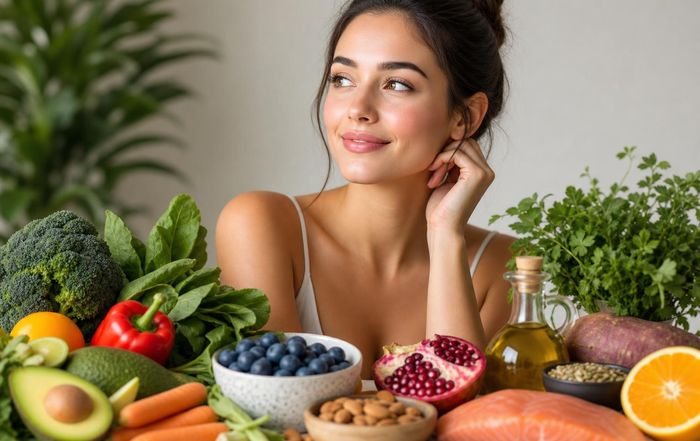
Food Choices That Support Skin Comfort and Vitality
The New Era of Skin Nutrition
Conversations about beauty, wellness, and performance no longer stop at the surface of the skin. For people here spanning North America, Europe, Asia, Africa, and South America, the relationship between food choices and skin comfort and vitality has moved from trend to strategic priority. Dermatologists, nutrition scientists, and forward-thinking beauty brands now converge around a single insight: the skin is not only a canvas for topical care but also a living organ that reflects internal nutritional status, metabolic health, and lifestyle patterns over time.
This integrated view of beauty and wellness is supported by major health institutions and research organizations worldwide, as consumers and professionals alike seek to understand how diet modulates skin barrier function, inflammation, microbiome balance, and visible signs of aging. As organizations such as the World Health Organization highlight the growing burden of diet-related chronic disease across continents, the connection between systemic health and skin vitality becomes more visible. Those who wish to explore broader health implications can review global perspectives on nutrition and noncommunicable diseases through resources such as the World Health Organization's nutrition pages.
Within this evolving landscape, BeautyTipa positions skin nutrition as a core pillar of its editorial and educational mission, complementing its dedicated sections on beauty, wellness, and skincare. For professionals, brand leaders, and informed consumers in markets from the United States and United Kingdom to South Korea, Japan, Brazil, and South Africa, understanding how food choices support skin comfort and vitality is increasingly a matter of competitive advantage, personal wellbeing, and long-term resilience.
Understanding Skin Comfort and Vitality from the Inside Out
Skin comfort and vitality encompass more than the absence of irritation or visible dryness. Comfort refers to the subjective experience of the skin feeling calm, balanced, and free of tightness, burning, or reactivity, while vitality describes the objective qualities of radiance, even tone, elasticity, and the capacity to recover from environmental and mechanical stressors. Both are deeply influenced by internal factors such as hormonal balance, immune function, circulation, and nutrient availability.
Scientific frameworks such as the exposome model, which is discussed by organizations like the European Academy of Dermatology and Venereology, show how diet interacts with UV exposure, pollution, sleep, and stress to shape skin outcomes across a lifetime. Readers who wish to explore how environmental and lifestyle factors combine to influence skin health can learn more about the skin exposome through professional dermatology resources. The key insight for the BeautyTipa community is that food does not act in isolation but as part of a complex network of influences, with dietary patterns either amplifying or buffering the impact of external stress.
This systems perspective is especially relevant for individuals living in high-urbanization regions such as China, India, the United States, and Western Europe, where air pollution, digital screen exposure, and demanding work schedules can heighten skin sensitivity. Within this context, the role of food is not merely to "feed the skin" but to modulate systemic inflammation, oxidative stress, glycation, and microbiome diversity, all of which shape how the skin looks and feels on a daily basis.
The Skin-Gut-Brain Axis and Its Business Implications
One of the most significant scientific developments of the past decade has been the recognition of the interconnected skin-gut-brain axis. Leading research institutions such as Harvard T.H. Chan School of Public Health and King's College London have contributed to the understanding that the gut microbiome influences immune responses, mood, and inflammatory pathways that manifest in skin conditions such as acne, rosacea, eczema, and premature aging. Those who wish to explore the role of the microbiome in health can review foundational material on gut health and diet.
For the audience of BeautyTipa, this scientific evolution has profound practical and commercial implications. Beauty and personal care companies in markets like the United States, South Korea, France, and Japan have accelerated investments in ingestible beauty, probiotics, and functional foods that target the gut as a pathway to clearer, calmer skin. Industry observers can track these developments through organizations such as Euromonitor International, which provides data on the rise of nutricosmetics and beauty-from-within categories across global markets. Professionals interested in market intelligence can learn more about beauty and personal care trends to better understand how consumer expectations are shifting.
From a business and finance standpoint, this convergence of food, wellness, and skincare is reshaping category boundaries. Beauty retailers are adding nutrition corners, wellness platforms are partnering with dermatologists, and food companies are exploring co-branded launches that link skin benefits with everyday meals and snacks. For readers interested in the strategic side of this evolution, BeautyTipa's business and finance section offers analysis of investment flows, regulatory developments, and cross-industry collaborations that are redefining the modern beauty ecosystem.
Core Nutrients for Skin Comfort and Resilience
The foundation of skin comfort and vitality is built on a group of core nutrients that support barrier integrity, collagen synthesis, antioxidant defense, and balanced inflammatory responses. While trends may spotlight exotic superfoods, the most consistent evidence still favors a diverse, minimally processed dietary pattern rich in vitamins, minerals, essential fatty acids, phytonutrients, and high-quality protein.
Dermatology and nutrition guidelines, such as those discussed by the American Academy of Dermatology and the Academy of Nutrition and Dietetics, emphasize the importance of vitamins A, C, D, and E, B vitamins, zinc, selenium, and omega-3 fatty acids for skin function. Readers who wish to explore general guidance on healthy eating patterns can consult resources such as the Dietary Guidelines for Americans or similar frameworks in Europe and Asia. For BeautyTipa's international audience, it is important to adapt these principles to local cuisines, whether that involves Mediterranean-style diets in Italy and Spain, traditional Japanese and Korean diets rich in fermented foods and sea vegetables, or plant-forward patterns increasingly popular in the United Kingdom, Germany, and Scandinavia.
Within this nutrient matrix, essential fatty acids from sources such as cold-water fish, flaxseeds, walnuts, and algae oils are particularly important for maintaining the lipid matrix of the stratum corneum, which underpins skin softness, flexibility, and protection against transepidermal water loss. Antioxidant-rich fruits and vegetables, including berries, citrus, leafy greens, and colorful root vegetables, provide polyphenols and carotenoids that help neutralize free radicals generated by UV radiation and pollution, which is critical for urban populations in cities from London and Paris to Shanghai and São Paulo. Protein quality and distribution across the day also matter, as amino acids such as glycine, proline, and lysine are essential for collagen and elastin synthesis, influencing firmness and elasticity.
Hydration, Electrolytes, and Skin Comfort
Hydration is one of the most visible and yet most misunderstood drivers of skin comfort. While topical humectants and occlusives play an important role, internal hydration status shapes microcirculation, nutrient delivery, and the skin's ability to regulate temperature and respond to environmental stress. Organizations such as the European Food Safety Authority and the National Academies of Sciences, Engineering, and Medicine provide guidance on daily fluid intake, noting that needs vary by climate, physical activity, and individual physiology. Those seeking a deeper perspective on hydration and health can review scientific consensus on water intake.
For the BeautyTipa community, which includes readers engaged in fitness, fashion, and high-pressure professional roles, hydration strategies must be both practical and sustainable. Plain water remains essential, but electrolyte balance is also crucial, particularly for individuals in hot climates such as Southeast Asia, the Middle East, and parts of Africa, or for those engaged in regular intensive exercise. Beverages that combine water with moderate levels of sodium, potassium, and magnesium can support circulation and help prevent the dullness and tightness that sometimes accompany dehydration. However, it is equally important to manage the intake of high-sugar drinks and excessive caffeine, which can contribute to glycation and diuretic effects that ultimately undermine skin comfort.
This nuanced view of hydration aligns with BeautyTipa's broader focus on health and fitness and food and nutrition, where the interplay between performance, aesthetics, and wellbeing is explored in depth. As more professionals integrate wellness routines into their daily schedules, from early-morning workouts in New York and Toronto to evening yoga sessions in Berlin and Sydney, hydration becomes a strategic element of both physical and skin care planning.
Anti-Inflammatory Eating Patterns for Sensitive and Reactive Skin
For individuals who experience frequent redness, irritation, or flare-ups of conditions such as rosacea, eczema, or adult acne, anti-inflammatory dietary patterns can offer meaningful support to topical regimens and medical treatments. While food triggers vary by person, research from institutions like the National Center for Complementary and Integrative Health and Mayo Clinic suggests that diets high in ultra-processed foods, refined sugars, and certain saturated fats may exacerbate systemic inflammation and oxidative stress. Those interested in a broader view of integrative approaches to inflammation can explore educational resources on anti-inflammatory lifestyles.
In contrast, Mediterranean-style diets rich in extra-virgin olive oil, fatty fish, legumes, nuts, seeds, whole grains, and abundant vegetables and fruits have been associated with lower inflammatory markers and improved cardiovascular and metabolic outcomes, which often correlate with better skin quality. In countries such as Italy, Spain, Greece, and parts of France, traditional eating patterns naturally embody many of these principles, while in markets such as the United States, Canada, and Australia, consumers increasingly adapt Mediterranean elements to local ingredients and preferences. For Asian markets, traditional Japanese and Korean diets, with their emphasis on fermented foods, seaweed, and diverse plant-based dishes, offer a complementary anti-inflammatory template that aligns well with modern skin health goals.
From a business perspective, this anti-inflammatory lens is influencing product development and marketing strategies across beauty, wellness, and functional food sectors. Brands in South Korea and Japan are highlighting ingredients such as green tea catechins and fermented soy, while European and North American companies are emphasizing omega-3-rich oils, polyphenol concentrates, and low-glycemic snack options. BeautyTipa tracks these shifts in its brands and products and trends sections, offering readers insight into how ingredient science translates into real-world offerings across continents.
Glycation, Sugar, and the Aging Skin Matrix
One of the more technical yet increasingly discussed topics in skin nutrition is glycation, the process by which excess sugars bind to proteins such as collagen and elastin, forming advanced glycation end products (AGEs) that compromise elasticity and resilience. Research summarized by institutions including The Skin Cancer Foundation and academic dermatology departments indicates that high-glycemic diets may accelerate visible signs of aging and contribute to dullness, sagging, and uneven texture over time. Those who wish to deepen their understanding of glycation and its systemic effects can learn more about how sugar impacts the body through public health resources.
In markets where refined carbohydrates and sugary snacks are widely available, such as the United States, United Kingdom, and parts of Asia and Latin America, this represents both a challenge and an opportunity. Consumers seeking skin vitality are increasingly aware that frequent spikes in blood sugar can undermine even the most sophisticated topical regimens. As a result, low-glycemic approaches that prioritize whole grains, legumes, fiber-rich vegetables, and balanced macronutrient combinations are gaining traction among beauty-conscious audiences.
For the BeautyTipa readership, which includes professionals balancing demanding careers with social and family responsibilities, practical strategies such as pairing carbohydrates with protein and healthy fats, choosing minimally processed grains, and moderating dessert frequency can make a measurable difference over time. These choices not only support skin integrity but also align with broader metabolic health goals, reinforcing the connection between beauty, longevity, and daily food decisions.
Regional and Cultural Perspectives on Skin-Supportive Diets
Because BeautyTipa serves an international audience, it is essential to recognize that skin-supportive nutrition must be context-specific, reflecting local food traditions, availability, and cultural preferences. In the Mediterranean regions of Europe, traditional dishes such as grilled fish with olive oil, tomato-based stews, and legume-rich salads naturally deliver a combination of omega-3 fatty acids, antioxidants, and fiber that support skin vitality. In Nordic countries like Sweden, Norway, Denmark, and Finland, diets rich in oily fish, root vegetables, berries, and whole grains offer a different but equally powerful nutritional profile.
In East Asia, particularly in Japan, South Korea, and parts of China, fermented foods such as kimchi, miso, natto, and pickled vegetables contribute beneficial bacteria and bioactive compounds that support gut health and, indirectly, skin comfort. Those interested in the science of fermented foods and health can review educational material on probiotics and fermented products from international organizations such as the Food and Agriculture Organization of the United Nations. In Southeast Asia and regions like Thailand and Malaysia, the abundant use of herbs and spices such as turmeric, ginger, lemongrass, and galangal introduces anti-inflammatory and antioxidant elements that can complement a skin-focused nutrition strategy.
Across Africa and South America, traditional staples such as millet, sorghum, cassava, beans, lentils, and diverse fruits and vegetables provide a rich foundation for skin-supportive diets when prepared in minimally processed forms. As urbanization and globalized food systems introduce more processed options into these regions, the challenge becomes preserving and modernizing traditional dietary strengths while integrating contemporary nutritional knowledge. BeautyTipa's international coverage highlights how chefs, nutritionists, and beauty experts from Johannesburg to São Paulo are reclaiming local ingredients as tools for both cultural expression and skin health.
Integrating Food Choices into Daily Beauty Routines
For many readers of BeautyTipa, the practical question is how to translate this knowledge into daily routines that are sustainable, enjoyable, and aligned with personal and professional lives. The most effective strategies tend to be incremental and habit-based rather than extreme or restrictive, recognizing that beauty and wellness are long-term projects rather than short-term campaigns.
Morning routines might integrate a balanced breakfast that combines protein, healthy fats, and fiber, such as yogurt with nuts and berries in Canada or Germany, or tofu and vegetable dishes in Singapore and Japan, supporting stable energy and reducing mid-morning sugar cravings that can lead to glycemic volatility. Midday meals can prioritize vegetables, whole grains, and lean proteins, while evening meals focus on lighter, easily digestible combinations that support restorative sleep, which is itself a crucial determinant of skin repair and radiance. Readers can explore practical frameworks for building such routines through BeautyTipa's dedicated routines and guides and tips sections, where nutrition is consistently integrated with topical care, movement, and stress management.
From a topical and ingestible synergy perspective, many professionals now advocate pairing antioxidant-rich serums or moisturizers with meals that contain complementary nutrients, such as vitamin C-rich foods alongside collagen-supportive skincare, or omega-3 supplements aligned with barrier-strengthening creams. This coordinated approach reflects the broader shift toward systems thinking in beauty, where internal and external interventions are designed to work in concert rather than in isolation.
Technology, Data, and the Future of Skin Nutrition
As of 2026, the intersection of technology and beauty is transforming how individuals understand and manage the relationship between food and skin. Wearable devices, continuous glucose monitors, and AI-enabled skin analysis tools are providing unprecedented data on how specific meals, snacks, and beverages influence skin hydration, redness, texture, and luminosity. Technology leaders and research-driven companies are collaborating with dermatologists and nutritionists to create personalized recommendations that adapt to an individual's genetics, microbiome composition, and lifestyle patterns.
Organizations such as MIT Media Lab and digital health innovators in hubs like Silicon Valley, Seoul, and Berlin are exploring how machine learning can predict flare-ups or dullness based on dietary logs and environmental inputs, enabling proactive adjustments rather than reactive treatments. Those wishing to understand broader trends in digital health can explore overviews of health technology innovation from global health authorities. For the BeautyTipa audience, this technological evolution is covered in the platform's technology beauty section, where the focus is on how data can enhance, rather than replace, human expertise and intuition.
At the same time, the rise of teledermatology and virtual nutrition consultations is expanding access to expert guidance in regions where specialist care was previously limited. Consumers in countries such as Brazil, South Africa, India, and parts of Southeast Asia can now connect with board-certified dermatologists and registered dietitians across borders, receiving integrated advice on food choices, skincare, and lifestyle modifications tailored to their specific needs and cultural contexts.
Professional Opportunities in the Food-Skin Interface
The convergence of food, skincare, and wellness is also reshaping the job and employment landscape, creating new roles and hybrid professions that blend expertise in nutrition, dermatology, product development, and digital communication. Beauty brands are hiring nutrition strategists, wellness platforms are recruiting skin health editors, and hospitality companies are designing menus that explicitly highlight skin-supportive ingredients for wellness retreats and business travel clientele.
Educational institutions and professional associations are beginning to respond with specialized training programs that prepare practitioners to navigate this interdisciplinary space, while regulatory bodies refine guidelines for claims around ingestible beauty and functional foods. Readers interested in career pathways at this intersection can explore BeautyTipa's jobs and employment coverage, which tracks emerging roles, required competencies, and geographic hotspots for talent demand, from New York and London to Singapore and Dubai.
For entrepreneurs and investors, the food-skin interface presents opportunities for innovation in product design, service models, and content platforms that help consumers make informed, evidence-based choices. However, success in this space requires a firm commitment to transparency, scientific rigor, and consumer education, aligning with the broader industry emphasis on Experience, Expertise, Authoritativeness, and Trustworthiness that BeautyTipa champions across its editorial portfolio.
A Strategic, Trust-Centered Approach to Skin-Supportive Eating
As the global beauty and wellness landscape continues to change, one principle remains constant: sustainable skin comfort and vitality are built on consistent, well-informed choices rather than quick fixes or isolated products. For the international audience of BeautyTipa, this means viewing food not as a separate domain from skincare, makeup, or fashion, but as a foundational layer that supports every other aspect of personal and professional presentation.
By aligning daily meals and snacks with scientifically grounded principles of hydration, anti-inflammatory balance, glycemic control, and nutrient density, individuals across continents can create a resilient internal environment that allows the skin to perform its protective and aesthetic functions more effectively. At the same time, brands, practitioners, and employers who understand and support this integrated approach are better positioned to build long-term trust, loyalty, and value in increasingly competitive and informed markets.
Through its coverage of beauty, wellness, skincare, and adjacent domains, BeautyTipa remains committed to guiding readers, professionals, and organizations as they navigate this complex but rewarding terrain, where every meal becomes an opportunity to invest in skin comfort, vitality, and confidence for years to come.
