
The Connection Between Posture, Fitness, and Confidence
How Posture Became a Strategic Asset for Modern Professionals
Posture is no longer discussed only in physiotherapy clinics or yoga studios; it has become a visible marker of leadership, wellbeing, and personal brand in boardrooms from New York to Singapore and on digital platforms everywhere. For the kind, beautiful and fashionable community audience of BeautyTipa, where beauty, wellness, business, and technology intersect, posture sits at the crossroads of physical health, aesthetic presence, and psychological resilience. Across the United States, the United Kingdom, Germany, Canada, Australia, and fast-growing markets in Asia, posture is now recognized as a strategic asset that influences how individuals are perceived, how they perform, and how confident they feel in both professional and personal environments.
This shift has been driven by several converging forces: the rise of remote and hybrid work, the ubiquity of video conferencing, the explosion of digital wellness tools, and a growing body of evidence linking body alignment to mental health and self-esteem. As organizations from Microsoft to Google redesign offices and remote work policies to support healthier working habits, posture has moved from being a background concern to a visible component of corporate wellness and executive presence. On beautytipa.com, keen readers increasingly look for integrated guidance that connects how they sit, stand, move, and train with how they present themselves in beauty routines, fashion choices, and career development, reflecting a broader understanding that posture is inseparable from confidence and overall quality of life.
The Science of Posture: Alignment, Physiology, and Mood
Posture, in its most practical sense, is the way the body organizes itself against gravity in stillness and movement, encompassing the alignment of the spine, shoulders, pelvis, and head, as well as how muscles coordinate to maintain that alignment. When posture is balanced, the body distributes mechanical load efficiently, breathing is less restricted, and the nervous system experiences less chronic strain. Research summarized by organizations such as the Cleveland Clinic shows that poor posture can contribute to back pain, headaches, joint stress, and reduced lung capacity, all of which indirectly affect mood, energy, and self-perception. Those interested in the broader health implications can explore how posture influences musculoskeletal health and long-term vitality through resources that explain spinal health and ergonomics.
From a physiological standpoint, posture affects hormone regulation, breathing patterns, and even how the autonomic nervous system responds to stress. Studies discussed by institutions like Harvard Health Publishing indicate that slumped, collapsed postures can be associated with lower subjective energy, increased fatigue, and more negative self-talk, whereas upright, open postures correlate with higher alertness and a more positive emotional state. While the early hype around "power posing" has been refined by more nuanced research, there is still robust evidence that how a person holds their body can influence their internal experience, particularly when posture is integrated with regular movement, strength training, and mindful breathing. Readers who wish to understand this mind-body link in more depth can learn more about posture and mood through leading medical and wellness resources.
Fitness as the Engine Behind Confident Posture
Confident posture does not arise from willpower alone; it is built on a foundation of muscular strength, mobility, and neuromuscular coordination. The muscles of the core, hips, upper back, and neck all contribute to the ability to stand and sit upright for extended periods without pain or fatigue. Leading organizations such as the American Council on Exercise emphasize that posture is a dynamic skill that reflects how the body manages everyday loads, from lifting luggage in an airport to standing during a presentation or sitting through long virtual meetings. Those who wish to explore evidence-based fitness guidance will find that posture-focused training is now a mainstream component of modern exercise programming.
In 2026, posture fitness is increasingly integrated into strength training, Pilates, yoga, and functional training programs globally, from Seoul to Stockholm and São Paulo. Trainers and physiotherapists in markets like the United States, the United Kingdom, Germany, and Japan use movement screens and digital assessments to identify postural imbalances, then prescribe corrective exercises that target weak or overactive muscles. The National Academy of Sports Medicine, for example, has helped popularize systematic approaches to postural assessment and corrective exercise, and interested professionals can learn more about corrective training frameworks that support long-term alignment and confidence.
For the audience of beautytipa.com, which spans beauty, wellness, and health, this connection between fitness and posture is especially relevant because it links physical training to aesthetic outcomes and emotional wellbeing. A stronger back and core not only reduce discomfort but also create a more poised appearance in tailored suits, dresses, and athleisure wear, which aligns closely with the interests reflected on the platform's sections on health and fitness and fashion. As a result, posture fitness is no longer framed as a niche rehabilitation topic; it is a central pillar of how individuals across continents build a confident, credible presence in their everyday lives.
Posture and Confidence: The Psychological Dimension
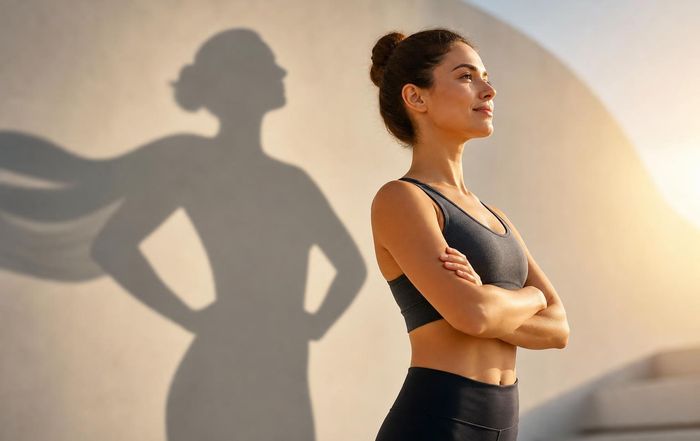
The psychological connection between posture and confidence is both subtle and profound. On a basic social level, upright posture with open shoulders and aligned head position is often interpreted as a sign of assurance, competence, and readiness, while chronically rounded shoulders and a downward gaze can be unconsciously associated with insecurity or disengagement. In high-stakes professional settings in North America, Europe, and Asia, executives and emerging leaders are increasingly coached to become aware of these nonverbal signals, as leadership development programs draw on research from institutions such as the American Psychological Association to demonstrate how body language shapes perception and self-belief. Readers can explore more about nonverbal communication and confidence through psychological resources that explain how posture influences interpersonal impressions.
Internally, posture can act as a feedback loop for self-talk and emotional regulation. When individuals adopt a more upright and grounded stance, they often report feeling more capable of handling challenges, more present in conversations, and more connected to their environment. This is not simply a matter of appearance; it is a reflection of how the brain interprets sensory signals from the body. Mind-body disciplines such as yoga and tai chi, which are popular from India and Thailand to France and Brazil, have long emphasized that alignment and breath can influence mental clarity and emotional balance. Organizations like Yoga Alliance and leading wellness platforms have helped disseminate practices that combine postural awareness with breathing and mindfulness, and those interested can learn more about integrating posture into mind-body practices.
In therapeutic contexts, clinicians in Canada, Australia, the Netherlands, and beyond are increasingly attentive to posture when working with patients who experience anxiety or depression. While posture is not a cure-all, it can be part of a holistic strategy that includes cognitive, behavioral, and lifestyle interventions. Resources such as Mind, a leading mental health organization in the United Kingdom, offer accessible explanations of how physical habits and movement patterns can support emotional resilience, and readers can explore how body and mind interact in mental wellbeing as they consider their own posture habits.
Digital Work, Hybrid Lifestyles, and the Posture Challenge
The global shift toward digital and hybrid work that accelerated in the early 2020s has had profound implications for posture, particularly in knowledge economies across the United States, Europe, and Asia-Pacific. Prolonged hours at laptops, tablets, and smartphones have created what some physiotherapists in South Korea, Japan, and Singapore describe as "tech neck" and "remote-work rounding," where the head juts forward and the upper back curves due to sustained screen focus. Organizations such as the World Health Organization and national health services have repeatedly highlighted the risks of sedentary lifestyles and prolonged sitting, and readers can learn more about the health impact of sedentary work to appreciate how posture is intertwined with broader lifestyle patterns.
In response, ergonomics has become a mainstream concern for both employers and employees. Companies across North America, Europe, and Asia now invest in adjustable desks, ergonomic chairs, and posture-friendly office layouts, while remote workers increasingly seek guidance on home office setups that minimize strain. Leading institutions like OSHA in the United States and similar bodies in the European Union provide guidelines on workstation design and safe working postures, and professionals can explore ergonomic best practices to align their environments with their physical needs. For the global readership of beautytipa.com, which includes freelancers, entrepreneurs, and corporate professionals, this is not simply a technical topic; it is a lifestyle question that intersects with wellness routines, beauty regimens, and daily habits.
On beautytipa.com, articles in sections such as technology and beauty and business and finance increasingly reflect how digital tools can either harm or help posture. Wearable devices, posture-tracking apps, and AI-enabled cameras now provide real-time feedback on alignment, allowing individuals from Zurich to Cape Town to receive gentle reminders to sit taller, move more, and stretch regularly. This technological layer adds a new dimension to posture fitness, transforming it from a vague aspiration into a measurable, trackable behavior that can be integrated into daily work and wellness routines.
Beauty, Skincare, and the Visual Language of Alignment
For an audience deeply engaged with beauty, skincare, makeup, and fashion, posture has a powerful visual dimension that extends beyond health and into the realm of aesthetics and personal image. Photographers, stylists, and makeup artists across fashion capitals like Paris, Milan, London, New York, and Tokyo have long understood that posture shapes how clothing drapes, how facial features are framed, and how light catches the skin. An aligned neck and open chest can subtly enhance the appearance of the jawline, collarbones, and facial contours, while chronic slouching can accentuate the look of fatigue, skin creasing, and tension lines. Those interested in how overall presentation influences perceived attractiveness can learn more about holistic beauty perspectives from established beauty publications.
On beautytipa.com, the intersection of posture with skincare, beauty, and makeup is particularly relevant because it speaks to a more integrated understanding of appearance. A luminous complexion or expertly applied makeup may not fully convey confidence if the underlying posture conveys hesitance or stress. Conversely, even minimalist makeup paired with poised, relaxed alignment can project a powerful sense of self-assurance, especially in professional contexts where subtlety is valued. This is especially important for readers in industries such as finance, law, consulting, and technology, where personal presentation influences credibility, negotiations, and leadership perception.
Skincare and posture also intersect through the lens of lifestyle. Chronic stress, poor sleep, and physical discomfort from misalignment can contribute to inflammation and dullness in the skin, while regular movement and improved posture can enhance circulation, lymphatic flow, and overall vitality. Dermatologists and wellness experts frequently emphasize that comprehensive skincare requires attention to internal and external factors, and resources such as the American Academy of Dermatology offer guidance on how lifestyle factors influence skin health. For readers of beautytipa.com, this reinforces the idea that posture fitness is not separate from beauty; it is a foundational element of how radiance and confidence are expressed.
Routines, Habits, and Sustainable Posture Fitness
Sustainable posture change depends less on occasional effort and more on consistent daily routines that integrate movement, breaks, and mindful alignment into ordinary life. Across regions from Scandinavia to Southeast Asia, wellness professionals encourage individuals to design routines that combine strength training, mobility work, and brief posture resets throughout the day. Organizations like the National Health Service in the United Kingdom and Health Canada provide practical guidance on daily activity levels and simple exercises that support spinal health, and readers can learn more about everyday movement recommendations as they design their own posture-supportive schedules.
For the beautytipa.com community, routines are a central theme, and the platform's section on routines offers a natural home for posture-focused guidance. Morning rituals might include brief mobility sequences and breathwork to set an aligned tone for the day, while midday breaks can incorporate simple stretches and core activations to counteract the effects of prolonged sitting. Evening routines may blend restorative yoga, self-massage, or foam rolling with skincare and relaxation practices, creating a holistic arc that links body alignment, nervous system regulation, and sleep quality. Over time, these routines become part of an individual's identity, reinforcing a sense of agency and confidence in managing their own wellbeing.
Habit formation research from institutions such as University College London and other behavioral science hubs suggests that small, consistent actions are more effective than dramatic but short-lived efforts. By embedding posture cues into existing habits-such as checking alignment every time one opens a laptop, answers a call, or looks into a mirror-individuals can create subtle but powerful shifts in how they move through their day. For professionals in high-pressure fields in the United States, Germany, Singapore, or South Africa, these micro-adjustments can accumulate into noticeable improvements in both comfort and confidence, demonstrating that posture fitness is achievable even in demanding schedules.
Business, Leadership, and the Economics of Presence
In the corporate and entrepreneurial worlds, posture and fitness have become part of a broader conversation about executive presence, leadership communication, and organizational performance. Executive coaches working with leaders in New York, London, Frankfurt, Zurich, Hong Kong, and Dubai increasingly integrate body language and physical alignment into their programs, recognizing that confident posture can enhance clarity, persuasiveness, and trust in both in-person and virtual settings. Business schools and leadership institutes, including those highlighted by the Harvard Business Review, discuss nonverbal communication and presence as critical components of modern leadership, and readers can learn more about how body language shapes leadership effectiveness.
From a business and finance perspective, posture fitness intersects with corporate wellness strategies and productivity metrics. Organizations that invest in ergonomic design, movement-friendly offices, and posture education often see reductions in musculoskeletal complaints, absenteeism, and burnout, alongside improvements in engagement and morale. Reports from entities such as the World Economic Forum and global consulting firms have highlighted the economic value of employee wellbeing initiatives, and those interested can explore how wellbeing programs impact organizational performance. For readers of beautytipa.com, especially those who follow the business and finance section, this underscores that posture is not just a personal concern; it is a factor in how businesses compete, innovate, and retain talent in a global market.
In sectors such as fashion, beauty, hospitality, and luxury retail, where presentation is integral to brand experience, posture training is increasingly built into staff development and customer-facing roles. From sales advisors in Parisian boutiques to beauty consultants in Seoul and personal stylists in Los Angeles, posture is recognized as part of the visual and emotional narrative that brands convey. This creates professional opportunities as well, as posture-focused trainers, physiotherapists, and wellness consultants become valuable partners to companies seeking to enhance both employee wellbeing and customer experience, aligning with the interests of readers who explore jobs and employment trends on beautytipa.com.
Global Perspectives: Cultural Nuances in Posture and Confidence
While the fundamental biomechanics of posture are universal, cultural interpretations of body language, space, and appropriate bearing vary across regions. In North America and many parts of Europe, an open, upright stance with direct eye contact is often associated with confidence and assertiveness, whereas in some East Asian contexts, more restrained postures may be seen as respectful and professional. Nonetheless, across diverse markets-from China, South Korea, and Japan to Brazil, South Africa, and the Nordic countries-there is a shared recognition that chronic slouching, visible discomfort, or physical collapse can undermine perceived professionalism and self-assurance.
International organizations such as UNESCO and OECD have highlighted the growing importance of socio-emotional skills, wellbeing, and holistic education in preparing individuals for the future of work, and posture can be seen as a quiet but meaningful component of this broader picture. Those interested in global wellbeing and education trends can learn more about holistic skills development through international policy resources. For beautytipa.com, which addresses a worldwide audience from the United States and United Kingdom to Singapore, Thailand, and New Zealand, it is important to recognize these cultural nuances while emphasizing that posture fitness ultimately serves individual health, comfort, and authenticity rather than enforcing a single, rigid ideal.
In global cities such as London, Berlin, Toronto, Sydney, Paris, Milan, Madrid, Amsterdam, Zurich, Shanghai, Stockholm, Oslo, Copenhagen, Singapore, Seoul, Tokyo, Bangkok, Helsinki, Johannesburg, São Paulo, Kuala Lumpur, and Auckland, posture-focused services are increasingly accessible through physiotherapy clinics, boutique fitness studios, wellness retreats, and corporate programs. This reflects a broader cultural shift toward integrated wellbeing, where physical alignment, mental health, beauty, and professional development are seen as interconnected elements of a fulfilling, resilient life.
The Role Here in Guiding Confident, Aligned Living
As posture fitness and confidence continue to gain prominence, beautytipa.com occupies a distinctive position at the intersection of beauty, wellness, business, and technology. Through its curated ace coverage of trends, guides and tips, and brands and products, the platform can help readers navigate a rapidly evolving landscape of tools, practices, and services that promise better alignment and greater confidence. By emphasizing experience, expertise, authoritativeness, and trustworthiness, beautytipa.com can distinguish evidence-based approaches from fleeting fads, offering readers in North America, Europe, Asia, Africa, and South America reliable guidance that respects both scientific insights and cultural diversity.
For individuals seeking to enhance their posture, fitness, and confidence, the journey is ultimately personal, shaped by their work demands, health status, cultural context, and aesthetic preferences. Some may begin with ergonomic adjustments and simple daily stretches, others with strength training, yoga, or mindfulness practices, and still others with coaching that integrates body language into leadership development. Whatever the starting point, the underlying principle remains consistent: when the body is aligned and supported, the mind can engage more fully, and confidence can be expressed more naturally in every domain-from a video meeting with colleagues in another time zone to a social event, a runway show, or a quiet moment of self-care at home.
In this evolving landscape, beautytipa.com serves as a fashionable companion, connecting global readers to insights, routines, and innovations that help them stand taller, move with greater ease, and present themselves with authentic confidence. As posture fitness continues to shape how people look, feel, and perform in 2026 and beyond, the platform's commitment to integrated, trustworthy content ensures that its audience is well equipped to align their bodies, their ambitions, and their personal sense of beauty in a world that increasingly values presence as much as performance.
