
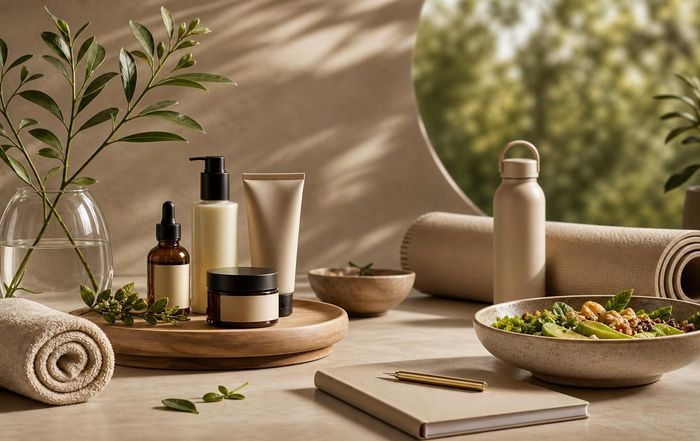
How Wellness Brands Connect Beauty and Lifestyle
The New Convergence of Beauty, Wellness, and Lifestyle
The global beauty and wellness landscape has undergone a profound transformation, moving from a product-centric model to an experience-driven ecosystem in which appearance, health, and daily habits are deeply intertwined. For the trendy types on BeautyTipa and for the brands that aspire to serve them, beauty is no longer confined to cosmetics or skincare; it has become a holistic expression of physical vitality, emotional balance, and lifestyle choices that span nutrition, movement, technology, work, and even financial decisions. This convergence is reshaping how companies design products, craft narratives, and build trust with consumers across North America, Europe, Asia, Africa, and South America, with particularly strong innovation hubs in the United States, United Kingdom, Germany, South Korea, Japan, and the Nordic countries.
Consumers now expect their skincare to support stress reduction, their supplements to improve skin luminosity, their workout routines to complement their sleep cycles, and their digital tools to offer hyper-personalized guidance. On BeautyTipa, readers exploring beauty or wellness content are increasingly seeking integrated solutions rather than isolated tips, and wellness brands that understand this shift are reimagining their role from product suppliers to long-term lifestyle partners. This evolution is underpinned by advances in science, data analytics, and digital health, but it is also a response to deeper societal forces: the mental health crisis, climate anxiety, economic uncertainty, and the search for meaningful, values-aligned consumption.
From Surface-Level Beauty to Holistic Wellbeing
The historical separation between beauty and wellness has largely disappeared as research has clarified the biological and psychological links between skin health, nutrition, sleep, and stress. Organizations such as the World Health Organization have emphasized that health encompasses physical, mental, and social wellbeing, and this broader definition has filtered into how consumers interpret beauty in their daily lives. As dermatological insights from institutions like the American Academy of Dermatology demonstrate the impact of diet, UV exposure, and inflammation on skin aging, wellness brands have seized the opportunity to position themselves as guardians of long-term skin and body health rather than mere providers of quick cosmetic fixes. Learn more about how lifestyle choices influence skin health through resources offered by the National Institutes of Health.
On BeautyTipa, readers navigating to skincare or health and fitness content are presented with an integrated narrative in which serums, sunscreens, sleep hygiene, and exercise routines are treated as interdependent pillars of a single strategy. This approach mirrors the way leading global brands in the United States, Europe, and Asia now develop product portfolios that span topical skincare, ingestible supplements, meditation apps, and fitness partnerships. The guiding principle is that visible beauty is a lagging indicator of internal balance, and that long-term loyalty is built by supporting that balance across multiple touchpoints in a consumer's day, from morning rituals to evening wind-down routines.
Science, Expertise, and the Rise of Evidence-Based Beauty
As wellness brands connect beauty and lifestyle, the credibility of their scientific claims has become a central determinant of success. Consumers in markets such as Germany, the United Kingdom, Canada, and South Korea have grown more discerning, often cross-checking ingredient lists with databases from organizations like the Environmental Working Group or consulting dermatology resources from the Mayo Clinic and Cleveland Clinic before making purchase decisions. The era of vague promises and unverified "miracle" ingredients is giving way to a more rigorous, evidence-based paradigm in which brands must demonstrate not only product efficacy but also transparency in sourcing, testing, and clinical validation. Explore how clinical research underpins modern skincare innovation through resources offered by PubMed and the National Library of Medicine at PubMed.
On BeautyTipa, this shift is reflected in the way product discussions within brands and products content are framed around ingredient science, independent testing, and expert commentary. Brands that once relied solely on aspirational imagery now complement their storytelling with data from controlled trials, biomarker analysis, and long-term user studies, often partnering with academic institutions in the United States, France, and Japan. Professional organizations such as the American Academy of Dermatology and the British Association of Dermatologists have become important reference points for consumers who want to understand how retinoids, peptides, antioxidants, and microbiome-friendly formulations actually work, and wellness brands that align their messaging with such reputable bodies strengthen their authority and build durable trust.
Lifestyle Integration: Routines as the New Product
One of the most significant strategic shifts among wellness brands has been the elevation of daily routines to the status of a core product. Rather than selling isolated items, leading companies now design complete morning and evening rituals that integrate skincare, breathwork, nutrition, and movement, often supported by digital coaching or app-based reminders. This approach resonates strongly with BeautyTipa readers who visit routines for guidance on structuring their day in ways that support both appearance and wellbeing. In markets such as the United States, Australia, and Singapore, time-poor professionals seek streamlined, science-backed rituals that can be executed efficiently yet deliver compounding benefits over months and years.
Wellness brands increasingly collaborate with sleep scientists, nutritionists, and fitness experts to create these integrated routines, drawing on guidelines from organizations such as the World Sleep Society and the American College of Sports Medicine. Learn more about how daily habits shape long-term health through educational resources from the Harvard T.H. Chan School of Public Health at Harvard School of Public Health. By embedding their products into structured routines that address stress, digital overload, and sedentary lifestyles, brands become partners in behavior change rather than simply vendors, and this behavioral dimension is where the deepest emotional loyalty is formed. Consumers in Germany, the Netherlands, and the Nordic countries, where preventive health cultures are strong, have been particularly receptive to this routine-centric model.
Technology as the Bridge Between Beauty and Lifestyle
The integration of technology into beauty and wellness has accelerated rapidly by 2026, turning smartphones, wearables, and connected devices into central orchestrators of lifestyle-centric beauty strategies. From AI-powered skin analysis tools to personalized supplement recommendations based on microbiome testing, technology enables wellness brands to offer hyper-personalized experiences that adjust to individual needs, climate conditions, and behavioral patterns. On BeautyTipa, the technology beauty section has become a key destination for readers who want to understand how innovations in artificial intelligence, computer vision, and digital biomarkers are reshaping their beauty choices in markets as diverse as South Korea, Japan, the United States, and the United Kingdom.
Major technology companies and health platforms, including Apple, Google, and Samsung, have expanded their wellness ecosystems, integrating skin health tracking, menstrual cycle monitoring, stress measurement, and sleep analysis into their devices, which wellness brands can then plug into via apps and APIs. Learn more about digital health trends and regulatory considerations through resources from the U.S. Food and Drug Administration at FDA Digital Health. This convergence raises complex questions about data privacy, algorithmic bias, and regulatory oversight, but it also offers unprecedented opportunities for brands to deliver context-aware recommendations that reflect real-time lifestyle patterns rather than static demographic assumptions. When handled responsibly, technology becomes the connective tissue that allows beauty, wellness, and lifestyle to operate as a single, adaptive system.
Nutrition, Gut Health, and the Inside-Out Beauty Movement
The inside-out beauty philosophy, which links skin appearance and hair quality to gut health, hormonal balance, and metabolic function, has moved from niche trend to mainstream expectation. Scientific research has increasingly supported the role of the gut microbiome and systemic inflammation in conditions such as acne, rosacea, and premature aging, prompting wellness brands to develop ingestible beauty products that complement topical regimens. Consumers in the United States, Canada, France, Italy, and Brazil are embracing collagen supplements, probiotic formulations, and functional beverages that promise to support both health and aesthetics, often guided by nutritional frameworks from organizations such as the Academy of Nutrition and Dietetics. Learn more about evidence-based nutrition guidance through resources from Dietary Guidelines for Americans at Dietary Guidelines.
On BeautyTipa, the intersection between food and nutrition and skincare has become a key storytelling area, emphasizing that diet quality, hydration, and micronutrient intake are as important as cleansers and moisturizers. Wellness brands that offer recipes, meal plans, and cooking content alongside their beauty lines are effectively entering consumers' kitchens, not only their bathrooms, and in doing so they deepen their relevance to everyday life. This holistic approach is particularly resonant in regions such as the Mediterranean, Japan, and South Korea, where traditional dietary patterns already emphasize whole foods, fermented ingredients, and plant diversity, and where beauty standards are closely linked to notions of internal balance and longevity.
Mental Health, Stress, and Emotional Wellbeing as Beauty Drivers
The mental health crisis that intensified in the early 2020s has had a profound impact on how consumers perceive beauty and wellness, especially among younger demographics in the United States, United Kingdom, Germany, and Scandinavia. Anxiety, burnout, and sleep disorders are increasingly recognized as key contributors to skin issues, hair loss, and premature aging, and wellness brands have responded by integrating stress-management tools, mindfulness content, and emotional wellbeing resources into their offerings. Organizations such as the World Health Organization and Mental Health America have raised global awareness about the interplay between mental and physical health, and this has encouraged brands to address psychological factors with greater sensitivity and responsibility. Learn more about the global mental health landscape through resources from the World Health Organization at WHO Mental Health.
On BeautyTipa, wellness-oriented readers exploring guides and tips increasingly encounter content that links skincare rituals with mindfulness practices, breathing exercises, and digital detox strategies. Brands that incorporate guided meditations, journaling prompts, or sleep soundscapes into their product ecosystems are recognizing that a calming cleanser or evening serum can serve as an anchor for micro-moments of self-care that alleviate stress. This approach is particularly relevant in high-pressure urban environments such as New York, London, Berlin, Seoul, Tokyo, and Singapore, where consumers seek small, repeatable practices that help them manage demanding careers while preserving their appearance and health.
Sustainability, Ethics, and the Values-Driven Consumer
As wellness brands connect beauty and lifestyle, they are increasingly judged not only on efficacy and experience but also on their environmental and social impact. Consumers in Europe, North America, and parts of Asia-Pacific, including Australia and New Zealand, are scrutinizing packaging, ingredient sourcing, labor practices, and carbon footprints, and they often consult resources from organizations such as the Ellen MacArthur Foundation and the United Nations Environment Programme to understand sustainable business models. Learn more about sustainable business practices and circular economy principles through educational content from the Ellen MacArthur Foundation at Ellen MacArthur Foundation.
For BeautyTipa readers, sustainability is not a niche concern but an integral part of lifestyle identity, influencing choices across beauty, fashion, food, and travel. In the trends section, coverage of refillable packaging, low-waste routines, and ethical sourcing reflects the growing expectation that wellness brands must align with broader climate and social justice goals. Companies that embrace third-party certifications, transparent impact reporting, and fair-trade supply chains not only reduce risk but also strengthen emotional connection with consumers who wish their purchasing decisions to express personal values. This values-driven approach is particularly pronounced among younger generations in the United States, the United Kingdom, Germany, the Netherlands, and the Nordic countries, who see sustainability as inseparable from their definition of a "beautiful" life.
Globalization, Cultural Exchange, and Local Identity
The globalization of beauty and wellness has accelerated through digital platforms, yet regional identities and cultural traditions remain powerful differentiators. Korean beauty innovations, Japanese minimalism, Scandinavian wellness philosophies such as hygge and lagom, and African botanical knowledge have all influenced mainstream routines in North America and Europe, while Western dermatological science and clinical testing standards have shaped product development in Asia and Latin America. On BeautyTipa, the international section showcases how rituals from South Korea, Japan, Thailand, Brazil, South Africa, and the broader European region are adapted and adopted by readers worldwide, creating a dynamic exchange of techniques, ingredients, and aesthetics.
Wellness brands that succeed globally are those that respect and learn from local traditions while maintaining consistent ethical and scientific standards. Organizations such as the UNESCO and the World Trade Organization provide frameworks and data that help contextualize the cultural and economic dimensions of this exchange, including the protection of traditional knowledge and equitable participation in global value chains. Learn more about cultural heritage and its relevance to contemporary practices through resources from UNESCO at UNESCO Culture. For consumers, this global-local interplay enriches their lifestyle choices, allowing them to integrate, for example, Korean double-cleansing methods, Mediterranean diets, and Nordic sauna practices into a personalized, borderless wellness identity that still honors local values and regulations.
The Business of Beauty-Wellness: Jobs, Finance, and New Career Paths
The convergence of beauty, wellness, and lifestyle has reshaped the business and employment landscape, creating new roles that blend scientific expertise, digital skills, and creative storytelling. In the United States, United Kingdom, Germany, Canada, and Singapore, there is growing demand for professionals who can operate at the intersection of product development, behavioral science, and technology, such as wellness data analysts, digital skin coaches, and sustainability strategists. On BeautyTipa, the business and finance and jobs and employment sections explore how startups and established companies alike are reconfiguring their teams and investment strategies to respond to this integrated market.
Investment flows from venture capital firms, private equity funds, and corporate innovation arms are increasingly directed toward companies that demonstrate not only strong brand equity but also credible health outcomes, scalable digital platforms, and robust ESG (environmental, social, and governance) practices. Organizations such as the World Economic Forum and the OECD provide insights into how these macroeconomic trends are shaping the future of work and entrepreneurship in the wellness sector. Learn more about global employment and skills trends through resources from the World Economic Forum at WEF Future of Jobs. For professionals and aspiring founders, the message is clear: the most resilient careers in beauty and wellness will be built on multidisciplinary expertise, cross-cultural fluency, and a deep understanding of how lifestyle, health, and aesthetics intersect in the lives of consumers.
Fashion, Image, and the Aesthetic Dimension of Wellness
While wellness brands increasingly emphasize health outcomes, the aesthetic dimension of beauty remains central, and fashion continues to serve as a powerful expression of personal identity and emotional state. The interplay between skincare, makeup, haircare, and clothing choices reflects a broader lifestyle narrative in which individuals curate not only their appearance but also the environments and communities they inhabit. On BeautyTipa, readers interested in makeup and fashion are encouraged to view color palettes, textures, and silhouettes as extensions of their wellness philosophy, whether that means embracing minimalist routines, bold self-expression, or seasonally adaptive looks.
Global fashion weeks in cities such as New York, London, Milan, Paris, and Seoul increasingly highlight collaborations between fashion houses and wellness brands, integrating themes of mental health, body diversity, and sustainability into runway narratives. Industry organizations such as the Council of Fashion Designers of America and the British Fashion Council have launched initiatives that address model wellbeing, responsible production, and inclusive representation, underscoring the fact that aesthetics cannot be separated from ethical and psychological considerations. Learn more about responsible fashion initiatives through resources from the British Fashion Council at British Fashion Council. For consumers, this convergence means that a "well" lifestyle is expressed not only through diet and exercise but also through the clothes they choose, the events they attend, and the communities they support.
Events, Education, and Community as Trust Accelerators
In an era of information overload and algorithm-driven feeds, in-person and virtual events have become crucial trust accelerators for wellness brands seeking to connect beauty and lifestyle in a credible, human-centered way. Conferences, pop-up experiences, retreats, and online masterclasses offer opportunities for consumers to interact directly with dermatologists, nutritionists, trainers, and brand founders, asking nuanced questions and experiencing products in multi-sensory contexts. On BeautyTipa, coverage in the events section highlights how gatherings in cities such as Los Angeles, London, Berlin, Paris, Seoul, and Singapore are evolving into educational ecosystems rather than pure marketing showcases, with panels on mental health, sustainability, and digital wellbeing sitting alongside product demonstrations.
Organizations such as Vitafoods Europe, Natural Products Expo West, and the Global Wellness Summit have become influential platforms where scientific experts, entrepreneurs, regulators, and investors converge to discuss the future of integrated beauty and wellness. Learn more about global wellness industry dialogue through resources from the Global Wellness Institute at Global Wellness Institute. For consumers and professionals alike, these events reinforce the importance of community and continuous learning, demonstrating that beauty, health, and lifestyle are dynamic fields that require ongoing adaptation and open dialogue to remain aligned with evolving science and societal values.
How We Curate the Beauty-Wellness-Lifestyle Connection!
For readers across the United States, United Kingdom, Germany, Canada, Australia, France, Italy, Spain, the Netherlands, Switzerland, China, Sweden, Norway, Singapore, Denmark, South Korea, Japan, Thailand, Finland, South Africa, Brazil, Malaysia, New Zealand, and beyond, BeautyTipa serves as a curated guide through the increasingly complex terrain where beauty, wellness, and lifestyle converge. By organizing great content across beauty, wellness, skincare, business and finance, technology beauty, international, and other interconnected sections, the platform reflects the reality that modern consumers do not live in silos; they move fluidly between product discovery, scientific literacy, career aspirations, and lifestyle experimentation.
The most successful wellness brands are those that mirror this holistic perspective, positioning themselves not merely as sellers of creams or supplements but as trusted partners in the ongoing project of building a beautiful, healthy, and meaningful life. They invest in scientific rigor, digital innovation, ethical practices, and educational storytelling, recognizing that long-term loyalty is earned through consistency, transparency, and respect for the intelligence and values of their audiences. As BeautyTipa continues to chronicle this evolution, its role is to help readers discern which brands truly embody experience, expertise, authoritativeness, and trustworthiness, and to provide the context needed to integrate products, practices, and philosophies into a coherent lifestyle that reflects both personal aspirations and global responsibilities. In this sense, the connection between beauty and lifestyle is not a marketing slogan but an ongoing, collaborative journey that spans continents, disciplines, and generations, with wellness brands and informed platforms like BeautyTipa guiding the way.
