
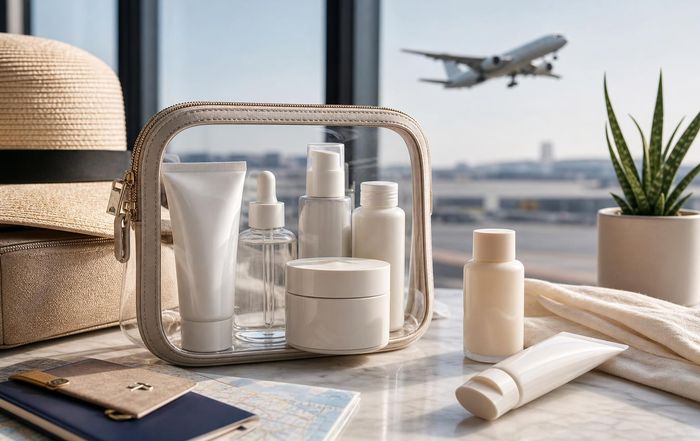
Skincare Planning Tips for Frequent International Travel
The New Reality of Global Mobility and Skin Health
Frequent international travel has become an integral part of professional and personal life for executives, entrepreneurs, creators, and remote professionals who operate across time zones and continents, and as global mobility has accelerated, so has the recognition that skin health is not a purely cosmetic concern but a strategic component of performance, presence, and long-term wellbeing. For the audience of BeautyTipa and its global community, skincare planning is now viewed as a form of self-management and risk mitigation, on par with financial planning, travel insurance, or digital security, especially for those who move regularly between the United States, Europe, Asia, and other key regions.
While the beauty and wellness industry has expanded rapidly, with innovation hubs in markets such as South Korea, Japan, France, and the United States driving new formulations and technologies, the fundamentals of protecting the skin barrier, maintaining hydration, and managing environmental stress remain central. Organizations such as the American Academy of Dermatology and the British Association of Dermatologists consistently emphasize that skin is the body's largest organ and a frontline defense system, and frequent travelers face a unique concentration of stressors: recycled cabin air, rapid climate shifts, pollution variations, irregular sleep, and dietary disruption. Against this backdrop, BeautyTipa positions skincare planning for frequent international travel not as a luxury but as an essential practice that supports confidence, professional image, and long-term health.
For readers who want to explore foundational concepts, the dedicated sections on skincare and wellness at BeautyTipa provide a broader framework that complements the specific travel-focused strategies outlined here.
Understanding How Travel Disrupts Skin Physiology
Frequent international travel imposes a unique physiological load on the skin, and understanding these mechanisms is the first step toward building an effective and realistic plan. In-flight environments, with humidity levels often below 20 percent, are significantly drier than most offices or homes, and as highlighted by resources such as Harvard Health Publishing, low humidity accelerates transepidermal water loss, leading to dehydration, dullness, and heightened sensitivity. When this is combined with long-haul flights, reduced fluid intake, and increased caffeine or alcohol consumption, the skin's barrier can become compromised, particularly in individuals with pre-existing conditions such as eczema, rosacea, or chronic dryness.
Jet lag and circadian disruption further complicate the picture. Research summarized by the National Institutes of Health indicates that skin has its own circadian rhythms, influencing barrier repair, sebum production, and cell turnover. Crossing multiple time zones repeatedly can interfere with these rhythms, which, in practical terms, may manifest as breakouts, uneven texture, or flare-ups of inflammatory conditions. Frequent travelers often report that their skin appears simultaneously dehydrated and congested, reflecting both barrier imbalance and altered oil production.
Environmental changes between destinations add another layer of complexity. Moving from the humid climate of Singapore to the dry air of Denver, or from the relatively low pollution of Scandinavia to high-traffic urban centers in parts of Asia or South America, exposes the skin to variable levels of particulate matter and UV radiation. Data from the World Health Organization and European Environment Agency underscores the impact of air pollution and UV exposure on premature aging, pigmentation, and inflammatory skin conditions. For the BeautyTipa community, which spans regions from North America and Europe to Asia, Africa, and South America, this means that a one-size-fits-all routine is rarely sufficient when travel is frequent and routes are diverse.
Readers seeking to understand how these environmental shifts intersect with daily routines can explore beauty routines and planning on BeautyTipa, where broader lifestyle context is integrated with skincare strategy.
Building a Core Travel Skincare Strategy
The most effective skincare plans for frequent travelers are built around a stable core routine that can be lightly adapted to different climates and schedules rather than completely reinvented for every trip. Dermatology guidance from institutions like the Mayo Clinic consistently reinforces the value of a simple, gentle, and consistent regimen that protects the skin barrier rather than chasing every trend or reacting impulsively to short-term changes.
For a frequent international traveler, this core generally includes a low-irritant cleanser, a hydrating serum or essence, a barrier-supportive moisturizer, and a broad-spectrum sunscreen. The cleanser should be non-stripping and free from aggressive surfactants that can exacerbate dryness in low-humidity environments, while hydrating serums containing humectants such as glycerin or hyaluronic acid help draw and hold moisture in the skin. Barrier-supportive moisturizers often include ceramides, cholesterol, and fatty acids, mirroring the skin's natural lipid composition and helping to reinforce resilience against environmental stress, which is particularly important when moving between climates or dealing with cabin air.
Sunscreen remains non-negotiable. The Skin Cancer Foundation and other expert bodies have repeatedly emphasized that UVA rays penetrate clouds and windows, including airplane windows, and frequent travelers who spend significant time in transit or in high-altitude flights are often exposed to higher cumulative UV levels than they realize. A broad-spectrum SPF of at least 30, reapplied when possible and used daily regardless of destination, is therefore essential, and many business travelers now prefer lightweight, non-greasy textures that sit comfortably under makeup or can be worn alone on no-makeup days.
To align this core strategy with individual preferences and skin types, the guides and tips section at BeautyTipa offers structured advice on evaluating ingredients, reading labels, and understanding how different formulations interact with sensitive or combination skin.
Adapting to Climate, Region, and Seasonal Shifts
A traveler who frequently moves between New York, London, Dubai, Singapore, and Sydney faces a constantly changing matrix of humidity, temperature, UV index, and indoor climate control, and a sophisticated skincare plan accounts for these shifts in advance rather than reacting after irritation or breakouts occur. Climate-adaptive skincare is increasingly recognized by industry analysts and by organizations such as L'Oréal and Shiseido, which invest heavily in research on regional skin needs and consumer behavior. For frequent international travelers, the practical implication is to maintain a modular routine where a small number of products can be rotated or layered differently depending on the destination.
In dry or cold climates, such as parts of Canada, Scandinavia, or high-altitude European cities, the skin's barrier is under particular stress. In these environments, richer creams, occlusive balms for targeted areas, and gentle exfoliation at reduced frequency can help maintain balance. Conversely, in hot, humid destinations such as Thailand, Brazil, or parts of Southeast Asia, lighter emulsions, gel-based moisturizers, and non-comedogenic sunscreens may be more appropriate to prevent congestion and shine. Understanding the UV index and pollution levels of key destinations through resources like Weather.com or the World Air Quality Index Project enables travelers to anticipate when antioxidant serums or pollution-protective formulations may be beneficial.
Frequent travelers who operate across Europe, North America, and Asia also need to consider seasonal variations layered on top of regional differences. For example, winter in Germany or the United Kingdom can be harsh on the skin even for residents, and when compounded by long-haul flights, indoor heating, and stress, the impact is amplified. Summer in Australia, South Africa, or parts of the United States, by contrast, may require more intense photoprotection and increased attention to after-sun care, even when most of the day is spent indoors. For those planning multi-leg itineraries that cross several climate zones, using the international coverage at BeautyTipa as a lens for regional beauty practices can also provide culturally informed solutions, such as adopting lightweight sun gels popular in South Korea or barrier ointments favored in colder European regions.
Navigating Airport Security, Regulations, and Product Logistics
One of the most practical challenges for frequent international travelers is complying with liquid restrictions and regulatory differences while maintaining a consistent routine. The liquid rules enforced by authorities such as the Transportation Security Administration (TSA) in the United States and similar agencies in the European Union and Asia require travelers to think strategically about product formats, decanting, and redundancy. Guidelines from the TSA emphasize volume limits for carry-on liquids, which means that business travelers who prefer to avoid checked baggage must prioritize and streamline their skincare kits.
Solid or stick formats for cleansers, moisturizers, and even sunscreens have become increasingly popular among frequent flyers, not only for regulatory convenience but also for durability and reduced risk of leakage. Many established brands, including Drunk Elephant, Clinique, and Fenty Skin, have expanded their travel-sized and solid-format offerings, while niche brands in markets such as Japan and South Korea have long offered compact, highly portable skincare. At the same time, travelers must remain cautious about decanting into unlabelled containers, as this can lead to confusion, misuse, or difficulty in case of allergic reactions, and maintaining clear labeling and a simple inventory list in a digital note can be a small but valuable risk management step.
Regulatory differences between regions also affect ingredient availability and product claims. The European Commission maintains stricter regulations on certain preservatives and UV filters compared to some other markets, while the U.S. Food and Drug Administration treats sunscreens as over-the-counter drugs, influencing formulation and labeling. Frequent travelers who source products in multiple countries should be aware that a favorite sunscreen from Japan may not be officially sold in the United States, or that certain active ingredients have different maximum concentrations in the European Union versus North America. For BeautyTipa readers who are building global routines, the brands and products section provides context on how to evaluate international offerings while maintaining safety and consistency.
Coordinating Skincare with Travel Routines and Time Zones
Effective skincare planning for frequent international travel cannot be separated from overall routine design, especially when flights, meetings, and social obligations compress available time. Successful travelers increasingly view skincare as part of a broader ritual that helps anchor them amid time zone shifts and demanding schedules, and this perspective aligns with the holistic approach promoted in BeautyTipa's routines and wellness content.
Pre-flight routines are particularly important for long-haul travel. Many dermatologists recommend cleansing the skin before boarding, applying a hydrating serum, sealing with a moisturizer suited to the destination climate, and applying sunscreen if there will be window exposure. During the flight, gentle misting with fragrance-free sprays and reapplication of moisturizer can help, but overuse of multiple products or frequent cleansing with harsh wipes may backfire by irritating the barrier. Post-flight, a carefully planned routine that includes cleansing away pollutants and sweat, applying a soothing or hydrating mask, and resuming regular sunscreen use can accelerate recovery and reduce the visible impact of fatigue.
Time zone changes complicate the traditional morning-night skincare structure. Some frequent travelers prefer to keep their routines aligned with their home time zone for the first 24 hours, then transition gradually to the destination schedule, while others immediately adopt local time to minimize jet lag. From a skin perspective, the most critical elements are consistency in cleansing, moisturizing, and sun protection, even if the exact timing shifts. Resources such as Sleep Foundation highlight the importance of light exposure and sleep timing for circadian alignment, and integrating these principles with skincare rituals can help the body and skin adapt more smoothly to new time zones.
Integrating Nutrition, Hydration, and Overall Wellness
Skin health during travel is inseparable from broader wellness factors, including diet, hydration, sleep, and stress management. Evidence from the Academy of Nutrition and Dietetics and other reputable organizations underscores the role of antioxidants, essential fatty acids, and adequate protein intake in supporting skin structure and repair. Frequent travelers who rely heavily on airport food, in-flight meals, and late-night room service often face a nutritional profile that is high in sodium and low in fresh produce, which can exacerbate dehydration and inflammation.
Planning ahead by carrying nutrient-dense snacks, choosing water over sugary drinks, and prioritizing meals that include vegetables, lean protein, and healthy fats can have a visible impact on skin condition, especially over repeated trips. The food and nutrition and health and fitness sections at BeautyTipa offer practical frameworks for aligning dietary choices with beauty and wellness goals, which is particularly relevant for those whose schedules leave little room for improvisation.
Hydration is another critical factor. While the advice to "drink more water" is often oversimplified, in the context of low-humidity cabins and caffeinated beverages, intentional hydration becomes strategically important. Guidance from the Centers for Disease Control and Prevention suggests monitoring total fluid intake and adjusting based on activity level, climate, and health conditions. For skin, adequate systemic hydration supports elasticity and barrier function, although it cannot replace topical moisturizers. Complementing water intake with electrolyte-balanced beverages can be beneficial on long-haul flights, particularly for those who are sensitive to swelling or dryness.
Stress and sleep deprivation, common among frequent international travelers navigating tight schedules and cross-cultural demands, also manifest visibly in the skin. Dark circles, puffiness, increased sensitivity, and flare-ups of acne or dermatitis are all associated with elevated cortisol and poor sleep quality. Techniques such as brief mindfulness sessions, controlled breathing, or light stretching before sleep, supported by resources from organizations like the Cleveland Clinic, can indirectly support skin health by improving recovery and reducing systemic inflammation.
Leveraging Technology and Data for Smarter Skincare Decisions
By 2026, the intersection of technology and beauty has matured significantly, with AI-driven recommendations, skin analysis apps, and connected devices offering travelers unprecedented insight into their skin's condition across environments. For the BeautyTipa audience, which is increasingly engaged with technology and beauty, these tools can be powerful, provided they are used critically and in conjunction with professional advice rather than as standalone authorities.
Many smartphone apps now allow users to log products, track reactions, and correlate skin changes with variables such as sleep, stress, and travel history. Some devices use imaging and machine learning to analyze texture, pores, and pigmentation, providing a longitudinal record that can be especially valuable for frequent travelers who might otherwise attribute changes solely to aging or genetics. Industry reports from firms such as McKinsey & Company and Deloitte, accessible through their public insights pages, highlight how data-driven personalization is reshaping the beauty market and enabling more precise product recommendations across regions.
However, travelers must remain discerning. Not all apps are regulated, not all devices are validated, and privacy considerations are paramount. Reviewing privacy policies, understanding data storage practices, and favoring reputable developers or brands with transparent governance is essential to maintaining trust. For those who wish to integrate technology thoughtfully into their routines, BeautyTipa's coverage of digital innovation in beauty offers guidance on balancing convenience, personalization, and data ethics.
Professional Image, Career Mobility, and the Business of Looking Well
In many industries, particularly in client-facing roles, executive leadership, and creative sectors, appearance and presence are intertwined with perceptions of credibility, energy, and reliability. While professionalism should never be reduced to aesthetics, frequent travelers recognize that looking fatigued, inflamed, or unwell can subtly influence interactions, especially when operating in cultures where grooming standards are closely observed. This is not about conforming to unrealistic beauty ideals but about supporting a healthy, polished appearance that aligns with one's professional identity.
The business and finance and jobs and employment sections of BeautyTipa increasingly highlight how personal care, including skincare, intersects with career development, networking, and leadership branding. Executives who operate between London, New York, Frankfurt, and Singapore often view skincare planning as part of their professional toolkit, alongside wardrobe strategy, communication skills, and cultural fluency. A well-structured, travel-ready skincare plan can reduce the cognitive load of constant decision-making, freeing mental bandwidth for negotiations, presentations, and creative work.
From a macro perspective, the global beauty industry has recognized the importance of the traveling professional. Duty-free channels, airport boutiques, and hotel amenities have evolved from offering generic miniatures to curated sets tailored for jet lag, pollution, and urban stress. Market analyses from organizations such as Euromonitor International and Statista show sustained growth in travel-sized and multi-functional skincare products, driven largely by mobile professionals and affluent leisure travelers. For BeautyTipa, which serves a readership spanning the United States, Europe, Asia, and beyond, this trend underscores the need for nuanced content that bridges lifestyle aspirations with evidence-based guidance.
Regional Insights and Cross-Cultural Learning in Skincare
One of the advantages of frequent international travel is exposure to diverse beauty philosophies and practices, and sophisticated travelers increasingly curate their routines by learning from regional expertise rather than relying solely on domestic trends. South Korea's emphasis on gentle layering and barrier repair, Japan's focus on meticulous cleansing and texture, France's pharmacy-driven dermocosmetics, and the United States' innovation in active ingredients and clinical treatments each offer distinct strengths. By observing and selectively integrating these approaches, travelers can build robust, globally informed routines.
For instance, the widespread use of lightweight, high-protection sunscreens in Japan and South Korea has influenced global attitudes toward daily SPF, while French and German pharmacy brands have popularized fragrance-free, sensitivity-focused formulations suitable for reactive skin. In Nordic countries such as Sweden, Norway, and Finland, where winters are harsh and daylight is limited, hydrating and barrier-repairing products are central, and these strategies can be invaluable for travelers who frequently transition between warm and cold climates. Meanwhile, in markets such as Brazil, South Africa, and Australia, where UV exposure is intense, sun safety and after-sun care are deeply embedded in mainstream routines.
The trends and beauty sections at BeautyTipa frequently highlight these regional nuances, helping readers understand not only what is popular, but why certain approaches have emerged in response to climate, culture, and regulatory context. For frequent travelers, this cross-cultural literacy in skincare is not merely a source of product discovery but a way to adapt intelligently to local conditions while respecting regional norms and expectations.
Toward a Travel-Ready, Trustworthy Skincare Framework
As international mobility continues to define careers and lifestyles in 2026, skincare planning for frequent travel is best understood as a structured, evidence-informed practice that balances consistency with adaptability. The most resilient routines are built on a clear understanding of skin physiology, an appreciation of environmental and regulatory differences across regions, and a holistic view of health that integrates nutrition, sleep, stress management, and technology. For the fashion and beauty community of BeautyTipa, which spans continents and industries, this approach supports not only appearance but also confidence, comfort, and long-term wellbeing.
By leveraging reliable resources such as national dermatology associations, public health organizations, and reputable research institutions, and by engaging with recommended daily curated insights on BeautyTipa across areas including skincare, wellness, business, technology, and international trends, frequent travelers can move beyond ad hoc product purchases and reactive fixes. Instead, they can design travel-ready skincare systems that are personalized, sustainable, and aligned with their professional and personal goals, enabling them to step off every flight-whether in New York, London, Tokyo, or Cape Town-with skin that reflects not the fatigue of constant motion, but the composure and resilience of a life lived confidently on the move.
