
How Gen Z Turned Watches Into Symbols of Style, Identity, and Values
In 2026, the global watch landscape looks very different from what many traditional brands once expected. For a generation raised on smartphones, cloud calendars, and instant notifications, it might have seemed logical that the wristwatch would fade into irrelevance. Instead, Gen Z, and particularly those aligned with hipster, indie, and creative subcultures, have reclaimed watches as powerful tools of self-expression, cultural commentary, and value signaling. On beautytipa.com, where conversations about beauty, fashion, and trends intersect with wellness, technology, and business, watches now sit alongside skincare routines and makeup palettes as essential components of a modern style identity.
From Timekeeping to Storytelling: Why Watches Matter to Gen Z
For many Gen Z consumers across the United States, Europe, Asia, and beyond, a watch is no longer a simple functional object; it is a curated statement about who they are, what they value, and how they see themselves in a world that is both hyper-digital and increasingly concerned with authenticity. While smartphones tell the time more accurately than any mechanical movement, they cannot replicate the tactile satisfaction of winding a vintage automatic, the deliberate choice of wearing a modest digital Casio instead of a luxury logo, or the subtle prestige of understanding the story behind a microbrand diver.
The hipster-leaning segment of Gen Z, especially in cities like New York, London, Berlin, Tokyo, and Seoul, gravitates toward items that feel rooted in history, craft, and narrative. They are drawn to accessories that resist disposability and fast-fashion cycles, which is why watches-objects that can last decades, be repaired, and even be passed down-fit naturally into their lifestyle. This mindset aligns with broader shifts in conscious consumption documented by organizations like McKinsey & Company, which highlight how younger consumers increasingly prioritize values such as sustainability, transparency, and responsible sourcing in their purchasing decisions. Those who want to understand this shift in depth can explore how younger demographics are reshaping luxury and fashion by reviewing analyses from sources such as McKinsey's fashion insights.
At beautytipa.com, the same values appear in how readers approach skincare, wellness, and health and fitness. Just as they scrutinize ingredient lists, ethical certifications, and brand narratives in beauty and wellness products, they now examine watch brands for sustainability credentials, labor practices, and long-term reliability. Watches have effectively joined the broader lifestyle ecosystem of intentional, values-led consumption.
The New Aesthetic: Vintage Soul, Modern Mindset
The modern Gen Z watch aesthetic is defined by a duality: a love of vintage charm and analog tactility, combined with a comfort with technology and digital integration. Many hipster Gen Z consumers might wear a Casio F91W one day and an Apple Watch the next, pairing each with different outfits and moods. This fluidity reflects a broader cultural pattern where rigid style categories are dissolving, replaced by eclectic, mix-and-match identities.
Vintage-inspired analog watches, especially those with smaller case sizes, domed crystals, and classic typography, appeal to Gen Z's nostalgia for eras they never personally experienced but feel connected to through music, film, and digital culture. At the same time, minimalist smartwatches and hybrids resonate with their desire to integrate health tracking, notifications, and digital tools into daily life without sacrificing aesthetics. This is particularly visible in markets such as the United Kingdom, Germany, Scandinavia, Japan, and South Korea, where design-led technology has long been part of the cultural fabric. Those interested in how design and technology intersect globally can explore resources like The Design Museum in London or the innovation-focused content from MIT Technology Review.
Within this blend of past and future, beautytipa.com plays a role in helping readers place watches within their overall style and self-care narratives. A watch is no longer just an accessory; it is part of a daily ritual, much like a morning skincare routine or a carefully chosen fragrance, and it contributes to the sense of confidence and presence that many readers seek to cultivate through their routines.
Brands Gen Z Hipsters Trust and Celebrate
Across North America, Europe, and Asia-Pacific, several watch brands have emerged as favorites among Gen Z hipsters, not only for their design but also for their brand stories, accessibility, and perceived authenticity.
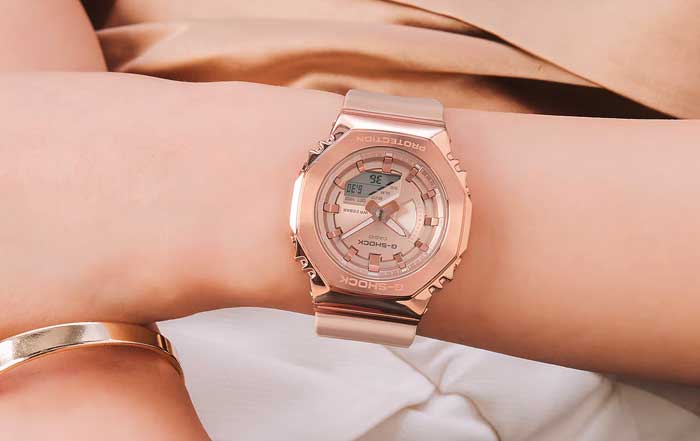
Casio and G-SHOCK continue to enjoy cult status, particularly with their vintage digital lines and rugged models that pair effortlessly with streetwear and skate culture. Their long-standing presence and democratic pricing make them feel honest and unpretentious. The official Casio website provides a window into how the brand has preserved its heritage while embracing contemporary collaborations with artists, musicians, and fashion labels.
Daniel Wellington, with its slender cases and minimalist dials, appeals strongly in markets such as the United Kingdom, Germany, Scandinavia, and North America, where Scandinavian design and understated elegance remain highly influential. The brand's social media-driven rise and its emphasis on interchangeable straps have made it a staple in curated Instagram feeds and TikTok outfit-of-the-day videos.
Timex has successfully reinvented itself for younger audiences through reissues of classic models like the Marlin and Q Timex, which resonate with those seeking "real" heritage at accessible prices. The story of Timex, rooted in American watchmaking history, is particularly compelling for Gen Z buyers who enjoy discovering brands with authentic legacies rather than invented narratives. Those interested in the broader evolution of watchmaking can explore educational content from institutions such as the Horological Society of New York or the National Association of Watch & Clock Collectors.
Japanese powerhouse Seiko has become a rite-of-passage brand for many young enthusiasts worldwide, from the United States and Canada to France, Italy, Spain, and Brazil. Iconic lines like Seiko 5 Sports and Presage offer mechanical movements, strong design, and a reputation for durability that appeals to buyers who see a watch as a long-term companion rather than a disposable trend piece. The brand's official Seiko website showcases the breadth of its offerings, from entry-level automatics to high-end Grand Seiko models that attract more advanced collectors.
Swatch remains a favorite in Europe, Asia, and beyond, especially since its Bioceramic innovations and high-profile collaborations, including the MoonSwatch partnership with Omega, captured global headlines. These colorful, playful pieces speak directly to Gen Z's love of collaboration culture and limited drops, echoing the dynamics of sneaker releases and K-pop merchandise. Interested readers can explore contemporary art and design collaborations through institutions like the Museum of Modern Art to better understand the cultural context that makes such partnerships resonate.
At the same time, smartwatches and hybrids have secured their place. The Apple Watch, particularly when paired with vintage leather or artisan-made straps, has become a canvas for personalization rather than a uniform tech gadget. Hybrid models from brands like Fossil appeal to those who want analog charm with subtle smart features, mirroring the way many beautytipa.com readers combine natural skincare with cutting-edge cosmetic science in their brands and products choices.
Microbrands such as Baltic, MVMT, and Nordgreen have also won the hearts of Gen Z hipsters by emphasizing story, sustainability, and independence from corporate giants. Their direct-to-consumer models, transparency, and strong design language speak to a generation accustomed to discovering niche labels on social media, supporting small businesses, and aligning purchases with personal values. Those who want to learn more about sustainable business practices and ethical entrepreneurship can turn to resources like the Harvard Business Review and the sustainability frameworks developed by the United Nations Global Compact.
🕐 Find Your Perfect Gen Z Watch Style
Discover which watch aesthetic matches your vibe
Iconic Models as Cultural Markers
Certain watch models have transcended their technical specifications to become cultural signifiers within Gen Z communities. The Casio F91W and A168, for example, are worn as ironic yet sincere statements: inexpensive digital watches that, in an age of luxury logos, quietly communicate a preference for understatement and function.
The G-SHOCK DW-5600 and GA-2100 "CasiOak" have become staples in streetwear outfits from New York and Toronto to Seoul and Tokyo. The CasiOak, in particular, has achieved near-iconic status by echoing the silhouette of far more expensive designs while remaining accessible, customizable, and robust. This echoes a broader Gen Z preference for "stealth wealth" and non-obvious markers of taste that rely on knowledge rather than price tags.
Retro reissues like the Timex Q and Timex Marlin have become favorites in creative circles in London, Berlin, Paris, and Milan, where vintage denim, upcycled garments, and analog photography are part of a wider aesthetic. In these contexts, a mechanical watch with a modest price can carry more cultural capital than a conspicuously branded luxury piece, because it signals connoisseurship rather than conspicuous consumption.
Diver-style watches such as the Seiko SKX and its successors have become almost a uniform among early-stage enthusiasts, especially in markets like the United States, Canada, Australia, and parts of Asia. Their versatility, water resistance, and endless modification possibilities make them ideal for a generation that values individuality and enjoys customizing everything from sneakers to phone cases.
Meanwhile, high-profile collaborations such as the Swatch Bioceramic MoonSwatch have shown how powerful scarcity and storytelling can be. The queues outside Swatch stores in cities across Europe, Asia, and South America were not just about acquiring a watch; they were about participating in a global cultural event. This echoes patterns observed in other lifestyle categories, where limited editions and drops create a sense of belonging and shared experience. Readers who want to understand these dynamics from a business perspective can explore analyses from the Business of Fashion or consumer trend reports from Deloitte.
Styling Time: How Watches Integrate into Fashion and Beauty
For the beautytipa.com audience, watches naturally intersect with personal aesthetics, grooming, and daily rituals. In the same way a carefully chosen lipstick shade or fragrance can complete a look, the right watch can anchor an outfit and subtly shift the overall impression.
In streetwear-driven looks common in the United States, Canada, the United Kingdom, Germany, and South Korea, oversized G-SHOCKs or vibrant Swatch models pair with sneakers, cargo pants, hoodies, and graphic tees. Here, the watch often acts as a focal point, adding color and attitude that echo the energy of the outfit.
For those embracing vintage or retro-inspired wardrobes-think corduroy jackets, high-waisted denim, thrifted band tees, and classic leather boots-pieces like the Casio F91W, Timex Q, or Seiko 5 Sports feel like natural companions. They reinforce the narrative of rediscovering and reinterpreting past eras rather than chasing the latest fast-fashion drops.
Minimalist dressers in Scandinavia, the Netherlands, Switzerland, and parts of East Asia often favor Daniel Wellington, Nordgreen, or slim Seiko dress models, pairing them with monochrome or neutral-toned outfits, structured coats, and clean sneakers or loafers. The watch becomes an exercise in restraint, mirroring the broader minimalism that also influences their approach to skincare, interiors, and digital usage. Those who wish to refine their overall aesthetic can find complementary advice in beautytipa.com's sections on guides and tips and makeup.
Eco-conscious fashion enthusiasts, whether in France, Italy, Australia, or Singapore, increasingly seek watches made with recycled metals, bio-based plastics, or ethically sourced leather alternatives. Swatch's Bioceramic lines, as well as sustainability-focused microbrands, align with wardrobes built around organic cotton basics, second-hand finds, and thoughtfully selected accessories. This mirrors broader shifts documented by organizations like the Ellen MacArthur Foundation, which advocates for circular economy principles in fashion and product design.
Tech-forward consumers, especially in markets like the United States, China, Japan, and South Korea, integrate Apple Watches and hybrid smartwatches into athleisure and performance-oriented outfits. In these cases, the watch is both a health companion and a style object, seamlessly linked to fitness tracking, sleep monitoring, and productivity tools. This integration reflects the holistic approach to well-being that beautytipa.com explores in its wellness and food and nutrition coverage, where physical health, mental balance, and aesthetic expression are viewed as interconnected.
Regional Nuances in Gen Z Watch Culture
Although Gen Z shares many global reference points through social media, regional differences remain influential in shaping watch preferences. In the United States and Canada, the culture of thrifting, sneaker collecting, and streetwear has elevated affordable heritage brands like Timex, Seiko, and Casio, while the dominance of Apple in the tech ecosystem keeps the Apple Watch firmly established as a daily tool.
In the United Kingdom, Germany, the Netherlands, and Switzerland, there is a strong appreciation for engineering, design, and long-term value, which supports interest in both minimalist brands and entry-level mechanical pieces from European and Japanese makers. Switzerland's legacy as the heart of horology continues to influence aspirations, even as many Gen Z buyers start with more accessible pieces before moving slowly toward higher-end mechanical watches. Those curious about the Swiss watch industry's evolution can explore industry resources from the Federation of the Swiss Watch Industry.
France, Italy, and Spain bring a strong emphasis on fashion-forward styling, where watches are integrated into carefully curated looks. Here, Swatch collaborations, Fossil hybrids, and design-focused microbrands often sit alongside luxury fashion pieces, reflecting a sophisticated blend of high and low.
Across the Nordics, sustainability and minimalism dominate, reinforcing the popularity of Scandinavian brands and simple, long-lasting designs. In Japan and South Korea, the fusion of heritage brands such as Seiko, Citizen, and Casio with cutting-edge streetwear and K-fashion keeps watch culture dynamic and experimental.
In China, Southeast Asia, South Africa, and parts of South America, rising middle classes and digitally savvy youth are driving strong demand for both accessible fashion watches and aspirational luxury pieces. The MoonSwatch phenomenon, for example, resonated strongly in these regions as a gateway into the world of Swiss-inspired design.
beautytipa.com reflects this global diversity in its international coverage, recognizing that while watches may share common models and brands, the way they are worn and understood varies significantly between New York, Lagos, São Paulo, Shanghai, and Copenhagen.
Beyond Fashion: Watches as Signals of Character and Values
For Gen Z hipsters, a watch communicates far more than taste; it can hint at attitudes toward money, sustainability, technology, and even work. A modest vintage Seiko on a worn leather strap might suggest a preference for longevity and quiet expertise, while a colorful Swatch could signal playfulness and a love of art and collaboration.
Sustainability-focused models, whether made from recycled materials or produced by B-Corp certified companies, allow wearers to align their accessories with the same environmental and social commitments that shape their choices in skincare, food, and travel. Reports from organizations such as the World Economic Forum highlight how Gen Z is increasingly vocal about sustainability and expects brands to demonstrate real action rather than surface-level greenwashing.
Smartwatches and hybrids, by contrast, often signify a desire for optimization, health tracking, and seamless digital integration. They are particularly common among young professionals and students who balance demanding schedules, fitness goals, and social lives. This reflects the broader work and career expectations of Gen Z, which beautytipa.com explores in its business and finance and jobs and employment sections, where flexibility, meaning, and work-life integration are recurring themes.
Ultimately, the decision to wear a watch at all, in a world where time is available on every screen, can be interpreted as a declaration of intentionality. It suggests a desire to anchor the day in physical rituals, to look down at a wrist rather than constantly reaching for a phone, and to treat time as something to be lived with awareness rather than merely measured.
The Future of Watches in a Gen Z-Led Market
Looking ahead from 2026, the influence of Gen Z on the watch industry will continue to expand as this generation gains purchasing power and moves into leadership roles in creative, technological, and corporate sectors. Several trends are likely to define the next phase of watch culture.
Sustainability will become non-negotiable rather than a differentiator. Brands that cannot demonstrate credible progress on environmental impact, supply chain transparency, and repairability will struggle to maintain relevance. Customization and modularity will grow, allowing owners to change straps, bezels, and even some components to refresh a watch without replacing it entirely, echoing circular economy principles.
Technology integration will deepen but in more subtle, design-conscious ways. Rather than bulky, screen-dominated devices, future smart and hybrid watches may emphasize discreet sensors, long battery life, and compatibility with wellness platforms, aligning with the holistic self-care mindset that beautytipa.com covers across beauty, wellness, fitness, and nutrition. Those interested in the future of wearables and health tech can explore research from institutions like the World Health Organization and innovation analyses by PwC.
Finally, collaboration culture will remain central. Partnerships between watch brands and artists, musicians, gaming franchises, esports organizations, and even skincare or fashion labels will continue to create moments that capture Gen Z's attention, much like cross-category collaborations already do in sneakers, cosmetics, and apparel.
For beautytipa.com, watches will remain a key part of the editorial conversation, not as isolated objects but as elements woven into beauty rituals, wellness routines, fashion choices, and professional identities. As readers around the world-from the United States and the United Kingdom to Germany, Canada, Australia, France, Italy, Spain, China, South Africa, Brazil, and beyond-refine their personal styles, the watch on their wrist will continue to serve as a small but powerful reflection of who they are, what they believe in, and how they choose to navigate time in an increasingly complex world.
Those who wish to keep exploring how accessories, technology, and aesthetics intersect in contemporary culture can continue their journey across beautytipa.com, from technology and beauty to trends and the evolving global style narratives that define this decade.
