
The Future of Omnichannel Beauty Retail
Omnichannel Beauty: A New Standard for Global Consumers
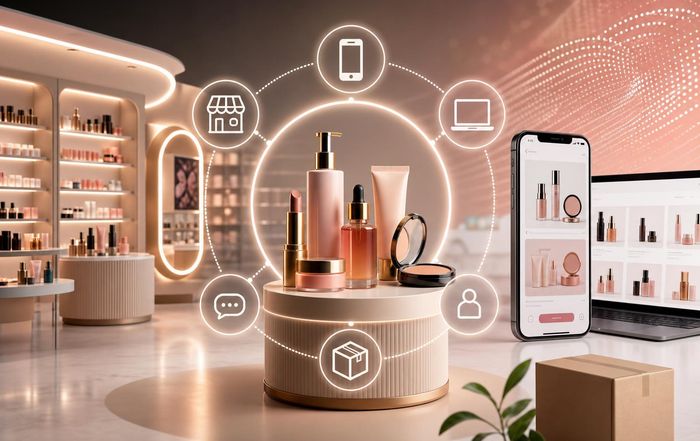
Ok so omnichannel beauty retail has evolved from an aspirational concept into the operating baseline for serious players in the global beauty market, reshaping how consumers discover, evaluate, purchase, and experience products across physical and digital environments. For the international audience of BeautyTipa and its community of beauty enthusiasts, professionals, founders, and investors, the term "omnichannel" no longer simply means being present online and offline; it now reflects a deeply integrated, data-informed, and experience-driven ecosystem in which every touchpoint, from an in-store consultation to a social media livestream, is connected, consistent, and personalized.
As beauty shoppers in the United States, United Kingdom, Germany, Canada, Australia, France, Italy, Spain, the Netherlands, Switzerland, China, Sweden, Norway, Singapore, Denmark, South Korea, Japan, Thailand, Finland, South Africa, Brazil, Malaysia, New Zealand and beyond demand seamless journeys, the most successful brands and retailers are those that design customer experiences holistically rather than channel by channel. This shift is transforming not only how consumers engage with products, but also how businesses structure operations, invest in technology, build partnerships, and measure performance. In this environment, BeautyTipa positions itself as a trusted guide, connecting audiences to curated insights on beauty, wellness, skincare, and the broader business of beauty, while also interpreting the strategic implications of omnichannel for brands of every size.
From Multichannel to Omnichannel: How Beauty Retail Got Here
The path to omnichannel beauty retail has been shaped by a decade of accelerating change in consumer expectations, digital innovation, and global market dynamics. In the early 2010s, many beauty brands focused on "multichannel" strategies, building separate presences across e-commerce sites, social media platforms, and brick-and-mortar stores, often with inconsistent pricing, messaging, and inventory between channels. Over time, consumers grew accustomed to researching products on their smartphones, watching tutorials on platforms such as YouTube, comparing reviews on sites like Sephora, and then deciding whether to purchase in-store or online, expecting a coherent experience regardless of where they completed the transaction.
The COVID-19 pandemic dramatically accelerated this transition, as lockdowns forced many consumers to adopt digital-first behaviors and pushed retailers to develop services such as click-and-collect, virtual consultations, and same-day delivery. According to research from McKinsey & Company, beauty was one of the categories that saw a significant and lasting shift toward online and hybrid shopping models, with customers moving fluidly between digital discovery and physical trial. Those who want to understand how consumer expectations evolved during this period can learn more about changing consumer journeys and see how beauty emerged as a leading category for innovation.
By 2026, the most advanced beauty retailers have shifted firmly into omnichannel mode, where the focus is on orchestrating a unified experience across all channels instead of managing them in isolation. This means that loyalty programs, product recommendations, pricing, and service standards are shared across mobile apps, e-commerce sites, social platforms, and physical stores, supported by integrated customer data and back-end systems. At the same time, smaller and independent brands, including many featured on BeautyTipa in its brands and products coverage, have begun to leverage marketplaces, social commerce tools, and retail partnerships to participate in this ecosystem without needing to replicate the scale of global giants.
The New Consumer Journey: Seamless, Personalized, and Always-On
The modern beauty consumer, whether in New York, London, Berlin, Toronto, Sydney, Paris, Milan, Madrid, Amsterdam, Zurich, Shanghai, Stockholm, Oslo, Singapore, Copenhagen, Seoul, Tokyo, Bangkok, Helsinki, Johannesburg, São Paulo, Kuala Lumpur, Auckland, or elsewhere, expects an always-on journey that adapts to individual needs, preferences, and local context. This journey typically starts with inspiration and education, often triggered by content on platforms such as Instagram, TikTok, and Pinterest, or by editorial features and expert guides on sites like BeautyTipa, which offers detailed guides and tips to help readers navigate complex product choices.
From there, consumers may explore product claims and ingredient information on authoritative resources such as the Environmental Working Group or INCI Decoder, while also reading dermatology-backed advice from institutions like the American Academy of Dermatology. They then move into evaluation, comparing formulations, price points, and reviews across retailer websites, brand-owned e-commerce platforms, and community forums such as Reddit's skincare communities. Many shoppers now rely on AI-driven recommendation tools, shade-matching technologies, and virtual try-on features, which are increasingly powered by technologies similar to those documented by MIT Technology Review and other innovation-focused publications that track the intersection of AI and consumer products.
In-store experiences remain crucial, particularly for fragrance, color cosmetics, and high-touch skincare, but the role of the store has evolved. Physical locations operated by Sephora, Ulta Beauty, Douglas, Watsons, Boots, and leading department stores now function as experiential hubs where consumers can receive personalized consultations, attend events, and test products in ways that complement their digital research. Many of these retailers connect in-store activity with online profiles so that consultations, purchase histories, and service preferences are reflected across channels. For consumers, this means that a foundation shade matched in a London store can be reordered effortlessly via a mobile app in Singapore or New York, while loyalty rewards and tailored offers follow them wherever they shop.
Technology as the Backbone of Omnichannel Beauty
Underpinning this seamless experience is a sophisticated technology stack that blends data platforms, AI-driven analytics, and connected retail infrastructure. Leading beauty retailers increasingly rely on customer data platforms, cloud computing services, and advanced analytics to unify information from websites, apps, stores, and third-party marketplaces. Organizations that want to understand the technological backbone of this transformation can explore resources from Salesforce and Microsoft Cloud for Retail, which outline how integrated platforms enable consistent experiences across channels.
In the beauty sector, AI and machine learning are being used to power personalized product recommendations, dynamic pricing, inventory optimization, and even AI-generated content. Skin analysis tools, available through mobile apps and smart mirrors, can assess factors such as hydration, texture, and pigmentation using computer vision, then recommend suitable products from a retailer's catalog. Virtual try-on solutions, which allow consumers to see how a lipstick, eyeshadow, or hair color will look on their own face in real time, are now widely deployed by brands like L'Oréal, Estée Lauder, and Shiseido, often using technology from partners such as Perfect Corp or ModiFace. Those interested in the broader implications of these technologies can learn more about AI in retail through insights from Harvard Business Review, which frequently analyzes how artificial intelligence is reshaping customer experience.
For BeautyTipa, which covers technology in beauty as a core editorial pillar, this convergence of data, AI, and retail infrastructure is not merely a technical story; it is a fundamental shift in how beauty is defined, marketed, and consumed. Data-driven personalization has the potential to improve product efficacy and customer satisfaction, but it also raises critical questions around privacy, transparency, and algorithmic bias, which reputable organizations such as the World Economic Forum and regulators across North America, Europe, and Asia continue to debate.
Sustainability, Ethics, and the Conscious Omnichannel Consumer
Alongside convenience and personalization, sustainability and ethics have become central concerns for beauty shoppers worldwide, influencing how omnichannel strategies are designed and communicated. Consumers increasingly scrutinize not only ingredients and formulations but also packaging, logistics, and corporate practices, expecting brands to operate responsibly across the entire value chain. Reports from the Ellen MacArthur Foundation and the United Nations Environment Programme highlight how circular economy principles, resource efficiency, and responsible consumption are reshaping global industries, including beauty.
In an omnichannel context, sustainability considerations extend beyond product design to include shipping methods, returns processes, and store operations. Retailers are experimenting with refillable packaging, in-store refill stations, and return-to-store programs for empties, which can reduce waste and deepen customer engagement. Some are using AI and predictive analytics to minimize overproduction and optimize inventory allocation, thereby reducing the environmental impact of unsold stock. Others partner with certified organizations such as Cradle to Cradle and B Corp to validate their commitments and provide consumers with credible signals of responsibility. Those who wish to learn more about sustainable business practices can explore resources from BSR (Business for Social Responsibility), which advises global companies on integrating sustainability into core strategy.
For BeautyTipa, whose readers care deeply about health and fitness, food and nutrition, and holistic wellness as much as they care about makeup and skincare, this intersection of ethics, sustainability, and omnichannel retail is especially important. The platform's coverage increasingly highlights brands that embrace traceable supply chains, inclusive product development, and environmentally conscious operations, recognizing that long-term trust depends not only on product performance but also on corporate integrity.
Business and Finance: How Omnichannel Redefines Beauty Economics
From a business and finance perspective, the rise of omnichannel retail is fundamentally changing how beauty companies allocate capital, manage risk, and evaluate performance. Traditional metrics such as same-store sales and e-commerce growth remain relevant but are now supplemented by more holistic measures of customer lifetime value, cross-channel engagement, and omnichannel profitability. Investors and executives follow analysis from organizations like Deloitte and PwC to understand how integrated strategies can drive both top-line growth and margin improvement.
Omnichannel models often require significant upfront investment in technology, data infrastructure, logistics capabilities, and organizational change, but they can also produce efficiencies by enabling better inventory management, reducing customer acquisition costs, and increasing retention. For example, a unified view of the customer allows a retailer to tailor marketing spend more precisely, targeting high-value segments with relevant offers rather than relying on broad, costly campaigns. Similarly, integrating store and online inventory can improve stock availability while reducing the need for redundant safety stock in each channel.
The BeautyTipa audience, particularly those interested in business and finance, increasingly looks at how leading players such as LVMH, Coty, Kao, and Unilever report omnichannel performance in their annual reports and investor presentations, which are often available through platforms like Investopedia and stock exchange filings. These disclosures reveal not only the financial outcomes of omnichannel investments but also the strategic priorities driving them, such as direct-to-consumer expansion, marketplace partnerships, and geographic diversification across North America, Europe, Asia, Africa, and South America.
The Global Landscape: Regional Nuances and Opportunities
While omnichannel principles are universal, their implementation varies significantly across regions due to differences in infrastructure, consumer behavior, and regulatory environments. In North America and Western Europe, mature retail ecosystems and high smartphone penetration have enabled sophisticated integrations between physical stores and digital channels, with retailers such as Sephora, Ulta Beauty, Douglas, and Boots leading the way. In these markets, consumers expect advanced services such as curbside pickup, real-time inventory visibility, and seamless returns across channels, supported by robust logistics networks and payment systems.
In Asia, particularly in China, South Korea, Japan, and Southeast Asia, omnichannel beauty is heavily influenced by super-apps, social commerce, and livestreaming. Platforms such as Alibaba, JD.com, WeChat, Kakao, and Shopee have created ecosystems where discovery, purchase, payment, and post-purchase engagement are tightly integrated within a few dominant apps. To understand how these ecosystems function, readers can explore analysis from the OECD on digital transformation and cross-border e-commerce. Beauty brands operating in these markets must adapt to local norms, such as the importance of KOLs (key opinion leaders), real-time interaction, and gamified shopping experiences, while also ensuring that their global brand identity remains coherent.
Emerging markets across Africa, South America, and parts of Asia present both challenges and opportunities for omnichannel beauty. Infrastructure constraints, regulatory complexities, and diverse cultural preferences require localized strategies that combine digital channels with traditional retail formats, often involving partnerships with local distributors and community-based selling models. Organizations such as the International Trade Centre provide guidance on how brands can navigate these complexities responsibly. For BeautyTipa, whose international coverage spans multiple regions, highlighting these nuances is essential to helping readers understand where growth is likely to emerge and how inclusive, localized approaches can unlock long-term value.
Talent, Skills, and the Future of Beauty Careers
The evolution of omnichannel beauty retail is also reshaping the talent landscape, creating new roles and skill requirements across marketing, merchandising, technology, operations, and in-store experience. Retail associates are increasingly expected to act as brand ambassadors and beauty advisors equipped with digital tools, while corporate teams need expertise in data analytics, digital merchandising, UX design, and AI strategy. Professionals who wish to explore how retail careers are changing can consult resources from the National Retail Federation and leading universities that offer specialized programs in retail and digital commerce.
For the BeautyTipa community interested in jobs and employment, the rise of omnichannel translates into opportunities in areas such as e-commerce management, CRM and loyalty, influencer marketing, virtual consultation services, and technology implementation. At the same time, there is growing demand for specialists in sustainability, regulatory compliance, and inclusive product development, reflecting the broader societal expectations placed on beauty companies. As brands expand across markets including the United States, United Kingdom, Germany, Canada, Australia, France, Italy, Spain, the Netherlands, Switzerland, China, Sweden, Norway, Singapore, Denmark, South Korea, Japan, Thailand, Finland, South Africa, Brazil, Malaysia, and New Zealand, multilingual and culturally fluent professionals are particularly valuable.
Experiences, Events, and Community in an Omnichannel Era
One of the most distinctive features of omnichannel beauty retail in 2026 is the emphasis on experience and community, both online and offline. Brands and retailers are investing in immersive flagship stores, pop-up events, masterclasses, and collaborations with fashion and wellness partners to create memorable touchpoints that go beyond transactional interactions. At the same time, digital events such as livestream tutorials, virtual product launches, and interactive Q&A sessions are becoming more sophisticated, often blending AR filters, real-time chat, and integrated shopping capabilities.
For consumers, this means that a product discovery journey might begin with a livestream hosted by a makeup artist in Seoul, continue with an in-store experience in Paris, and conclude with a replenishment order placed through a mobile app in New York, all within a single, coherent brand narrative. Platforms like Eventbrite and Meetup illustrate how digital tools facilitate community-building and event discovery, while beauty-specific initiatives, including those covered by BeautyTipa in its events and trends sections, showcase how brands are experimenting with hybrid formats that connect global audiences.
These experiences increasingly intersect with adjacent lifestyle categories such as fashion, wellness, and fitness, reflecting the reality that consumers do not view beauty in isolation. Collaborations between beauty brands and fashion houses, fitness studios, nutrition experts, and mental health advocates underscore the holistic nature of contemporary self-care, while also opening new avenues for cross-category omnichannel strategies that span apparel, nutrition, supplements, and personal care.
What This Means for BeautyTipa and Its Cool Community
For BeautyTipa, the future of omnichannel beauty retail is not an abstract industry trend but a lived reality that shapes how the platform serves its readers and partners. As consumers and professionals turn to BeautyTipa for insight into routines, product evaluations, business strategies, and emerging technologies, the editorial approach increasingly reflects the interconnected nature of today's beauty ecosystem. Coverage of skincare, makeup, wellness, and international markets is framed through an omnichannel lens, examining not only what products do, but also how they are discovered, experienced, and trusted across channels.
This perspective reinforces the platform's commitment to experience, expertise, authoritativeness, and trustworthiness. Experience is reflected in the way BeautyTipa contextualizes beauty within broader lifestyle and cultural trends. Expertise is demonstrated through in-depth analysis of technology, business models, and regional nuances. Authoritativeness is built by engaging with credible sources and industry leaders, from dermatologists and formulators to retail strategists and sustainability experts. Trustworthiness is maintained by prioritizing transparency, balanced evaluation, and respect for the diverse needs of a global audience.
As omnichannel beauty retail continues to evolve beyond this year, the most resilient brands and platforms will be those that remain agile, customer-centric, and ethically grounded, recognizing that the future of beauty lies in meaningful relationships rather than isolated transactions. For the worldwide community that turns to BeautyTipa for guidance on beauty, wellness, skincare, routines, brands and products, trends, events, business and finance, technology, careers, health and fitness, food and nutrition, fashion, and international perspectives, the platform's role is clear: to decode this complex landscape, highlight best practices, and empower readers to make informed decisions in a world where every channel is connected and every interaction matters.
