
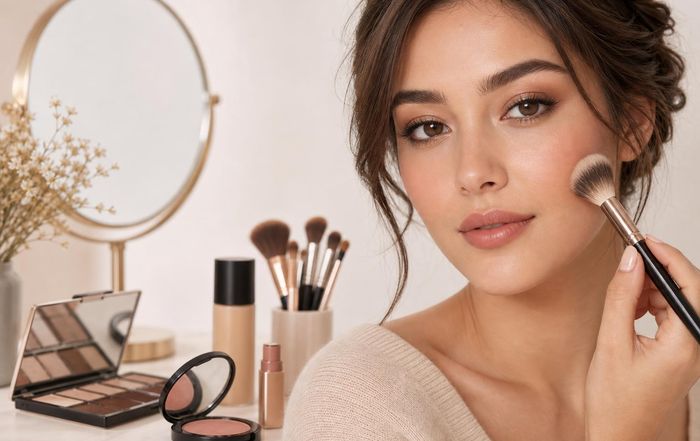
Makeup Techniques for a Soft Defined Everyday Look in 2026
The New Everyday Beauty Standard
By 2026, the definition of an everyday makeup look has shifted significantly from the full-coverage, heavily contoured styles that dominated social media in the previous decade to a softer, more refined aesthetic that balances polish with authenticity. Across key markets such as the United States, the United Kingdom, Germany, Canada, Australia, France, Italy, Spain, the Netherlands, Switzerland, China, South Korea, Japan, Singapore, and beyond, consumers are increasingly seeking makeup techniques that enhance rather than mask, prioritizing comfort, skin health, and efficiency without compromising on sophistication. On BeautyTipa, this evolution is reflected in how readers approach their daily routines, favoring soft definition, strategic glow, and subtle structure that translate seamlessly from office to video call to evening engagements.
This global shift is influenced by several converging forces: the rise of hybrid skincare-makeup formulas, growing awareness of skin barrier health, flexible work patterns, and a more nuanced understanding of beauty diversity across different ages, skin tones, and cultural preferences. Industry leaders such as L'Oréal, Estée Lauder Companies, Shiseido, and Unilever have responded with advanced complexion products and textures that support this softer aesthetic, while independent brands have pushed innovation in skin tints, cream pigments, and adaptive technology. As a result, creating a soft defined everyday look is no longer about following rigid trends but about leveraging expertise, evidence-based techniques, and high-performing products to achieve a tailored, professional appearance that still feels like one's own face.
For readers of BeautyTipa, understanding the principles behind this look is as important as mastering the steps themselves. The soft defined aesthetic is built on four pillars: strategic skincare preparation, subtle complexion sculpting, refined eye and brow framing, and balanced lip and cheek harmonization. When approached thoughtfully, these elements create a cohesive, elevated result that is appropriate for diverse professional environments across North America, Europe, Asia, Africa, and South America, while remaining adaptable to cultural expectations and personal style.
Skin Preparation: The Foundation of Soft Definition
A soft defined makeup look begins long before the first brush touches the skin. In 2026, the line between skincare and makeup has become increasingly blurred, with dermatologists and cosmetic chemists emphasizing that a smooth, hydrated, and protected complexion is essential for achieving a refined yet natural finish. On BeautyTipa, readers exploring skincare fundamentals are consistently reminded that the most seamless makeup applications are built on consistent routines rather than last-minute fixes.
Modern consumers, informed by resources such as the American Academy of Dermatology and the British Association of Dermatologists, recognize that barrier-supporting ingredients like ceramides, niacinamide, and glycerin help makeup sit better and last longer, particularly in climates with fluctuating humidity or pollution levels such as New York, London, Berlin, Seoul, and Singapore. Lightweight gel-cream moisturizers and hydrating serums are preferred in hot, humid regions such as Thailand, Brazil, and Malaysia, while richer emulsions and occlusive layers are more common in colder climates like Scandinavia, Canada, and parts of Northern Europe.
Incorporating a broad-spectrum sunscreen with at least SPF 30 remains non-negotiable, especially for readers in high-UV regions such as Australia and South Africa, where organizations like the Cancer Council Australia and the World Health Organization continue to highlight the long-term risks of unprotected exposure. Many of the most advanced sunscreens in 2026 are now formulated with sheer, skin-blurring pigments or subtle illumination, allowing them to function as both protection and a priming step, reducing the need for heavy foundation in everyday looks.
For the soft defined aesthetic, primers are used more selectively than in the past. Rather than full-face mattifying formulas, consumers increasingly choose targeted, skincare-infused primers that address specific concerns such as pore visibility, redness, or dullness. In key beauty hubs like Paris, Tokyo, and Los Angeles, makeup artists working with BeautyTipa emphasize that the goal is not to erase texture but to create a balanced surface where light reflects evenly, enabling minimal base products to perform at their best. Readers can explore more about balancing skin health and aesthetics through wellness-focused routines that integrate sleep, nutrition, and stress management into their beauty strategy.
Complexion: Lightweight Coverage with Strategic Structure
Once the skin is prepared, the complexion becomes the canvas on which the soft defined look is built. The global demand for lighter textures and breathable formulas has driven major companies and independent brands alike to innovate in skin tints, serum foundations, and hybrid complexion products that combine actives like hyaluronic acid, peptides, and antioxidants with flexible pigments. Industry analysis from organizations such as McKinsey & Company and Euromonitor International shows that in markets from the United States and Canada to South Korea and Japan, consumers now favor customizable coverage that can be dialed up or down rather than a single, opaque finish.
A soft defined everyday look typically starts with a sheer-to-light base applied strategically rather than uniformly. Areas of natural redness, uneven tone, or shadowing receive slightly more product, while the high points of the face are left more translucent to preserve dimension. This technique, often referred to as "zoned coverage," is widely taught by leading artists featured on platforms such as Vogue Beauty and Allure, and it aligns closely with the BeautyTipa philosophy of enhancing natural features rather than masking them. Readers interested in deepening their understanding of base products can explore curated insights on brands and products that perform well in professional and everyday settings.
Concealer, once used to heavily mask under-eye circles and blemishes, is now applied with far more restraint. In cities like London, Milan, and New York, makeup artists working with corporate clients, media professionals, and entrepreneurs frequently use thin, hydrating concealers only where necessary, blending the edges thoroughly to avoid harsh demarcation lines. The aim is to maintain a sense of skin realism, where faint shadows and natural contours remain visible, contributing to a more sophisticated and believable finish. This approach is particularly valued in high-resolution digital environments, where over-application can appear flat and artificial on camera.
Soft definition also relies on refined sculpting techniques that avoid the harsh, high-contrast contouring trends of the early 2010s. Instead of deep, cool-toned contour stripes, modern artists favor subtle shading with cream bronzers or neutral sculpting sticks applied near the hairline, under the cheekbones, and along the jawline, then diffused thoroughly to create a gentle gradient. Resources such as Into The Gloss and Byrdie have chronicled this shift toward "soft sculpting," which is particularly flattering for everyday professional contexts in regions such as Europe, North America, and Asia.
On BeautyTipa, readers are encouraged to consider face shape, lighting conditions, and cultural norms when deciding how much definition to incorporate. In more conservative corporate environments in Germany, Switzerland, or Japan, a barely-there sculpt with minimal shimmer may be most appropriate, while creative industries in cities like Los Angeles, Berlin, or São Paulo may welcome slightly more pronounced structure and glow. For readers seeking step-by-step guidance tailored to their lifestyle, the guides and tips section offers detailed breakdowns that integrate complexion work with broader routine planning.
Eyes: Subtle Framing for Everyday Impact
In a soft defined everyday look, eye makeup plays a crucial role in creating focus without appearing overdone. The goal is to enhance the natural shape and color of the eyes while maintaining a level of subtlety that feels appropriate for a range of professional and social settings, from boardrooms in New York and London to co-working spaces in Amsterdam, Singapore, and Sydney. This approach has been reinforced by trends documented by platforms such as Harper's Bazaar and Glamour, which highlight the growing preference for understated elegance over bold, graphic statements in day-to-day life.
Soft, neutral eyeshadow tones-such as taupes, muted browns, gentle mauves, and warm beiges-remain central to this aesthetic. Instead of complex multi-color gradients, makeup artists now favor two to three shades applied with deliberate placement: a light, slightly luminous tone across the lid, a medium shade to deepen the crease or outer corner, and a subtle highlight at the inner corner or brow bone where appropriate. Cream and liquid formulas have become increasingly popular in markets like the United States, the United Kingdom, and South Korea because they meld seamlessly into the skin and resist creasing throughout long workdays, particularly in combination with modern eye primers.
Eyeliner in 2026 is often used to create the illusion of fuller lashes rather than a conspicuous graphic line. Tightlining, where pigment is applied along the upper waterline, remains a preferred technique across many professional settings because it adds depth to the lash line without obvious makeup. In regions such as Japan, South Korea, and Thailand, where subtle eye enhancement is culturally favored for daily wear, soft brown or charcoal liners are often smudged gently at the outer corners to elongate the eye without sharp edges. In contrast, some professionals in North America and Europe may opt for a slightly more defined wing, but even these are typically thinner and more diffused than in previous trend cycles.
Mascara choices have also evolved, with many consumers in countries like France, Italy, and the Netherlands prioritizing formulas that separate and lengthen rather than create heavy volume. Tubing mascaras, which form flexible coats around each lash and resist smudging, are particularly favored in humid climates such as Singapore, Malaysia, and Brazil, as well as among professionals who spend long hours in front of screens or under studio lighting. Readers can explore how these products integrate into broader beauty routines that balance efficiency with impact.
The global conversation around eye health, supported by organizations such as the American Optometric Association, has also influenced product choices. Fragrance-free, ophthalmologist-tested formulas are increasingly prioritized by consumers who wear contact lenses or experience sensitivity from prolonged digital exposure. On BeautyTipa, the emphasis is placed on selecting products that not only achieve the desired soft definition but also respect the delicate skin and mucous membranes around the eyes, reinforcing the platform's commitment to trustworthiness and long-term well-being.
Brows: Natural Structure over Harsh Lines
Brows frame the face and play a decisive role in how soft or severe a makeup look appears. The heavily carved, ultra-precise brows popular in the mid-2010s have largely given way to a more natural, softly structured approach that aligns with contemporary preferences in markets from the United States and Canada to Sweden, Norway, and Denmark. This shift is driven not only by aesthetic trends but also by a deeper understanding of facial harmony and age-inclusive beauty, as documented by educational resources such as the International Association of Professional Makeup Artists.
In a soft defined everyday look, the brow is typically groomed to follow its natural shape, with sparse areas filled in using fine, hair-like strokes. Pencil formulas with micro-tips, tinted brow gels, and lightweight pomades are favored tools because they allow for precision without creating an overly heavy block of color. In regions such as the United Kingdom, Germany, and the Netherlands, where many professionals prefer understated grooming, a clear or softly tinted gel may be sufficient to lift and set the brows, creating structure without obvious makeup.
The trend towards "brow realism" is also influenced by cultural shifts in beauty ideals, particularly in Asia, where countries like South Korea and Japan have long embraced softer, straighter brow shapes that convey youthfulness and approachability. As global beauty exchange accelerates through digital platforms and international collaborations, these aesthetics have blended with Western preferences for gentle arches, resulting in a more universally flattering, versatile brow style. On BeautyTipa, readers can explore how brow styling intersects with fashion trends and workplace expectations in different regions.
From a technical standpoint, the key to maintaining softness is avoiding harsh front edges and overly dark shades. Artists working with high-profile clients and executives often recommend choosing a brow product one to two shades lighter than the natural hair color for a more diffused effect, particularly for individuals with dark hair in markets such as China, India, and Brazil. This principle is supported by color theory and facial analysis, which suggest that overly intense brows can overpower other features, undermining the balanced refinement that defines the soft everyday aesthetic.
Cheeks and Lips: Harmonizing Color for Daily Wear
The interplay between cheeks and lips is central to achieving a cohesive, soft defined look that feels intentional yet effortless. Across global beauty capitals from New York and Paris to Seoul and Tokyo, makeup artists increasingly treat blush, bronzer, and lip color as part of a single color story, selecting tones that complement both the wearer's undertones and their professional context. This approach aligns with the BeautyTipa perspective that everyday makeup should support, rather than compete with, one's personal and professional identity.
Cream and liquid blush formulas have gained particular prominence in 2026, valued for their ability to blend seamlessly into the skin and maintain a natural, hydrated finish throughout the day. In countries such as France, Italy, and Spain, where a healthy, sun-kissed flush is often associated with vitality, soft coral, rose, and terracotta tones are popular choices. In Northern Europe and parts of Asia, cooler pinks and mauves may be preferred, especially in corporate environments where subtlety is paramount. Consumers increasingly look to dermatology-backed resources such as the Mayo Clinic to understand how rosacea, sensitivity, and pigmentation disorders should inform color and placement decisions.
The placement of blush has also evolved, moving away from exaggerated draping or high, sculpted stripes toward a more diffused application across the upper cheeks, sometimes blending slightly onto the nose or temples for a cohesive, lived-in effect. This technique is particularly flattering on camera, which is important for professionals who engage in frequent video conferencing across time zones from North America to Asia-Pacific. On BeautyTipa, readers can find practical guidance in routine-focused articles that integrate these techniques into time-efficient morning rituals.
Lip color in a soft defined everyday look tends to favor comfort and longevity without the dryness historically associated with matte formulas. Tinted balms, satin-finish lipsticks, and blotted lip stains are widely favored in markets such as the United States, the United Kingdom, Canada, and Australia, where hybrid "lip care color" products have become a major category. In Asia, particularly in South Korea, Japan, and Thailand, gradient and diffused lip techniques remain popular, creating a softly defined effect that feels youthful yet polished.
Color selection is typically guided by the wearer's natural lip tone, with shades that sit only one to two steps deeper or brighter. This results in a refined enhancement that reads as "effortlessly put together" rather than overtly made up. In more formal corporate environments in Germany, Switzerland, and Singapore, muted rose, beige, and soft berry tones are frequently chosen, while creative industries in cities such as Los Angeles, Berlin, and São Paulo may embrace slightly bolder hues that still maintain a soft edge through blurred application. Readers looking to align their color choices with overall lifestyle and nutrition habits can explore food and nutrition insights that support lip and skin health from within.
Technology, Personalization, and the Future of Everyday Makeup
By 2026, technology has become inseparable from how consumers discover, test, and refine their everyday makeup techniques. AI-driven shade matching, virtual try-on tools, and personalized recommendation engines have been adopted by leading beauty retailers and brands worldwide, from Sephora and Ulta Beauty in North America to Douglas in Europe and major e-commerce platforms across Asia. These innovations, often developed in partnership with technology leaders such as Google and Microsoft, enable users to experiment with soft defined looks in real time, adjusting coverage, color, and finish to suit their preferences and professional environments.
On BeautyTipa, the intersection of beauty and technology is a core area of exploration, with coverage of how augmented reality, machine learning, and data-driven insights are transforming both consumer experiences and industry strategies. Reports from sources like the World Economic Forum and the Business of Fashion highlight how personalization has moved beyond simple shade suggestions to encompass lifestyle, climate, cultural context, and even workplace norms. For instance, professionals in humid climates like Singapore or Bangkok may receive tailored recommendations for long-wear, humidity-resistant formulas that still deliver a soft finish, while those in drier regions such as parts of Canada or Scandinavia may be guided toward more emollient textures.
Sustainability considerations are also reshaping everyday makeup choices, as consumers worldwide increasingly expect brands to demonstrate responsible sourcing, eco-conscious packaging, and transparent ingredient policies. Organizations such as the Ellen MacArthur Foundation and the Environmental Working Group have influenced how both multinational corporations and independent labels design and communicate their products. On BeautyTipa, readers interested in the business and ethical dimensions of beauty can explore industry-focused analysis that examines how these factors intersect with product performance and everyday usability.
The professional landscape has also evolved, with new career paths emerging at the intersection of beauty, wellness, technology, and content creation. Makeup artists, beauty advisors, and product developers are increasingly expected to understand not only artistry but also digital tools, data analytics, and cross-cultural communication. For readers considering or advancing careers in this space, BeautyTipa offers perspectives on jobs and employment that reflect the realities of a globalized, tech-enabled beauty sector.
Soft Definition as a Global, Personal Standard
The soft defined everyday makeup look that dominates 2026 is not a rigid formula but a flexible framework that respects individuality, cultural diversity, and professional realities. From New York boardrooms and London law firms to Berlin creative studios, Seoul tech campuses, Singapore financial districts, and emerging beauty hubs across Africa and South America, the underlying principles remain consistent: prioritize skin health, use coverage judiciously, frame the eyes and brows with subtle precision, harmonize cheeks and lips, and leverage technology and knowledge to make informed, sustainable choices.
For BeautyTipa, this evolution represents more than a trend; it embodies a long-term shift toward experience-driven, expert-informed, trustworthy beauty practices that empower readers to present their best selves with confidence and authenticity. As the boundaries between beauty, wellness, fashion, and technology continue to blur, the soft defined everyday look stands as a versatile, future-ready standard-adaptable to different ages, genders, and cultures, yet anchored in a shared commitment to refinement, respect for the skin, and an intelligent use of products and techniques.
In this context, the everyday makeup routine becomes not merely a cosmetic ritual but a strategic, self-expressive practice that supports professional presence, personal well-being, and global connectedness. Through ongoing coverage of trends, events, and in-depth guidance across beauty, wellness, and beyond, BeautyTipa remains dedicated to helping its worldwide audience refine and personalize their soft defined looks, ensuring that their daily faces reflect both who they are and where the future of beauty is headed.
