
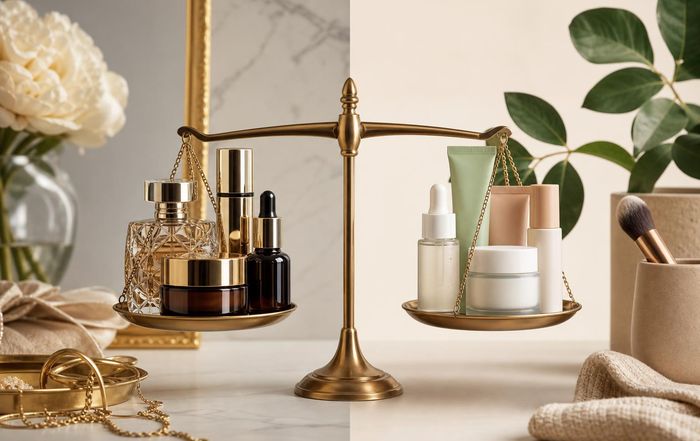
How to Balance Luxury and Affordable Beauty Products
The New Beauty Economy: Redefining Value, Not Just Price
The global beauty landscape is no longer neatly divided between luxury and mass-market products; instead, it has evolved into a layered ecosystem where consumers in the United States, Europe, Asia, and beyond make highly informed, strategic choices that blend prestige with practicality. This shift is particularly visible among the fashion educated people here, who approach beauty as a long-term investment in confidence, wellbeing, and professional presence rather than a series of impulsive purchases. As economic conditions fluctuate across regions such as the United Kingdom, Germany, Canada, Australia, and emerging markets in Asia and Africa, discerning individuals are rethinking how they allocate their budgets across skincare, makeup, wellness, and fashion, asking not only what they can afford, but what truly delivers value over time.
The tension between luxury and affordability is no longer about choosing one side; it is about designing a personal portfolio of products that reflects both aspirational taste and financial intelligence. Consumers who once felt compelled to purchase every new launch from Chanel, Dior, or La Mer are now more likely to combine a few strategic prestige items with highly effective, research-backed options from accessible brands sold through Sephora, Ulta Beauty, and leading pharmacies. They are also scrutinizing ingredient lists, sustainability claims, and corporate ethics, often referencing resources such as the European Commission's Cosmetics Regulation portal or the U.S. Food and Drug Administration's cosmetics section to understand how safety and compliance are enforced.
For BeautyTipa and its global audience, balancing luxury and affordable beauty products is not a compromise; it is a strategy grounded in experience, expertise, authoritativeness, and trustworthiness. It involves understanding where luxury genuinely adds measurable benefit, where affordable products outperform expectations, and how to construct routines that support skin health, performance, and personal branding without eroding long-term financial goals.
Understanding Where Luxury Truly Matters
Luxury beauty, whether in skincare, fragrance, or makeup, is often associated with premium packaging, sophisticated textures, and aspirational storytelling, but for a business-savvy audience, the question is where these products deliver superior performance that justifies their cost. In skincare, for example, a meticulously formulated serum with stabilized vitamin C, encapsulated retinoids, or advanced peptides may indeed offer benefits that cheaper alternatives cannot consistently replicate, especially when supported by clinical testing and dermatological research. Readers who follow the evolving science on dermatology and skin health through organizations such as the American Academy of Dermatology are increasingly able to distinguish genuine innovation from marketing language.
In fragrance, luxury houses like Hermès, Tom Ford, or Maison Francis Kurkdjian often invest heavily in rare raw materials, complex compositions, and long-lasting concentrations that create a distinctive olfactory signature, which can be particularly important for professionals who use scent as part of their personal branding in competitive markets from New York to Singapore. In makeup, certain high-end foundations, concealers, and complexion products deliver more refined shade ranges, undertones, and finishes that photograph better under studio lighting or during corporate events, which matters for executives, influencers, and media professionals who understand the visual stakes of their careers.
However, even in these categories, the advantage of luxury is not universal; it is contextual. The readers of BeautyTipa who explore detailed product analyses in sections such as Skincare and Makeup are learning to ask critical questions about concentration of active ingredients, clinical evidence, and long-term tolerability for diverse skin types and tones. By doing so, they can identify a small number of luxury products that deliver outsized impact-such as a transformative serum, a signature fragrance, or a camera-ready foundation-while leaving room in their budgets for more affordable yet high-performing cleansers, moisturizers, or mascaras.
Where Affordable Brands Outperform Expectations
Affordable beauty brands have undergone a profound transformation over the last decade, driven by advances in cosmetic chemistry, globalized supply chains, and the rise of transparent ingredient education across platforms such as INCI Decoder and Cosmetic Ingredient Review. Many mass-market and mid-priced products now incorporate proven actives such as niacinamide, hyaluronic acid, ceramides, and gentle exfoliating acids at concentrations that rival, and sometimes exceed, those found in more expensive formulas. This democratization of science-backed skincare has made it possible for consumers in markets from Brazil and South Africa to Scandinavia and Japan to build robust routines without premium price tags.
Affordable sunscreens, for example, have benefited from regulatory and technological progress in regions like the European Union and South Korea, where filters and textures are often more advanced than legacy formulations in other jurisdictions. Consumers who consult dermatological resources from organizations such as the British Association of Dermatologists can learn why daily photoprotection is non-negotiable and then confidently choose cost-effective options that encourage consistent use. In categories like cleansers, micellar waters, and basic moisturizers, the performance gap between luxury and affordable products can be minimal, making these ideal areas to economize without sacrificing results.
For readers who regularly visit BeautyTipa's Brands and Products and Guides and Tips sections, affordable brands also present an opportunity to experiment with textures, formats, and routines without significant financial risk. This is particularly useful when exploring new trends, such as skin cycling, barrier repair routines, or minimalist "skinimalism" approaches, where the emphasis is on consistency and compatibility rather than prestige. By selectively integrating affordable products into their daily regimens, consumers can allocate more of their budget to targeted luxury investments that genuinely elevate their experience.
Building a Strategic Routine: The Portfolio Approach
Balancing luxury and affordable beauty products is most effective when approached like a diversified portfolio, where each product category is evaluated for its potential return on investment in terms of efficacy, longevity, and personal satisfaction. For the global business audience of BeautyTipa, this means starting with a clear understanding of individual skin needs, lifestyle, and professional demands, then mapping these against available options at different price points. Readers exploring Routines on the site often begin by defining non-negotiables such as a reliable cleanser, a daily broad-spectrum sunscreen, a moisturizer suited to their climate, and one or two targeted treatments for concerns like hyperpigmentation, fine lines, or acne.
In this framework, high-frequency, high-consumption products-such as cleansers and basic moisturizers-are often best sourced from affordable, reputable brands that prioritize gentle formulations and straightforward ingredients. Mid-frequency products like exfoliants or masks can be selected from either mid-range or premium lines, depending on sensitivity and desired results. Low-frequency, high-impact products-such as potent serums, professional-grade retinoids, or specialized eye treatments-may justify a luxury price tag when supported by robust research and visible outcomes.
The same portfolio logic applies to makeup and fragrance. Everyday staples like mascara, brow products, and lip balms can often be sourced from accessible brands without compromising performance, while statement items like a signature lipstick, a photo-perfect foundation, or a distinctive fragrance can be chosen from luxury houses to enhance confidence and presence in professional environments. This strategic mixing allows individuals in competitive markets from New York and London to Tokyo and Seoul to maintain a polished appearance that aligns with their career ambitions while preserving financial flexibility for other priorities, including wellness, travel, and long-term investments.
Experience and Expertise: Learning to Read Beyond the Label
A key differentiator for the BeautyTipa audience is the emphasis on informed decision-making grounded in credible sources rather than viral trends alone. Readers increasingly consult dermatologists, estheticians, and healthcare professionals, as well as scientific organizations such as the National Institutes of Health and the Mayo Clinic, to understand how ingredients interact with skin physiology, how to interpret claims like "clinically tested" or "dermatologist approved," and how to identify potential irritants or allergens. This expertise allows them to evaluate both luxury and affordable products through the same rigorous lens, focusing on formulation quality, stability, and compatibility with their unique skin profiles.
Experience also plays a crucial role. Over time, individuals learn which textures they enjoy, which delivery systems their skin tolerates, and which packaging formats preserve product integrity. For example, airless pumps and opaque bottles may better protect sensitive actives like vitamin C or retinoids, making such packaging features more than just aesthetic choices. By reflecting on their own experiences and engaging with community discussions within the broader BeautyTipa ecosystem, readers can refine their personal criteria for when luxury is worth paying for and when a well-formulated affordable product is the smarter choice.
This expertise extends beyond skincare into adjacent categories like wellness, fitness, and nutrition, which are increasingly recognized as foundational to skin health and overall appearance. Those who explore Wellness and Health and Fitness content on BeautyTipa understand that sleep quality, stress management, diet, and exercise all influence how skin responds to topical products, making it essential to see beauty routines as part of a broader lifestyle strategy rather than isolated purchases.
Authoritativeness and Trust: Navigating Marketing, Influencers, and Data
In 2026, the beauty industry is more data-driven than ever, with brands leveraging artificial intelligence, consumer analytics, and personalized recommendations to target users across North America, Europe, and Asia. While this can help consumers discover products that match their preferences, it also raises questions about bias, transparency, and the influence of paid partnerships. Authoritative guidance becomes crucial in this context, and readers turn to trusted platforms, regulatory bodies, and independent organizations to validate claims and assess risk. Resources such as the World Health Organization for public health context and the Environmental Working Group for environmental and safety considerations provide additional layers of insight that help distinguish responsible brands from those engaging in superficial "greenwashing" or exaggerated promises.
Influencer culture continues to shape beauty trends across regions from the United States to South Korea and Brazil, but audiences are increasingly skeptical of undisclosed sponsorships and one-size-fits-all recommendations. They look instead for creators who share detailed routines, ingredient rationales, and long-term results, and they cross-check information against expert commentary and established institutions such as the Cleveland Clinic. For BeautyTipa, building and maintaining trust with readers requires a consistent focus on clarity, nuance, and balance, particularly when discussing the interplay of luxury and affordability.
This commitment to trustworthiness extends to the coverage of business and financial aspects of the beauty industry. In the Business and Finance section, readers can explore how mergers, acquisitions, and investment trends affect pricing, innovation, and accessibility, gaining insight into why certain luxury brands command premium pricing and how private-label manufacturing enables affordable brands to deliver sophisticated formulas. By understanding these dynamics, consumers are better equipped to judge whether a price point reflects genuine added value or primarily marketing and distribution costs.
Regional Nuances: Luxury and Affordability Across Global Markets
Balancing luxury and affordable beauty products is not a uniform process worldwide; it is shaped by regional preferences, regulatory environments, and cultural attitudes toward beauty. In the United States and Canada, for example, consumers often navigate a wide spectrum of brands, from drugstore staples to prestige labels in department stores and specialty retailers, with a strong emphasis on convenience and online reviews. In the United Kingdom, France, Italy, Spain, and other European markets, pharmacy brands enjoy high trust, and regulatory frameworks emphasize safety and standardized labeling, which helps consumers compare products across price points with relative confidence.
In Germany, the Netherlands, and Scandinavia, there is a pronounced appreciation for minimalist, science-led formulations and sustainable packaging, influencing how consumers weigh luxury against eco-consciousness and functionality. In Switzerland, Japan, and South Korea, advanced cosmetic technology, rigorous R&D, and a cultural emphasis on refinement contribute to a nuanced view of luxury, where innovation and sensorial experience are often as important as brand status. Meanwhile, in markets such as China, Thailand, Brazil, South Africa, and Malaysia, rapid economic development and digitalization have given rise to hybrid consumption patterns, where consumers may pair local, affordable heroes with imported luxury items purchased through cross-border e-commerce.
For a global platform like BeautyTipa, which addresses audiences across International markets, recognizing these regional nuances is essential. It allows content to reflect the realities of availability, pricing, and cultural expectations, and it helps readers benchmark their own routines against global best practices. By highlighting how different markets blend luxury and affordability, the site offers a broader perspective that empowers individuals to adapt strategies from other regions, whether that means incorporating French pharmacy staples, Korean sunscreens, or Japanese cleansing balms alongside their favorite prestige products.
Technology, Personalization, and the Future of Beauty Choices
Technological innovation is reshaping how consumers discover, evaluate, and purchase beauty products, further blurring the lines between luxury and affordability. Virtual try-on tools, AI-powered skin analysis, and personalized product recommendations are now widely available through retailers, brand websites, and specialized platforms. Organizations such as L'Oréal and Estée Lauder Companies have invested heavily in beauty tech, partnering with firms in Silicon Valley, Seoul, and Tokyo to create more accurate shade matching, texture visualization, and routine optimization tools. As a result, consumers can simulate the finish of a luxury foundation or the effect of a new lipstick shade before committing to a purchase, reducing the risk of costly mismatches.
For readers interested in the intersection of technology and beauty, BeautyTipa's Technology Beauty section explores how AI, machine learning, and data analytics are being used to decode skin concerns, track progress, and suggest both high-end and budget-friendly solutions. At the same time, these tools raise questions about data privacy, algorithmic bias, and the potential over-reliance on digital assessments at the expense of professional consultation. Regulatory bodies and privacy advocates, including institutions like the European Data Protection Board, are increasingly engaged in discussions about how biometric and personal health data are collected and used in the beauty sector.
Looking ahead, personalization is likely to deepen, with more brands offering customizable formulas, subscription services, and dynamic pricing models that respond to user behavior. This evolution may further challenge traditional distinctions between luxury and mass-market, as bespoke or semi-bespoke products become accessible at mid-range prices, while some luxury brands experiment with entry-level lines to broaden their customer base. For the discerning readers of BeautyTipa, staying informed about these developments is essential to making choices that align with both aesthetic goals and ethical considerations.
Integrating Beauty with Wellness, Nutrition, and Lifestyle
The most effective balance between luxury and affordable beauty products emerges when topical routines are integrated with broader wellness, nutrition, and lifestyle strategies. Increasingly, consumers recognize that no serum or cream, regardless of price, can fully compensate for chronic sleep deprivation, unmanaged stress, poor diet, or sedentary habits. Leading health institutions such as the Harvard T.H. Chan School of Public Health continue to publish research on the impact of diet, exercise, and stress on systemic inflammation and skin health, reinforcing the value of a holistic approach.
Readers who explore Food and Nutrition and Wellness content on BeautyTipa often discover that investments in whole foods, hydration, and stress-reducing practices such as yoga or meditation can enhance the results of both luxury and affordable skincare products. Similarly, regular physical activity, whether through structured fitness programs or everyday movement, contributes to improved circulation, mood, and overall vitality, amplifying the visible benefits of well-chosen routines.
Fashion and personal style also play a role in how beauty investments are perceived and experienced. In the Fashion section, readers learn how to harmonize makeup choices, hairstyles, and wardrobe selections to project coherence and confidence, ensuring that a luxury lipstick or an affordable highlighter does not exist in isolation but as part of a cohesive personal brand. For professionals navigating high-stakes environments in finance, law, technology, or media, this integrated approach can be a powerful tool for building credibility and influence.
Career, Events, and the Professional Dimension of Beauty
For many readers of BeautyTipa, beauty decisions are not purely personal; they are intertwined with career trajectories, networking opportunities, and public visibility. In sectors where first impressions and on-camera presence carry significant weight, such as consulting, broadcasting, luxury retail, and digital content creation, the right combination of products can support confidence and authority. The Jobs and Employment section of the site often highlights how grooming standards, dress codes, and cultural expectations vary across industries and regions, from conservative corporate environments in Zurich or Singapore to creative sectors in Los Angeles or Berlin.
Events-whether global conferences, brand launches, or fashion weeks-provide another context in which the balance between luxury and affordable products becomes visible. In the Events and Trends sections, readers can follow how makeup artists, stylists, and brand representatives use a mix of high-end and accessible products to create runway looks, red-carpet appearances, and editorial shoots. Often, the most memorable looks are not defined solely by the price of the products used, but by the skill with which they are applied, the suitability to the individual, and the coherence with the event's aesthetic.
For ambitious professionals across continents-from North America and Europe to Asia, Africa, and South America-understanding how to deploy a few carefully chosen luxury items alongside a foundation of reliable, affordable staples can be a strategic advantage. It allows them to present themselves with polish and distinction without compromising financial discipline, aligning external appearance with internal goals and values.
A Personal Framework for BeautyTipa Readers
Ultimately, balancing luxury and affordable beauty products in 2026 is a deeply personal exercise that depends on individual priorities, budgets, and cultural contexts, but certain principles hold true across regions and demographics. First, clarity about one's skin needs, lifestyle, and professional aspirations provides a foundation for rational decision-making. Second, a commitment to education-through expert sources, regulatory information, and platforms like BeautyTipa-builds the expertise needed to evaluate products on more than branding alone. Third, a portfolio mindset allows consumers to strategically allocate resources, mixing high-impact luxury investments with dependable affordable staples.
For the fashion audience of BeautyTipa, this approach transforms beauty from a series of fragmented purchases into a coherent strategy that supports wellbeing, confidence, and long-term financial health. By engaging with the site's interconnected content on Beauty, Skincare, Wellness, Business and Finance, and related categories, readers can continue to refine their personal frameworks, staying attuned to innovation while grounded in evidence and self-knowledge. In doing so, they demonstrate that true luxury in beauty is not defined solely by price, but by the confidence of making informed, intentional choices that reflect both inner values and outward aspirations.
