
The Future of Virtual Try-On in Beauty Shopping
A New Era for Beauty: From Counter Mirrors to Camera Lenses
In 2026, the beauty industry stands at a pivotal moment in its evolution, where mirrors, testers and in-store consultations are increasingly complemented, and in some cases replaced, by cameras, algorithms and immersive experiences that exist entirely on a screen. Virtual try-on technologies, once considered experimental marketing tools, have now become central to how consumers in the United States, Europe, Asia and beyond discover, evaluate and purchase cosmetics, skincare and even wellness-related products. For BeautyTipa and its global audience, this transformation is not simply about novelty or convenience; it is reshaping trust, redefining expertise and creating new expectations for how beauty, wellness and fashion will be experienced over the next decade.
As e-commerce continues to grow and digital-native consumers in markets such as the United Kingdom, Germany, Canada, Australia, South Korea and Japan demand more personalized and inclusive experiences, virtual try-on has emerged as a critical bridge between online browsing and confident purchasing. At its best, it offers a more hygienic, accessible and data-informed alternative to traditional product testing, particularly in categories like color cosmetics, skincare and hair color, where visual results are decisive. At its worst, it risks reinforcing unrealistic standards, misrepresenting product performance or excluding diverse users if the underlying technology and data are not designed with inclusion and transparency in mind.
How Virtual Try-On Works in 2026
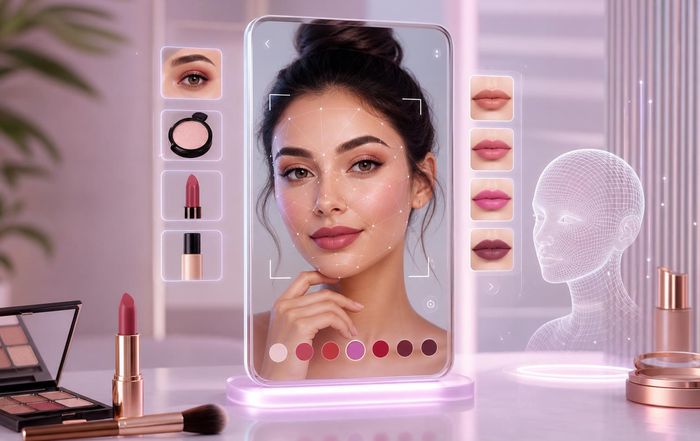
By 2026, virtual try-on has matured from simple face filters to sophisticated systems powered by computer vision, augmented reality and artificial intelligence. These systems analyze facial features, skin tone, texture and lighting conditions, then overlay digital representations of products such as lipsticks, foundations, eyeshadows or even tinted moisturizers in real time, often with highly realistic rendering of color, reflection and coverage. Consumers can now move their head, change expressions and see products respond naturally, creating a sense of immersion that mirrors the experience at a physical beauty counter.
Leading global beauty groups such as L'Oréal, Estée Lauder Companies and Shiseido have invested heavily in AR and AI platforms, acquiring or partnering with technology providers to embed virtual try-on directly into their own websites, apps and retail displays. Many of these experiences are powered by advances in machine learning and 3D modeling documented by organizations such as MIT Technology Review and research hubs focused on computer vision. At the same time, independent brands and retailers use software development kits and white-label solutions to offer similar capabilities without building proprietary platforms from scratch, which has democratized access to advanced virtual try-on features for smaller brands across North America, Europe and Asia.
The accuracy of shade matching, which once represented a major limitation, has improved significantly due to more robust training datasets, better calibration between digital swatches and physical products, and the integration of color science principles from institutions such as the International Commission on Illumination. By cross-referencing user images with large databases of skin tones and under-tones, virtual try-on tools can now suggest foundation, concealer and tinted skincare shades with far higher precision, especially when used in combination with guided questionnaires, lifestyle data and environmental factors such as regional climate or average UV index.
The Consumer Journey: From Discovery to Purchase
On BeautyTipa, readers exploring evolving beauty and skincare habits increasingly encounter discussions about how virtual try-on is transforming each stage of the consumer decision journey. Discovery, which once relied heavily on in-store testers, magazine features and influencer recommendations, now occurs through interactive experiences on brand websites, social media platforms and multi-brand retailers. Consumers in Spain, Italy, France and the Netherlands, for example, can browse curated product assortments, then instantly see how a lipstick or eyeshadow appears on their own face without leaving the page.
Evaluation has likewise been redefined, as users compare multiple products side by side, test different looks for work, social events or travel, and even simulate how a product might appear under different lighting conditions or with different outfits. Fashion-conscious consumers in the United Kingdom, Germany and Scandinavia often use virtual try-on in parallel with digital styling tools, allowing them to coordinate makeup with clothing and accessories, which aligns beauty choices with broader fashion trends and personal branding strategies.
The purchase phase is increasingly data-driven, with retailers integrating virtual try-on usage metrics into recommendation engines and merchandising decisions. If a user in the United States frequently tries berry-toned lipsticks and neutral eyeshadows, the platform can prioritize similar products, offer limited-edition collections or suggest complementary skincare to support those looks. This approach is reinforced by insights from organizations such as McKinsey & Company and Deloitte on the power of personalization in driving conversion and loyalty. For BeautyTipa readers interested in business and finance, such data strategies illustrate how virtual try-on is not just a marketing tool but a core component of modern retail economics.
Building Trust: Accuracy, Transparency and Inclusivity
Trust remains the central currency of beauty, and virtual try-on technologies succeed only when consumers believe that what they see on screen meaningfully reflects what they will experience in real life. This requires accuracy in color rendering, realistic representation of texture and finish, and honest communication around the limitations of the technology. Brands that misrepresent coverage, blur imperfections excessively or apply digital smoothing that exceeds the product's real-life effect risk eroding consumer confidence and damaging their reputations.
Regulators and industry bodies in regions such as the European Union, North America and Asia are paying closer attention to the claims made around digital tools, particularly when they intersect with product efficacy or skin health. Organizations such as the European Commission and the U.S. Food and Drug Administration provide guidance and oversight in adjacent areas, influencing how companies frame virtual try-on as an advisory rather than diagnostic or therapeutic tool. In parallel, ethical guidelines from groups like the World Economic Forum inform broader discussions about responsible AI in consumer applications.
Inclusivity is equally important, especially for consumers across Africa, South America and Asia who have historically been underserved by shade ranges and underrepresented in beauty marketing. Virtual try-on systems must accurately recognize and render a wide spectrum of skin tones, facial features and cultural aesthetics, which requires diverse training data and continuous testing across geographies such as Brazil, South Africa, Malaysia and Thailand. Platforms that fail to recognize certain skin tones, distort features or apply filters that lighten skin or narrow facial structures undermine both user experience and brand credibility. Conversely, brands that prioritize inclusive design and collaborate with advocacy groups, such as The Skin of Color Society, strengthen their authoritativeness and social impact.
The Role of AI and Data in Personalization
Artificial intelligence sits at the heart of modern virtual try-on, enabling not only realistic rendering but also highly personalized recommendations that adapt to each user's preferences, history and environment. By analyzing data such as products tried, time spent on certain looks, regional trends and even seasonal changes, AI systems can suggest tailored routines, bundles and content that align with individual goals, from acne management to anti-aging or event-specific glam. For readers exploring routines and guides and tips on BeautyTipa, this personalization translates into more relevant advice and more efficient experimentation.
However, this level of personalization raises important questions around data privacy, consent and security. Consumers in regions such as the European Union, where the General Data Protection Regulation sets stringent standards, expect clear explanations of how their images and behavioral data are stored, processed and shared. Transparency about anonymization, retention and third-party access is essential to maintaining trust, particularly as facial data is highly sensitive. Industry best practices are informed by organizations such as the Electronic Frontier Foundation and the Future of Privacy Forum, which advocate for responsible data use in consumer technology.
Brands and platforms that excel in virtual try-on increasingly adopt privacy-by-design frameworks, limit data collection to what is strictly necessary and provide intuitive controls for users to delete their images or opt out of certain analytics. These measures are especially important in markets like Canada, Australia, Singapore and Japan, where consumer expectations around digital ethics are high and regulatory landscapes continue to evolve.
Integrating Wellness, Skincare and Holistic Beauty
Virtual try-on began with color cosmetics, but by 2026 it has expanded into adjacent categories that reflect a more holistic understanding of beauty and wellness. Many consumers now see skincare, nutrition, mental health and fitness as interconnected pillars of their appearance and confidence, a perspective that aligns with BeautyTipa's coverage of wellness, health and fitness and food and nutrition.
Emerging tools allow users to visualize changes in skin texture, hydration or hyperpigmentation over time, using AI-driven assessments based on uploaded images or live video. While these assessments are not medical diagnoses, they can help users track the impact of consistent routines, product changes or lifestyle adjustments, such as improved sleep, stress management or dietary shifts. Organizations like the American Academy of Dermatology and the British Association of Dermatologists provide educational resources that inform the development of these tools and help ensure that they promote healthy, evidence-based practices.
In parallel, wellness-focused brands experiment with augmented reality experiences that visualize relaxation techniques, breathing exercises or mindfulness prompts layered over the user's reflection, blending inner and outer beauty. Fitness and athleisure brands in markets such as the United States, United Kingdom and South Korea integrate virtual try-on for sweat-resistant makeup, SPF products and hair solutions designed for active lifestyles, reflecting guidance from organizations like the World Health Organization on the importance of movement and sun protection. This convergence of beauty, wellness and health technology underscores a broader shift toward holistic self-care, where virtual try-on serves as both an aesthetic and educational tool.
Retail, Events and the Phygital Experience
For many years, beauty shopping has been defined by physical retail experiences, from department stores in Paris and London to drugstores in Toronto and Sydney, and specialty chains in Seoul, Tokyo and Singapore. In 2026, these environments are increasingly "phygital," blending physical and digital elements to create seamless, immersive journeys. Virtual try-on stations, smart mirrors and mobile integrations allow shoppers to test products without physical contact, compare shades across brands and instantly access ingredient information, reviews and tutorials.
Retailers and event organizers leverage these technologies to enhance beauty festivals, trade shows and pop-up experiences, making them more interactive and data-informed. On BeautyTipa, coverage of events highlights how major gatherings in cities such as New York, Los Angeles, Berlin, Milan and Shanghai now incorporate AR-powered runways, backstage virtual try-on for attendees and hybrid streaming formats that allow global audiences to participate. Organizations like Sephora, Ulta Beauty and leading department stores in Europe and Asia have become case studies in how to integrate AR into store design, staff training and customer engagement.
These developments are closely tied to advances in retail technology and digital infrastructure, documented by groups such as the National Retail Federation and the World Retail Congress. For beauty professionals and entrepreneurs, including those exploring technology beauty on BeautyTipa, understanding how virtual try-on shapes traffic patterns, dwell time and conversion rates is essential for designing future-proof store concepts, especially in competitive markets across North America, Europe and Asia-Pacific.
Brand Strategy, Innovation and Competitive Advantage
Virtual try-on is now a strategic imperative rather than an optional enhancement, influencing how brands position themselves, allocate budgets and design product pipelines. Companies that adopt these tools early and thoughtfully can differentiate on convenience, inclusivity and innovation, particularly in crowded categories like lipstick, foundation and eyeshadow. For BeautyTipa readers interested in brands and products, the presence and quality of virtual try-on capabilities increasingly serve as indicators of a brand's digital maturity and customer-centricity.
Innovation extends beyond front-end experiences to back-end processes such as product development and testing. Brands use aggregated, anonymized virtual try-on data to identify gaps in shade ranges, texture preferences or regional trends, which informs future launches and limited editions. Insights from consulting groups like Boston Consulting Group and Accenture highlight how data-driven product design can reduce time to market and improve hit rates, particularly when combined with agile methodologies and rapid prototyping.
At the same time, partnerships between beauty brands and technology companies, including major platforms like Google, Apple and Meta, as well as specialized AR firms, shape the competitive landscape. These collaborations influence where virtual try-on is available (for example, within search results, social media feeds or operating system-level camera apps) and how seamlessly it integrates with payment systems, loyalty programs and content ecosystems. Brands that navigate these partnerships strategically can extend their reach in markets from the United States and Canada to China, Singapore and the broader Asia-Pacific region, while maintaining control over data and user experience.
Careers and Skills in the Age of Virtual Try-On
The rise of virtual try-on is also transforming careers in beauty, technology and retail. Traditional roles such as makeup artists, beauty advisors and merchandisers now intersect with positions in UX design, data science, AR development and digital marketing. Professionals who understand both aesthetics and analytics are particularly sought after, as they can translate creative visions into technically feasible, user-friendly experiences.
For readers exploring jobs and employment on BeautyTipa, this shift presents both opportunities and challenges. New roles emerge in fields such as virtual artistry, where experts design looks specifically for AR environments; AI training and annotation, where diverse faces and features are labeled to improve algorithm performance; and digital merchandising, where product assortments are optimized for virtual try-on engagement. Organizations like LinkedIn and Glassdoor increasingly list hybrid roles that combine beauty expertise with technical skills, reflecting the industry's ongoing convergence.
Education providers, from universities to specialized academies, are responding by offering programs that blend cosmetic science, digital design and business strategy. Industry associations and professional bodies, including the Personal Care Products Council and regional trade groups, provide training and certification initiatives that help professionals stay current with evolving technologies and regulations. For aspiring entrepreneurs and intrapreneurs, understanding virtual try-on is now integral to building resilient, future-ready careers in beauty and wellness across global markets.
Global Perspectives and Regional Nuances
While virtual try-on is a global phenomenon, its adoption and impact vary across regions due to cultural norms, infrastructure, regulatory environments and consumer expectations. In North America and Western Europe, high smartphone penetration, fast mobile networks and mature e-commerce ecosystems have enabled rapid integration of AR into mainstream beauty shopping. Consumers in the United States, United Kingdom, Germany, France and the Nordics often expect virtual try-on as a standard feature, particularly when purchasing mid- to high-end products online.
In Asia, markets such as South Korea, Japan, China, Singapore and Thailand lead in innovation and experimentation, driven by tech-savvy consumers and a strong culture of digital self-expression. Super-apps, social commerce platforms and livestreaming have become important channels for virtual try-on experiences, often blending entertainment, education and shopping in a single interface. Reports from organizations such as Euromonitor International and Statista document how these markets set benchmarks for engagement and monetization that influence global strategies.
In emerging markets across Africa, South America and parts of Southeast Asia, adoption is shaped by factors such as device affordability, connectivity and language localization. However, the growth of mid-range smartphones and improving internet infrastructure, particularly in countries like Brazil, South Africa and Malaysia, creates significant opportunities for inclusive, mobile-first virtual try-on solutions. For BeautyTipa, which serves a global audience, understanding these nuances is essential for providing relevant insights and guidance to readers exploring beauty and wellness in diverse contexts.
Looking Ahead: The Next Frontier of Virtual Beauty
The future of virtual try-on in beauty shopping extends far beyond the current capabilities of AR filters and shade-matching tools. Over the next decade, advances in spatial computing, wearable devices and generative AI are expected to create even more immersive, intelligent and context-aware experiences. Smart glasses and mixed reality headsets, championed by technology leaders and documented by sources like IEEE Spectrum, may allow users to see virtual makeup, hair color and skincare effects layered seamlessly onto their real-world reflection, without the need to hold up a smartphone.
Generative AI models, trained on vast datasets of faces, products and styles, will be able to propose entirely new looks tailored to individual preferences, occasions and cultural references, while also adapting to changes in age, environment or lifestyle. These systems could simulate long-term effects of skincare routines, visualize the impact of environmental stressors or suggest holistic plans that combine topical products, nutrition and wellness practices. For readers of BeautyTipa, this evolution will deepen the connection between trends, technology and everyday routines, making the site an even more valuable resource for navigating rapid change.
Yet with this potential comes heightened responsibility. The industry must continue to address ethical considerations, avoid amplifying unrealistic beauty standards, protect user data and ensure that virtual experiences remain grounded in real-world product performance and scientific evidence. Collaboration among brands, technology companies, regulators, academics and advocacy groups will be essential to building frameworks that balance innovation with consumer protection and social well-being.
As of 2026, virtual try-on has already transformed how millions of people across continents explore, understand and enjoy beauty. For BeautyTipa and its global community, the challenge and opportunity lie in harnessing this technology to support informed, inclusive and empowering choices, ensuring that the digital mirror reflects not only how people look, but also how they want to feel in a world where beauty, wellness and technology are inseparably intertwined.
