
International Skincare Habits Worth Understanding
The Globalization of Skincare Culture
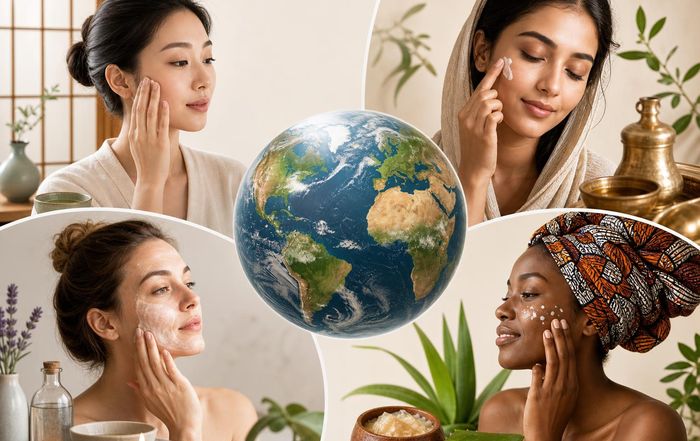
Skincare has moved from a niche interest to a central pillar of the global lifestyle economy, and nowhere is this transformation more visible than in the way international habits shape consumer expectations, product innovation, and digital content. As we continue to deepen the news of beauty and skincare, the platform's audience across North America, Europe, Asia, Africa, and South America increasingly seeks not only product recommendations, but also a nuanced understanding of how cultural rituals, climate, regulation, and technology intersect to define what "good skin" means in different parts of the world.
The convergence of global e-commerce, social media, and cross-border brand expansion has made it possible for a consumer in New York to adopt a Korean-inspired multi-step routine, a professional in London to follow French pharmacy principles, or a skincare enthusiast in São Paulo to integrate Japanese minimalist techniques into their daily regimen. Yet, while trends travel quickly, the underlying philosophies remain deeply rooted in local history, dermatological research, and social norms. Understanding these international skincare habits is therefore not only a matter of curiosity, but a strategic necessity for brands, professionals, and informed consumers who want to navigate the evolving landscape with discernment and trust.
Cultural Definitions of Beauty and Skin Health
Across markets, the definition of healthy skin is shaped by cultural narratives, media representation, and public health guidance. In the United States and Canada, the rise of the "skinimalism" movement, amplified by platforms such as TikTok and Instagram, has brought a renewed emphasis on barrier health, reduced product load, and clinically validated ingredients, often informed by dermatology resources like the American Academy of Dermatology. At the same time, the aspirational ideal of "glass skin," originally popularized in South Korea, continues to influence texture-focused goals that prioritize luminosity and even tone.
In Western Europe, particularly in France, Germany, the United Kingdom, and the Nordics, the longstanding connection between pharmacy culture and skincare has reinforced a pragmatic, science-led approach, where prevention, gentle formulations, and adherence to regulatory standards such as those outlined by the European Commission are central. Consumers in these regions often view skincare as an extension of healthcare, which explains the strong loyalty to dermocosmetic brands distributed through pharmacies and para-pharmacies.
Across East Asia, including South Korea, Japan, China, and Singapore, skincare is deeply interwoven with broader concepts of wellness, respect for ritual, and multi-generational knowledge. The Korean "chok-chok" (dewy) aesthetic and Japanese emphasis on clarity and refinement reflect cultural values of diligence, patience, and subtlety, where consistency over time is more prized than quick, dramatic transformations. In many African and South American markets, including South Africa, Brazil, and increasingly Nigeria and Kenya, the narrative is evolving around inclusivity, hyperpigmentation management, and sun protection adapted to deeper skin tones, drawing on both local botanicals and global dermatological research, as seen in resources from the World Health Organization and regional dermatology societies.
For BeautyTipa, which serves a diverse international readership, acknowledging these nuanced definitions of beauty and skin health is essential when curating guides and tips that resonate across cultures without erasing local specificity or oversimplifying complex traditions.
Climate, Environment, and the Science of Local Adaptation
One of the most overlooked yet critical dimensions of international skincare habits is climate adaptation. Consumers in humid tropical regions such as Thailand, Malaysia, and parts of Brazil face very different challenges from those in dry continental climates like central Canada or high-altitude cities in Switzerland. Dermatologists frequently emphasize that sebum production, transepidermal water loss, and sensitivity thresholds are strongly influenced by environmental factors, a point underscored in research shared by organizations such as the National Institutes of Health.
In Southeast Asia, lightweight, non-comedogenic gels, essences, and fluid sunscreens dominate daily routines, as heavy occlusives can quickly trigger congestion in high humidity. In contrast, Scandinavian countries including Sweden, Norway, Finland, and Denmark see a higher prevalence of dryness, redness, and compromised barriers during long winters, which explains the popularity of richer creams, ceramide-based formulations, and overnight masks designed to counteract indoor heating and cold winds.
Urban pollution is another driver of regional differentiation. Residents of megacities such as Beijing, Seoul, Tokyo, London, and New York are increasingly aware of the impact of particulate matter and oxidative stress on premature aging and dullness. This has led to a surge in antioxidant-focused products, anti-pollution claims, and cleansing rituals that emphasize thorough yet gentle removal of environmental residue. Resources from entities like the World Bank and UN Environment Programme highlight how air quality disparities intersect with public health, further reinforcing the importance of localized skincare strategies that go beyond aesthetics to address long-term skin resilience.
By contextualizing product recommendations and routines within these environmental realities, BeautyTipa enhances the trustworthiness of its skincare coverage, helping readers in diverse climates interpret global trends through the lens of their own lived conditions.
East Asian Rituals: Precision, Layers, and Long-Term Thinking
No discussion of international skincare habits is complete without a close look at East Asia, where countries such as South Korea and Japan continue to set the pace for innovation, ritual design, and ingredient storytelling. The Korean multi-step routine, often popularized as a 7-10 step process, is less about sheer product quantity and more about deliberate layering of hydration, nourishment, and protection. Double cleansing, hydrating toners, essences, ampoules, sheet masks, and emulsion-style moisturizers structure a ritual that prioritizes suppleness and translucence over aggressive resurfacing.
Companies like Amorepacific, LG H&H, and global players including L'Oréal and Estée Lauder have invested heavily in research centers in Seoul and Tokyo, recognizing that these markets function as early adopters and testing grounds for novel textures, delivery systems, and bioactive complexes. Industry reports from organizations such as Euromonitor International and McKinsey & Company repeatedly highlight the influence of K-beauty and J-beauty on global product pipelines, from fermented ingredients and microbiome-supporting formulas to cushion compacts and hybrid skincare-makeup formats.
In Japan, the philosophy of "less but better" dominates, with a focus on meticulous cleansing, balanced pH, and minimalist ingredient lists that align with the country's broader aesthetic values of restraint and refinement. Consumers often show strong brand loyalty to long-established companies like Shiseido and Kao, which have built reputations over decades through consistent quality, rigorous testing, and a close relationship with domestic dermatological research.
For BeautyTipa, which regularly explores technology in beauty, East Asia's leadership in at-home devices, AI-driven skin analysis, and personalized formulations offers a blueprint for how digital tools can integrate seamlessly into daily rituals without displacing the tactile, sensory pleasure that makes skincare so emotionally resonant.
European Pharmacy Traditions and Dermocosmetic Authority
European skincare habits, particularly in France, Germany, Italy, Spain, and the Netherlands, have long been anchored in the authority of pharmacists and dermatologists. The concept of "dermocosmetics," which gained prominence through French pharmacy brands, positions skincare as a quasi-medical category, emphasizing evidence-based formulations, hypoallergenic testing, and compliance with stringent regulatory frameworks such as the EU Cosmetics Regulation. Information made available by the European Medicines Agency and national health bodies reinforces a culture where consumers expect transparent labeling, safety assessments, and clear communication around active concentrations.
In France, the routine often centers on gentle cleansing, thermal water sprays, barrier-supporting moisturizers, and targeted treatments for conditions such as rosacea, acne, and eczema. German and Swiss consumers, influenced by both pharmaceutical rigor and a strong tradition of naturopathy, frequently look for products that balance clinical efficacy with botanically derived ingredients, reflecting a holistic view of skin health. Italy and Spain, with their Mediterranean climates, place a high emphasis on sun protection and antioxidant-rich care, in line with dermatological guidance from organizations like the British Association of Dermatologists and national cancer societies.
This pharmacy-driven culture has global implications. Many international consumers, including those in the United States, Canada, Australia, and parts of Asia, actively seek out European pharmacy brands as a mark of trustworthiness and reliability, often influenced by recommendations from dermatologists, beauty editors, and professional communities. As BeautyTipa expands its brands and products coverage, this European model of dermocosmetic authority provides a benchmark for evaluating claims, ingredient lists, and testing standards across markets.
North American Trends: Active Ingredients, Clinical Claims, and Skin Identity
In North America, particularly in the United States and Canada, skincare culture has been shaped by a dynamic interplay between clinical dermatology, direct-to-consumer digital brands, and a vocal online community that treats ingredient literacy as a form of empowerment. Over the past decade, the mainstreaming of retinoids, chemical exfoliants, niacinamide, peptides, and vitamin C has created a consumer base that is both highly informed and increasingly wary of overuse and "skin cycling" missteps. Educational resources from institutions such as the Mayo Clinic and Cleveland Clinic are frequently referenced alongside influencer content, underscoring the blending of medical and lifestyle perspectives.
Another defining feature of North American skincare habits is the growing emphasis on inclusivity and skin identity. Brands and professionals are being held accountable for addressing the needs of diverse skin tones, types, and conditions, including melanin-rich skin, sensitive and reactive barriers, and chronic issues like acne and eczema. This shift is reinforced by advocacy from dermatologists of color, patient groups, and organizations such as the Skin of Color Society, which push for more representative clinical trials and educational materials.
At the same time, the rise of hybrid beauty-wellness narratives has encouraged consumers to consider how sleep, nutrition, stress, and exercise influence their skin, aligning with the holistic approach promoted in BeautyTipa's wellness and health and fitness sections. This convergence of clinical rigor and lifestyle awareness has made the North American market a fertile ground for innovation, but it has also heightened the need for clear, responsible communication to prevent misinformation and unrealistic expectations.
Middle Eastern, African, and Latin American Perspectives
Skincare habits in the Middle East, Africa, and Latin America reflect a rich tapestry of climate realities, cultural heritage, and evolving socio-economic dynamics. In the Gulf states, where intense sun exposure and arid conditions are the norm, daily sunscreen use, hydration, and pigmentation management are central concerns, often complemented by traditional practices such as the use of oils and hammam-inspired exfoliation. Dermatologists in these regions frequently emphasize the importance of high-SPF, broad-spectrum protection and tailored pigment-correcting treatments, in line with global recommendations from entities like the American Cancer Society.
In sub-Saharan Africa and South Africa, consumers increasingly seek products that address hyperpigmentation, uneven tone, and scalp health, while also demanding transparency around the safety of brightening agents. Regulatory bodies and advocacy groups have raised awareness of the risks associated with unregulated bleaching products, leading to a growing preference for science-backed formulations and brands that respect the integrity of melanin-rich skin. Resources from the South African Health Products Regulatory Authority and regional dermatology associations play a crucial role in shaping public understanding.
Latin America, and particularly Brazil, has emerged as a powerhouse in aesthetics and dermatology, with a strong culture of body and skin care that integrates clinical procedures, home care routines, and a vibrant beauty industry. The Brazilian market's expertise in sun care, body contouring, and hair treatments influences trends far beyond its borders, while local biodiversity inspires ingredients that increasingly appear in global formulations. As BeautyTipa broadens its international reporting, these regions offer compelling examples of how local needs and global science can combine to create distinctive, trustworthy skincare ecosystems.
The Role of Technology, Data, and Personalization
By 2026, technology has become a central driver of how skincare habits evolve and how consumers worldwide interact with brands and information. AI-powered skin analysis apps, teledermatology platforms, connected devices, and personalized formulation services have transformed routines from static rituals into dynamic, data-informed systems. Companies across the United States, Europe, and Asia are investing in machine learning models that can interpret images, climate data, and lifestyle inputs to recommend tailored regimens, a trend documented in industry analyses by organizations like the World Economic Forum.
However, the effectiveness and trustworthiness of these technologies vary significantly across markets. Regulatory expectations around data privacy, algorithmic transparency, and health claims differ between regions, with frameworks such as the EU's GDPR and emerging AI guidelines in countries like the United Kingdom, Canada, and Singapore shaping how digital skincare tools are developed and marketed. Consumers, increasingly aware of the implications of sharing facial data, demand assurances that their information is handled securely and ethically, a concern echoed in reports from entities like the OECD.
For BeautyTipa, which closely follows beauty technology and its business implications, the key question is not only what these tools can do, but how they can support more informed, culturally sensitive, and evidence-based skincare decisions. Thoughtful editorial coverage can help readers distinguish between genuinely helpful innovation and superficial gimmicks, reinforcing the platform's commitment to experience, expertise, and trustworthiness.
Business, Employment, and the Global Skincare Economy
The internationalization of skincare habits has profound implications for business strategy, employment, and the broader beauty economy. Multinational corporations, indie brands, contract manufacturers, and retail platforms all compete to interpret and translate local rituals into globally scalable products and narratives. Market intelligence from organizations such as Statista and Deloitte indicates that skincare remains one of the fastest-growing segments within beauty, with particularly strong momentum in Asia-Pacific, the Middle East, and parts of Africa.
This growth fuels demand for specialized roles across research and development, regulatory affairs, digital marketing, dermal science, product formulation, and sustainability consulting. Professionals who understand both the scientific and cultural dimensions of skincare are increasingly sought after, whether they work for global giants like Unilever and Procter & Gamble or for emerging niche brands that tap into specific regional traditions. As BeautyTipa expands its business and finance and jobs and employment news, it is well positioned to highlight career pathways, entrepreneurial opportunities, and cross-border collaborations that arise from this globalized landscape.
The rise of cross-border e-commerce has also reshaped consumer access. Platforms and logistics networks enable a customer in Australia to purchase a French pharmacy serum, a Canadian to import Japanese sunscreens, or a resident of the United Kingdom to explore South Korean essences, all while navigating customs, regulations, and authenticity concerns. Trust, therefore, becomes a central currency, with consumers relying on credible editorial platforms, dermatological advice, and regulatory databases to verify claims and avoid counterfeits. In this environment, BeautyTipa's role as a curator and interpreter of international skincare habits carries both influence and responsibility.
Integrating Skincare with Wellness, Nutrition, and Lifestyle
Across regions, a unifying trend is the recognition that skin health does not exist in isolation from broader wellness, nutrition, and lifestyle choices. Scientific literature increasingly underscores the connections between diet, gut health, sleep, stress, and dermatological outcomes, a relationship explored by institutions such as Harvard T.H. Chan School of Public Health. Consumers in markets as varied as the United States, Germany, Japan, and South Africa are therefore looking beyond topical products to consider how exercise, mindfulness, and balanced eating patterns can complement their routines.
This convergence is especially visible in the growth of ingestible beauty products, from collagen supplements to antioxidant blends, as well as in the popularity of holistic practices such as facial massage, lymphatic drainage, and yoga-based approaches to stress reduction. While regulatory frameworks and scientific consensus on some of these categories remain in flux, the underlying shift is clear: skincare is increasingly understood as part of a multi-dimensional lifestyle strategy rather than a purely cosmetic concern.
For BeautyTipa, integrating expert content across food and nutrition, routines, and wellness allows the platform to present a coherent, trustworthy narrative that respects both cultural diversity and scientific rigor, helping readers in the United Kingdom, Canada, Australia, Singapore, and beyond make choices that align with their personal values and health goals.
Navigating Trends with Critical Insight
In an era where trends can emerge in Seoul, go viral in Los Angeles, and become mainstream in London within weeks, the ability to critically evaluate international skincare habits is more important than ever. Microtrends such as slugging, skin cycling, and DIY actives can deliver benefits when properly adapted to individual skin types and climates, yet they also carry risks when stripped of context or oversimplified. Trusted resources from organizations like the International Society of Dermatology and national health services provide essential guardrails, but consumers still need accessible, nuanced interpretation.
This is where platforms like BeautyTipa can demonstrate true expertise and authoritativeness. By combining global trend monitoring, interviews with dermatologists and formulators, and on-the-ground insights from different regions, the platform can help readers distinguish between enduring, culturally rooted habits and fleeting social media phenomena. Coverage that connects international practices to evidence-based guidance, while acknowledging personal preference and diversity of experience, reinforces the site's commitment to integrity and long-term reader trust.
Ultimately, understanding international skincare habits is not about choosing one culture's approach over another, but about recognizing that each region's rituals contain valuable lessons. From East Asia's patience and precision to Europe's pharmacy-led rigor, North America's ingredient literacy, Latin America's body-centric aesthetics, and Africa's focus on melanin-safe care, the global skincare conversation in 2026 is richer and more interconnected than ever.
Conclusion: A Global, Informed Future for Skincare
As the beauty and wellness industries continue to evolve, the most successful brands, professionals, and consumers will be those who approach international skincare habits with curiosity, respect, and critical thinking. The future belongs to routines that are both globally informed and locally adapted, combining the best of diverse traditions with robust scientific evidence and ethical business practices.
For us, this moment represents an opportunity to deepen its role as a trusted guide for readers across Australia, France, Italy, Spain, the Netherlands, South Africa, Brazil, New Zealand, and beyond. By continuing to invest in high-quality journalism, expert perspectives, and thoughtful curation across skincare, trends, makeup, fashion, and the broader ecosystem of beauty and wellness, the platform can help shape a global conversation where experience, expertise, authoritativeness, and trustworthiness are not marketing slogans, but the foundation of how people care for their skin, their health, and their sense of self in an increasingly interconnected world.
