
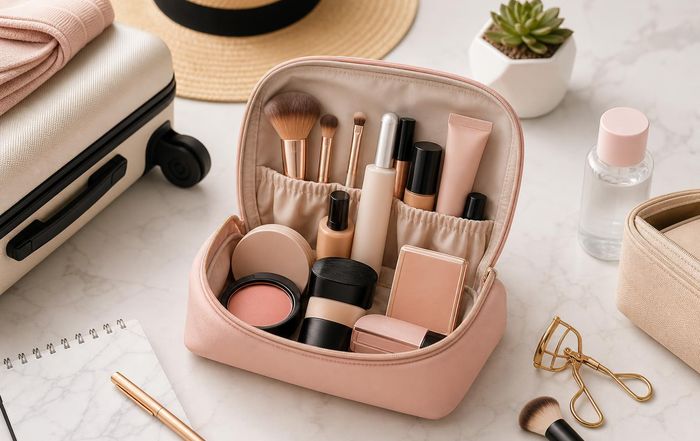
How to Build a Travel Makeup Bag Without Overpacking
Packing makeup for a trip can feel like choosing a favorite child. There is always the temptation to bring "just in case" products, yet most travelers reach for the same few items every day. Building a smart, streamlined travel makeup bag is less about sacrifice and more about strategy: choosing multi-use products, planning around your real itinerary, and using a bit of organization so you can get ready quickly in unfamiliar bathrooms and changing light.
This guide breaks down how to curate a compact kit that still lets you feel polished in photos, comfortable in your skin, and prepared for different occasions-without needing a separate suitcase for your beauty stash.
Start With Your Real Life, Not Your Fantasy Trip
The most common cause of overpacking is planning for an imaginary version of the trip. Before pulling out any products, it helps to answer a few practical questions.
First, consider the type of travel and your daily schedule. A city break with dinners out and museum days calls for different makeup than a hiking-heavy adventure or a beach holiday. If you expect lots of photos at events or weddings, you may want longer-wear and slightly higher-coverage products, while a wellness retreat or backpacking trip probably suits sheer, easy-to-apply textures. Thinking through specific scenarios-airport day, sightseeing, one or two "dressy" evenings-often reveals how few distinct looks you actually need to create.
Climate and environment matter just as much. Humid destinations tend to break down heavy foundations and creamy products more quickly, while very dry or cold climates can emphasize flakiness and fine lines if you rely on matte, drying formulas. The American Academy of Dermatology notes that both humidity and temperature can affect how skin behaves and which ingredients feel comfortable, so it is wise to adapt your base products accordingly rather than packing your entire vanity for "options." In hot climates, a lightweight, non-comedogenic tinted sunscreen or skin tint often performs better than full-coverage foundation; in cold climates, a hydrating base and creamy color products are usually more forgiving.
It also helps to be honest about your everyday routine at home. If a product rarely leaves your drawer, it is unlikely to become a staple just because you are in another country. One useful exercise is to track what you actually use for a week before traveling. Lay those items out: that is the core of your travel kit. You can then add one or two special extras for evenings out, rather than building from scratch and guessing. Readers who like to refine their daily routine in general may find it helpful to explore broader beauty routine ideas and then adapt those to travel.
The Core Travel Makeup Capsule: What You Really Need
A "capsule" makeup bag works on the same principle as a capsule wardrobe: a small number of versatile, mix-and-match items that can create multiple looks. The exact products will vary by person, but most streamlined travel kits cover the same basic categories: base, color, eyes, lips, and tools. The goal is not to include every category, but to ensure that each product earns its place by doing at least one job exceptionally well-and ideally more than one.
For the base, many dermatologists recommend that sunscreen remain non-negotiable, especially when traveling, due to increased outdoor time and UV exposure. The Skin Cancer Foundation and World Health Organization both emphasize daily broad-spectrum SPF 30 or higher. Rather than packing a separate foundation, consider a tinted sunscreen or a skin tint you already trust over your usual SPF. Pairing this with a small concealer that can be used under the eyes and on blemishes allows you to customize coverage without carrying multiple foundations. If you have oily or combination skin, a mini translucent powder or blotting papers can help control shine in photos; those with drier skin may skip powder entirely or decant a tiny amount into a contact lens case.
For color, cream formulas can be particularly travel-friendly because they often work on cheeks, lips, and sometimes even eyes. A multi-stick in a neutral rose or peach shade can double as blush and lipstick, and some formulas are sheer enough for a quick wash on the eyelids. A separate bronzer or highlighter may be unnecessary if you choose a shade that gives both warmth and dimension. If you prefer powders, a compact face palette that includes blush, bronzer, and highlight in one slim case can save space compared with individual pans. When evaluating options, look for palettes that contain shades you would actually use daily, rather than being seduced by extra colors that will remain untouched.
Eyes often take up the most space because of palettes and multiple liners. For most people, a single small palette with 4-6 shades in a familiar color story is more than enough. Neutrals in matte and one or two soft shimmers can create everything from barely-there definition to a smoky evening look. A waterproof or tubing mascara is usually worth packing, especially in humid destinations or if you expect long days; ophthalmologists frequently note that waterproof formulas can be harder to remove and may irritate sensitive eyes, so those with easily irritated eyelids might prefer a long-wear but non-waterproof formula and focus on using a gentle cleanser at night. A single brown or black eyeliner pencil that smudges easily can double as both liner and a base for more dramatic eye looks.
Lips are where many travelers overpack, because lipsticks and glosses are small and seem harmless. The trick is to choose three roles rather than three dozen shades: a hydrating balm with SPF for daytime protection, a comfortable everyday color that matches your usual style, and one "elevated" option for dinners or events (which could be a bolder color or simply a more polished finish). Many dermatology organizations, including the AAD, recommend lip balms with SPF for outdoor activities, making that first choice both practical and protective. Anything beyond those three typically ends up unused, unless you are traveling for a specific professional purpose like a photoshoot.
Tools and extras should be kept deliberately minimal. A few well-chosen brushes can replace an entire roll: one fluffy face brush for powder or bronzer, one smaller brush for blush and highlight, and one or two eye brushes (a blending brush and a flat shader) will usually cover all needs. Some people prefer to skip brushes entirely and rely on fingers and a damp sponge, especially with cream products, but sponges are harder to dry and keep sanitary on the road. A compact mirror is useful if your accommodation's lighting is poor, and a small pencil sharpener is essential if you bring wooden pencils. Readers interested in the intersection of tools and innovation may enjoy exploring beauty technology, where smart mirrors and portable devices are increasingly common, though these are usually better left at home unless they serve a specific purpose.
Multi-Use Products: The Secret to Packing Light
The easiest way to avoid overpacking is to make almost every product do double or triple duty. Multi-use formulas have become more sophisticated in recent years, with improved textures and inclusive shade ranges from brands across price points. This makes it possible to build a very compact kit without feeling limited.
Tinted sunscreens and moisturizers are a prime example. A good formula can replace separate moisturizer (in some skin types), primer, and light foundation. The U.S. Food and Drug Administration (FDA) and other regulators emphasize that sunscreen effectiveness depends on using enough product, so combining your coverage with SPF can also encourage more generous application. If your skin is dry or sensitive, you may still want a dedicated moisturizer, but a tint can still stand in for foundation and even out tone while you stay protected.
Cheek-and-lip products are another powerful space saver. Cream sticks or pots that can be patted onto cheeks and pressed onto lips create a cohesive look with minimal effort, and they are easy to touch up during travel days. Some brands market these as "multi-sticks," while others simply formulate blushes that are safe for use on the lips. Always check the brand's official information or ingredient and usage guidance to confirm eye or lip safety, as not all pigments are approved for all areas.
Bronzer can act as both contour and eyeshadow. A neutral, not-too-orange bronzer swept through the crease of the eye adds depth and ties the face together. Highlighter can double as an eyeshadow topper or inner-corner brightener. A brow pencil close to your hair color can define brows, lightly line the eyes, and even fill in sparse hairlines in a pinch. Clear brow gel can tame brows and flyaways along the hairline, replacing a separate styling product.
Even skincare can multitask if chosen carefully. A fragrance-free, gentle cleanser can be used for both face and as a first step in removing makeup, especially when paired with reusable cotton rounds. The Mayo Clinic and other medical sources often recommend avoiding harsh scrubs or fragranced products when traveling, as skin may be more reactive due to climate changes, jet lag, and stress. A simple, well-tolerated cleanser and moisturizer are usually safer than packing multiple actives that could clash with increased sun exposure.
The key is to test these multi-use roles at home before you travel. Try using your bronzer as eyeshadow for a few days or wearing your blush on lips. If you like the effect and the products feel comfortable, you can confidently leave separate items out of your travel bag.
Smart Packaging: Minis, Decanting, and Solid Formats
Once you know what you want to bring, the next step is to shrink it physically. Many travelers assume they must buy pre-made minis, but this can be expensive and sometimes wasteful if the shades or formulas do not match your usual routine. Instead, a mix of travel sizes, decanted products, and solid formats usually works best.
For liquids and creams, decanting into smaller containers can dramatically reduce weight and bulk. Refillable travel pots and bottles, contact lens cases, or small screw-top jars are common choices. The Transportation Security Administration (TSA) and similar regulators in other regions limit carry-on liquids to containers of 100 ml (3.4 oz) or less in a single quart-sized bag, but most makeup products are already under this limit. Decanting is more about space efficiency than regulations in many cases. It is especially useful for products where you know you will not use a full-size bottle in a week, such as primer, liquid highlighter, or rich night cream.
Solid or stick formats can also simplify both packing and airport security. Solid cleansers, cleansing balms, stick foundations, multi-sticks, and solid SPF sticks do not count as liquids in most security rules, freeing up space in your liquids bag. That said, you should always check the specific guidance of your departure and transit airports, as regulations can vary slightly by country. Solid products are also less likely to leak or explode at altitude, an occasional issue with pump bottles and poorly sealed tubes.
When choosing packaging, leak prevention is critical. Experts often recommend placing a small piece of plastic wrap over the opening of bottles before screwing the cap on, then storing them upright in a resealable bag. For palettes, placing a thin cotton pad or tissue inside the compact can cushion powders and help prevent breakage. It may feel tedious, but a few minutes of preparation can prevent a makeup bag disaster from spreading through your suitcase.
Finally, be realistic about how much product you need. For a week-long trip, a 5-10 ml pot of foundation or moisturizer is usually more than enough. Many travelers bring full-size items out of habit, but this is rarely necessary unless you are away for several weeks or sharing with multiple people. Those who travel frequently might find it helpful to maintain a dedicated, pre-packed kit that lives in their luggage, restocking minis as they run low. This approach also helps streamline daily routines at home, a topic explored more broadly in beauty and travel guides.
Editing by Scenario: Day, Night, and Special Events
Even with a capsule approach, it can be helpful to think through a few key "looks" you need to create on your trip and build your bag around them. This method ensures you are prepared for real situations without packing redundant items.
For a casual daytime look, especially on sightseeing or travel days, most people only need a handful of products: sunscreen or tinted SPF, concealer where needed, a touch of blush or bronzer, brows, mascara, and a protective lip balm. If you can comfortably achieve this look with five or six items, you have already covered the majority of your trip. Dermatologists often emphasize reapplying sunscreen every two hours when outdoors; choosing a base that is easy to top up, such as a powder SPF or cushion compact, can make this more practical without feeling like you are constantly redoing your entire face.
For evenings out, rather than packing a completely separate set of products, it is usually enough to add two or three items that can intensify your daytime look. This might be a slightly deeper lip color, a shimmery eyeshadow topper, or a black eyeliner that can be smudged along the lash line. A setting spray or powder can also help extend wear in warm or crowded environments. The Cleveland Clinic notes that long-wear and waterproof formulas can be more drying or harder to remove, so it is wise to balance their use with a gentle, thorough cleansing routine at night to avoid irritation.
Special events like weddings, work presentations, or formal dinners may justify a few extra pieces, but it is still possible to avoid overpacking by planning in detail. If you know the color of your outfit and the lighting of the venue (for example, outdoor afternoon versus dim indoor evening), you can pre-test a complete look at home with your chosen products. Take a photo in similar lighting if possible. If you are happy with the result, commit to that combination rather than adding more "just in case" options. In many cases, the difference between everyday and event makeup comes down to technique-layering and blending-rather than entirely different products.
Those who travel for work or events regularly may want to refine a specific "travel event" look that is reliable and quick to execute, then keep the necessary products in a dedicated pouch. This can be especially helpful for professionals in beauty, fashion, or media who need to look polished on camera or stage but cannot afford to carry an entire studio kit. Readers interested in the professional side of beauty, including careers that involve frequent travel, may find additional perspective in beauty industry and jobs coverage.
Organizing Your Bag So You Actually Use What You Pack
A well-edited selection can still feel chaotic if it is not organized. Thoughtful packing helps ensure you can get ready quickly in small bathrooms, shared hostel spaces, or hotel rooms with limited counter space and unflattering lighting.
One effective approach is to separate products by function rather than by category. For example, you might keep skincare and base products in one pouch, color cosmetics in another, and tools in a slim case. This reduces rummaging and makes it easier to take only what you need to the bathroom. Transparent or mesh bags allow you to see contents at a glance, which is particularly useful for early flights or dim rooms. If you frequently move between accommodations, consider a hanging toiletry bag with compartments, so your makeup and skincare can be visible and accessible without constantly unpacking.
Within your main makeup pouch, placing the highest-priority items-like tinted SPF, concealer, brow product, and lip balm-at the top encourages you to rely on them daily, while less essential extras naturally remain at the bottom. This subtly reinforces a streamlined routine. For those who like to maintain wellness habits on the road, combining makeup with a few wellness essentials, such as a mini facial mist or a calming essential oil roller, can create a small ritual that helps buffer the stress of travel.
Lighting is another practical consideration. Hotel bathrooms often have overhead-only or very warm lighting, which can make color matching and blending tricky. A compact mirror that stands up on its own or a small LED travel mirror can help, though these are optional. If you know you will be doing more involved makeup (for example, for a wedding), it is wise to allow extra time and check your look in natural light near a window before leaving.
Finally, consider hygiene and cleanup. The Centers for Disease Control and Prevention (CDC) highlights that travel environments, especially airplanes and public bathrooms, can harbor more germs. Packing a small packet of alcohol wipes or a travel-size brush cleaner allows you to quickly sanitize tools and wipe down product surfaces, particularly if they have been used on planes or in crowded spaces. A few cotton buds and tissues can correct mistakes without needing additional products, and reusable makeup-removing cloths can reduce waste and bulk compared with large packs of wipes.
When to Break the Rules (and When Not To)
Minimalist packing is helpful, but it is not a moral obligation. There are situations where bringing more makeup is reasonable: professional artists traveling for work, content creators shooting multiple looks, or anyone attending multi-day formal events with different dress codes. In those cases, the goal shifts from "pack as little as possible" to "pack intentionally for the specific demands of the trip," which might still involve edited but larger kits.
However, it is worth resisting the urge to expand your travel bag substantially "just in case" without concrete reasons. Overpacking makeup can have downsides beyond a heavy suitcase. Products may expire or separate more quickly if they spend repeated trips in hot cars or unairconditioned accommodations. The European Commission and other regulators require cosmetic expiry and period-after-opening symbols on packaging; ignoring these because products are "only used for travel" can lead to irritation or infection, particularly with eye products and liquid liners. Keeping your travel kit small and frequently refreshed can actually be safer for your skin and eyes.
There is also an environmental and financial angle. Constantly buying new travel-size versions of products you already own in full size can generate unnecessary plastic waste and expense. Whenever possible, refilling reusable containers from your existing products is both cheaper and more sustainable. Many brands now offer refill stations or larger formats designed to be decanted, reflecting broader industry shifts toward more responsible packaging. Coverage of beauty business trends often highlights this move toward refillable and multi-use products, which align naturally with a minimalist travel philosophy.
What is rarely worth breaking the rules for is packing products you have never tested. New foundations, sunscreens, or active skincare can behave unpredictably, and if they fail, you may have no easy access to alternatives. Dermatologists and consumer safety organizations consistently recommend patch-testing new products several days before full use, and this is even more important before travel. If you do want to experiment with something new on a trip-perhaps a local brand or a duty-free discovery-consider keeping your core kit stable so you have a reliable fallback.
Bringing It All Together
A thoughtfully built travel makeup bag is less about strict minimalism and more about clarity: knowing your real needs, choosing multi-use products that support those needs, and organizing them so they are easy to use in unfamiliar settings. Starting from your everyday routine, adapting for climate and specific events, and then editing by role rather than by impulse helps prevent the classic overpacking trap.
For many people, the final kit might look surprisingly small: a tinted SPF, concealer, one multi-use cheek-and-lip product, a brow pencil or gel, a small neutral eyeshadow palette or simply bronzer on the eyes, mascara, a daytime balm with SPF, an evening lip color, and a few compact tools. Yet this modest selection can create everything from bare-faced airport looks to polished evening makeup with far less stress and clutter.
Travel can be an opportunity to simplify, to notice which products truly make a difference in how you feel, and to let go of the rest. Over time, refining a personal "travel capsule" can also influence your everyday routine, nudging it toward products and techniques that are efficient, versatile, and aligned with your real life rather than an overflowing drawer. For more ideas on paring back routines while still enjoying beauty, readers can explore broader beauty coverage, makeup tutorials, and trend reports that highlight products and looks designed to work hard without taking up much space-whether in your bathroom or your suitcase.
