
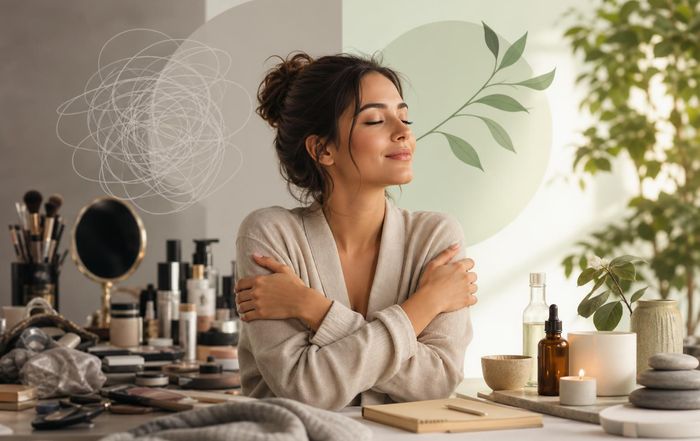
Wellness Strategies for Managing Beauty Burnout
Understanding Beauty Burnout in a Hyper-Connected Era
The global beauty and wellness landscape has become more dynamic, more digital, and more demanding than at any other time in its history. The convergence of social media, e-commerce, artificial intelligence, and an always-on influencer economy has intensified expectations on consumers, professionals, and brands alike. Within this environment, a growing number of individuals across markets such as the United States, the United Kingdom, Germany, Canada, Australia, France, Italy, Spain, the Netherlands, Switzerland, China, South Korea, Japan, and beyond are experiencing what experts increasingly describe as "beauty burnout": a state of emotional, physical, and financial exhaustion driven by relentless pressure to maintain, optimize, and perform appearance and wellness routines.
For the audience of BeautyTipa and its global readership, beauty burnout is not an abstract concept but a lived reality that intersects with daily life, professional ambitions, financial decisions, and mental health. Constant exposure to curated images on platforms like Instagram, TikTok, and YouTube, coupled with targeted advertising powered by sophisticated algorithms, has created a culture in which self-care and self-optimization can quickly blur into self-criticism and chronic dissatisfaction. Readers who turn to resources such as the World Health Organization to understand mental health trends, or who monitor consumer data from organizations like McKinsey & Company and Deloitte, can see clear evidence that the wellness and beauty industries, while booming, also contribute to rising stress, financial strain, and decision fatigue.
At the same time, there is a growing counter-movement toward more sustainable, science-based, and psychologically grounded approaches to beauty and wellness. This is where BeautyTipa positions itself, offering a blend of expertise, guidance, and practical tools that help readers navigate complex choices. Sections such as beauty, wellness, and skincare are designed to support a more intentional and evidence-informed relationship with appearance and health, reducing the risk of burnout while preserving the joy and creativity that beauty can bring.
The Psychological Drivers Behind Beauty Burnout
Beauty burnout does not arise solely from an excess of products or appointments; it is fundamentally rooted in psychological dynamics that have intensified in the digital age. Research from institutions such as Harvard Medical School and the American Psychological Association shows that social comparison, perfectionism, and performance pressure are key drivers of anxiety and burnout, particularly among younger demographics and professionals working in image-focused industries. When these forces intersect with a globalized beauty standard that circulates across North America, Europe, Asia, Africa, and South America, the result is a powerful feedback loop that can erode self-esteem and well-being.
The constant stream of "before and after" transformations, "glow-up" narratives, and "what I eat in a day" videos can create unrealistic benchmarks for beauty, wellness, and fitness. Readers who explore health and fitness or food and nutrition content may feel pressure to emulate the diets and exercise regimens of influencers, even when such routines are not compatible with their lifestyles, genetics, or mental health needs. Psychological frameworks such as cognitive-behavioral theory, widely discussed on platforms like Verywell Mind, highlight how distorted thinking patterns-such as all-or-nothing thinking and catastrophizing about perceived flaws-can transform what begins as a harmless interest in skincare or makeup into a source of chronic stress.
In markets like South Korea and Japan, where beauty innovation is culturally celebrated and highly competitive, or in fashion capitals such as Paris, Milan, London, and New York, the professional stakes are even higher. Beauty professionals, content creators, and brand employees often find themselves working long hours, navigating volatile trends, and maintaining a public image that must remain polished at all times. For these individuals, burnout is not only emotional but also occupational, as outlined by organizations like the International Labour Organization, which has increasingly recognized the impact of digital labor and gig work on mental health. Within this context, wellness strategies must address both internal psychological patterns and external industry pressures.
The Role of Technology and AI in Intensifying and Easing Burnout
Technology has been a double-edged sword for beauty and wellness. On one hand, AI-powered recommendation engines, virtual try-on tools, and personalized skincare diagnostics have made it easier than ever for consumers to discover products and routines that match their needs. On the other hand, these same technologies can overwhelm users with choices, amplify insecurities through hyper-targeted messaging, and create an illusion that there is always a more advanced solution just one purchase away. Industry analyses from organizations such as The Business of Fashion and Euromonitor International document how AI and data analytics have transformed beauty marketing and product development, especially in key markets like the United States, China, and Europe.
For readers of BeautyTipa, the intersection of technology and beauty is a core area of interest, reflected in dedicated coverage through technology and beauty. AI-driven skin analysis, for instance, can help consumers understand hydration levels, pigmentation, and texture, but when used excessively, such tools can encourage obsessive monitoring of minor imperfections. Similarly, wearable devices that track sleep, stress, and activity offer valuable health insights, yet they can contribute to what researchers at Stanford University describe as "data fatigue," where individuals feel pressured to optimize every metric of their lives.
At the same time, technology offers powerful avenues for mitigating beauty burnout. Digital wellness features on smartphones, mindfulness applications highlighted by organizations like Headspace and Calm, and online therapy platforms recommended by mental health groups such as NAMI (National Alliance on Mental Illness) provide accessible support for users across continents. Within the beauty sector, brands are beginning to use AI not only to sell more products but also to help consumers simplify routines, reduce redundant steps, and choose formulations that align with their skin type, lifestyle, and ethical values. For global readers-from Singapore and Denmark to Brazil and South Africa-this technological shift presents an opportunity to reclaim control over digital experiences and to use innovation as a tool for balance rather than burnout.
Reframing Beauty: From Performance to Well-Being
A central strategy for managing beauty burnout involves reframing the purpose and meaning of beauty itself. Instead of viewing skincare, makeup, fashion, and wellness routines as performances designed to meet external expectations, individuals can adopt a perspective that prioritizes well-being, authenticity, and long-term health. Thought leaders in positive psychology, including researchers featured by the Greater Good Science Center at UC Berkeley, emphasize the importance of aligning daily habits with intrinsic values rather than external validation. For beauty enthusiasts and professionals alike, this means asking whether a routine genuinely supports confidence, comfort, and self-expression, or whether it merely responds to social pressure.
In practice, reframing beauty may involve reducing the number of steps in a skincare regimen, focusing on evidence-based ingredients such as retinoids, vitamin C, and niacinamide, and relying on reputable scientific sources like the American Academy of Dermatology to evaluate claims. It may also mean using makeup not to conceal perceived flaws but to highlight features in a way that feels personally meaningful. Readers exploring makeup or routines on BeautyTipa can benefit from curated guidance that emphasizes skin health, product safety, and individuality over fleeting trends.
This reframing is particularly important in regions where beauty standards have historically been narrow and prescriptive, such as parts of Europe and Asia, but it is increasingly relevant worldwide as global media homogenizes aesthetic ideals. Organizations like UN Women and advocacy campaigns supported by major brands have begun to challenge unrealistic beauty norms, promoting diversity in age, body type, skin tone, and gender expression. For professionals working in fashion, media, and beauty, integrating these principles into brand strategies and workplace culture is not only an ethical imperative but also a practical way to reduce pressure on employees and audiences, thereby decreasing the risk of burnout across the value chain.
Strategic Wellness Routines for Sustainable Beauty Practices
Wellness strategies for managing beauty burnout must be both holistic and practical, bridging physical health, mental resilience, and realistic time and financial constraints. For the BeautyTipa community, this means building routines that are sustainable in daily life, whether the reader is a beauty professional in London, a student in Seoul, a parent in Toronto, or an entrepreneur in Johannesburg. Core pillars of such routines include sleep, nutrition, movement, stress management, and skincare practices that are grounded in science rather than hype.
Sleep remains a foundational element of both beauty and wellness, with organizations such as the National Sleep Foundation and Mayo Clinic emphasizing its role in skin repair, hormonal balance, and emotional regulation. Chronic sleep deprivation not only accelerates visible signs of aging but also increases vulnerability to anxiety and depression, which in turn exacerbate beauty burnout. Similarly, balanced nutrition-featuring whole foods, adequate protein, healthy fats, and micronutrients-supports skin integrity, hair health, and energy levels. Readers interested in integrating diet and beauty can explore resources on food and nutrition, connecting culinary choices with dermatological and metabolic outcomes.
Movement is another crucial component, not only for physical fitness but also for emotional resilience. Whether through yoga, strength training, walking, or dance, regular activity helps regulate stress hormones and improves circulation, which benefits skin and overall vitality. Health organizations such as the World Health Organization and Centers for Disease Control and Prevention provide evidence-based guidelines on physical activity that can be adapted to individual circumstances. By aligning beauty goals with broader wellness objectives-such as improved sleep, better digestion, and enhanced mood-individuals can reduce the fragmentation that often contributes to burnout, creating integrated routines that serve multiple purposes simultaneously.
Financial Wellness and the Economics of Beauty Burnout
Beauty burnout is not merely an emotional or physical phenomenon; it has a significant financial dimension that affects households across income levels and regions. The global beauty and personal care market, analyzed by firms such as Statista and KPMG, continues to expand, with consumers in North America, Europe, Asia-Pacific, and Latin America allocating substantial portions of discretionary income to skincare, makeup, haircare, and wellness services. Subscription boxes, limited-edition collections, and constant product launches can create a sense of urgency and scarcity that encourages overspending, while "dupes" and low-cost alternatives can tempt consumers into frequent impulse purchases that add up over time.
For the BeautyTipa readership, which includes both consumers and industry professionals, financial wellness is an essential component of sustainable beauty practices. The business and finance section of the site recognizes that economic stress can intensify burnout, especially when individuals feel compelled to keep up with trends or maintain a certain image for career reasons. Financial planning experts, including those highlighted by Investopedia and The Financial Times, recommend creating dedicated beauty and wellness budgets, prioritizing high-impact investments (such as sunscreen, dermatology visits, or quality tools) over frequent discretionary purchases, and evaluating the long-term value of services such as cosmetic procedures or salon treatments.
In emerging markets and among younger demographics, the rise of buy-now-pay-later services and credit-based purchasing has further complicated the financial landscape of beauty consumption. Organizations like OECD have warned about the risks of consumer debt, particularly in segments driven by social media influence. A strategic wellness approach to beauty requires transparent conversations about money, realistic assessments of what is affordable, and a willingness to resist marketing narratives that equate self-worth with spending. By integrating financial literacy into beauty education, platforms like BeautyTipa help readers across continents-from Scandinavia to Southeast Asia and from the United States to South Africa-build healthier, more resilient relationships with both their appearance and their bank accounts.
Professional Burnout in the Beauty and Wellness Industry
Beyond consumer experiences, beauty burnout has a profound impact on professionals working in salons, spas, cosmetic brands, media outlets, and technology firms that support the industry. Hair stylists, makeup artists, dermatologists, aestheticians, product developers, marketers, and influencers often operate in high-pressure environments characterized by irregular hours, intense competition, and constant public scrutiny. Reports from organizations such as Gallup and World Economic Forum highlight rising burnout levels across service sectors, with beauty and wellness professionals facing unique challenges related to emotional labor and physical demands.
For professionals and aspiring workers who turn to jobs and employment content on BeautyTipa, understanding and addressing occupational burnout is critical. Long hours spent on one's feet, exposure to chemicals, and the emotional work of supporting clients' insecurities can lead to fatigue, musculoskeletal issues, and compassion exhaustion. Meanwhile, digital creators and brand employees must continuously generate content, track metrics, and adapt to algorithm changes, often with limited job security. In markets such as the United States, the United Kingdom, and Australia, where gig work and freelance arrangements are common, the absence of traditional benefits can further exacerbate stress.
Effective wellness strategies for industry professionals include setting clear boundaries around working hours, investing in ergonomic tools and protective equipment, seeking mentorship and peer support, and exploring continuing education opportunities that open pathways to less physically demanding roles. Professional associations and unions, as discussed by organizations like UNI Global Union, play a role in advocating for safer working conditions and fair compensation. For global readers considering careers in beauty technology, brand management, or international distribution, the international and trends sections of BeautyTipa offer insights into evolving job markets and skills, helping individuals make informed decisions that balance passion with long-term well-being.
Global and Cultural Perspectives on Beauty Burnout
Beauty burnout manifests differently across regions, shaped by cultural norms, regulatory environments, and economic structures. In North America and Western Europe, individualistic cultures and strong social media penetration contribute to highly personalized yet often competitive beauty narratives. In East Asian markets such as South Korea, Japan, and China, collective norms and rapid innovation cycles create intense pressure to stay current with skincare and cosmetic advancements, while also driving some of the most sophisticated wellness and self-care movements. In emerging markets across Africa, South America, and Southeast Asia, expanding middle classes and increased digital connectivity are rapidly transforming consumer expectations and access to global beauty brands.
Organizations such as OECD, UNESCO, and World Bank provide macro-level insights into how globalization, urbanization, and digitalization affect lifestyle and consumption patterns, including beauty and wellness. For BeautyTipa, serving a worldwide audience means recognizing these cultural nuances while also identifying common threads: the desire for self-expression, the search for confidence, and the need for balance in the face of information overload. The platform's coverage of events, brands and products, and fashion reflects this global perspective, showcasing innovations from Seoul to Stockholm and from New York to Nairobi, while consistently emphasizing responsible, sustainable, and psychologically healthy engagement with beauty.
Regulatory frameworks also shape how beauty burnout is experienced and addressed. In the European Union, agencies like the European Commission and European Chemicals Agency enforce stringent regulations on cosmetic ingredients and marketing claims, which can reduce some forms of consumer confusion and risk. In other regions, varying levels of oversight mean that consumers must be particularly vigilant about product safety and authenticity, turning to trusted resources and dermatological guidance. Across all markets, however, the rise of clean beauty, ethical sourcing, and sustainability-topics frequently explored by BeautyTipa-signals a shift toward more conscientious consumption that, if approached thoughtfully, can help alleviate burnout by aligning purchasing decisions with personal and environmental values.
Practical, Evidence-Based Strategies for Individuals
Translating broad wellness principles into daily practice requires concrete, evidence-based strategies that individuals can adapt to their own circumstances. For readers of BeautyTipa, this translation is central to the value of guides and tips, which aim to distill expert insights into actionable steps without oversimplifying complex realities. One effective approach involves conducting a personal "beauty audit," in which individuals review all current routines, products, subscriptions, and appointments, assessing which genuinely contribute to well-being and which are driven primarily by anxiety, habit, or external pressure.
Psychologists and behavioral economists, including those whose work is featured by institutions like London School of Economics, emphasize the importance of reducing choice overload. Streamlining product collections, committing to a limited number of trusted brands, and setting specific times for consuming beauty-related content can significantly decrease mental fatigue. Dermatologists recommend focusing on core pillars such as gentle cleansing, targeted treatment, moisturization, and daily sun protection, rather than constantly cycling through new products. For fitness and nutrition, following guidelines from reputable health organizations rather than unverified influencer advice helps ensure that efforts are both safe and effective.
Mindfulness-based practices, supported by research from Oxford Mindfulness Foundation and UCLA Mindful Awareness Research Center, can further help individuals notice when beauty routines are tipping into compulsion or self-criticism. Simple techniques such as pausing before purchases, reflecting on emotional triggers, and practicing self-compassion when confronted with idealized images can gradually reshape internal narratives. For those who find that beauty-related stress is significantly impacting mood, relationships, or work, seeking professional support from licensed therapists or counselors is a responsible and often transformative step. Online directories and resources provided by organizations like Psychology Today and national psychological associations make it easier to access qualified help across countries and regions.
How BeautyTipa Supports a Balanced Beauty and Wellness Journey
BeautyTipa positions itself not merely as a trend tracker or product reviewer but as a trusted partner in navigating the complexities of modern beauty and wellness. The platform's integrated coverage-from beauty and skincare to wellness, trends, and business and finance-reflects an understanding that appearance, health, career, and money are interconnected dimensions of a single, holistic life. By curating expert perspectives, analyzing industry developments, and offering practical frameworks, the site helps readers in the United States, the United Kingdom, Germany, Canada, Australia, France, Italy, Spain, the Netherlands, Switzerland, China, Sweden, Norway, Singapore, Denmark, South Korea, Japan, Thailand, Finland, South Africa, Brazil, Malaysia, New Zealand, and beyond to make informed, values-aligned choices.
The editorial philosophy of BeautyTipa emphasizes Experience, Expertise, Authoritativeness, and Trustworthiness. This means prioritizing content grounded in dermatological science, psychological research, and credible market analysis; featuring voices with real-world experience in fields such as cosmetic chemistry, clinical nutrition, fitness training, and digital marketing; and maintaining transparency about the limitations of current knowledge. It also means recognizing that beauty burnout is not a personal failure but a systemic challenge shaped by technology, culture, and economics, and that managing it requires both individual strategies and broader industry change.
As beauty and wellness continue to evolve over the coming years, readers can expect BeautyTipa to deepen its focus on sustainable, inclusive, and psychologically informed practices. Whether exploring minimalistic skincare, tech-enabled diagnostics, ethical fashion, or new career paths in beauty technology, the platform will remain committed to helping its global community navigate choices with clarity and confidence. For those seeking a starting point, the main portal at BeautyTipa.com offers a curated entry into this ecosystem, inviting readers to engage with beauty not as an endless obligation but as a thoughtful, empowering, and sustainable part of a well-lived life.
