
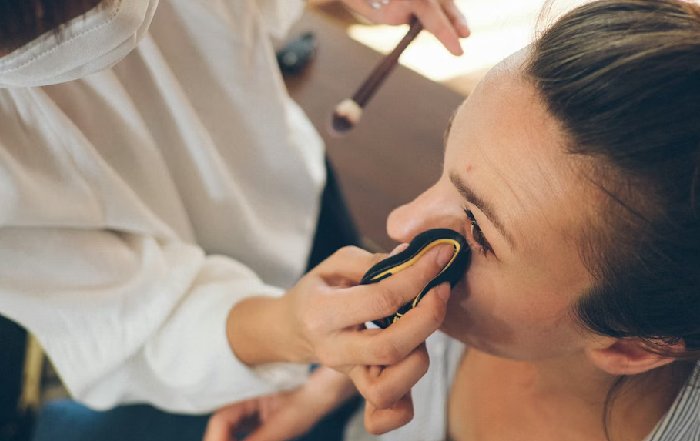
How to Choose Eye Makeup for Your Eye Shape and Color
Consumers in beauty capitals from New York and London to Seoul, Tokyo, Berlin and São Paulo are approaching eye makeup with a level of precision and personalization that would have been unthinkable a decade ago, and BeautyTipa has seen first-hand how this shift is reshaping the way its readers experiment with color, texture and technique across all of its core sections, from beauty and makeup to technology-beauty and business-and-finance. As data-driven tools, AI-powered mirrors and hyper-personalized recommendations become more accessible worldwide, the timeless questions remain the same: which shades truly enhance a person's natural eye color, and which techniques best complement their unique eye shape, whether they live in the United States, the United Kingdom, Germany, South Korea, Japan, Brazil or beyond.
The 2026 Landscape: Personalization as the New Standard in Eye Makeup
By 2026, global beauty consumers are increasingly informed, with many cross-checking advice from sources such as Allure, Vogue, Byrdie and scientific skincare platforms like Paula's Choice and the American Academy of Dermatology before making purchasing decisions, and this heightened discernment has raised expectations for brands and publishers alike. Readers arriving on BeautyTipa are not only looking for trends; they want evidence-based guidance, practical techniques that respect cultural differences in eye shape and color, and recommendations that fit into sustainable, wellness-oriented lifestyles, which aligns with the platform's broader coverage of wellness, health-and-fitness and food-and-nutrition.
At the same time, advances in augmented reality try-on technology from companies such as L'Oréal and Sephora have made it easier than ever for users from Canada to Singapore to virtually test different looks before committing to a purchase, and professional organizations like the British Association of Dermatologists and the American Optometric Association continue to remind consumers that safety and eye health must sit alongside aesthetics when selecting products. In this context, choosing eye makeup that flatters both eye shape and color is no longer a matter of guesswork or imitation of celebrity looks; instead, it has become an informed, strategic process that blends artistry with anatomy, color theory and long-term skin health.
Understanding Eye Anatomy and Why Shape Matters
Any credible discussion of eye makeup in 2026 begins with an understanding of eye anatomy and structural differences among individuals from different regions, which is why BeautyTipa frequently returns to fundamentals in its guides-and-tips and skincare features. Eye shape is determined not just by the visible lid but by the position of the orbital bone, the depth of the crease, the prominence of the brow and the distribution of fat pads around the eye, and while beauty content often simplifies this into categories like almond, round or hooded, in reality most people exhibit a blend of characteristics.
Medical and anatomical resources such as the Mayo Clinic and Cleveland Clinic have highlighted how lid structure can influence issues such as dryness, tear film stability and susceptibility to irritation from cosmetic products, which becomes particularly relevant when layering multiple eye products, from primer and shadow to liner and mascara. Understanding whether the lid is more hooded, deep-set or protruding, and whether the eyes tilt slightly upward or downward at the outer corners, helps determine where color should be concentrated, how far to blend toward the brow and how to position liner so that it lifts rather than drags the eye downward, a nuance that is increasingly discussed across global artistry education platforms like Makeup.com and MAC Cosmetics.
Identifying Common Eye Shapes and Strategic Techniques
While no classification system is perfect, it is still helpful for readers in Europe, Asia, Africa and the Americas to recognize the general shape family they most closely resemble, since each benefits from distinct placement strategies that BeautyTipa regularly explores in its routines and trends coverage. Almond eyes, often considered the most "balanced" shape, have an iris that touches both the top and bottom lids with slightly tapered outer corners, and these eyes can accommodate a wide range of looks, from soft washes of neutral color to graphic liner, as long as the natural elongation is respected by slightly winging shadow and liner outward and upward.
Round eyes, which tend to show more white around the iris, often look most harmonious when makeup subtly elongates the shape horizontally, so artists commonly recommend focusing deeper shades on the outer third of the lid and using tightlining along the upper waterline to intensify the lash base without adding extra height, a technique frequently demonstrated by global artists associated with NARS and Bobbi Brown. Hooded eyes, prevalent across many ethnicities including Northern European and East Asian populations, feature a fold of skin that partially or fully covers the mobile lid, so the key is to place the crease color slightly above the actual fold, blending it onto the lower part of the brow bone to create the illusion of a more open lid, while keeping shimmer minimal on areas where transfer is likely.
Deep-set eyes, where the eyes sit further back into the skull beneath a prominent brow, can sometimes appear shadowed, so lighter, reflective shades on the mobile lid combined with soft, diffused liner help bring them forward, a technique endorsed in professional tutorials from Lisa Eldridge and artistry education at Makeup Artist Magazine. Monolid eyes, common in East Asian populations in countries such as South Korea, Japan, China and Thailand, lack a distinct crease, which offers a broad, smooth canvas for gradient color, and contemporary K-beauty looks often emphasize soft, horizontal shading, tightlining and strategically placed shimmer along the lash line and inner corner to add dimension without relying on a Western-style crease.
Downturned eyes, where the outer corners slope slightly downward, benefit from lifted liner that ends at or just above the level of the pupil rather than following the natural downward trajectory, and concentrating darker shadow on the outer upper lid rather than the lower lash line helps avoid accentuating the droop; conversely, upturned eyes, which naturally lift at the outer corner, can be balanced by adding slightly more depth to the outer lower lash line for a sophisticated, feline effect, a technique often seen in editorial looks in Vogue and Harper's Bazaar. In every case, the goal is not to "correct" the eye shape but to understand its geometry so that product placement works in harmony with natural structure, a philosophy that underpins much of BeautyTipa's editorial approach across beauty and fashion.
Color Theory: Enhancing Natural Eye Color with Strategic Contrasts
Once a reader has a clear sense of their eye shape, attention naturally turns to color, and in 2026, color theory remains the backbone of effective eye makeup design, even as trends cycle through pastels, jewel tones and minimalist neutrals. The basic principle, derived from the color wheel used in design and art education resources such as Adobe Color and Canva Design School, is that shades opposite a given eye color on the wheel create the strongest contrast, making the iris appear more vivid and defined, while analogous colors-those adjacent on the wheel-offer a more subtle, harmonious enhancement.
For brown eyes, which dominate globally across regions including North America, South America, Africa and much of Asia, almost any color can be flattering because brown is essentially neutral, but purples, plums, coppers and rich blues are particularly effective at drawing attention to the warmth and depth of the iris. Green eyes, more common in populations in the United States, the United Kingdom, Germany, Scandinavia and parts of Eastern Europe, are intensified by shades containing red undertones such as burgundy, warm plum, copper and rose gold, though care must be taken to avoid making the eyes look irritated by balancing red-based shadows with ample mascara and liner, a nuance often underscored in dermatology-informed beauty advice from platforms like DermNet.
Blue eyes, prevalent in Northern Europe, North America and Australasia, stand out beautifully against warm browns, bronzes, terracottas and muted oranges, which sit opposite blue on the color wheel and create a striking yet wearable contrast suitable for professional environments; champagne and taupe shades also maintain clarity and brightness for daytime looks. Hazel eyes, which shift between green, brown and sometimes gold depending on lighting and surrounding colors, respond particularly well to mid-tone purples, mauves, warm browns and khaki greens, and by adjusting the dominant shadow color, wearers can subtly emphasize either the green or brown tones in their irises, a strategy frequently highlighted in artistry content from brands such as Urban Decay and Charlotte Tilbury.
In East Asian markets like South Korea, Japan, China and Singapore, as well as in global K-beauty and J-beauty trends followed closely by BeautyTipa readers, emphasis often lies less on eye color contrast and more on creating a cohesive, soft-focus look that complements overall complexion and lip color, with neutral browns, peachy corals and soft pinks dominating everyday palettes. Meanwhile, in markets like Brazil, South Africa and parts of the Middle East, where bolder color expression is culturally embedded in festival and evening beauty, jewel tones such as emerald, sapphire and amethyst continue to be popular for special occasions, with color payoff, longevity and sweat-resistance evaluated carefully in relation to climate and event duration, themes commonly explored in BeautyTipa's events and international coverage.
Matching Texture and Finish to Eye Shape, Color and Age
Beyond hue, texture and finish play a decisive role in how eye makeup interacts with both eye shape and color, and by 2026, consumers are far more literate in distinguishing between matte, satin, shimmer, metallic and glitter formulations, often researching product performance on review-driven platforms like Influenster and MakeupAlley. Matte shadows are invaluable for creating depth and structure, particularly in the crease or for subtly reshaping hooded, round or downturned eyes, because they recede visually and do not emphasize texture or fine lines, making them especially suitable for mature skin or professional settings where understated polish is preferred.
Satin and soft shimmer finishes, when used strategically on the center of the lid or inner corner, can enhance the natural sparkle of blue, green or hazel eyes without overwhelming the overall look, and they are often recommended by ophthalmologists and dermatologists as a safer alternative to chunky glitter, which can migrate into the eye and cause irritation, as noted by institutions like the American Academy of Ophthalmology. Metallic and high-shine finishes, popular in evening and editorial looks, are best placed on flatter areas of the lid rather than directly in creases or on heavily textured skin, since their reflective quality can highlight unevenness; for monolids and deep-set eyes, a metallic wash across the mobile lid can be particularly striking, drawing light forward and enhancing dimension.
Glitter, while still prominent in festival and youth-driven trends, is increasingly scrutinized from both a safety and environmental perspective, with organizations such as the European Chemicals Agency and Environmental Working Group discussing concerns around microplastics and eye irritation. As a result, many brands have shifted toward biodegradable, ophthalmologist-tested alternatives, and BeautyTipa has observed that its readers in environmentally conscious markets like the Netherlands, Sweden, Norway, Denmark and New Zealand are increasingly factoring sustainability into their eye makeup purchases, aligning with the platform's broader interest in sustainable beauty trends and responsible consumption.
Integrating Skin Tone, Undertone and Overall Aesthetic
Eye shape and color cannot be considered in isolation from skin tone and undertone, especially for readers who view beauty holistically alongside fashion, wellness and nutrition. Global shade ranges have expanded significantly, with companies such as Fenty Beauty, Rihanna's brand, and Pat McGrath Labs setting new standards for inclusivity, and educational resources like Temptalia and Into The Gloss helping consumers decode undertones and product swatches in real time. Warm skin undertones, whether fair, medium or deep, tend to harmonize with golds, bronzes, warm browns, peaches and terracottas, while cool undertones often look most balanced with taupes, grays, mauves, plums and cool-toned neutrals, though personal preference and cultural aesthetics always play a role.
For professionals in corporate environments in cities such as London, Frankfurt, Zurich, Toronto and Sydney, understated, neutral palettes that subtly enhance eye color without drawing excessive attention are often preferred, and BeautyTipa's readership in its business-and-finance section frequently seeks guidance on looks that transition seamlessly from office to evening networking events. Conversely, creative industries in hubs like Los Angeles, Berlin, Seoul and Tokyo may embrace more experimental color blocking, graphic liner and unconventional finishes, especially as social media platforms such as Instagram, TikTok and YouTube continue to reward visually distinctive content, a dynamic that intersects with the platform's coverage of jobs-and-employment in beauty and fashion.
In all of these contexts, the most successful eye makeup choices are those that respect both the wearer's natural features and their lifestyle, whether that includes long hours in air-conditioned offices, frequent travel across time zones, outdoor sports or late-night events, and BeautyTipa consistently emphasizes this integrated view by connecting eye makeup choices to broader wellness, sleep, nutrition and stress management topics across its various verticals.
Technology, AI and Data-Driven Eye Makeup Recommendations
One of the most significant shifts by 2026 is the integration of AI and AR into everyday beauty decision-making, and BeautyTipa has observed that readers increasingly arrive with preliminary recommendations already generated by virtual try-on tools from brands like L'Oréal, Lancôme, Estée Lauder and retailers such as Sephora and Ulta Beauty. These tools, often powered by facial recognition and machine learning algorithms, can analyze eye shape, color and surrounding features to suggest tailored palettes and liner styles, and they have been evaluated in technology and consumer research reports accessible via sources like McKinsey & Company and Deloitte, which document how personalization drives conversion and customer satisfaction.
However, as BeautyTipa explores in its technology-beauty coverage, these tools are not infallible; their recommendations are only as unbiased as the data sets on which they are trained, and there have been ongoing concerns about underrepresentation of certain ethnicities, age groups and eye shapes, particularly among darker-skinned populations and older consumers. Academics and digital rights organizations, including the Electronic Frontier Foundation and AI Now Institute, have raised questions about algorithmic bias and data privacy, prompting many savvy users to treat AI suggestions as starting points rather than absolute prescriptions.
For BeautyTipa's global audience, this means that while AI can quickly propose flattering color combinations for brown eyes or identify hooded lids that may benefit from specific techniques, human judgment, cultural context and personal comfort remain essential. The platform therefore positions itself as a trusted editorial filter that interprets technological outputs through the lens of real-world wearability, skin health, sustainability and inclusivity, ensuring that readers in markets from the United States and France to South Africa and Malaysia receive guidance that feels both cutting-edge and grounded.
Safety, Sensitivity and Long-Term Eye Health
With increased experimentation in color, texture and long-wear formulations comes a parallel need for vigilance around safety, particularly for contact lens wearers, individuals with sensitive eyes and those living in polluted urban environments where airborne particles can interact with cosmetics. Medical authorities such as the U.S. Food and Drug Administration and Health Canada provide regulatory frameworks for cosmetic safety, while organizations like the American Academy of Dermatology and National Eye Institute offer consumer-facing advice on avoiding ingredients and practices that increase the risk of irritation, infection or allergic reactions.
In practical terms, this means selecting ophthalmologist-tested, fragrance-free formulas when possible, especially for individuals prone to dryness, eczema or allergic conjunctivitis, and avoiding applying eyeliner directly on the inner waterline if products are not specifically formulated for that area. Waterproof mascaras and liners, while invaluable in humid climates like Singapore, Thailand and Brazil or during long events, should be removed gently with appropriate cleansers to avoid lash breakage and lid irritation, a point frequently reinforced in BeautyTipa's skincare and wellness content.
Regular brush and applicator hygiene, often overlooked in casual beauty routines, is critical for preventing bacterial buildup and infections, and health organizations such as the Centers for Disease Control and Prevention periodically remind consumers not to share eye makeup products or use them beyond their recommended shelf life. As readers from Australia, New Zealand, South Africa and Southern Europe increasingly contend with intense UV exposure, the use of sunglasses and broad-spectrum SPF around the eye area, complemented by gentle, non-irritating eye makeup, forms part of a comprehensive eye health strategy that BeautyTipa integrates into its broader wellness and lifestyle guidance.
Building a Cohesive Routine Around Eye Makeup Choices
For many BeautyTipa readers, eye makeup does not exist in isolation but as a component of a daily or occasion-specific ritual that includes skincare, base makeup, lip color and hair styling, and the platform's routines section frequently illustrates how these elements intersect. Preparing the eye area with an appropriate eye cream or hydrating serum, followed by a compatible primer, can significantly influence how shadow adheres and how liner glides, particularly in climates with extreme humidity or dryness such as those experienced in the Middle East, Northern Europe or parts of North America.
Aligning eye makeup intensity with other elements of the look is equally important; a dramatic, smoky eye for an evening event in Paris, Milan or New York might be balanced with a more neutral lip, whereas a bold lip trend in cities like London, Berlin or Tokyo could be complemented by softer, shape-enhancing eye makeup that still respects the wearer's eye color and structure. For professionals and entrepreneurs juggling demanding schedules, simplifying decision-making through curated palettes that suit their specific eye characteristics can reduce cognitive load, a concept increasingly discussed in productivity and behavioral science literature from institutions like Harvard Business Review and MIT Sloan Management Review.
In this way, eye makeup becomes both a creative outlet and a strategic tool, signaling professionalism, cultural awareness and personal style across diverse contexts, from boardrooms in Zurich and Singapore to creative studios in Los Angeles and Seoul. BeautyTipa, by consistently connecting these aesthetic choices with broader themes of confidence, self-care and career development, offers its global audience a uniquely integrated perspective that extends beyond surface-level beauty trends.
The Role of Brands, Education and Community in 2026
The global beauty industry's leading organizations and brands-among them L'Oréal, Estée Lauder Companies, Shiseido, LVMH, Unilever and Procter & Gamble-have recognized that consumers in 2026 are seeking more than product; they want trustworthy education, transparent ingredient information and inclusive representation. Industry analyses from sources like Euromonitor International and Statista indicate that brands providing robust educational content on eye shape, color theory and safe application practices enjoy higher loyalty, particularly in digital-first markets where competition is intense.
For BeautyTipa, which serves a readership spanning the United States, United Kingdom, Germany, Canada, Australia, France, Italy, Spain, the Netherlands, Switzerland, China, Sweden, Norway, Singapore, Denmark, South Korea, Japan, Thailand, Finland, South Africa, Brazil, Malaysia and New Zealand, this environment underscores the importance of curating and contextualizing information rather than simply amplifying brand messaging. The platform's emphasis on Experience, Expertise, Authoritativeness and Trustworthiness ensures that its guidance on choosing eye makeup for specific shapes and colors is grounded in both professional artistry and evidence-based health considerations, while also reflecting regional preferences and cultural nuances.
Community, whether fostered through online forums, social media or local events, plays a crucial role as well, with consumers in cities like New York, London, Seoul and São Paulo sharing techniques tailored to their unique features and lifestyles. BeautyTipa leverages this dynamic by integrating reader feedback and regional insights into its ongoing coverage of brands-and-products, ensuring that recommendations for eye makeup are continually refined in response to real-world experiences from its diverse, global audience.
Conclusion: From One-Size-Fits-All to Precision Eye Artistry
As 2026 continues to unfold, the shift from generic eye makeup advice to highly personalized, shape- and color-specific guidance reflects broader transformations in the beauty industry and consumer expectations. Readers who visit BeautyTipa are no longer satisfied with one-size-fits-all tutorials; they expect nuanced, anatomically informed, color-theory-driven recommendations that align with their eye shape, iris color, skin tone, lifestyle, professional context and ethical priorities, whether they live in North America, Europe, Asia, Africa or South America.
By combining expert insights, technological developments, regulatory awareness and a deep understanding of global beauty cultures, BeautyTipa positions itself as a trusted partner for anyone seeking to navigate the complexities of eye makeup in this new era. Choosing the right liner angle for a hooded lid in Stockholm, selecting the most flattering copper for brown eyes in São Paulo, or balancing shimmer and matte textures for a board meeting in Toronto are no longer isolated, trial-and-error decisions; they are informed, strategic choices supported by a rich ecosystem of knowledge, tools and community that BeautyTipa is committed to expanding for years to come.
