
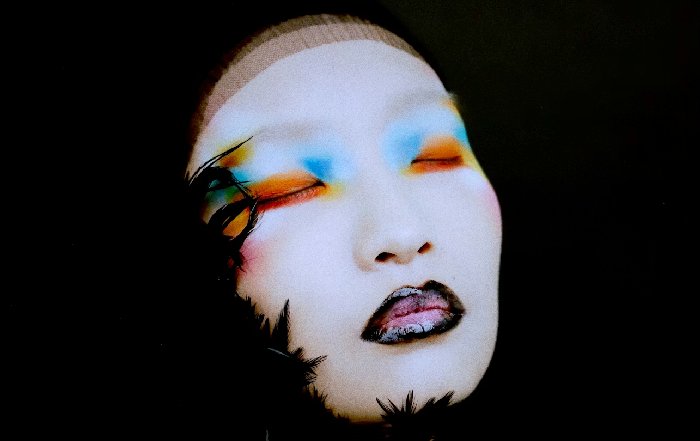
The Art of Contouring and Highlighting for Every Face
Contouring and Highlighting as a Strategic Beauty Skill
Now contouring and highlighting have evolved from niche makeup techniques into strategic tools for personal branding, on-camera presence, and professional image building, and for the global audience of BeautyTipa this evolution is particularly relevant, because makeup is no longer seen merely as decoration but as a calibrated method of visual communication that supports confidence, credibility, and individuality in both physical and digital environments. As hybrid work, high-resolution video calls, and social media visibility continue to expand across regions from the United States and United Kingdom to South Korea and Brazil, the ability to sculpt and illuminate the face with precision has become a form of soft power, enabling individuals to present themselves with intention in interviews, negotiations, networking events, and public appearances, while still respecting cultural nuance and personal authenticity.
Contouring and highlighting, at their core, are techniques grounded in light, shadow, and facial anatomy, and while trends have shifted from heavy, theatrical looks to more skin-real, adaptable finishes, the underlying principles remain anchored in the same artistic and anatomical logic that professional makeup artists have used for decades. For readers exploring the broader relationship between beauty and identity, the editorial team at BeautyTipa regularly connects these technical skills to holistic aesthetics and wellbeing, and interested readers can explore how contouring fits into overall beauty narratives that span culture, psychology, and lifestyle.
Understanding the Foundations: Light, Shadow, and Facial Structure
Any effective contour and highlight strategy starts with a clear understanding of facial structure, bone placement, and how light behaves on skin, and this is where expertise and trustworthiness become essential, because poorly applied contour can distort proportions, create harsh lines on camera, or even convey unintended emotional expressions. Professional artists trained in color theory and anatomy often refer to reference materials from institutions such as NYX Professional Makeup, MAC Cosmetics, and educational resources inspired by platforms like the Makeup Museum and the British Association of Dermatologists, where light and texture are analyzed in depth; readers who wish to deepen their understanding of how lighting affects perception can explore resources on professional photography lighting principles to see how similar ideas are used in visual media.
The human face, whether in Germany, Japan, South Africa, or Canada, shares the same fundamental structures-cheekbones, jawline, temples, nose, and chin-yet the way these elements present on the surface varies with genetics, age, lifestyle, and even posture, which is why a one-size-fits-all contouring map is inherently limited and often counterproductive. Instead of copying a template, the most authoritative approach emphasizes reading the face: identifying where natural shadows already fall, where light naturally reflects, and where subtle adjustments can create harmony without erasing individuality. For readers who want to integrate this structural awareness into daily habits, BeautyTipa offers practical perspectives on routines that combine skincare, makeup, and self-assessment, helping users refine their technique over time rather than chasing fleeting social media trends.
Skin Preparation: The Professional's Non-Negotiable Step
Before a single line of contour or stroke of highlighter touches the skin, professionals in leading markets such as the United States, France, South Korea, and the United Kingdom insist on rigorous preparation, because smooth, hydrated, and balanced skin dramatically improves blendability, longevity, and the overall realism of the finished look. Dermatologists and estheticians frequently emphasize cleansing, gentle exfoliation, and targeted moisturization as the foundation of any complexion work, and platforms like the American Academy of Dermatology provide accessible guidance on healthy skincare practices that support both bare-skin confidence and makeup performance.
At BeautyTipa, the editorial team consistently links contour and highlight success to intelligent skincare choices, recognizing that textured, dehydrated, or sensitized skin will reveal every harsh line and uneven blend, particularly under 4K and 8K cameras that are increasingly common in professional environments across Europe, Asia, and North America. Readers can explore the dedicated skincare section to understand how barrier-supportive routines, ingredient literacy, and region-specific considerations-such as humidity in Singapore, dryness in Sweden, or pollution in major Chinese cities-affect the way complexion products sit and move throughout the day. By aligning prep with local climate and skin type, individuals can ensure that contour and highlight become enhancements rather than corrective crutches for preventable skin issues.
Choosing the Right Formulas, Shades, and Tools
Product selection is where expertise and authoritativeness most visibly intersect with market innovation, because the contour sticks, creams, powders, and liquid highlighters available in 2026 are the result of years of research, consumer feedback, and technological advances from global leaders like L'Oréal, Estée Lauder, Shiseido, and Amorepacific, as well as agile indie brands in the United States, United Kingdom, South Korea, and Brazil that have championed inclusivity and undertone nuance. For readers who wish to understand how these companies are shaping the future of complexion products, industry analyses from McKinsey & Company and Deloitte on beauty market trends provide valuable context on shade range expansion, sensor-driven personalization, and sustainability commitments.
Professionals generally recommend selecting contour shades that are one to two tones deeper than the natural complexion with an undertone that mimics natural shadows-usually neutral or slightly cool for lighter skin tones and rich neutral or slightly warm for deeper tones-while highlighters should be chosen to complement undertones rather than fight them, with champagne, rose-gold, and soft bronze being more universally flattering than stark white or overly frosted formulas. Brush and sponge selection further influences precision and finish, and as BeautyTipa explores in its brands and products coverage, the choice between synthetic and natural fibers, dense versus fluffy brushes, or damp versus dry sponges can dramatically alter payoff and blend, especially for users navigating professional settings where subtlety and polish are prized over dramatic transformation.
Mapping Contour and Highlight for Different Face Shapes
Although every face is unique, understanding general face shape categories-oval, round, square, heart, diamond, and oblong-provides a helpful framework for strategic placement, and this is where the art of contouring intersects with geometry and proportion, disciplines that have been studied in depth by artists, photographers, and even cosmetic surgeons around the world. Resources from organizations like the American Society of Plastic Surgeons and the British Association of Aesthetic Plastic Surgeons often discuss how perceived balance is influenced by the relative width of the forehead, cheekbones, and jawline, and readers interested in deeper anatomical context can explore facial proportion principles to better understand why certain placements visually slim, lift, or soften features.
For oval faces, which are often considered the most balanced in traditional Western aesthetics, contour is used sparingly to enhance natural structure rather than dramatically reshape it, with soft shading under the cheekbones and subtle highlighting along the high points of the face to catch light without exaggerating length. Round faces, more common in various Asian populations but present globally, benefit from contour that gently recedes the outer edges of the face and creates the illusion of more defined cheekbones, while highlighter is focused on the center of the face to bring forward the features and avoid widening the silhouette. Square faces, often admired in fashion and editorial contexts, are softened by diffused contour along the jawline and temples, while heart-shaped faces, frequently seen in European and North American markets, use contour at the sides of the forehead and under the cheekbones to balance a broader upper face with a narrower chin. Diamond and oblong faces require nuanced placement to avoid emphasizing length, with contour at the top of the forehead and bottom of the chin, and highlighter concentrated on the cheeks rather than the forehead or chin, ensuring the face appears harmonized rather than elongated. For readers who wish to translate this theory into daily practice, BeautyTipa offers practical guides and tips that break down face-shape assessment and placement strategies in a way that is accessible yet technically sound.
Adapting Techniques to Global Skin Tones and Cultural Aesthetics
In a worldwide audience that spans the United States, Nigeria, India, China, Brazil, South Africa, and beyond, any trustworthy discussion of contouring and highlighting must address the diversity of skin tones, undertones, and cultural beauty ideals, because the same placement and intensity that reads as polished in New York may feel excessive in Copenhagen or understated in Seoul. Research from organizations like The Skin of Color Society underscores the need for tailored education, as deeper skin tones often require different formulations, pigment levels, and textures to achieve a natural effect without appearing ashy or overly reflective, and readers can explore expert perspectives on skin of color to better understand these nuances.
In East Asian markets such as South Korea, Japan, and Thailand, where glass-skin and subtle, diffused definition remain influential, contouring is often softer and more shadow-like, with emphasis on creating a delicate nose contour and gentle jaw refinement, while highlighter tends to be sheer and strategically placed to mimic healthy luminosity rather than pronounced shimmer. In contrast, markets like the United States, United Kingdom, and Brazil still embrace more sculpted looks for events and media appearances, though even these regions have shifted toward cream-based, skin-mimicking formulas that blend seamlessly under natural light. The editorial stance at BeautyTipa recognizes that readers from Europe, Asia, Africa, and the Americas are navigating not just personal preferences but also workplace norms, cultural expectations, and climate realities, and the platform's international coverage frequently examines how global trends are adapted, localized, and reinterpreted across regions.
Integrating Contour and Highlight into Daily Routines
For busy professionals across industries-from finance and technology to fashion and hospitality-the real challenge is not learning contour theory but integrating it into sustainable, time-efficient routines that align with lifestyle, workplace culture, and skin health. Time-compressed mornings in cities like London, Toronto, Singapore, or Sydney demand a streamlined approach that delivers impact without complexity, and leading makeup educators increasingly advocate for a "minimal product, maximum effect" philosophy, focusing on a few precise placements rather than full-face sculpting. Platforms such as Allure and Vogue Business often highlight how modern consumers are gravitating toward multi-use sticks and hybrid formulas, and readers can explore current beauty routines to see how these products are being used in real life.
On BeautyTipa, the emphasis is on building adaptable routines that can scale from a five-minute weekday look to a more elaborate evening or event-ready application, with contour and highlight acting as modular steps rather than rigid obligations. For a standard workday, this might mean a light cream contour under the cheekbones and along the jaw, blended with fingers or a sponge, paired with a subtle liquid highlighter tapped onto the tops of the cheeks and brow bone for a healthy, rested appearance on video calls. For events, conferences, or media appearances, the routine can be expanded with more defined nose contour, layered powder highlight for additional dimension, and strategic setting techniques to ensure longevity under bright lights and high-definition cameras.
Technology, Virtual Try-On, and Data-Driven Personalization
By 2026, beauty technology has transformed how consumers discover, test, and refine contour and highlight techniques, with augmented reality, machine learning, and advanced color-matching algorithms enabling more personalized recommendations than ever before. Major players such as L'Oréal, Sephora, and Perfect Corp. have invested heavily in virtual try-on tools that allow users to experiment with contour placement, intensities, and finishes in real time, using only a smartphone camera, and interested readers can explore how these tools function through resources on beauty tech innovation that detail the underlying AI and facial mapping technologies.
For the BeautyTipa audience, this technological shift intersects with the platform's focus on technology and beauty, where editors analyze not only the user experience but also the ethical and practical implications of data-driven personalization, including privacy considerations, algorithmic bias in shade recommendations, and the risk of homogenizing beauty ideals across cultures. When used thoughtfully, virtual try-on can act as an educational tool, helping users in regions with limited in-store access-such as rural areas in Canada, Brazil, or South Africa-experiment with different contour placements and finishes before investing in products, while also enabling brands to gather anonymized insights that inform more inclusive shade ranges and formula development.
Business, Employment, and the Professional Value of Makeup Skills
Contouring and highlighting are not only artistic skills but also economic levers in an industry that contributes billions to global GDP and supports employment across retail, manufacturing, marketing, technology, and education. Freelance makeup artists, beauty influencers, and brand educators in markets such as the United States, United Kingdom, Germany, and Australia increasingly rely on advanced complexion techniques to differentiate their services, command higher rates, and build authoritative reputations, while salons and studios worldwide report that sculpted, camera-ready makeup remains one of the most requested services for weddings, corporate events, and media productions. Industry reports from Statista and Euromonitor International on beauty market performance regularly highlight how professional education, including mastery of contour and highlight, contributes to revenue growth and client retention.
For readers exploring career paths in beauty, BeautyTipa provides dedicated coverage in its jobs and employment and business and finance sections, where the economic value of technical skills is examined alongside entrepreneurship, digital branding, and cross-border opportunities in Europe, Asia, and the Americas. Mastery of contour and highlight, when combined with strong hygiene practices, client communication, and portfolio development, can open doors to roles in fashion week teams, film and television production, brand training, and even product development, where nuanced understanding of real-world application informs better packaging, shade design, and instructional content.
Health, Wellness, and the Psychological Dimension of Sculpted Beauty
Although contouring and highlighting are often discussed in purely aesthetic terms, a more holistic and trustworthy perspective must acknowledge their intersections with mental health, self-image, and overall wellness, especially in a digital era where faces are constantly captured, filtered, and compared. Psychologists and wellness experts increasingly note that makeup can function as both a creative outlet and a form of self-care, offering individuals a sense of control and ritual in stressful environments, and readers interested in this mind-skin connection can explore research summarized by organizations such as the American Psychological Association on appearance and wellbeing to understand how beauty routines influence mood and social confidence.
At BeautyTipa, the integration of contour and highlight into broader wellness and health and fitness narratives reflects a commitment to Experience, Expertise, Authoritativeness, and Trustworthiness, acknowledging that while sculpted cheeks and a luminous complexion can enhance external appearance, they are most powerful when aligned with healthy sleep, nutrition, and movement habits. Readers can also explore food and nutrition content to understand how diet affects skin texture and brightness, which in turn influences how contour and highlight sit on the face, while considering expert guidance from institutions like Harvard T.H. Chan School of Public Health on diet and skin health to make informed choices that support both beauty and longevity.
Trends, Events, and the Future of Sculpted Makeup
Looking ahead, the art of contouring and highlighting is poised to continue evolving in response to cultural shifts, technological innovation, and sustainability imperatives, with leading brands and fashion houses in cities from Paris and Milan to Seoul and New York already showcasing a more nuanced, skin-centric approach on runways and red carpets. Trend analysts and forecasters, including platforms like WGSN and The Business of Fashion, note that while the extreme, heavily sculpted looks of the mid-2010s have receded, a new wave of "soft structure" is emerging, characterized by invisible blending, strategic micro-highlighting, and complexion products that behave more like skincare than traditional makeup, and readers can explore future-facing beauty trends to see how these directions are shaping product launches and editorial aesthetics.
For the BeautyTipa community, staying ahead of these shifts means not only tracking trends and events such as beauty expos, fashion weeks, and technology conferences, but also critically evaluating which innovations genuinely serve diverse consumers worldwide, from the Netherlands and Switzerland to Malaysia and New Zealand. As climate concerns and ethical consumerism grow, contour and highlight products will increasingly be judged not only on performance but also on ingredient transparency, recyclability, and social impact, and readers interested in this dimension can learn more about sustainable business practices that influence how beauty companies source, manufacture, and distribute their offerings.
Conclusion: Sculpting Identity with Intelligence and Integrity
The art of contouring and highlighting for every face is no longer about copying celebrity templates or chasing fleeting viral trends; instead, it is a sophisticated, globally informed practice that integrates anatomy, technology, psychology, and ethics, enabling individuals from Los Angeles to London, Berlin to Bangkok, Cape Town to São Paulo to present themselves with clarity and confidence in both personal and professional arenas. For the audience of BeautyTipa, this evolution aligns with a broader commitment to informed, intentional beauty, where each stroke of contour and touch of highlighter is guided by understanding rather than insecurity, by curiosity rather than conformity.
As the industry continues to innovate and diversify, those who approach contour and highlight with respect for their own features, awareness of cultural context, and a willingness to learn from trusted experts and evidence-based resources will be best positioned to harness these techniques not just as cosmetic enhancements but as tools for self-expression, career advancement, and holistic wellbeing. Through its interconnected coverage of makeup, fashion, technology, business, and wellness, BeautyTipa remains dedicated to guiding readers through this landscape with clarity, nuance, and integrity, ensuring that the art of sculpting the face in light and shadow continues to empower, rather than define, the people who practice it.
