
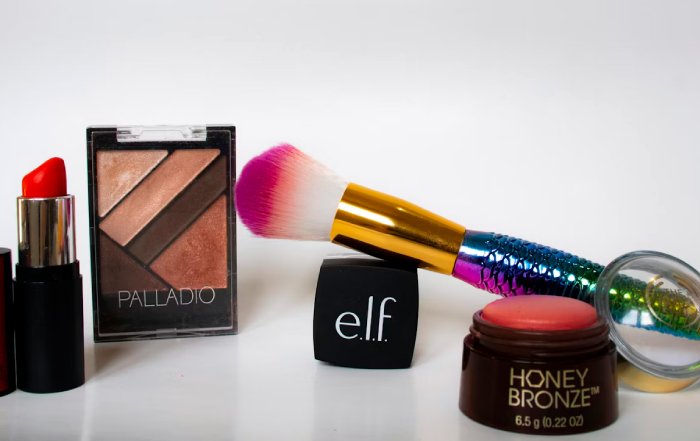
The Influence of Celebrity Culture on Beauty Products
Celebrity Beauty as a Global Business Engine
The convergence of celebrity culture and the beauty industry has matured into a powerful global business engine that touches consumers from Los Angeles to London, from Seoul to São Paulo, and from Berlin to Bangkok, reshaping how people discover products, evaluate effectiveness, and build loyalty to brands. What began as occasional endorsements and glamorous advertising campaigns has evolved into an intricate ecosystem in which celebrities, influencers, and content creators co-develop products, control brand narratives, and increasingly own the companies behind the labels, while consumers scrutinize these relationships through the lenses of authenticity, transparency, and social responsibility. For BeautyTipa and its readers, who navigate the complex intersections of beauty, wellness, and business, understanding this influence is no longer optional; it is essential to making informed decisions about what to buy, which trends to follow, and which promises to question.
This shift has been accelerated by the global reach of platforms such as Instagram, TikTok, and YouTube, where celebrities and macro-influencers can introduce a skincare line or makeup collection to millions in a matter of hours, compressing product discovery, education, and purchase into a single scrolling experience. Reports from organizations like the NPD Group and McKinsey & Company indicate that celebrity-driven brands now command a substantial share of prestige beauty growth in major markets, particularly the United States, United Kingdom, and key European and Asia-Pacific countries, as consumers respond to the perceived intimacy and relatability of personalities they follow daily. At the same time, regulators and consumer advocates, including agencies such as the U.S. Federal Trade Commission and the UK Competition and Markets Authority, have tightened guidelines on endorsements and disclosure, reminding brands and public figures that influence must be matched by accountability.
From Endorsements to Ownership: A New Celebrity Playbook
Historically, celebrity involvement in beauty was largely transactional, with actresses, musicians, and models fronting campaigns for heritage houses like L'Oréal, Estée Lauder, and Lancôme, while the underlying product development remained firmly in corporate hands. Over the past decade, however, a new playbook emerged in which celebrities partner with incubators, venture funds, and contract manufacturers to launch their own labels, positioning themselves not just as faces of campaigns but as founders, creative directors, and long-term equity stakeholders. High-profile examples, closely followed by business media such as the Financial Times and Forbes, have demonstrated that when executed with clear positioning and operational discipline, celebrity brands can achieve valuations comparable to established industry leaders.
This shift toward ownership has been enabled by the growth of direct-to-consumer infrastructure, sophisticated social-commerce tools, and digital marketing capabilities described in detail by resources such as Shopify's e-commerce insights and the Harvard Business Review, which explain how lower barriers to entry allow well-known personalities to launch targeted, digitally native brands. At the same time, the success of these ventures is increasingly tied to whether the celebrity can convincingly articulate a personal connection to the product category-such as long-standing skin concerns, professional makeup experience, or advocacy for specific ingredients-rather than relying solely on star power. Readers of BeautyTipa who follow brands and products have seen how this evolution has raised consumer expectations, with audiences now asking not just "Who is behind this brand?" but "What do they actually know, and how involved are they?"
Social Media, Algorithms, and the New Path to Purchase
The influence of celebrity culture on beauty products is now inseparable from the architecture of social platforms, whose recommendation algorithms determine which faces and brands appear on screens across continents. Research from organizations such as Pew Research Center and Ofcom shows that younger demographics in North America, Europe, and Asia increasingly treat social feeds as primary discovery channels for skincare and makeup, often trusting creators they follow more than traditional advertising. When celebrities post "get ready with me" routines or behind-the-scenes content from red-carpet events, they are not merely sharing personal moments; they are constructing aspirational narratives that subtly weave in specific cleansers, serums, and lip products, shaping consumer perception well before any formal campaign is launched.
Platforms like TikTok have amplified this effect through short-form video formats and viral challenges, in which a single clip featuring a celebrity's favorite foundation shade or sunscreen can trigger global demand spikes that overwhelm inventory forecasts and supply chains. Industry observers and analysts, including those at Euromonitor International, have noted that this volatility forces both celebrity and non-celebrity brands to invest in agile manufacturing and data-driven demand planning to avoid stockouts or overproduction. For readers interested in optimizing their own beauty routines, understanding how algorithmic virality can shape product availability and pricing helps contextualize why certain items suddenly become scarce or heavily promoted across regions from the United States and Canada to Germany, France, and South Korea.
Authenticity, Storytelling, and the Power of Personal Narratives
In 2026, one of the most decisive factors in whether celebrity beauty ventures succeed or fade is the perceived authenticity of the narrative surrounding the brand. Consumers who follow celebrity founders on social media expect to see coherent, long-term stories about how the products fit into their daily lives, how they address real skin or wellness challenges, and how they reflect deeper values such as inclusivity, sustainability, or mental health awareness. Resources like the American Psychological Association have explored how parasocial relationships-one-sided emotional bonds between audiences and public figures-intensify the impact of these narratives, making fans more likely to trust product claims when they feel they "know" the person behind them.
At the same time, savvy audiences across markets from the United Kingdom and Australia to Japan and Brazil have become adept at detecting inconsistencies, such as celebrities promoting a minimalist skincare philosophy while simultaneously fronting campaigns for highly complex regimens, or praising clean beauty while partnering with manufacturers whose practices appear misaligned with those values. Editorial platforms like BeautyTipa, with its focus on guides and tips, play an increasingly important role in helping readers differentiate between well-substantiated personal stories and purely marketing-driven narratives, encouraging questions about ingredient lists, clinical data, and long-term brand behavior. In this environment, authenticity is not a one-time statement but an ongoing performance that must be reinforced through consistent messaging and transparent action.
Science, Dermatology, and the Demand for Evidence
As celebrity beauty brands proliferate, consumers are demanding more robust evidence that products deliver on their promises, particularly in categories related to skincare, anti-aging, and wellness, where results are often slow and subtle. Dermatologists, cosmetic chemists, and regulatory experts, many of whom share educational content through reputable platforms like the American Academy of Dermatology and Mayo Clinic, have become crucial counterweights to purely promotional messaging, providing evidence-based perspectives on active ingredients, formulation stability, and safety for different skin types and conditions. In markets such as Germany, France, and the Nordic countries, where consumers traditionally place high value on scientific rigor and regulatory compliance, this emphasis on proof is especially pronounced.
Celebrity brands seeking long-term credibility increasingly partner with board-certified dermatologists, academic laboratories, or clinical research organizations to design studies and substantiate claims, a shift that aligns with the broader industry trend toward "derm-backed" and "clinically tested" positioning. Readers exploring skincare on BeautyTipa are therefore encouraged to look beyond celebrity endorsements and examine whether brands provide transparent information about concentration levels of key ingredients such as retinoids, niacinamide, or vitamin C, and whether they publish details on patch testing, sensitivity assessments, and results across diverse skin tones and age groups. In this way, celebrity culture is indirectly pushing the sector toward higher standards of Experience, Expertise, Authoritativeness, and Trustworthiness, even as it sometimes contributes to hype cycles and unrealistic expectations.
Inclusivity, Representation, and Global Beauty Standards
One of the most significant positive impacts of celebrity influence on beauty has been the acceleration of conversations around inclusivity, shade diversity, and representation across skin tones, genders, ages, and cultural backgrounds. High-profile figures from North America, Europe, Africa, and Asia have used their platforms to challenge narrow definitions of beauty, advocating for broader foundation ranges, more inclusive marketing imagery, and the normalization of conditions such as acne, hyperpigmentation, and textured hair. Organizations like the UN Women and the World Health Organization have highlighted how representation in media and advertising can affect self-esteem, mental health, and social participation, particularly among younger audiences.
In parallel, the rise of K-beauty and J-beauty, driven by the global popularity of South Korean and Japanese celebrities and entertainment industries, has diversified international beauty ideals, introducing new rituals, textures, and ingredients to consumers in the United States, Europe, and Latin America. For BeautyTipa readers who follow trends and international developments, this cross-cultural exchange offers both inspiration and complexity, as local preferences in countries like Italy, Spain, and the Netherlands intersect with imported aesthetics from Seoul, Tokyo, Bangkok, and beyond. The most forward-thinking celebrity brands are those that recognize this complexity, investing in nuanced shade development, culturally respectful storytelling, and region-specific product adaptations rather than applying a one-size-fits-all approach.
Wellness, Mental Health, and the Blurring of Categories
Celebrity influence has also contributed to the blurring of boundaries between beauty, wellness, mental health, and lifestyle, as public figures increasingly position skincare rituals, makeup routines, and fragrance choices as components of broader self-care practices. This holistic framing is supported by research from institutions like Harvard Medical School and the Cleveland Clinic, which explore links between stress, sleep, nutrition, and skin health, suggesting that topical products alone cannot fully address concerns such as inflammation, premature aging, or dullness. Many celebrity-led lines now extend beyond serums and lipsticks into supplements, aromatherapy, and even mindfulness tools, reflecting a more integrated view of personal care.
For an audience that engages with health and fitness, food and nutrition, and wellness content on BeautyTipa, this convergence offers opportunities to adopt more balanced routines that consider both internal and external factors. However, it also underscores the importance of critically evaluating claims about ingestible beauty products, adaptogens, or mood-enhancing formulas, especially when they are tied to charismatic personalities rather than robust clinical evidence. Consulting trusted medical sources and licensed professionals remains essential, particularly for consumers managing underlying health conditions or taking prescription medications that might interact with supplements promoted by celebrities.
Sustainability, Ethics, and the Scrutiny of Brand Behavior
As climate concerns and environmental awareness intensify across regions from Scandinavia and Germany to Canada, Australia, and New Zealand, consumers have begun to scrutinize celebrity beauty ventures not only for efficacy and aesthetics but also for their environmental and ethical footprints. Guidance from organizations like the UN Environment Programme and Greenpeace has raised public understanding of issues such as plastic waste, microplastics, water consumption, and the carbon impact of global supply chains, prompting questions about how celebrity brands source ingredients, package products, and manage logistics. In response, some high-profile lines have adopted refillable packaging, biodegradable materials, or carbon-offset initiatives, while others highlight certifications from bodies like Leaping Bunny or COSMOS to demonstrate cruelty-free and organic standards.
For readers interested in how sustainability intersects with beauty business models, resources such as the Ellen MacArthur Foundation provide frameworks on circular economy principles that can be applied to packaging design, product lifecycle management, and waste reduction. On BeautyTipa, the intersection of beauty, ethics, and business and finance is particularly relevant, as investors, retailers, and consumers increasingly favor companies that align profitability with responsible practices. Celebrity brands, given their visibility and cultural influence, are under heightened pressure to lead rather than follow on these issues, and missteps-such as greenwashing or opaque supply chains-can quickly trigger public backlash across social media and global press.
Technology, Data, and Personalized Beauty Experiences
Technological innovation has deepened the influence of celebrity culture on beauty by enabling more personalized and interactive experiences, from augmented reality try-ons to AI-driven skincare diagnostics and subscription-based product recommendations. Tech giants and specialized startups alike, including firms profiled by MIT Technology Review and Wired, have developed tools that allow consumers to virtually test lipstick shades, simulate foundation matches, or analyze skin conditions using smartphone cameras, often featuring celebrity faces and collections as default options. This integration of technology and celebrity branding creates a feedback loop in which fans can emulate their favorite looks in real time, while brands gather granular data on shade preferences, purchase patterns, and regional trends.
For a platform like BeautyTipa, which explores technology and beauty, the key question is how these tools can be leveraged responsibly to enhance consumer empowerment rather than manipulate behavior. Data privacy regulations such as the EU's General Data Protection Regulation (GDPR) and emerging frameworks in markets like Brazil, South Africa, and Singapore emphasize the need for clear consent, secure data handling, and transparency about how biometric and behavioral information is used. Celebrity-backed apps and experiences must therefore balance the allure of hyper-personalization with robust safeguards, ensuring that fans who upload photos or share sensitive information are not inadvertently exposing themselves to misuse or unauthorized profiling.
Careers, Entrepreneurship, and the Professionalization of Influence
The expansion of celebrity beauty has also reshaped career paths and employment opportunities across the industry, from product development and regulatory affairs to social media management, retail operations, and content creation. Beauty professionals in the United States, United Kingdom, Germany, and beyond increasingly find themselves working on collaborations with actors, musicians, athletes, and digital creators, navigating the unique dynamics of building brands around individual personalities. Business schools and professional organizations, including those highlighted by the Chartered Institute of Marketing and CFA Institute, have begun incorporating case studies on influencer-driven ventures into curricula, recognizing that understanding celebrity economics is now part of mainstream marketing and finance education.
For readers considering careers in this evolving landscape, BeautyTipa's focus on jobs and employment in the beauty sector underscores the value of cross-functional skills that combine product knowledge, digital literacy, and cultural sensitivity. Aspiring entrepreneurs and intrapreneurs can learn from both the successes and failures of celebrity brands, studying how factors such as governance structures, contract terms, and crisis management strategies influence long-term viability. In many cases, the most resilient ventures are those that treat the celebrity as one important asset among many-alongside strong operations, transparent financial reporting, and a clear value proposition-rather than the sole pillar of the business.
Navigating Hype and Building Trust as a Beauty Consumer
For global consumers-from New York and Toronto to Paris, Milan, Stockholm, Singapore, Seoul, and Johannesburg-the central challenge in 2026 is not access to beauty information but the ability to filter noise, weigh competing claims, and make purchases that align with their individual skin needs, values, and budgets. Public health agencies like the U.S. Food and Drug Administration (FDA) and the European Medicines Agency (EMA) remind consumers that cosmetics are regulated differently from drugs and medical devices, meaning that many dramatic before-and-after images or celebrity testimonials are not backed by the same level of scrutiny as pharmaceutical products. Independent editorial platforms, including BeautyTipa, serve as vital intermediaries by contextualizing trends, comparing formulations, and highlighting both risks and benefits across categories.
Readers exploring makeup, fashion, and events can adopt a practical framework for evaluating celebrity-linked products: examining ingredient lists and concentrations; checking for third-party testing or dermatologist involvement; reviewing policies on returns, shade exchanges, and customer service; and considering whether the brand's values align with their own stance on sustainability, animal testing, and social impact. By approaching celebrity beauty with curiosity but also healthy skepticism, consumers can enjoy the inspiration and creativity that public figures bring to the industry while protecting their long-term skin health, financial well-being, and trust in the marketplace.
The Road Ahead: Celebrity Beauty in a More Demanding World
Looking toward the remainder of the decade, the influence of celebrity culture on beauty products is unlikely to diminish; if anything, it will become more sophisticated, data-driven, and globally interconnected, as emerging markets in Asia, Africa, and South America produce their own cohorts of multi-hyphenate stars who build brands from the outset of their careers. Yet the bar for success will continue to rise, with regulators, investors, media, and consumers insisting on clearer evidence of product performance, more responsible environmental practices, and more consistent alignment between public personas and corporate behavior. Platforms like BeautyTipa, with its holistic coverage spanning beauty, wellness, business, and technology, will remain crucial guides for readers who want to stay informed without being overwhelmed.
In this more demanding world, Experience, Expertise, Authoritativeness, and Trustworthiness will be the true differentiators, both for celebrity-founded brands and for the media outlets that analyze them. Consumers in the United States, Europe, Asia, Africa, and the Americas will continue to be inspired by the glamour and storytelling of their favorite public figures, but they will also reward those who respect their intelligence, prioritize their safety, and contribute meaningfully to a more inclusive, sustainable, and evidence-based beauty landscape. By combining the excitement of celebrity culture with rigorous information and thoughtful reflection, BeautyTipa aims to help its global community navigate this evolving terrain with confidence, discernment, and a clear sense of personal agency.
