
Skincare Product Layering Tips for Better Comfort
The New Comfort-First Era of Skincare
Consumers across North America, Europe, Asia, and beyond have moved decisively away from the "more is more" mindset that defined the early days of the ten-step routine, and are increasingly gravitating toward skincare strategies that prioritize comfort, long-term skin health, and realistic daily habits. On beautytipa.com, this shift is reflected in the questions readers ask most frequently: how to combine active ingredients without irritation, how to simplify routines without sacrificing results, and how to adapt product layering to different climates, work patterns, and lifestyles. As the global beauty and wellness market continues to expand, with major players such as L'Oréal, Estée Lauder Companies, and Unilever investing heavily in research and development, the emphasis on barrier-friendly, sensorially pleasant routines has never been stronger, and layering products effectively has become a core skill for any professional or consumer seeking consistent, comfortable results.
Industry analyses from organizations such as McKinsey & Company and Deloitte highlight how post-pandemic habits, hybrid work models, and rising health literacy have reshaped the beauty and wellness landscape, particularly in markets like the United States, the United Kingdom, Germany, France, and South Korea, where consumers are more informed and more demanding than ever. For beautytipa.com, which serves audiences from New York to London, from Singapore to São Paulo, this means that any discussion of skincare product layering must go beyond simple step-by-step instructions and instead focus on comfort, evidence-based decision-making, and the ability to personalize routines according to skin type, climate, and lifestyle, while maintaining a strong foundation of expertise and trustworthiness.
Readers who wish to explore the broader context of beauty and wellness can refer to the dedicated sections on beauty and wellness, where the same comfort-first philosophy underpins every recommendation.
Understanding Skin Comfort: Barrier, Sensitivity, and Lifestyle
Comfort in skincare is not merely a subjective feeling of pleasant texture or fragrance; it is fundamentally linked to the integrity of the skin barrier, the balance of the microbiome, and the way external stressors interact with internal health. Dermatological research summarized by the American Academy of Dermatology and organizations such as the British Association of Dermatologists consistently underscores the importance of the stratum corneum and its lipid matrix in maintaining hydration, preventing inflammation, and reducing the risk of sensitivity. When the barrier is compromised, even the most luxurious formulations can feel tight, sting, or trigger redness, especially in regions with harsh winters like Scandinavia or Canada, or in hot, humid climates such as Singapore, Thailand, and Brazil.
Comfort is also influenced by lifestyle factors, including sleep quality, stress management, and nutrition, as demonstrated in publications from Harvard Health Publishing and the World Health Organization. For a business audience, this connection between lifestyle and skin health has direct implications for workplace wellness programs, product innovation, and employee engagement, particularly in sectors such as beauty retail and professional services where appearance and wellbeing are closely intertwined. On beautytipa.com, the intersection of skincare with health and fitness and food and nutrition is increasingly central to how routines are designed and evaluated, recognizing that comfortable skin rarely exists in isolation from overall health.
Core Principles of Skincare Layering for Comfort
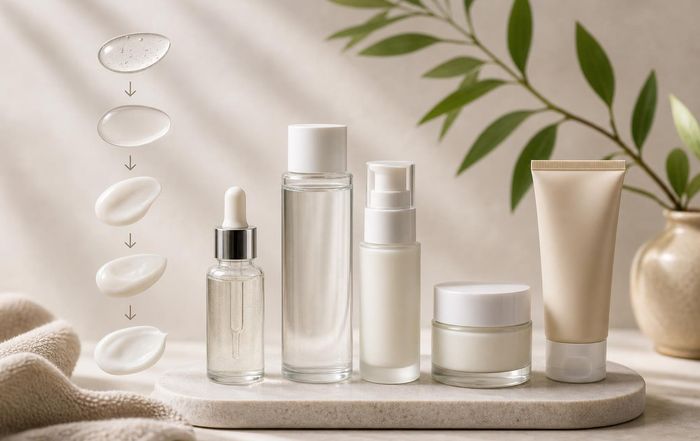
Effective product layering starts with a clear hierarchy of needs: protect the barrier, support hydration, deliver actives judiciously, and shield the skin from environmental stressors. Clinical experts at institutions such as the Mayo Clinic and the Cleveland Clinic emphasize that the order of application is not arbitrary; it influences penetration, efficacy, and the likelihood of irritation. The generally accepted principle of moving from thinnest to thickest textures remains valid in 2026, but comfort-focused routines refine this further by considering pH compatibility, occlusiveness, and the cumulative load of active ingredients.
Professionals across markets like Japan, South Korea, and France, where sophisticated routines are culturally embedded, have increasingly adopted what might be called a "comfort-first layering logic," in which potentially irritating actives such as retinoids or exfoliating acids are buffered with hydrating and barrier-supportive products, and in which the number of layers is adjusted according to climate, season, and skin condition. Readers can explore practical frameworks for structuring their own routines on beautytipa.com, where the focus is always on balancing efficacy with day-long comfort, rather than chasing maximal intensity of actives at the expense of tolerability.
Building a Comfortable Morning Routine
A comfortable morning routine is designed to prepare the skin for the day ahead, balancing protection, hydration, and cosmetic compatibility. In most climates, particularly in urban centers across the United States, Europe, and Asia, the skin is exposed to pollution, UV radiation, blue light, and fluctuating humidity, all of which can exacerbate discomfort if the barrier is not adequately supported. Research from the European Academy of Dermatology and Venereology and the National Institutes of Health indicates that oxidative stress and particulate matter can contribute to premature aging and sensitivity, making antioxidant and sunscreen layers crucial components of a comfort-focused regimen.
Typically, a gentle cleanse or even a rinse with lukewarm water, depending on skin type, is followed by a hydrating toner or essence, which prepares the skin for subsequent layers without stripping or tightness. Lightweight serums containing humectants such as glycerin and hyaluronic acid, sometimes combined with niacinamide, can then be applied, providing a cushioning effect that makes later steps more comfortable, particularly for those using vitamin C or other actives. For readers interested in ingredient-specific guidance, beautytipa.com offers in-depth coverage within its skincare section, aligning product choices with regional climate considerations, from the dry winters of Germany and Canada to the humid summers of Italy and Spain.
The final layers of a morning routine typically include a moisturizer appropriate to skin type and environment, followed by a broad-spectrum sunscreen with at least SPF 30, as recommended by organizations like the Skin Cancer Foundation. Comfort in this context means avoiding pilling, greasiness, and white cast, particularly for darker skin tones in diverse markets such as South Africa, Brazil, and Malaysia, and ensuring that the layered products sit well under makeup. The integration of sunscreens into daily makeup products has become a major innovation area, with brands across the United States, South Korea, and Japan developing hybrid formulations that blur the line between skincare and color cosmetics while maintaining a focus on user comfort.
Designing a Soothing and Restorative Night Routine
Nighttime offers an opportunity to repair and restore, but it is also the period when discomfort is most likely to arise, particularly from actives such as retinoids, exfoliating acids, and certain peptides. Dermatologists quoted by the American Academy of Dermatology and the National Eczema Association often recommend a more deliberate layering approach at night, starting with thorough yet gentle cleansing to remove sunscreen, pollution, and makeup, followed by hydrating and barrier-supportive layers before introducing stronger treatments. For readers of beautytipa.com, who often juggle demanding professional schedules with family responsibilities, a realistic night routine must be both effective and sensorially pleasant, allowing the skin to feel calm rather than overstimulated before sleep.
After cleansing, many comfort-focused routines incorporate a hydrating mist or essence, followed by a serum tailored to the skin's current needs, whether that is barrier repair, pigmentation control, or anti-aging. When using retinoids or acids, a common strategy is to apply them on top of a hydrating base layer, or to "sandwich" them between two layers of moisturizer, a technique supported by anecdotal evidence and increasingly acknowledged in clinical practice to reduce irritation without significantly compromising efficacy. Long-chain ceramides, cholesterol, and fatty acids, often highlighted in scientific reviews accessible via PubMed, are key ingredients in night moisturizers aimed at restoring barrier lipids while maintaining a comfortable, non-occlusive feel.
For individuals in colder regions such as Scandinavia, Canada, or Switzerland, or those with inherently dry or sensitive skin, the final layer at night may include a more occlusive balm or sleeping mask to lock in moisture and prevent trans-epidermal water loss. However, comfort remains the guiding principle, so the texture, fragrance profile, and interaction with bedding materials are all taken into account. Readers can find practical, routine-based recommendations in the guides and tips section of beautytipa.com, where the emphasis is on translating dermatological best practices into nightly rituals that feel soothing, sustainable, and aligned with individual preferences.
Combining Active Ingredients Without Sacrificing Comfort
One of the most frequent challenges reported by beautytipa.com readers from markets as diverse as the United States, the United Kingdom, Singapore, and South Korea is how to combine multiple active ingredients-such as vitamin C, niacinamide, AHAs, BHAs, retinoids, and peptides-without triggering irritation or compromising comfort. As scientific understanding of ingredient interactions has evolved, resources such as DermNet NZ and the Journal of the American Academy of Dermatology have provided more nuanced guidance on how to layer and alternate actives, with a growing consensus that skin tolerance and barrier health should dictate strategy more than rigid rules.
In 2026, a comfort-focused approach to actives often involves cycling and micro-dosing rather than daily, high-concentration use, particularly for retinoids and exfoliating acids. For example, a professional in London or Berlin might use a vitamin C serum in the morning on most days, combined with a gentle niacinamide serum, while reserving retinoid use for two or three nights per week, buffered with rich moisturizers. In humid environments like Bangkok or Rio de Janeiro, the same actives may be delivered through lighter textures to avoid congestion and stickiness, with a greater emphasis on antioxidant protection to counteract pollution. The trends section of beautytipa.com frequently explores how these regional adaptations are reshaping product development and consumer expectations across global markets.
Comfort is also enhanced by respecting pH considerations, especially when layering acids and vitamin C, and by avoiding unnecessary duplication of actives across multiple products. An informed consumer will scrutinize ingredient lists, often using tools and glossaries offered by organizations such as the Personal Care Products Council or independent databases, to ensure that each step in the routine serves a distinct purpose. For business leaders in the beauty sector, this shift toward ingredient literacy and comfort-focused layering places pressure on brands to provide transparent communication, clear usage instructions, and realistic claims, aligning marketing narratives with dermatological science rather than short-term trends.
Textures, Finishes, and Cultural Preferences in Comfort
Comfort in skincare is also deeply sensorial and culturally contextual. A texture that feels luxurious and comforting in Paris or Milan may feel heavy and suffocating in Singapore or Kuala Lumpur, while preferences in markets like Japan and South Korea often lean toward lightweight, fast-absorbing gels and emulsions that layer seamlessly under makeup. Studies on consumer behavior published by organizations such as NielsenIQ and Euromonitor International reveal that texture and finish are among the most decisive factors in product satisfaction, often outweighing even the perceived strength of active ingredients.
For beautytipa.com, which engages readers from a wide range of climates and cultural backgrounds, discussing layering for comfort requires acknowledging these differences and offering adaptable frameworks rather than one-size-fits-all prescriptions. In drier climates, such as parts of the United States, Canada, and Australia, layering multiple hydrating steps-essence, serum, moisturizer, and a light oil-may be both comfortable and necessary, while in tropical regions, a streamlined routine with fewer, lighter layers may provide equal comfort and better wear throughout the day. The interplay between skincare and fashion is also relevant, as makeup trends, dress codes, and even mask-wearing practices in some regions influence how many layers the skin can comfortably tolerate without congestion or pilling.
The rise of hybrid products that combine skincare and makeup, such as tinted mineral sunscreens and skincare-infused foundations, has further blurred the boundaries between categories, requiring more sophisticated layering strategies. Brands and retailers must now consider how their products interact not only within a single brand ecosystem but also across multi-brand routines, a trend that beautytipa.com tracks closely in its coverage of brands and products, where readers seek guidance on building coherent, comfortable routines from diverse product portfolios.
Technology, Personalization, and Data-Driven Layering
In 2026, technology plays a pivotal role in helping consumers and professionals optimize skincare layering for comfort. From AI-powered skin analysis tools and virtual consultations to connected devices that measure hydration levels and environmental conditions, the beauty-tech ecosystem has matured significantly, with major investments from companies like L'Oréal and Shiseido, and partnerships between beauty brands and technology firms in the United States, Europe, and Asia. Reports from the World Economic Forum and Forbes highlight how data-driven personalization has become a key competitive advantage, allowing brands to recommend not only specific products but also the ideal order and frequency of application based on individual skin profiles.
On beautytipa.com, the intersection of technology and skincare is explored in the technology beauty section, where readers can learn how to interpret digital skin diagnostics, integrate smart devices into their routines, and distinguish between meaningful innovation and marketing hype. For comfort-focused layering, technology can provide actionable insights, such as identifying subtle dehydration before it is visible, tracking the impact of seasonal changes on skin condition, or flagging potential incompatibilities between products. In professional settings, such as dermatology clinics and high-end spas in cities like New York, London, Tokyo, and Seoul, these tools are increasingly used to design personalized treatment plans that extend into at-home routines, ensuring that clients maintain comfort and results between visits.
The rise of teledermatology, supported by health systems in countries including the United States, Canada, and parts of Europe, further reinforces the importance of clear, data-backed guidance on product layering. Patients can receive tailored instructions from board-certified dermatologists through platforms endorsed by organizations such as the American Telemedicine Association, ensuring that comfort and safety are prioritized even when in-person consultations are not feasible. For global readers, this democratization of expertise aligns closely with beautytipa.com's mission to provide accessible, trustworthy information that bridges the gap between clinical knowledge and everyday practice.
Business, Employment, and the Professionalization of Skincare Guidance
The growing complexity of skincare routines and the heightened emphasis on comfort have also transformed the business and employment landscape within the beauty and wellness industry. Retail staff, estheticians, and brand representatives are expected to possess a deeper understanding of dermatology, ingredient science, and cultural nuance, as consumers in markets like the United Kingdom, Germany, Singapore, and South Africa demand credible, personalized advice rather than generic sales pitches. This professionalization trend is documented in industry reports from KPMG and PwC, which note that brands investing in staff training and education see higher customer loyalty and reduced product returns, particularly in skincare categories where comfort and tolerability are critical.
For readers exploring career opportunities in this evolving landscape, the jobs and employment section of beautytipa.com provides insights into emerging roles, from digital skincare consultants and content strategists to beauty-tech product managers and regulatory specialists. These professionals play a key role in shaping how layering advice is communicated across markets, ensuring that recommendations are culturally sensitive, scientifically grounded, and aligned with regional regulations, such as those overseen by the U.S. Food and Drug Administration or the European Commission.
From a financial perspective, the emphasis on comfort and long-term skin health also influences product development pipelines, portfolio strategies, and merger and acquisition activities, as detailed in analyses within the business and finance section of beautytipa.com. Companies that can demonstrate robust clinical testing, transparent communication, and genuine attention to comfort-through fragrance-free options, sensitive-skin lines, and barrier-supportive formulations-are better positioned to capture market share in mature markets like North America and Western Europe, as well as high-growth regions in Asia and South America.
Global Perspectives and Regional Adaptations
While the principles of comfort-focused layering are universal, their application varies significantly across regions, climates, and cultural expectations. In Europe, particularly in France, Italy, and Spain, there is a strong tradition of pharmacy-led skincare, with consumers often seeking guidance from pharmacists trained in dermocosmetics, while in South Korea and Japan, multi-step routines and innovative textures are deeply ingrained in beauty culture, leading to highly sophisticated layering strategies that balance efficacy with an almost ritualistic sense of comfort. In North America, particularly in the United States and Canada, the influence of dermatologists, social media, and celebrity brands has created a hybrid landscape where clinical actives coexist with wellness-oriented, sensorially driven products.
In emerging and diverse markets such as South Africa, Brazil, Malaysia, and Thailand, regional climate, skin tone diversity, and economic factors shape how consumers approach layering, with a strong emphasis on sun protection, hyperpigmentation management, and affordability. Organizations like the International Federation of Societies of Cosmetic Chemists play an important role in facilitating knowledge exchange among scientists and formulators across these regions, ensuring that innovations in comfort-enhancing ingredients and textures are shared globally. For beautytipa.com, whose international coverage tracks these developments, the goal is to translate global best practices into locally relevant guidance, helping readers from Oslo to Johannesburg, from Tokyo to Sydney, adapt layering strategies to their own environments and cultural preferences.
Integrating Comfort-Focused Layering into Holistic Beauty and Wellness
Ultimately, skincare layering for better comfort cannot be separated from a holistic view of beauty and wellness that considers mental health, physical wellbeing, nutrition, and lifestyle. Research from institutions such as the Cleveland Clinic and the National Institutes of Health underscores the bidirectional relationship between stress and skin conditions, while global wellness reports from organizations like the Global Wellness Institute highlight how self-care rituals, including skincare, contribute to overall quality of life. For professionals and consumers alike, comfortable skin is both a goal and a signal: it reflects not only effective product choices and intelligent layering, but also a broader commitment to health and balance.
On beautytipa.com, this top integrated perspective is woven through content on beauty, skincare, wellness, and beyond, recognizing that a routine that feels soothing and sustainable is more likely to be maintained over time, delivering compounding benefits. Whether a reader is a business executive in New York, a creative professional in Berlin, a student in Seoul, or an entrepreneur in Nairobi, the principles of comfort-focused layering-respecting the barrier, choosing textures thoughtfully, combining actives intelligently, and adapting to local conditions-offer a practical, expert-backed framework for navigating the increasingly complex world of skincare.
