
How to Choose Fragrance Notes for Everyday Wear
Fragrance has become one of the most personal signatures of modern life, a silent introduction that arrives before a handshake and lingers after a meeting ends. In 2026, as beauty, wellness, and lifestyle habits continue to converge, choosing the right fragrance notes for everyday wear is no longer a matter of simply picking a pleasant scent; it is a strategic decision that reflects identity, values, health considerations, and even professional aspirations. For the beautiful and fashionable people of BeautyTipa and its wonderful community, understanding how to navigate this complex landscape is essential to building a fragrance wardrobe that feels authentic, sophisticated, and aligned with contemporary expectations of sustainability and wellbeing.
The Modern Role of Fragrance in Everyday Life
In the current decade, fragrance has shifted from being a purely decorative accessory to an integral part of personal branding and emotional wellbeing. Consumers in the United States, Europe, and Asia increasingly view their scent choices as an extension of their overall beauty and wellness routines, integrating them with skincare, makeup, and fashion decisions. Research from organizations such as the International Fragrance Association (IFRA) and market analysis from Statista demonstrate that daily fragrance usage has risen significantly, with a marked interest in versatile, office-appropriate, and mood-enhancing compositions. Those who follow the evolving insights on beauty and lifestyle at BeautyTipa will recognize that scent is now treated with the same intentionality as a skincare regimen or a fitness plan, and that selecting everyday fragrance notes requires a balance of aesthetic pleasure, practicality, and health-conscious decision-making.
Understanding Fragrance Structures and Notes
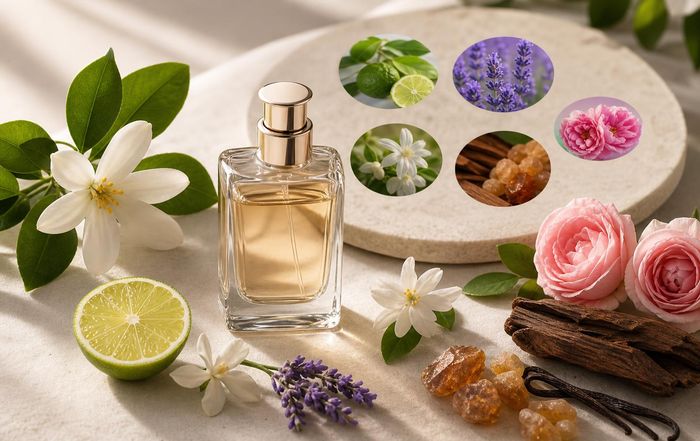
To choose fragrance notes wisely, it is crucial to understand how a perfume is constructed and how it evolves on the skin throughout the day. The classic fragrance pyramid of top, heart, and base notes remains the cornerstone of perfumery, even as niche houses and experimental brands push creative boundaries. Top notes, often light citrus or aromatic accords, form the first impression that evaporates quickly; heart notes, typically floral, spicy, or fruity elements, define the main character of the fragrance; base notes, including woods, resins, and musks, provide longevity and depth. Resources such as Fragrantica and Basenotes offer extensive databases where consumers can explore these structures and learn more about fragrance families and accords. For everyday wear, understanding this architecture allows individuals to select notes that open cleanly for professional or social settings, develop comfortably over hours, and settle into a base that remains pleasant in close contact environments such as offices, public transport, or shared workspaces.
Matching Fragrance Notes to Lifestyle and Environment
Everyday fragrance selection is fundamentally contextual, shaped by climate, culture, and professional environment. In warmer regions such as Singapore, Thailand, Brazil, and parts of South Africa, lighter compositions built around citrus, aquatic, green, and airy floral notes tend to project freshness without becoming cloying in heat and humidity. In cooler climates, including Scandinavia, Canada, and parts of Germany, richer accords such as amber, woods, and soft gourmands can feel comforting and appropriate for daily use. Organizations like the World Meteorological Organization provide climate insights that indirectly influence how perfumers and consumers think about seasonal wear, while fashion and lifestyle outlets such as Vogue regularly highlight how scent trends vary by region and weather patterns. Readers who follow global beauty and lifestyle perspectives on BeautyTipa International will recognize that a fragrance that feels refined in London or Paris might be overwhelming in Bangkok or Kuala Lumpur, and that everyday notes should be chosen with sensitivity to local norms and environmental conditions.
In professional settings, particularly in sectors such as finance, law, healthcare, and corporate technology, understated elegance is often more appropriate than bold olfactory statements. Soft florals, transparent musks, delicate woods, and subtle citrus accords project professionalism and respect for shared spaces. Reports on workplace etiquette from sources like the Harvard Business Review and Forbes emphasize the importance of minimizing potential irritants in open-plan offices, including overly strong perfumes, and encourage individuals to consider colleagues with scent sensitivities. For those exploring business and career-focused beauty decisions at BeautyTipa, this alignment between fragrance choice and workplace culture is becoming an essential dimension of professional polish.
Skin Chemistry, Health, and Longevity
Fragrance does not exist in a vacuum; it interacts with the skin's microbiome, hydration level, and natural oil production, which means that the same perfume can smell entirely different from one person to another. Dermatological research, such as that shared by the American Academy of Dermatology, indicates that factors including skin type, pH balance, and even ongoing skincare routines can influence how fragrance molecules develop over time. Those who follow skincare guidance on BeautyTipa increasingly understand that moisturized, well-cared-for skin not only looks healthier but also holds fragrance more effectively, allowing lighter notes to last longer and base notes to unfold more smoothly.
Health and sensitivity considerations have also become central to everyday fragrance choices. Rising awareness of allergies, asthma, and contact dermatitis has prompted many consumers in the United States, Europe, and Asia-Pacific to scrutinize ingredient lists and seek out hypoallergenic or dermatologist-tested options. Regulatory bodies such as the European Chemicals Agency (ECHA) and information hubs like the U.S. Food and Drug Administration (FDA) offer guidance on fragrance allergens and labelling, while independent organizations such as the Environmental Working Group (EWG) provide databases where consumers can explore ingredient safety in personal care products. For BeautyTipa readers who prioritize health, wellness, and holistic self-care, choosing fragrance notes for everyday wear increasingly involves evaluating both olfactory appeal and potential impacts on skin and respiratory comfort.
Fragrance Families and Their Everyday Suitability
Understanding the major fragrance families helps individuals quickly identify which notes and compositions are more likely to blend seamlessly into daily life. Citrus fragrances, built around bergamot, lemon, grapefruit, and orange, are widely considered the most universally acceptable for daytime and professional environments, providing an impression of cleanliness and energy without overwhelming those nearby. Floral fragrances, from classic rose and jasmine to modern interpretations featuring peony, magnolia, and neroli, can be ideal for everyday wear when composed with transparency and balance, avoiding overly indolic or heavy accords that might feel too intimate for office use.
Woody fragrances, featuring notes such as cedarwood, sandalwood, vetiver, and patchouli, add sophistication and grounding, making them particularly attractive to business professionals in markets like the United Kingdom, Germany, and Japan, where understated elegance is highly valued. Gourmand notes, including vanilla, tonka bean, praline, and cocoa, have surged in popularity globally, supported by trend analyses from firms such as Mintel and Euromonitor International, yet for everyday wear they are most successful when softened and balanced with airy florals or woods to avoid becoming overly sweet. Those who track fragrance and beauty trends on BeautyTipa will recognize that hybrid compositions-such as citrus-woody or floral-gourmand blends-are increasingly favored for their versatility across work, social, and casual contexts.
Cultural and Regional Preferences in Everyday Fragrance
Fragrance preferences are deeply influenced by cultural heritage, local climate, and historical associations, which means that everyday notes suitable in one region may not resonate in another. In France and Italy, there is a long-standing appreciation for sophisticated chypre and aromatic compositions, where mossy, herbal, and citrus notes create a refined yet approachable character. In the Middle East and parts of Asia, including the United Arab Emirates and Saudi Arabia, resinous, oud-based, and amber-heavy fragrances remain highly valued, although many consumers now seek lighter, more office-friendly interpretations of these traditional accords. In East Asia, particularly in Japan and South Korea, there is a strong cultural preference for gentle, skin-like scents that emphasize cleanliness and subtlety, often built around soft musks, tea accords, and delicate florals.
Industry organizations such as Cosmetics Europe and the Personal Care Products Council in North America regularly report on these regional nuances, which inform how global fragrance houses design and market everyday scents. Fashion and lifestyle platforms like Business of Fashion and WWD also analyze how cultural shifts and generational changes, especially among Gen Z and younger millennials, are reshaping expectations around fragrance intensity, gender neutrality, and sustainability. For BeautyTipa's international readership, understanding these cultural patterns supports more informed choices when shopping locally or online, and enriches the experience of exploring beauty and fashion across borders.
Sustainability, Ethics, and Ingredient Transparency
By 2026, sustainability and ethical sourcing have become central pillars of the global fragrance conversation. Consumers in markets such as the United Kingdom, Germany, the Netherlands, and Scandinavia increasingly demand clarity about where raw materials are sourced, how they are harvested, and what environmental impact their production entails. Organizations like the Roundtable on Sustainable Palm Oil (RSPO) and initiatives from the United Nations Environment Programme (UNEP) highlight the importance of responsible agricultural practices and biodiversity protection, while many leading fragrance houses collaborate with local communities to ensure fair labor conditions and long-term ecological stewardship.
For everyday fragrance wearers, this shift means that choosing notes is not solely about aesthetics; it is also about aligning scent preferences with personal values. Natural ingredients such as sandalwood, vanilla, and patchouli are now often sourced through certified sustainable programs, while advances in green chemistry allow for the creation of high-quality synthetic molecules that reduce pressure on endangered plant species. Those who wish to learn more about sustainable business practices in beauty and personal care can see how ethical considerations increasingly influence product development, marketing, and consumer education. On BeautyTipa, readers exploring brands and products are encouraged to look beyond the olfactory profile and evaluate how a fragrance aligns with broader commitments to environmental responsibility and social impact.
Integrating Fragrance into Daily Routines and Rituals
Fragrance is most effective when it is integrated thoughtfully into a broader daily routine rather than treated as an afterthought. Many consumers now build layered rituals that begin with scented body washes or soaps, followed by complementary lotions or creams, and conclude with a final spritz of perfume or cologne, creating a cohesive and long-lasting scent profile. Wellness research from organizations such as the Cleveland Clinic and Mayo Clinic has highlighted the psychological benefits of consistent self-care rituals, including reduced stress and improved mood, which aligns with the growing interest in fragrance as a tool for emotional regulation and daily grounding.
For those who follow routines and habit-building advice on BeautyTipa, the key to everyday fragrance success lies in choosing notes that harmonize with skincare products, haircare, and even makeup styles. A bright, citrus-forward morning scent might pair well with minimal, natural makeup and a clean, professional wardrobe, while a soft, woody-floral composition could complement evening transitions, casual social gatherings, or hybrid work-from-home days. The modern emphasis on hybrid lifestyles-balancing office, remote work, and personal commitments-means that a versatile everyday scent should feel appropriate across multiple contexts without requiring constant reapplication or dramatic changes in character.
Fragrance, Wellness, and Emotional Wellbeing
As the boundaries between beauty and wellness continue to blur, fragrance is increasingly recognized for its role in emotional health and cognitive performance. Olfactory research from institutions such as Monell Chemical Senses Center and studies published in journals accessible through PubMed demonstrate that certain fragrance notes can influence mood, alertness, and stress levels. Citrus and aromatic herbs are often associated with increased energy and concentration, making them ideal for daytime and work environments, while lavender, chamomile, and soft musks are linked with relaxation and stress reduction, suitable for evening or post-work routines.
For readers who prioritize health, fitness, and holistic wellness, selecting everyday fragrance notes can become part of a broader strategy for emotional self-management. A professional in a high-pressure role in New York, London, or Singapore might choose a refined citrus-woody scent for daytime confidence and clarity, then transition to a calming, lavender-forward composition in the evening to support decompression and sleep quality. Nutrition and lifestyle guidance from sources such as Harvard T.H. Chan School of Public Health and World Health Organization (WHO) increasingly emphasize multi-dimensional approaches to wellbeing, and fragrance is emerging as a subtle yet powerful tool in this holistic toolkit, complementing thoughtful food and nutrition choices and regular physical activity.
Career Opportunities and Expertise in the Fragrance World
The growing complexity and sophistication of the fragrance market have created diverse career opportunities across product development, marketing, retail, and technology. Aspiring professionals in the United States, Europe, and Asia can explore roles ranging from perfumery and sensory science to digital fragrance marketing and e-commerce strategy. Educational institutions such as ISIPCA in France and specialized programs highlighted by Cosmetics & Toiletries provide training in fragrance chemistry, evaluation, and formulation, while business schools and online learning platforms offer courses in brand management and luxury marketing.
The rise of artificial intelligence, data analytics, and virtual try-on tools, documented by organizations like McKinsey & Company and Deloitte, is reshaping how consumers discover and select fragrances online, making digital literacy and technological fluency increasingly valuable in fragrance-related careers. For readers of BeautyTipa exploring jobs and employment opportunities in beauty and personal care, this evolving landscape presents opportunities to combine creative sensibilities with scientific and business expertise, contributing to a more personalized, transparent, and consumer-centric fragrance industry.
Practical Strategies for Building an Everyday Fragrance Wardrobe
Building an effective everyday fragrance wardrobe requires a deliberate approach that blends self-knowledge, experimentation, and strategic purchasing. Rather than accumulating a large number of similar scents, many sophisticated consumers now curate a compact but versatile collection that covers core daily needs. A typical wardrobe might include a bright, clean scent for professional daytime wear, a soft, comforting fragrance for casual and home settings, and a slightly richer yet still refined composition for social occasions that remain within the bounds of everyday appropriateness.
Industry experts and perfumers interviewed by publications such as Allure and Elle often recommend testing fragrances on skin over several hours, paying attention to how the top notes transition into heart and base, and evaluating whether the final dry-down feels comfortable in close proximity. Online tools and discovery sets offered by major brands and niche houses allow consumers in regions from North America to Asia-Pacific to experiment with different notes and families without committing to full bottles. For BeautyTipa's readers who rely on guides and tips, it is increasingly important to approach fragrance shopping with clarity about preferred notes, tolerance for intensity, and the specific contexts in which the scent will be worn, whether that is a corporate office in Toronto, a creative studio in Berlin, or a co-working space in Melbourne.
The Beautiful Future of Everyday Fragrance Selection
Looking to the horizon, the process of choosing fragrance notes for everyday wear is poised to become even more personalized, data-driven, and integrated with broader beauty and lifestyle ecosystems. Advances in biotechnology and green chemistry are enabling the creation of novel molecules and sustainable alternatives to traditional raw materials, while digital platforms and AI-powered tools are beginning to offer highly tailored recommendations based on individual preferences, skin type, climate, and even wardrobe choices. Reports from KPMG and Accenture on the future of retail and consumer behavior suggest that virtual consultations, augmented reality scent exploration, and personalized subscription services will become increasingly common across markets in North America, Europe, and Asia.
For BeautyTipa and its community, this evolution reinforces the importance of combining technological innovation with human expertise and personal intuition. While algorithms can suggest likely preferences and streamline discovery, the deeply personal nature of scent means that final decisions will always rest on individual emotional responses and lived experiences. By staying informed through BeautyTipa's coverage of beauty technology, following global and regional trends, and cultivating an understanding of fragrance structures, wellness implications, and ethical considerations, readers can make confident, refined choices that reflect who they are and how they wish to be perceived each day.
Choosing fragrance notes for everyday wear is both an art and a disciplined practice. It requires awareness of personal chemistry, sensitivity to others, appreciation of cultural nuances, and a commitment to sustainability and wellbeing. For the fashionable hipster community of BeautyTipa, from New York to London, Bali to Penang, São Paulo to Sydney, this is an opportunity to transform fragrance from a simple adornment into a strategic, meaningful, and deeply satisfying expression of identity in the modern world.
