
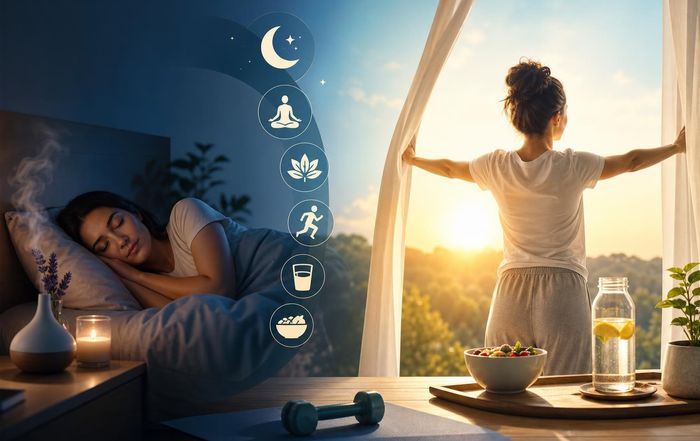
Wellness Habits for Better Sleep and Morning Energy
The New Currency of High Performance: Rest and Renewal
As global professionals operate across time zones, hybrid work models, and always-on digital ecosystems, high performers are increasingly recognizing that sustainable success is no longer defined solely by hours worked or meetings attended, but by the quality of their recovery and the consistency of their energy. For the audience of BeautyTipa and its international community of readers who care deeply about beauty, wellness, and performance, sleep has become not just a health metric but a strategic business asset and a visible component of personal brand, influencing appearance, cognitive sharpness, and emotional composure in equal measure.
Scientific consensus from institutions such as the National Institutes of Health and World Health Organization continues to affirm that adults generally need seven to nine hours of sleep per night, yet the global reality remains far from ideal. Remote work has blurred boundaries between professional and personal life, leading many in the United States, United Kingdom, Germany, and beyond to sacrifice rest in favor of late-night emails, streaming, or social media. At the same time, interest in integrated wellness, beauty routines, and performance optimization has grown rapidly, with readers turning to smart and safe resources like BeautyTipa's wellness insights to understand how sleep, skin health, mental focus, and daily rituals interconnect.
Within this context, wellness habits that improve sleep quality and morning energy are no longer "nice-to-have" lifestyle choices; they are foundational disciplines for anyone who wants to look better, think more clearly, lead more effectively, and build a resilient career in a volatile global economy.
Why Sleep Quality Matters More Than Ever
Sleep is now widely recognized by leading experts at organizations such as Harvard Medical School and Mayo Clinic as a critical pillar of long-term health, on par with nutrition and physical activity. Yet for many professionals in North America, Europe, and Asia, sleep deprivation has become normalized, even glamorized, as a perceived sign of dedication. This cultural mindset is increasingly at odds with evidence that chronic sleep restriction impairs executive function, reduces creativity, slows reaction time, and increases the risk of burnout, anxiety, and metabolic disorders.
From a beauty and skincare perspective, poor sleep is visibly reflected in dullness, under-eye shadows, inflammation, and slower skin regeneration. The skin's overnight repair processes, including collagen synthesis and barrier recovery, are closely linked to circadian rhythms, which means that irregular sleep patterns can undermine even the most advanced skincare routines. Readers who already follow BeautyTipa's skincare guidance understand that topical treatments alone cannot fully compensate for systemic fatigue, hormonal imbalance, and stress-induced inflammation.
In business and leadership contexts, insufficient sleep erodes emotional regulation, making it harder for executives and managers to respond constructively to pressure, manage conflict, or make high-stakes decisions. Studies summarized by McKinsey & Company indicate that sleep-deprived leaders are more likely to take excessive risks, misinterpret social cues, and struggle with strategic thinking, all of which can have material consequences for organizations operating in competitive markets from the United States and Canada to Singapore and South Korea. As a result, forward-thinking companies and entrepreneurs are reframing sleep as an essential component of performance management and corporate culture, aligning with the broader business and finance themes explored on BeautyTipa's business and finance section.
Circadian Rhythms, Chronotypes, and Global Lifestyles
Understanding circadian rhythms-the internal 24-hour clock that regulates sleep-wake cycles, hormone release, body temperature, and metabolism-has become crucial for globally mobile professionals and remote teams. Research from The Sleep Foundation and Cleveland Clinic shows that disruptions to circadian alignment, such as late-night screen exposure, irregular meal times, and frequent travel across time zones, can significantly degrade sleep quality even if total hours in bed appear sufficient.
Chronotypes, the individual variations that determine whether someone is naturally inclined to be an early riser or a night owl, also influence how people in different regions structure their days. In cities like London, New York, Berlin, and Tokyo, late-night working patterns and social activities often conflict with early-morning expectations, creating chronic misalignment between biological preference and professional demands. While not everyone can redesign their schedule entirely, aligning as many daily habits as possible with one's natural chronotype-such as timing intense cognitive work during peak alertness windows and reserving lower-stakes tasks for energy dips-can meaningfully improve both productivity and sleep.
For readers building personalized routines, the intersection of circadian science and daily practice is where theory becomes actionable. By pairing sleep-aware scheduling with consistent morning and evening rituals, individuals can create a stable rhythm that supports not only rest but also the beauty, fitness, and nutrition goals highlighted across BeautyTipa's guides and tips.
Evening Rituals That Protect Sleep and Enhance Beauty
The hours between finishing work and turning off the lights are often the most decisive for sleep quality, yet they are also the most vulnerable to digital distraction, late-night snacking, and emotionally intense content. A deliberate evening routine, designed with both physiology and aesthetics in mind, can become a powerful anchor for better rest and visible renewal.
From a skincare perspective, a structured nighttime regimen-cleansing, treating, and moisturizing-signals to the body that the day is winding down. Dermatology experts referenced by American Academy of Dermatology emphasize that nighttime is optimal for using active ingredients such as retinoids and certain exfoliating acids, as the skin is in repair mode and less exposed to environmental stressors. When this routine is performed at a consistent time, under softer lighting, without multitasking, it becomes more than a cosmetic ritual; it becomes a behavioral cue that supports the brain's transition toward sleep. Readers who follow BeautyTipa's beauty content can integrate these practices with their preferred brands and products to create a personalized, calming sequence.
Equally important is managing exposure to blue light from phones, tablets, and laptops, which can suppress melatonin production and delay sleep onset. While many devices now include night modes, behavioral boundaries often matter more than technology alone. Experts at Stanford Medicine recommend minimizing stimulating digital content at least one hour before bed, replacing it with analog activities such as reading printed materials, light stretching, or journaling. For professionals in fast-paced sectors, this digital wind-down can be framed as a strategic separation from work, protecting cognitive resources for the next day rather than a mere wellness indulgence.
Nutrition and hydration choices in the evening also influence sleep. Heavy, late meals, excessive caffeine, and high-sugar snacks can disrupt digestion and cause nighttime awakenings, while moderate, balanced dinners and mindful hydration support more stable rest. Guidance from Harvard T.H. Chan School of Public Health suggests prioritizing whole foods, lean proteins, and complex carbohydrates earlier in the evening, aligning with the broader nutrition principles that readers explore through BeautyTipa's food and nutrition coverage.
Stress, Mental Health, and the Sleep-Energy Loop
The relationship between stress, mental health, sleep, and morning energy is circular and self-reinforcing. High stress levels make it difficult to fall asleep or stay asleep; poor sleep, in turn, amplifies emotional reactivity, anxiety, and negative thinking, which then further undermines rest. In 2026, with economic uncertainty, geopolitical tensions, and rapid technological change affecting professionals across Europe, Asia, Africa, and the Americas, this loop is a lived reality for many.
Psychologists and neuroscientists, including those cited by American Psychological Association, increasingly advocate for micro-practices that can be integrated into busy schedules rather than relying solely on extended meditation retreats or vacations. Short, structured breathing exercises, brief body scans, and simple gratitude practices can help down-regulate the nervous system, especially when performed consistently in the evening. These techniques do not require special equipment and can be implemented in apartments in Paris, offices in Toronto, or hotel rooms in Singapore with equal effectiveness.
For those dealing with persistent insomnia, chronic anxiety, or depressive symptoms, evidence-based interventions such as cognitive behavioral therapy for insomnia (CBT-I) have shown strong results and are recommended by organizations like NHS in the United Kingdom. While lifestyle adjustments are valuable, recognizing when professional support is needed is a hallmark of responsible self-management and reflects the trustworthiness and authoritativeness that the BeautyTipa audience expects from wellness guidance.
Morning Routines That Build Sustainable Energy
Morning energy is not solely determined by the previous night's sleep; it is also shaped by the first decisions made upon waking. In many high-performing cultures, mornings have become almost ritualized, with routines that blend hydration, movement, light exposure, and intentional planning. However, the most effective routines are those that are realistic, sustainable, and aligned with personal and professional responsibilities rather than aspirational extremes.
Hydration immediately after waking helps counter the mild dehydration that often accompanies sleep, supporting circulation, skin plumpness, and cognitive clarity. Light exposure, ideally natural daylight within the first hour of waking, helps anchor circadian rhythms and improves alertness, as emphasized by sleep researchers at National Sleep Foundation. For readers in northern regions such as Sweden, Norway, and Finland, where winter daylight is limited, light therapy devices can serve as effective supplements when used consistently and safely.
Physical movement, whether in the form of a structured workout, yoga, or a brisk walk, further stimulates circulation and releases endorphins, which can improve mood and focus throughout the day. The integration of fitness and beauty is increasingly evident, as regular exercise supports not only cardiovascular health but also skin vitality and posture, aligning with the holistic approach promoted on BeautyTipa's health and fitness section. For time-pressed professionals, even 10-15 minutes of intentional movement can create a noticeable difference in energy and mental clarity.
A concise but intentional skincare and grooming routine in the morning also plays a psychological role. When individuals see a rested, polished version of themselves in the mirror-supported by adequate sleep and thoughtful product choices-they are more likely to feel confident in client meetings, presentations, or negotiations. Resources such as BeautyTipa's routines hub and makeup coverage offer practical frameworks for building morning rituals that respect both aesthetic goals and time constraints.
Nutrition, Metabolism, and Daytime Alertness
Daytime energy is deeply influenced by the timing, composition, and consistency of meals. The global trend toward ultra-processed convenience foods, combined with irregular eating patterns driven by back-to-back virtual meetings, has contributed to energy crashes, mood swings, and metabolic strain among knowledge workers in markets from the United States and Canada to Australia and New Zealand. Nutrition experts featured by Academy of Nutrition and Dietetics emphasize that stable blood sugar, adequate protein intake, and a balance of healthy fats and fiber are essential for sustained focus.
A nutrient-dense breakfast or first meal that includes protein, complex carbohydrates, and healthy fats can help stabilize energy levels and reduce mid-morning cravings. In contrast, high-sugar, low-fiber options can produce rapid spikes and crashes in blood glucose, undermining concentration and productivity. Aligning meal timing with natural energy rhythms-front-loading more substantial meals earlier in the day and avoiding heavy, late-night eating-supports both sleep and metabolic health, echoing the integrated approach to wellness and beauty that BeautyTipa promotes across its international readership.
Caffeine, a staple in many business cultures from Italy and France to Brazil and Japan, can be a useful tool when used strategically. However, excessive consumption or late-day intake can disrupt sleep architecture, leading to lighter, more fragmented rest. Guidance from Johns Hopkins Medicine suggests limiting caffeine in the afternoon and paying attention to individual sensitivity, especially for those already experiencing sleep difficulties.
Technology, Wearables, and the Quantified Self
The intersection of beauty, wellness, and technology has accelerated rapidly, and by 2026, many professionals are wearing devices that track sleep stages, heart rate variability, and activity levels around the clock. Companies such as Apple, Samsung, and specialized health-tech providers have made sleep data more accessible than ever, while software platforms increasingly integrate these metrics into broader health dashboards. This evolution aligns closely with topics covered in BeautyTipa's technology and beauty section, where readers explore how digital tools can support or undermine wellbeing.
While wearables can provide valuable insights into patterns-such as late bedtimes, frequent awakenings, or low deep-sleep percentages-experts caution against over-fixation on nightly scores, a phenomenon sometimes called "orthosomnia." Organizations like Cleveland Clinic advise using data as a guide rather than a verdict, focusing on long-term trends and how individuals actually feel during the day rather than chasing perfect numbers. For many in high-pressure roles, the goal is to use technology to identify leverage points-such as reducing late-night screen time or optimizing bedroom environments-rather than creating additional anxiety.
Smart home ecosystems are also evolving to support sleep hygiene, from tunable lighting systems that mimic natural daylight patterns to climate control solutions that maintain ideal bedroom temperatures. In dense urban environments across Asia, Europe, and North America, these tools can help compensate for external noise, light pollution, or irregular work schedules, providing a more controlled setting for restorative rest.
Corporate Culture, Careers, and the Economics of Sleep
The conversation around sleep and morning energy has moved beyond individual wellness into the realm of organizational strategy. In competitive industries-finance, technology, consulting, creative services-leaders are increasingly aware that chronic fatigue among employees translates into errors, slower innovation, and higher turnover. Reports by organizations such as World Economic Forum and OECD highlight the economic costs of sleep deprivation, including lost productivity and increased healthcare expenditures, across regions from North America and Europe to Asia-Pacific and Latin America.
Forward-thinking companies in the United States, Germany, the Netherlands, and Singapore are experimenting with policies that indirectly support sleep: flexible start times, meeting-free mornings, protected focus blocks, and explicit discouragement of after-hours emails. These initiatives are not purely altruistic; they are designed to enhance cognitive performance, creativity, and employee engagement. For professionals navigating careers in beauty, fashion, wellness, and technology, the ability to manage sleep and energy becomes a differentiating skill, directly impacting job performance and advancement, themes that resonate with readers of BeautyTipa's jobs and employment section.
Entrepreneurs and independent professionals, from London-based skincare founders to Seoul-based beauty-tech innovators, face a different challenge: the absence of external structure. For them, designing boundaries around work hours, digital communication, and travel schedules is essential to prevent burnout and maintain the creativity needed to build brands and products that appeal to discerning consumers worldwide. In these contexts, sleep becomes not merely a personal health metric but a strategic resource for long-term brand building and innovation.
Integrating Beauty, Fashion, and Lifestyle into Restorative Habits
For the global audience of BeautyTipa, wellness habits are inseparable from aesthetic expression and lifestyle choices. Sleepwear, bedding, and even bedroom design have become part of the broader fashion and beauty narrative, with consumers in markets such as France, Italy, Spain, and South Korea seeking products that are both functional and visually aligned with their personal style. The rise of "sleep beauty" collections-from silk pillowcases to overnight masks-reflects a growing recognition that the hours spent in bed are an active part of one's beauty routine rather than an off-stage interval.
Fashion and beauty brands, including major players and emerging labels, are increasingly collaborating with sleep experts and wellness practitioners to create products and campaigns that emphasize rest as aspirational rather than passive. This evolution mirrors the trends and events that BeautyTipa tracks in its trends and events coverage, where global launches, trade shows, and conferences highlight the convergence of aesthetics, technology, and health.
At the lifestyle level, aligning social schedules, evening entertainment, and travel habits with sleep goals can be challenging but rewarding. Professionals in cosmopolitan hubs such as New York, London, Dubai, and Hong Kong are learning to navigate invitations, late-night networking, and red-eye flights with a more strategic mindset, balancing short-term opportunities against long-term wellbeing. For many, the shift involves moving from a fear of missing out to a deliberate focus on energy management, recognizing that showing up rested, focused, and composed is ultimately more impactful than simply being present at every event.
A Global, Holistic Perspective on Rest and Renewal
Across continents and cultures, the pursuit of better sleep and morning energy reflects a deeper shift in how individuals define success, beauty, and quality of life. In 2026, the most effective wellness habits are not extreme or performative; they are grounded in science, adapted to local realities, and integrated into daily routines in ways that respect both ambition and biology. For readers of BeautyTipa, this integration is particularly meaningful, as it connects the visible aspects of beauty and fashion with the invisible foundations of health, resilience, and emotional balance.
By combining consistent evening wind-down rituals, thoughtful morning routines, strategic nutrition, mindful use of technology, and an honest assessment of work culture and personal boundaries, individuals in the United States, United Kingdom, Germany, Canada, Australia, France, Italy, Spain, Netherlands, Switzerland, China, Sweden, Norway, Singapore, Denmark, South Korea, Japan, Thailand, Finland, South Africa, Brazil, Malaysia, New Zealand, and beyond can build a sustainable rhythm that supports both performance and appearance. The journey is inherently personal, shaped by culture, profession, family responsibilities, and individual preferences, yet the underlying principles are universal.
As BeautyTipa continues to explore the intersections of beauty, wellness, skincare, routines, brands, technology, and global trends through its international platform at beautytipa.com, sleep and morning energy will remain central themes. They are the quiet engines behind radiant skin, confident presence, strategic thinking, and creative innovation. In a world that often rewards speed and visibility, choosing to prioritize rest is both a personal act of self-respect and a strategic decision that can shape careers, relationships, and long-term wellbeing.
