
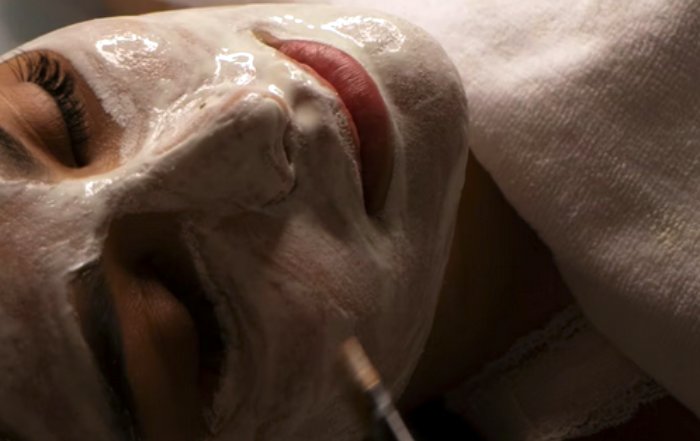
DIY Face Masks for All Skin Types Using Natural Ingredients
The Rise of Conscious Skincare and the Role of DIY Beauty
As the beauty industry rolls on, the global conversation around skincare has shifted decisively toward transparency, ingredient literacy, and personal empowerment, and within this landscape, do-it-yourself face masks using natural ingredients have become a powerful expression of both self-care and informed consumer choice. Around the world, from the United States and the United Kingdom to South Korea, Japan, Germany, and Brazil, consumers are not only scrutinizing ingredient labels on commercial products but are also experimenting in their own kitchens, using familiar foods and botanicals to create targeted treatments that align with their values and skin needs. For BeautyTipa and its community, this movement is not a passing trend but an extension of a broader shift toward holistic beauty, where skin health, emotional wellbeing, and sustainable living reinforce one another in daily routines.
The appeal of DIY face masks lies in their accessibility and adaptability: a single pantry can provide hydrating, calming, brightening, and clarifying ingredients that can be blended in countless ways to suit dry, oily, combination, sensitive, or mature skin. At the same time, a more educated audience is increasingly aware that "natural" does not automatically mean "safe" or "effective," and that evidence-based guidance is essential when applying kitchen ingredients directly to the skin. As global authorities such as the American Academy of Dermatology and the British Association of Dermatologists continue to emphasize patch testing, barrier protection, and careful use of actives, platforms like BeautyTipa are positioned to translate this expertise into practical, home-friendly advice that respects both science and tradition.
Visitors who already explore the dedicated skincare insights on BeautyTipa and its broader beauty coverage will recognize that DIY masks are most effective when they are integrated thoughtfully into a complete routine, rather than treated as quick fixes. This article therefore examines natural face masks from a professional, global, and business-aware perspective, showing how individuals can safely incorporate them into modern lifestyles while brands, entrepreneurs, and professionals respond to this evolving demand.
Understanding Skin Types Before Mixing Ingredients
Before anyone in New York, London, Berlin, Singapore, or São Paulo reaches for honey, yogurt, or green tea, understanding skin type is the critical first step, because the same ingredient that soothes dry cheeks can aggravate oily or reactive areas. Dermatological consensus, reflected in resources from the Mayo Clinic and Cleveland Clinic, continues to categorize skin broadly into normal, dry, oily, combination, and sensitive, with additional considerations for acne-prone and mature skin. Each of these categories has distinct needs in terms of hydration, sebum management, barrier support, and tolerance to exfoliating or aromatic ingredients.
Dry skin, frequently reported in colder climates such as Scandinavia, Canada, and parts of Northern Europe, tends to benefit from occlusive and emollient components like plant oils, yogurt, and honey, which can reinforce the lipid barrier and reduce transepidermal water loss. Oily and acne-prone skin, common among younger demographics in fast-paced urban centers like Seoul, Tokyo, and Los Angeles, often responds better to lightweight, non-comedogenic ingredients such as aloe vera, green tea, and certain clays that can help manage excess sebum without stripping the skin. Combination skin, which is widespread across global populations, requires a more nuanced approach that addresses oilier zones like the T-zone differently from drier areas of the face, sometimes using multi-masking strategies in a single session.
Sensitive and reactive skin, including conditions such as rosacea and eczema, demands particular caution, as emphasized by organizations such as the National Eczema Association. For these individuals, fragrance-free, low-acid, and minimally processed ingredients are preferable, and patch testing is not optional but essential. Mature skin, a growing demographic in aging societies across Europe, North America, and East Asia, often needs antioxidant-rich and barrier-supportive components that help counteract environmental stressors and maintain elasticity. Within the BeautyTipa community, readers who explore wellness-focused content understand that diet, sleep, stress, and hormonal changes further influence how skin types behave, making a holistic view indispensable when designing DIY treatments.
Core Natural Ingredients: Evidence, Safety, and Global Traditions
The popularity of DIY masks is supported by centuries of traditional use in regions as diverse as India, South Korea, France, and Brazil, yet modern consumers also expect alignment with contemporary dermatological understanding, which is increasingly shaped by research from bodies like the National Institutes of Health and the European Academy of Dermatology and Venereology. Honey, for example, has been used in Mediterranean, Middle Eastern, and Asian beauty rituals for generations, and current studies highlight its humectant, soothing, and mild antimicrobial properties, especially in its raw or minimally processed forms. Plain yogurt and kefir, common in European and Middle Eastern cuisines, contribute lactic acid in gentle concentrations alongside fats and proteins, making them valuable for mild exfoliation and barrier support when used sparingly.
Aloe vera, cultivated widely from Spain and Italy to South Africa and Mexico, is recognized for its cooling and hydrating qualities, with gel extracts frequently used to calm irritation and sun exposure; however, whole-leaf preparations can contain compounds that may irritate sensitive skin, underscoring the importance of using properly prepared gel products. Green tea, central to cultural practices in Japan, China, and Korea, contains catechins such as EGCG, which have been studied for antioxidant and anti-inflammatory effects, making brewed and cooled green tea or its powdered forms attractive additions to masks aimed at calming redness or supporting skin exposed to urban pollution. Oatmeal, long recommended by institutions like the Johns Hopkins Medicine for sensitive and itchy skin, provides beta-glucans and colloidal particles that can help soothe irritation when finely ground and mixed with water or milk.
Clays such as kaolin and bentonite, mined and refined in regions including France, the United States, and Australia, are valued for their ability to absorb oil and impurities from the skin's surface, yet they must be used judiciously to avoid excessive dryness or barrier disruption, particularly in arid climates or during winter. Plant oils such as jojoba, argan, and sweet almond, sourced from North Africa, the Mediterranean, and North America, bring varying profiles of fatty acids and antioxidants, making them potent allies for dry and mature skin when used in thin layers. As BeautyTipa continues to expand its coverage of brands and products, it becomes increasingly important to distinguish between minimally processed, cosmetic-grade ingredients and raw kitchen staples, guiding readers toward safe, consistent options that respect both tradition and modern quality standards.
Tailoring DIY Masks for Dry and Dehydrated Skin
In regions with harsh winters such as Canada, Scandinavia, and parts of the United States, or in air-conditioned urban environments across Asia and the Middle East, dry and dehydrated skin is a common concern, and DIY masks can offer targeted relief when formulated thoughtfully. Ingredients rich in natural fats and humectants, including honey, yogurt, avocado, banana, and certain plant oils, can be combined into creamy, nourishing blends that help restore suppleness without overwhelming the skin. For example, a simple mixture of mashed avocado, a spoonful of plain yogurt, and a drizzle of honey can create a mask that provides lipids, mild lactic acid, and moisture-binding sugars, helping to smooth rough patches and support the skin barrier when left on for a short period and rinsed with lukewarm water.
However, even for dry skin, restraint is essential, as over-exfoliation or prolonged occlusion can paradoxically weaken the barrier and increase sensitivity, a point frequently emphasized in professional guidelines from the American Academy of Dermatology and similar organizations. Individuals in cities like London, Paris, or Berlin, where hard water and environmental pollution can further stress the skin, may benefit from limiting rich DIY masks to once or twice weekly and pairing them with a gentle, pH-balanced cleanser and a fragrance-free moisturizer. Within the BeautyTipa ecosystem, readers can deepen their understanding of how to integrate these treatments into structured routines, ensuring that hydrating masks complement, rather than replace, daily essentials such as serums and sunscreens.
Cultural practices also influence ingredient choices: in Mediterranean countries such as Italy and Spain, olive oil has long been a staple in home beauty recipes, while in India and Southeast Asia, ghee and coconut oil are frequently used in traditional care. While these oils can be beneficial for very dry, non-acne-prone skin, modern dermatology cautions that some may be comedogenic or too heavy for certain individuals, particularly those in humid climates like Singapore, Malaysia, or Thailand. By presenting a nuanced view that respects cultural heritage while referencing dermatological perspectives, BeautyTipa supports a more informed and globally relevant approach to DIY nourishment masks.
Clarifying and Balancing Masks for Oily and Acne-Prone Skin
For audiences in bustling, humid cities such as Seoul, Tokyo, Bangkok, and São Paulo, as well as younger populations in the United States, the United Kingdom, and Brazil, oily and acne-prone skin remains a dominant concern, and DIY masks can be appealing as a perceived "cleaner" alternative to aggressive over-the-counter treatments. Clays, green tea, aloe vera, and finely ground oats are among the most frequently recommended options for these skin types, as they can help absorb surface oil, calm inflammation, and gently refine texture without the harshness of high-concentration acids or alcohol. A balanced clay mask, for instance, might combine a mild clay like kaolin with brewed and cooled green tea and a small amount of honey, creating a paste that can be applied thinly to the T-zone and washed off before it fully hardens, reducing the risk of overdrying.
Professional bodies and reputable sources such as DermNet NZ and the NHS in the United Kingdom consistently remind consumers that acne is a medical condition influenced by hormones, genetics, and bacteria, and that DIY masks should be considered supportive rather than curative. Those with moderate to severe acne, or with scarring and cystic lesions, are generally encouraged to consult a dermatologist for prescription treatments, using home masks only as adjuncts to professionally guided regimens. Salicylic acid and benzoyl peroxide, commonly recommended for acne, are not easily or safely replicated with kitchen ingredients, which makes it even more important that individuals do not attempt to create high-strength acids at home using lemon juice or vinegar, practices that can cause burns and long-term damage.
In markets such as South Korea and Japan, where multi-step routines and gentle, layered care are deeply embedded in beauty culture, the integration of DIY masks often takes a more measured form, with consumers using them occasionally alongside advanced formulations from brands like Amorepacific or Shiseido, rather than as primary treatments. BeautyTipa, through its coverage of technology and beauty, highlights how innovations such as microbiome-friendly formulas and non-comedogenic emulsions can work hand in hand with simple, well-designed DIY masks, offering a hybrid approach that respects both science and simplicity.
Soothing Solutions for Sensitive and Reactive Skin
For individuals across Europe, North America, and Asia who experience sensitivity, redness, or conditions such as rosacea and eczema, DIY masks can be both a potential relief and a source of risk, depending on ingredient selection and application practices. Dermatology organizations, including the National Rosacea Society, consistently stress that fragrance, essential oils, raw citrus, and undiluted acids can trigger flares, even when they are derived from natural sources. As a result, the most suitable DIY masks for sensitive skin tend to rely on a small number of bland, soothing ingredients such as finely ground colloidal oatmeal, pure aloe vera gel, and plain, full-fat yogurt, applied in thin layers and rinsed off gently after a short period.
In Nordic countries like Sweden, Norway, and Finland, where cold, dry air and indoor heating can aggravate sensitivity, such calming masks can complement barrier-repairing moisturizers and humidified indoor environments. In hotter climates like South Africa, Australia, and parts of the United States, they can provide a cooling respite after sun exposure, although they must never be seen as substitutes for broad-spectrum sunscreen, which remains a non-negotiable element of any routine according to authorities like the Skin Cancer Foundation. Within the BeautyTipa platform, readers are encouraged to explore integrated perspectives on health and fitness, as overall inflammation, diet, and stress management significantly influence how reactive skin behaves.
Patch testing, performed on a small area such as the inner forearm or behind the ear, is a simple but critical practice that can prevent widespread reactions, and it is especially important for individuals in regions with high prevalence of allergies, such as parts of Western Europe and North America. By consistently reinforcing these safety measures and encouraging readers to track their skin's responses over time, BeautyTipa strengthens its role as a trusted guide in the global conversation about safe, evidence-informed DIY skincare.
Brightening and Antioxidant Masks for Dull or Mature Skin
As populations age in countries such as Japan, Italy, Germany, and South Korea, and as photoaging becomes a central concern in sunny regions like Australia, Spain, and South Africa, interest in brightening and antioxidant-rich masks continues to grow. Natural ingredients such as green tea, matcha, pomegranate, turmeric, and certain berries contain polyphenols and vitamins that can help neutralize free radicals at the skin's surface, offering gentle support alongside topical vitamin C, retinoids, and professional treatments. For instance, a mask combining cooled green tea, a small amount of honey, and finely ground oats can provide a mild brightening effect while also soothing and lightly exfoliating the skin.
However, modern dermatology, as reflected in resources from the Harvard Health Publishing, cautions against relying solely on DIY masks to address hyperpigmentation, melasma, or pronounced photoaging, conditions that often require carefully formulated actives and, in some cases, in-office procedures. Ingredients like turmeric, widely used in South Asian beauty traditions, can temporarily stain lighter skin tones and should be used sparingly and in low concentrations, particularly for individuals in Europe and North America who may be unfamiliar with its handling. Citrus juices, sometimes promoted in informal recipes, can cause phototoxic reactions and are generally discouraged for direct facial application, especially in sunny climates such as Brazil, Thailand, and Australia.
For the BeautyTipa audience, many of whom follow trends in beauty and fashion across international markets, the most sustainable approach to brightening involves combining antioxidant-rich diets, as promoted by organizations like the World Health Organization, with consistent sun protection, targeted serums, and occasional DIY masks that provide comfort and sensory pleasure rather than aggressive resurfacing. In this context, DIY treatments become part of a broader lifestyle strategy that respects the skin's long-term resilience and aligns with global best practices in dermatology.
Integrating DIY Masks into Holistic Routines and Modern Lifestyles
In 2026, beauty routines are no longer isolated from broader wellness, career, and financial considerations, and DIY masks must be understood within this holistic framework to deliver real value for consumers in cities from New York and Toronto to Zurich, Singapore, and Cape Town. Professionals balancing demanding careers in finance, technology, healthcare, and creative industries often seek efficient rituals that provide both visible results and psychological decompression, making a 15-minute mask session an important anchor in an otherwise hectic day. For many readers of BeautyTipa, who explore guides and tips across categories, the ideal routine is one that supports mental wellbeing, aligns with budget realities, and fits seamlessly into morning or evening schedules.
From a business and finance perspective, covered in depth on BeautyTipa's business and finance section, the rise of DIY skincare reflects a broader consumer shift toward value optimization and ingredient transparency, influencing how brands formulate, package, and market their products. Companies such as L'Oréal, Unilever, and Estée Lauder have responded by emphasizing ingredient storytelling, offering minimalist lines, and even releasing products designed to be mixed or layered with home ingredients, effectively bridging the gap between at-home creativity and laboratory-tested stability. At the same time, indie brands in markets like the United States, the United Kingdom, South Korea, and Australia are building business models around refillable packaging, concentrated bases, and community education, recognizing that a well-informed DIY enthusiast is not a lost customer but a potential lifelong advocate.
Technological advances, including AI-driven skin analysis and personalized recommendations, are also reshaping how consumers design their routines. As BeautyTipa tracks developments in beauty technology, it becomes clear that digital tools can help individuals in diverse climates-from humid Singapore to dry Dubai-understand how environmental factors, stress, and sleep affect their skin, and how DIY masks can be timed and selected for maximum benefit. In parallel, social media platforms and virtual events, similar to those highlighted on BeautyTipa's events page, are enabling cross-cultural exchanges where a traditional remedy from Thailand or Brazil can be shared, discussed, and refined in real time with audiences in Canada or the Netherlands.
Safety, Hygiene, and Regulatory Awareness in DIY Skincare
As DIY masks gain popularity across continents, safety and hygiene become crucial pillars of trustworthiness, particularly for a platform like BeautyTipa, which serves an international audience spanning North America, Europe, Asia, Africa, and South America. Basic practices such as washing hands, using clean bowls and utensils, avoiding cross-contamination between food and cosmetic tools, and preparing only small, single-use quantities of masks can significantly reduce the risk of bacterial growth and skin infections. Refrigeration can extend the life of some mixtures for a short period, but most experts advise discarding leftovers to avoid spoilage, a recommendation echoed by regulatory bodies such as the U.S. Food and Drug Administration and the European Commission's cosmetic guidelines.
Awareness of allergies and intolerances is equally important, especially in regions with high rates of food allergies such as the United States, the United Kingdom, and Australia; ingredients like dairy, nuts, and certain fruits can trigger reactions not only when ingested but also when applied topically. Individuals with a history of severe allergies or atopic conditions should consult healthcare professionals before experimenting with DIY treatments, and they may benefit from sticking to hypoallergenic, dermatologically tested products instead. By reinforcing these precautions, BeautyTipa underscores its commitment to evidence-based guidance and long-term skin health, rather than promoting uncritical enthusiasm for all things "natural."
Regulatory frameworks also vary by region, with Europe's stringent cosmetic regulations, North America's evolving standards, and Asia's dynamic markets all influencing how ingredients are sourced and labeled in commercial products. While home-made masks are not subject to the same oversight, consumers in Germany, France, Japan, and other highly regulated markets increasingly expect transparency and traceability even in the ingredients they purchase for DIY use. This convergence of consumer expectations and regulatory trends suggests that the next phase of DIY skincare will likely involve more collaboration between home formulators, professional brands, and regulatory experts, a development that BeautyTipa is well positioned to document and interpret for its readers.
The Future of DIY Face Masks and BeautyTipa's Role
Looking ahead to the remainder of the decade, DIY face masks are poised to remain a meaningful component of global beauty culture, evolving alongside advancements in dermatology, sustainability, and digital personalization. In markets from the United States and Canada to South Korea, Japan, and across Europe, consumers are likely to continue blending kitchen ingredients with high-performance products, creating hybrid routines that reflect both local traditions and global scientific consensus. As climate change, urban pollution, and lifestyle stressors intensify, the desire for simple, comforting rituals that reconnect individuals with tangible, natural textures and aromas will only grow, reinforcing the emotional and sensory appeal of DIY treatments.
For BeautyTipa, whose readers explore everything from makeup artistry and fashion to food and nutrition and international trends, DIY masks represent a nexus where beauty, wellness, culture, and commerce intersect. By combining clear, practical guidance with a commitment to Experience, Expertise, Authoritativeness, and Trustworthiness, the platform can help audiences in cities as diverse as New York, London, Berlin, Toronto, Sydney, Paris, Milan, Madrid, Amsterdam, Zurich, Shanghai, Stockholm, Oslo, Copenhagen, Singapore, Seoul, Tokyo, Bangkok, Helsinki, Johannesburg, São Paulo, Kuala Lumpur, and Auckland make informed, safe, and enjoyable choices about how they care for their skin at home.
As the conversation around beauty continues to globalize and professionalize, the most successful approaches will be those that respect individual differences in skin type, culture, climate, and lifestyle, while grounding recommendations in credible science and responsible practice. DIY face masks, when approached with this level of discernment, can be more than a fleeting social media trend; they can become a thoughtful, sustainable, and personally meaningful component of modern skincare, and BeautyTipa will remain a trusted companion on that journey for readers around the world.
