
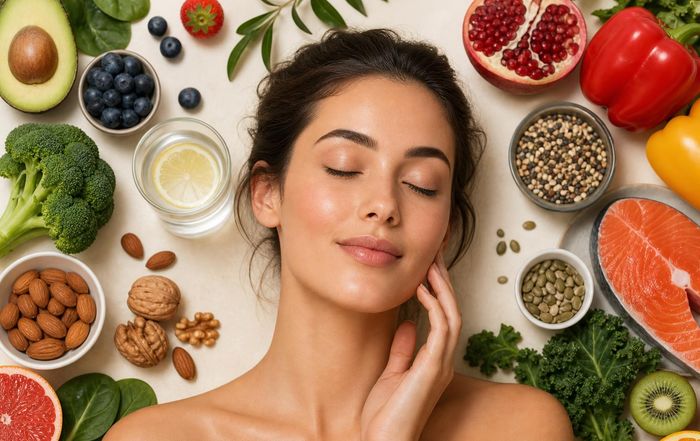
Nutrition Habits That Help Support Skin Balance
The Strategic Connection Between Nutrition and Skin Balance
The global beauty and wellness market has reached a level of maturity where nutrition is no longer treated as a peripheral consideration but as a central strategic pillar in any serious conversation about skin health and long-term skin balance. For the super audience of BeautyTipa and its global community, which spans the United States, Europe, Asia, and beyond, the question is no longer whether nutrition affects the skin, but how to translate rapidly evolving scientific insights into practical, sustainable habits that fit modern lifestyles, demanding careers, and diverse cultural food traditions. As leading dermatological and nutritional research from institutions such as Harvard T.H. Chan School of Public Health and the American Academy of Dermatology continues to underscore, the skin is not an isolated surface but a dynamic organ that reflects metabolic health, hormonal balance, immune function, and the quality of daily dietary choices, meaning that skin balance is fundamentally a systems outcome rather than a product of topical care alone.
For a platform like BeautyTipa, which bridges beauty, wellness, and business intelligence, the focus has shifted toward actionable, evidence-aligned nutrition habits that support a balanced skin barrier, stable sebum production, reduced reactivity, and resilient aging, all while recognizing that readers are managing careers, families, and cross-border lifestyles that demand flexibility as much as scientific rigor. Against the backdrop of rising interest in wellness, functional beauty, and longevity, nutrition has become one of the most powerful yet underutilized levers for achieving consistent, predictable improvements in skin quality across regions such as North America, Europe, and Asia, where dietary patterns and environmental exposures differ but the underlying biological mechanisms of skin remain remarkably similar.
Skin as a Reflection of Internal Balance
To understand why nutrition habits matter so profoundly for skin balance, it is necessary to view the skin as an integrated endpoint of multiple internal systems, including the gut, endocrine, immune, and nervous systems, all of which are continuously influenced by dietary intake, meal timing, and metabolic responses. Research highlighted by The British Association of Dermatologists has shown that inflammatory skin conditions such as acne, eczema, and psoriasis often correlate with systemic inflammation, blood sugar dysregulation, and altered lipid metabolism, which are themselves shaped by dietary patterns over months and years rather than single meals, implying that a stable, balanced diet can help reduce flare-ups and increase the predictability of the skin's behavior over time. Readers who explore skincare content on BeautyTipa increasingly recognize that cleansers, serums, and moisturizers are only one layer in a multi-dimensional strategy, and that internal balance is a prerequisite for topical products to perform consistently and optimally.
Global authorities such as the World Health Organization and European Food Safety Authority continue to emphasize whole-diet patterns over isolated nutrients, and this perspective aligns directly with the concept of skin balance, which is not achieved through a single "superfood" but through the cumulative effect of daily nutrition choices that stabilize blood sugar, optimize fatty acid profiles, support the gut microbiome, and deliver a broad spectrum of antioxidants and micronutrients. Learn more about how dietary patterns influence chronic inflammation and metabolic health through resources from the National Institutes of Health, which increasingly link cardiometabolic wellness with markers of skin aging and barrier function. This systemic view is especially relevant for professionals in urban centers from New York to London, Berlin, Singapore, and Seoul, where stress, pollution, and irregular schedules can amplify the consequences of nutritional imbalances on the skin.
Foundational Nutrition Principles for Balanced Skin
A growing body of evidence from organizations such as the Academy of Nutrition and Dietetics suggests that foundational dietary patterns supporting skin balance share several common characteristics across cultures, regardless of whether they are Mediterranean-inspired, plant-forward Asian, or Nordic in design. These patterns typically emphasize a high intake of vegetables, fruits, whole grains, and legumes; moderate portions of high-quality protein; and consistent inclusion of healthy fats, particularly omega-3 fatty acids, with minimal reliance on ultra-processed foods, refined sugars, and trans fats that are associated with elevated inflammatory markers and oxidative stress. For readers exploring guides and tips at BeautyTipa, this translates into building meals that are structurally balanced rather than obsessively restrictive, thereby supporting both skin health and long-term adherence.
The Mediterranean diet, recognized by organizations such as the Mayo Clinic as one of the most evidence-backed patterns for cardiovascular and metabolic health, also offers compelling advantages for skin balance because of its emphasis on extra virgin olive oil, nuts, seeds, fish, and abundant plant foods, all of which contribute polyphenols, carotenoids, vitamin E, and essential fatty acids that protect cell membranes and support barrier integrity. At the same time, traditional Japanese and Korean dietary patterns, which feature fermented foods, seaweed, soy, and diverse vegetables, provide a different but complementary route toward skin balance through microbiome support and mineral-rich ingredients, echoing the growing interest in Asia and Europe in "beauty from within" and nutricosmetics. For globally mobile professionals who split time between markets such as the United States, United Kingdom, Germany, and Singapore, adopting the underlying principles of these patterns rather than rigidly copying any single cuisine can offer a flexible framework that travels well across borders and business schedules.
Hydration as a Strategic Skin Investment
Hydration remains one of the most underestimated yet crucial pillars of skin balance, and in 2026, the conversation has matured beyond simplistic "eight glasses a day" rules toward a more nuanced understanding of how fluid intake, electrolytes, caffeine, alcohol, and environmental conditions interact. Scientific overviews from Cleveland Clinic and Johns Hopkins Medicine highlight that adequate hydration supports the transport of nutrients to skin cells, the removal of metabolic waste products, and the maintenance of turgor and elasticity, while chronic low-grade dehydration can amplify the appearance of fine lines, dullness, and sensitivity, particularly in climates where indoor heating or air conditioning is prevalent. For readers in regions such as Canada, the Nordics, and central Europe, where winters are long and indoor environments are dry, hydration strategy becomes even more critical for maintaining barrier function and preventing transepidermal water loss.
Professionals who travel frequently between time zones, from New York to London, Dubai, and Tokyo, often experience a combination of air travel, irregular sleep, and altered meal timing that can easily disrupt hydration balance, and proactive strategies such as carrying a refillable bottle, moderating diuretic beverages, and including hydrating foods like cucumbers, citrus, and leafy greens can make a tangible difference in skin comfort and appearance. On BeautyTipa, hydration is increasingly discussed not only in the context of topical humectants and occlusives within routines, but also as a daily operational habit that supports cognitive performance, energy levels, and skin resilience, aligning with the broader wellness and productivity goals of its international audience.
Balancing Blood Sugar for Clearer, Calmer Skin
One of the most important nutrition habits for supporting skin balance, particularly for those prone to breakouts or excess oil, involves stabilizing blood sugar and insulin responses through thoughtful carbohydrate choices and meal composition. Research summarized by Harvard Health Publishing and Diabetes UK indicates that diets high in refined carbohydrates and added sugars can lead to repeated spikes in blood glucose and insulin, which in turn may increase androgen activity, sebum production, and inflammatory mediators implicated in acne and other skin disturbances. For many readers in the United States, United Kingdom, and Australia, where ultra-processed foods and sugary beverages are widely available, this pattern can easily become the default without conscious intervention, leading to a cycle of skin flare-ups that may be mistakenly attributed solely to cosmetic products.
Adopting a low-to-moderate glycemic load approach, which emphasizes whole grains, legumes, vegetables, and intact fruits over refined flours and sugary snacks, can help smooth blood sugar curves and reduce the hormonal and inflammatory volatility that destabilizes the skin. Resources from Glycemic Index Foundation and American Diabetes Association provide practical frameworks for identifying lower-glycemic options, while BeautyTipa complements this with lifestyle-focused content that aligns food and nutrition choices with beauty outcomes, making the link between a well-constructed lunch and a calmer complexion in the following days. This habit is particularly relevant for busy professionals who rely on convenience foods during workdays, as even small adjustments-such as replacing sugary drinks with water or herbal tea and choosing whole-grain bases over refined versions-can meaningfully influence skin behavior over time.
Healthy Fats and the Skin Barrier
The integrity and flexibility of the skin barrier are heavily influenced by the quality and composition of dietary fats, and in 2026, there is stronger consensus than ever among dermatologists and nutrition scientists that essential fatty acids, particularly omega-3s, play a substantial role in modulating inflammation, maintaining barrier lipids, and supporting overall skin balance. Organizations such as the American Heart Association and National Health Service (NHS) emphasize regular intake of fatty fish, flaxseeds, chia seeds, walnuts, and certain algae-based sources to meet omega-3 requirements, and emerging research suggests that adequate omega-3 status may help reduce dryness, redness, and sensitivity, especially in climates with harsh winters or high pollution levels. For readers in countries such as Germany, Sweden, Norway, and Canada, where seasonal changes can be pronounced, this nutritional strategy becomes an important complement to barrier-supportive skincare.
At the same time, moderating excessive intake of omega-6-rich processed oils and trans fats, often found in fast food and heavily processed snacks, can help maintain a more favorable inflammatory balance, which is crucial for conditions such as acne, rosacea, and eczema. Learn more about the relationship between dietary fats and inflammation through educational resources from Linus Pauling Institute at Oregon State University, which offer nuanced overviews of fatty acid metabolism and its systemic effects. On BeautyTipa, the intersection of healthy fats, beauty, and performance is framed not only as a matter of skin appearance but also as a strategic investment in cognitive function and hormonal balance, both of which are central to sustained success in demanding professional environments across North America, Europe, and Asia-Pacific.
Antioxidant-Rich Foods and Environmental Stressors
In an era where urbanization, air pollution, blue light exposure, and climate volatility are increasing across major hubs from Los Angeles and London to Shanghai and São Paulo, antioxidant-rich nutrition habits have become indispensable for maintaining skin balance and slowing visible signs of environmental aging. The Environmental Working Group and European Environment Agency highlight the growing burden of pollutants and oxidative stressors on human health, and this external pressure underscores the importance of a diet that consistently supplies vitamins C and E, carotenoids such as beta-carotene and lycopene, and polyphenols from berries, dark leafy greens, citrus, tomatoes, green tea, and cocoa. These compounds help neutralize free radicals, support collagen synthesis, and protect cellular structures, thereby reinforcing both the functional and aesthetic aspects of skin health.
Global research, including analyses shared by PubMed and National Center for Biotechnology Information, continues to demonstrate that higher intake of colorful plant foods is associated with better markers of skin aging and elasticity, suggesting that the diversity and regularity of antioxidant intake may be more important than any single ingredient or supplement. For BeautyTipa readers who track trends in beauty and wellness, this aligns with the rise of "skin longevity" and "inside-out" beauty strategies, in which daily salads, fruit, herbal infusions, and minimally processed plant-based snacks are viewed as part of a comprehensive anti-pollution and anti-aging protocol, alongside SPF, antioxidants in topical formulations, and lifestyle measures such as adequate sleep and stress management.
Gut Health, Microbiome, and Skin Homeostasis
The gut-skin axis has moved from emerging hypothesis to mainstream consideration in both medical and consumer circles, with institutions such as King's College London and Stanford Medicine publishing work that links gut microbial diversity and integrity with systemic inflammation, immune modulation, and skin conditions ranging from acne to atopic dermatitis. A nutrition strategy that supports gut health-emphasizing fiber-rich vegetables, fruits, legumes, whole grains, and fermented foods such as yogurt, kefir, kimchi, and sauerkraut-can help foster a more balanced microbiome, enhance short-chain fatty acid production, and reduce intestinal permeability, all of which are thought to play roles in maintaining calm, resilient skin. This is particularly relevant in regions where diets have become highly processed and low in fiber, such as parts of North America and Western Europe, where digestive issues and skin concerns frequently coexist.
Readers interested in the science behind the microbiome can explore educational materials from The Microbiome Center at the University of Chicago or the American Gastroenterological Association, which outline how dietary patterns shape microbial ecosystems over time. Within BeautyTipa's health and fitness and wellness coverage, the gut-skin connection is often positioned as a strategic opportunity: by making relatively modest but consistent changes to fiber intake and fermented food consumption, individuals can influence not only digestion and energy but also the predictability and stability of their skin, reducing the frequency of unexplained flare-ups that are often attributed solely to topical products or environmental shifts.
Protein, Collagen, and Structural Skin Support
Protein intake remains an essential, though sometimes underestimated, component of skin balance, as amino acids are required for the synthesis of collagen, elastin, keratin, and the enzymes that orchestrate repair processes throughout the skin. Organizations such as Dietary Guidelines for Americans and Health Canada recommend adequate daily protein intake tailored to age, sex, activity level, and health status, and for skin health, this translates into ensuring that each meal contains a meaningful source of high-quality protein from fish, poultry, eggs, dairy, soy, legumes, or carefully planned plant-based combinations. In markets such as the United States, United Kingdom, and Australia, where high-protein diets are popular in fitness communities, the challenge often lies more in quality and distribution across the day than in total quantity, whereas in parts of Asia, Africa, and South America, access and cultural preferences may shape protein choices in different ways.
Collagen supplements have gained significant traction globally, with brands across Europe, North America, and Asia positioning collagen powders and drinks as beauty essentials, and while evidence from sources like Journal of Cosmetic Dermatology suggests that certain forms of hydrolyzed collagen may offer modest benefits for skin elasticity and hydration, these products are most effective when integrated into a broader pattern of balanced nutrition, adequate vitamin C intake, and lifestyle habits that limit collagen degradation, such as minimizing smoking and excessive sun exposure. BeautyTipa covers brands and products in this space with an emphasis on critical evaluation, encouraging readers to view collagen and protein strategies as part of a structural support system for the skin rather than as isolated quick fixes, especially for professionals in their 30s, 40s, and beyond who prioritize long-term resilience over short-term cosmetic changes.
Regional and Cultural Adaptation of Skin-Supportive Nutrition
Because BeautyTipa serves a diverse, international readership spanning North America, Europe, Asia, Africa, and South America, any discussion of nutrition habits for skin balance must acknowledge regional food cultures, availability, and socioeconomic realities. In the Mediterranean region, including countries such as Italy, Spain, and France, traditional eating patterns already align closely with many skin-supportive principles, and the strategic opportunity lies in preserving these habits amid modern pressures toward fast food and ultra-processed options. In Nordic countries like Sweden, Norway, Denmark, and Finland, the use of fatty fish, root vegetables, and rye can be leveraged to support omega-3 intake and fiber diversity, while in East Asian markets such as Japan, South Korea, and China, the integration of fermented foods, seaweed, and green tea provides a strong foundation for microbiome and antioxidant support.
In emerging and rapidly urbanizing markets across Asia, Africa, and South America, including Brazil, South Africa, Thailand, and Malaysia, rising incomes and urban lifestyles often bring increased access to processed foods alongside traditional ingredients, creating both risks and opportunities for skin health. Organizations such as the Food and Agriculture Organization (FAO) and UNICEF provide valuable perspectives on how dietary transitions influence health outcomes at population level, and these insights can inform both individual choices and corporate strategies in the beauty and wellness industry. BeautyTipa's international coverage increasingly explores how local cuisines-from Mediterranean mezze to Japanese washoku and Brazilian fruit-rich diets-can be reframed as powerful assets in a global skin-health strategy, allowing readers to work with, rather than against, their cultural food heritage.
Integrating Nutrition with Beauty, Technology, and Business
By 2026, the convergence of nutrition, skincare, and technology has reshaped how consumers, professionals, and brands approach skin balance, with digital tools, personalized analytics, and data-driven guidance becoming integral to decision-making. Wearable devices, continuous glucose monitors, and microbiome testing, offered by companies across the United States, Europe, and Asia, now allow individuals to see in real time how meals, sleep, and stress influence metabolic markers that indirectly affect the skin, while AI-driven platforms and telehealth services connect users with nutritionists and dermatologists across borders. Resources from McKinsey & Company and Deloitte illustrate how the global beauty and wellness market is increasingly oriented toward personalization and integrated solutions, and this shift is reflected in BeautyTipa's technology and beauty and business and finance coverage.
For professionals working in beauty, wellness, and related sectors, understanding the strategic role of nutrition in skin balance is no longer a niche interest but a competitive advantage, informing product development, marketing narratives, corporate wellness programs, and consumer education initiatives across markets from the United States and United Kingdom to Singapore and New Zealand. As more companies-from legacy players like L'Oréal and Estée Lauder to emerging innovators in nutricosmetics and functional foods-invest in cross-disciplinary research and partnerships with universities and medical institutions, the integration of evidence-based nutrition guidance into beauty ecosystems will likely become a baseline expectation rather than a differentiator. BeautyTipa positions itself at this intersection, helping its global audience navigate not only what to apply on the skin, but also what to consume, how to interpret scientific claims, and where to identify credible opportunities in careers, entrepreneurship, and investment within this rapidly evolving landscape.
Building Sustainable Nutrition Habits for Long-Term Skin Balance
Ultimately, the most powerful nutrition habits for supporting skin balance are those that can be sustained over years rather than weeks, fitting into the realities of modern life in cities from New York and Toronto to Paris, Berlin, Singapore, and Sydney. This means prioritizing patterns over perfection: consistently including colorful vegetables and fruits, choosing whole grains and legumes over refined options, incorporating healthy fats and quality protein, supporting gut health with fiber and fermented foods, staying adequately hydrated, and moderating added sugars, ultra-processed foods, and excessive alcohol. Resources from World Cancer Research Fund and Heart Foundation reinforce that such patterns not only benefit the skin but also reduce the risk of chronic diseases, creating a powerful alignment between aesthetic goals and long-term health.
For the BeautyTipa growing fashion community, which covers beauty enthusiasts, industry professionals, entrepreneurs, and executives across continents, integrating these habits requires a blend of knowledge, planning, and flexibility, supported by reliable information and practical guidance. By connecting nutrition insights with skincare, makeup, fashion, and broader lifestyle content, BeautyTipa provides a holistic platform where readers can design routines and strategies that reflect both personal values and professional ambitions. In 2026 and beyond, skin balance will increasingly be recognized not as a cosmetic luxury but as a visible marker of internal equilibrium, resilience, and intentional living-and nutrition, when approached with expertise, authoritativeness, and trustworthiness, remains one of the most effective levers available to individuals and organizations seeking to elevate both appearance and performance in a complex, globalized world.
