
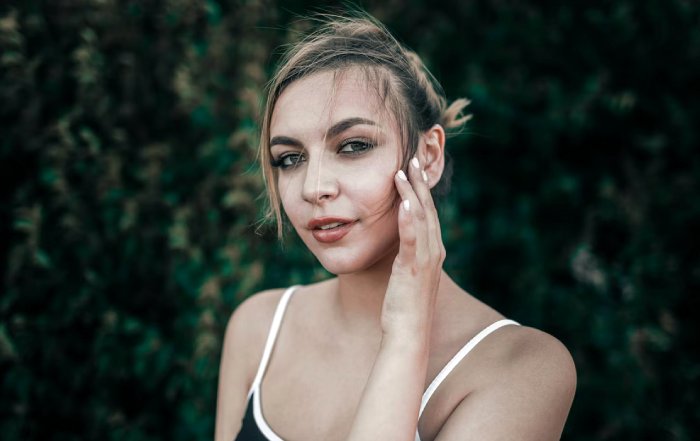
Makeup Techniques for Enhancing Natural Features
The Evolution of Natural Beauty: From Trend to Standard
The global beauty industry has firmly shifted from heavy, mask-like makeup toward refined techniques that enhance rather than conceal natural features, reflecting a broader cultural movement toward authenticity, transparency, and skin health. Across major markets including the United States, the United Kingdom, Germany, Canada, Australia, France, Italy, Spain, the Netherlands, Switzerland, China, South Korea, Japan, and emerging hubs in Africa and South America, consumers increasingly prioritize products and routines that support their own bone structure, complexion, and lifestyle instead of chasing a single, universal ideal. On BeautyTipa, this shift is reflected in the steady growth of interest in subtle complexion work, minimalist eye looks, and hybrid skincare-makeup products that serve both aesthetic and wellness goals, as readers look for techniques that are sustainable, realistic, and aligned with professional and personal demands.
This evolution has been shaped by several converging forces: social media fatigue with filters and heavy editing, regulatory pressure for clearer ingredient disclosure, and the rising influence of dermatologists and cosmetic chemists who emphasize barrier-friendly formulas. Leading industry analyses from platforms such as McKinsey & Company and Deloitte have documented how the "skinification" of makeup and the demand for natural-looking results are no longer niche phenomena but core drivers of product development and marketing strategy. Against this backdrop, makeup techniques for enhancing natural features have become a strategic focus not only for consumers but also for brands, retailers, and professionals navigating a more informed and discerning global audience.
Skin as the Foundation: The Rise of Complexion-First Beauty
The foundation of enhancing natural features is, quite literally, the skin itself. In 2026, complexion-first beauty has matured into a disciplined, evidence-based approach that merges dermatological insights with artistry. Rather than using full-coverage foundations to create a blank canvas, professionals now prioritize targeted correction that allows real skin texture, freckles, and undertones to remain visible, creating a polished yet believable finish that performs well under both natural light and high-definition cameras. On BeautyTipa, readers increasingly begin their exploration of makeup through resources dedicated to skincare and holistic wellness, reflecting an understanding that makeup can only perform optimally when applied over a healthy, well-prepared surface.
Visitors who explore the dedicated skincare insights on BeautyTipa consistently encounter the principle that effective makeup starts with tailored cleansing, hydration, and protection, particularly through daily sunscreen use, which is strongly supported by dermatological guidance from organizations such as the American Academy of Dermatology. In practice, enhancing natural features means choosing lightweight complexion products, such as skin tints, serum foundations, and tinted moisturizers, often enriched with ingredients like niacinamide, hyaluronic acid, and ceramides that complement existing routines rather than conflict with them. Global brands such as Estée Lauder, L'Oréal, Shiseido, and Amorepacific have heavily invested in hybrid formulas that bridge skincare and makeup, while niche labels in markets like South Korea and Japan continue to refine luminous, breathable bases that support the "my-skin-but-better" aesthetic.
Understanding Facial Architecture: Working With, Not Against, Natural Structure
Enhancing natural features effectively requires a nuanced understanding of facial architecture, including bone structure, muscle placement, and individual asymmetries that give each face its unique character. Professional makeup artists increasingly rely on anatomical principles, often referencing educational resources such as Mayo Clinic's anatomical overviews and training programs from institutions like the Make-Up Designory and London College of Fashion, to design techniques that subtly balance features rather than impose a rigid template. For business audiences and professionals who consult BeautyTipa for practical guidance, this knowledge translates into more tailored services and recommendations that respect cultural, ethnic, and age-related diversity.
Instead of the extreme contouring that dominated earlier in the decade, 2026 techniques favor soft sculpting using cream products that are only a shade or two deeper than the natural skin tone, applied sparingly along the natural shadows of the face. Light, strategic highlighting focuses on areas where light naturally hits-such as the high points of the cheekbones, the bridge of the nose, and the brow bone-using finely milled, low-shimmer formulas that mimic healthy skin radiance rather than metallic shine. Readers who consult the routines section on BeautyTipa often discover step-by-step approaches that respect their existing face shape, whether round, oval, heart-shaped, or angular, and learn to enhance what is already present instead of attempting to reshape their features drastically.
The Global Minimalist Complexion: Regional Nuances in Natural-Looking Base Makeup
While the overarching movement toward natural enhancement is global, regional nuances remain strong and are crucial for brands and professionals to understand. In North America and the United Kingdom, the dominant look in 2026 is a softly matte or satin complexion with strategic glow, reflecting workplace expectations and the influence of hybrid office environments where individuals need makeup that appears professional on camera and in person. In contrast, markets like South Korea, Japan, and Singapore continue to embrace luminous, translucent finishes that emphasize youthfulness and hydration, often achieved through cushion foundations and multi-step priming techniques that blur pores while maintaining a dewy effect.
In Europe, particularly in France, Italy, Spain, and the Nordic countries, the preference leans toward sheer coverage and subtle correction, aligning with long-standing cultural associations between understated grooming and sophistication. Data from organizations such as Euromonitor International and Statista confirm that consumers across these regions increasingly select base products that promise breathable, long-wear comfort rather than full opacity. For BeautyTipa, which serves a readership spanning these geographies, editorial coverage in the beauty category emphasizes adaptable techniques that can be fine-tuned to local climates, skin tones, and workplace cultures, ensuring that readers from Germany to Brazil to South Africa can translate global inspiration into context-appropriate routines.
Eyes: Subtle Definition for Maximum Impact
Enhancing natural features through eye makeup in 2026 revolves around subtle definition that respects the eye's natural shape, lash line, and lid structure, rather than dramatic transformations that obscure individuality. The focus has shifted from heavy cut creases and thick liner to techniques such as tightlining, soft shading, and strategic curling that open the eyes while remaining nearly invisible to the casual observer. From a professional standpoint, this approach is well-suited to corporate and client-facing environments across major financial and technology hubs, where polished but not overly theatrical makeup is often preferred.
Tightlining-applying eyeliner to the upper waterline-has become a cornerstone technique, favored for its ability to thicken the appearance of lashes without a visible line on the lid. Soft, neutral eyeshadows in matte or satin finishes are used to gently shade the socket line, enhancing depth while maintaining a natural look that works seamlessly from daytime meetings to evening events. As readers explore makeup-focused content on BeautyTipa, they frequently encounter guidance on selecting shade families that complement their natural eye color, referencing principles similar to those outlined by color theory resources found through platforms like Pantone and academic design programs. In Asia, particularly in South Korea, Japan, and Thailand, gradient eyeshadow techniques in soft browns, peaches, and taupes continue to dominate, providing gentle dimension that harmonizes with the region's preference for understated elegance.
Brows: Framing the Face with Soft Structure
Eyebrows remain one of the most influential features in determining overall facial expression, yet the aesthetic standard in 2026 has moved decisively away from overly sculpted, blocky shapes toward softly structured brows that follow the natural hair pattern. The "laminated" look, once characterized by extreme, glossy lift, has been refined into a more wearable, softly brushed-up style that focuses on grooming and filling sparse areas with hair-like strokes rather than heavy shading. This approach aligns with dermatological advice from organizations such as the Cleveland Clinic that caution against over-plucking and aggressive treatments that can damage hair follicles.
For professionals, the modern brow philosophy emphasizes restraint: mapping is used to identify the natural starting point, arch, and tail, but the goal is to enhance existing shape rather than impose a uniform template. On BeautyTipa, brow tutorials within guides and tips focus on selecting textures and tools-such as fine-tipped pencils, tinted gels, and micro-thin pens-that allow precise, feathered strokes, especially important for mature clients or those with naturally sparse brows. In global markets from the United States to Singapore and Denmark, this softer brow aesthetic aligns with corporate grooming standards and the broader wellness-driven desire to appear rested, open, and approachable.
Lips: Enhancing Natural Shape and Color
In 2026, lip makeup techniques center on enhancing natural shape and color with nuanced, comfortable formulas that prioritize hydration and barrier support. The shift from rigid, overdrawn lips to softly defined contours reflects both aesthetic preferences and the influence of dermatological research highlighting the vulnerability of the lip area, which lacks oil glands and is prone to dryness and photodamage. Organizations such as the Skin Cancer Foundation emphasize the importance of SPF in lip products, prompting many global brands to incorporate UV filters and protective oils into tinted balms, stains, and sheer lipsticks.
Techniques for enhancing natural lips now commonly involve diffused lip liner, where the pencil is applied slightly inside or directly on the natural lip line and then gently blended to avoid harsh borders. Soft, neutral shades tailored to individual undertones-rosy browns, muted berries, and warm peaches-are favored for everyday wear in professional settings across North America, Europe, and Asia-Pacific. For BeautyTipa readers, especially those navigating formal environments in cities like London, New York, Frankfurt, Singapore, and Tokyo, editorial coverage emphasizes adaptable lip routines that transition seamlessly from daytime meetings to evening networking events, often paired with understated eye looks for a balanced, polished appearance.
The Intersection of Skincare, Wellness, and Makeup
The modern philosophy of enhancing natural features cannot be separated from the broader wellness movement that has permeated the beauty industry. Consumers increasingly view makeup as one component of a holistic routine that includes nutrition, sleep, stress management, and physical activity, all of which influence skin health, texture, and radiance. Reputable health and wellness organizations such as the World Health Organization and Harvard T.H. Chan School of Public Health have highlighted the role of diet, hydration, and lifestyle in skin quality, and these insights are reflected in product development and consumer education across major beauty markets.
On BeautyTipa, this integration is particularly evident in cross-category content that links wellness, health and fitness, and food and nutrition with daily makeup routines, underscoring the message that a naturally enhanced look is most effective when supported by underlying health. Hybrid products that combine cosmetic and treatment benefits-such as foundations with probiotics, blushes infused with botanical extracts, and mascaras formulated with conditioning agents-are increasingly positioned as tools for long-term maintenance rather than short-term camouflage. This integrative perspective resonates strongly with professionals and executives who seek efficient, multi-functional routines that align with demanding schedules and a growing emphasis on work-life balance.
Technology, AI, and Personalization in Natural-Look Makeup
Technological innovation has profoundly reshaped how individuals learn, select, and apply makeup techniques that enhance their natural features. By 2026, AI-driven tools, augmented reality try-on experiences, and data-rich beauty platforms have become mainstream, enabling hyper-personalized recommendations that consider not only skin tone and type but also lifestyle, climate, and cultural preferences. Technology leaders such as L'Oréal and Sephora have invested heavily in virtual try-on and diagnostic tools, leveraging advances in computer vision and machine learning documented by organizations like the MIT Media Lab and the IEEE Computer Society. These tools allow users to experiment with subtle complexion adjustments, brow shapes, and lip tones that enhance their features without the risk or waste associated with physical trial and error.
For BeautyTipa, which maintains a dedicated section on technology in beauty, this technological landscape is both an editorial focus and a practical resource for readers. Professionals can now access AI-powered consultations that suggest minimal, natural-looking routines tailored to their specific needs, while brands can analyze anonymized data to identify emerging preferences for finishes, textures, and color harmonies in markets from the United States and Canada to Singapore, South Korea, and Brazil. This data-driven personalization supports the broader movement toward authenticity by helping consumers discover techniques that genuinely complement their unique features rather than pushing them toward uniform trends.
Business, Finance, and the Economics of Natural Enhancement
The commercial implications of the shift toward enhancing natural features are substantial and measurable. Industry reports from organizations such as the Business of Fashion and KPMG highlight that categories aligned with natural-looking results-tinted moisturizers, skin tints, cream blushes, brow gels, and sheer lip products-have outpaced traditional full-coverage and high-drama items in many markets. This trend is particularly pronounced in premium and masstige segments, where consumers are willing to invest in fewer, higher-quality items that deliver both aesthetic and skincare benefits.
For beauty entrepreneurs, investors, and corporate leaders who rely on BeautyTipa and its business and finance coverage, the pivot toward natural enhancement presents both opportunities and challenges. On one hand, the demand for subtle, multi-functional products opens avenues for innovation and differentiation; on the other, it requires brands to invest in sophisticated R&D, transparent ingredient sourcing, and robust education to build trust with increasingly knowledgeable consumers. In emerging markets across Africa, South America, and Southeast Asia, the appetite for aspirational yet realistic beauty ideals is driving growth in local brands that celebrate regional features and skin tones, while established global companies are compelled to adapt their shade ranges, marketing narratives, and training programs to remain competitive.
Employment, Skills, and Professional Development in the New Makeup Landscape
The professional skill set required of makeup artists, beauty advisors, and content creators has evolved significantly alongside consumer preferences. Mastery of techniques that enhance natural features now demands not only artistic ability but also a strong grasp of skin health, product chemistry, and personalized consultation. Educational institutions and industry bodies increasingly integrate dermatological basics, color science, and digital literacy into their curricula, aligning with broader employment trends documented by organizations such as the World Economic Forum and OECD.
For readers exploring jobs and employment topics on BeautyTipa, this shift underscores the importance of continuous upskilling and cross-disciplinary learning. Professionals in cities like New York, London, Berlin, Toronto, Sydney, Paris, Milan, Seoul, and Tokyo are expected to provide nuanced, culturally sensitive guidance that respects individual features and regional aesthetics, whether working in retail, editorial, bridal, or corporate environments. The ability to design quick, natural-looking routines for clients with demanding schedules has become a competitive advantage, especially in sectors such as finance, law, and technology where discreet, polished grooming is often the norm.
Global Events, Culture, and the Visibility of Natural-Look Makeup
The visibility of natural-feature-enhancing makeup techniques has been amplified by global events and cultural moments that prioritize authenticity and relatability. Red carpet appearances, fashion weeks, and industry conferences increasingly showcase looks that highlight real skin, subtle contouring, and softly defined eyes and lips, as documented by fashion and culture platforms like Vogue and Business Insider. This aesthetic is particularly evident at events in major fashion capitals such as Paris, Milan, London, New York, and Tokyo, but it is also gaining traction at regional showcases in cities across Africa, South America, and Southeast Asia, where local talent reinterprets the natural look through diverse cultural lenses.
Within BeautyTipa's events and trends coverage, readers encounter analyses of runway and red-carpet looks that translate high-fashion inspiration into wearable, everyday techniques suitable for varied climates, skin tones, and professional contexts. The prominence of natural enhancement on global stages reinforces the idea that sophistication and success are not dependent on heavy transformation but on intelligent, respectful amplification of one's own features. This message resonates strongly with a generation of consumers who value transparency, sustainability, and mental well-being as much as aesthetic outcomes.
The Future of Enhancing Natural Features: Where BeautyTipa Fits In
Looking ahead, the trajectory of makeup techniques for enhancing natural features points toward even deeper integration of science, technology, and individualized care. Advances in biomimetic pigments, adaptive textures, and AI-driven personalization are likely to produce products that respond dynamically to skin conditions, environmental factors, and user preferences, further blurring the line between skincare and makeup. Regulatory developments in regions such as the European Union, the United States, and Asia will continue to shape ingredient standards and claims, reinforcing a focus on safety, transparency, and long-term skin health, as reflected in ongoing discussions by bodies like the European Commission and the U.S. Food and Drug Administration.
In this evolving landscape, BeautyTipa positions itself as a trusted, globally minded platform that connects readers to evidence-based insights, practical techniques, and strategic business perspectives across beauty, wellness, skincare, routines, brands and products, trends, technology, employment, and international developments. By curating content that respects regional diversity while highlighting shared values of authenticity and care, the platform supports individuals and professionals from North America, Europe, Asia, Africa, and South America in refining makeup approaches that honor their natural features and broader life goals. For readers navigating the intersection of personal expression, professional presence, and long-term well-being, the techniques of 2026 are less about transformation and more about alignment-between inner confidence, outer presentation, and the evolving standards of a global, informed beauty community that BeautyTipa is proud to serve.
