
Digital Beauty Services Changing Client Expectations
The New Digital Front Door of Beauty
Digital beauty services have moved from novelty to necessity, reshaping how clients discover, evaluate, purchase, and experience beauty, wellness, and personal care across every major market. From New York and London to Seoul, Berlin, Singapore, and São Paulo, clients now expect seamless digital journeys that connect inspiration, education, consultation, and purchase in a single, fluid ecosystem, and this transformation is redefining how brands, retailers, salons, and clinics compete for attention, trust, and loyalty. For BeautyTipa, whose fashion and make-up, watching readers span beauty, wellness, skincare, makeup, fashion, and health-conscious lifestyles, this shift is not just a technological story but a strategic evolution in how value, expertise, and authenticity are delivered to increasingly informed and demanding consumers.
Where beauty once relied heavily on in-store discovery, print media, and word-of-mouth, clients now begin and often complete their journeys through digital platforms, whether they are exploring new skincare routines, comparing clinical-grade treatments, or booking wellness experiences. Online discovery is driven by social platforms, search engines, and editorial hubs such this, which curates insights across beauty, skincare, trends, and brands and products, while also guiding readers toward practical routines and guides and tips tailored to their evolving needs. As digital channels mature, client expectations are converging around four core pillars: hyper-personalization, seamless omnichannel experiences, transparent expertise, and ethical responsibility, and these are increasingly non-negotiable for clients across the United States, Europe, and Asia-Pacific.
From Browsing to Belonging: The Rise of Hyper-Personalized Journeys
Personalization has become the defining expectation in digital beauty services, moving far beyond simple product recommendations toward dynamic, data-informed journeys that anticipate needs, adapt to preferences, and respond to real-time behavior. Clients who visit a beauty platform or retailer now expect tailored content, individualized skincare or makeup suggestions, and contextually relevant offers based on their skin type, tone, lifestyle, and even regional climate. Many leading brands and retailers have adopted AI-driven recommendation engines inspired by the personalization frameworks popularized by Amazon, and beauty-specific platforms are increasingly leveraging machine learning models to interpret skin concerns, ingredient sensitivities, and aesthetic goals.
This shift is particularly visible in skincare and wellness, where clients are seeking evidence-based personalization anchored in dermatological research, ingredient science, and lifestyle data. Platforms that integrate credible resources, such as dermatology guidance from organizations like the American Academy of Dermatology or health data insights from institutions like the Mayo Clinic, are better positioned to build trust with clients who are wary of unsubstantiated claims. In parallel, editorial destinations such as BeautyTipa are curating deeper, more nuanced content that helps readers translate complex science into practical routines, bridging the gap between expert knowledge and daily practice through sections dedicated to wellness, health and fitness, and food and nutrition.
Personalization in 2026 is also increasingly multimodal, combining visual analysis, self-reported data, and behavioral signals. Clients across the United States, Canada, the United Kingdom, Germany, France, Italy, Spain, and the Netherlands are comfortable sharing photos or videos for virtual assessments, provided that data handling is transparent and secure. At the same time, Asian markets such as South Korea, Japan, Singapore, and Thailand are advancing even more sophisticated personalization ecosystems, blending K-beauty routines, device-based diagnostics, and AI-driven coaching experiences. This global cross-pollination of best practices is raising expectations worldwide, as clients in Europe, North America, and the rest of Asia increasingly compare their experiences across borders through social media and online communities.
Virtual Consultations and AI Beauty Advisors Redefining Expertise
Virtual beauty consultations, once a stopgap solution during the early 2020s, have now become a central pillar of client engagement strategies for brands, clinics, and salons around the world. Clients can connect with licensed estheticians, dermatologists, and trained beauty advisors via video, chat, or asynchronous messaging, often integrated into brand websites, retailer platforms, or specialized telehealth providers. In markets such as the United States, Canada, the United Kingdom, and Australia, teledermatology has matured into a regulated, insurance-recognized service category, with providers drawing on clinical standards informed by bodies such as the National Institutes of Health and the World Health Organization, which enhances the perceived legitimacy of digital skincare recommendations.
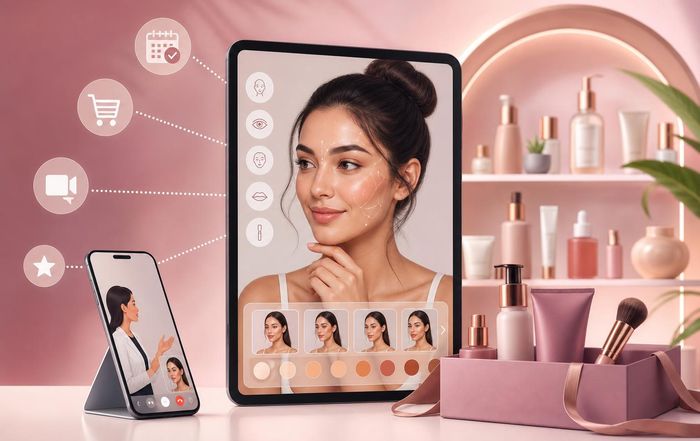
The rapid evolution of AI-powered beauty advisors is further transforming the consultation landscape. Algorithms trained on large datasets of skin images, product formulations, and clinical literature are now capable of suggesting skincare routines, makeup shades, and even professional treatments with a high degree of accuracy. Leading global brands such as L'Oréal, Estée Lauder Companies, and Shiseido have invested heavily in AI and computer vision, often collaborating with technology leaders like Google and Microsoft to integrate virtual try-on, shade matching, and real-time skin analysis into their digital platforms. Clients in markets from Germany and Switzerland to South Korea and Japan have grown accustomed to using their smartphone cameras to virtually test foundations, lipsticks, and eye looks, and to receive tailored recommendations based on their facial features and skin conditions.
However, as AI advisors grow more capable, clients are also becoming more discerning about the boundaries between automation and human expertise. Many now expect a hybrid model in which AI handles initial assessments and product curation, while human professionals provide nuanced guidance, adjust for cultural context, and address complex skin concerns. Platforms like BeautyTipa play a critical role in helping clients understand where AI excels, where human expertise remains irreplaceable, and how to interpret claims about "AI-powered" diagnostics or routines. By offering balanced coverage across technology and beauty, business and finance, and international perspectives, the site helps readers evaluate the credibility of digital offerings in an increasingly crowded marketplace.
Omnichannel Expectations: Blending Online, In-Store, and At-Home Experiences
In 2026, clients no longer perceive a meaningful divide between online and offline beauty experiences; they expect a unified journey that allows them to research online, test in-store, purchase through any channel, and receive ongoing digital support and education. Leading retailers such as Sephora, Ulta Beauty, Douglas, and Boots have invested heavily in omnichannel infrastructure, enabling features such as "reserve online, try in-store," curbside pickup, and integrated loyalty programs that track behavior across web, app, and physical locations. Clients in the United States, United Kingdom, France, Germany, Italy, Spain, and the Nordics increasingly rely on retailer apps not only for transactions but also for personalized content, appointment booking, and event discovery.
At-home experiences are also becoming more sophisticated, with connected beauty devices, wearable sensors, and smart mirrors bringing elements of the clinic and salon into the client's home. Companies like Philips, Dyson, and Foreo have popularized high-performance hardware for haircare, skincare, and oral beauty, while device-based skincare brands are partnering with dermatology experts to ensure that their protocols align with evolving clinical standards. Clients who invest in premium devices expect continuous digital support, including app-based coaching, usage tracking, and dynamic routine updates informed by ongoing skin measurements. Resources from organizations such as the European Commission and the U.S. Food and Drug Administration are increasingly referenced by both brands and consumers when assessing the safety and regulatory status of advanced devices, particularly those that border on medical aesthetics.
For BeautyTipa, which serves readers interested in both aspirational beauty and practical routine-building, this omnichannel reality creates new opportunities to guide decision-making. Articles that connect product reviews with usage routines, event coverage, and technology insights help clients design integrated beauty lifestyles that align with their budgets, values, and regional market realities. Sections such as events and fashion further enrich this ecosystem by connecting digital beauty to cultural trends, red-carpet looks, and seasonal style shifts across North America, Europe, Asia, and beyond.
Social Commerce, Influencers, and the New Trust Equation
The rise of social commerce has fundamentally altered how clients evaluate products and services, blurring the lines between entertainment, education, and shopping. Platforms such as Instagram, TikTok, YouTube, and increasingly WeChat and Little Red Book (Xiaohongshu) in China have become primary discovery engines for beauty trends, routines, and product launches. Short-form video tutorials, live-streamed product demonstrations, and interactive Q&A sessions allow clients to see products in realistic contexts, ask questions in real time, and purchase directly without leaving the platform. This model has been particularly influential in Asia, where live commerce is now a mainstream channel, but it is rapidly expanding in the United States, the United Kingdom, Germany, France, and Brazil as well.
Influencers and content creators remain powerful, but client expectations around transparency and authenticity have tightened considerably. Audiences now expect clear disclosure of paid partnerships, evidence of product testing over time, and alignment between creators' stated values and the brands they endorse. Regulatory bodies such as the Federal Trade Commission in the United States and the Advertising Standards Authority in the United Kingdom have issued increasingly detailed guidance on influencer marketing disclosures, and clients are becoming more adept at spotting inauthentic or overly scripted endorsements. In this environment, editorial platforms like BeautyTipa occupy a critical middle ground, offering curated perspectives that synthesize creator insights with independent analysis, ingredient literacy, and market trends.
The trust equation is also shifting toward communities and peer reviews. Clients rely heavily on aggregated feedback from platforms like Sephora, Amazon, and independent review hubs, and they cross-reference those perspectives with expert commentary from dermatologists, estheticians, and beauty journalists. Resources such as PubMed and the National Library of Medicine are increasingly consulted by ingredient-savvy consumers who want to verify claims about retinoids, peptides, antioxidants, and exfoliating acids. BeautyTipa responds to this heightened scrutiny by emphasizing experience, expertise, authoritativeness, and trustworthiness across its coverage of makeup, skincare, and wellness, ensuring that readers can differentiate between marketing narratives and evidence-based recommendations.
Data Privacy, Regulation, and Ethical AI in Beauty
As digital beauty services become more personalized and data-intensive, clients are increasingly concerned about privacy, data security, and the ethical use of AI. Facial images, skin diagnostics, purchase histories, and even biometric data from connected devices represent highly sensitive information, and mishandling such data can severely damage trust. Regulatory frameworks such as the European Union's General Data Protection Regulation and similar laws in regions including California, Brazil, and parts of Asia are shaping how beauty companies collect, store, and process client data, with non-compliance carrying both financial penalties and reputational risk.
AI ethics is now a central concern, particularly as algorithms are used to analyze facial features, classify skin tones, and recommend aesthetic enhancements. Clients from diverse backgrounds in Europe, North America, Africa, and Asia have raised legitimate questions about bias in training data, representation of darker skin tones, and the reinforcement of narrow beauty standards. Organizations such as the OECD and the UNESCO are contributing to global dialogues on responsible AI, and beauty companies are under pressure to adopt transparent, inclusive, and accountable practices in how they develop and deploy digital tools. Leading players are beginning to publish fairness audits, diversify their training datasets, and collaborate with independent experts to validate their algorithms.
For platforms like BeautyTipa, which operate as trusted intermediaries between clients and brands, there is a responsibility to educate audiences about what ethical digital beauty looks like in practice. Coverage that explains how AI skin analysis works, what data is captured, how it is stored, and how clients can exercise control over their information is becoming a core part of digital literacy in beauty. This aligns with broader wellness and mental health concerns, as clients seek digital experiences that respect their autonomy, protect their rights, and support positive self-image rather than exploiting insecurities.
Business, Employment, and Skills in the Digital Beauty Economy
The transformation of beauty into a digitally driven, data-informed industry has profound implications for business models, employment, and skills development across salons, spas, clinics, retailers, and brands. Traditional brick-and-mortar businesses in the United States, the United Kingdom, Germany, France, Italy, Spain, South Africa, and Brazil are increasingly integrating digital booking systems, CRM tools, and online consultation platforms to remain competitive and visible. Those that fail to adapt risk losing clients to more agile competitors who offer frictionless digital experiences, transparent pricing, and ongoing digital engagement between appointments.
At the same time, new career paths are emerging at the intersection of beauty, technology, and content. Beauty professionals are expanding their skill sets to include digital consultation techniques, social media communication, and basic data literacy, while technologists and data scientists are entering the beauty sector to build recommendation engines, AR try-on tools, and analytics platforms. Platforms like LinkedIn and specialized job boards are seeing increased demand for hybrid roles such as beauty tech product managers, digital education specialists, and virtual artistry leads. For readers of BeautyTipa, sections such as jobs and employment and business-focused coverage help contextualize these shifts, highlighting the competencies needed to thrive in the evolving beauty workforce.
From a financial perspective, digital services are opening new revenue streams and altering cost structures. Subscription-based skincare programs, virtual coaching memberships, and device-plus-serum ecosystems are creating recurring revenue models that appeal to investors and corporate strategists. At the same time, digital acquisition costs, platform fees, and the need for robust cybersecurity and compliance capabilities are reshaping operating budgets. Insights from organizations such as the World Economic Forum and the International Monetary Fund on digital transformation and consumer behavior provide useful macroeconomic context for understanding how the beauty sector is evolving, particularly in high-growth regions across Asia-Pacific, Africa, and South America.
Global and Regional Nuances in Digital Beauty Adoption
While digital beauty services are now global in scope, regional differences in infrastructure, regulation, culture, and consumer behavior continue to shape how clients experience and evaluate them. In North America and Western Europe, high smartphone penetration, mature e-commerce ecosystems, and strong regulatory frameworks have enabled rapid adoption of teleconsultations, AI-powered recommendations, and omnichannel retail. Markets such as the United States, Canada, the United Kingdom, Germany, France, Italy, Spain, the Netherlands, Switzerland, Sweden, Norway, Denmark, and Finland exhibit high expectations for convenience, transparency, and ethical standards, with clients often cross-referencing information from public health bodies like the Centers for Disease Control and Prevention and national dermatology associations when evaluating new services.
In Asia, particularly in South Korea, Japan, China, Singapore, Thailand, and Malaysia, digital beauty adoption is intertwined with broader super-app ecosystems, advanced payment infrastructures, and deeply ingrained beauty cultures. Clients in these markets are accustomed to highly interactive, gamified, and community-driven digital experiences, and they often expect a more experimental and tech-forward approach from brands, including rapid product cycles, device integration, and live commerce. Meanwhile, in emerging markets across Africa and South America, including South Africa and Brazil, mobile-first strategies, localized payment solutions, and regionally relevant content are critical to success, as infrastructure and income disparities shape how digital services are accessed and valued.
For a growing independent fashion hub like BeautyTipa, which serves readers from multiple continents, acknowledging these nuances is essential for maintaining credibility and relevance. Coverage that highlights region-specific innovations, regulatory developments, and cultural perspectives allows readers in Europe, North America, Asia, Africa, and South America to see themselves reflected in the digital beauty narrative, while also learning from best practices in other markets. By connecting international insights with localized guidance across beauty, wellness, fashion, and technology, the site reinforces its role as a trusted companion in navigating the global digital beauty landscape.
The Future of Client Expectations: Integration, Integrity, and Impact
Looking ahead from 2026, client expectations around digital beauty services are likely to continue evolving along three major dimensions: deeper integration across life domains, higher standards of integrity in data and communication, and a stronger focus on societal and environmental impact. As beauty increasingly intersects with wellness, mental health, nutrition, and fitness, clients will expect integrated guidance that reflects the interconnectedness of their lifestyles. Platforms like this, with dedicated daily new coverage of wellness, health, nutrition, and fitness alongside beauty and fashion, are well positioned to help clients design holistic routines that support both appearance and overall wellbeing.
Integrity will remain a decisive factor in shaping trust. Clients will gravitate toward brands, platforms, and professionals who communicate clearly, substantiate their claims, respect privacy, and acknowledge the limits of their technologies. As AI, AR, and data analytics become more deeply embedded in beauty services, transparent communication about how these tools work, what data they use, and how clients can opt out or control their information will be essential. Platforms that prioritize experience, expertise, authoritativeness, and trustworthiness, as BeautyTipa does across its editorial and service offerings, will be best equipped to maintain long-term relationships with increasingly informed and empowered audiences.
Finally, impact-both environmental and social-will play an expanding role in client decision-making. Digital services can reduce waste through smarter purchasing and better product utilization, but they also raise questions about energy use, device lifecycles, and digital inequality. Clients will look for guidance on how to adopt digital beauty in ways that align with sustainable and ethical values, and they will reward organizations that demonstrate leadership in responsible innovation. As this new era of digital beauty continues to unfold, the most successful players will be those who combine technological sophistication with human-centered design, global awareness with local sensitivity, and commercial ambition with a genuine commitment to enhancing clients' lives in meaningful, measurable ways.
