
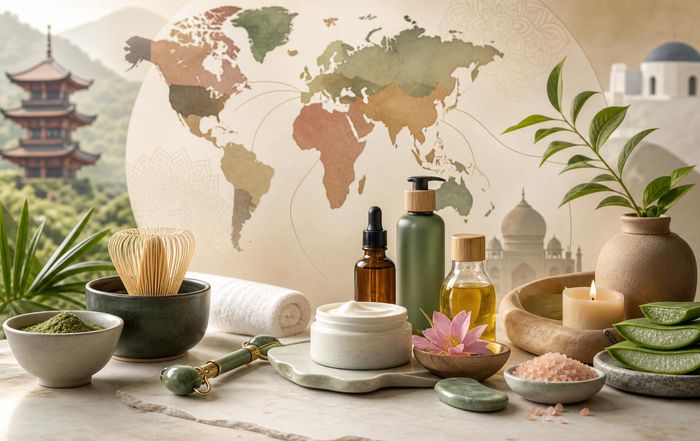
Global Wellness Concepts Influencing Beauty Routines
The New Global Standard: Beauty as a Reflection of Whole-Person Wellness
Beauty has cat walked far beyond surface-level aesthetics into a sophisticated reflection of physical, mental, emotional, and environmental wellbeing. Across mature markets such as the United Kingdom, Italy, and France, as well as fast-growing beauty hubs in South Korea, Japan, China, Brazil, and across Southeast Asia, consumers increasingly view skincare, makeup, nutrition, fitness, and stress management as interconnected pillars of a single wellness ecosystem. For BeautyTipa, whose energetic and glowing members seek both inspiration and strategic insight, this shift is not merely a lifestyle trend; it is reshaping product development, brand positioning, retail formats, employment opportunities, and investment strategies across the global beauty industry.
International research from organizations such as the Global Wellness Institute has consistently shown that wellness is becoming a core consumer value rather than a discretionary luxury, and this realignment of priorities is driving consumers to reevaluate what they apply to their skin, how they structure their daily routines, and which brands they choose to trust. Learn more about how wellness is transforming consumer behavior on the Global Wellness Institute. As a result, beauty routines increasingly serve as daily, ritualized expressions of self-care, stress management, and personal identity, shaped by diverse cultural traditions and accelerated by technology, data, and science.
From Cosmetic to Holistic: How Wellness Redefined Beauty
The integration of wellness into beauty did not happen overnight; it has been shaped over the past decade by a convergence of scientific advances, digital transparency, and shifting consumer expectations. In key markets across North America, Europe, and Asia, rising awareness of the skin barrier, microbiome health, hormonal balance, and long-term effects of environmental stressors has led consumers to seek routines that support the body's natural processes rather than override them. Reputable medical sources such as the Mayo Clinic and Cleveland Clinic have contributed to this shift by educating the public on how chronic stress, poor sleep, and suboptimal nutrition can manifest directly in skin quality, hair health, and signs of premature aging.
For the beautiful visitors coming to BeautyTipa, this has translated into a growing interest in evidence-based skincare and wellness routines that align with their broader lifestyle and health goals. On the editorial side, the platform's coverage of skincare, wellness, and health and fitness reflects the reality that consumers no longer separate their serums from their sleep schedules or their cleansers from their cortisol levels. In markets such as Germany, the Netherlands, and the Nordic countries, where preventative health has long been embedded in culture, this holistic view has been particularly influential, reinforcing the idea that a beauty routine is most effective when it is integrated with nutrition, movement, mental wellbeing, and environmental awareness.
East Meets West: Cultural Wellness Traditions Shaping Daily Rituals
One of the most powerful forces driving change in beauty routines is the global exchange of traditional wellness philosophies. In Asia, centuries-old practices such as Traditional Chinese Medicine, Ayurveda, Japanese Kampo, and Korean hanbang formulations have been reinterpreted for modern consumers and exported worldwide. Brands in South Korea and Japan have popularized multi-step routines that emphasize gentle cleansing, hydration layering, and barrier support, while also incorporating fermented ingredients, botanical extracts, and mindful application techniques. Readers who wish to better understand these layered approaches can explore evolving beauty routines and how they adapt to different climates and lifestyles.
In parallel, Western markets have intensified their interest in mindfulness, meditation, and stress reduction techniques, often influenced by practices originating in India, Southeast Asia, and East Asia. Organizations like Headspace and Calm helped normalize daily meditation, while health authorities such as the U.S. National Institutes of Health and the UK National Health Service have acknowledged the tangible benefits of mindfulness-based stress reduction on overall health. As these concepts filtered into beauty, brands began designing products that encourage slower, more intentional usage, positioning evening skincare as an opportunity to wind down, breathe deeply, and reconnect with the self, rather than as a rushed functional task. This blending of Eastern and Western wellness philosophies has produced a new global language of beauty rituals that is both culturally diverse and surprisingly cohesive.
Skin Health, the Microbiome, and the Science of Barrier Protection
In 2026, one of the most significant conceptual shifts in beauty is the elevation of skin health as a central wellness metric. Dermatologists, cosmetic chemists, and clinical researchers across Europe, North America, and Asia continue to underscore the importance of the skin barrier and microbiome, and their findings are widely disseminated through reputable institutions such as the American Academy of Dermatology and the British Association of Dermatologists. Consumers now recognize that over-exfoliation, harsh surfactants, and aggressive DIY treatments can compromise long-term skin health, leading to sensitivity, inflammation, and barrier disruption.
This scientific understanding has reshaped daily routines across markets from the United States and Canada to France, Italy, Spain, and South Korea. Gentle, pH-balanced cleansers, microbiome-supporting formulas, ceramide-rich moisturizers, and fragrance-free options have moved from niche to mainstream, while ingredient transparency has become an expectation rather than a differentiator. For BeautyTipa readers evaluating new products, the brands and products section increasingly highlights formulations that are clinically tested, dermatologist-reviewed, and supported by peer-reviewed data. Many consumers now approach their skincare routine with the same scrutiny they once reserved for nutritional supplements, seeking evidence, clinical trials, and clear communication about mechanism of action.
Nutrition, Gut Health, and the Rise of Inside-Out Beauty
The concept of "beauty from within" has matured considerably by 2026, moving beyond simple collagen powders or generic multivitamins into a sophisticated ecosystem of targeted nutrition, gut health support, and personalized supplementation. Scientific literature continues to explore the gut-skin axis and the role of the microbiome in inflammation, acne, rosacea, and overall skin radiance, with organizations like the Harvard T.H. Chan School of Public Health and World Health Organization providing accessible information on diet, chronic disease, and systemic health that indirectly impacts appearance.
In markets such as the United States, United Kingdom, Germany, and the Nordic region, consumers are increasingly attentive to how sugar intake, ultra-processed foods, alcohol consumption, and nutrient deficiencies influence their complexion and energy levels. Functional foods, probiotic beverages, and targeted supplements are now integrated into daily routines with the explicit goal of improving skin clarity, reducing inflammation, and supporting healthy aging. Readers seeking to align their meals with their beauty goals can explore BeautyTipa's coverage of food and nutrition, which connects dietary choices with skin health, hair strength, and hormonal balance. This convergence of nutrition and beauty has also encouraged closer collaboration between dermatologists, nutritionists, and wellness coaches, particularly in large urban centers across Europe, North America, and Asia-Pacific.
Mental Wellbeing, Stress Management, and the Emotional Dimension of Beauty
The global mental health conversation has had a profound impact on beauty routines, as consumers in markets from Singapore and Japan to Brazil, South Africa, and the United States acknowledge the visible effects of stress, burnout, and sleep deprivation on their appearance. Leading institutions such as the World Health Organization and Mental Health America have highlighted the rising prevalence of anxiety, depression, and chronic stress, and this awareness has filtered into both consumer expectations and brand narratives. Beauty is no longer framed solely around perfection or anti-aging; it is increasingly positioned as a tool for emotional regulation, self-expression, and self-compassion.
In practice, this has led to the inclusion of mindful breathing, facial massage, gua sha, acupressure, and aromatherapy elements within daily routines, as well as the creation of products designed to be used in low-light, quiet environments that promote relaxation. Journaling, gratitude practices, and digital detox periods are often paired with evening skincare or bath rituals. For BeautyTipa readers, this emotional dimension is reflected in editorial coverage that treats beauty as part of a broader self-care strategy, particularly within the wellness and guides and tips sections, where routines are framed as opportunities to pause, reflect, and reset rather than as purely aesthetic obligations.
Technology, Data, and Personalization in Beauty-Wellness Routines
Technology has become a powerful enabler of personalized wellness-informed beauty routines. In 2026, consumers across North America, Europe, and Asia regularly use AI-powered skin analysis tools, connected devices, and digital health platforms to track hydration levels, sleep quality, stress markers, and environmental exposures, and then adapt their routines accordingly. Major technology and skincare companies collaborate with dermatologists and data scientists to create algorithms that recommend routines based on skin type, climate, pollution levels, and lifestyle factors. Learn more about how digital health technologies are evolving on the World Economic Forum and McKinsey & Company.
For readers of BeautyTipa, the intersection of technology and beauty is explored in detail in the technology beauty section, where innovations such as smart mirrors, at-home LED devices, and AI-driven diagnostic tools are evaluated through the lens of efficacy, safety, and long-term value. Markets like South Korea, Japan, Singapore, and the Nordic countries have emerged as early adopters of these solutions, while consumers in the United States, United Kingdom, and Canada increasingly expect brands to offer digital consultations, virtual try-ons, and personalized product bundles that integrate skincare, supplements, and lifestyle recommendations. This data-driven approach reinforces a key wellness principle: that the most effective beauty routine is not the most complex or expensive, but the one most closely aligned with an individual's biology, environment, and daily habits.
Sustainability, Ethics, and the Rise of Conscious Beauty Consumers
Global wellness concepts also encompass environmental and social wellbeing, and this broader definition has transformed how consumers evaluate beauty brands. Across Europe, North America, and Asia-Pacific, there is growing recognition that personal wellness is intertwined with planetary health, and that beauty routines should minimize harm to ecosystems, communities, and future generations. Reputable organizations such as the United Nations Environment Programme and the Ellen MacArthur Foundation have brought attention to issues such as plastic waste, microplastics, water usage, and circular economy principles, influencing both regulators and industry stakeholders.
As a result, sustainability has become a central pillar of brand trust, particularly in markets like Germany, the Netherlands, Scandinavia, and increasingly in the United States, Canada, Australia, and New Zealand. Consumers scrutinize ingredient sourcing, packaging materials, manufacturing practices, and corporate governance, seeking brands that align with their values and contribute positively to society. For BeautyTipa readers, this means that product recommendations increasingly factor in environmental impact, ethical sourcing, and social responsibility, especially within trends and business and finance coverage. Conscious consumers now expect transparency reports, third-party certifications, and measurable sustainability goals, reinforcing the idea that true wellness cannot be achieved at the expense of people or the planet.
Professional Opportunities at the Intersection of Beauty and Wellness
The integration of wellness concepts into beauty routines has also reshaped the labor market, creating new roles and career paths across research, product development, retail, digital health, and content creation. In major hubs such as New York, London, Berlin, Toronto, Sydney, Seoul, Tokyo, Singapore, and São Paulo, brands and retailers increasingly seek professionals who understand both aesthetics and wellness science, from cosmetic chemists with nutrition expertise to digital marketers who can communicate complex health information responsibly. Learn more about changing skills and employment trends on the World Economic Forum's Future of Jobs portal and the OECD.
For BeautyTipa readers exploring career transitions or new opportunities, the platform's jobs and employment section reflects this evolution, highlighting roles in wellness-focused product innovation, holistic spa and clinic management, digital coaching, and cross-border brand development. As wellness becomes embedded in beauty strategies worldwide, professionals who can bridge disciplines-combining scientific literacy, cultural sensitivity, regulatory awareness, and digital fluency-are increasingly in demand. This is particularly evident in regions such as Europe and Asia, where regulatory frameworks around claims, ingredients, and health-related marketing are evolving rapidly, requiring brands to navigate complex compliance landscapes while maintaining consumer trust.
Regional Nuances: How Markets Worldwide Interpret Wellness-Driven Beauty
Although global wellness concepts are increasingly shared across borders, their expression in beauty routines varies significantly by region, shaped by local culture, climate, regulatory frameworks, and socio-economic factors. In North America, particularly the United States and Canada, consumers often emphasize convenience, multifunctionality, and innovation, seeking products that combine skincare, sun protection, and cosmetic benefits, while also embracing supplements, fitness trackers, and mental health apps. In Western Europe, including the United Kingdom, France, Italy, Spain, Germany, and the Netherlands, there is a strong focus on ingredient quality, tradition, and dermatological validation, with pharmacy-based beauty and minimalist routines maintaining a loyal following.
In the Asia-Pacific region, markets such as South Korea, Japan, Singapore, Thailand, and Australia have become incubators for advanced formulations, sophisticated textures, and tech-enabled personalization, while also drawing deeply on local wellness traditions and botanicals. In China, rapid urbanization and digital adoption have fueled demand for both prestige and science-led brands, with a growing emphasis on anti-pollution, stress relief, and lifestyle integration. In emerging markets across Africa and South America, including South Africa and Brazil, wellness-informed beauty routines increasingly reflect local biodiversity, hair textures, and climate realities, while also engaging with broader conversations around representation, accessibility, and community health. For readers interested in cross-border dynamics, BeautyTipa's international coverage explores how these regional nuances create opportunities for innovation, collaboration, and localized storytelling.
Events, Education, and Community: How Consumers Learn and Share
The diffusion of global wellness concepts into everyday beauty routines has been accelerated by the growth of events, conferences, trade shows, and digital communities. Industry gatherings in cities such as Paris, London, New York, Shanghai, and Seoul bring together dermatologists, wellness practitioners, brand founders, investors, and technologists to discuss the future of beauty and wellness, while consumer-facing festivals and pop-ups offer interactive education on topics ranging from skin microbiome science to breathwork and nutrition. Reputable organizations such as Informa, Cosmoprof, and Vitafoods have expanded their programming to reflect the convergence of beauty, health, and technology, and their influence is felt across product pipelines and retail strategies.
For BeautyTipa, which positions itself as both a guide and a curator, coverage of events plays a key role in connecting readers with these global conversations, whether they are professionals attending trade shows or consumers participating in local workshops. Educational content, expert interviews, and cross-platform storytelling help translate complex scientific and business insights into practical routines and informed purchasing decisions. At the same time, online communities and social platforms allow consumers from the United States, Europe, Asia, Africa, and South America to share routines, compare experiences, and hold brands accountable, reinforcing a culture of transparency and collective learning.
The Wellness-Driven Beauty Landscape
As global wellness concepts continue to influence beauty routines, BeautyTipa occupies a distinctive independent position at the intersection of education, curation, and industry insight. The platform's commitment to Experience, Expertise, Authoritativeness, and Trustworthiness is reflected in its multi-dimensional coverage, which spans beauty, makeup, fashion, business and finance, and wellness, while consistently anchoring product and trend discussions in scientific understanding and ethical considerations. By drawing on credible external resources such as the World Health Organization, Harvard Health Publishing, and the American Academy of Dermatology, the site reinforces its role as a trusted intermediary between complex research and daily practice.
For a fashion minded global audience spanning the United States, United Kingdom, Germany, Canada, Australia, France, Italy, and beyond, BeautyTipa offers a cohesive educational knowledge framework for understanding how wellness concepts can be translated into personalized, culturally relevant, and future-ready beauty routines. Whether readers are exploring new skincare regimens, evaluating wellness-aligned brands, tracking emerging trends, or considering career moves within this rapidly evolving sector, the platform's integrated perspective helps them navigate a landscape where beauty is no longer separate from health, mindset, or environment.
In this new era, beauty routines are becoming daily strategies for resilience, self-expression, and long-term wellbeing, shaped by science, culture, technology, and values. As wellness continues to redefine what it means to look and feel one's best, BeautyTipa remains committed to guiding its highly engaged community through this transformation with clarity, depth, and a global point of view, ensuring that readers are not only informed about what is trending today, but also prepared for what will shape beauty and wellness in the years ahead.
