
Makeup Hygiene Tips Every Beauty Lover Should Follow in 2026
Maintaining impeccable makeup hygiene has become a defining marker of professionalism, self-care, and consumer sophistication in 2026, and nowhere is this more evident than in the way the global beauty community evaluates products, routines, and brands. As the audience of BeautyTipa.com has grown more knowledgeable and demanding, especially across the United States, Europe, and Asia-Pacific, expectations around safety, transparency, and cleanliness have risen in parallel with interest in innovation, aesthetics, and performance. Makeup is no longer viewed as a purely decorative category; it sits at the intersection of skincare, wellness, and personal health, which means that how products are stored, applied, and shared has direct consequences for skin integrity, microbiome balance, and long-term confidence.
In a post-pandemic world shaped by heightened awareness of contamination pathways and evolving dermatological science, the fundamentals of makeup hygiene are being redefined by dermatologists, cosmetic chemists, public health agencies, and leading brands. The modern beauty lover is expected not only to master color theory and application techniques, but also to understand cross-contamination risks, ingredient stability, and the regulatory environment that governs safe cosmetic use. This comprehensive guide, crafted for the BeautyTipa.com community, explores the essential makeup hygiene practices every beauty enthusiast should follow, while situating them within broader developments in skincare, wellness, technology, and global beauty business trends.
Why Makeup Hygiene Matters More Than Ever
The concept of makeup hygiene extends far beyond avoiding a smudged eyeliner or clumpy mascara; it encompasses microbial safety, product efficacy, and the prevention of both acute and chronic skin issues. Dermatologists and public health experts consistently highlight that improperly stored or contaminated cosmetics can contribute to bacterial and fungal infections, contact dermatitis, acne flares, and premature skin aging. As consumers worldwide invest more in sophisticated formulations and personalized routines, maintaining hygiene has become a strategic way to protect that investment and support long-term skin health.
According to resources from organizations such as the World Health Organization, understanding basic hygiene principles has become a foundational element of everyday life, and this extends naturally to beauty routines. For readers who are already exploring in-depth skincare insights on BeautyTipa.com, particularly through sections such as skincare and wellness, integrating rigorous hygiene habits ensures that active ingredients, from retinoids to antioxidants, can perform optimally without interference from unwanted microbes or environmental contaminants. The more advanced and potent the product portfolio, the more critical it is to manage hygiene with precision.
Understanding the Microbiology Behind Makeup
At the core of makeup hygiene lies microbiology: the study of bacteria, fungi, and other microorganisms that can colonize cosmetic products and tools. Water-based formulations, such as liquid foundations, cream blushes, and liquid eyeliners, provide a more hospitable environment for microbial growth than anhydrous products like powders and certain balms. Even with preservatives, repeated exposure to air, skin, and applicators can gradually alter the microbial profile of a product, especially if it is stored in warm, humid environments or used beyond its recommended shelf life.
Institutions such as the U.S. Food and Drug Administration offer guidance on cosmetic safety and underscore that cosmetics are not sterile, nor are they required to be, which means that consumers must take responsibility for minimizing contamination during regular use. Those who wish to delve deeper into how cosmetic microbiology intersects with product design and regulation can explore scientific perspectives from organizations such as the American Academy of Dermatology, where dermatologists explain how compromised skin barriers can be more vulnerable to irritants and pathogens. For beauty enthusiasts who treat makeup as an extension of their skincare, as many readers of BeautyTipa.com do, this understanding provides a compelling rationale for upgrading hygiene habits across all steps of the routine.
The Critical Role of Hand and Skin Preparation
Before any makeup product touches the face, hands and skin preparation set the hygiene baseline. Hands are a known vector for germs, and even when they appear clean, they can carry bacteria, viruses, and environmental pollutants picked up from surfaces, digital devices, and public spaces. Thorough handwashing using guidelines similar to those promoted by the Centers for Disease Control and Prevention-including washing with soap and water for at least 20 seconds-significantly reduces the transfer of microbes to cosmetic products and facial skin. Where soap and water are not immediately available, alcohol-based sanitizers can serve as an interim measure, although they should not replace proper washing in the long term.
From a skin perspective, cleansing the face before makeup application removes sebum, sweat, and residual skincare products that might interact negatively with pigments or occlusive ingredients, while also reducing the microbial load on the skin surface. Readers can revisit the foundational cleansing principles outlined in BeautyTipa.com's beauty and routines sections to align their cleansing steps with their makeup goals, whether that is achieving a long-wear matte base for a busy workday in London or a dewy, natural finish suitable for humid climates in Singapore or Bangkok. Proper preparation not only improves hygiene, it also enhances the aesthetic payoff of every product applied afterward.
Shelf Life, Expiry Dates, and the PAO Symbol
One of the most overlooked aspects of makeup hygiene is adherence to product shelf life and expiry guidelines. Many consumers in major markets such as the United States, Germany, and Japan continue to use mascaras, lipsticks, and foundations long after their recommended period after opening (PAO), often because the product appears visually unchanged. However, microbial proliferation and ingredient degradation are not always visible to the naked eye. Over time, preservatives can lose effectiveness, oils can oxidize, and pigments can destabilize, creating a product that may still apply smoothly but carries increased risk of irritation or infection.
Regulators such as the European Commission provide frameworks for cosmetic labeling, including the PAO symbol that indicates how many months a product remains safe after opening. Beauty consumers can further educate themselves through science-based resources such as the Mayo Clinic, which explains how expired makeup, particularly eye products, can be associated with a higher incidence of infections like conjunctivitis. For the BeautyTipa.com audience, building a disciplined system to track opening dates-whether through labeling, digital notes, or dedicated apps-aligns with the professional, organized approach that many readers already bring to their skincare and wellness routines, especially those who manage extensive collections or operate as freelance makeup artists in cities from New York to Milan.
Brush and Sponge Hygiene: The Invisible Foundation of Clean Beauty
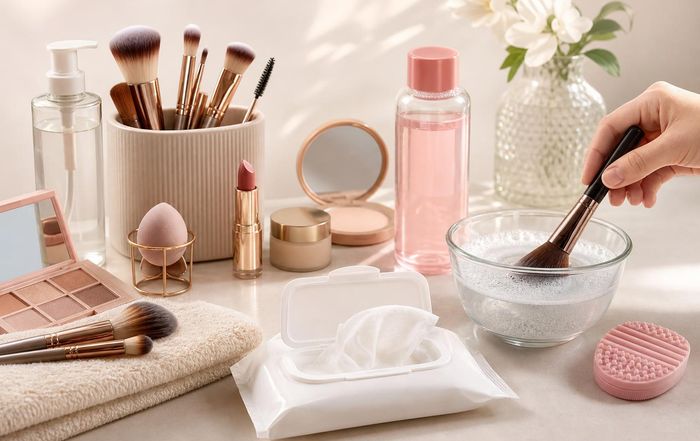
Makeup brushes, sponges, and applicators act as bridges between product and skin, and their hygiene directly influences both appearance and skin health. Unwashed tools accumulate not only residual pigments and oils, but also dead skin cells and environmental debris, creating a breeding ground for bacteria and fungi. Repeatedly using contaminated tools on the face can contribute to breakouts, irritation, and even more serious infections, particularly in individuals with sensitive or compromised skin.
Professional associations such as the British Association of Dermatologists have long highlighted the importance of regular brush cleaning, and in 2026, industry standards increasingly recommend washing face brushes and sponges at least once a week, and more frequently for those used with liquid or cream products. Deep cleaning with gentle soap or specialized brush cleansers, followed by thorough rinsing and air-drying in a well-ventilated area, remains the gold standard. Readers who seek to refine their technique can explore practical maintenance strategies within BeautyTipa.com's guides and tips section, where brush care is treated as a core component of professional-level makeup artistry. For those who use reusable sponges in humid climates such as Southeast Asia or Brazil, ensuring they dry fully between uses is especially critical to preventing mold growth and unpleasant odors.
Safe Application Practices for Every Product Category
Each makeup category carries its own set of hygiene considerations, shaped by formulation type, packaging design, and anatomical area of application. Eye makeup, for example, demands particular care because the ocular surface and surrounding tissue are highly sensitive and prone to infection. Ophthalmology resources from organizations like the American Academy of Ophthalmology emphasize that sharing eye products, especially mascaras and eyeliners, significantly increases the risk of transmitting infections such as styes and conjunctivitis. For this reason, personal mascaras should never be shared, and any product used while experiencing an eye infection should be discarded immediately after recovery.
Lip products, while more resilient, can still harbor bacteria and viruses, especially when used during or after illnesses such as cold sores or respiratory infections. In professional settings, where makeup artists work with multiple clients, disposable applicators and strict sanitization protocols are non-negotiable. Readers who are interested in building or advancing a career in beauty, whether in Canada, Australia, or South Africa, can explore professional standards and employment insights in BeautyTipa.com's jobs and employment section, where hygiene is consistently framed as both an ethical obligation and a differentiating factor in client satisfaction. For everyday users, avoiding direct contact between applicators and skin where possible, and using clean spatulas or palettes for cream products, can dramatically reduce contamination risk without complicating the routine.
Storage Conditions and Travel Hygiene
Where and how makeup is stored has a direct impact on product stability and microbial growth. Warm, humid environments such as bathrooms in tropical cities like Bangkok, Kuala Lumpur, or Rio de Janeiro can accelerate degradation and promote bacterial proliferation, particularly in water-based formulations. International health and consumer organizations, including the World Economic Forum, have highlighted how climate change and rising temperatures are affecting product stability across consumer goods, making proper storage an increasingly relevant issue for global beauty consumers. Ideally, makeup should be kept in a cool, dry place, away from direct sunlight and fluctuating temperatures, with lids tightly closed after each use.
Travel introduces additional hygiene challenges, as products are often exposed to variable climates, pressurization changes, and handling in public spaces. For frequent travelers and beauty professionals who move between markets such as London, Dubai, and Singapore, adopting travel-specific hygiene strategies-such as decanting products into smaller, tightly sealed containers, using travel brush cases, and avoiding makeup application directly in crowded public restrooms-can help maintain both product integrity and personal safety. Readers planning international trips can complement these practices with broader wellness and lifestyle insights from BeautyTipa.com's international coverage, which frequently addresses how regional climates, regulations, and cultural norms influence beauty routines.
The Intersection of Makeup Hygiene, Skincare, and Wellness
In 2026, the boundaries between makeup, skincare, and wellness have blurred significantly, with hybrid products and holistic routines dominating markets in North America, Europe, and Asia. Many foundations, primers, and setting sprays now incorporate skincare-grade actives such as niacinamide, hyaluronic acid, and peptides, while skincare brands are increasingly releasing complexion products that promise both coverage and long-term skin benefits. This convergence means that poor makeup hygiene can undermine not only the appearance of the skin, but also the efficacy of carefully curated skincare regimens and wellness practices.
Organizations like Harvard Health Publishing have noted the intricate relationship between skin health, mental well-being, and lifestyle factors, suggesting that breakouts or irritations linked to contaminated makeup tools can have emotional as well as physical consequences. For the BeautyTipa.com audience, who often integrate fitness, nutrition, and stress management into their overall beauty philosophy, aligning makeup hygiene with broader wellness goals is a logical next step. Readers can reinforce this integrated approach by exploring complementary content in the health and fitness and food and nutrition sections, recognizing that a clean, well-maintained makeup kit functions as an external reflection of internal self-care practices.
Technology, Innovation, and the Future of Clean Application
Technological innovation has transformed makeup hygiene from a purely manual discipline into a field supported by smart tools, data, and advanced materials. In leading beauty markets such as South Korea and Japan, brands and startups are experimenting with antimicrobial brush fibers, self-cleaning storage cases, and app-connected devices that remind users to replace products based on usage patterns and environmental conditions. Industry reports from organizations such as McKinsey & Company describe how the convergence of beauty and technology is reshaping consumer expectations, with hygiene and safety features increasingly viewed as core value propositions rather than optional extras.
For readers of BeautyTipa.com, particularly those following developments in technology beauty, the emergence of smart beauty tools offers new ways to maintain hygiene without sacrificing convenience or creativity. UV-C sanitizing devices designed for brushes and sponges, for example, are becoming more accessible in markets from the United States to Singapore, while AI-driven skincare analysis tools can flag potential irritation patterns that may be linked to unhygienic practices. As these technologies mature, they are expected to become standard components of both personal and professional makeup kits, reinforcing hygiene as a built-in feature of modern beauty rather than an afterthought.
Business, Brand Trust, and Regulatory Expectations
From a business perspective, makeup hygiene has evolved into a central pillar of brand reputation, regulatory compliance, and consumer trust. In the wake of highly publicized product recalls and social media-driven controversies in key markets like the United States, United Kingdom, and China, beauty brands are under increasing scrutiny to demonstrate robust quality control, transparent communication, and responsible marketing around product safety and hygiene. Industry analyses by organizations such as Deloitte highlight that consumers, particularly Gen Z and younger Millennials, are more likely to support brands that not only deliver performance and aesthetics, but also proactively educate users on safe application and maintenance.
Regulators in Europe, North America, and Asia continue to refine cosmetic safety frameworks, with agencies such as Health Canada providing detailed guidance on labeling, ingredient safety, and consumer education. For entrepreneurs, investors, and professionals following the beauty business landscape via BeautyTipa.com's business and finance coverage, makeup hygiene represents both a compliance requirement and a strategic differentiator. Brands that invest in clear instructions, hygienic packaging innovations, and evidence-based claims can position themselves as trusted partners in consumers' long-term beauty journeys, while those that neglect these areas risk reputational damage and regulatory challenges.
Cultural and Regional Perspectives on Clean Beauty Practices
While the core principles of makeup hygiene are universal, cultural norms, climate conditions, and market maturity influence how they are interpreted and prioritized across regions. In Nordic countries such as Sweden, Norway, Denmark, and Finland, where minimalist beauty routines and a strong emphasis on skin health dominate, consumers often maintain smaller, more curated makeup collections, which can naturally support better hygiene through faster product turnover. In contrast, in trend-driven markets like the United States, United Kingdom, and South Korea, where consumers frequently experiment with new launches and seasonal collections, the volume and variety of products can make systematic hygiene practices more challenging but also more essential.
Emerging markets in Africa, South America, and Southeast Asia are experiencing rapid growth in beauty consumption, with local influencers and professionals increasingly shaping conversations around safe and hygienic practices. Global health and consumer organizations, including OECD, have noted the importance of education and infrastructure in supporting safe product use in rapidly expanding markets. BeautyTipa.com, with its global readership and dedicated trends and events coverage, is uniquely positioned to bridge regional perspectives, offering readers in Brazil, South Africa, Malaysia, and beyond access to best practices that respect local climates, cultural aesthetics, and economic realities while upholding universal standards of safety and care.
Building a Personal Makeup Hygiene Culture with BeautyTipa.com
For the modern beauty lover, makeup hygiene is not a one-time checklist but an evolving culture of care that integrates knowledge, habits, and tools into a coherent, sustainable practice. This culture is shaped by personal values, professional aspirations, and the broader beauty ecosystem, from regulatory frameworks to technological innovations. On BeautyTipa.com, where beauty, wellness, fashion, and lifestyle intersect, hygiene is woven into content across categories, whether the focus is on makeup artistry, skincare science, or global industry developments.
By consistently washing hands and tools, respecting expiry dates, storing products thoughtfully, using safe application techniques, and staying informed about technological and regulatory shifts, readers can protect their skin, enhance product performance, and project a level of professionalism that resonates in both personal and professional contexts. Those who aspire to work within the beauty industry, whether as makeup artists, brand founders, or product developers, can treat makeup hygiene as a foundational competency that underpins credibility and long-term success, a theme frequently explored across BeautyTipa.com's interconnected sections and its global editorial coverage.
As 2026 continues to reshape expectations around health, safety, and beauty, adopting rigorous makeup hygiene practices is no longer optional; it is a defining characteristic of the informed, empowered, and forward-thinking beauty lover. By aligning daily routines with the principles outlined here and leveraging the ongoing insights available throughout BeautyTipa.com, readers worldwide-from New York to Paris, Berlin to Tokyo, Sydney to Cape Town-can ensure that every look they create is not only beautiful, but also safe, sustainable, and worthy of the trust they place in their products and in themselves.
