
The Business Case for Inclusive Beauty Marketing
Inclusive Beauty as a Strategic Business Imperative
Inclusive beauty marketing has moved far beyond the realm of corporate social responsibility and has become a core business driver for brands that wish to remain relevant, competitive, and trusted across global markets. For BeautyTipa and its happy crew all across the United States, Europe, Asia, Africa, and the Americas, the conversation is no longer about whether inclusion is necessary, but about how effectively organizations can embed it into product development, communication strategies, hiring practices, and technology investments while maintaining profitability and brand equity. As consumer expectations evolve and regulatory frameworks tighten, inclusive beauty is increasingly shaping market share, valuation, and long-term resilience for both legacy conglomerates and emerging digital-first disruptors.
The global beauty industry, valued at hundreds of billions of dollars, has seen particularly strong growth in regions such as North America, Europe, and Asia-Pacific, with expanding middle classes and digital penetration accelerating demand for skincare, makeup, haircare, fragrance, and wellness-adjacent categories. Analysts from organizations such as McKinsey & Company and Deloitte have repeatedly emphasized that demographic shifts, including aging populations, ethnic diversification, and changing gender norms, are structurally transforming how beauty is defined and consumed. As consumers explore more nuanced beauty and lifestyle content, they are rewarding brands that reflect their identities, values, and lived experiences, while penalizing those that cling to narrow, exclusionary ideals.
From Representation to Revenue: Why Inclusion Drives Growth
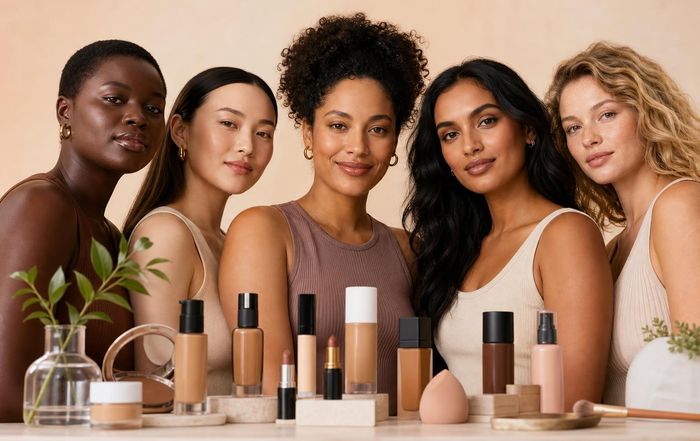
The business case for inclusive beauty marketing begins with a simple observation: when more people can see themselves in a brand's products and storytelling, the potential market expands, and so does loyalty. Research from bodies such as Nielsen and Kantar has demonstrated that campaigns featuring diverse skin tones, ages, body types, and cultural backgrounds tend to generate stronger engagement metrics, higher purchase intent, and better brand recall across multiple geographies. Inclusive marketing is not a niche strategy targeting small subgroups; it is a mainstream growth engine that taps into under-served segments while deepening connections with existing customers.
In practice, this growth manifests through several commercial levers. First, inclusive product ranges, especially in complexion and skincare, allow brands to unlock demand in markets where consumers have historically struggled to find suitable shades, textures, or formulations. Second, inclusive storytelling that reflects different lifestyles, from wellness-centric routines to professional makeup artistry, encourages cross-category exploration, increasing average order value and lifetime customer value. Third, inclusive distribution strategies-such as localized assortments for markets like the United States, the United Kingdom, Germany, Canada, South Korea, and Brazil-enable brands to better align with regional preferences and cultural norms, improving sell-through and reducing markdowns.
For a platform like BeautyTipa, which curates insights across skincare, makeup, wellness, and fashion, the commercial logic is equally clear. Audiences who feel seen and respected are more likely to return, share content, and trust product recommendations, which in turn enhances the site's authority and partnerships with leading brands. Inclusive coverage of products, routines, and events across global regions strengthens BeautyTipa's positioning as a truly international resource, rather than a platform anchored in a single aesthetic or cultural perspective.
Understanding the Inclusive Beauty Consumer in 2026
The inclusive beauty consumer in 2026 is more informed, more vocal, and more values-driven than previous generations, and this is reshaping how brands must think about segmentation and personalization. Consumers across the United States, Europe, and Asia are leveraging platforms such as Statista and Euromonitor International to educate themselves on market trends, ingredients, and corporate behavior, while social media and review ecosystems offer real-time feedback loops.
This consumer expects products that address a wide spectrum of needs, from hyper-pigmentation and textured hair to sensitive skin and age-inclusive concerns. They are increasingly interested in how wellness, nutrition, fitness, and mental health intersect with beauty outcomes, aligning closely with the holistic perspective promoted in BeautyTipa's wellness and health and fitness content. In regions such as South Korea and Japan, consumers may prioritize advanced skincare technologies and preventive routines, while in markets like France and Italy, heritage, sensoriality, and pharmacy-backed expertise remain influential.
Across all these regions, there is a growing insistence on ethical sourcing, environmental responsibility, and transparent communication. Consumers frequently consult resources such as the Environmental Working Group, Cosmetics Europe, and national health agencies to understand ingredient safety and regulatory compliance. This behavior reinforces the importance of brands and platforms establishing trust through rigorous information, clear labeling, and consistent alignment between marketing claims and scientific evidence.
Product Development: Shade, Texture, and Need Inclusivity
Inclusive beauty marketing cannot succeed without inclusive product development, and the most respected brands in 2026 are those that have invested deeply in research and development to serve a wider range of consumers. In complexion, this has meant expanding shade ranges with attention to undertones and regional nuances, rather than simply adding a few darker or lighter shades as an afterthought. Brands that have collaborated with dermatologists, makeup artists, and consumer focus groups across continents have been better positioned to deliver foundations, concealers, and tinted moisturizers that perform well for diverse skin types and climates.
Texture and format inclusivity have also become critical, particularly in haircare and skincare. Consumers with curly, coily, or tightly textured hair in markets such as the United States, Brazil, South Africa, and the United Kingdom are demanding products that respect their hair structure and cultural styling practices, while avoiding harmful ingredients historically targeted at these communities. Organizations like the American Academy of Dermatology and the British Association of Dermatologists have provided guidance on conditions that disproportionately affect certain skin tones and hair types, underscoring the need for specialized formulations and education.
For BeautyTipa, showcasing brands and products that embody this level of nuance is central to the editorial mission. Through detailed reviews and analyses in its brands and products section, the platform can highlight how companies are addressing everything from menopausal skin to acne-prone complexions and sensitive eyes, offering readers in Canada, Australia, Singapore, and beyond a clearer understanding of which innovations genuinely serve their unique needs. This type of product-level inclusivity is not only ethically compelling but commercially vital, as it unlocks loyalty in segments that have long felt overlooked.
Storytelling, Imagery, and the Power of Representation
Marketing campaigns remain one of the most visible arenas in which inclusive beauty is either realized or undermined. In 2026, audiences across North America, Europe, Asia, and Africa are acutely aware of tokenism and superficial diversity, making it essential for brands to move beyond one-off inclusive campaigns and instead embed representation into the core of their visual and verbal language. This involves casting models and creators across a spectrum of ages, ethnicities, body sizes, gender identities, and abilities, and portraying them in ways that are aspirational yet authentic.
Organizations such as The Geena Davis Institute on Gender in Media and UN Women have highlighted the impact of inclusive representation on self-perception and societal norms, reinforcing that imagery in beauty marketing can either perpetuate harmful stereotypes or contribute to greater acceptance and confidence. By aligning with these insights, brands can create narratives that resonate with consumers in Germany, Spain, Sweden, South Korea, and South Africa, who increasingly seek campaigns that reflect real lives rather than unattainable perfection.
BeautyTipa's editorial approach, especially within trends coverage and guides and tips, can amplify this shift by featuring diverse voices, showcasing regional aesthetics, and unpacking the cultural context behind emerging looks and routines. Whether examining K-beauty innovations, French pharmacy skincare, or Brazilian body care rituals, the platform can demonstrate that inclusive beauty is not a monolith but a mosaic of local practices and global influences, all of which deserve thoughtful and respectful exploration.
The Role of Data, AI, and Technology in Inclusive Marketing
Technology is reshaping the beauty landscape, and in 2026, artificial intelligence, augmented reality, and advanced analytics are central to how brands design, personalize, and market their offerings. However, these tools can either reinforce bias or promote inclusion, depending on how they are developed and governed. Companies leveraging AI-driven shade matching, virtual try-on tools, or personalized skincare diagnostics must ensure that their training datasets encompass a wide range of skin tones, facial features, and lighting conditions; otherwise, they risk excluding the very consumers they claim to serve.
Organizations such as The Partnership on AI and OECD AI have emphasized best practices for responsible AI, including fairness, transparency, and accountability, which are directly relevant to beauty brands deploying digital tools. In markets like the United States and the European Union, regulators are increasingly scrutinizing algorithmic bias and data privacy, making it essential for companies to invest in ethical AI governance and cross-functional oversight.
For BeautyTipa, coverage of beauty technology can help readers understand both the potential and the limitations of these innovations. By explaining how virtual try-on systems work, what data they collect, and how inclusive their outputs truly are, the platform can position itself as a trusted intermediary between consumers and technology providers. This is particularly valuable for audiences in tech-forward markets such as Singapore, Japan, South Korea, and the Netherlands, where digital beauty experiences are becoming an integral part of the purchase journey.
Inclusive Beauty as a Business and Financial Strategy
From an investment and corporate strategy standpoint, inclusive beauty marketing is increasingly recognized as a driver of long-term value creation rather than a cost center. Investors and analysts are scrutinizing environmental, social, and governance (ESG) metrics, and inclusive practices are often evaluated under the "social" and "governance" pillars. Institutions such as MSCI and Sustainalytics assess how well companies address diversity, equity, and inclusion in their operations and supply chains, and these assessments can influence access to capital and index inclusion.
For beauty corporations listed in major markets, inclusive marketing strategies can mitigate reputational risk, reduce the likelihood of consumer boycotts, and support more stable revenue growth across demographic and geographic segments. When product portfolios, leadership teams, and marketing strategies are aligned with inclusive values, organizations are better equipped to navigate social shifts, regulatory changes, and competitive pressures. BeautyTipa can explore these dynamics in its business and finance coverage, helping executives, entrepreneurs, and investors understand how inclusive beauty aligns with broader corporate performance metrics.
At the same time, inclusive marketing opens opportunities for niche and indie brands that are built around specific communities, such as brands focused on melanated skin, gender-fluid beauty, or sensitive skin conditions. While these companies may start with targeted audiences, their credibility and authenticity can attract broader followings, leading to acquisition opportunities or strategic partnerships with global players. By tracking these developments, BeautyTipa can serve as a bridge between emerging innovators and established corporations seeking to enhance their inclusive portfolios through investment or collaboration.
Talent, Employment, and Inclusive Brand Culture
Inclusive beauty marketing is inseparable from inclusive organizational culture, because the people who design, market, and sell products heavily influence how inclusive those efforts can be. In 2026, beauty companies are under growing pressure from employees, consumers, and regulators to demonstrate progress on diversity, equity, and inclusion within their workforces, from entry-level roles to executive leadership and boards. Reports from organizations such as The World Economic Forum and McKinsey & Company have underscored the link between diverse leadership teams and stronger financial performance, innovation, and risk management.
In practical terms, this requires beauty brands to rethink recruitment pipelines, mentorship programs, pay equity, and promotion pathways, ensuring that talent from under-represented backgrounds can thrive in marketing, product development, supply chain, and technology roles. It also requires psychological safety and inclusive decision-making structures so that diverse perspectives can genuinely shape strategies rather than being sidelined. For BeautyTipa's audience interested in jobs and employment in beauty, these trends highlight both new career opportunities and the importance of evaluating potential employers based on their real commitment to inclusion.
Inclusive employer branding, when authentically executed, can attract highly skilled professionals in competitive markets such as the United States, the United Kingdom, Germany, and Singapore, where talent has many options. Organizations that align internal culture with external inclusive marketing are more likely to sustain credibility, avoid accusations of hypocrisy, and build long-term brand advocates among employees.
Global and Local: Navigating Cultural Nuance
One of the most complex aspects of inclusive beauty marketing is balancing global consistency with local relevance. Beauty ideals, regulatory environments, and cultural sensitivities vary widely across regions, and what is considered empowering in one market may be perceived as insensitive or inappropriate in another. Brands operating in markets as diverse as the United States, China, France, South Africa, Brazil, and Thailand must invest in local expertise, cultural consultation, and continuous listening to ensure their messaging resonates without erasing local identities.
Institutions such as UNESCO and The World Health Organization have highlighted how cultural context influences health and well-being norms, which naturally extend to beauty and self-care practices. For example, sun protection messaging in Australia and New Zealand may focus heavily on skin cancer prevention, while in many Asian markets, it may intersect with longstanding preferences for brightening and even-toned skin, requiring careful communication to avoid reinforcing colorism.
BeautyTipa's international coverage is uniquely positioned to highlight these nuances by featuring local experts, translating regional trends for a global audience, and comparing how inclusive marketing is interpreted in different cultural settings. By doing so, the platform can help both consumers and professionals appreciate that inclusive beauty is not about imposing a single global standard, but about respecting and elevating local diversity within a broader framework of dignity and respect.
The Convergence of Beauty, Wellness, Nutrition, and Fashion
In 2026, the boundaries between beauty, wellness, nutrition, and fashion continue to blur, creating new opportunities and responsibilities for inclusive marketing. Consumers are embracing routines that integrate skincare, fitness, mental well-being, and mindful eating, and they increasingly expect brands and platforms to reflect this interconnected reality. Resources such as Harvard T.H. Chan School of Public Health and Mayo Clinic have popularized the science behind nutrition, sleep, stress management, and their impact on skin and hair health, reinforcing that beauty outcomes are not purely cosmetic.
BeautyTipa's content across routines, food and nutrition, and fashion reflects this convergence by offering readers integrated perspectives on how to build sustainable, inclusive lifestyles that honor different body types, cultural dress codes, and wellness practices. For instance, a feature on inclusive makeup might naturally connect to guidance on fitness routines that prioritize functional strength over appearance, or recipes that support skin health across various dietary traditions.
This holistic framing also encourages brands to think beyond surface-level representation and address structural barriers to well-being, such as access to healthy food, safe exercise spaces, and culturally competent healthcare. By aligning with trusted health authorities and scientific research, inclusive beauty marketing can contribute to broader public health goals while strengthening consumer trust and loyalty.
Events, Education, and Community Building
Events, both physical and virtual, have become powerful platforms for demonstrating inclusive values in action. Industry trade fairs, consumer festivals, and professional conferences across Europe, North America, and Asia are increasingly expected to feature diverse speakers, accessible formats, and content that addresses the needs of a wide range of attendees. Organizations like In-Cosmetics Global and Cosmoprof Worldwide Bologna are examples of large-scale events where inclusive product innovation, regulatory dialogue, and trend forecasting converge.
For BeautyTipa, coverage of events and educational initiatives is an opportunity to highlight best practices, such as inclusive panel curation, multilingual programming, and accessible digital experiences for those who cannot attend in person. By spotlighting brands, founders, and experts who champion inclusive values, the platform can foster a community of professionals and consumers who see inclusion not as a marketing tactic, but as a shared commitment to reshaping the industry.
Educational content remains central to this mission. Detailed guides on topics such as ingredient literacy, skincare for different climates, or makeup for various skin tones, when grounded in credible sources and expert interviews, can empower readers to make informed decisions and advocate for their needs. This educational role strengthens BeautyTipa's authority and reinforces the idea that inclusive beauty is an ongoing learning process rather than a fixed destination.
Thinking on - Inclusive Beauty as the Default, Not the Exception
As the beauty industry moves deeper, the most successful organizations will be those that treat inclusive beauty marketing as a default operating principle rather than a special initiative. This requires sustained investment in research and development, ethical technology, diverse talent pipelines, and culturally nuanced storytelling, as well as transparent communication with consumers and stakeholders. It also demands humility and adaptability, as brands must be willing to listen, correct missteps, and evolve in response to changing expectations and new knowledge.
For BeautyTipa, the business case for inclusive beauty marketing aligns perfectly with its mission to serve a global audience interested in beauty, wellness, skincare, routines, products, trends, and professional opportunities. By consistently highlighting inclusive innovations, scrutinizing claims with a critical and informed lens, and elevating voices from across regions such as the United States, the United Kingdom, Germany, Canada, Australia, France, Italy, Spain, Switzerland, China, South Korea, Japan, Thailand, South Africa, Brazil, Malaysia, and beyond, BeautyTipa can continue to build its reputation as a trusted, authoritative hub in the evolving beauty ecosystem.
In this landscape, inclusion is not merely an ethical imperative; it is a competitive advantage, a driver of innovation, and a foundation for enduring trust. Brands, professionals, and consumers who embrace this reality will shape a beauty industry that is more resilient, more creative, and more reflective of the world it serves. As BeautyTipa expands its original and fresh coverage across makeup, skincare, wellness, business, and technology, it has the opportunity to not only document this transformation but to actively influence it, helping ensure that inclusive beauty becomes the standard by which all marketing and product strategies are measured.
Ultimately, the business case for inclusive beauty marketing is about recognizing that diversity is not a trend but a structural reality of global society. Organizations that align their strategies with this reality-through products, messages, technologies, and cultures that honor the full spectrum of human experience-will be best positioned to thrive in an industry where consumers hold unprecedented power and where trust, once lost, is increasingly difficult to regain. For BeautyTipa and its awesome community, this is not just a market opportunity; it is a long-term commitment to shaping a more equitable and inspiring future for beauty.
