
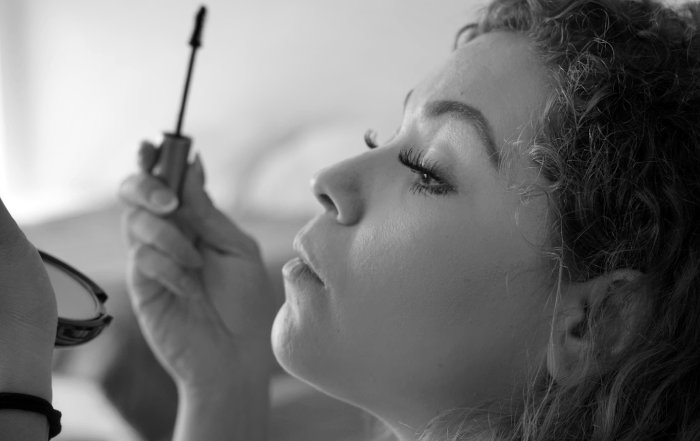
Top Makeup Trends Dominating the Global Beauty Scene
The Globalization of Makeup Culture
Makeup has moved far beyond the confines of seasonal color stories and celebrity campaigns to become a sophisticated global language of identity, technology, and culture, and nowhere is this transformation more visible than in the trends shaping the industry from New York and London to Seoul, Tokyo, São Paulo, and beyond. As the audience of BeautyTipa continues to expand across North America, Europe, Asia, Africa, and South America, readers are not only consuming beauty content but actively shaping it, demanding products, looks, and narratives that reflect diverse skin tones, cultural backgrounds, and lifestyles, while also aligning with evolving expectations around sustainability, transparency, and digital innovation. In this environment, makeup trends can no longer be understood as simple aesthetic preferences; they are strategic signals for brands, investors, professionals, and consumers, intersecting with wellness, technology, fashion, and even employment markets in ways that are redefining what beauty means in a global context.
The convergence of social media platforms such as Instagram, TikTok, and YouTube, along with the expansion of livestream commerce in markets like China and Southeast Asia, has accelerated the diffusion of trends, allowing a technique born in Seoul or a product launched in Los Angeles to influence consumers in London, Berlin, or Johannesburg within hours. Reports from organizations like the World Economic Forum describe how digital connectivity continues to reshape consumer expectations, while analysis from McKinsey & Company highlights the beauty sector as one of the most resilient and innovative consumer categories worldwide. Within this dynamic landscape, BeautyTipa positions itself as a trusted guide, curating and decoding global makeup trends for readers seeking not only inspiration but also strategic insight into where the industry is heading next.
Skin-First Makeup: The Fusion of Skincare and Color
One of the most powerful trends dominating the global beauty scene in 2026 is the continued rise of skin-first makeup, where complexion products are expected to perform double duty as skincare and color cosmetics, reflecting a shift in consumer consciousness that prioritizes long-term skin health alongside immediate visual results. Tinted serums, hybrid foundations with active ingredients such as niacinamide, peptides, and ceramides, and concealers formulated with advanced mineral sunscreens are now standard offerings from both prestige and mass-market brands, a development supported by dermatological research from organizations like the American Academy of Dermatology that emphasizes daily photoprotection and barrier support as essential components of healthy skin.
In markets such as the United States, United Kingdom, Germany, France, and Australia, consumers are gravitating toward sheer, breathable complexion products that allow natural texture and tone to show through, while in regions like South Korea, Japan, and Singapore, the emphasis on glass-skin and luminous, hydrated finishes continues to influence base formulas and application techniques worldwide. Readers exploring the evolving relationship between skincare and makeup can delve deeper into the philosophy of skin health on BeautyTipa's dedicated skincare insights, where the platform regularly connects product innovation with evidence-based routines. As hybrid products become more sophisticated, brands are increasingly backed by clinical testing and dermatological endorsements, reinforcing the importance of trust and transparency in a category where the line between cosmetic and quasi-medical benefit is becoming ever more blurred.
Minimalist Sophistication: The Polished No-Makeup Makeup Look
Parallel to the skin-first movement is the continued dominance of minimalist, polished looks that focus on subtle enhancement rather than overt transformation, especially among professionals in finance, technology, and corporate environments who seek an appearance that communicates confidence and competence without appearing overly stylized. This aesthetic, often labeled "no-makeup makeup," has matured into a highly strategic approach that requires precise product placement, refined textures, and an understanding of facial structure, drawing on techniques taught by leading artists and academies across Europe, North America, and Asia. Natural brows, lightweight cream blushes, softly defined lash lines, and neutral satin lip colors are favored by consumers in cities such as London, Toronto, Zurich, Stockholm, and Singapore, where understated elegance aligns with both cultural norms and corporate dress codes.
Beauty professionals tracking this trend note that minimalist looks actually demand high-quality formulations and tools, as any patchiness, oxidation, or poor blending is more visible when the overall effect is subtle and close to the skin. Industry reports from organizations like the NPD Group and the Euromonitor International have documented consistent growth in premium complexion categories, even as consumers streamline their overall product collections, choosing fewer but better-performing items. On BeautyTipa, readers interested in translating minimalism into daily practice can explore curated beauty routines that combine efficiency with elegance, illustrating how carefully selected products can achieve a refined result suitable for boardrooms in New York, client meetings in Frankfurt, or creative studios in Melbourne.
Bold Color Resurgence: Expressive Eyes and Statement Lips
While minimalism thrives, an equally powerful countercurrent is shaping the global makeup narrative: the resurgence of bold, expressive color, particularly among Gen Z and younger millennials who view makeup as a tool for self-expression, activism, and cultural storytelling. Electric liners, vivid blush draping, holographic eye toppers, and saturated berry, brick, and plum lip shades are making a pronounced impact from Los Angeles and São Paulo to Berlin and Seoul, amplified by creators on platforms such as TikTok and Douyin, where experimental looks can go viral overnight. This creative renaissance is often influenced by fashion weeks in cities like Paris, Milan, and New York, where designers collaborate with leading makeup artists to craft runway looks that blend art, subculture, and technology, trends that are then translated into more wearable formats for the consumer market.
In regions like Brazil, South Africa, and India, vibrant color stories are also linked to cultural festivals, climate, and local aesthetics, leading to a rich interplay between global inspiration and regional identity. Analysts from the Business of Fashion have observed that color cosmetics often rebound strongly after periods of economic uncertainty, as consumers seek affordable forms of joy and creativity, and this pattern is visible once again in 2026 as bold looks dominate social feeds and retail displays. For BeautyTipa readers who wish to explore these expressive trends while maintaining a cohesive personal style, the platform's makeup coverage provides practical breakdowns of runway-inspired techniques, as well as product recommendations tailored to different skin tones, climates, and cultural contexts.
Technology-Driven Personalization and Virtual Try-On
The intersection of beauty and technology has moved from novelty to necessity, with 2026 marking a new phase of sophistication in virtual try-on, AI-driven shade matching, and data-informed product development that is reshaping how consumers discover, test, and purchase makeup. Leading global players such as L'Oréal, Estée Lauder Companies, and Shiseido have invested heavily in augmented reality and machine learning capabilities, while independent innovators and beauty-tech startups in hubs like Silicon Valley, London, Berlin, Seoul, and Shenzhen are building platforms that allow users to simulate full-face looks in real time, adjust lighting conditions, and receive personalized product suggestions based on skin tone, undertone, and even local humidity levels. Industry observers can follow this transformation through resources like MIT Technology Review and the World Intellectual Property Organization, which track patents and innovation trends across the beauty-tech ecosystem.
These advances are particularly valuable for consumers in markets where access to physical testers has been reduced due to hygiene concerns or regulatory changes, as well as for shoppers in regions with limited brick-and-mortar retail infrastructure, such as parts of Africa, Southeast Asia, and Latin America. On BeautyTipa, the dedicated technology and beauty section explores how AI, AR, and data analytics are enabling more inclusive shade ranges, reducing product waste, and supporting brands in understanding the nuanced preferences of diverse global audiences. As personalization becomes a core expectation rather than a premium add-on, trust in algorithms, data privacy, and ethical AI practices will play an increasingly central role in shaping consumer loyalty and brand reputation.
Clean, Conscious, and Sustainable Color Cosmetics
Sustainability is no longer a niche concern but a defining pillar of the global makeup industry, with consumers in markets such as Germany, the Netherlands, Sweden, Norway, Denmark, Canada, and New Zealand particularly vocal about ingredient transparency, environmental impact, and ethical sourcing. Clean and conscious color cosmetics are evolving beyond simplistic "free-from" labels to embrace rigorous standards informed by scientific research and regulatory frameworks, as documented by organizations like the European Chemicals Agency and the U.S. Food and Drug Administration. Brands are reformulating to eliminate or reduce contentious ingredients, improving supply chain traceability for pigments and raw materials, and investing in refillable packaging, biodegradable components, and circular design models that address the full lifecycle of a product.
At the same time, there is a growing emphasis on performance parity, as consumers expect clean formulas to deliver the same intensity, longevity, and comfort as their conventional counterparts, a challenge that has spurred innovation in plant-derived emollients, bioengineered pigments, and fermentation-based actives. For entrepreneurs and investors examining the business implications of this shift, BeautyTipa's business and finance coverage provides context on how sustainability is influencing valuation, brand positioning, and M&A activity across the sector. Those wishing to deepen their understanding of sustainable practices can also learn more about sustainable business practices through resources from the United Nations Environment Programme, which highlight the broader environmental and social stakes behind packaging choices, water usage, and material sourcing in beauty manufacturing.
Inclusive and Culturally Intelligent Shade Ranges
Inclusion has become a non-negotiable expectation in makeup, with consumers in the United States, United Kingdom, France, South Africa, Brazil, and across the Middle East and Asia demanding that brands reflect the full spectrum of human skin tones and undertones, as well as diverse cultural aesthetics. The success of pioneers such as Fenty Beauty, which disrupted the market by launching with an extensive foundation range, has pushed legacy and emerging brands alike to invest in more comprehensive shade development and nuanced undertone calibration. Research from organizations like the British Skin Foundation and the National Institutes of Health underscores the importance of understanding ethnic skin physiology, hyperpigmentation patterns, and sensitivity profiles, insights that inform not only shade creation but also formula tolerability and marketing claims.
In 2026, inclusive makeup goes beyond complexion to encompass blush, bronzer, and lip shades designed to complement deeper and olive skin tones, as well as campaigns that feature models and creators from a wide range of ethnic, gender, and age groups. BeautyTipa's international coverage offers readers a window into how regional preferences in places like Nigeria, India, Saudi Arabia, and Mexico are influencing global product development and trend narratives, illustrating that inclusion is as much about cultural intelligence and representation as it is about numerical shade counts. As consumers become more discerning, token gestures are quickly called out, while brands that demonstrate genuine commitment to inclusivity through product, storytelling, and community engagement earn enduring loyalty.
Wellness-Infused Makeup and the Rise of Holistic Beauty
The convergence of beauty and wellness continues to reshape product development and consumer behavior, particularly in markets like the United States, Canada, Australia, and the Nordic countries, where holistic lifestyles and preventive health are deeply valued. Makeup infused with adaptogens, antioxidants, and skin-calming botanicals, as well as products marketed to support barrier health, blue light defense, and stress-related sensitivity, reflect a broader shift toward viewing cosmetics as part of an integrated self-care ecosystem rather than a purely aesthetic overlay. Insights from organizations such as the Global Wellness Institute and the World Health Organization highlight how mental health, sleep quality, and lifestyle factors influence skin appearance, fueling demand for products and routines that support both inner and outer well-being.
For the BeautyTipa community, this holistic lens is reflected in cross-category content that connects wellness practices, health and fitness, and food and nutrition insights with makeup choices and application techniques, emphasizing that long-lasting radiance is built on a foundation of balanced living. Consumers in markets such as Japan, South Korea, and Thailand, where traditional wellness philosophies intersect with cutting-edge science, are particularly influential in shaping this trend, as brands draw on ingredients like green tea, centella asiatica, and fermented extracts to create color cosmetics that promise both beautification and care. As this category matures, regulatory scrutiny and consumer education will become increasingly important to distinguish marketing narratives from substantiated benefits, reinforcing the role of trusted platforms like BeautyTipa in helping readers navigate claims with discernment.
Professionalization, Education, and New Career Pathways in Makeup
The evolution of makeup trends is not only transforming consumer habits but also reshaping the professional landscape, creating new career paths and skill demands for makeup artists, brand founders, product developers, and content creators worldwide. In 2026, aspiring professionals in cities such as New York, London, Berlin, Paris, Toronto, Sydney, Seoul, and Tokyo are expected to master not only traditional artistry but also digital literacy, on-camera communication, and a nuanced understanding of global skin tones and cultural aesthetics. Online education platforms, academies, and brand-led masterclasses, often supported by organizations like Sephora, Ulta Beauty, and regional retailers, provide accessible training, while guidance from institutions such as the Professional Beauty Association helps standardize best practices and ethical standards across the industry.
The rise of social commerce and influencer-led brands has also created new entrepreneurial opportunities, from independent product lines to consultancy roles in trend forecasting, product testing, and creative direction. Readers of BeautyTipa exploring these pathways can find targeted insights in the platform's jobs and employment section, where the focus extends beyond artistry to encompass business strategy, digital branding, and cross-cultural communication skills. As the industry becomes more globalized, professionals who understand regional regulations, market nuances, and consumer expectations in territories such as the European Union, China, and the Middle East will be particularly well positioned, an area where resources from the International Trade Administration and similar bodies offer valuable macro-level context.
Event-Driven Trends and the Power of Global Beauty Moments
Major events and cultural moments continue to exert a powerful influence on makeup trends, from fashion weeks and film festivals to music tours, esports championships, and international sporting events that capture global attention. Red carpet looks at gatherings such as the Cannes Film Festival, the Met Gala, and the Oscars often set the tone for upcoming seasons, while regional events in cities like Berlin, Dubai, São Paulo, and Shanghai introduce localized interpretations that resonate strongly with domestic audiences. Trade shows and industry gatherings, including Cosmoprof, Beautyworld Middle East, and IMATS, serve as critical platforms for launching new products, technologies, and collaborations, providing professionals and enthusiasts with a first look at innovations that will shape the market in the months ahead.
For the BeautyTipa readership, staying ahead of these developments is essential not only for inspiration but also for strategic planning, whether they are brand executives, makeup artists, or informed consumers. The platform's events coverage tracks key happenings across Europe, Asia, North America, and beyond, translating runway and red carpet aesthetics into accessible insights and identifying which looks have the potential to transition from spectacle to everyday wear. Analysts and investors can complement this perspective with macro-level trend analysis from sources like Statista, which provides data on category growth, regional dynamics, and consumer preferences, helping stakeholders understand not only what is trending but why certain looks and products gain traction across specific markets.
Fashion, Culture, and the Future of Makeup Trends
Makeup trends in 2026 cannot be separated from broader cultural and fashion movements, as beauty increasingly functions as an integrated component of personal style rather than an isolated category. From the quiet luxury aesthetic dominating runways in Milan and Paris to the Y2K and cyberpunk revivals seen in street style across London, Berlin, Seoul, and Tokyo, color stories, textures, and finishes in makeup are closely aligned with fabric choices, silhouettes, and accessory trends. Reports from organizations like the Council of Fashion Designers of America and the British Fashion Council illustrate how designers are collaborating with beauty brands and artists to craft cohesive narratives that span clothing, hair, and makeup, a level of integration that shapes consumer expectations for coordinated, head-to-toe styling.
On BeautyTipa, the synergy between makeup and apparel is explored through the platform's fashion coverage, where readers can see how runway and street style influences translate into color palettes, finishes, and product formats suitable for everyday life in cities as diverse as New York, Madrid, Amsterdam, Zurich, Shanghai, and Cape Town. As global conversations about identity, gender expression, and cultural heritage evolve, makeup will continue to serve as a visible, adaptable medium through which individuals negotiate belonging and difference, formality and play, tradition and experimentation. In this context, the role of trusted, globally informed platforms like BeautyTipa becomes increasingly vital, offering readers not only a window into top trends but also a framework for understanding how those trends intersect with wellness, technology, business, and culture in a rapidly changing world.
How BeautyTipa Connects Global Trends with Personal Practice
As the global makeup landscape grows more complex, with trends emerging from every continent and intersecting with fields as varied as biotechnology, digital commerce, and mental wellness, the challenge for consumers and professionals is no longer access to information but the ability to curate, interpret, and apply it in a way that aligns with their values, lifestyles, and goals. BeautyTipa addresses this need by offering a cohesive ecosystem of content that links beauty and makeup with guides and tips, brands and products analysis, and cross-disciplinary insights spanning wellness, fashion, technology, and business. By grounding trend coverage in a framework of experience, expertise, authoritativeness, and trustworthiness, the platform helps readers in the United States, United Kingdom, Germany, Canada, Australia, France, Italy, Spain, the Netherlands, Switzerland, China, Sweden, Norway, Singapore, Denmark, South Korea, Japan, Thailand, Finland, South Africa, Brazil, Malaysia, New Zealand, and beyond navigate an increasingly crowded marketplace with confidence.
Looking ahead, the top makeup trends dominating the global beauty scene in 2026-from skin-first hybrids and minimalist sophistication to bold color, tech-driven personalization, clean formulations, inclusive ranges, wellness-infused products, and professionalization-are likely to continue evolving in response to new technologies, regulatory developments, and cultural shifts. Yet the underlying drivers remain consistent: a desire for authenticity, a demand for transparency, and an insistence that beauty reflect the full complexity of modern life. In serving as both observer and guide, BeautyTipa is committed to helping its audience not only stay informed about what is new but also make thoughtful, strategic choices about how to integrate these trends into their own routines, careers, and businesses, ensuring that makeup remains not just a surface-level adornment but a meaningful, empowering part of contemporary global culture.
