
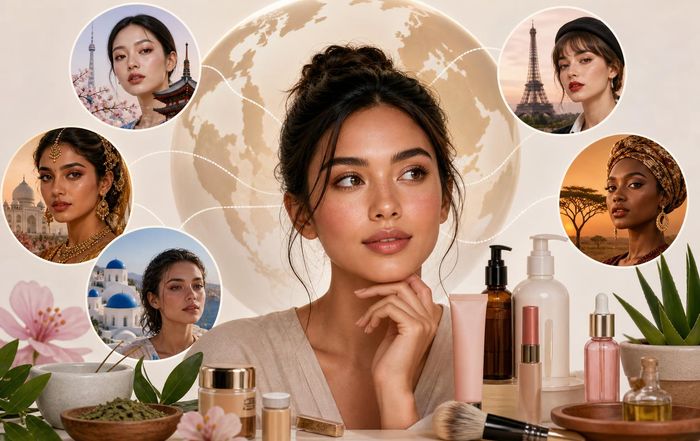
How International Trends Often Shape Local Beauty Choices?
The Global Beauty Conversation and Beautytipa's Perspective
Beauty is no longer defined within national borders but is instead shaped by an interconnected web of cultural exchange, digital platforms, scientific innovation and shifting consumer values, and Beautytipa operates at the new fresh center of this transformation by examining how international trends are translated into local routines, product preferences and business strategies across regions as diverse as North America, Europe, Asia, Africa and South America. As social media platforms, streaming services and cross-border e-commerce accelerate the flow of ideas, aesthetics and ingredients, consumers in the United States, the United Kingdom, Germany, Canada, Australia and beyond are exposed daily to Korean glass skin routines, French pharmacy minimalism, Brazilian body care rituals and Japanese sun care standards, and they increasingly expect brands to provide both global inspiration and locally relevant solutions.
This dynamic is particularly visible in the way readers of Beautytipa navigate between positive aspirations and personal realities, frequently consulting in-depth resources such as the site's dedicated sections on beauty, skincare and trends to understand which international movements genuinely add value to their daily lives and which remain more aspirational than practical. At the same time, institutions such as the World Economic Forum highlight how cross-border digital trade and social platforms are reshaping consumer expectations and retail structures, and those macro trends are clearly visible in the beauty and wellness categories, where visual storytelling and influencer culture have become central to product discovery and brand trust. Learn more about how global digitalization reshapes industries on the World Economic Forum website.
Cultural Exchange, Social Media and the New Aesthetic Map
The rise of global beauty trends is inseparable from the influence of platforms like Instagram, TikTok and YouTube, which enable creators from South Korea, Japan, France, Brazil and South Africa to introduce their rituals to audiences in the United States, the United Kingdom, the Netherlands or Singapore almost instantly. Research from Pew Research Center shows the continuing dominance of social media in shaping consumer attitudes, especially among younger demographics who treat creators as both entertainment and primary sources of product information, and this shift has made visual authenticity and lived experience as important as traditional advertising. Readers who follow in-depth guides and tips on Beautytipa often arrive with prior exposure to global trends via short-form video, then seek more structured, expert-driven context before integrating new products or routines into their lives. Explore how social media influences consumer behavior on the Pew Research Center site.
In this global conversation, the concept of beauty has expanded beyond facial features and makeup techniques to encompass wellness, mental health and lifestyle choices, driven in part by organizations such as the World Health Organization, which emphasizes the interconnectedness of physical and mental wellbeing. As consumers in Canada, Australia, Sweden and Norway adopt holistic approaches that blend skincare, nutrition, sleep and stress management, they increasingly look for brands and platforms that reflect this integrated perspective, and Beautytipa responds by connecting its wellness, health and fitness and food and nutrition coverage with its core beauty and skincare content. Learn more about global wellness perspectives from the World Health Organization.
K-Beauty, J-Beauty and the Asian Influence on Global Routines
Among the most visible examples of international trends shaping local choices is the continued impact of Korean and Japanese beauty philosophies, which have evolved from niche interests into mainstream reference points across North America, Europe and parts of Africa and South America. The multi-step Korean skincare routine, popularized through social media and K-dramas, has encouraged consumers in the United States, the United Kingdom, Germany and France to adopt a more layered, ingredient-focused approach to skincare, often centering on hydration, barrier support and sun protection rather than purely on corrective treatments. This shift aligns with dermatological guidance from organizations such as the American Academy of Dermatology, which underscores the long-term benefits of gentle, consistent skincare practices over aggressive, short-term interventions. Learn more about evidence-based skincare practices from the American Academy of Dermatology.
Japanese beauty, often described as J-Beauty, introduces another dimension by emphasizing ritual, simplicity and long-term skin health, and its emphasis on high-quality cleansing, meticulous UV protection and texture refinement has influenced consumers in markets such as Italy, Spain, the Netherlands and Switzerland, where sun exposure and environmental stressors are prominent concerns. As readers of Beautytipa explore routines inspired by Asian skincare, they frequently adapt the principles rather than copying them wholesale, simplifying ten-step regimens into three- to five-step routines that accommodate local lifestyles, climates and budgets. Industry analysis from McKinsey & Company illustrates how K-Beauty and J-Beauty have reshaped global product development pipelines, as Western brands reformulate to include fermented ingredients, lightweight textures and sophisticated sun care technologies, and this cross-pollination continues to accelerate as Asian brands expand their distribution networks in Europe, North America and the Middle East. Read more about the changing global beauty landscape on the McKinsey & Company website.
European Minimalism, Pharmacy Culture and Regulatory Influence
While Asian beauty often inspires experimentation and layering, European beauty traditions exert a different type of influence rooted in pharmacy culture, minimalism and regulatory rigor, and this combination has become increasingly attractive to consumers in Canada, Australia, Singapore and New Zealand who seek efficacy, safety and simplicity. French pharmacy brands, Italian spa heritage and Scandinavian formulations focused on sensitive skin have shaped a global appreciation for fragrance-free, clinically tested products with short ingredient lists, and these trends align closely with the guidance of regulatory bodies such as the European Medicines Agency, which oversees the safety of many cosmetic ingredients and related products within the European Union. Learn more about European regulatory standards from the European Medicines Agency.
The popularity of European minimalist skincare is also connected to growing consumer literacy around ingredients, as readers of Beautytipa and other specialist platforms increasingly evaluate formulations based on actives such as retinoids, niacinamide, peptides and ceramides rather than on marketing language alone. Independent organizations like the British Association of Dermatologists contribute to this shift by publishing accessible information about common skin concerns and recommended treatments, and their resources are frequently consulted by consumers in the United Kingdom, Ireland and other English-speaking markets seeking medically aligned guidance. Learn more about clinical perspectives on skincare from the British Association of Dermatologists. For Beautytipa, which aims to combine aspirational content with evidence-based insight, this environment creates an opportunity to help readers reconcile the appeal of international aesthetics with the realities of skin biology and regulatory frameworks in their own countries.
North American Innovation, Diversity and the Business of Beauty
North America, and particularly the United States, continues to function as a major hub for brand innovation, venture capital and media influence in the beauty sector, and its impact on local choices worldwide is strongly tied to its emphasis on diversity, self-expression and rapid product cycles. Major industry events and analyses in the United States and Canada, often tracked by organizations such as NielsenIQ, show that consumers increasingly reward brands that represent a broad spectrum of skin tones, hair textures and cultural backgrounds, and this expectation now extends to markets in the United Kingdom, South Africa, Brazil and Malaysia, where inclusive shade ranges and textured hair solutions are becoming non-negotiable rather than optional differentiators. Learn more about inclusive beauty market data from NielsenIQ.
At the same time, North American consumers are early adopters of technology-driven beauty experiences, from AI-powered skin diagnostics to AR makeup try-ons and hyper-personalized product recommendations, and this appetite for innovation has encouraged global companies such as L'Oréal and Estée Lauder Companies to invest heavily in digital tools and data platforms. Reports from Deloitte on consumer products and retail highlight how data-centric strategies help brands anticipate local preferences, tailor assortments and optimize pricing in markets such as Germany, Australia, Singapore and Japan, and these capabilities are becoming essential as competition intensifies both online and offline. Explore more about digital transformation in consumer goods on the Deloitte website. For Beautytipa, which covers technology and beauty alongside product trends, this convergence of data, AI and personalization is central to understanding how international trends become localized experiences on individual screens and in physical stores.
Latin American, African and Middle Eastern Aesthetics Enter the Mainstream
While much of the global beauty narrative has historically been dominated by North American, European and East Asian perspectives, 2026 has brought a stronger recognition of the creative and cultural contributions of Latin America, Africa and the Middle East, and this shift is beginning to shape local choices well beyond those regions. Brazilian body care traditions, which celebrate sun-kissed skin, textured hair and fragrance layering, have influenced consumers in Spain, Portugal and parts of North America who seek more sensorial, joyful approaches to daily routines, and these rituals often integrate naturally with wellness-oriented lifestyles that prioritize movement, outdoor activity and social connection. Organizations such as Euromonitor International have documented the rise of Latin American beauty brands and their growing export potential, particularly in body care and hair care segments. Learn more about emerging beauty markets from Euromonitor International.
Similarly, African beauty entrepreneurs from Nigeria, South Africa, Kenya and Ghana are gaining global recognition for their expertise in melanin-rich skin and textured hair, and their brands are increasingly stocked in retailers across the United Kingdom, France and the United States, where they fill long-standing gaps in product offerings. This development aligns with broader conversations about representation and economic inclusion that are tracked by organizations such as UN Women, which advocates for women's economic empowerment and leadership in industries including beauty and fashion. Learn more about gender and economic empowerment on the UN Women website. For Beautytipa, whose audience spans Europe, Asia, Africa and the Americas, featuring these perspectives within brands and products coverage is essential to presenting a truly international view of beauty that respects local expertise and heritage ingredients such as shea butter, marula oil and argan oil.
Sustainability, Ethics and the New Standard of Trust
Across all regions, the rise of sustainability and ethical consumption has become one of the most powerful forces shaping how international trends are adopted locally, as consumers in markets such as Germany, Sweden, Denmark, the Netherlands and Switzerland increasingly evaluate beauty brands through the lens of environmental impact, supply chain transparency and animal welfare. Global frameworks like those promoted by the United Nations Environment Programme encourage companies to reduce plastic waste, improve recyclability and adopt more sustainable sourcing practices, and these expectations are rapidly becoming normative in beauty and personal care. Learn more about sustainable consumption initiatives from the UN Environment Programme.
Ethical considerations also extend to ingredient safety and regulatory compliance, with organizations such as the U.S. Food and Drug Administration and the Health Canada authority playing central roles in setting standards that influence global product development, particularly for sunscreens, color cosmetics and active skincare formulations. As consumers in the United States, Canada and beyond become more informed, they are more likely to question unsubstantiated claims, seek out independent reviews and consult expert resources before purchasing, and this behavior underscores the importance of Experience, Expertise, Authoritativeness and Trustworthiness in platforms like Beautytipa. Readers who explore the site's business and finance coverage increasingly want to understand how sustainability commitments affect brand valuations, retail partnerships and long-term market positioning, and how those strategic decisions ultimately shape the products available on local shelves. Learn more about cosmetic regulation in the United States from the U.S. Food and Drug Administration.
Technology, Data and Hyper-Personalization in Beauty
The intersection of technology and beauty has accelerated dramatically by 2026, with AI, machine learning and computer vision now embedded in everything from skin analysis apps and virtual try-on tools to supply chain forecasting and ingredient innovation, and this technological shift is redefining how international trends are filtered and adapted at the individual level. Research from MIT Sloan Management Review and similar institutions highlights that companies integrating advanced analytics into their product development and marketing processes are better able to anticipate consumer needs, reduce waste and personalize recommendations, and these capabilities are especially valuable in a category as sensorial and subjective as beauty. Learn more about data-driven innovation from MIT Sloan Management Review.
For consumers in the United States, the United Kingdom, China, South Korea, Japan and Singapore, AI-powered skin diagnostics and AR makeup tools have become common entry points for discovering new products, often drawing on global trend data while adjusting suggestions for local climate, regulatory constraints and cultural preferences. When readers of Beautytipa consult the site's technology and beauty section, they are often seeking clarity on how to interpret these tools' recommendations, how data privacy is managed and how to differentiate between genuinely helpful personalization and algorithm-driven upselling. Organizations such as the OECD are increasingly focused on responsible AI and data governance, and their guidelines indirectly influence how beauty companies handle consumer data, consent and transparency. Learn more about responsible AI and data policy from the OECD website.
Careers, Skills and Employment in a Globalized Beauty Industry
As international trends shape local beauty choices, they also reshape the job market, skill requirements and career paths within the industry, and this evolution is particularly relevant for professionals and aspiring talent who follow Beautytipa for jobs and employment insights. The rise of cross-border e-commerce, digital marketing and influencer partnerships has created demand for professionals who combine traditional expertise in product development, dermatology or cosmetic chemistry with skills in data analytics, content creation, community management and cross-cultural communication. Reports from organizations such as the International Labour Organization highlight how digitalization and globalization are transforming employment structures, with more freelance, remote and hybrid roles emerging in sectors including beauty, fashion and wellness. Learn more about global employment trends from the International Labour Organization.
For markets such as the United States, the United Kingdom, Germany, Canada, Australia and Singapore, this transformation means that local professionals increasingly collaborate with colleagues, suppliers and creators in South Korea, Japan, Thailand, Brazil, South Africa and beyond, and understanding regional beauty norms and consumer expectations becomes a core competency rather than a niche specialization. Educational institutions and professional associations are adapting by offering more interdisciplinary programs that integrate cosmetic science, marketing, sustainability and digital skills, and Beautytipa reflects this shift by covering not only product launches and aesthetic movements but also the broader ecosystem of training, regulation and business strategy that enables those trends to reach consumers worldwide.
Fashion, Wellness and the Convergence of Lifestyle Categories
Beauty does not exist in isolation, and the international trends that shape local choices increasingly originate from adjacent categories such as fashion, wellness, fitness and nutrition, where global influences are equally strong. Fashion capitals like Paris, Milan, London, New York and Seoul set aesthetic directions that quickly filter into makeup color stories, hair trends and even skincare positioning, and organizations such as the Business of Fashion and Vogue Business analyze how runway and street style inform consumer expectations across regions. Learn more about the intersection of fashion and beauty on the Business of Fashion website. For readers of Beautytipa, who also explore fashion content, understanding these connections helps contextualize why certain looks dominate social feeds in a given season and how they can be adapted realistically to local climates, professional environments and cultural norms.
At the same time, the wellness movement has brought fitness, nutrition, mental health and self-care into the core definition of beauty, with organizations such as the Global Wellness Institute documenting the rapid growth of wellness tourism, fitness tech and functional nutrition. Learn more about the global wellness economy from the Global Wellness Institute. This convergence means that international trends in yoga, Pilates, high-intensity training, plant-based diets or mindfulness apps increasingly influence local beauty routines, as consumers in the United States, Europe, Asia and Africa seek products and practices that align with their broader lifestyle choices. Beautytipa responds to this holistic perspective by integrating wellness, health and fitness and food and nutrition coverage with its core beauty and skincare reporting, emphasizing that glowing skin, resilient hair and confident self-presentation are outcomes of interconnected behaviors rather than isolated purchases.
Local Adaptation: Climate, Culture and Regulation
Despite the power of international trends, local realities continue to exert a decisive influence on which movements take root and how they are interpreted, and this interplay between global inspiration and local adaptation is where Beautytipa focuses much of its analysis. Climate is a major factor, as the routines that work in the humid environments of Singapore, Thailand or Brazil often require significant modification to remain practical in the dry winters of Canada, Sweden or Finland, and vice versa, and dermatologists frequently emphasize that environmental conditions should guide choices in textures, actives and layering strategies. Organizations such as the National Oceanic and Atmospheric Administration provide data on changing climate patterns that indirectly affect skin concerns, such as increased UV exposure or pollution levels in certain regions. Learn more about global climate trends from the NOAA website.
Culture and regulation also shape local choices, as modesty norms, workplace expectations and advertising standards differ widely between, for example, South Korea, Saudi Arabia, France and the United States, and these differences influence how makeup looks, fragrance intensity and even packaging design are received. Regulatory bodies like the European Commission and Health Canada may restrict or approve certain ingredients differently from the U.S. Food and Drug Administration or regulatory authorities in China and Japan, leading to variations in formulation and marketing that consumers notice when comparing products purchased domestically versus through international e-commerce. Learn more about cosmetic regulation in Europe from the European Commission. Beautytipa, with its international focus, helps readers navigate these complexities by explaining why a trend appearing on global social media may require adaptation or caution before being integrated into local routines.
Need Help in Navigating a Borderless Beauty Future?
As the beauty industry becomes more global, data-driven and value-conscious, consumers face an expanding array of choices, claims and aesthetic ideals, and this abundance can easily become overwhelming without trusted intermediaries that combine Experience, Expertise, Authoritativeness and Awesomeness. Beautytipa positions itself precisely in this role by curating independent fashion and beauty news trends, translating them into practical guidance and contextualizing them within the realities of readers' local climates, regulatory environments, cultural norms and economic conditions. Through dedicated original and interesting sections on beauty, skincare, trends, events and business and finance, the platform connects aesthetic inspiration with strategic insight, helping both consumers and industry professionals make informed decisions.
Looking ahead, the interplay between international trends and local beauty choices will only intensify as AI, sustainability imperatives and demographic shifts reshape the industry across regions from North America and Europe to Asia, Africa and South America, and success will increasingly depend on the ability to balance global awareness with local sensitivity. For readers, this means cultivating discernment, seeking out evidence-based information and aligning beauty decisions with personal values and lifestyle realities; for brands and professionals, it means investing in cross-cultural understanding, ethical practices and transparent communication. In this evolving landscape, Beautytipa remains committed to providing the depth, nuance and independent impartial perspective necessary to navigate beauty, serving as a bridge between worldwide innovation and the individual choices made every day at the bathroom mirror, in the gym, at the office and on the streets of cities around the world. Visit Beautytipa's homepage to continue exploring how global beauty, wellness and fashion trends can be thoughtfully integrated into local, authentic lives.
Ok girls and guys, we're gonna ask a little favour if you can continue to support us by bookmarking and subscribing and sharing this site we would love you for it!
