
Technology in Skincare: From Devices to Apps Shaping the Beauty Future
The Digital Transformation of Skincare
So skincare has moved far beyond creams and serums on a bathroom shelf; it has become a connected, data-driven ecosystem in which hardware, software, diagnostics and content converge to create highly personalized experiences. On BeautyTipa.com, this evolution is especially visible in the way readers from the United States, Europe, Asia and beyond now evaluate products, build routines and choose services, increasingly relying on digital tools to guide every decision. What began as a niche trend of at-home cleansing brushes and basic skin-tracking apps has matured into a sophisticated landscape that includes artificial intelligence-powered analysis, medical-grade home devices, wearable sensors and integrated wellness platforms that link skin health with sleep, nutrition, stress and environment.
This transformation has been accelerated by wider technological and cultural shifts: the expansion of 5G connectivity, the normalization of teledermatology, the rise of health wearables and the growing consumer expectation of personalization in every aspect of life. As leading research organizations such as the World Economic Forum highlight in their discussions on the Fourth Industrial Revolution, technology is no longer a peripheral add-on but a central driver of how industries operate and how consumers behave. In skincare, this means that brands, retailers, clinics and digital platforms must demonstrate genuine expertise, transparent science and robust data practices if they wish to earn and maintain trust. For BeautyTipa.com, whose audience spans beauty enthusiasts, professionals, entrepreneurs and investors, understanding this technological shift is not just interesting; it is essential for making informed decisions about products, routines, careers and business strategies.
From Manual Care to Smart Devices
The first wave of skincare technology was largely hardware-driven, focusing on tools that could replicate or approximate in-clinic treatments at home. Early cleansing brushes and basic LED masks paved the way for a new generation of devices that combine advanced engineering, dermatological insights and digital connectivity. Today, consumers can purchase handheld tools that offer microcurrent toning, radiofrequency tightening, ultrasonic cleansing and multi-wavelength light therapy, often supported by companion apps that adjust settings based on skin type, concerns and real-time feedback. Many of these devices draw upon evidence reviewed by organizations such as the American Academy of Dermatology, where readers can explore how dermatologists evaluate technologies like light-based therapies and energy devices for safety and efficacy.
These tools have become especially popular in markets such as the United States, United Kingdom, Germany, South Korea and Japan, where high-speed internet, strong e-commerce infrastructure and advanced beauty retail ecosystems support rapid adoption. Consumers in these regions are increasingly comfortable investing in devices that promise professional-grade results at home, provided they are backed by clear science and credible clinical testing. On BeautyTipa.com, device-focused content intersects naturally with dedicated areas such as skincare, routines and brands and products, allowing readers to evaluate how a device fits into a broader regimen and how it compares to topical or in-clinic alternatives. This holistic context is critical, as devices rarely operate in isolation; they are most effective when combined with appropriate formulations, consistent routines and realistic expectations.
The Rise of AI Skin Analysis and Diagnostics
Artificial intelligence has become one of the most transformative forces in skincare, particularly in the area of image-based diagnostics. AI-driven tools now analyze facial images to detect fine lines, pigmentation, redness, acne, pore size and textural irregularities, often with a level of consistency and granularity that surpasses casual human observation. Companies and research groups draw on advances in computer vision and deep learning documented by institutions like MIT Technology Review, where readers can explore how AI is reshaping healthcare, diagnostics and consumer technologies. In skincare, these capabilities enable personalized product recommendations, progress tracking over time and even early detection of conditions that may require professional assessment.
For global consumers, especially in regions where access to dermatologists is limited or expensive, AI skin analysis offers an accessible first step toward understanding their skin. However, this technology also raises questions of bias, data quality and inclusivity, as algorithms trained predominantly on lighter skin tones may underperform on darker complexions, potentially misclassifying concerns or missing important indicators. Organizations such as the World Health Organization have emphasized the importance of equity and representation in digital health tools, urging developers to ensure that datasets reflect diverse populations across geographies, ages and skin types. For a platform like BeautyTipa.com, which serves readers from North America, Europe, Asia, Africa and South America, evaluating AI-based tools means looking beyond marketing claims to examine how these systems were trained, validated and governed.
Trust in AI-driven skincare also depends on transparency about how data is collected, stored and used. Consumers are increasingly aware of privacy issues and expect clear explanations about whether their images are anonymized, whether models are improved using user data and whether information is shared with third parties. Regulatory frameworks such as the European Commission's evolving rules on AI and digital services are beginning to shape how beauty and wellness companies design and deploy these technologies, particularly in the European Union, the United Kingdom and other jurisdictions that prioritize data protection. As AI analysis becomes more deeply embedded in skincare apps, in-store consultation tools and teledermatology platforms, brands that proactively embrace responsible AI principles will be better positioned to build long-term loyalty.
Apps as the New Skincare Companion
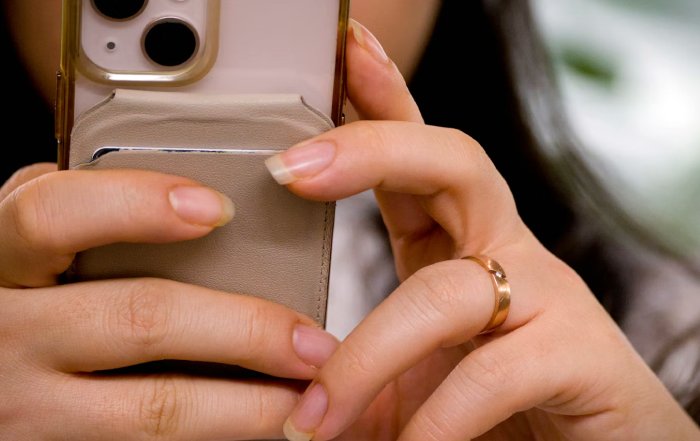
Mobile applications have become the interface through which many consumers engage with skincare technology on a daily basis. These apps range from simple trackers that log products and routines to sophisticated platforms that integrate AI analysis, ingredient education, community reviews and direct access to professionals. On BeautyTipa.com, readers often seek guidance on how to navigate this crowded app ecosystem, which includes offerings from established beauty houses, independent startups, telehealth providers and even major technology companies exploring health and wellness. For many users, especially in markets like Canada, Australia, Singapore and the Nordics, apps have become essential companions that help them interpret product labels, monitor skin changes and stay informed about new ingredients and formulations.
Some apps focus heavily on ingredient literacy, helping users decode complex labels and understand potential interactions or sensitivities. Resources such as INCI Decoder and ingredient glossaries from organizations like Paula's Choice or The Derm Review have set a standard for accessible yet scientifically grounded explanations, encouraging consumers to move beyond marketing language and evaluate formulations on their merits. Others integrate with wearable devices or environmental sensors to correlate skin condition with sleep quality, stress levels, air pollution or UV exposure, a trend aligned with research shared by the National Institutes of Health on the interplay between lifestyle factors and skin health. These multi-factor platforms recognize that skin is a reflection of overall wellness, not an isolated system, and they encourage users to adopt more holistic routines that address internal and external influences.
For BeautyTipa.com, which offers dedicated sections on wellness, health and fitness and food and nutrition, the convergence of skincare and wellness apps is particularly relevant. Readers are increasingly interested in how sleep hygiene, exercise, hydration and diet influence conditions such as acne, rosacea or premature aging, and they look to digital tools to provide actionable insights rather than generic advice. Apps that can synthesize these variables into clear recommendations, while remaining transparent about their limitations, are likely to gain traction among discerning users who value evidence-based guidance.
Teledermatology and Hybrid Care Models
The rapid expansion of telemedicine has reshaped dermatological care, making virtual consultations an integral part of the skincare journey in many regions. Teledermatology platforms allow users to upload images, complete questionnaires and receive assessments or prescriptions from licensed professionals, often within hours or days. In countries such as the United States, United Kingdom, Germany, France and Italy, regulatory changes and reimbursement policies have supported this shift, while in Asia-Pacific markets like South Korea, Japan, Singapore and Australia, high digital literacy and strong broadband infrastructure have enabled rapid adoption. Organizations such as the American Telemedicine Association provide frameworks and best practices for remote care, helping ensure that virtual services maintain clinical quality and patient safety.
For skincare consumers, teledermatology offers a bridge between app-based self-care and in-person medical treatment. It enables early intervention for conditions such as acne, eczema and psoriasis, which can significantly impact quality of life if left unmanaged. At the same time, responsible platforms emphasize that certain symptoms-such as suspicious moles, rapidly changing lesions or severe inflammation-require in-person examination, specialized imaging or biopsy, as recommended by bodies like Cancer Research UK and national dermatology societies. The most trustworthy digital services therefore adopt a hybrid model, combining remote triage and follow-up with clear pathways to physical clinics when needed.
This hybrid approach aligns with the editorial perspective of BeautyTipa.com, which consistently encourages readers to balance self-directed skincare with professional guidance. By featuring content that explains when to seek dermatological advice, how to prepare for virtual or in-person consultations and how to integrate medical treatments with cosmetic routines, the platform reinforces a culture of informed, responsible care. In regions where dermatologists are scarce, particularly parts of Africa, South America and Southeast Asia, teledermatology can also play a role in expanding access, provided that connectivity, device availability and language support are adequately addressed.
Smart Routines and Data-Driven Personalization
One of the most significant contributions of technology to skincare has been the ability to design and maintain personalized routines that evolve over time. Instead of relying on generic recommendations based on broad categories such as "dry" or "oily," consumers can now use digital tools to create regimens tailored to their unique skin profile, climate, lifestyle and budget. Apps and platforms that specialize in routine building often draw on dermatological research, user feedback and machine learning to suggest product combinations, application order and frequency. Some integrate directly with e-commerce, enabling seamless purchase and replenishment, while others focus on education, helping users understand why specific actives or textures are recommended.
On BeautyTipa.com, the intersection of technology and routines is reflected in the routines and guides and tips sections, where readers explore how to structure morning and evening care, adapt regimens to travel between climates such as Northern Europe and Southeast Asia, and integrate devices alongside topical treatments. Data-driven personalization becomes particularly valuable for individuals managing multiple concerns simultaneously, such as hyperpigmentation, sensitivity and early signs of aging, where product layering and ingredient compatibility require careful planning. Platforms that can map these complexities into clear, step-by-step routines provide tangible value, especially when they incorporate feedback loops that adjust recommendations based on user-reported outcomes and objective changes captured by images or sensors.
The broader consumer shift toward personalization is documented by organizations such as McKinsey & Company, which analyze how data and analytics are transforming retail and consumer packaged goods. In skincare, this trend raises important questions about data stewardship, algorithmic fairness and commercial influence, especially when recommendation engines are closely tied to specific brands or retailers. For BeautyTipa.com, maintaining editorial independence and a focus on user benefit means critically examining how personalization engines are built and whether they prioritize skin health and long-term satisfaction over short-term sales.
The Business of Beauty Tech: Investment, Innovation and Competition
The convergence of skincare and technology has created a dynamic business environment in which beauty conglomerates, pharmaceutical companies, digital health startups and major technology firms all compete and collaborate. Investment in beauty tech has grown steadily, with venture capital and corporate funds supporting innovations in diagnostics, devices, personalized formulations and direct-to-consumer platforms. Market analyses from organizations such as Statista and Allied Market Research highlight strong growth projections for segments like at-home beauty devices, AI-powered diagnostics and teledermatology services across North America, Europe and Asia-Pacific. This growth is driven not only by consumer demand but also by structural factors such as aging populations, increased skincare awareness among men and rising middle-class incomes in regions like Southeast Asia and Latin America.
For business-minded readers of BeautyTipa.com, the business and finance section provides a lens through which to understand how technology reshapes value chains, margins and competitive dynamics. Brands that once differentiated themselves primarily through formulations and packaging must now consider their digital capabilities, data strategies and partnerships with health and technology providers. At the same time, regulatory scrutiny is intensifying, particularly around claims that border on medical territory, data privacy and the use of AI in consumer products. Organizations such as the U.S. Food and Drug Administration and the European Medicines Agency play increasingly visible roles in determining how certain devices and apps are classified, marketed and monitored, especially when they claim to diagnose, treat or prevent skin conditions.
In this environment, credibility and trust become strategic assets. Companies that invest in rigorous clinical studies, transparent communication and ethical data practices can differentiate themselves in a crowded marketplace, while those that rely on exaggerated claims or opaque algorithms risk reputational damage. For BeautyTipa.com, highlighting brands and technologies that demonstrate genuine expertise and accountability is a core editorial responsibility, particularly as readers look for guidance on where to invest their time, money and data.
Careers and Skills in Technology-Driven Skincare
As technology reshapes skincare, it also creates new roles and career paths at the intersection of beauty, science and digital innovation. Professionals with backgrounds in dermatology, cosmetic chemistry, data science, software engineering, user experience design and regulatory affairs are increasingly collaborating to develop and manage skincare technologies. The demand for such hybrid skill sets is evident across major markets, from the beauty hubs of New York, London, Paris and Milan to the tech centers of Berlin, Stockholm, Seoul, Tokyo, Singapore and San Francisco. Career resources and labor market analyses from organizations like the World Economic Forum and LinkedIn emphasize the growing importance of digital literacy, cross-disciplinary collaboration and continuous learning in future job markets.
For readers exploring opportunities in this evolving field, the jobs and employment section of BeautyTipa.com can serve as a starting point to understand emerging roles such as beauty data analyst, skincare app product manager, digital skin coach, regulatory specialist for beauty tech and R&D lead for connected devices. Educational institutions and professional associations are beginning to respond by offering specialized programs and certifications that blend cosmetic science with digital health, AI ethics and user-centered design. This shift underscores a broader reality: the future of skincare will be shaped not only by scientific discoveries and technological breakthroughs but also by the skills, values and perspectives of the people who design, regulate and use these tools.
Regional Perspectives: Global Adoption and Local Nuances
While technology in skincare is a global phenomenon, its adoption and expression vary significantly by region, shaped by cultural preferences, regulatory environments, infrastructure and consumer expectations. In North America and Western Europe, consumers often prioritize scientific validation, ingredient transparency and alignment with broader wellness trends, as reflected in the popularity of dermatologist-backed brands and evidence-based content from organizations like the British Association of Dermatologists. In East Asia, particularly South Korea and Japan, innovation cycles are rapid, and consumers are highly receptive to new formats, textures and devices, contributing to the region's reputation as a beauty technology leader. Platforms such as Korea Tourism Organization and Japan External Trade Organization frequently highlight how beauty and technology intersect in their domestic industries, influencing global trends.
In emerging markets across Africa, South America and parts of Asia, mobile-first adoption is common, and affordability, accessibility and language support are critical considerations. Here, lightweight apps, chatbot-based guidance and partnerships with local clinics or pharmacies can play a decisive role in shaping consumer experiences. Environmental factors also differ: high UV exposure in countries like Australia, South Africa and Brazil, or high pollution levels in some urban centers in China and India, influence which technologies and features resonate most strongly. On BeautyTipa.com, the international section provides a space to explore these regional nuances, helping readers understand how global trends manifest differently in markets as diverse as the Netherlands, Switzerland, Thailand, Malaysia and New Zealand.
Across all regions, one constant remains: consumers increasingly expect technology to enhance, rather than complicate, their skincare experiences. Tools that respect local norms, address specific environmental challenges and support multiple languages are likely to enjoy sustained success, while those that impose one-size-fits-all solutions may struggle to gain trust.
Integrating Technology with Holistic Beauty and Wellness
As powerful as devices and apps have become, technology alone cannot guarantee healthy, radiant skin. Instead, it functions best as part of a holistic approach that integrates topical care, lifestyle choices and mental well-being. Organizations such as the Mayo Clinic and Harvard Health Publishing consistently emphasize the role of sleep, stress management, nutrition and physical activity in supporting skin health, reinforcing the idea that beauty is inseparable from overall wellness. For readers of BeautyTipa.com, this perspective is reflected in the site's interconnected coverage of beauty, wellness, fitness, nutrition and fashion, which together recognize that confidence and self-expression are influenced by multiple dimensions of life.
Technology can support this holistic approach by offering tools for habit tracking, mindfulness, nutritional planning and fitness, many of which indirectly benefit the skin. For example, apps that encourage consistent sleep routines, balanced diets or regular exercise can contribute to improved circulation, reduced inflammation and better hormonal balance, all of which influence skin appearance and resilience. Wearables that monitor stress markers and prompt relaxation exercises can help mitigate flare-ups for conditions like eczema or rosacea, which are often exacerbated by psychological stress. In this sense, the most impactful skincare technologies may be those that help users build sustainable, health-promoting lifestyles rather than focusing narrowly on surface-level concerns.
For BeautyTipa.com, the challenge and opportunity lie in curating content that helps readers connect these dots, showing how a smart device or app fits into a broader pattern of self-care that includes mindful product selection, balanced nutrition, adequate rest and authentic personal style. By emphasizing experience, expertise, authoritativeness and trustworthiness, the platform can guide its global audience through an increasingly complex landscape, empowering them to use technology as a tool for informed, responsible and holistic beauty.
Looking Ahead: The Next Chapter of Tech-Enabled Skincare
As 2026 unfolds, the trajectory of technology in skincare points toward deeper integration, greater personalization and more rigorous standards of evidence and ethics. Advances in fields such as bioengineering, materials science, sensor technology and generative AI will likely yield new forms of diagnostics, smart packaging, adaptive formulations and immersive virtual experiences. At the same time, regulators, professional organizations and consumer advocates will continue to scrutinize claims, data practices and environmental impacts, pushing the industry toward more sustainable, transparent and accountable models. Initiatives from bodies such as the United Nations Environment Programme highlight the importance of considering sustainability in product design, manufacturing and disposal, a consideration that extends to electronic devices and digital services in the beauty sector.
For global readers of BeautyTipa.com, staying informed about these developments is not merely a matter of curiosity; it is a way to make better choices as consumers, professionals and investors. Whether evaluating a new AI-powered skin analysis app, considering an at-home device that promises clinic-level results, or exploring a career in beauty technology, individuals benefit from clear, evidence-based information that respects their intelligence and values. By combining rigorous analysis with an understanding of real-world experience, BeautyTipa.com is positioned to serve as a trusted guide in this evolving landscape, helping its audience navigate the intersection of technology, skincare and holistic well-being with confidence and discernment.
