
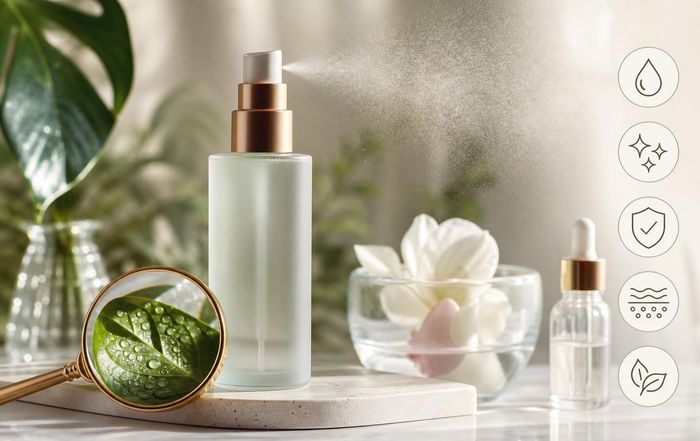
How to Choose a Facial Mist That Actually Does Something for Your Skin
Facial mists have moved far beyond the old idea of "a bit of scented water in a spray bottle." Today, they can hydrate, calm irritation, support the skin barrier, add antioxidants, and even boost the performance of your other skincare. Yet many mists are still little more than fragranced water that feel nice for a few seconds and then leave skin drier than before. The key difference lies in the formula, not the packaging. Understanding what is really in a mist-and how it fits into a routine-helps you choose one that genuinely benefits your skin instead of just refreshing it.
This guide looks at what makes a facial mist effective, how to read the ingredient list, how to match a mist to your skin type and concerns, and how to avoid common mistakes that can backfire, such as over-misting or relying on water-only sprays in dry environments. It also places facial mists in the wider context of modern routines, where they often sit between cleansing and serums or act as a flexible step throughout the day.
For broader context on building a balanced regimen, readers may also find it useful to explore skincare fundamentals, daily routines, and ingredient-based guides and tips.
What a Facial Mist Can (and Can't) Do
A well-formulated facial mist is essentially a very fluid toner or essence packaged with a fine sprayer. It can provide lightweight hydration, deliver soothing or antioxidant ingredients, and create a slightly damp surface that improves the spread and penetration of serums and moisturizers. Dermatologists often emphasize that humectants like glycerin and hyaluronic acid bind water in the outer skin layers, and a mist is an easy way to supply that water plus additional actives in a quick step. The American Academy of Dermatology (AAD) notes that layering hydrating products on damp skin can enhance their effect, which is one reason some people like to mist between steps rather than applying everything onto dry skin (AAD basic skincare guidance).
However, a mist is not a replacement for a proper moisturizer, sunscreen, or targeted treatment like retinoids or prescription acne medication. Facial mists are usually low in occlusive ingredients, which means they do not seal in moisture very effectively on their own. In low-humidity environments, repeatedly spraying plain water on the face without following with emollients or occlusives can even worsen dehydration as the water evaporates and pulls moisture from the skin. Research on transepidermal water loss (TEWL) published in journals such as the International Journal of Cosmetic Science has shown how quickly water can evaporate from the stratum corneum when it is not protected by lipids or film-forming agents.
In practice, that means a mist should be thought of as a supporting step: something that can make a routine feel more comfortable, improve hydration levels, and deliver gentle actives, but not a standalone solution for dryness, aging, or breakouts. When readers keep that role in mind, it becomes easier to judge whether a particular mist's claims are realistic and where it fits into a broader regimen that might also include serums, moisturizers, and sunscreen.
Start with Your Skin Type and Environment
Before looking at ingredients, it helps to be clear on what your skin actually needs. A hydrating, humectant-rich mist that works beautifully for dry or mature skin might feel too sticky for someone with very oily skin in a humid climate, while a simple thermal water spray can be soothing on sensitive skin but offer little benefit to someone dealing with visible dehydration and a compromised barrier.
Dry or dehydrated skin generally benefits from mists that combine humectants with barrier-supporting ingredients like ceramides or cholesterol. Dehydration can occur in any skin type, including oily, when the skin lacks water rather than oil. A study in the Journal of Clinical and Aesthetic Dermatology highlighted that compromised barrier function and low natural moisturizing factor (NMF) can increase sensitivity and dullness; mists that supplement NMF components such as amino acids or urea can be especially helpful here. For those with oily or combination skin, a lighter mist with glycerin, low-weight hyaluronic acid, and perhaps niacinamide can hydrate without feeling heavy, and some may appreciate mists that help gently control excess shine with ingredients like zinc PCA.
Sensitive or redness-prone skin, including those with rosacea, often reacts poorly to strong fragrance, alcohol, and certain essential oils. The National Rosacea Society advises avoiding common triggers such as menthol, camphor, and heavily fragranced products, which can all appear in facial mists marketed as "energizing" or "refreshing" (NRS skin-care tips). In these cases, a minimal-ingredient mist with thermal spring water, panthenol, or madecassoside can be more suitable. For acne-prone skin, it is important to ensure the mist does not contain heavy oils or comedogenic plant butters; instead, look for non-comedogenic hydrating ingredients and possibly mild anti-inflammatories like green tea extract.
Climate and daily environment matter as well. In very dry indoor air-common with central heating or air conditioning-humectant-only mists can pull moisture from the deeper layers of the skin if there is not enough water in the air. Dermatology sources, including the Cleveland Clinic, often recommend pairing humectants with occlusives or emollients to prevent this moisture loss (Cleveland Clinic moisturizers overview). In practice, that means either choosing a mist that also includes light emollients or making sure to follow your mist with a cream or lotion that locks in the hydration. In very humid climates, on the other hand, a lightweight, water-based mist can be enough to make skin feel more comfortable between cleansing and sunscreen without needing heavy textures.
The Backbone of a Good Mist: Water, Humectants, and Soothing Agents
Almost every mist begins with water, but not all waters are equal. Some use purified water, while others center on thermal spring water, which naturally contains minerals like selenium, bicarbonates, and calcium. Brands such as Avène and La Roche-Posay have published small clinical and in vitro studies suggesting their thermal waters can soothe irritation and support barrier recovery, likely due to their mineral composition and antioxidant properties (La Roche-Posay thermal water data). While these claims are not universally replicated across all mineral waters, they do indicate that some water bases may offer more than simple hydration.
Humectants are what allow a mist to genuinely hydrate rather than just wet the surface. Ingredients to look for include glycerin, hyaluronic acid (and its salts like sodium hyaluronate), panthenol (provitamin B5), aloe vera, sorbitol, and betaine. Glycerin, in particular, is well-studied and appears in many dermatological moisturizers because it draws water into the outer skin layers and improves softness even at relatively low concentrations. A review in the British Journal of Dermatology highlighted glycerin's role in enhancing barrier function and elasticity when used regularly in moisturizers. Hyaluronic acid binds large amounts of water relative to its weight, although its effect depends on molecular size and overall formula, and it works best when sealed in with other products rather than left to evaporate.
Soothing agents are especially valuable for those with sensitive, irritated, or over-treated skin. Panthenol has documented anti-inflammatory and barrier-repair properties and is frequently used in post-procedure products. Allantoin, bisabolol, madecassoside (from Centella asiatica), and colloidal oat extracts are other examples with evidence for calming redness and supporting barrier recovery; the U.S. Food and Drug Administration (FDA) lists colloidal oatmeal as a skin protectant active ingredient in over-the-counter products for conditions like eczema (FDA monograph on skin protectants). When these appear high enough in the ingredient list, the mist is more likely to do something meaningful for comfort and resilience rather than just feel pleasant on application.
Readers who want to go deeper into how humectants and barrier-supporting ingredients fit into a full regimen can explore related coverage on hydrating skincare routines and wellness-driven beauty habits, which often highlight lifestyle factors that also influence dryness and sensitivity.
Helpful "Bonus" Actives: Antioxidants, Barrier Lipids, and Mild Exfoliants
Beyond basic hydration, some facial mists include actives more commonly found in serums or essences. When used thoughtfully, these can make a mist a powerful supporting product rather than a redundant extra. Antioxidants are among the most useful additions. Ingredients like vitamin C derivatives (such as sodium ascorbyl phosphate), vitamin E (tocopherol), ferulic acid, resveratrol, green tea extract, and coenzyme Q10 can help neutralize free radicals generated by UV exposure and pollution. The Journal of the American Academy of Dermatology has published multiple papers showing that topical antioxidants can improve photoaging markers and reduce oxidative stress, especially when combined with sunscreen. A mist containing antioxidants can be particularly appealing for daytime use, refreshing skin while topping up environmental defense, though it should not replace a dedicated sunscreen.
Barrier lipids such as ceramides, cholesterol, and fatty acids are more challenging to include in very watery formulas, but some mists use ultra-fine emulsions to disperse them. Ceramides are a central component of the skin's barrier; research published in Dermato-Endocrinology and other journals shows that topical ceramides can support barrier repair and reduce dryness in conditions such as atopic dermatitis. A mist with ceramides, even in low concentrations, can be especially helpful for people using retinoids, exfoliating acids, or acne medications that compromise the barrier. These formulas tend to feel slightly more emollient than simple water-based sprays but can still be lightweight compared to creams.
A few mists incorporate low levels of exfoliating acids like lactic acid, mandelic acid, or PHA (gluconolactone, lactobionic acid). While these can help smooth texture and brighten dullness, they should be used cautiously, especially on sensitive or already exfoliated skin. The American Academy of Dermatology notes that over-exfoliation is a common cause of irritation, redness, and barrier damage (AAD exfoliation advice). If a reader already uses acid toners or retinoids, adding an exfoliating mist may be unnecessary or even counterproductive. For most people seeking a mist that "does more," hydrating and soothing actives are more universally useful than extra exfoliation.
When evaluating these "bonus" ingredients, it is important to remember that mists are often used multiple times per day. Even low concentrations of actives can add up with frequent spritzing, so gentle, well-tolerated ingredients are generally a safer choice than strong acids or high-potency retinoids in spray form.
Ingredients to Treat with Caution
Several common components in facial mists can undermine their benefits, particularly for sensitive, dry, or acne-prone skin. One of the most debated is alcohol. There is an important distinction between fatty alcohols such as cetyl or cetearyl alcohol, which are emollient and generally non-irritating, and low-molecular-weight "drying" alcohols like denatured alcohol (alcohol denat.), isopropyl alcohol, and SD alcohol 40. In high concentrations, these volatile alcohols can strip lipids from the skin barrier and increase TEWL. A review in the Journal of the European Academy of Dermatology and Venereology notes that repeated exposure to high levels of ethanol can impair barrier function, particularly in already dry or sensitive skin. A small amount of alcohol in a mist designed to enhance penetration of certain actives may be tolerable for some, but if it appears near the top of the ingredient list in a product marketed for frequent use, those with reactive or dry skin may want to avoid it.
Fragrance-both synthetic perfume blends and fragrant essential oils-is another area to consider. The European Commission's Scientific Committee on Consumer Safety (SCCS) has identified several fragrance allergens that can cause contact dermatitis, including limonene, linalool, and citronellol, which often appear in citrus or floral essential oils (SCCS opinions on fragrance allergens). Many people tolerate fragrance without obvious problems, and some enjoy a lightly scented mist as part of their routine. However, for those prone to eczema, rosacea, or unexplained redness, fragrance-free or low-fragrance formulas are typically safer. Because mists are often sprayed across the entire face, including the eye area, fragrance concentration and potential for irritation deserve particular attention.
Heavier oils and comedogenic ingredients are less common in mists but can appear in "glow" or "dewy finish" sprays. While comedogenicity depends on concentration and overall formula, ingredients like isopropyl myristate, certain waxes, and thick butters may be problematic for those with clogged pores or acne. The American Academy of Dermatology suggests that acne-prone individuals choose non-comedogenic products, which are less likely to clog pores, though there is no strict regulatory definition of the term (AAD acne product tips). Readers who frequently break out may wish to prioritize lighter formulas and avoid mists that leave a noticeable oily film.
Finally, pay attention to preservatives. All water-based products need preservatives to prevent bacterial and fungal growth, and widely used options like phenoxyethanol, parabens, and certain organic acids are considered safe at regulated concentrations by bodies such as the U.S. FDA and the European Chemicals Agency. However, some individuals may have specific sensitivities. If irritation occurs, checking the preservative system and patch testing alternative formulas can help identify culprits.
Matching a Mist to Your Skin Goals
Once the basics of your skin type and ingredient preferences are clear, it becomes easier to choose a mist that supports specific goals rather than just adding redundancy. Hydration is the most common objective, and in that case a formula rich in humectants and soothing agents, with minimal fragrance and no high-level drying alcohol, is usually ideal. This kind of mist can be used after cleansing, between skincare layers, and even lightly over makeup if the spray is fine enough. It is particularly useful for those who spend long hours in air-conditioned offices or on flights, where ambient humidity is low and skin can feel tight.
For barrier support and recovery, such as after professional procedures or during periods of retinoid use, look for mists that include ceramides, cholesterol, panthenol, and possibly thermal water. Post-procedure care guidelines from dermatology clinics and organizations like the American Society for Dermatologic Surgery (ASDS) often emphasize gentle, fragrance-free hydrating products and strict sun protection after treatments such as laser or chemical peels (ASDS post-treatment care overview). A mist alone will not replace a barrier cream, but it can provide comfortable hydration when the skin is too sensitive for heavier textures or when frequent application of a cream would feel occlusive.
If the goal is environmental protection and anti-aging support, a mist with antioxidants and possibly peptides can be a smart daytime companion to sunscreen. It can help counter some of the free radical damage from UV and pollution, though it should be seen as a supplement to, not a substitute for, a broad-spectrum SPF. Those interested in this type of "defensive" skincare often also explore broader beauty and wellness topics, including diet, sleep, and stress management, which have their own impact on skin resilience.
For makeup wearers, setting and finishing mists are a distinct category. These often contain film-forming polymers that help makeup last longer, and some add light-diffusing particles for a dewy finish. While they can be hydrating, their main role is cosmetic rather than skincare. If someone wants both benefits, they might use a skincare-focused mist between skincare layers and a dedicated setting spray as the last step over makeup. Articles focused on makeup techniques often detail how to combine these without overloading the skin.
Lastly, those managing acne or oiliness may appreciate mists with niacinamide, zinc, or green tea extract, which have some evidence for reducing sebum and inflammation. A randomized trial published in the International Journal of Dermatology found that topical green tea extract reduced sebum production in people with mild to moderate acne, suggesting that such ingredients can be a useful adjunct to conventional treatments. However, any mist used on acne-prone skin should be non-comedogenic, low in fragrance, and free of heavy oils.
How to Read the Label and Ingredient List
Decoding a facial mist's claims starts with ignoring marketing phrases like "clean," "natural," or "dermatologist tested," which have no standardized definitions, and instead examining the ingredient list. In most regions, including the EU, UK, and U.S., cosmetic ingredients are listed in descending order of concentration until around 1%, after which they may appear in any order. This means that if humectants and soothing agents show up within the first half of the list, they are likely present in meaningful amounts. If the first several ingredients are just water, fragrance, and a few plant waters, the mist may be more sensory than functional.
Look for clear actives such as glycerin, sodium hyaluronate, panthenol, betaine, aloe leaf juice, niacinamide, ceramides, and specific plant extracts with evidence behind them, like Centella asiatica or green tea (Camellia sinensis). When a product highlights a trendy botanical but lists it near the very end of the ingredient list, it is probably present at a low concentration, serving more as a marketing point than a major contributor to performance. Reputable brands sometimes provide concentration ranges or clinical data on their own websites, which can help interpret how significant an ingredient really is.
Packaging and stability are also important. Antioxidants like vitamin C and green tea are sensitive to light and air, so opaque bottles and air-tight sprayers help preserve their potency. The Personal Care Products Council and academic cosmetic science texts both note that exposure to oxygen and UV can degrade many actives, reducing efficacy before the bottle is finished. Clear bottles are not necessarily a problem for simple hydrating mists, but for antioxidant-rich formulas, light-protective packaging is a plus.
Finally, consider certifications or regulatory notes where relevant. While cosmetics are not approved by regulators such as the FDA before sale, they must comply with safety regulations, and serious claims like "treats eczema" or "heals acne" move a product into drug territory in many jurisdictions. If a facial mist makes strong medical claims without being labeled as a drug or medical device, it is wise to be skeptical. For those with specific skin conditions, guidance from dermatologists or reputable organizations-such as the National Eczema Association or British Association of Dermatologists-is often more reliable than marketing copy.
For readers who want to go further into evaluating labels and claims across different product categories, the brands and products section can offer additional context on how to compare formulations.
Using a Mist Strategically in Your Routine
How and when a mist is used can be just as important as which one is chosen. Many people like to apply a facial mist immediately after cleansing, while the skin is still slightly damp. This can replenish water lost during cleansing and create a hydrated base for serums. Applying hydrating serums or essences on top of a freshly misted face often improves spreadability and can help reduce the amount of product needed. For those following multi-step routines, lightly misting between layers can keep the skin comfortable and prevent that tight feeling that sometimes occurs when several active products are applied in succession.
During the day, a mist can be used to refresh makeup and relieve tightness from dry air or travel. When spraying over makeup, a very fine mist is crucial to avoid droplets that disturb foundation or mascara. Some people prefer to spray a mist into their hands and press it gently onto the face for more targeted hydration without disrupting makeup. If the mist contains actives like acids or retinoids, it is generally best to limit use to once or twice a day as directed, rather than frequent spritzing.
The most important step is what comes after: sealing in the hydration. In the evening, following a mist with a serum and then a moisturizer helps lock in the water and humectants delivered by the spray. In the morning, a similar approach followed by sunscreen ensures that the benefits are preserved while also protecting against UV damage. Dermatology organizations worldwide, including the World Health Organization (WHO) and national cancer societies, consistently stress daily sunscreen use as the most effective topical step for preventing photoaging and skin cancer (WHO skin cancer prevention overview). A mist can support, but never replace, that protection.
For those building or refining a full regimen, it can be useful to step back and consider how a mist fits alongside cleansers, exfoliants, serums, and moisturizers. Resources on beauty routines, trend-driven innovations, and skin-focused wellness can help place this one product category within a broader, more intentional approach to skincare.
Bringing It All Together
Choosing a facial mist that does more than refresh comes down to aligning three things: your skin's needs, the formula's ingredients, and how you plan to use it. A functional mist will usually feature humectants and soothing agents high in the ingredient list, avoid excessive drying alcohol and heavy fragrance, and, where relevant, include supportive actives like antioxidants or barrier lipids in stable packaging. It will be used as part of a structured routine-typically after cleansing and before moisturizer and sunscreen-rather than as a standalone fix for dryness or irritation.
For some, that may mean a simple thermal water and panthenol mist to calm sensitive skin; for others, a glycerin-rich, ceramide-containing spray to support a retinoid routine; and for makeup enthusiasts, a fine hydrating mist that keeps foundation looking fresh in changing climates. By reading labels critically, understanding your own triggers, and thinking about how often and when you will spritz, a facial mist can become a genuinely useful tool rather than just a pretty bottle on the shelf.
