
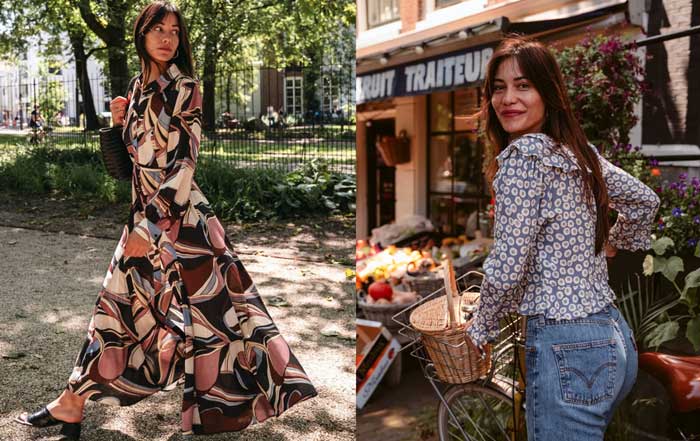
London: How a Restless Capital Redefined Global Beauty and Fashion
London in 2026 stands at a rare intersection of history and reinvention, where centuries-old heritage houses coexist with disruptive start-ups, and where beauty, fashion, wellness, and technology are no longer separate industries but interdependent forces shaping a new kind of global lifestyle. For BeautyTipa and its international audience, London is not just another fashion capital; it is a living laboratory that reveals how brands can remain desirable, credible, and responsible in a world where consumers demand both inspiration and integrity.
From the vantage point of BeautyTipa, which explores beauty, wellness, skincare, routines, trends, and the business of style, London offers a uniquely instructive case. It is a city where the trench coat and the punk boot share the same cultural skyline, where fragrance is treated as storytelling, and where AI-powered consultations are becoming as normal as a visit to a department store counter. In 2026, London's influence stretches from New York to Seoul, from São Paulo to Stockholm, and from the high streets of the United Kingdom to fast-growing digital communities in Asia and Africa, providing a reference point for anyone seeking to understand how beauty and fashion evolve in real time.
Heritage Luxury Reimagined: London's Enduring Icons
London's enduring power in fashion and beauty begins with its heritage houses, which have transformed legacy into a strategic asset rather than a constraint. These brands demonstrate that experience, expertise, and trust can coexist with bold experimentation.
Burberry: From Military Roots to Intelligent Luxury Ecosystem
Burberry, founded in 1856, remains the clearest example of how a British heritage house can evolve into a 21st-century technology-forward luxury ecosystem without abandoning its core identity. The iconic trench coat, once designed for officers in the field, has become a symbol of global urban sophistication, worn from New York to Tokyo and recognized instantly on high streets and runways alike. Yet in 2026, the strength of Burberry lies less in a single product and more in its integrated approach to digital luxury, sustainability, and customer experience.
The company has invested heavily in data-driven personalization, using AI-powered tools both online and in-store to anticipate customer preferences, optimize assortments, and deliver tailored styling recommendations. Augmented reality experiences, pioneered years earlier, have matured into seamless virtual try-ons that reduce returns and support more sustainable purchasing behaviors. Visitors to London's flagship locations encounter not just retail spaces but curated environments where heritage craftsmanship is contextualized through storytelling, digital installations, and limited-edition collaborations. Those interested in how technology is reshaping beauty and fashion can explore more about digital innovation in the sector through resources such as McKinsey's fashion and luxury insights.
For readers of BeautyTipa's business and finance section, Burberry's journey illustrates how a legacy brand can protect its reputation while actively experimenting with new business models, including rental, resale, and capsule collections that respond to changing consumer values.
Jo Malone London: Fragrance as Culture and Craft
Jo Malone London, founded in 1990 and now part of Estée Lauder Companies, has turned fragrance into a form of contemporary British storytelling. Its minimalist aesthetic, cream-and-black packaging, and emphasis on fragrance "wardrobes" have created a new language of personalization, where layering scents is as much an expression of identity as choosing an outfit. The brand's boutiques-especially in central London-function as intimate, almost ritualistic spaces where clients receive one-on-one consultations and experience scent profiling that feels both luxurious and deeply personal.
In 2026, Jo Malone London's global expansion, from the United States and Canada to China, South Korea, and the Middle East, underscores how a brand rooted in a specific city can maintain its authentic voice while resonating with diverse cultures. Its success also reflects the broader boom in prestige fragrance highlighted by organizations such as The Fragrance Foundation, where the emotional and experiential dimensions of scent increasingly drive consumer decisions.
Vivienne Westwood: The Enduring Spirit of Punk and Protest
The legacy of Vivienne Westwood, who passed away in 2022, continues to define London's rebellious DNA. Westwood's work fused political activism, historical references, and subcultural style, transforming fashion runways into platforms for environmental and social commentary long before sustainability became a mainstream concern. Her label, still based in London, carries forward her ethos with collections that challenge conventional silhouettes, gender norms, and consumer complacency.
For BeautyTipa readers following fashion and cultural trends, Westwood's influence shows how style can be a vehicle for values, and how brands that take a stand-on climate, human rights, or cultural preservation-can build deep, long-term trust with their communities.
Designers and Visionaries Who Cemented London's Creative Reputation
London's status as a global fashion powerhouse has been shaped by designers whose vision extended beyond seasonal trends to narrative, experimentation, and ethics. Their work continues to inform how younger brands and creative professionals approach design in 2026.
Alexander McQueen: The Theatre of Emotion and Craft
The late Alexander McQueen remains one of the most studied and revered designers in contemporary fashion history. His shows turned the runway into immersive theatre, blending impeccable tailoring with dark romanticism, historical references, and technological spectacle. Under the creative direction of Sarah Burton until 2023, and subsequent leadership that continues to honor his codes, the Alexander McQueen house has sustained a reputation for depth, craftsmanship, and emotional intensity.
McQueen's legacy, preserved in part through institutions such as the Victoria and Albert Museum, reinforces London's image as a city where fashion is treated as an art form, not just a commercial product. His work also exemplifies the kind of creative excellence and authoritativeness that BeautyTipa readers often seek when exploring trends that endure beyond a single season.
Stella McCartney: Proving Luxury and Sustainability Can Coexist
Stella McCartney has become synonymous with sustainability in luxury fashion. From the outset, her label rejected leather and fur, investing instead in plant-based materials, recycled fibers, and innovations such as mycelium-based alternatives. By 2026, her influence extends far beyond her own collections; she sits at the intersection of policy, innovation, and design, advising governments and industry coalitions on sustainable practices and working with scientific partners to accelerate material breakthroughs.
Her work aligns closely with the goals of organizations such as the Ellen MacArthur Foundation, which promotes circular economy models, and with the sustainability frameworks discussed by the UN Environment Programme. For BeautyTipa's audience interested in wellness, ethical consumption, and long-term value, Stella McCartney's brand demonstrates that environmental responsibility can enhance, rather than dilute, the perception of luxury.
Emerging Voices: Molly Goddard, Martine Rose, and a New Generation
London's creative ecosystem constantly renews itself through emerging designers who bring fresh perspectives to silhouette, identity, and culture. Molly Goddard has become known for voluminous tulle dresses that blend childlike whimsy with subversive edge, seen on runways and in editorial features across Europe, North America, and Asia. Martine Rose, meanwhile, reinterprets menswear and streetwear through the lens of London's multicultural communities, queering traditional masculine codes and redefining what everyday clothing can signify.
These designers, alongside others nurtured by institutions like Central Saint Martins and the London College of Fashion, show how London remains a launchpad for experimentation. Their success also demonstrates the importance of education and mentorship in building credible, enduring careers-topics that resonate strongly with readers exploring jobs and employment in the beauty and fashion sectors.
🇬🇧 London Beauty & Fashion Explorer 2026
Navigate the capital's influence across heritage brands, innovation, and global trends
Iconic Heritage Houses
🧥 Burberry
Founded 1856, transformed from military outfitter to tech-forward luxury ecosystem with AI personalization, AR try-ons, and sustainable business models.
Digital InnovationHeritageSustainability🌸 Jo Malone London
Launched 1990, pioneered fragrance layering and personalization. Global presence from NYC to Seoul with intimate boutique experiences.
FragrancePersonalizationLuxury⚡ Vivienne Westwood
Punk pioneer and sustainability advocate whose legacy continues challenging conventions and championing environmental activism through fashion.
ActivismPunk HeritageSustainabilityVisionary Designers
Alexander McQueen
Transformed runways into theatrical art, blending impeccable tailoring with dark romanticism. Legacy preserved at V&A Museum.
Stella McCartney
Sustainability pioneer in luxury fashion, rejecting leather/fur since inception. Champions plant-based materials and circular economy models.
Molly Goddard
Contemporary voice known for voluminous tulle dresses blending whimsy with subversive edge across global runways.
Martine Rose
Reinterprets menswear through multicultural lens, queering masculine codes and redefining everyday clothing significance.
British Beauty Renaissance
💄 Charlotte Tilbury
Founded 2013, global powerhouse combining glamour with AI-powered shade matching and virtual try-ons. Covent Garden flagship operates as beauty theatre.
AI TechnologyMakeup ArtistryGlobal Reach🌊 Elemis
Spa-driven skincare brand with marine and botanical actives. Present in luxury hotels worldwide, integrating wellness with clinical results.
Spa CultureClinical TestingWellness✨ Space NK
Multi-brand beauty curator building trust through rigorous selection. Expert filter in overcrowded market with UK and North American presence.
CurationRetail InnovationTrust BuildingExperiential Retail Districts
Bond Street & Knightsbridge
Luxury theatre featuring Harrods beauty halls with skin diagnostics and bespoke services for global clientele.
Covent Garden
London's "beauty quarter" with flagship stores, masterclasses, and immersive brand experiences in historic setting.
Oxford Street
High street fashion hub blending accessible brands with experiential retail and digital integration.
Shoreditch
Creative district hosting emerging designers, indie beauty brands, and sustainable fashion pop-ups.
London's 2026 Impact
🤖 AI & AR Integration
Virtual try-ons, AI-powered skincare analysis, and personalized recommendations becoming standard across beauty and fashion retail.
♻️ Circular Economy Models
Rental, resale, and upcycling no longer experimental but core business models driven by brands like Stella McCartney and UpCircle Beauty.
🌍 Holistic Wellness
Beauty understood as outcome of lifestyle: sleep, nutrition, fitness, and mental health integrated into product offerings and brand narratives.
📱 Hybrid Events
London Fashion Week combines physical shows with livestreaming and shoppable integrations, reaching global audiences in real-time.
🔬 Transparency & Science
Clinical testing, ingredient disclosure, and evidence-based claims becoming non-negotiable for building consumer trust.
London Fashion Week: A Hybrid Global Stage
London Fashion Week (LFW) has evolved into a hybrid event that merges physical shows, digital storytelling, and direct-to-consumer commerce. Organized by the British Fashion Council, LFW is now as much a technology and sustainability platform as it is a showcase for design.
In 2026, LFW's programming emphasizes diversity in casting, body types, and creative voices, reflecting London's demographic reality and its commitment to inclusivity. Many shows are livestreamed globally, with shoppable integrations that allow viewers in the United States, Brazil, Singapore, or South Africa to purchase looks in real time. This model, which accelerated during the pandemic years, has matured into a permanent feature, supported by infrastructure and insights from partners like London & Partners and UK Fashion & Textile Association.
For BeautyTipa's readers following events, London Fashion Week is a case study in how a traditional industry event can expand its reach and relevance through digital innovation while retaining its core function as a meeting point for designers, buyers, media, and consumers.
The British Beauty Renaissance: Brands with Global Authority
London's beauty scene has undergone a renaissance over the past decade, producing brands that combine scientific rigor, digital sophistication, and strong brand narratives. These companies have built trust through transparent formulations, expert-backed claims, and consistent performance across markets.
Charlotte Tilbury: Glamour, Data, and Global Reach
Charlotte Tilbury Beauty, founded by renowned makeup artist Charlotte Tilbury in 2013, has become a powerhouse in global beauty, with a presence across the United Kingdom, United States, Europe, the Middle East, and Asia-Pacific. Its hero products, such as the "Pillow Talk" range, are supported by robust clinical testing and consumer trials, and the brand's communication blends aspirational glamour with clear, instructional content.
Charlotte Tilbury's London flagship in Covent Garden operates as a beauty theatre, where makeup artistry, digital screens, and personalized consultations converge. The brand's AI-powered shade-matching tools and virtual try-on services, informed by advances in computer vision similar to those explored by MIT Technology Review, allow customers from Canada to Japan to experience a level of personalization once available only in-store. For readers exploring makeup and digital beauty, Charlotte Tilbury represents a benchmark for combining artistry with technology in a way that enhances customer trust.
Elemis: Spa-Driven Skincare and the Wellness Connection
Elemis embodies the intersection of skincare, spa culture, and wellness. Originating in the United Kingdom and now present in leading hotels, cruise lines, and spas worldwide, the brand bases its formulations on marine and botanical actives supported by clinical testing. Its London treatment spaces offer multi-sensory experiences that integrate massage, aromatherapy, and skincare protocols designed to support both visible results and emotional well-being.
The brand's approach mirrors broader trends in holistic health documented by organizations such as the Global Wellness Institute. For BeautyTipa readers interested in skincare and wellness, Elemis illustrates how evidence-based skincare can be embedded within routines that prioritize sleep, stress management, and long-term health, not just immediate cosmetic effects.
Space NK: Curation as a Marker of Trust
Space NK, founded in London's Covent Garden, has become one of the most influential multi-brand beauty retailers in the English-speaking world. Its success in the United Kingdom and expansion across North America rests on a simple but powerful principle: rigorous curation. By offering a tightly edited selection of skincare, makeup, fragrance, and wellness brands, Space NK positions itself as an expert filter in an overcrowded market.
In an era where consumers research products through platforms like Allure and Vogue, and cross-check ingredients via resources such as INCI Decoder, Space NK's authority comes from its ability to align product selection with performance, innovation, and brand integrity. For BeautyTipa's brands and products readers, this model of retail curation highlights how trust is increasingly built through what a retailer excludes, as much as what it includes.
London's Retail Landscape: Experience as Differentiator
The physical retail environment in London remains critical to how beauty and fashion are experienced, even as e-commerce and social commerce continue to grow. In 2026, leading shopping districts have evolved into experiential ecosystems that blend heritage, entertainment, and digital integration.
Bond Street, Knightsbridge, and the Theatre of Luxury
Bond Street and Knightsbridge, home to Harrods and other leading luxury destinations, continue to attract high-net-worth visitors from the United States, Middle East, China, and Europe. Harrods, in particular, has turned its beauty halls into a global showcase, combining exclusive launches from brands like La Mer and Tom Ford Beauty with bespoke services such as skin diagnostics, personalized fragrance consultations, and private treatment rooms.
These retail environments reflect broader shifts in luxury consumption tracked by organizations like Bain & Company, where experience, personalization, and service play a larger role than simple product acquisition. For BeautyTipa's international audience, London's luxury retail scene demonstrates how physical spaces remain critical for building emotional connections and reinforcing brand authority.
Covent Garden: London's Beauty Quarter
Covent Garden has consolidated its reputation as London's "beauty quarter," hosting flagship stores for Charlotte Tilbury, Dior Beauty, Glossier, and a growing number of niche brands. The area's pedestrian streets and historic architecture provide a backdrop for events, masterclasses, and pop-ups that encourage discovery and dwell time rather than quick transactions.
For readers exploring routines and beauty more broadly, Covent Garden symbolizes how modern consumers increasingly see beauty as a journey of experimentation and learning, supported by brand experts, digital tools, and immersive spaces.
Sustainability and Digital Transformation: London's Strategic Advantage
As environmental concerns and technological progress reshape global expectations, London's ability to integrate sustainability and digital innovation into its beauty and fashion ecosystem has become a key competitive advantage.
Sustainability as Core Strategy, Not Marketing
In 2026, sustainability is no longer an optional marketing narrative but a strategic imperative. London-based brands, from Stella McCartney to UpCircle Beauty, have helped shift the conversation from symbolic gestures to systemic change. UpCircle Beauty, for example, uses byproducts such as coffee grounds and fruit stones to create skincare, embodying circular economy principles that align with frameworks promoted by bodies like the World Economic Forum.
Larger companies and retailers are under increasing pressure from both regulators and consumers to demonstrate concrete progress on emissions, waste reduction, and ethical sourcing, guided in part by standards and reporting structures outlined by the European Environment Agency and similar organizations. For BeautyTipa readers, this reflects a broader movement where product performance, environmental impact, and social responsibility are evaluated together when making purchasing decisions.
Digital Beauty and Fashion: AI, AR, and Data Ethics
London's role as a global technology and fintech hub has accelerated the integration of AI, AR, and data analytics into beauty and fashion. Burberry, Farfetch, and Charlotte Tilbury exemplify how digital tools can enhance customer journeys, from virtual try-ons and size recommendations to AI-powered skincare analysis that supports personalized routines.
However, with these innovations comes a growing focus on data privacy, algorithmic fairness, and transparency, themes increasingly discussed by institutions such as the UK Information Commissioner's Office and research hubs like the Alan Turing Institute. Brands operating in London must navigate these regulatory and ethical landscapes carefully to maintain consumer trust, especially as biometric and facial recognition technologies become more sophisticated.
BeautyTipa's technology beauty coverage reflects this shift, examining not only the capabilities of new tools but also their implications for inclusivity, representation, and long-term consumer confidence.
Beauty, Wellness, and Lifestyle: A Holistic London Model
One of the most significant changes in London's beauty landscape is the integration of wellness, nutrition, and fitness into everyday routines. Beauty is increasingly understood as the visible outcome of broader lifestyle choices, from sleep and diet to stress management and movement.
London's wellness studios, integrative clinics, and boutique fitness spaces mirror a global trend documented by institutions like the World Health Organization, which emphasizes preventive health and holistic well-being. Brands such as Neom Organics and Cowshed incorporate aromatherapy, mindfulness, and body care into product offerings that sit comfortably alongside skincare and fragrance on retail shelves.
For BeautyTipa's readers exploring health and fitness and food and nutrition, London offers a blueprint for how cities can support integrated lifestyles where beauty rituals, exercise, and nutrition are treated as interconnected elements of long-term health.
Careers, Education, and Global Influence
London's fashion and beauty industries are not only cultural forces but also major employers and incubators of talent. From creative design and product development to data science, marketing, and supply chain management, the city offers a wide spectrum of career paths.
Educational institutions like Central Saint Martins and the London College of Fashion remain globally recognized for producing designers, strategists, and technical specialists who shape fashion and beauty worldwide. Graduates frequently go on to work in Paris, Milan, New York, Seoul, and beyond, carrying London's creative and ethical sensibilities with them. This circulation of talent reinforces London's global influence and supports BeautyTipa's coverage of international industry movements.
At the same time, London's ecosystem of incubators, accelerators, and venture capital firms has supported beauty-tech start-ups and sustainable fashion ventures, creating new opportunities for entrepreneurs and professionals seeking to align their careers with innovation and purpose.
London's Role in the Global Beauty and Fashion Map
In the hierarchy of global fashion capitals-Paris, Milan, New York, London-and the rising influence of cities such as Seoul, Tokyo, Shanghai, and São Paulo, London's distinctive value lies in its combination of heritage, diversity, and willingness to experiment. Paris may dominate haute couture, Milan may lead in textiles and craftsmanship, and Seoul may set the pace in skincare and beauty technology, yet London excels at synthesizing these strengths into a dynamic, inclusive, and forward-looking ecosystem.
For BeautyTipa, whose readers span North America, Europe, Asia, Africa, and South America, London offers a uniquely instructive lens. It is a city where a consumer can move in a single day from a heritage fragrance consultation at Jo Malone London, to an AI-powered makeup session at Charlotte Tilbury, to a sustainable fashion talk hosted by Stella McCartney, and finish with a spa-grade treatment from Elemis that emphasizes both skin health and mental well-being.
Conclusion: Why London Matters to BeautyTipa Readers in 2026
By 2026, London has confirmed its position as one of the most influential and resilient centers of global beauty and fashion. Its brands and institutions embody a rare combination of experience, expertise, authoritativeness, and trustworthiness, grounded in decades-or even centuries-of practice yet fully engaged with the demands of a digital, diverse, and sustainability-conscious world.
For the community around BeautyTipa, London's story is deeply relevant. It shows how skincare routines can be informed by science and wellness, how makeup artistry can be enhanced-not replaced-by technology, how fashion can reflect both personal identity and collective responsibility, and how brands can build long-term trust by aligning their values with those of their customers.
Whether readers are following trends, exploring new guides and tips, or considering career paths and investments in the beauty and fashion sectors, London in 2026 offers a compelling, practical model. It is a city that proves beauty and fashion are not merely about appearance; they are about culture, innovation, ethics, and the ongoing search for ways to live-and look-better in an increasingly complex world.
