
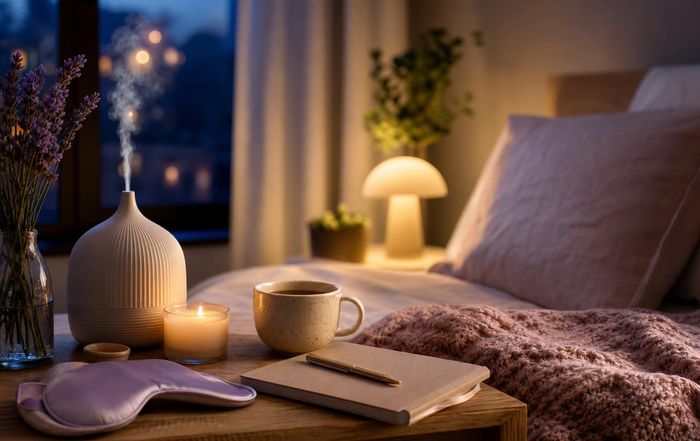
An Evening Unwind Routine for Better Sleep Hygiene
Evening routines are often framed as indulgent self-care, but from a sleep perspective they are more like quiet, nightly training sessions for the brain. What happens in the 60-90 minutes before bed strongly shapes how quickly you fall asleep, how often you wake during the night, and how rested you feel the next day. Building an evening unwind routine is less about perfection and more about sending consistent, predictable signals to your body that it is safe to power down. Thoughtfully combining light, temperature, movement, and calming rituals can meaningfully improve sleep hygiene and, over time, your overall wellbeing. Take a look at what science currently says about sleep-friendly habits, then turn that into a realistic step-by-step evening routine you can adapt to your life, whether you're a beauty enthusiast, a busy parent, or someone simply tired of feeling tired.
Why an "unwind window" matters more than a rigid bedtime
Sleep experts increasingly emphasize the 1-2 hours before bed as a "transition zone" rather than a hard on/off switch. The American Academy of Sleep Medicine notes that consistent pre-sleep habits help regulate the circadian rhythm, the internal clock that governs sleep-wake cycles, hormone release, body temperature, and even skin repair. When that clock receives the same cues at the same time each night-dim light, reduced stimulation, cooling body temperature-it becomes more efficient at initiating sleep on its own.
Research from the National Sleep Foundation suggests that adults generally need 7-9 hours of sleep, but just knowing that number doesn't guarantee quality rest. Fragmented or shallow sleep is often driven by late-evening stress, blue light exposure, caffeine, alcohol, or irregular routines. Studies published in journals such as Sleep and Sleep Medicine Reviews have linked irregular bedtimes and pre-sleep screen use with poorer sleep quality and increased daytime fatigue. By contrast, even simple wind-down rituals like reading a physical book or taking a warm bath have been associated with shorter sleep onset and improved subjective sleep satisfaction.
From a practical standpoint, an unwind window works because it shifts the nervous system from "fight or flight" (sympathetic) mode into "rest and digest" (parasympathetic) mode. Breath slows, heart rate drops, and muscles loosen. This physiological downshift not only supports deeper sleep, it can also reduce evening cravings, tension headaches, and skin flare-ups triggered by stress. For readers who already have daytime wellness or routines in place, treating the evening as a dedicated decompression period creates a more complete 24-hour self-care loop.
Step 1: Set a realistic sleep-wake schedule (and work backward)
Before choosing specific rituals, it helps to define a target wake-up time and then reverse-engineer your evening. If you want roughly eight hours of sleep and need to wake at 7:00 a.m., aim to be in bed around 11:00 p.m. That means your unwind routine should typically begin between 9:30 and 10:00 p.m. Rather than focusing on a perfect bedtime, prioritize consistency across the week; research from Harvard Medical School's Division of Sleep Medicine highlights that irregular sleep timing can impair metabolic health and mood even when total sleep time looks adequate.
For many people, weekends are the biggest disruptor. Staying up very late and then sleeping in several hours can create a "social jet lag" effect, making Sunday night and Monday morning particularly rough. A practical compromise is to keep wake-up time within about an hour of your weekday schedule, even if you shift bedtime a bit later. Over time, your body will begin to anticipate sleep at roughly the same time each night, making your unwind routine feel more natural rather than forced.
If you struggle with insomnia or delayed sleep phase (feeling fully awake at night and exhausted in the morning), it can be helpful to keep a brief sleep log for one to two weeks. Note when you start winding down, when you actually get into bed, how long you estimate it takes to fall asleep, and how you feel upon waking. Many clinicians recommend this as part of cognitive behavioral therapy for insomnia (CBT-I), which is considered a first-line treatment by organizations like the American College of Physicians. While a home routine is not a substitute for professional care when sleep issues are severe, tracking patterns can help you see which habits are helping or hindering your progress.
Step 2: Shape your environment-light, temperature, and tech
The physical environment is one of the most powerful tools for better sleep hygiene, and it often requires fewer lifestyle changes than people expect. Light is the primary cue for the circadian clock. Bright, blue-rich light from phones, tablets, and LED screens suppresses melatonin, the hormone that signals the brain it is time for sleep. Controlled trials summarized by Harvard Health Publishing show that evening exposure to blue light can delay melatonin release by several hours and increase alertness, which is the opposite of what you want at night.
A realistic goal is to create a "low-light zone" for the final 60-90 minutes before bed. This might mean dimming overhead lights, using warm-tone lamps, or enabling night-mode and blue-light-reduction features on devices. Many smartphones now have bedtime or focus modes that reduce notifications and shift screen color temperature; using these tools consistently can make a noticeable difference. If you share a space or live in a brightly lit city, blackout curtains and a simple sleep mask can help maintain darkness once you're in bed.
Temperature is another underrated factor. The Cleveland Clinic and other sleep centers often recommend a bedroom temperature around 15-19°C (60-67°F) for most adults, as the body naturally cools down before and during sleep. A hot bedroom, heavy pajamas, or thick bedding can keep you in a slightly overheated state that fragments sleep. A warm shower or bath an hour before bed can actually support cooling by dilating blood vessels at the skin's surface; as you step into a cooler room, body heat dissipates more efficiently, nudging your system toward sleep.
Technology management is central to a modern unwind routine. Scrolling social media, reading work email, or watching intense shows late at night can all heighten cognitive and emotional arousal. While some people find low-stimulus content relaxing, algorithm-driven feeds are designed to keep you engaged and rarely stop at "just five minutes." Setting a household "screens off" time or charging devices outside the bedroom creates a clear psychological boundary. For those who use phones as alarms, a basic alarm clock can be a worthwhile investment to keep the bed area more restful.
Step 3: Build a calming skincare ritual as your anchor
For many readers, an evening skincare routine is already non-negotiable, which makes it an ideal anchor habit for the broader unwind process. Dermatologists frequently note that skin regeneration, collagen production, and barrier repair peak during sleep; a review in the International Journal of Molecular Sciences highlights how circadian rhythms influence skin cell turnover and barrier function. Aligning your routine with this biology can support both appearance and comfort.
A simple yet intentional nighttime skincare sequence might include a gentle cleanse to remove sunscreen, makeup, pollution, and sweat; a hydrating or treatment serum suited to your concerns; and a moisturizer to lock in hydration. If you use active ingredients like retinoids or chemical exfoliants, nighttime is typically when they are recommended, as per guidance from organizations such as the American Academy of Dermatology. However, stronger actives can sometimes cause irritation, so it is wise to introduce them gradually and patch-test if you have sensitive skin.
What matters for sleep hygiene is less the specific products and more the ritualistic, sensory nature of the routine. Taking a few unhurried minutes at the sink, feeling the water on the skin, massaging in cleanser and cream, and perhaps inhaling a subtle, non-irritating scent can all help shift attention away from the day's worries and toward the present moment. This is where skincare crosses into wellness territory: gentle facial massage can relieve jaw and forehead tension that many people carry unconsciously.
If you enjoy beauty content, you might draw inspiration from curated beauty and makeup guides, but try to avoid turning the routine into a late-night experimentation session that keeps you up. Once you have a core evening regimen that works, treat it as a familiar, grounding sequence-almost like a choreography that tells your body, "We've done this; sleep comes next." Readers looking to refine their regimen can explore more detailed skincare coverage at our skincare section and broader beauty content for ideas that fit their skin type and lifestyle.
Step 4: Add body-based relaxation-stretching, breathwork, or a warm bath
After-or sometimes before-skincare, incorporating a body-focused relaxation practice deepens the physical sense of unwinding. Gentle stretching, restorative yoga poses, or progressive muscle relaxation can all help release accumulated tension from sitting, commuting, or intense workouts. The National Institutes of Health has highlighted yoga and relaxation techniques as complementary approaches that may improve sleep quality and reduce anxiety for some individuals, particularly when practiced regularly.
You do not need a long or complex sequence. Five to ten minutes of slow, mindful movement is often enough. Poses like child's pose, legs-up-the-wall, and supine twists can ease tight hips and lower backs, while shoulder rolls and neck stretches relieve upper-body strain from screens. Pairing movement with deep, diaphragmatic breathing amplifies the calming effect. Breathing patterns such as 4-7-8 (inhale for four counts, hold for seven, exhale for eight) have been popularized as sleep aids, and while evidence is still emerging, slow exhalations are known to engage the parasympathetic nervous system.
For some, a warm bath or shower is the most enjoyable version of this step. Studies referenced by the Sleep Foundation and Journal of Physiological Anthropology suggest that a warm bath taken 60-90 minutes before bed can improve sleep onset and self-reported sleep quality in certain individuals, likely by supporting the body's natural cooling process and encouraging relaxation. Adding Epsom salts, soothing essential oils, or a favorite body wash can make the experience more pleasurable, but be mindful of strong fragrances or stimulating scrubs right before bed if you are sensitive.
Those who are active in health and fitness routines may find that an evening stretch doubles as recovery work, reducing next-day soreness and stiffness. The key is to keep intensity low; vigorous workouts too close to bedtime can raise core body temperature and adrenaline, which may delay sleep in some people. Early evening is generally better for higher-intensity exercise, with the last hour or two before bed reserved for slower, restorative movement.
Step 5: Calm the mind-journaling, reading, and digital boundaries
Physical relaxation is only half the story; mental chatter is a common reason people lie awake even when their bodies feel tired. Cognitive techniques used in CBT-I often focus on reducing "sleep effort"-the anxious, self-critical thoughts about not sleeping enough. One of the simplest tools is a brief "brain dump" or worry journal. Researchers writing in the Journal of Experimental Psychology found that people who spent five minutes writing down tasks they needed to remember for the next few days fell asleep faster than those who wrote about completed tasks, suggesting that offloading to-dos can free up cognitive bandwidth.
A pre-bed journaling practice does not need to be elaborate. You might jot down three things that went well, three things that were challenging but are now done, and a short list of tasks for tomorrow. The goal is not to solve every problem but to signal that you have acknowledged them and will return to them with fresh energy in the morning. This can be especially powerful for those whose work or studies demand constant responsiveness.
Reading a physical book or an e-reader without blue light (or with a strong warm-light filter) is another classic unwind tool. The Mayo Clinic and other health organizations frequently recommend quiet, low-stimulation activities like reading or listening to calming music as part of good sleep hygiene. Genres matter: fast-paced thrillers or emotionally intense stories may be engaging but not necessarily sleep-inducing. Many people find that gentle fiction, essays, or thoughtfully written guides and tips type content work better.
Digital boundaries are essential here. If you prefer audio content, opt for slow, soothing podcasts or sleep stories without cliffhangers. Avoid checking email, news, or social feeds during this window; exposure to upsetting headlines or social comparison late at night can spike cortisol and make it harder to unwind. If you find yourself tempted, keeping devices in another room or using app blockers during certain hours can reinforce your intentions. Over time, your brain learns that the bed is a place for sleep and intimacy, not for doom-scrolling or work emergencies.
Step 6: Align food, drink, and supplements with sleep
What you consume in the evening can significantly influence how easily you fall asleep and how often you wake. Caffeine has a half-life of around 5-6 hours in most adults, according to data summarized by the U.S. Food and Drug Administration (FDA), which means that a late-afternoon coffee can still be partially active at bedtime. Individuals vary in sensitivity, but many sleep specialists advise avoiding caffeine for at least six hours before sleep, and longer if you are prone to insomnia.
Alcohol is more complex. While it can initially make you feel drowsy, research compiled by the National Institute on Alcohol Abuse and Alcoholism shows that alcohol disrupts REM sleep and increases nighttime awakenings. Even moderate drinking close to bedtime can lead to lighter, less restorative sleep and more vivid or fragmented dreams. If you drink, finishing your last drink at least three hours before bed and alternating with water is generally kinder to your sleep architecture.
Heavy or spicy meals late at night can also cause reflux or digestive discomfort when lying down, especially for those with gastroesophageal reflux disease (GERD). A lighter evening meal, with larger portions earlier in the day, may be more sleep-friendly. Some people find a small snack that includes complex carbohydrates and a bit of protein-such as whole-grain crackers with nut butter or yogurt with fruit-helps prevent waking from hunger, but this varies individually.
As for supplements, melatonin is widely used for sleep, but guidance from the American Academy of Sleep Medicine and other bodies emphasizes that long-term, unsupervised use is not ideal, especially at high doses. Melatonin can be helpful for jet lag or short-term circadian adjustments, but it is not a magic fix for poor sleep habits. Herbal products like valerian, chamomile, or magnesium are marketed for relaxation, yet evidence is mixed and quality control can vary. It is wise to consult a healthcare professional before starting any supplement, especially if you take other medications or have underlying health conditions.
For a more holistic view on how nutrition intersects with beauty, energy, and sleep, readers can explore food and nutrition coverage and related wellness features, which frequently touch on how daily diet shapes skin, mood, and rest.
Step 7: Create a repeatable 60-90 minute unwind template
Once you understand the building blocks-environment, skincare, body relaxation, mental calm, and supportive nutrition-you can assemble a personalized unwind routine. The goal is not to cram every possible habit into the evening but to design a realistic, repeatable flow. A sample 75-minute template might look like this:
From about 90 minutes before bed, dim the lights and enable night mode on devices. Finish any remaining snacks or drinks, ideally avoiding caffeine and alcohol. Next, move into your skincare ritual: cleanse, apply targeted treatments, and moisturize, allowing yourself to slow down and enjoy the textures and scents without rushing. Afterward, spend 10-15 minutes on gentle stretching or restorative yoga, focusing on areas where you typically hold tension, such as shoulders, hips, or lower back, while practicing slow, even breathing.
With your body more relaxed, transition to mental unwinding. Spend five minutes writing down tasks and worries for tomorrow, then close the notebook and intentionally set it aside. Climb into bed with a book or low-stimulus audio, keeping screens and work materials out of the bedroom if possible. If your mind wanders to the day's problems, gently return attention to your breath or the story. Aim to keep this sequence roughly consistent each night, even if the exact timing shifts slightly based on your schedule.
Over time, this template can be adjusted for travel, busy seasons, or special occasions. On nights when you are exhausted, you might compress it into 30 minutes by focusing on a shorter skincare routine, a few stretches, and a brief reading session. On weekends, you might extend the bath or add a relaxing fashion or trends browse earlier in the evening, well before your unwind window. The key is to preserve the core signals: dim light, reduced stimulation, physical relaxation, and a consistent order of calming activities.
When to seek professional help for sleep problems
Even a well-designed evening routine cannot solve every sleep issue. Persistent insomnia, loud snoring, gasping during sleep, frequent night terrors, or extreme daytime sleepiness may indicate underlying conditions such as insomnia disorder, sleep apnea, restless legs syndrome, or mood disorders. The American Academy of Sleep Medicine and national health services in many countries recommend seeking medical evaluation if sleep problems last longer than three months, occur at least three nights per week, and significantly affect daytime functioning.
A healthcare provider can help rule out medical causes, review medications that might be interfering with sleep, and, when appropriate, refer you to a sleep specialist. Evidence-based treatments like CBT-I have strong support in clinical research and are typically more effective long-term than relying solely on sleep medications. For those whose sleep is heavily affected by shift work, caregiving responsibilities, or chronic illness, professional guidance can also help tailor strategies that go beyond general sleep hygiene.
Readers interested in how the broader health and fitness landscape, workplace trends, and jobs and employment patterns influence sleep-especially shift work, remote work, and gig economy roles-can find related coverage in our health and fitness and jobs and employment sections. These contexts often shape when and how a realistic unwind routine is possible, and acknowledging those constraints is part of designing something that actually works.
Bringing it together: an evening routine that supports beauty and rest
A thoughtfully designed evening unwind routine is not about perfection or elaborate rituals; it is about creating a predictable, soothing sequence that your mind and body begin to associate with safety and rest. By aligning environmental cues like light and temperature with body-based relaxation, gentle skincare, mental decluttering, and supportive food and drink choices, you build a framework that honors both appearance and wellbeing.
The most effective routines are the ones you actually follow. Start small: choose one or two changes that feel most doable-perhaps dimming lights earlier and committing to a simple, consistent nighttime skincare ritual. Once those feel natural, layer in a few minutes of stretching or journaling, or experiment with moving your last coffee earlier in the day. Within a few weeks, many people notice they fall asleep more easily and wake feeling more refreshed, with secondary benefits for mood, focus, and even how their skin looks in the morning.
For more inspiration on integrating beauty, routines, and guides and tips into a lifestyle that supports long-term health, you can view our cool sections on routines, guides and tips, and trends. The details of your evening unwind may evolve with seasons, work, and life changes, but the core principle remains the same: treating the last hour of the day as a gentle landing, rather than a crash-landing, is one of the most powerful beauty and wellness choices you can make.
