
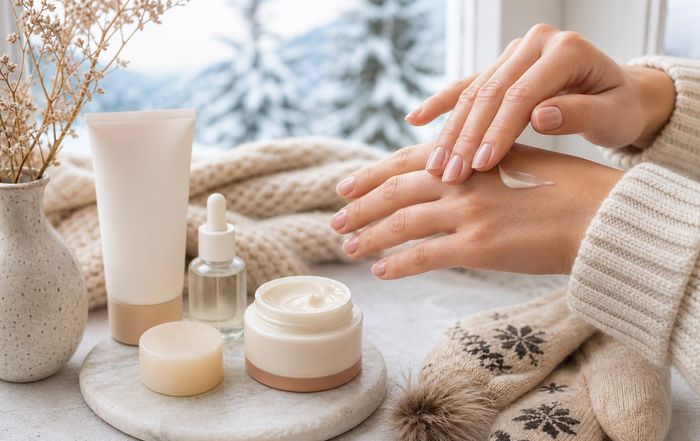
Gentle Hand Care for Cold Canadian Winters
When temperatures plunge and air turns painfully dry, hands are often the first place the season shows. In Canadian winters, it is common to see tight, rough, cracked, or even bleeding hands, especially among people who commute, spend time outdoors, or wash their hands frequently. While this can feel inevitable, dermatologists emphasize that with the right habits and products, most winter hand problems can be significantly improved or prevented. Gentle care is not only about comfort and appearance; it also protects the skin barrier and reduces the risk of infection, eczema flare-ups, and long-term sensitivity.
This ace guide explores why Canadian winters are so harsh on hands, what ingredients and textures actually help, how to build a simple but effective routine, and how to adjust care for sensitive skin, children, and people with conditions like eczema. It also highlights when to seek professional help, and how to balance hygiene with barrier protection in a climate where both cold and respiratory viruses are a reality.
Why Canadian Winters Are So Hard on Hands
The combination of low temperatures, wind, and low humidity found across much of Canada in winter creates a perfect storm for damaged hands. Cold air holds less moisture than warm air, and indoor heating dries the air even further. Research shows that low humidity reduces the water content of the outermost layer of skin, the stratum corneum, which leads to increased roughness, scaling, and small cracks. The Canadian Dermatology Association notes that this dryness is compounded by frequent handwashing and alcohol-based sanitizers, which strip away natural oils that help keep the skin barrier intact.
In many Canadian regions, winter means moving quickly between freezing, windy outdoor environments and overheated, dry indoor spaces. These rapid temperature and humidity shifts stress the skin and can cause blood vessels in the hands to constrict, reducing circulation and slowing down barrier repair. People who work outdoors, handle snow and ice, or commute by public transit are especially vulnerable because they often expose bare hands to the elements repeatedly throughout the day. Even brief unprotected exposure, like walking from the car to the store without gloves, can add up over the season.
Another factor is friction and detergents. Wool mittens, rough fabrics, and repeated contact with cleaning products or dish soap can erode the outer layer of the skin. Many household cleansers contain surfactants that dissolve oils effectively, which is useful for cleaning but harsh on the lipid barrier that keeps hands soft and resilient. Over time, this can lead to irritant contact dermatitis, where hands feel sore, red, and itchy even when they are not visibly cracked. For readers who already manage conditions such as eczema or psoriasis, this environmental stress can trigger or worsen flares.
For those trying to keep up with beauty and wellness routines in winter, understanding this context is crucial. Hand care is not just about adding a heavier cream; it is about reducing damage from the environment and daily habits. Integrating hand care into a broader winter skincare strategy, alongside facial routines and body care, can make it easier to maintain consistency. Readers interested in building a full cold-weather regimen might find it helpful to explore broader skincare or routines coverage for a more holistic approach.
Understanding the Winter Skin Barrier
Healthy skin relies on a balanced barrier made of lipids (like ceramides and cholesterol), natural moisturizing factors, and a well-organized structure of skin cells. In winter, this barrier is disrupted. Studies published in journals such as the Journal of Investigative Dermatology show that low humidity environments increase transepidermal water loss (TEWL), meaning water escapes more easily from the skin surface. As TEWL rises, the skin becomes more prone to microfissures, increased sensitivity, and penetration of irritants.
Dermatology organizations, including the American Academy of Dermatology (AAD), emphasize that barrier-supportive care is critical in harsh climates. That means choosing gentle cleansers, minimizing exposure to hot water, and using moisturizers that both attract water (humectants) and lock it in (occlusives and emollients). When the barrier is compromised, even products that are usually tolerated can sting or burn, which is why some people suddenly react to their usual hand cream in mid-winter.
The microbiome of the skin, the community of microorganisms that live on its surface, is also affected by cold and dryness. Emerging research suggests that drastic changes in humidity and frequent use of harsh soaps can alter the balance of this microbiome, potentially influencing inflammation and conditions like eczema. While the science is still developing, many dermatologists now recommend simpler, fragrance-free formulas in winter to reduce unnecessary stress on already vulnerable skin.
From a beauty perspective, a healthy barrier translates into smoother texture, more even tone, and less visible redness. Hands often reveal age and lifestyle earlier than the face because they receive less targeted care and more environmental exposure. For readers who invest time in facial skincare, applying a barrier-focused mindset to hand care is one of the most cost-effective ways to protect an often-neglected area. Those exploring barrier repair in their broader beauty routines can find more context in guides and tips that explain how barrier-focused ingredients work across different products.
Choosing the Right Hand Wash and Sanitizer
Handwashing is essential for preventing the spread of respiratory and gastrointestinal infections, especially during flu and cold season. Health authorities such as the Public Health Agency of Canada and the World Health Organization recommend regular hand hygiene, but they also acknowledge that frequent washing can lead to irritation and dryness if products are too harsh. The goal in winter is not to wash less, but to wash smarter.
For handwashing, dermatologists typically suggest using a mild, fragrance-free, pH-balanced cleanser rather than a traditional bar soap that can be more stripping. Syndet (synthetic detergent) bars or liquid cleansers labeled for sensitive or dry skin are often better choices. The American Academy of Dermatology recommends lukewarm water rather than hot water, as high temperatures remove more of the skin's natural oils. Rubbing hands thoroughly for at least 20 seconds remains important, but there is no benefit to using scalding water or heavily fragranced antibacterial soaps for everyday use.
Alcohol-based hand sanitizers, which should contain at least 60% alcohol according to Health Canada guidance, are effective at killing many types of germs but can be drying. In winter, it may help to choose sanitizers that include humectants like glycerin or aloe and to follow their use with a moisturizer once the product has fully dried. For people with very sensitive or cracked hands, prioritizing soap and water when available, then applying moisturizer immediately afterward, can be gentler than frequent sanitizer use alone.
Balancing hygiene and comfort also involves smart timing. Applying hand cream right after washing, while skin is still slightly damp, can help trap moisture. Keeping a gentle cleanser at home and reserving harsher soaps for occasional heavy-duty cleaning tasks can further reduce day-to-day damage. For readers interested in the intersection of hygiene, wellness, and beauty, our broader wellness and health and fitness coverage explores how routine choices impact both skin and overall well-being.
Key Ingredients for Winter Hand Relief
Not all hand creams are created equal, and in a Canadian winter, texture and ingredients matter as much as brand. Dermatologists and organizations such as the National Eczema Association frequently highlight a few categories of ingredients that support the skin barrier and help relieve dryness and cracking.
Humectants, such as glycerin, hyaluronic acid, and urea at low concentrations, help draw water into the outer layer of the skin. Glycerin is particularly well-studied and appears in many pharmacy hand creams because it is effective and generally well tolerated. Urea, in strengths around 5-10% for daily use, can both hydrate and gently soften rough patches; higher concentrations are often reserved for thicker calluses and should be used with professional guidance on broken or sensitive skin.
Emollients like shea butter, squalane, and plant oils (such as sunflower or jojoba) smooth the skin's surface and help fill in microscopic cracks. These ingredients can improve the feel and flexibility of dry hands, making them less likely to split during everyday movements. Occlusives, including petrolatum, mineral oil, and dimethicone, form a protective layer that reduces water loss. Petrolatum, in particular, is considered by many dermatologists to be one of the most effective occlusives available, and products based on it are frequently recommended in clinical guidelines for very dry or fissured skin.
Ceramides, cholesterol, and fatty acids are also valuable in winter formulas because they mimic components of the skin's natural lipid barrier. Brands that focus on barrier repair often include these in their ingredient lists, and independent dermatology sources, such as the British Association of Dermatologists, note their role in restoring barrier function. For readers who prefer fragrance-free or hypoallergenic products, checking labels for added perfumes or essential oils can help avoid unnecessary irritation, especially when skin is already compromised.
Those who enjoy exploring textures and finishes might choose a lighter lotion during the day and a thicker ointment or balm at night. A more cosmetic-friendly formula can be kept at a desk for frequent reapplication, while richer products can be reserved for at-home use. For consumers comparing new launches and classic pharmacy staples, our brands and products section often highlights how specific ingredients perform in real-world conditions, including cold climates.
A Simple, Gentle Winter Hand Routine
An effective hand care routine for cold Canadian winters does not need to be complicated, but it does benefit from consistency. Dermatologists generally recommend focusing on three key moments: after washing, before going outside, and before bed. After each wash, pat hands gently with a towel rather than rubbing vigorously, then apply a generous amount of moisturizer while skin is still slightly damp. This helps replace oils removed by cleansing and reduces transepidermal water loss.
Before heading outdoors, especially in sub-zero temperatures or windy conditions, applying a thicker cream or balm can provide a protective buffer. Covering hands with lined gloves or mittens after moisturizing traps warmth and improves the performance of occlusive ingredients. Mittens tend to keep hands warmer than gloves because fingers share heat, a point often highlighted by outdoor safety guidance from Canadian winter sports organizations. Ensuring that gloves are clean and dry is also important, since damp or sweaty linings can irritate skin.
Nighttime offers an opportunity for more intensive repair. Applying a rich, fragrance-free ointment or barrier cream before bed, and if tolerated, wearing soft cotton gloves on top, can significantly improve dryness and cracking over time. This "occlusive overnight treatment" approach is commonly suggested in eczema and dry skin management guidelines, including those from the National Eczema Association, because it allows ingredients to work without interference from handwashing or environmental exposure.
People who work in occupations with frequent wet work, such as healthcare, food service, or cleaning, may need additional steps. Using non-latex protective gloves for tasks involving water or detergents, taking breaks to moisturize whenever possible, and choosing workplace-approved gentle cleansers can make a noticeable difference. For readers who enjoy structured routines, integrating hand care into an overall beauty or makeup ritual-such as applying hand cream after finishing facial skincare or before doing nails-can help turn a necessary step into a small daily luxury.
Protecting Hands Outdoors: Gloves, Fabrics, and Lifestyle Habits
In a Canadian winter, mechanical protection is as important as the right cream. Wind chill, snow, and ice exposure can undo the benefits of even the best-formulated moisturizer if hands are repeatedly left uncovered. Outdoor safety experts and organizations like Environment and Climate Change Canada regularly warn about the effects of wind chill on exposed skin, including increased risk of frostnip and frostbite at very low temperatures. While most daily errands do not reach those extremes, the same principles apply on a milder level to everyday dryness and irritation.
Choosing gloves or mittens that balance warmth, breathability, and softness can significantly improve comfort. Mittens with a soft, non-itchy lining (such as fleece or brushed cotton) are often more comfortable for sensitive skin than rough wool worn directly against the skin. If wool is preferred for warmth, a thin cotton or synthetic liner glove underneath can reduce friction and irritation. It is also wise to keep an extra pair of gloves available, as damp or snowy linings can chafe and chill the skin.
Lifestyle habits matter as well. Handling snow, ice, or cold metal surfaces with bare hands, even briefly, can contribute to microdamage, particularly when skin is already dry. People who shovel snow, clear cars, or engage in winter sports like skiing and skating benefit from waterproof, insulated gloves that keep both moisture and wind away from the skin. Outdoor recreation and winter travel guides frequently recommend layering and ensuring that wrist areas are covered, since gaps between coat sleeves and gloves can expose delicate skin to cold air.
For those interested in how winter style and function intersect, our fashion and trends coverage often explores cold-weather accessories that combine aesthetic appeal with practical protection. Choosing high-quality gloves can be seen as an extension of a winter wardrobe rather than a purely utilitarian purchase, which may encourage more consistent use. Ultimately, the combination of physical protection and barrier-supportive skincare offers the strongest defense against the drying effects of the season.
Caring for Sensitive, Eczema-Prone, and Aging Hands
Not everyone's hands respond the same way to winter stress. People with atopic dermatitis (eczema), psoriasis, contact allergies, or very mature skin often need more tailored strategies. The Canadian Dermatology Association and National Eczema Association both stress the importance of avoiding known triggers, using fragrance-free and dye-free products, and introducing new products one at a time to monitor reactions. For eczema-prone hands, ointment-based moisturizers are often preferred over lotions because they provide a stronger occlusive barrier.
Allergic contact dermatitis, which can be triggered by fragrances, preservatives, or certain metals, may masquerade as simple dryness. When redness, itching, and scaling persist despite regular moisturizing, or when rashes appear in ring-like patterns under jewelry or along glove seams, an allergen may be involved. In such cases, dermatologists sometimes recommend patch testing to identify specific triggers. Resources from organizations like the American Contact Dermatitis Society can help explain how common allergens appear in everyday products.
Aging hands, meanwhile, face both barrier challenges and aesthetic concerns such as thinning skin, visible veins, and pigment changes. While winter care still focuses on hydration and barrier repair, some individuals also incorporate gentle exfoliation and sun protection. Even in winter, ultraviolet (UV) rays can penetrate clouds and reflect off snow, contributing to photoaging and pigmentation. Dermatology associations, including the AAD, advise applying broad-spectrum sunscreen to exposed hands during daylight hours, especially when driving or spending time outdoors.
For readers balancing medical skin conditions with beauty goals, a coordinated approach can be useful. Consulting a board-certified dermatologist for personalized treatment, particularly when prescription creams or ointments are involved, ensures that over-the-counter products and routines support rather than interfere with medical care. Those exploring more advanced treatments or professional services can look to international coverage and events listings for discussions of new therapies and expert perspectives from global dermatology conferences.
When to See a Dermatologist or Health Professional
While many cases of dry, chapped hands improve with gentle care and over-the-counter products, there are clear situations where professional input is important. Persistent pain, bleeding cracks that do not heal, signs of infection such as warmth, pus, or red streaks, and severe itching that interferes with sleep all warrant medical attention. The Canadian Dermatology Association and similar organizations emphasize that untreated hand dermatitis can become chronic and more difficult to manage over time.
People with underlying health conditions, including diabetes, circulatory issues, or autoimmune diseases, should be particularly cautious. Reduced sensation or slower healing can make small fissures more serious, and early intervention can prevent complications. Family doctors, nurse practitioners, and walk-in clinics can often provide initial assessment and, when appropriate, referrals to dermatologists. In some provinces, teledermatology services or virtual consultations are available, making it easier to seek advice during bad weather or in remote areas.
Professional guidance can also help when over-the-counter products sting or burn on application, when rashes spread beyond the hands, or when there is uncertainty about whether symptoms are due to eczema, psoriasis, infection, or another condition. Dermatologists may prescribe topical corticosteroids, calcineurin inhibitors, or other medications to control inflammation, and can recommend specific emollients and cleansers tailored to individual needs. They can also advise on safe use of occlusive techniques, such as wet wraps or overnight glove therapy, in more severe cases.
For those who work in industries with high exposure to irritants-such as food service, healthcare, cleaning, or outdoor construction-occupational health services can play a role as well. Adjustments to workplace gloves, cleansers, or procedures may be necessary to protect skin while maintaining safety standards. Readers interested in how workplace policies intersect with skin health and personal care may find additional context in our jobs and employment and business and finance sections, where occupational wellness is occasionally explored from a broader perspective.
Bringing It All Together for Softer Winter Hands
Gentle hand care in a cold Canadian winter is less about one miracle product and more about a series of small, consistent choices. Using a mild cleanser with lukewarm water, moisturizing immediately after washing, protecting hands with gloves outdoors, and choosing barrier-supportive ingredients can collectively transform how hands feel and look over the season. For many people, the most effective change is simply increasing the frequency of moisturizer use and ensuring there is a tube or jar within reach at sinks, desks, and bedside tables.
Those who view beauty and skincare as part of a larger self-care routine may find that hand care offers a quiet moment of pause in busy days. Taking 30 seconds to massage in a cream can relieve not only dryness but also tension, especially for people who type, text, or work with their hands for long hours. Integrating hand care into existing beauty rituals-after cleansing the face, after makeup removal, or before applying nail polish-helps build habits that last beyond one particularly harsh winter.
For people who want to go deeper, exploring related new content on skincare, routines, wellness, brands and products, and guides and tips can provide ideas for tailoring hand care to specific lifestyles, skin types, and aesthetic preferences. Whether the priority is preventing painful cracks, maintaining a polished manicure, or simply feeling more comfortable outdoors, a gentle, thoughtful approach to hand care can make Canadian winters far more manageable for the skin.
