
How Beauty Technology Improves Product Discovery
The New Era of Beauty Discovery
The global beauty industry has evolved into a highly data-driven, technology-enabled ecosystem in which product discovery is no longer a linear path from advertisement to purchase, but a dynamic, personalized journey shaped by artificial intelligence, augmented reality, social commerce, and a new generation of empowered consumers. For BeautyTipa and its international audience, this shift is not merely a matter of convenience or novelty; it fundamentally changes how individuals in the United States, Europe, Asia, and beyond evaluate trust, expertise, and authenticity in beauty decisions, from skincare and makeup to wellness and nutrition.
As consumers across markets such as the United Kingdom, Germany, Canada, Australia, France, Italy, Spain, the Netherlands, Switzerland, China, South Korea, Japan, and Brazil become increasingly informed and demanding, the role of technology in filtering, curating, and validating beauty products has become central. Instead of being overwhelmed by endless options, a user now expects intelligent guidance that accounts for skin type, lifestyle, cultural context, ethical values, and budget in a way that feels both scientific and deeply personal. Within this context, BeautyTipa positions itself as a trusted hub that connects readers to technology-enhanced insights across beauty, skincare, wellness, and trends, translating complex tools into clear, actionable recommendations.
From Mass Marketing to Hyper-Personalized Beauty Journeys
Historically, beauty discovery relied heavily on mass advertising, in-store consultations, and word of mouth, with consumers often choosing products based on limited information and generic claims. In 2026, this paradigm has shifted toward hyper-personalization powered by AI-driven recommendation engines, data analytics, and customer profiling. Platforms operated by companies such as L'Oréal, Estée Lauder Companies, and Shiseido increasingly use machine learning to analyze purchase history, browsing behavior, and self-reported skin concerns in order to suggest products that are more likely to deliver visible results.
Industry reports from organizations like McKinsey & Company show that personalization can significantly increase customer satisfaction and conversion rates, especially in categories such as skincare where efficacy is paramount. Learn more about data-driven personalization in consumer industries at McKinsey's insights on personalization. At the same time, regulators and advocacy groups, including the European Commission and Federal Trade Commission (FTC) in the United States, have intensified scrutiny on how consumer data is collected and used, pushing brands to adopt more transparent and ethical data practices. Guidance on responsible data use in digital markets can be found through organizations such as the FTC's business guidance and the European Data Protection Board.
For BeautyTipa, this environment underscores the importance of editorial independence and clear disclosure when discussing personalized tools and AI-driven services. Readers visiting the platform for guides and tips increasingly expect not only recommendations, but also explanations of how algorithms work, what data is involved, and how to balance convenience with privacy and control over their digital beauty profiles.
AI Skin Analysis and Diagnostic Tools
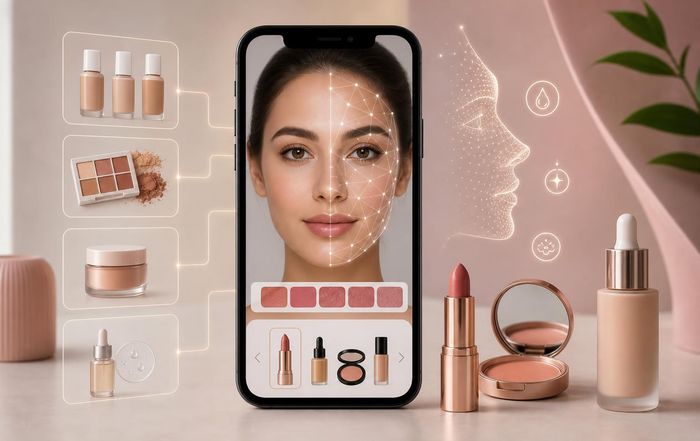
One of the most significant advances in beauty technology has been the proliferation of AI-powered skin analysis tools, which use smartphone cameras, computer vision, and dermatology-informed datasets to evaluate skin conditions such as dehydration, hyperpigmentation, acne, fine lines, redness, and texture. Companies like Perfect Corp, ModiFace (owned by L'Oréal), and Revieve have partnered with global retailers and brands to embed these diagnostic tools into websites, mobile apps, and in-store mirrors, allowing consumers in markets from North America and Europe to Asia-Pacific to receive instant assessments and product suggestions tailored to their specific concerns.
Research from institutions such as the American Academy of Dermatology highlights the importance of early detection and consistent skincare routines in managing chronic conditions like acne and rosacea. Learn more about dermatologist-backed skincare insights from the American Academy of Dermatology. While AI tools do not replace professional medical advice, they serve as an accessible first step that can guide consumers toward more suitable cleansers, serums, sunscreens, and treatments, and can also encourage them to seek professional consultation when necessary.
For readers of BeautyTipa, especially those exploring skincare and health and fitness, AI skin analysis offers a bridge between clinical expertise and everyday decision-making. It allows a user in Singapore or Denmark, for example, to receive personalized guidance that accounts for humidity, UV index, pollution levels, and local lifestyle patterns, thereby improving the likelihood that they will discover products that genuinely address their needs rather than relying on generic marketing promises.
Augmented Reality and Virtual Try-On Experiences
Augmented reality (AR) has transformed the way consumers discover makeup and, increasingly, skincare and haircare products, by enabling virtual try-on experiences that approximate real-world application. Retailers and beauty brands, from Sephora and Ulta Beauty to L'Oréal Paris and MAC Cosmetics, have integrated AR modules that allow users to test lipsticks, foundations, eyeshadows, and even hair colors on their own faces in real time, via mobile apps or in-store smart mirrors. This is particularly impactful for consumers in regions like South Korea, Japan, and China, where digital beauty adoption is exceptionally high and where consumers are accustomed to experimenting with new looks through technology.
Studies from organizations such as Deloitte and Accenture indicate that AR try-on can significantly reduce product returns and increase customer confidence, especially in shade-dependent categories. Learn more about immersive retail technologies through Deloitte's insights on AR and VR in retail. Moreover, AR tools help address longstanding challenges related to inclusive shade ranges and undertones, by enabling users with diverse skin tones in markets such as South Africa, Brazil, and India to test and compare products without physical sampling.
On BeautyTipa, AR technology is increasingly referenced in content related to makeup, technology and beauty, and fashion, where virtual experimentation intersects with self-expression and personal branding. As readers move fluidly between editorial content, brand platforms, and social media, AR try-on experiences function as a critical link that turns inspiration into confident, informed purchase decisions.
Data-Driven Ingredient Transparency and Safety
Another key dimension of product discovery in 2026 is the heightened focus on ingredients, safety, and transparency. Consumers in the United States, Europe, and Asia increasingly scrutinize labels for potential irritants, allergens, and controversial substances, while also seeking evidence-based ingredients such as niacinamide, retinoids, peptides, vitamin C, and ceramides. Digital tools and databases now help users decode complex ingredient lists and assess potential risks or benefits, thereby elevating the standard for informed decision-making.
Nonprofit organizations and research bodies, including the Environmental Working Group (EWG) and the Campaign for Safe Cosmetics, have contributed to public awareness around ingredient safety. Readers can explore more about ingredient evaluation and consumer health at the Environmental Working Group's Skin Deep database. In parallel, regulatory frameworks from authorities such as the U.S. Food and Drug Administration (FDA) and the European Medicines Agency (EMA) continue to evolve, prompting brands to reformulate products and provide clearer disclosures. Guidance on cosmetic regulations is available through the FDA's cosmetics section and the European Commission's cosmetic products page.
For BeautyTipa, ingredient literacy is a cornerstone of editorial integrity and trustworthiness. Articles within brands and products and guides and tips increasingly focus on breaking down formulations, explaining how evidence-based ingredients work, and helping readers distinguish between marketing language and substantiated claims. This detailed approach supports a more intelligent form of product discovery, where users can align products with their skin biology, ethical values, and long-term wellness goals.
Social Commerce, Influencers, and Algorithmic Curation
Beyond brand-owned channels, beauty discovery in 2026 is heavily shaped by social commerce platforms, short-form video, and influencer ecosystems across Instagram, TikTok, YouTube, and emerging regional platforms in Asia, Europe, and Latin America. Algorithms on these platforms prioritize content that drives engagement, often elevating product reviews, tutorials, and transformations that can rapidly turn a little-known serum or lipstick into a global bestseller.
Research from organizations such as Nielsen and Statista shows that social proof remains one of the strongest drivers of purchase intent, particularly among younger demographics in markets like the United States, the United Kingdom, Germany, and Brazil. Learn more about evolving consumer behavior and social influence through Nielsen's consumer insights. However, this environment also raises concerns about misinformation, undisclosed sponsorships, and the rapid spread of unverified claims about ingredients or at-home treatments.
In this context, BeautyTipa plays a crucial role as an independent filter and curator, providing context, verification, and balanced analysis of viral trends and products. The platform's coverage of trends, events, and international developments helps readers understand not only which products are popular, but why they resonate in specific cultural and regulatory environments, and how they align with evidence-based best practices. This reinforces a discovery journey that is not driven solely by algorithms, but by informed editorial judgment.
Sustainable Beauty and Ethical Product Discovery
Sustainability has become a defining theme in beauty product discovery, influencing everything from packaging choices and supply chain transparency to formulations and brand missions. Consumers in Scandinavia, Western Europe, Canada, Australia, New Zealand, and parts of Asia increasingly seek out brands that demonstrate measurable progress in reducing environmental impact and promoting ethical sourcing, while also maintaining product performance and safety.
Organizations such as the Ellen MacArthur Foundation and the World Wildlife Fund (WWF) have highlighted the importance of circular economy principles and responsible resource use in consumer goods. Learn more about sustainable business practices at the Ellen MacArthur Foundation. In response, beauty companies are adopting refillable packaging, biodegradable materials, and traceable ingredient sourcing, often leveraging blockchain and digital product passports to provide verifiable information to consumers.
For BeautyTipa, this trend intersects directly with its coverage of business and finance, as sustainability is now both a strategic imperative and a driver of brand valuation and investor interest. Articles that analyze how brands in Europe, Asia, Africa, and the Americas integrate sustainability into their innovation pipelines help readers understand which product claims are backed by measurable action and transparent reporting, thereby improving the quality and integrity of product discovery.
The Convergence of Beauty, Wellness, and Nutrition
In 2026, beauty discovery is no longer confined to external products such as creams and cosmetics; it increasingly encompasses wellness, lifestyle, and nutrition, reflecting a holistic view of skin health and appearance. Consumers in regions from North America and Europe to Asia-Pacific explore supplements, functional foods, and wellness routines that support skin, hair, and overall vitality, often guided by digital platforms that integrate health data, wearable devices, and personalized recommendations.
Institutions such as the World Health Organization (WHO) and Harvard T.H. Chan School of Public Health emphasize the links between diet, stress, sleep, and skin health, highlighting the importance of balanced nutrition, physical activity, and mental well-being. More information on the relationship between lifestyle and health outcomes can be found at the World Health Organization and Harvard's nutrition resources. This convergence of beauty and wellness has led to the rise of ingestible beauty products, adaptogen-based formulations, and integrated routines that combine topical skincare with dietary and fitness strategies.
BeautyTipa reflects this holistic perspective across its coverage of wellness, food and nutrition, and health and fitness, helping readers understand how internal and external interventions interact. In practical terms, this means that product discovery may involve comparing not only moisturizers and serums, but also supplements, teas, sleep aids, and stress-management tools, all evaluated through the lens of scientific evidence, safety, and long-term impact.
Technology, Jobs, and the Future of Beauty Careers
The integration of technology into beauty product discovery has profound implications for employment, skills, and career development across the industry. Roles in digital marketing, data science, UX design, AI development, and regulatory affairs are now central to how brands and retailers operate, while traditional roles such as beauty advisors, makeup artists, and skincare specialists increasingly require digital fluency and comfort with tools like AI diagnostics and AR try-on platforms.
Reports from organizations such as the World Economic Forum (WEF) and the Organisation for Economic Co-operation and Development (OECD) note that the beauty and personal care sector is part of a broader shift toward digital and green jobs, with increasing demand for hybrid skill sets that combine technical expertise, creativity, and human-centered design. Learn more about the future of work and skills transformation at the World Economic Forum. Education providers and professional associations are responding with new training programs that cover topics such as data literacy, ethical AI, and sustainable product development.
For BeautyTipa, this evolution is particularly relevant to readers interested in jobs and employment in the beauty ecosystem. Articles that explore career paths in technology-enabled beauty, from AI product managers and digital beauty strategists to sustainability analysts and virtual consultation specialists, help readers in markets around the world understand where opportunities are emerging and which skills will be most valuable in the coming decade.
Globalization, Localization, and Cross-Cultural Discovery
While technology has globalized access to beauty products and information, effective product discovery in 2026 still depends heavily on localization and cultural nuance. Consumers in different regions have distinct skin concerns, climate conditions, beauty ideals, and regulatory environments, which shape how they evaluate products and technologies. For example, consumers in South Korea and Japan may prioritize multi-step routines and brightening ingredients, while those in the United States and Canada might focus more on anti-aging and sun protection, and consumers in Africa and South America may place greater emphasis on hyperpigmentation, humidity-resistant formulas, and haircare tailored to diverse textures.
International organizations and trade bodies, such as the International Trade Centre (ITC) and Cosmetics Europe, highlight the importance of adapting formulations, claims, and marketing strategies to local expectations while maintaining global standards of safety and quality. More information on international trade and regulatory considerations is available through the International Trade Centre and Cosmetics Europe. This interplay of global and local dynamics means that technology-enabled discovery tools must be sensitive to language, imagery, and regional data, rather than assuming that one-size-fits-all recommendations are sufficient.
BeautyTipa, with its focus on international perspectives, serves as a bridge between global trends and local realities, helping readers in Europe, Asia, Africa, North America, South America, and Oceania interpret how technologies and product innovations translate into their own cultural and regulatory contexts. This cross-border lens is essential for multinational brands, emerging indie labels, and consumers who now routinely shop across borders through e-commerce.
Building Trust in a Technology-Driven Beauty Landscape
As beauty technology becomes more sophisticated, the question of trust becomes central to product discovery. Consumers must evaluate not only the products themselves, but also the tools and platforms that guide their choices, including AI algorithms, AR experiences, social media feeds, and ingredient databases. Trust in this context is built through transparency, consistent performance, regulatory compliance, ethical data practices, and clear communication of limitations.
Organizations such as the International Organization for Standardization (ISO) and the IEEE Standards Association are working on frameworks for trustworthy AI and digital systems, which can indirectly influence how beauty technology is developed and deployed. Learn more about global standards for trustworthy technology at the ISO and IEEE Standards Association. In parallel, consumer advocacy groups and regulatory bodies continue to push for clearer labeling, stricter enforcement of advertising claims, and stronger protections for biometric and personal data.
Within this evolving ecosystem, BeautyTipa emphasizes Experience, Expertise, Authoritativeness, and Trustworthiness by combining expert commentary, careful research, and user-centric analysis across its core sections, from beauty and skincare to technology and beauty and business and finance. By explaining how tools work, highlighting both benefits and risks, and maintaining a global yet nuanced perspective, the platform supports readers in making decisions that are not only convenient and exciting, but also responsible and aligned with their values.
The Road Ahead for Human-Centered Beauty Technology
Looking beyond today, the trajectory of beauty technology suggests even deeper integration of AI, biometrics, genomics, and immersive environments into product discovery. Emerging innovations include advanced skin microbiome analysis, personalized formulations produced on demand, and virtual reality environments where users can explore entire product ecosystems in simulated settings that mimic their own homes, workplaces, or climate conditions. At the same time, societal expectations around privacy, mental health, inclusivity, and sustainability will continue to shape how these technologies are designed and regulated.
For global consumers and for top platforms like BeautyTipa, the central challenge and opportunity lie in ensuring that technology enhances, rather than replaces, human judgment, individuality, and creativity. Product discovery will be most successful when it combines the precision and scalability of digital tools with the empathy, cultural awareness, and ethical reflection that only human-centered design can provide. As readers across the world continue to explore new products, routines, and brands, BeautyTipa will remain committed to guiding that journey with depth, original content clarity, and integrity, helping each person navigate a complex, rapidly changing beauty landscape with confidence and discernment.
In this human-technology partnership, beauty discovery becomes not just a process of finding the next product to buy, but an ongoing exploration of identity, well-being, and self-expression, grounded in knowledge, supported by innovation, and informed by a global community that values both science and individuality.
